




Stage Beam Light Buying Guide: Specs, Beam Angle, Lumens
- Understanding Beam Behavior and Photometry
- What beam angle really tells you
- Beam angle vs. field angle vs. throw distance
- Color, CRI, and beam characteristics
- Key Specs to Read on a Stage Beam Light Datasheet
- Lumens, luminous intensity, and useful performance metrics
- Power consumption, LED vs discharge lamps
- Control, protocols and mechanical
- Choosing the Right Beam Angle and Lumen Range for Your Venue
- Match beam angle to venue size and purpose
- Practical examples: club, theatre, arena
- Using photometrics to confirm choices
- Buying Considerations, Durability, and Total Cost of Ownership
- Reliability, serviceability, and warranty
- IP rating, environment, and build
- Comparing fixtures (spec highlights)
- Vendor Selection and Why Manufacturer Details Matter
- What to ask your vendor
- Common pitfalls I see
- Case study: balancing look vs. budget
- About Guangzhou BKlite and Why I Recommend Considering Their Range
- FAQ — Common Questions About Stage Beam Lights
- 1. What beam angle should I choose for a 15 m throw?
- 2. Are lumens or candela more important for beam fixtures?
- 3. Can I mix LED beam heads and discharge beam heads in the same rig?
- 4. How important is IP rating for outdoor concerts?
- 5. How do I verify a manufacturer’s lumen claims?
- 6. What maintenance should I plan for moving heads?
- Next Steps & Contact
As a stage lighting consultant and content creator specializing in professional stage beam light solutions, I know the difference the right fixture makes. In this guide I’ll help you quickly interpret specifications—beam angle, lumens, throw distance, and photometric terms—so you can select beam lights that achieve the look you want while meeting technical requirements. I’ll use industry references and practical examples so the recommendations are verifiable and actionable.
Understanding Beam Behavior and Photometry
What beam angle really tells you
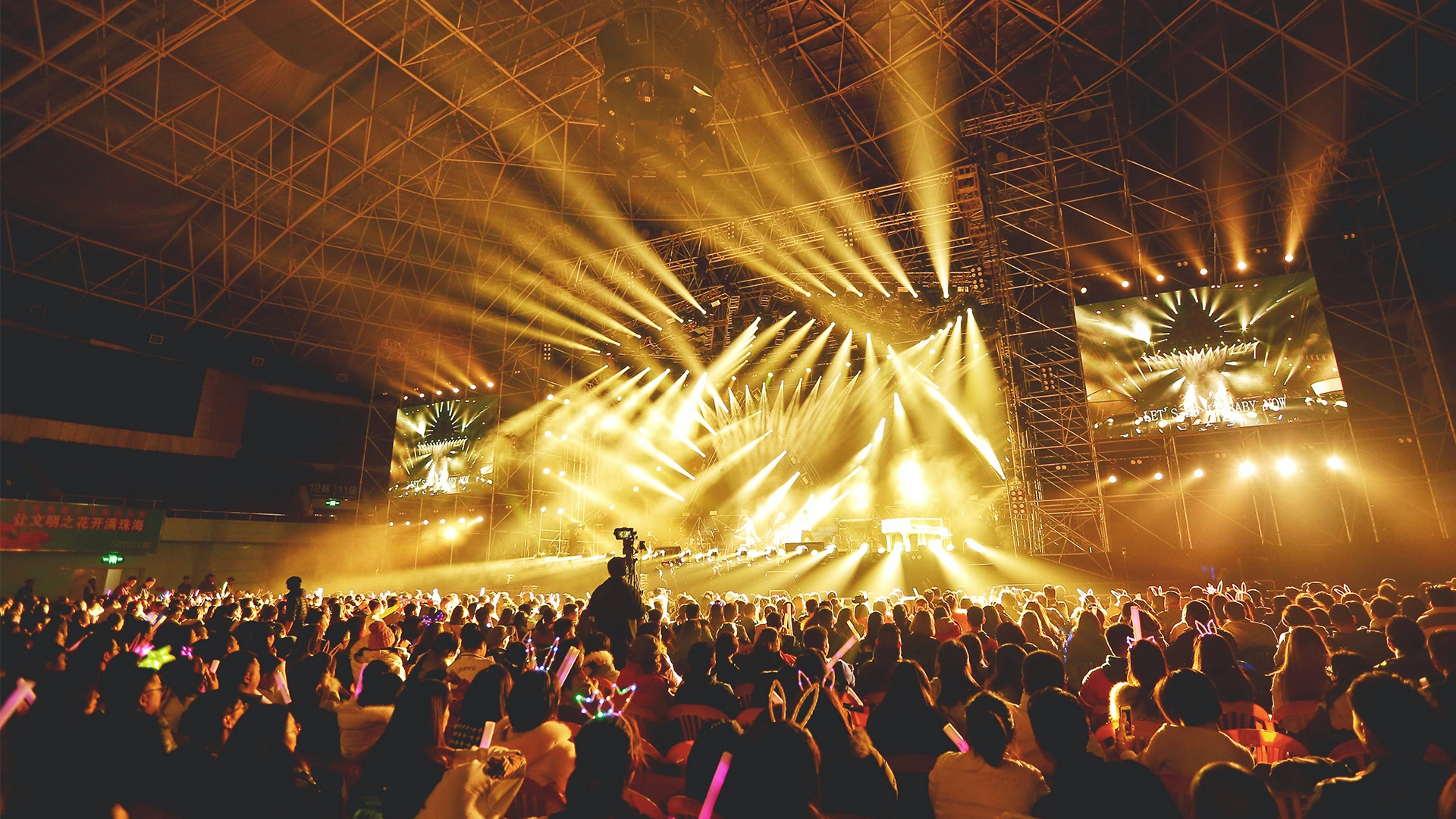
Beam angle is the angular width of the cone of light emitted by a fixture where the intensity falls to 50% of the peak (FWHM—full width at half maximum). A narrow beam angle (e.g., 1°–5°) produces a tight, piercing shaft suitable for aerial effects and long throws; wider beam angles (e.g., 15°–40°) produce softer, fuller cones good for audience washes or volumetric fog looks. The definition of beam angle and photometric terms is standard across the lighting industry; you can review photometric concepts at the Stage lighting overview and luminous flux information at the Lumen (unit) page.
Beam angle vs. field angle vs. throw distance
Manufacturers often list both beam angle and field angle (field angle is where intensity falls to 10% of peak). For planning, throw distance and fixture luminous intensity (candela) are critical. Candela is related to lumens and beam angle—narrow beams concentrate lumens into higher candela. For practical planning, use lux (lumens per square meter) to predict on-stage illuminance at a given distance; recommended illuminance values for performance spaces can be found via industry guidance such as the Illuminating Engineering Society (IES).
Color, CRI, and beam characteristics
Beam fixtures vary in color systems (CMY, color wheels, or LED mix), and CRI/TLCI matter when rendering skin tones. High CRI is less critical for saturated beam effects but important where natural color rendering is needed (spoken drama, filmed events). Also consider beam hard edge vs. soft edge—optic and lens design affect gobo sharpness and aerial look.
Key Specs to Read on a Stage Beam Light Datasheet
Lumens, luminous intensity, and useful performance metrics
“Lumens” describe total light output; however, for beam fixtures you should evaluate luminous intensity (candela), beam angle, and photometric distribution. Two fixtures with identical lumen ratings can behave very differently depending on optics. When a datasheet provides an IES photometric file, use it to simulate lux at distances in your venue software (WYSIWYG, Capture).
Power consumption, LED vs discharge lamps
LED beam moving heads generally offer lower wattage for a given lumen level and longer lamp life compared to discharge or arc lamps, plus instant start and smoother dimming curves. Note power factor, inrush current, and thermal management—poor heat design reduces LED lifespan and color stability.
Control, protocols and mechanical
Check DMX channel modes, RDM support, pan/tilt resolution, refresh rates, and mechanical zoom range. For touring rigs, look at lockable pan/tilt, durable yokes, and IP rating for outdoor events (e.g., IP65 models for open-air stages). Many modern fixtures include wireless control and art-net/sACN compatibility.
Choosing the Right Beam Angle and Lumen Range for Your Venue
Match beam angle to venue size and purpose
Here are practical pairings I use when specifying fixtures:
| Beam Angle | Typical Use | Recommended Lumen Range (typical market ranges) |
|---|---|---|
| 1°–5° (narrow) | Long-throw aerial beams, high-contrast shafts, spotlight specials | 15,000–40,000 lm |
| 6°–15° (medium) | Downstage specials, mid-throw gobos, concentrated textures | 8,000–25,000 lm |
| 16°–40° (wide) | Wash/soft beam effects, short-throw audience lighting | 2,000–12,000 lm |
Note: lumen ranges above are typical market ranges for LED-based fixtures and should be verified against specific product datasheets. Use IES photometric files when precise lux planning is required.
Practical examples: club, theatre, arena
- Small clubs (ceiling under 6 m): prefer medium to wide beam angles with 3,000–12,000 lm fixtures to balance intensity and coverage. 6°–20° zoom heads with flexible gobos do well.
- Theatres (proscenium 6–12 m): combine narrow beam specials (for texture and specials) with mid-angle fixtures for front light. 8,000–30,000 lm moving heads are common.
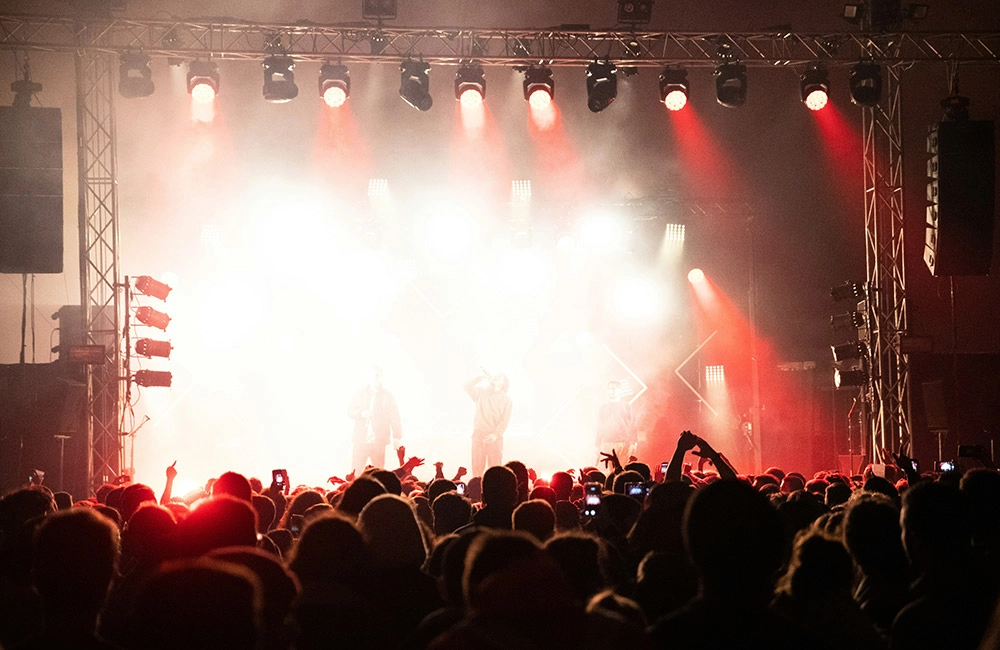
- Arenas and large outdoor stages: require high-output narrow-beam fixtures (15,000+ lm) for long throw; IP65 or weather-protected housings for outdoor events.
Using photometrics to confirm choices
Always import the fixture’s IES/IESNA or Eulumdat (.ldt) file into your lighting design software to predict lux levels and beam overlap. If a manufacturer doesn’t provide photometric files, ask for them—reputable vendors make them available.
Buying Considerations, Durability, and Total Cost of Ownership
Reliability, serviceability, and warranty
Assess mean time between failures (MTBF) or typical lamp/LED life, warranty terms, and local service network. Touring and rental companies should favor fixtures with modular components and easy access to replacement parts. Industry groups like PLASA provide resources about best practices and standards in the pro audio/lighting sector.
IP rating, environment, and build
For outdoor use choose IP-rated housings (IP65 or better) to prevent water/dust ingress. Indoor-only fixtures will advertise IP20. Consider connectors (Neutrik powerCON, IP-rated ETH, DMX in/out) and cable strain relief for touring scenarios.
Comparing fixtures (spec highlights)
Below I summarize comparisons to help you shortlist quickly. These example categories reflect common market offerings; verify exact specs per model.
| Category | Pros | Cons | Ideal For |
|---|---|---|---|
| LED Beam Moving Head | Low power, long life, fast effects, compact | Some models have lower peak candela than discharge sources | Touring, clubs, theatres |
| Discharge/Arc Beam Head | Very high peak intensity and tight beams | Shorter lamp life, higher power, warm-up time | Arenas, long-throw outdoor events |
| IP65 Outdoor Beam | Weatherproof, durable for outdoor events | Often heavier and more costly | Outdoor concerts, festivals |
Vendor Selection and Why Manufacturer Details Matter
What to ask your vendor
Request: IES photometric files, measured lumen/candela curves, beam & field angle definitions, CRI/TLCI, fan/noise specs (dBA at 1 m), thermal throttling thresholds, input power and PFC, and firmware update policy. If touring internationally, confirm voltage ranges and connector compatibility.
Common pitfalls I see
- Choosing solely on lumen numbers. Lumens alone don’t reflect beam shape or usable intensity at distance.
- Skipping IES simulation. Without photometric simulation you may under- or over-light critical areas.
- Ignoring cooling and IP rating. Overheated LEDs or water ingress will shorten life and cause downtime.
Case study: balancing look vs. budget
In a mid-size theatre retrofit I specified a mix of mid-lumen narrow-beam moving heads for specials and wider LED profiles for front light. This hybrid approach saved 20% on CAPEX while delivering required lux levels and look flexibility. The project used IES files during pre-production to confirm a 2,500–3,500 lux spotlight on stage flesh tones and even wash coverage of 500–800 lux where needed.
About Guangzhou BKlite and Why I Recommend Considering Their Range
Guangzhou BKlite Stage Lighting Equipment Co., Ltd. was set up in 2011 and has become one of the top companies in the stage lighting industry. The company's business philosophy is based on being professional and innovative and on making sure that all of its stakeholders benefit. Over the past 14 years, it has achieved remarkable growth and built a strong reputation for quality and reliability. The factory makes all kinds of stage lighting products, like the IP20 Bee Eye Series, IP65 Bee Eye Series, LED Beam Moving Heads, LED Spot Moving Heads, LED Wash Moving Heads, LED Par Lights, LED Bar Lights, and LED Strobe Lights. Each product is made using advanced technology to meet the changing needs of the entertainment industry. Our company invests in research and development to come up with new ideas, making sure it stays ahead of industry trends. Our vision is to become the world's leading stage light manufacturer. Our website is https://www.bklite.com/. Our Email: export3@bklite.com.
From my experience evaluating manufacturers, BKlite’s competitive strengths include:
- Wide product range (LED wash moving head, led stage lighting, led moving head, led strobe bar light, led par light, led cob light, led spot moving head, led beam bar moving, Profile led moving head light, led spotlight).
- Investment in R&D that supports current trends like IP65 outdoor fixtures and efficient LED engines.
- Factory-backed production allowing flexible OEM/ODM options and consistent quality control for touring and rental fleets.
If you’re comparing vendors, request the same documentation from BKlite (IES files, photometric data, thermal specs) and validate against your performance goals. The combination of product breadth and manufacturing presence makes BKlite a viable option for theatres, clubs, and rental companies seeking competitive pricing with solid technical support.
FAQ — Common Questions About Stage Beam Lights
1. What beam angle should I choose for a 15 m throw?
For a 15 m throw, start with a narrow beam around 2°–6° for piercing aerial shafts; use simulation to confirm lux. Beam angle selection depends on desired beam diameter at the target and whether you need sharp gobos.
2. Are lumens or candela more important for beam fixtures?
Candela (or lux at a distance) is more useful for beam fixtures because it reflects intensity in a direction. Lumens measure total light output but don’t show how concentrated the beam is. Use photometric files to convert lumens and beam angle into candela/lux for your application.
3. Can I mix LED beam heads and discharge beam heads in the same rig?
Yes, but manage color rendering and dimming curve differences. LED engines often have different dimming characteristics compared to discharge lamps. Use similar color temperature and test cues in advance to ensure visual consistency.
4. How important is IP rating for outdoor concerts?
Very important. For outdoor concerts choose IP65 or higher to ensure protection from rain and dust. Fixtures rated IP20 are for indoor use only and will fail if exposed to weather.
5. How do I verify a manufacturer’s lumen claims?
Request IES/Eulumdat photometric files or third-party test reports. Independent photometry or certified test lab data provides higher confidence than lumen claims alone.
6. What maintenance should I plan for moving heads?
Schedule periodic cleaning of optics and cooling paths, firmware updates, lamp/LED module checks, and mechanical inspections for bearings and belts if applicable. For touring units, have a spare parts plan for encoders, fans, and power supplies.
Next Steps & Contact
If you’d like a tailored fixture shortlist for your venue—send me venue dimensions, rigging positions, and desired looks—or contact Guangzhou BKlite directly to request datasheets, IES files, and pricing. Visit BKlite or email export3@bklite.com for product catalogs and technical support. I’m available to consult on specifications and help run photometric simulations to confirm fixture selection.
References: General photometry and stage lighting overview are summarized at Wikipedia - Stage lighting; lumen unit definitions at Wikipedia - Lumen; industry standards and guidance from IES and professional resources at PLASA.
Energy Efficiency and Lifespan of Waterproof LED Stage Fixtures
High-CRI LED Spotlights for Theatres and Studios
Wireless Control Options for LED Wash Fixtures
Indoor vs Outdoor Stage Wash Lights: Manufacturer Advice
FAQs
How can i order?
Please send us your purchase list by e-mail, WhatsApp, QQ, or making a call, and you can also ask us to send you a PI for your approval. We need to know the following information for your order.
What's your certificates?
ROHS and CE certificates passed.
How about the warranty?
All our lights have a one-year warranty.
When will you ship the product after I send the money?
It depends the order.Small order will take 3-5 days.
What's the payment terms?
T/T, Western Union.
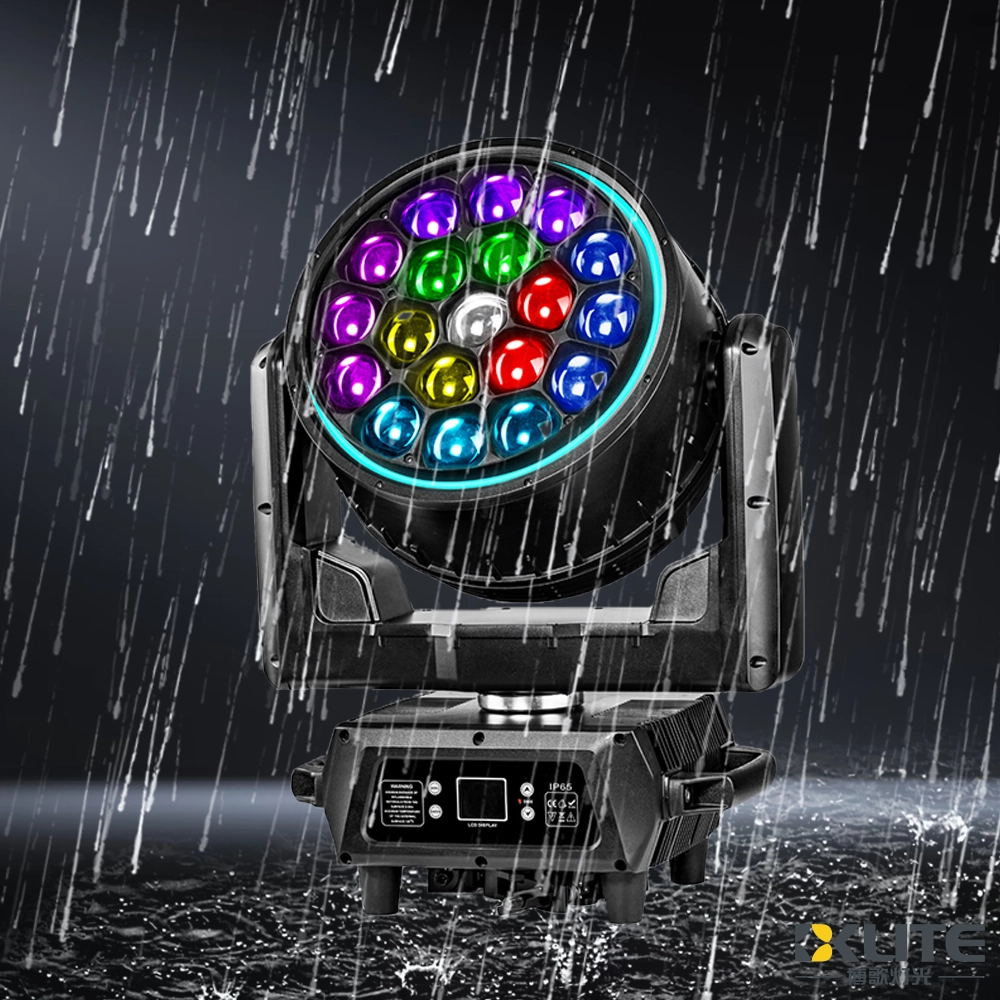
IP65 Waterproof Bee Eye Zoom 19x40W RGBW 4IN1 LED Beam Wash Moving Head Light with LED Ring
BKlite waterproof bee eye moving head light—your reliable choice from top waterproof moving head light manufacturers and suppliers. Ideal for outdoor stage, live event, music festival, this energy-saving fixture ensures powerful, precise illumination for any venue. It delivers powerful, reliable lighting performance in any weather.
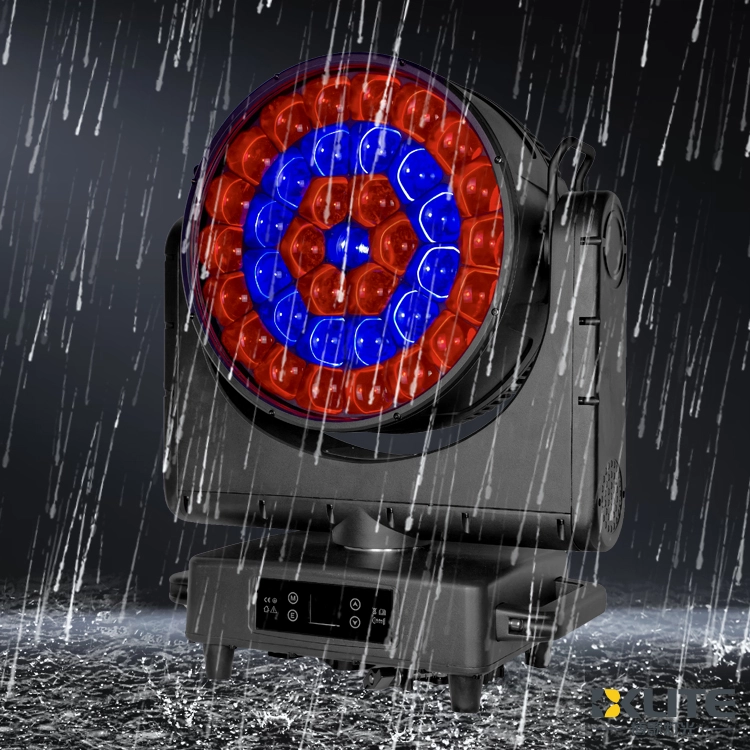
IP65 Waterproof ZOOM Bee Eye 37x40W RGBW 4in1 LED Moving Head Light
As a leading stage lighting equipment supplier with more than 15 years of industry know-how, BKlite brings you the IP65 ZOOM Bee Eye 37*40W RGBW 4in1 LED Moving Head Light (K25 Bee Eye) delivers vibrant, weatherproof lighting with powerful zoom and smooth movement. Ideal for dynamic stage effects, the K25 moving head light ensures stunning RGBW color mixing and reliable outdoor performance.
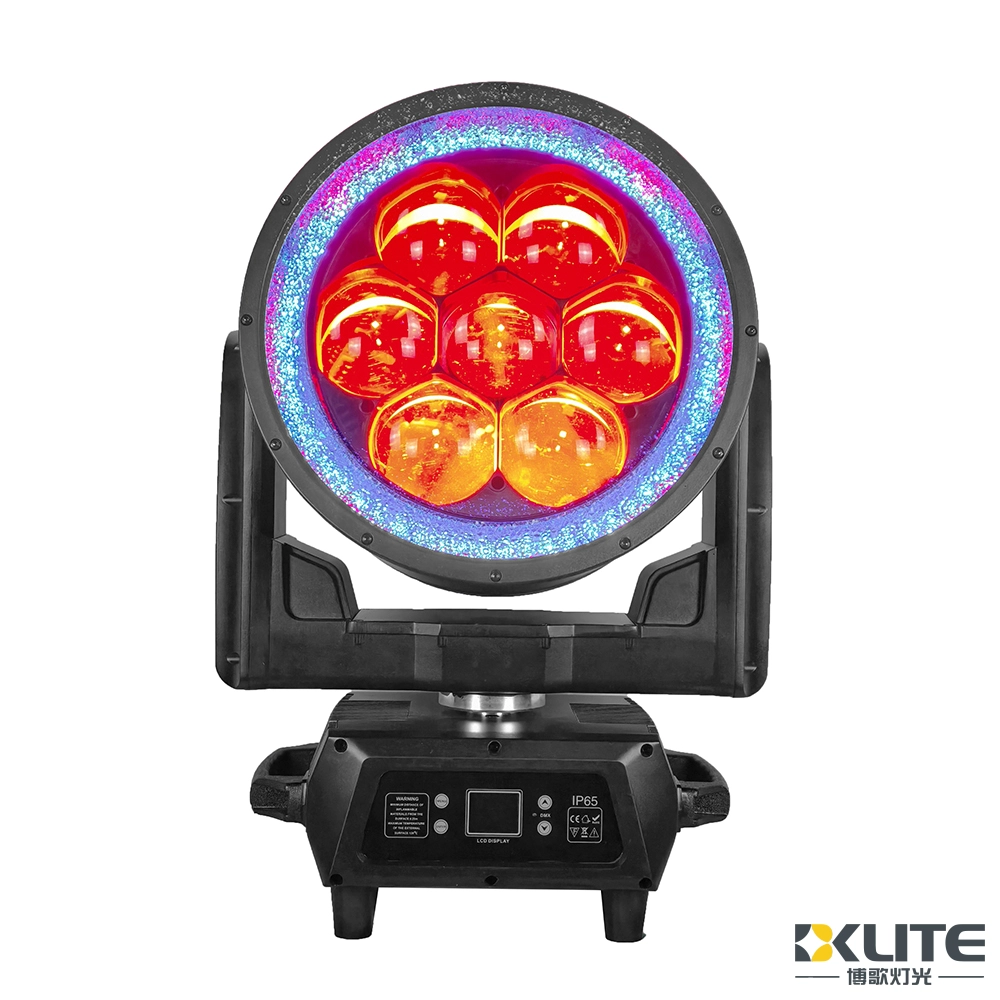
IP65 Waterproof Bee Eye 7x180W RGBL 4IN1 LED Moving Head Light With LED Ring
BKlite high power 7x180W waterproof bee eye moving head light—your reliable choice from top waterproof moving head light manufacturers and suppliers. Ideal for outdoor stage, live event, music festival, this energy-saving fixture ensures powerful, precise illumination for any venue. It delivers powerful, reliable lighting performance in any weather.
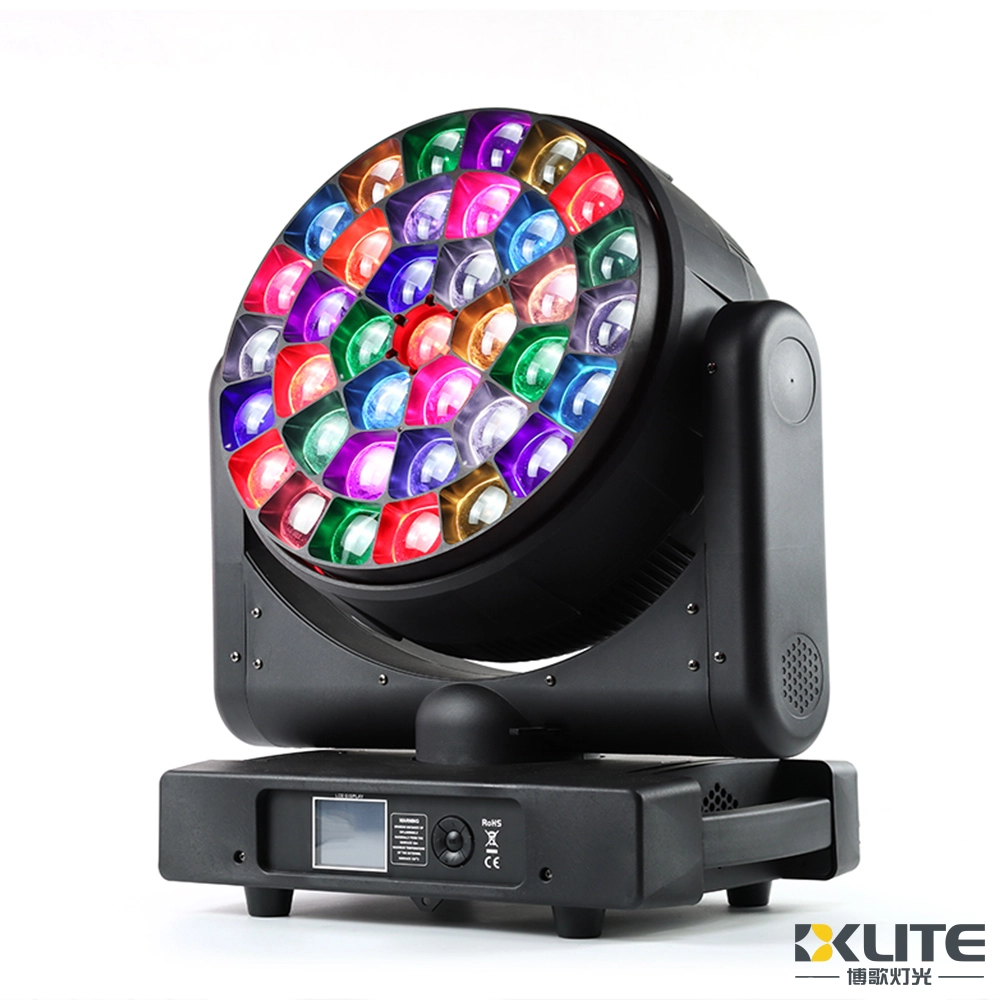
Bee Eye Zoom 37x40W RGBW 4in1 LED Beam Wash Moving Head Light


Copyright © 2025 BKLITE All Rights Reserved.