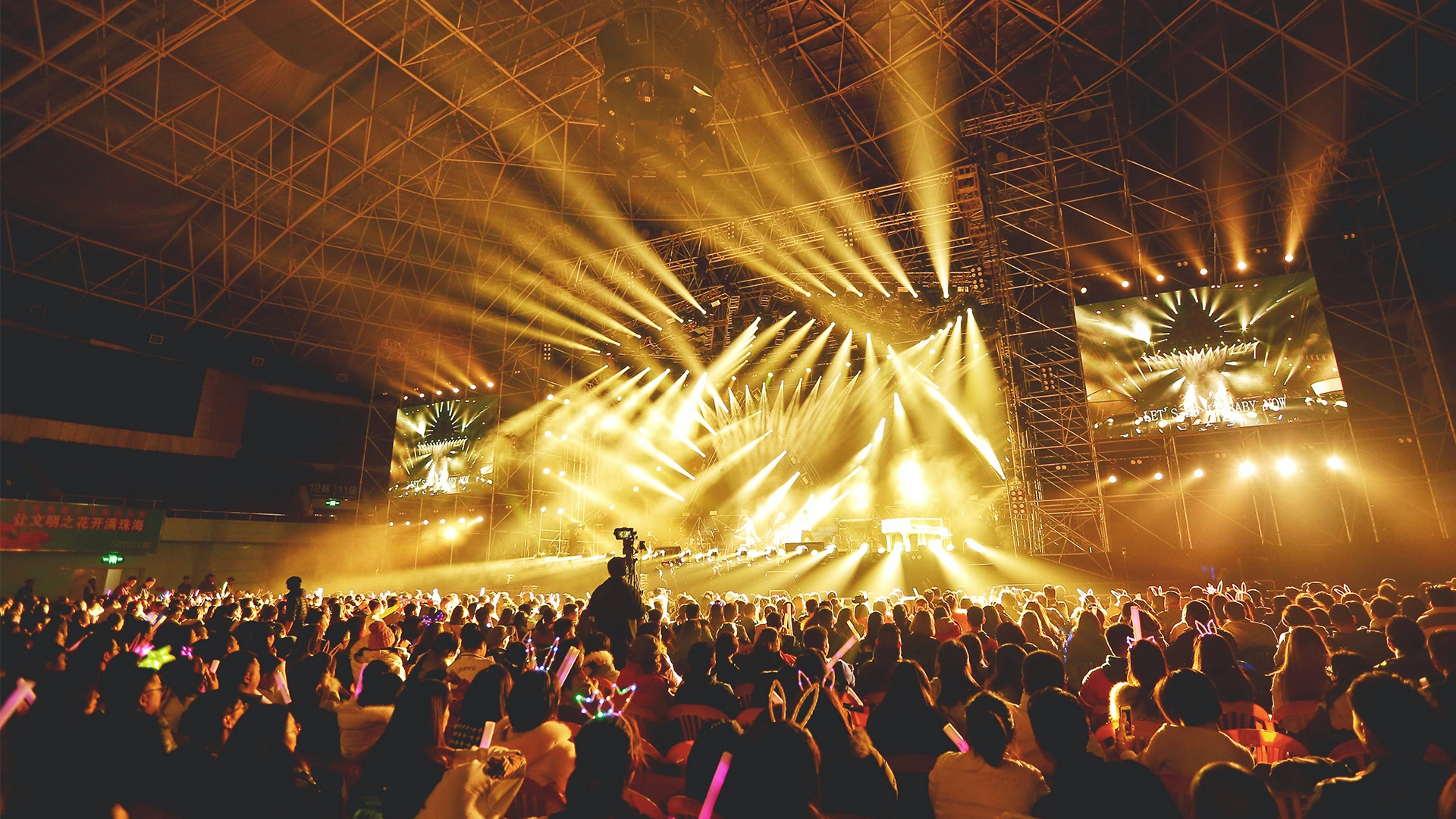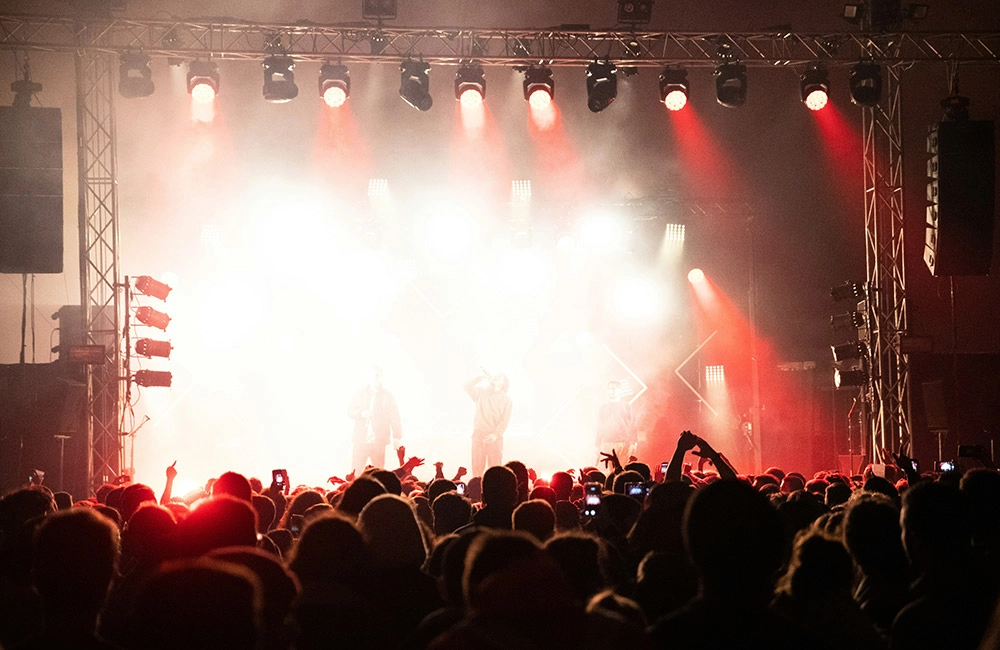





best led stage wash lights with the widest beam angles
- Understanding beam angles and why they matter
- What is beam angle and how it’s measured
- Why wider beam angles are not always better
- Key metrics to read alongside beam angle
- Optical and engineering approaches that produce the widest, high-quality washes
- Lens systems, diffusion and beam homogenizers
- LED sources: COB vs. multi-emitter arrays
- Mechanical design: zooms and beam shaping
- Types of LED wash fixtures and when to choose each
- LED wash moving heads
- LED par and battens for ultra-wide coverage
- Blending moving washes with static wide fixtures
- Comparison of typical beam-angle ranges and use cases
- How I evaluate and select the best LED stage wash lights
- Checklist for purchase decisions
- Practical rigging and aiming tips for widest washes
- Maintenance and lifecycle considerations
- Recommendations, real-world examples and sourcing
- Which fixtures I recommend for specific venues
- Why specification transparency matters
- Manufacturer and OEM considerations — why I work with proven factories
- Frequently Asked Questions (FAQ)
- 1. What beam angle do I need for a typical theatre front wash?
- 2. Can I make a narrow-beam wash fixture wider with diffusion?
- 3. Are COB LEDs always better for wide washes?
- 4. How do I verify manufacturer beam-angle claims?
- 5. What IP rating do I need for outdoor wide wash fixtures?
- 6. How important is TLCI/CRI for wash lighting?
- 7. Where can I source reliable wide-beam wash fixtures?
I often get asked by lighting buyers and production managers: which LED stage wash lights deliver the widest, most usable beam angles without sacrificing color and output? In this article I explain why beam angle matters, how manufacturers achieve wide washes, and how to evaluate fixtures for venues from intimate theatres to outdoor festivals. I use industry references and practical criteria so you can choose the best LED stage wash lights for wide coverage and consistent results.
Understanding beam angles and why they matter
What is beam angle and how it’s measured
Beam angle is the angular width over which a light source emits useful light; manufacturers typically specify the full width at half maximum (FWHM) — the angle where intensity falls to 50% of peak. This definition is standard in LED lighting documentation and discussed in lighting engineering references (LED lamp — Wikipedia). For stage applications, the practical consequence is how uniformly a fixture covers a surface at a given throw distance.
Why wider beam angles are not always better
Wider beam angles provide flatter, broader coverage, which is ideal for front wash and cyc illumination. However, wide beams typically reduce center intensity (lux) and can expose beam edge irregularities if optics or diffusion are poor. In short: wider equals more coverage but less punch per unit area unless the fixture is designed with sufficient LED output and optical control.
Key metrics to read alongside beam angle
When I assess fixtures I don’t look at beam angle alone. I check:
- Lux or lumen output at specific throw distances (measured or manufacturer-published)
- Uniformity charts or beam cross-sections
- Color rendering index (CRI) / TLCI for accurate color
- Flicker specifications for broadcast/LED camera use
Standards and guidelines from organizations like the Illuminating Engineering Society (IES) and the Entertainment Services and Technology Association (ESTA) are useful for contextualizing these numbers (IES, ESTA).
Optical and engineering approaches that produce the widest, high-quality washes
Lens systems, diffusion and beam homogenizers
High-quality wide-wash fixtures use multi-element lens groups and engineered diffusers to spread light evenly while minimizing hotspots. Some designs use a primary lens for beam shaping and a secondary diffusion stage to blend LED sources; others incorporate micro-lens arrays to homogenize the beam. The tradeoff is complexity and cost vs. uniformity.
LED sources: COB vs. multi-emitter arrays
COB (Chip On Board) LEDs produce a single, compact light source that’s inherently easier to homogenize into a smooth wide wash. Multi-emitter arrays (SMD clusters) can offer high output and color mixing flexibility but require careful optics to avoid visible multiple-source artifacts. For the widest, flattest washes, I usually prefer quality COB-based wash fixtures or hybrid designs that combine COB for white output and multi-emitter for saturated colors.
Mechanical design: zooms and beam shaping
Zoom wash fixtures that offer continuous beam-angle control (for example 10°–60° or 20°–80° ranges) provide flexibility for multiple tasks. For extremely wide coverage (over 90°), battens and multi-par strips are often used; these sacrifice the punch of a moving head but cover very broad areas economically.
Types of LED wash fixtures and when to choose each
LED wash moving heads
Wash moving heads are versatile: they provide motorized pan/tilt with zoomable optics and color mixing. Choose a moving wash with a wide zoom range if you need both full-stage washes and narrower frontlights. These fixtures are common in theatres and concert rigs.
LED par and battens for ultra-wide coverage
For cyc, wall, and audience washes, LED pars and battens with wide lensing (often 60°–120°) are efficient. Par-style fixtures with wide optics are simpler to deploy and offer very even coverage when rigged properly.
Blending moving washes with static wide fixtures
My recommended approach is a hybrid rig: use a smaller number of high-output moving washes for frontlight and specials, and complement them with wide-angle pars/battens for full-stage coverage and color fills. This balances punch, control, and cost.
Comparison of typical beam-angle ranges and use cases
| Fixture Type | Typical Beam Angle Range | Primary Use Cases |
|---|---|---|
| Moving wash (zoom) | 10°–80° (depends on model) | Front wash, specials, flexible stage coverage |
| LED Par (wide lens) | 45°–120° | Cyc, wall wash, audience wash |
| Batten / linear wash | 60°–120° (wide optics per emitter) | LED strip cyclorama, stage-edge washes |
| COB wash fixtures | 20°–90° (smooth gradients) | Wide front or back washes where smooth blending is needed |
These ranges represent typical engineering choices; exact numbers vary by manufacturer and model. For more on measurement definitions, see lighting engineering resources such as Wikipedia's LED lamp and industry bodies like ESTA.
How I evaluate and select the best LED stage wash lights
Checklist for purchase decisions
When I advise clients I use a practical checklist focused on real-world performance:
- Beam angle range and how that translates to coverage at your typical throw distances (calculate lux area falloff).
- Measured lux or lumen data at representative distances — not just the LED chip lumen rating.
- Color quality: CRI and TLCI values (TLCI > 90 is preferred for broadcast).
- Control features: DMX/RDM, Art-Net/sACN, and pixel-mapping if you need effects.
- Flicker performance and PWM frequency for camera work.
- Ingress protection (IP rating) for outdoor use — IP20 vs IP65 considerations.
- Weight, rigging points, and serviceability (how easy to replace fans/LED boards).
Practical rigging and aiming tips for widest washes
To get the cleanest wide washes I recommend:
- Use gobo-less optics or soft diffusion for audience-facing washes to avoid texture.
- Stagger fixtures across a rigging truss to minimize striping from multiple sources.
- Adjust tilt and overlap to create even coverage; when possible, use light plots and photometric software for precise placement following IES practice (IES).
- Deploy a mix of wide static fixtures for base color and moving heads for dynamics and specials.
Maintenance and lifecycle considerations
Wider beam fixtures often run with heavy diffusion and high LED drive currents to maintain perceived output. That means you should check thermal design and maintenance intervals. Fixtures with accessible fans or passive cooling with good heat-sinking tend to have longer LED lifespan. I always request service manuals and spare parts lead times before purchase.
Recommendations, real-world examples and sourcing
Which fixtures I recommend for specific venues
Based on years of programming and touring experience, here are practical recommendations:
- Small theatres ( throws 4–10 m ): Choose compact moving wash heads with zoom down to ~15° and up to ~70°; complement with wide pars for cyc.
- Medium concert venues ( throws 8–20 m ): Use moving washes with higher lumen engines and zoom ranges to handle both front light and mid-stage fill; add battens for wide audience washes.
- Outdoor festivals ( long throws 15–40 m ): Prioritize fixtures with high output, good optical control, and IP65 options for weather resilience.
Why specification transparency matters
I always ask manufacturers for photometric files (IES or LDT) and beam cross-section images. That data lets me simulate rig layouts in plotting software and verify that the claimed wide beam produces even coverage at the intended audience/performer plane.
Manufacturer and OEM considerations — why I work with proven factories
When sourcing fixtures at scale I prefer suppliers that combine production capacity, R&D and reliable after-sales support. One such partner I evaluate closely is Guangzhou BKlite Stage Lighting Equipment Co., Ltd. — established in 2011, growing into a major player in stage lighting. Their plant manufactures a broad portfolio, including IP20 and IP65 Bee Eye Series, LED Beam Moving Heads, LED Spot Moving Heads, LED Wash Moving Heads, LED Par Lights, LED Bar Lights, and LED Strobe Lights. By investing in R&D they keep product designs current with industry needs and trends. You can review their company profile on their website (bklite.com).
What I value about suppliers like BKlite:
- Clear product breadth — they cover common categories such as led wash moving head, led stage lighting, led moving head, led strobe bar light, led par light, led cob light, led spot moving head, led beam bar moving, profile led moving head light, and led spotlight.
- Manufacturing continuity — over a decade of factory development improves quality consistency and spare-parts availability.
- R&D commitment — continuous improvement in optics and electronics helps fixtures deliver wider, more uniform washes.
For enquiries or product sourcing you can contact Guangzhou BKlite at export3@bklite.com or visit https://www.bklite.com/. Their stated vision is to become a world-leading stage light manufacturer, and their history since 2011 shows a trajectory of steady capability building.
Frequently Asked Questions (FAQ)
1. What beam angle do I need for a typical theatre front wash?
For theatres with throws between 6–12 m, a beam angle between 30°–60° typically balances coverage and intensity. Use a narrower angle for front specials and wider angles for general washes. Confirm with lux charts at your throw distance.
2. Can I make a narrow-beam wash fixture wider with diffusion?
You can soften or widen a beam with diffusion accessories, but you will lose center intensity and may introduce color mixing artifacts. If consistent wide coverage is a priority, choose a fixture designed with wide optics rather than modifying narrow fixtures as a workaround.
3. Are COB LEDs always better for wide washes?
COB LEDs are often preferable for smooth, single-source-looking washes because they are easier to homogenize. However, modern multi-emitter fixtures with well-designed optics can also produce excellent wide washes and offer advanced color-mixing flexibility.
4. How do I verify manufacturer beam-angle claims?
Request photometric IES/LDT files or beam cross-section images and perform simulations in your lighting software. If possible, test a demo unit in-situ to confirm coverage and color quality under realistic conditions.
5. What IP rating do I need for outdoor wide wash fixtures?
For outdoor installations exposed to weather, choose IP65 or higher. Indoor-only fixtures are commonly IP20. Be mindful that outdoor-rated fixtures may have different cooling strategies that affect output and serviceability.
6. How important is TLCI/CRI for wash lighting?
Very important if you work with cameras or need accurate on-stage color rendering. Aim for CRI > 90 and TLCI values when fixtures will be used for broadcast or filmed performances.
7. Where can I source reliable wide-beam wash fixtures?
I work with and recommend manufacturers that combine production capacity with R&D and support. Guangzhou BKlite Stage Lighting (est. 2011) is one such factory with a wide product range covering led wash moving head and other professional fixtures. Visit https://www.bklite.com/ or email export3@bklite.com for product details and quotes.
If you'd like personalized recommendations for your venue — including layout simulations and fixture lists with photometric data — contact me and I’ll help you design a rig that balances wide coverage, color quality, and budget. For product sourcing and manufacturer contact, visit BKlite or email export3@bklite.com.
Contact / Request a Quote: Guangzhou BKlite Stage Lighting Equipment Co., Ltd. — https://www.bklite.com/ | Email: export3@bklite.com
Best professional amber/white led strobe light bar manufacturers and supplier brands
After-sales Service Models for LED Spot Moving Head Suppliers
Best waterproof spotlight outdoor manufacturers and supplier brands
How to Choose the blue fire and ice led spotlight manufacturer and supplier ?
FAQs
When will you ship the product after I send the money?
It depends the order.Small order will take 3-5 days.
What's the payment terms?
T/T, Western Union.
What service can you supply?
We can apply for the OEM/ODM service.
What's your certificates?
ROHS and CE certificates passed.
What's the shipping way, shipping time?
The ways of shipping—you can choose which is suitable for you. (1). By Sea, 30-60 days; apply for bulk quantity.
(2). By Air, 5-7 days; apply for bulk quantity.
(3). By Express, 3-5 days; apply for small quantity and urgent order.
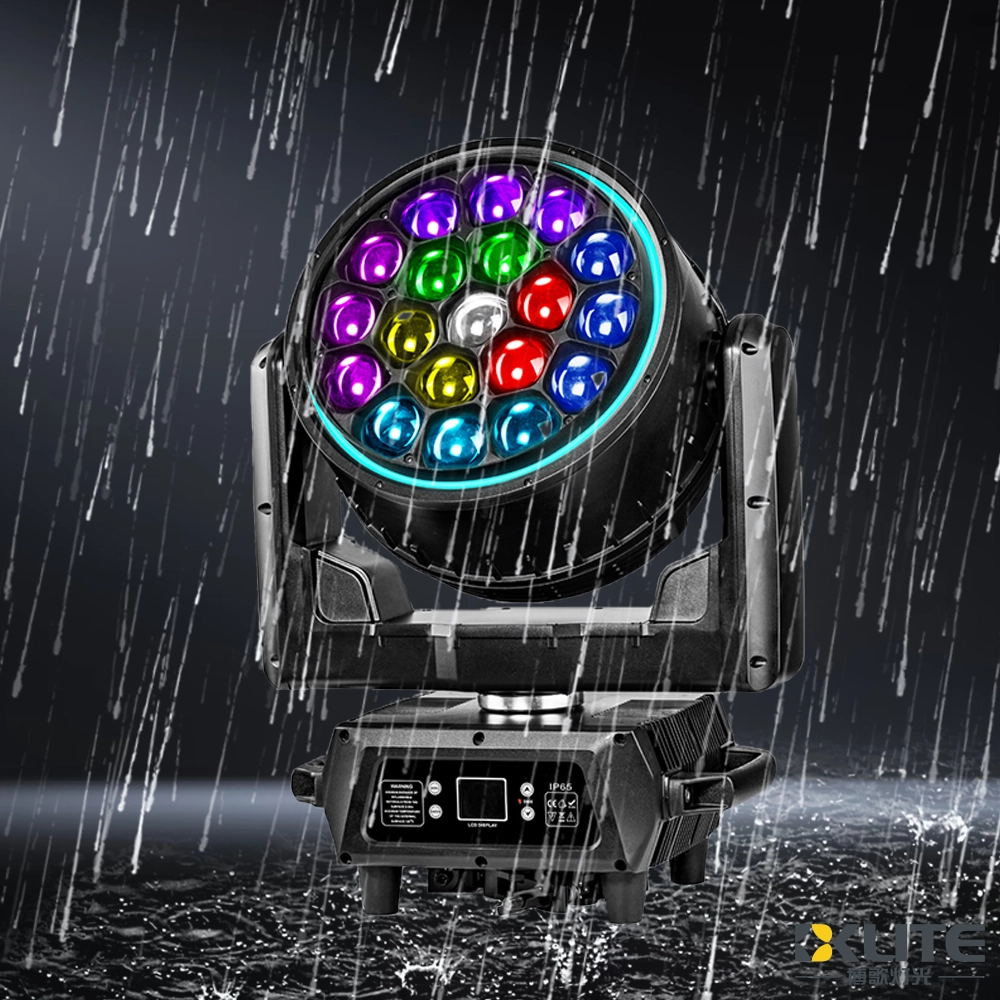
IP65 Waterproof Bee Eye Zoom 19x40W RGBW 4IN1 LED Beam Wash Moving Head Light with LED Ring
BKlite waterproof bee eye moving head light—your reliable choice from top waterproof moving head light manufacturers and suppliers. Ideal for outdoor stage, live event, music festival, this energy-saving fixture ensures powerful, precise illumination for any venue. It delivers powerful, reliable lighting performance in any weather.
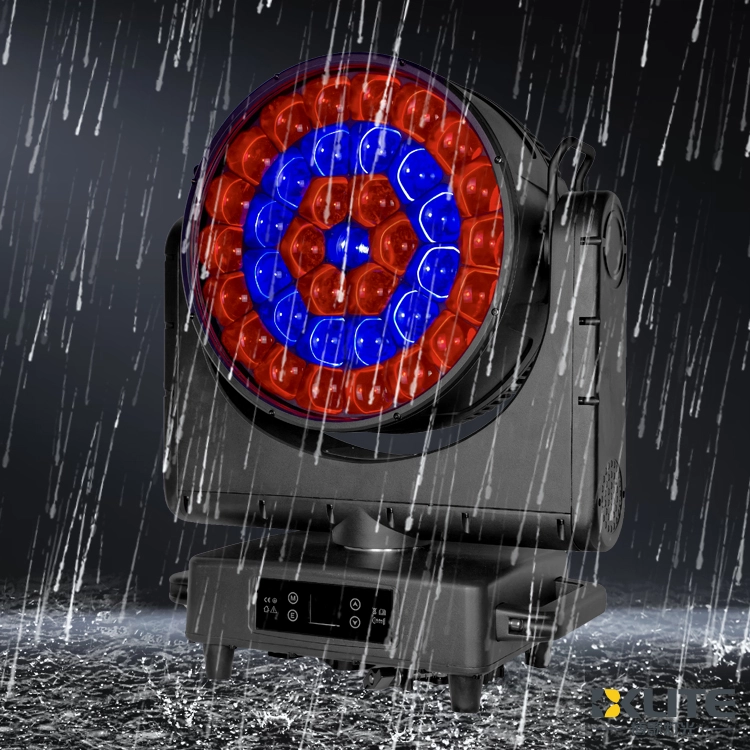
IP65 Waterproof ZOOM Bee Eye 37x40W RGBW 4in1 LED Moving Head Light
As a leading stage lighting equipment supplier with more than 15 years of industry know-how, BKlite brings you the IP65 ZOOM Bee Eye 37*40W RGBW 4in1 LED Moving Head Light (K25 Bee Eye) delivers vibrant, weatherproof lighting with powerful zoom and smooth movement. Ideal for dynamic stage effects, the K25 moving head light ensures stunning RGBW color mixing and reliable outdoor performance.
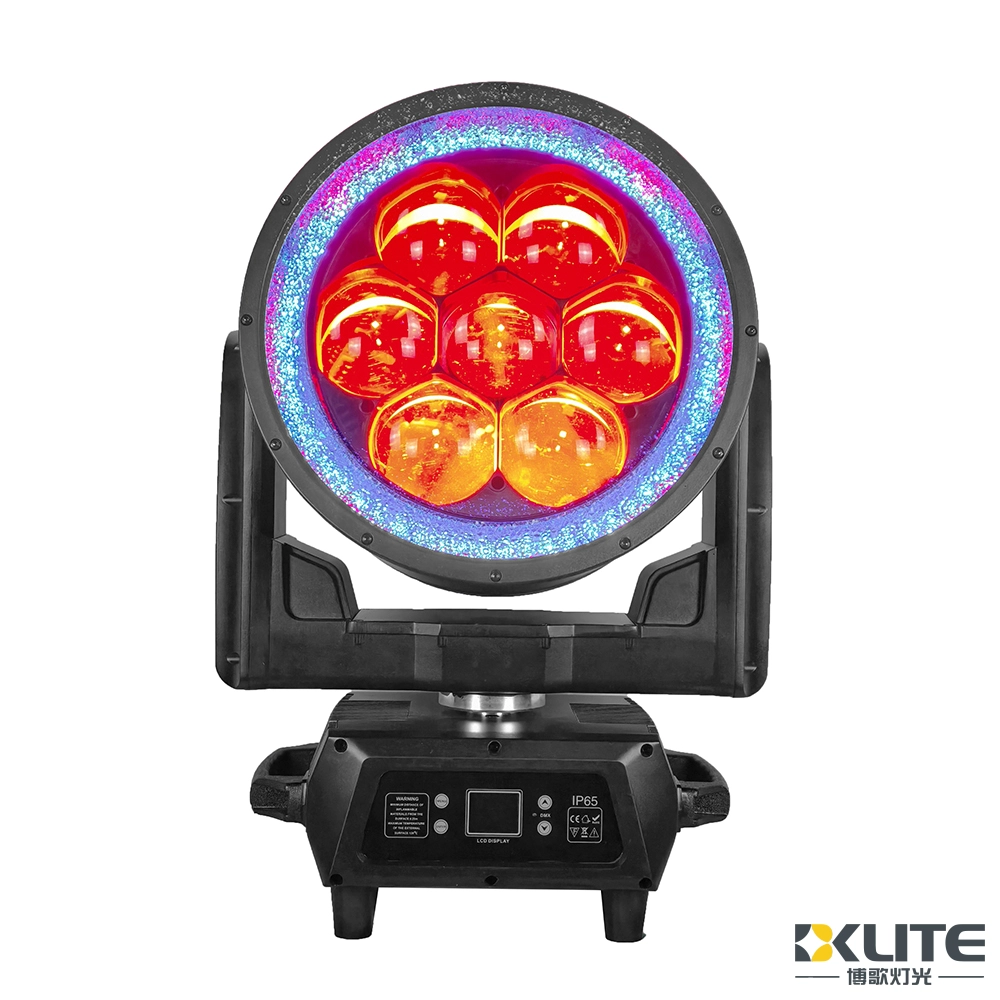
IP65 Waterproof Bee Eye 7x180W RGBL 4IN1 LED Moving Head Light With LED Ring
BKlite high power 7x180W waterproof bee eye moving head light—your reliable choice from top waterproof moving head light manufacturers and suppliers. Ideal for outdoor stage, live event, music festival, this energy-saving fixture ensures powerful, precise illumination for any venue. It delivers powerful, reliable lighting performance in any weather.
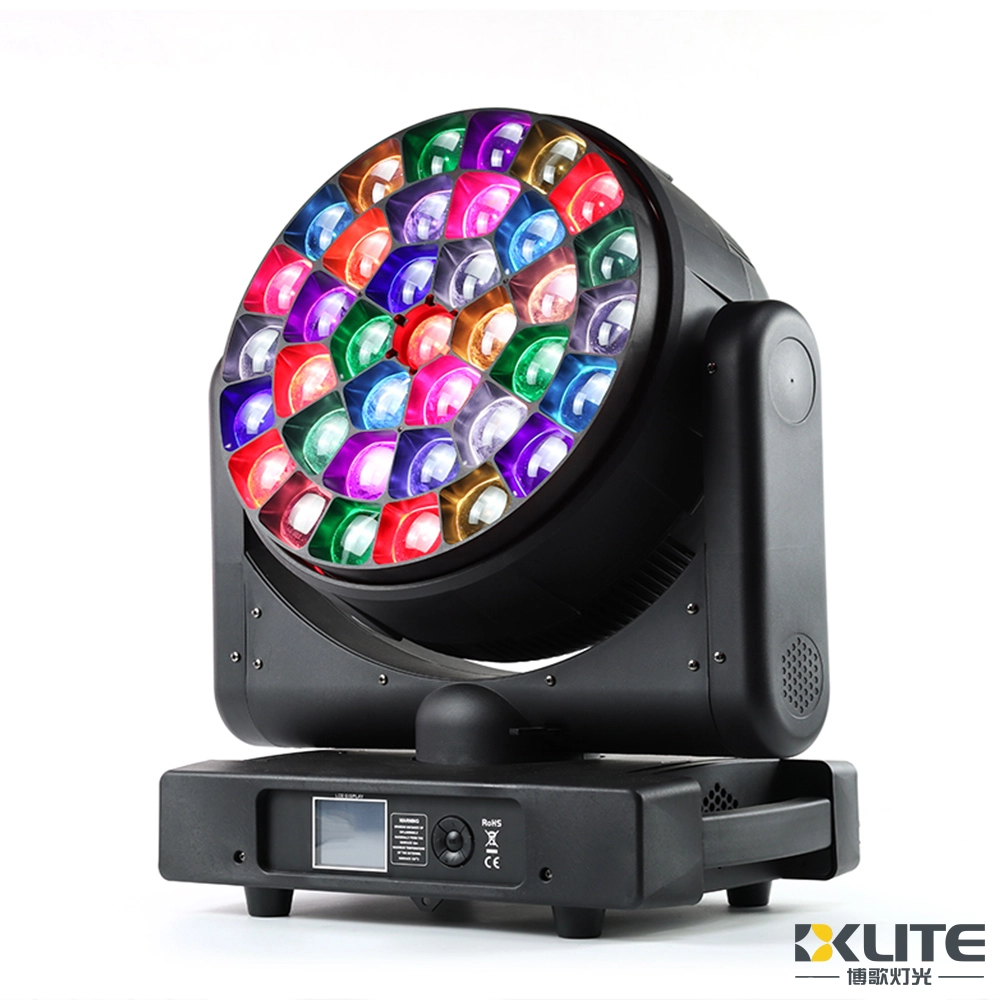
Bee Eye Zoom 37x40W RGBW 4in1 LED Beam Wash Moving Head Light


Copyright © 2025 BKLITE All Rights Reserved.