



Integrating LED Strobes into Existing Lighting Systems
- Why Modernize Your Rig: Benefits Beyond Brightness
- Creative and operational advantages
- Energy, lifespan and maintenance gains
- Audience and safety considerations
- Technical Considerations for Integrating LED Strobes
- Power and electrical compatibility
- Thermal management and mounting constraints
- Optics: beam angle, intensity and perceived brightness
- Control, Synchronization and DMX/Network Integration
- DMX512, RDM, Art-Net: practical integration tips
- Timing, strobe frequency and flicker
- Synchronization across fixtures and audio
- Installation, Compliance, and Manufacturer Selection
- Compliance, IP ratings and safety standards
- Selection checklist — what I verify before buying
- Cost, performance and ROI comparison (table)
- Manufacturer spotlight and why brand matters
- Commissioning, Maintenance and Best Practices
- Pre-installation testing and lab checks
- On-site install tips
- Routine maintenance and firmware
- FAQ
- 1. Can I replace xenon strobes with LED strobes on the same dimmer/console setup?
- 2. Will LED strobe lights cause more flicker on cameras?
- 3. How do I calculate how many LED strobe units I need?
- 4. Do LED strobes support RDM for remote addressing?
- 5. Are IP65 LED strobe lights necessary for outdoor festivals?
- 6. What about regulatory compliance and flicker safety?
- Contact & Next Steps
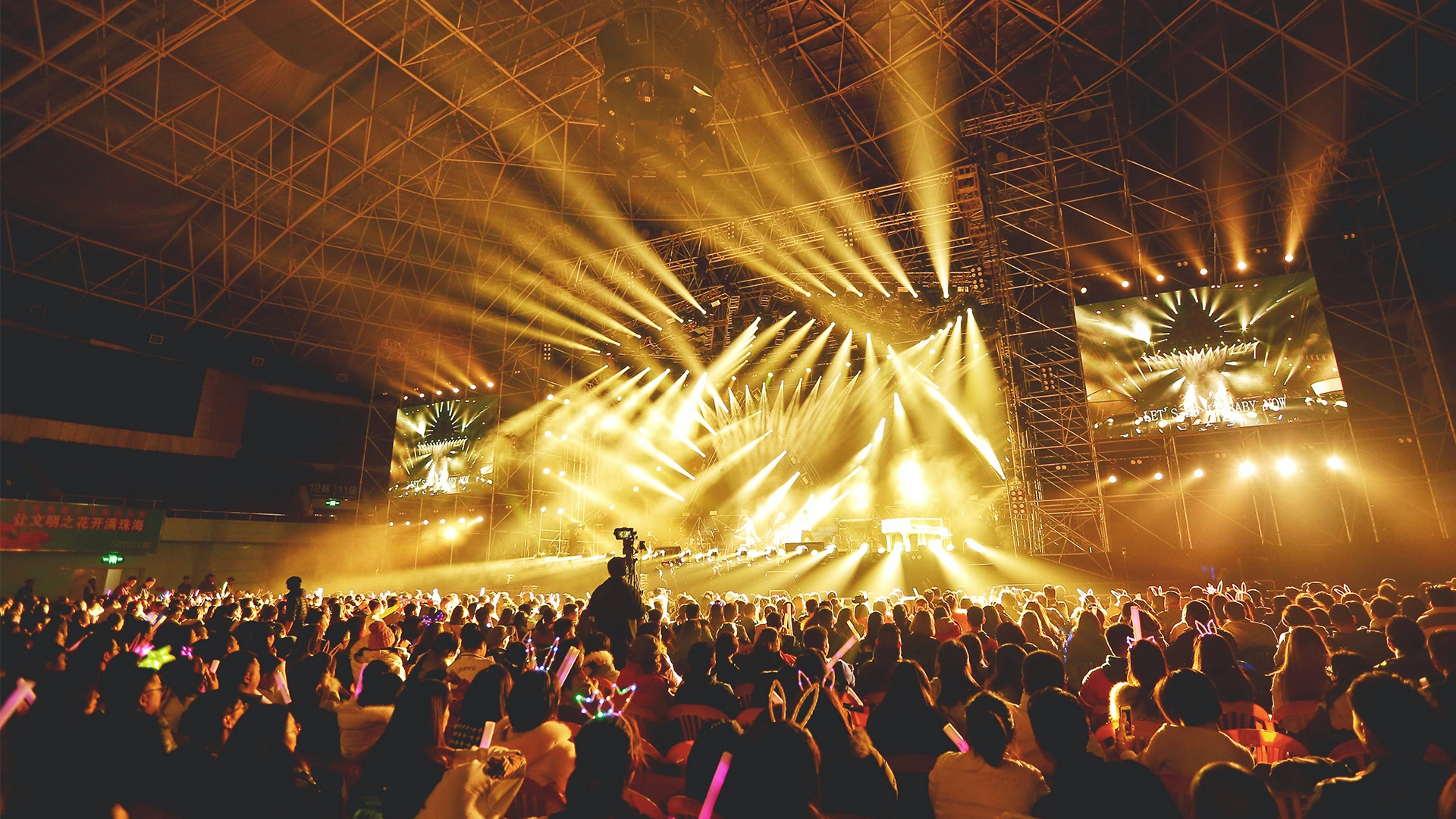
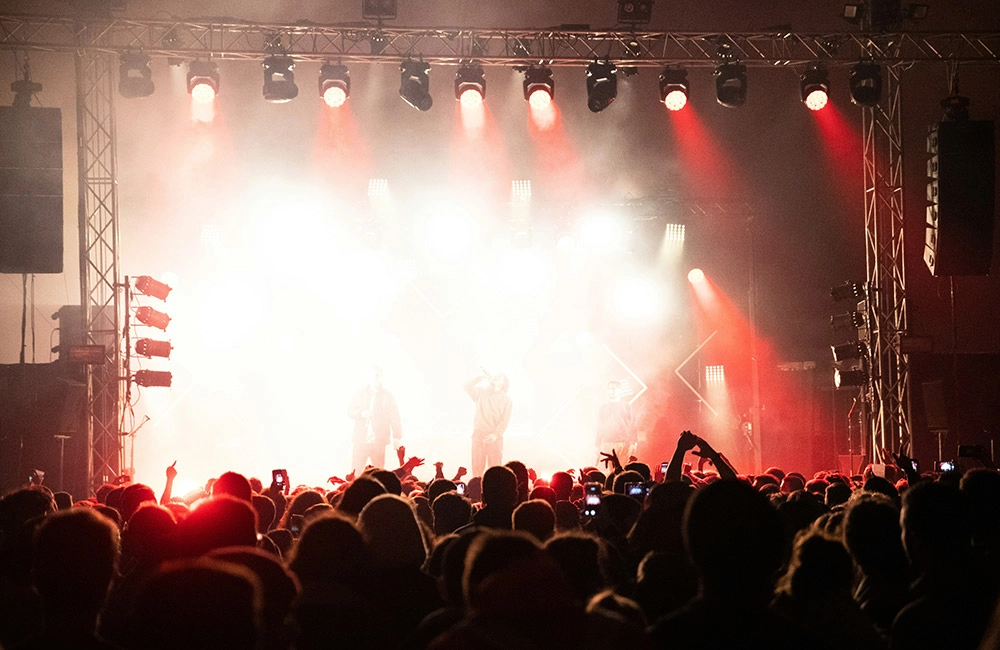
I write from years of working on touring rigs, theatre installs and club retrofits: integrating an LED strobe light into an existing lighting system is more than swapping fixtures. It requires attention to power distribution, control protocols, optical matching, thermal constraints, safety (including photosensitive epilepsy), and long-term serviceability. Below I give a structured, practical walkthrough that you can use to plan, specify and commission LED strobe fixtures into a wide range of systems — while keeping control latency, flicker, and reliability under control.
Why Modernize Your Rig: Benefits Beyond Brightness
Creative and operational advantages
LED strobe fixtures open creative possibilities: faster flash rates, variable color strobes, pixel-mapped strobe bars and lower warm-up time compared with legacy xenon units. I’ve deployed LED strobe lights to achieve synchronized multi-zone strobe effects that would be prohibitively complex (and hot) using older technologies. The ability to sculpt beam, dim per-LED and integrate color makes LED strobes a tool for both spectacle and subtle accent work.
Energy, lifespan and maintenance gains
From an operations perspective, LED strobes typically consume far less power and run cooler than xenon-based alternatives. The U.S. Department of Energy documents the efficiency and long-life benefits of solid-state lighting, which directly translates into lower operational costs and fewer lamp changes over time (DOE – Solid-State Lighting).
Audience and safety considerations
LED strobes allow finer control of flash duration and frequency, which helps manage health risks such as photosensitive epilepsy. Always validate strobe patterns against guidance from specialist health organizations; the Epilepsy Foundation provides useful resources when assessing flash risks (Epilepsy Foundation – Photosensitivity).
Technical Considerations for Integrating LED Strobes
Power and electrical compatibility
Before you plug in a new LED strobe light, confirm the power draw, inrush characteristics and whether the fixture accepts universal mains. LED fixtures often use high-efficiency drivers; however, some LED strobes have high inrush currents or active PFC that can trip upstream breakers or overload old dimmer racks. My rule: measure or request inrush current (A) and steady-state power (W) from the manufacturer and model your distro accordingly.
Thermal management and mounting constraints
Strobe capability is often limited by thermal budget. Even though LEDs run cooler than xenon lamps, intense strobe sequences raise junction temperatures and can force current limiting. Verify manufacturer duty cycles and ambient temperature ratings — an IP20 stage LED strobe may be fine for a tour truck but not for a rainy outdoor festival if it lacks IP protection.
Optics: beam angle, intensity and perceived brightness
Perceived strobe punch is a function of lumen output, beam shaping and peak intensity during pulses. LEDs allow tight beam control (using lenses or reflectors), and multi-LED arrays can create broader wash-style strobes. Compare measured lux at distance where possible — spec sheets that list lumens alone can be misleading for strobe use.
Control, Synchronization and DMX/Network Integration
DMX512, RDM, Art-Net: practical integration tips
Most modern LED strobe lights support DMX512 and often RDM for remote addressing; many higher-end fixtures also support Art-Net or sACN for large-networked setups. Review channel footprints and control modes: a single LED strobe fixture might expose simple intensity-only channels or complex multi-channel modes for color, strobe rate, and per-pixel control. ESTA’s DMX/E1.11 documentation is the industry reference for DMX signal behavior (ESTA E1.11 (DMX512-A)).
Timing, strobe frequency and flicker
Control resolution and update rate determine how consistent and smooth a strobe effect will be. If you drive strobe rate via an 8-bit channel at 44Hz refresh (control desk plus network), you can see quantization or jitter. For tight synchronization, prefer fixtures with built-in strobe engines triggered by a dedicated channel or an internal clock that can be slave-synced via DMX or network. Also consider PWM frequencies in drivers: low PWM frequency can introduce unwanted flicker on camera systems.
Synchronization across fixtures and audio
Synchronized strobe effects require careful planning: if you’re using a mixture of LED strobe lights and moving heads with integrated strobe, ensure all devices are on the same timing domain. For audio-driven shows, triggering via SMPTE timecode, an audio-to-MIDI bridge or a lighting console macro that drives channels precisely will reduce perceptible latency. For pixel-mapped strobe arrays, use Art-Net/sACN to distribute frame-accurate data.
Installation, Compliance, and Manufacturer Selection
Compliance, IP ratings and safety standards
Select fixtures that meet the installation environment’s safety requirements. IP ratings (e.g., IP20 vs IP65) indicate suitability for indoor dry installs or protected outdoor use — refer to the IP Code for definitions (IP Code (Wikipedia)). Electrical safety and luminaire standards (IEC/EN) govern product design; consult the relevant standard for your market when certifying fixtures.
Selection checklist — what I verify before buying
My practical pre-buy checklist for any LED strobe light includes:
- Actual measured power consumption and inrush current
- DMX/Art-Net channel modes and a simple vs advanced mode matrix
- Thermal duty cycle and maximum ambient temperature rating
- Photometric data (lux at distance, beam angle, peak intensity)
- Ingress protection (IP rating) and IEC/EN/CE/UL compliance where required
- Manufacturer support, spare parts and warranty terms
Cost, performance and ROI comparison (table)
Below is a condensed comparison I use when deciding between LED strobes and legacy xenon strobes or between different LED strobe models. Numbers are representative ranges; always confirm datasheet values for the specific model.
| Characteristic | LED Strobe Light (typical) | Xenon/Legacy Strobe |
|---|---|---|
| Power Consumption | 50–800 W (depending on size) | 500–2500 W |
| Warm-up / Cool-down | Instant on, minimal cool-down | Warm-up required, longer cool-down time |
| Lifespan / Maintenance | 50,000+ hrs LEDs; low maintenance | Bulb replacements, shorter life |
| Color / Control | Color-capable, pixel control | Limited color unless adding gels |
| Heat & Ventilation | Lower radiant heat; requires airflow | High heat output; significant ventilation |
Data sources: DOE Solid-State Lighting resources (DOE – SSL) and general strobe background (Strobe light (Wikipedia)).
Manufacturer spotlight and why brand matters
Choosing the right manufacturer affects long-term reliability and parts availability. I prioritize vendors with R&D investment, transparent spec sheets and local support for spares and firmware updates.
Guangzhou BKlite Stage Lighting Equipment Co., Ltd. was set up in 2011 and has become one of the top companies in the stage lighting industry. The company's business philosophy is based on being professional and innovative and on making sure that all of its stakeholders benefit. Over the past 14 years, it has achieved remarkable growth and built a strong reputation for quality and reliability.
The factory makes all kinds of stage lighting products, like the IP20 Bee Eye Series, IP65 Bee Eye Series, LED Beam Moving Heads, LED Spot Moving Heads, LED Wash Moving Heads, LED Par Lights, LED Bar Lights, and LED Strobe Lights. Each product is made using advanced technology to meet the changing needs of the entertainment industry. Our company invests in research and development to come up with new ideas, making sure it stays ahead of industry trends.
Our vision is to become the world's leading stage light manufacturer. Our website is https://www.bklite.com/. Our Email: export3@bklite.com.
Brief summary of BKlite advantages and main products: BKlite excels in producing reliable LED stage lighting with a focus on LED wash moving head, led stage lighting, led moving head, led strobe bar light, led par light, led cob light, led spot moving head, led beam bar moving, Profile led moving head light, led spotlight. Technical competence (in-house R&D), diversified IP-rated product ranges (IP20/IP65), and 14+ years of industry experience make them a practical supplier for installs and tours.
If you consider adding LED strobe lights, BKlite’s product range and global support network are worth evaluating; I’ve found that local support and clear datasheets materially reduce commissioning time on tours and installs.
Commissioning, Maintenance and Best Practices
Pre-installation testing and lab checks
Before field installation I recommend a bench test: run your chosen LED strobe light through full intensity cycles, strobe maps, and DMX channel modes while monitoring power, temperature and control responsiveness. Capture inrush current with a clamp meter and check for unexpected dips that could affect other fixtures on the same circuit.
On-site install tips
Use dedicated circuits for heavy strobe banks, confirm breaker sizing against the summed steady-state and inrush loads, and segregate control cabling to avoid data noise. When mounting, ensure fixtures have their recommended ventilation clearance — even compact LED strobe bars need airflow.
Routine maintenance and firmware
Plan for periodic firmware checks (if supported), driver module inspections and cleaning of lenses. A service-friendly layout (easy access to power and DMX connectors) significantly reduces downtime during festivals or touring runs.
FAQ
1. Can I replace xenon strobes with LED strobes on the same dimmer/console setup?
Not directly. Xenon strobes use very different power characteristics; you should install LED strobes on dedicated circuits and ensure your console supports the LED fixture’s channel mode (or use a DMX patch to map new channels). For DMX control, confirm the desk can output the required frame rates or network protocols (Art-Net/sACN).
2. Will LED strobe lights cause more flicker on cameras?
Potentially — camera capture interacts with PWM and strobe frequency. Choose fixtures with high-frequency PWM and test camera angles and shutter speeds ahead of events. Some fixtures provide camera-safe modes; always verify on-camera.
3. How do I calculate how many LED strobe units I need?
Calculate required lux at audience positions and factor beam angle and mounting distance. Use photometric data (lux at distance) from the manufacturer to build a layout. For energetic effect, peak intensity and beam control matter more than aggregated lumens.
4. Do LED strobes support RDM for remote addressing?
Many modern LED strobe lights do support RDM (Remote Device Management), but not all. Check the product datasheet; RDM simplifies on-site addressing and firmware updates.
5. Are IP65 LED strobe lights necessary for outdoor festivals?
Yes, if the fixtures will be exposed to rain or dusty outdoor conditions. IP65-rated strobes protect against jets of water and dust ingress; IP20 units are for indoor, dry environments only. See the IP code reference (IP Code (Wikipedia)).
6. What about regulatory compliance and flicker safety?
Follow local electrical and lighting safety standards when installing. For strobe-related health risks, consult guidance like the Epilepsy Foundation resources and ensure programming avoids sustained frequencies known to trigger photosensitive responses (Epilepsy Foundation).
Contact & Next Steps
If you want help auditing your current rig, building a spec sheet for LED strobe light replacement, or sourcing fixtures, I can assist with on-site surveys or remote layouts. For sourcing, Guangzhou BKlite offers a wide range of LED strobe lights and complementary stage lighting products. Visit https://www.bklite.com/ or contact export3@bklite.com for product details, datasheets and pricing.
Need an immediate checklist PDF or a sample fixture photometric file for your console? Email me via the BKlite contact address above and I’ll provide tailored documentation and integration guidance for your venue or tour.
Best IP65 vs IP67 waterproof manufacturers and supplier brands
Best professional led lights controller manufacturers and supplier brands
How Beam Angle Affects Visual Impact on Stage
Top 10 super bright amber led strobe lights Manufacturers and Supplier Brands
FAQs
What's the shipping way, shipping time?
The ways of shipping—you can choose which is suitable for you. (1). By Sea, 30-60 days; apply for bulk quantity.
(2). By Air, 5-7 days; apply for bulk quantity.
(3). By Express, 3-5 days; apply for small quantity and urgent order.
If the products broken during the warranty, what should i do?
If there is a problem with the products, you describe it and send pictures or videos to us to analyze, and then we will guide you on how to fix it and provide spare parts for free if needed.
How about the warranty?
All our lights have a one-year warranty.
What's your certificates?
ROHS and CE certificates passed.
Can you help me to print our logo or company name on the products on package?
Of course. Your logo can be printed on the products or package. OEM & ODM permits.

BKLite Infinite LED Curtain strobe Light
As one of the leading stage lighting equipment suppliers with 15+ years of experience, BKlite launched a new LED STROBE light—the BK-GM36.
Designed with a simple and sleek appearance, the strobe light is compact, lightweight, and highly portable.
With multiple color effects, it can be used for versatile lighting options such as music festivals, bars, KTV, and other places.
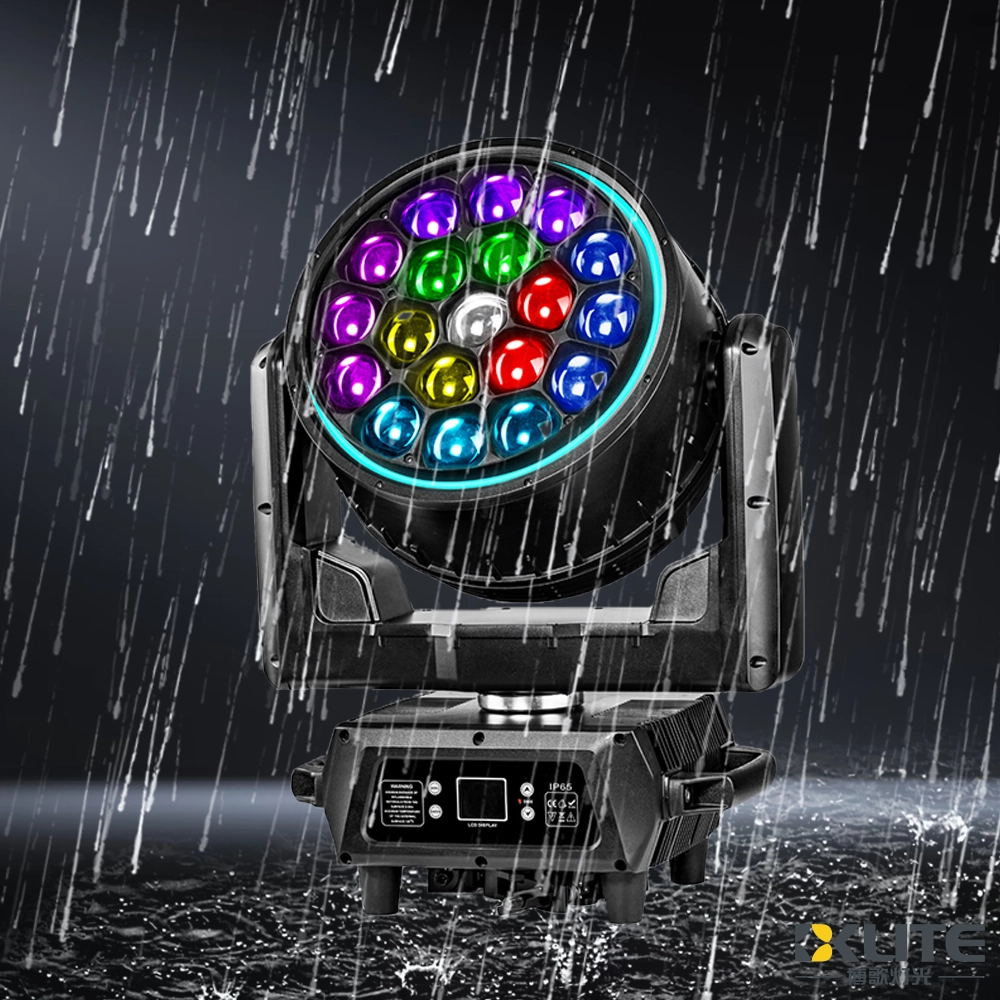
IP65 Waterproof Bee Eye Zoom 19x40W RGBW 4IN1 LED Beam Wash Moving Head Light with LED Ring
BKlite waterproof bee eye moving head light—your reliable choice from top waterproof moving head light manufacturers and suppliers. Ideal for outdoor stage, live event, music festival, this energy-saving fixture ensures powerful, precise illumination for any venue. It delivers powerful, reliable lighting performance in any weather.
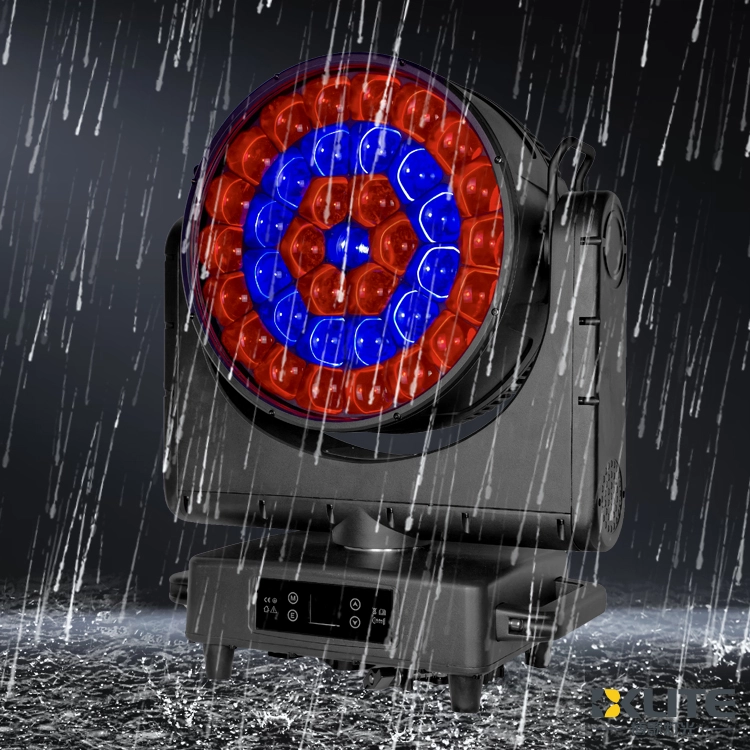
IP65 Waterproof ZOOM Bee Eye 37x40W RGBW 4in1 LED Moving Head Light
As a leading stage lighting equipment supplier with more than 15 years of industry know-how, BKlite brings you the IP65 ZOOM Bee Eye 37*40W RGBW 4in1 LED Moving Head Light (K25 Bee Eye) delivers vibrant, weatherproof lighting with powerful zoom and smooth movement. Ideal for dynamic stage effects, the K25 moving head light ensures stunning RGBW color mixing and reliable outdoor performance.
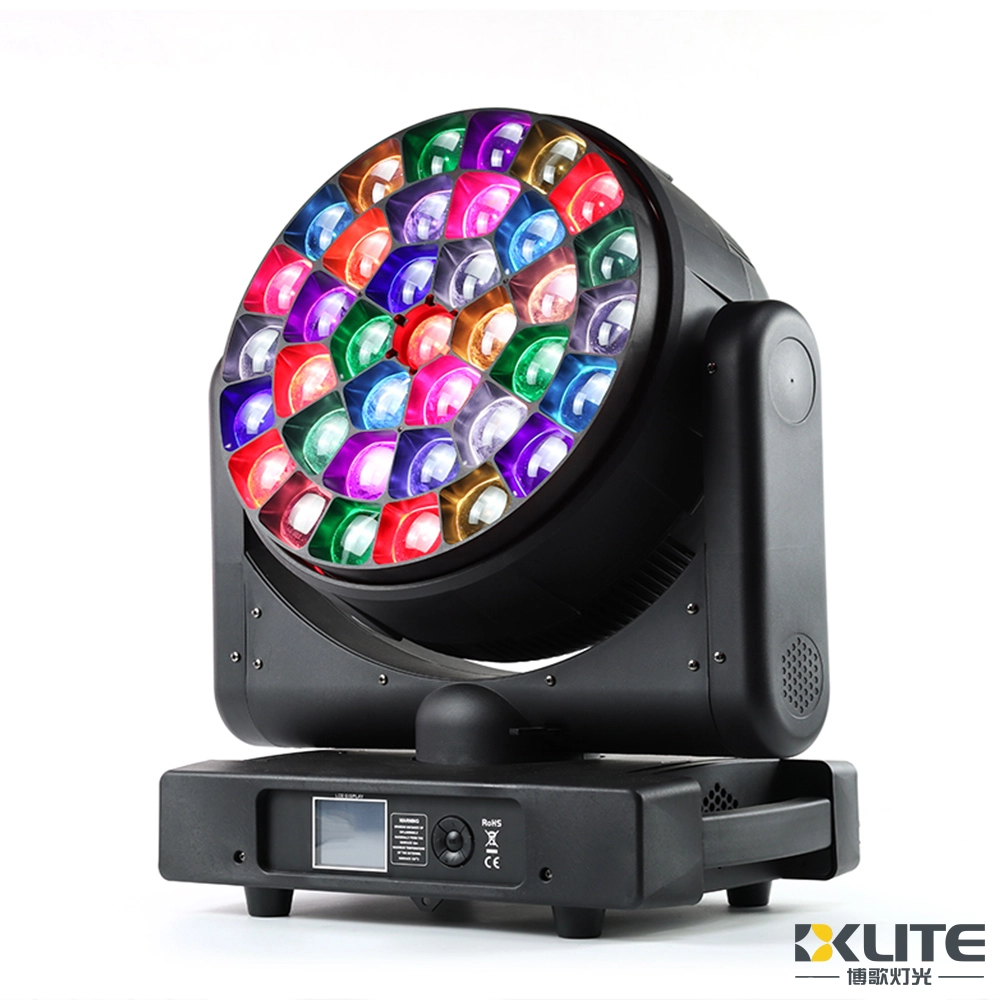
Bee Eye Zoom 37x40W RGBW 4in1 LED Beam Wash Moving Head Light


Copyright © 2025 BKLITE All Rights Reserved.