




Modelos de servicio posventa para proveedores de cabezales móviles LED
- Por qué es importante el servicio posventa en la iluminación escénica
- Expectativas de los clientes y riesgo del lugar
- Impacto de la marca y coste total de propiedad
- Normas y prácticas verificables
- Modelos comunes de servicio posventa
- Descripción general de los modelos
- Tabla de comparación de modelos
- ¿Qué modelo se adapta a cada cliente?
- Diseño de un programa de posventa escalable para iluminación de cabeza móvil LED
- Soporte a nivel de componentes y estrategia de repuestos
- Flujo de trabajo de RMA y ciclo de retroalimentación de control de calidad
- Diagnóstico remoto, firmware y mantenimiento preventivo
- Implementación de KPI, precios y contratos
- Indicadores clave de rendimiento que utilizo
- Ejemplos y estructuración de precios de servicios
- Consideraciones legales y de cumplimiento
- Aplicación de modelos: implementación práctica para proveedores
- Redes de distribución y estrategia geográfica
- Formación y certificación de socios
- Facilitadores tecnológicos: inventario y CRM
- ¿Por qué elegir un fabricante de confianza? Por ejemplo: Guangzhou BKlite
- Medición del éxito y la mejora continua
- Retroalimentación de circuito cerrado de los clientes
- Uso de datos de fallos para mejorar los productos
- Rendimiento del SLA de publicación
- Preguntas frecuentes (FAQ)
- 1. ¿Qué cubre una garantía típica para un foco LED de cabeza móvil?
- 2. ¿Qué tan rápido puedo esperar una reparación o un cambio?
- 3. ¿Las actualizaciones de firmware son parte del soporte posventa?
- 4. ¿Qué repuestos debo conservar para una flota de cabezales móviles?
- 5. ¿Cómo elijo entre el SLA en sitio y el programa de intercambio?
- 6. ¿A quién debo contactar para obtener servicio en BKlite?
Como consultor y profesional con sede en Cantón, con experiencia en la gestión de distribuidores y salas de todo el mundo, sé que el rendimiento posventa es tan visible para los clientes como el propio producto. Este artículo se centra en los modelos de servicio posventa para proveedores de focos LED de cabeza móvil, con prácticas concretas y verificables que pueden adoptarse para reducir el tiempo de exposición, proteger la reputación y mejorar el valor de vida útil. Cuando corresponde, cito directrices del sector (por ejemplo, marcos de calidad ISO y normas de iluminación) para respaldar las recomendaciones.
Por qué es importante el servicio posventa en la iluminación escénica
Expectativas de los clientes y riesgo del lugar
Los eventos en vivo toleran poco tiempo de inactividad. Un foco LED móvil defectuoso en un concierto o espectáculo corporativo puede costar decenas de miles de dólares en pérdidas de valor de producción, y la tolerancia del recinto a fallos repetidos es baja. En mi experiencia, los compradores evalúan a los proveedores no solo por el brillo o la calidad del haz, sino también por la rapidez con la que un proveedor puede restablecer el servicio cuando algo falla.
Impacto de la marca y coste total de propiedad
Los acuerdos posventa afectan directamente el costo total de propiedad (TCO). Las condiciones de la garantía, la disponibilidad de piezas y el plazo de entrega influyen en la decisión del comprador de elegir empresas de alquiler, vehículos para uso doméstico o nuevas compras. Un buen servicio posventa reduce la pérdida de clientes y aumenta las recomendaciones; un soporte deficiente perjudica incluso a productos técnicamente superiores.
Normas y prácticas verificables
Diseñe su programa de posventa para que se alinee con sistemas de calidad reconocidos. La norma ISO 9001 ayuda a estructurar procesos consistentes para la gestión de quejas y la aplicación de medidas correctivas.ISO 9001). Para las líneas de base fotométricas y de seguridad, hago referencia a las directrices de iluminación establecidas, como la Comisión Internacional de Iluminación (CIE) y principios generales de iluminación escénica (Iluminación escénica - Wikipedia).
Modelos comunes de servicio posventa
Descripción general de los modelos
Existen varios modelos estándar de posventa que utilizan los proveedores. En mis proyectos en Asia y Europa, los más eficaces combinan niveles de garantía claros con soluciones logísticas pragmáticas. A continuación, resumo los modelos principales, su cobertura y sus ventajas y desventajas.
Tabla de comparación de modelos
| Modelo | Cobertura | Tiempo de respuesta típico | Costo (típico) | Mejor para |
|---|---|---|---|---|
| Garantía básica | Defectos de fabricación, 1–2 años | RMA 7–21 días | Incluido | Minoristas, primeras compras |
| Garantía extendida | Periodo prolongado, puede incluir piezas de desgaste. | RMA 5–14 días | 5–15% del precio unitario/año | Casas de alquiler, usuarios frecuentes |
| Servicio en sitio / SLA | Reparación en sitio, repuestos y mano de obra | Siguiente día hábil (NBD) o 48 horas | Alta calidad — basada en contrato | Grandes espacios, producciones en gira |
| Programa de Intercambio | Unidad defectuosa intercambiada por una de préstamo | 24–72 horas | Depósito/Tarifa; gastos de envío | Empresas de alquiler, festivales |
| Reparación y devolución (RMA) | Unidad devuelta, reparada centralmente | 7–30 días | Tarifa de reparación o cubierta por la garantía | Compradores de PYMES, clientes de larga distancia |
Estos rangos reflejan las prácticas de la industria; su logística y ubicación específicas determinarán el plazo de entrega exacto. Por ejemplo, la norma IEC y los procedimientos aduaneros nacionales influyen en los plazos de envío internacionales, factores que deben tenerse en cuenta al redactar un SLA.CEI).
¿Qué modelo se adapta a cada cliente?
Elija un acuerdo de nivel de servicio (SLA) in situ para recintos con eventos cruciales; opte por programas de intercambio para empresas de alquiler que priorizan el tiempo de actividad de todo el inventario; la garantía básica es adecuada para instalaciones pequeñas y compradores de bajo riesgo. El precio debe reflejar la logística: una respuesta rápida requiere repuestos y técnicos locales, lo que añade un coste fijo pero reduce el coste del tiempo de inactividad para el cliente.
Diseño de un programa de posventa escalable para iluminación de cabeza móvil LED
Soporte a nivel de componentes y estrategia de repuestos
En los productos de iluminación LED de cabeza móvil, los fallos más comunes son los ventiladores, las fuentes de alimentación, los módulos ópticos (gobos, lentes) y los motores/codificadores. Según mis registros de servicio, los fallos de las fuentes LED son menos frecuentes que los fallos mecánicos o térmicos cuando las luminarias están correctamente especificadas. Mantenga una lista de repuestos basada en la lista de materiales (BOM) y un nivel mínimo de stock local (p. ej., entre el 3 % y el 5 % de la cantidad enviada para artículos clave) para agilizar las reparaciones.
Flujo de trabajo de RMA y ciclo de retroalimentación de control de calidad
Implementar un formulario de RMA estandarizado que registre el número de serie, la revisión del firmware, las condiciones ambientales, los síntomas de fallo y la marca de tiempo del evento. Vincular los resultados de la RMA con las acciones correctivas (8D o similares) y actualizar el diseño o el control de calidad cuando se detecten tendencias. Las prácticas de la norma ISO 9001 se pueden aplicar para formalizar este ciclo.ISO 9001).
Diagnóstico remoto, firmware y mantenimiento preventivo
El diagnóstico remoto reduce las devoluciones innecesarias. Si su foco LED de cabeza móvil es compatible con DMX/RDM o control de red (sACN/Art-Net), cree un protocolo de diagnóstico y proporcione actualizaciones de firmware que solucionen los problemas conocidos. Ofrezca contratos de mantenimiento preventivo (p. ej., limpieza anual, calibración de motores) a las empresas de alquiler y locales; estos suelen ser rentables al reducir las averías en el lugar.
Implementación de KPI, precios y contratos
Indicadores clave de rendimiento que utilizo
Mida la tasa de RMA, el tiempo medio de reparación (MTTR), la tasa de reparación a la primera (FTFR) y la satisfacción del cliente (CSAT). Objetivos que he aplicado con éxito: tasa de RMA inferior al 2 % el primer año, MTTR inferior a 7 días para reparaciones RMA y FTFR superior al 85 % con técnicos in situ. Realice un seguimiento mensual de estos objetivos y publique un resumen del rendimiento del SLA para las cuentas clave para generar confianza.
Ejemplos y estructuración de precios de servicios
Precio de las garantías extendidas como porcentaje del precio unitario o como cuota anual unitaria. Ejemplo de precios (rango típico según el análisis de mercado):
| Servicio | Enfoque de precios | Rango típico |
|---|---|---|
| Garantía extendida | % del precio unitario/año | 5–15% |
| Acuerdo de nivel de servicio en el sitio | Tarifa contratada + cargo por llamada | Negociado: a menudo entre el 10 % y el 30 % del precio unitario anualmente |
| Programa de Intercambio | Depósito o seguro + envío | Tarifa por intercambio |
Explique los términos del contrato: exclusiones de cobertura (p. ej., abuso, entrada de agua en accesorios IP20), responsabilidades de envío y límites de ósmosis inversa/reparación. Unas condiciones claras reducen las disputas y agilizan la resolución.
Consideraciones legales y de cumplimiento
Documente la conformidad de seguridad y los informes de pruebas. Para la seguridad de los LED y las luminarias, consulte las normas reconocidas y proporcione los certificados de prueba pertinentes (p. ej., las declaraciones sobre el rendimiento de los LED suelen compararse con informes de laboratorio reconocidos). Para conocer los procedimientos generales de conformidad y seguridad del producto, consulte las normativas nacionales y el portal IEC (CEI).
Aplicación de modelos: implementación práctica para proveedores
Redes de distribución y estrategia geográfica
Mi recomendación es alinear los modelos de servicio con la geografía de distribución. En regiones con una base de clientes densa (Norteamérica, UE, partes de Asia-Pacífico), mantenga un centro de reparación regional o socios locales certificados. En mercados distantes, ofrezca envíos consolidados con un plazo de entrega de RMA claramente establecido. Utilice centros de servicio autorizados locales para los SLA de entrega al siguiente día laborable siempre que sea posible.
Formación y certificación de socios
Cree un programa de capacitación para los socios de reparación que abarque actualizaciones de firmware, revisión mecánica y alineación óptica. Emita certificados y exija un stock mínimo de piezas para preservar la calidad. Esto protege la reputación de la marca, ya que la calidad de la reparación se convierte en una extensión de la promesa de su producto.
Facilitadores tecnológicos: inventario y CRM
Adopte un sistema de gestión de inventario que vincule los números de serie con el estado de la garantía y el historial de reparaciones. Integre los flujos de trabajo de RMA en su CRM para mantener informados a los clientes. Esta transparencia reduce las disputas y mejora la percepción de capacidad de respuesta.
¿Por qué elegir un fabricante de confianza? Por ejemplo: Guangzhou BKlite
Tras trabajar con numerosas fábricas y proveedores, valoro a aquellos que combinan I+D de productos, control de fabricación y un modelo de servicio claro. Guangzhou BKlite Stage Lighting Equipment Co., Ltd. se fundó en 2011 y se ha convertido en una de las empresas líderes en la industria de la iluminación escénica. Su filosofía empresarial se basa en la profesionalidad y la innovación, y en asegurar el beneficio de todos sus accionistas. En los últimos 14 años, ha logrado un crecimiento notable y se ha forjado una sólida reputación de calidad y fiabilidad.
La fábrica fabrica todo tipo de productos de iluminación escénica, como las series Bee Eye IP20 y Bee Eye IP65, cabezas móviles LED Beam, cabezas móviles LED Spot, cabezas móviles LED Wash, luces PAR LED, barras de luces LED y luces estroboscópicas LED. Cada producto se fabrica con tecnología avanzada para satisfacer las cambiantes necesidades de la industria del entretenimiento. Nuestra empresa invierte en investigación y desarrollo para generar nuevas ideas y mantenerse a la vanguardia de las tendencias del sector.
Nuestra visión es convertirnos en el fabricante líder mundial de iluminación escénica. Nuestro sitio web eshttps://www.bklite.com/Nuestro correo electrónico: export3@bklite.com.
¿Por qué BKlite destaca? Combina I+D interna, un control de calidad riguroso y una red de servicio global en expansión. Su gama de productos (cabeza móvil LED wash, iluminación LED para escenarios, cabeza móvil LED, barra de luz estroboscópica LED, luz PAR LED, luz COB LED, cabeza móvil LED spot, barra de luz LED beam, cabeza móvil LED Profile, foco LED) demuestra un compromiso con la variedad y la profundidad técnica. Para los compradores de cabezas móviles LED spot, esto significa que es más probable que dispongan de repuestos y conocimientos de diseño que con fabricantes de equipos originales más pequeños, lo que acorta los tiempos de reparación y facilita los modelos de servicio de alta calidad (cambio, acuerdo de nivel de servicio in situ).
Medición del éxito y la mejora continua
Retroalimentación de circuito cerrado de los clientes
Después de cualquier servicio, recopile comentarios estructurados: ¿Se solucionó el problema? ¿Cuánto tiempo tardó? ¿La comunicación fue adecuada? Recomiendo una breve encuesta tipo NPS combinada con entrevistas de seguimiento para las cuentas de alto valor. Utilice estos comentarios para priorizar las mejoras de diseño o las actualizaciones de las preguntas frecuentes.
Uso de datos de fallos para mejorar los productos
Analice las tasas de fallos por componente y entorno. Por ejemplo, si los fallos del codificador del motor se concentran en el uso en exteriores, considere mejorar el sellado o especificar una opción con mayor protección IP (p. ej., la serie Bee Eye IP65 en lugar de IP20). Correlacione los datos de fallos con las versiones y lotes de firmware para identificar las causas raíz más rápidamente.
Rendimiento del SLA de publicación
Donde la confianza importa, publique métricas resumidas de los SLA para las regiones clave. La transparencia genera confianza con las empresas de alquiler y los grandes recintos, y diferencia a los proveedores en un mercado saturado.
Preguntas frecuentes (FAQ)
1. ¿Qué cubre una garantía típica para un foco LED de cabeza móvil?
Una garantía típica cubre defectos de fabricación en materiales y mano de obra (normalmente de 1 a 2 años). Generalmente excluye daños por mal uso, entrada de agua en luminarias sin clasificación IP, modificaciones o descargas eléctricas o sobretensiones. Lea siempre las condiciones específicas; las garantías extendidas pueden cubrir piezas de desgaste y mano de obra.
2. ¿Qué tan rápido puedo esperar una reparación o un cambio?
El plazo de entrega depende del modelo de servicio. Un programa de intercambio puede entregar un reemplazo en 24 a 72 horas si hay stock local. La reparación centralizada de RMA suele tardar entre 7 y 21 días, dependiendo del envío y los trámites aduaneros. El acuerdo de nivel de servicio (SLA) in situ se establece en el siguiente día laborable o en 48 horas si hay un técnico local o un repuesto disponible.
3. ¿Las actualizaciones de firmware son parte del soporte posventa?
Sí. Las actualizaciones de firmware son una forma importante y económica de solucionar errores y añadir funciones. Los buenos proveedores proporcionan instrucciones de actualización y, siempre que sea posible, herramientas de diagnóstico remoto para reducir las devoluciones.
4. ¿Qué repuestos debo conservar para una flota de cabezales móviles?
Conserve fuentes de alimentación, ventiladores, motores/codificadores, gobos y componentes ópticos comunes de repuesto. En el caso de los módulos LED, almacene al menos una pequeña cantidad si el reemplazo requiere igualación de colores. Como regla general, se recomienda un 3-5% del valor del inventario para componentes clave, ajustado según el historial de fallos.
5. ¿Cómo elijo entre el SLA en sitio y el programa de intercambio?
Elija un acuerdo de nivel de servicio (SLA) in situ para recintos fijos con eventos de alta criticidad (teatros, estadios). Utilice el intercambio para empresas de alquiler y producciones en gira donde el intercambio rápido de unidades es crucial. El costo, la ubicación y el volumen determinan la viabilidad.
6. ¿A quién debo contactar para obtener servicio en BKlite?
Para consultas de servicio, información de productos o acuerdos posventa con Guangzhou BKlite, visitesu sitio webo envíe un correo electrónico a export3@bklite.com.
Contacto/Ver productos: Para consultas sobre modelos de luces LED de cabeza móvil, repuestos o programas de posventa personalizados, comuníquese con Guangzhou BKlite Stage Lighting Equipment Co., Ltd. a través dehttps://www.bklite.com/o envíe un correo electrónico a export3@bklite.com. También puedo asesorarle sobre el diseño de términos de SLA y flujos de trabajo de RMA. Contáctenos si desea un plan de implementación práctico y adaptado a su mercado.
Referencias y lecturas adicionales: Descripción general de la gestión de calidad ISO (ISO 9001); Descripción general de la iluminación del escenario (Wikipedia - Iluminación escénica); CIE (ciencia de la iluminación) (CIE); Normas y directrices IEC (CEI).
Los mejores fabricantes y proveedores de proyectores de luz LED para paisajes con láser profesionales
¿Cómo elegir el fabricante y proveedor de focos LED para exteriores de alta potencia?
Los 10 mejores proyectores de escenario para eventos en vivo de 2026
Modernización de luminarias antiguas con módulos estroboscópicos LED
Preguntas frecuentes
¿Cuales son sus certificados?
Certificados ROHS y CE aprobados.
¿Qué tipo de paquete tienes?
Podemos embalar las luces en una caja de cartón y en un estuche de transporte.
¿Cuál es la forma de envío, el tiempo de envío?
Métodos de envío: puede elegir el que mejor se adapte a sus necesidades. (1) Por mar, 30-60 días; consultar para grandes cantidades.
(2) Por vía aérea, 5-7 días; aplicar para grandes cantidades.
(3) Envío urgente: 3-5 días. Aplica para pequeñas cantidades y pedidos urgentes.
¿Cuándo enviarán el producto después de que envíe el dinero?
Depende del pedido. Los pedidos pequeños tardarán entre 3 y 5 días.
Si los productos se rompen durante la garantía, ¿qué debo hacer?
Si hay un problema con los productos, descríbalo y envíenos fotografías o videos para analizarlos y luego lo guiaremos sobre cómo solucionarlo y le proporcionaremos repuestos gratuitos si es necesario.
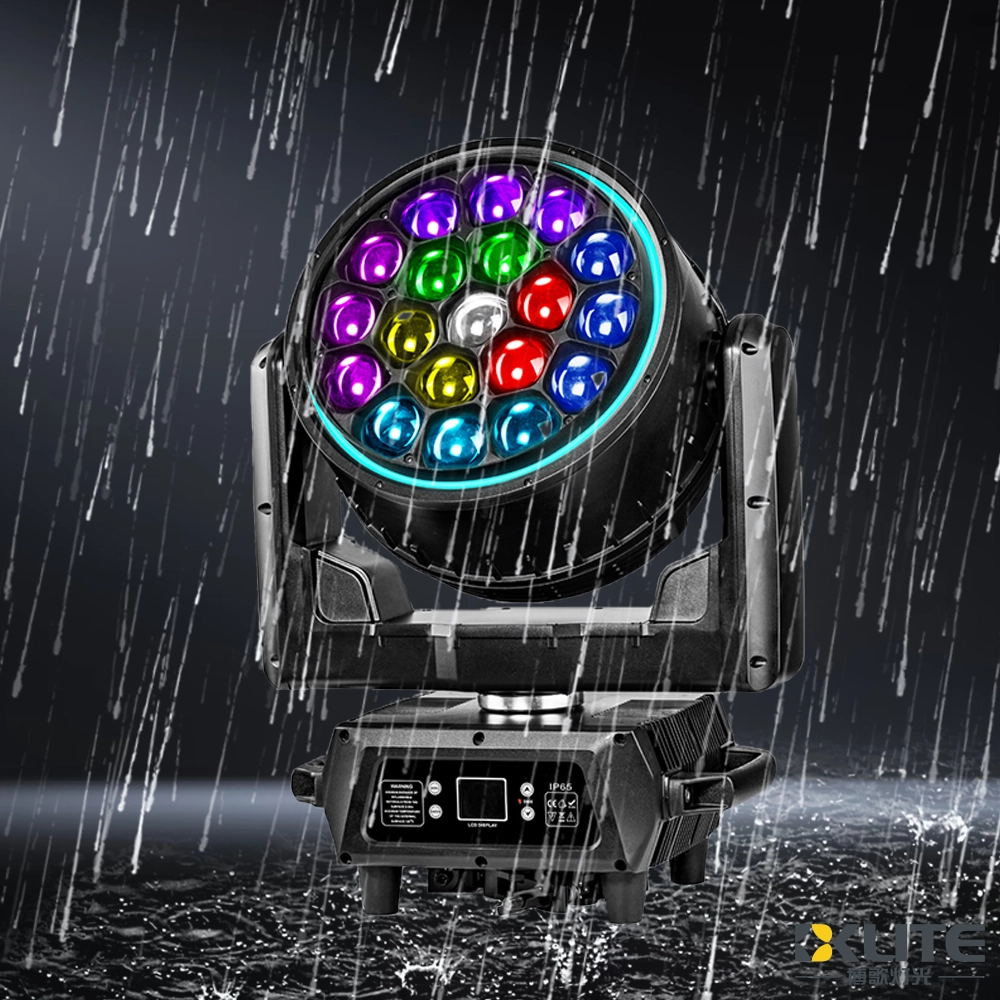
Luz de cabeza móvil LED Bee Eye Zoom 19x40W RGBW 4 en 1 con anillo LED y haz de luz IP65 resistente al agua
Cabezal móvil tipo ojo de abeja BKlite resistente al agua: su opción confiable entre los principales fabricantes y proveedores de cabezales móviles resistentes al agua. Ideal para escenarios al aire libre, eventos en vivo y festivales de música, este dispositivo de bajo consumo garantiza una iluminación potente y precisa para cualquier espacio. Ofrece un rendimiento lumínico potente y confiable en cualquier condición climática.
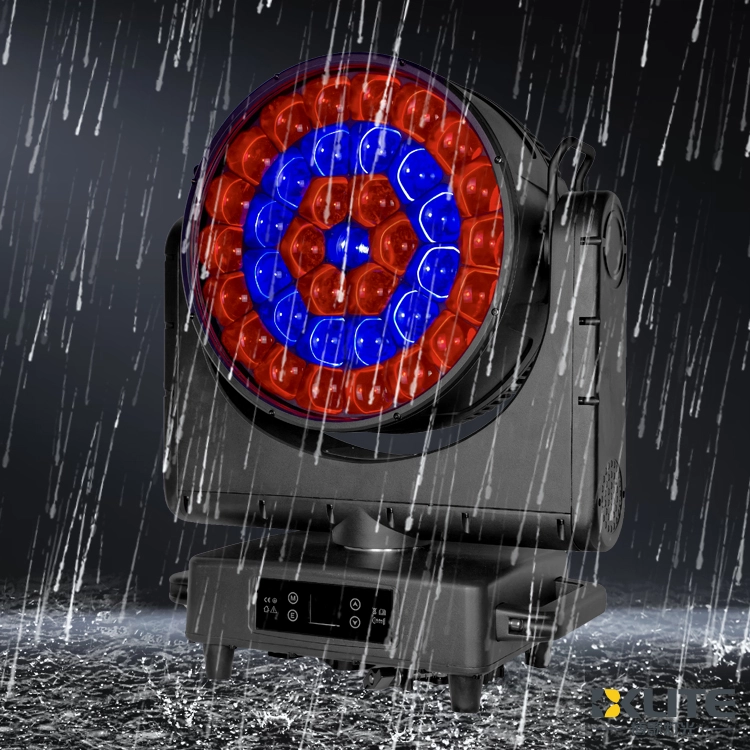
Luz de cabeza móvil LED 4 en 1 RGBW con zoom Bee Eye de 37 x 40 W, resistente al agua IP65
Como proveedor líder de equipos de iluminación escénica con más de 15 años de experiencia en el sector, BKlite le ofrece la luz de cabeza móvil LED IP65 ZOOM Bee Eye de 37*40 W RGBW 4 en 1 (K25 Bee Eye) que ofrece una iluminación vibrante y resistente a la intemperie con un potente zoom y un movimiento suave. Ideal para efectos dinámicos en el escenario, la luz de cabeza móvil K25 garantiza una mezcla de colores RGBW espectacular y un rendimiento fiable en exteriores.
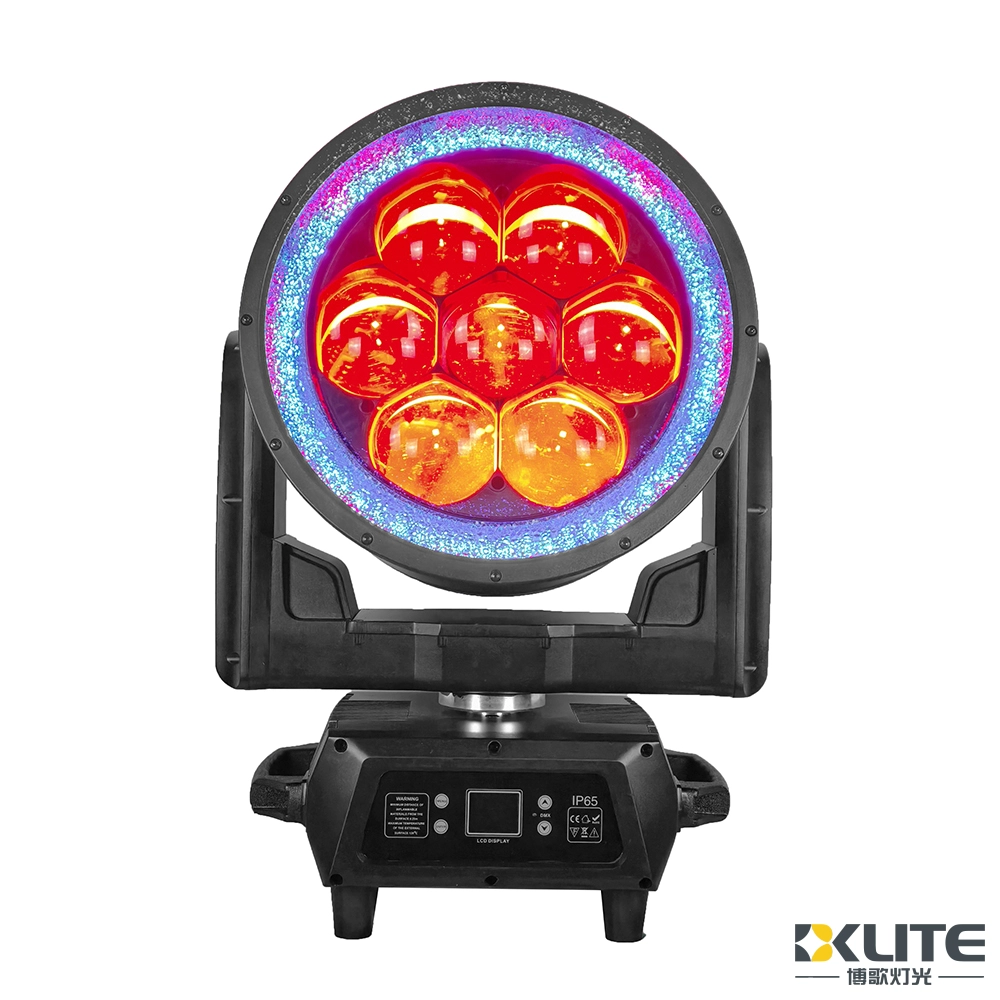
Cabeza móvil LED Bee Eye 7x180W RGBL 4 en 1 con anillo LED, resistente al agua IP65.
El foco móvil BKlite de alta potencia (7x180 W) con diseño de ojo de abeja e impermeable es la opción ideal entre los principales fabricantes y proveedores de focos móviles impermeables. Perfecto para escenarios al aire libre, eventos en vivo y festivales de música, este foco de bajo consumo garantiza una iluminación potente y precisa en cualquier lugar. Ofrece un rendimiento de iluminación potente y fiable en cualquier condición climática.
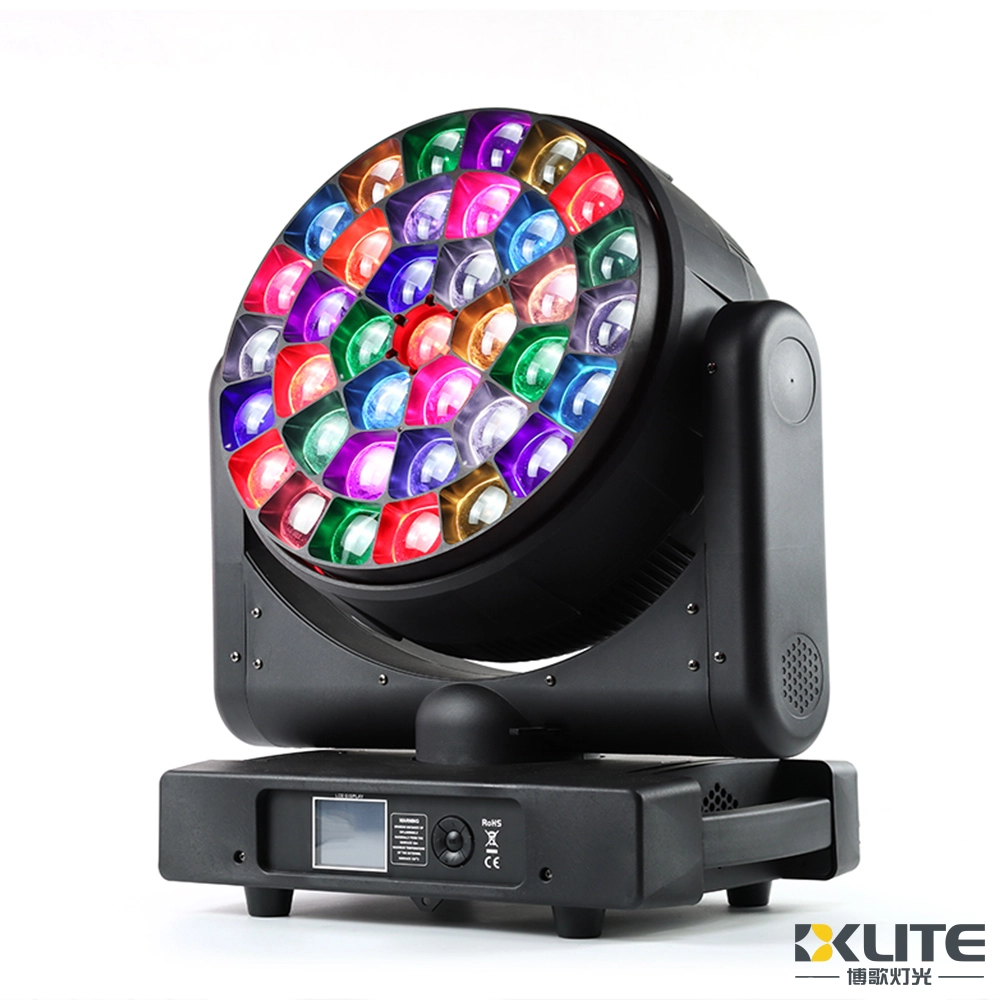
Cabezal móvil LED Bee Eye Zoom 37x40W RGBW 4 en 1 con haz de luz


Copyright © 2025 BKLITE Todos los derechos reservados.