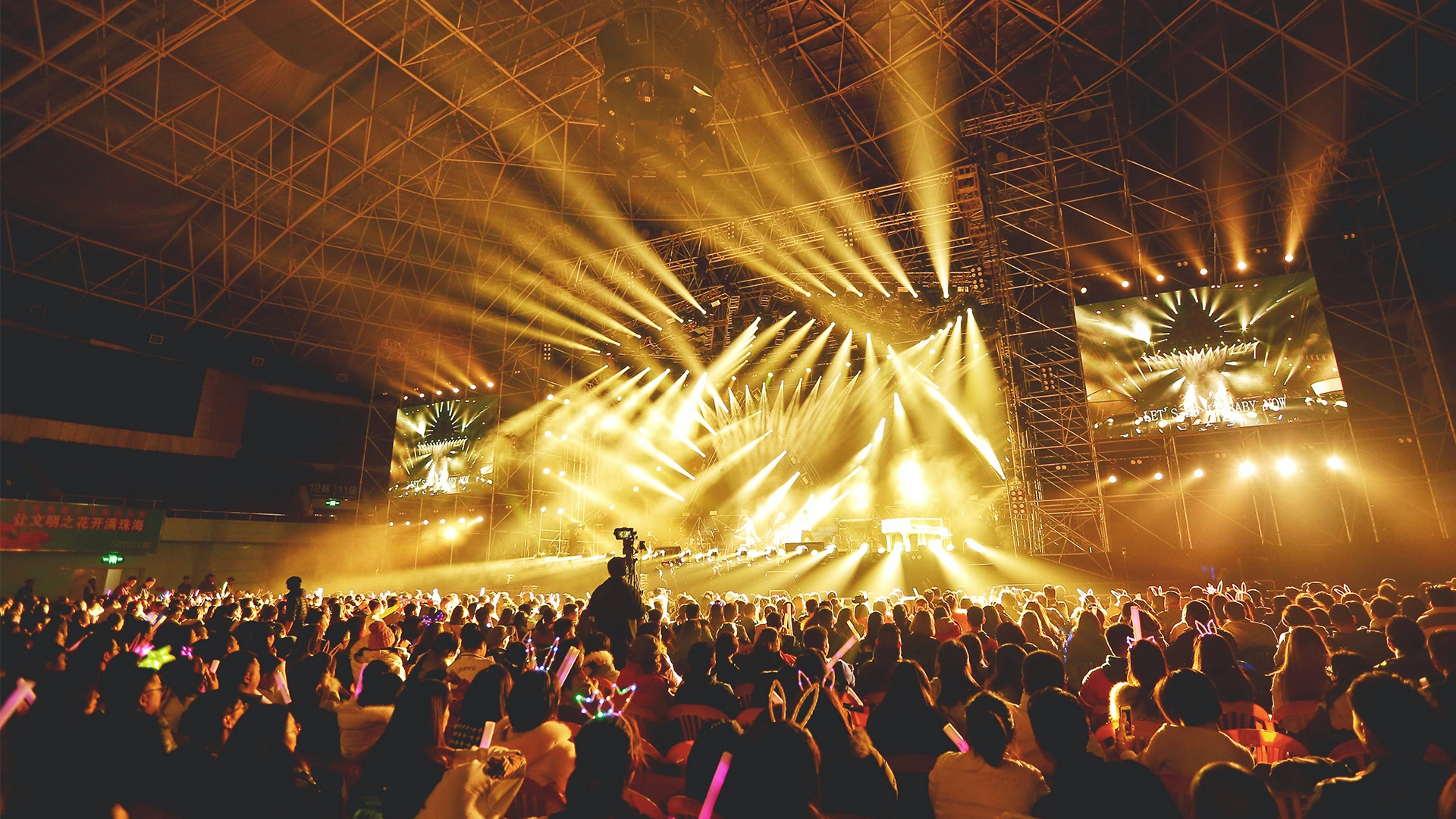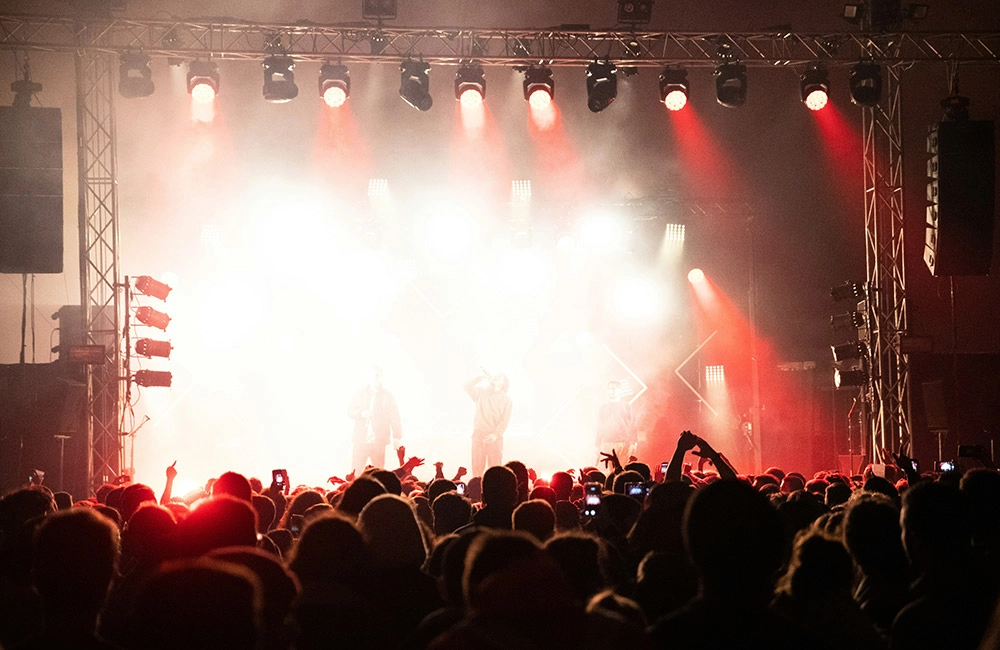





Las mejores luces de perfil para escenarios de giras de conciertos
- Cómo elegir el perfil adecuado para equipos de gira
- ¿Qué es una luz de perfil de escenario y por qué es importante?
- Especificaciones clave a evaluar para el tour
- Durabilidad y facilidad de servicio para uso en giras.
- Principales tecnologías y características para giras de conciertos
- Luminarias de perfil LED vs. descarga vs. híbrido
- Óptica, iris motorizado, sistemas de zoom y enfoque
- Consideraciones sobre control, redes y firmware
- Luces de perfil de escenario recomendadas para equipos de gira
- Opciones de alto rendimiento para grandes estadios y arenas
- Plataformas de tamaño mediano: versatilidad y equilibrio de peso
- Opciones económicas y de alquiler
- Asesoramiento sobre implementación, mantenimiento y compra
- Consideraciones sobre aparejos, alimentación y caja de vuelo
- Lista de verificación de mantenimiento para luces de perfil de gira
- Decisiones de compra vs. alquiler y costo del ciclo de vida
- Proveedor destacado: Guangzhou BKlite: capacidades y su importancia para las giras
- Descripción general de la empresa BKlite y puntos fuertes de fabricación
- Producto BKlite apto para vehículos de turismo
- Diferenciación competitiva y credibilidad técnica
- Preguntas frecuentes
- 1. ¿Qué diferencia una luz de perfil de escenario de una luminaria wash o beam?
- 2. ¿Son buenas las luces de perfil LED para conciertos televisados?
- 3. ¿Cómo calculo el número de accesorios de perfil necesarios para un tour?
- 4. ¿Qué elementos de mantenimiento debo llevar en la carretera?
- 5. ¿Qué importancia tiene la clasificación IP para las luces de perfil turístico?
- 6. ¿Es posible integrar los equipos BKlite en giras de gran envergadura?
- Referencias
Cómo elegir el perfil adecuado para equipos de gira
¿Qué es una luz de perfil de escenario y por qué es importante?
Las luces de perfil para escenario (también llamadas focos de perfil o cabezas móviles de perfil cuando están motorizadas) producen un haz de luz bien definido y controlable con bordes nítidos o suaves, enfoque preciso y, a menudo, un sistema de obturador/iris y opciones de gobos. En equipos para giras de conciertos, se utiliza una luminaria de perfil para la luz frontal, la luz principal, los perfiles laterales, los especiales y los efectos que requieren un control preciso de los bordes. Elegir la luz de perfil adecuada para escenario influye en la calidad del haz, la reproducción cromática, el peso de transporte, el tiempo de montaje y el coste operativo a largo plazo.
Especificaciones clave a evaluar para el tour
Al evaluar una luz de perfil de escenario para giras, concéntrese en estos parámetros mensurables:
- Salida (clasificación de lux o lúmenes en un alcance específico): determina qué tan bien se lee el dispositivo en condiciones de arena.
- Rango de haz y zoom: haces estrechos para especiales de largo alcance, ángulos amplios para perfiles de etapa media.
- Capacidades de color: corrección CTO/CTB, mezcla de colores CMY/CMR y valores CRI/TLCI (TLCI > 90 preferido para trabajos con cámara).
- Gobos y encuadre: cantidad de ruedas de gobos, rotadores y un sistema de encuadre/obturador de cuatro cuchillas para un control preciso de los bordes.
- Consumo de energía y refrigeración: esenciales para la capacidad de la sala de menor potencia y la planificación de la potencia del vuelo.
- Peso y tamaño físico: afectan los casos en carretera, la carga de la estructura y los tiempos de manipulación de la tripulación.
- Capacidad de mantenimiento: módulos de lámpara/LED accesibles, ventiladores reemplazables y actualizaciones de firmware remotas.
Durabilidad y facilidad de servicio para uso en giras.
Las luminarias de gira se enfrentan a constante movimiento, vibración, polvo y desgaste. Elija luminarias diseñadas con:
- Mecánica robusta y óptica anti-vibración.
- Consumibles reemplazables (ventiladores, filtros, motores LED o lámparas de arco) sin devoluciones completas de fábrica.
- Conectores estandarizados (PowerCON, DMX/ethernet multipolar) y manuales de servicio claros.
- Clasificaciones IP según sea necesario: la mayoría de los equipos de gira para interiores son IP20; los espectáculos al aire libre requieren alternativas o carcasas con clasificación IP65.
Principales tecnologías y características para giras de conciertos
Luminarias de perfil LED vs. descarga vs. híbrido
Las luces de perfil LED dominan los equipos de gira modernos gracias a su eficiencia, estabilidad de color y bajo mantenimiento. Sin embargo, las fuentes de descarga de alta potencia (MSR, xenón) siguen destacando en potencia bruta en los estadios más grandes cuando se combinan con una óptica excelente. Los diseños híbridos combinan una lámpara potente con elementos LED para una salida y coloración versátiles.
Orientación práctica:
- Estadios pequeños y medianos y conciertos televisados: los perfiles LED de CRI alto suelen ser superiores (menor consumo de energía, mejor consistencia de color y menor mantenimiento).
- Estadios o arenas grandes que requieren un alcance y una iluminación extremos: considere una descarga de alto rendimiento o motores LED de alta calidad diseñados para un rendimiento de alcance largo.
Óptica, iris motorizado, sistemas de zoom y enfoque
La calidad óptica determina la nitidez de los bordes y la eficiencia de proyección. Busque zooms motorizados multielemento con retroalimentación precisa de la posición, sistemas de enfoque lineal para preajustes repetibles e iris motorizados o conformación de haz variable para ajustar la intensidad sin cambiar el color ni las curvas de atenuación.
Consideraciones sobre control, redes y firmware
Los equipos de gira modernos dependen de una infraestructura de control robusta. Asegúrese de que las luminarias sean compatibles con:
- Art-Net y sACN para grandes universos y redundancia.
- RDM para administración remota de dispositivos y resolución de problemas más rápida durante la gira.
- Rutas de actualización de firmware confiables y registros de cambios claros.
Luces de perfil de escenario recomendadas para equipos de gira
Opciones de alto rendimiento para grandes estadios y arenas
Para giras destacadas en estadios y arenas, se necesitan luminarias con alta potencia lumínica a larga distancia, control preciso del haz de luz y una mecánica duradera. Priorice las luces de perfil con ópticas de gran apertura, refrigeración robusta y fotometría documentada para que los diseñadores de iluminación puedan planificar la luminosidad a distancia. Considere motores LED específicos para aplicaciones de larga distancia o perfiles de descarga de alta calidad donde la potencia extrema es el requisito principal.
Plataformas de tamaño mediano: versatilidad y equilibrio de peso
Los equipos de gira de tamaño mediano (clubes, teatros, estadios de gama media) se benefician al máximo de los versátiles cabezales de perfil LED que equilibran la potencia, la fidelidad de color y la portabilidad. Las luminarias con zoom motorizado, obturadores de encuadre integrados y ruedas de gobos programables reducen la cantidad de luminarias especiales que se requieren para la gira.
Opciones económicas y de alquiler
Las empresas de alquiler se benefician de luminarias de fácil mantenimiento, con baja tasa de fallos y amplia compatibilidad con los sistemas de control. Los perfiles LED de potencia media, con un amplio servicio de repuestos y precios competitivos, ofrecen el mejor coste total de propiedad para giras donde las luminarias se envían y embalan con frecuencia.
| Categoría | Salida típica | Haz/Zoom típico | Potencia típica | Tamaño recomendado del lugar |
|---|---|---|---|---|
| Perfil LED de alto rendimiento | 20.000–60.000 lúmenes (dependiendo del motor) | 3°–40° (motorizado) | 800–2000 W | Arena, estadio |
| Perfil de turismo compacto | 8.000–20.000 lúmenes | 6°–45° | 300–800 W | Clubes, teatros, pequeños estadios |
| Perfil híbrido/de descarga | 30.000–80.000 lúmenes | 2°–40° | 1000–3000 W | Grandes arenas, estadios |
Notas: Los rangos de salida anteriores son indicativos y dependen de la configuración óptica y la fotometría del fabricante. Consulte siempre los archivos fotométricos del fabricante al planificar las necesidades de lux y energía del equipo.
Asesoramiento sobre implementación, mantenimiento y compra
Consideraciones sobre aparejos, alimentación y caja de vuelo
Planifique con antelación los puntos de anclaje, la capacidad de carga de las armaduras y la distribución de energía. Los accesorios de gira con dimensiones físicas y tamaños de caja consistentes reducen la variabilidad del empaque y ahorran horas de viaje. Acciones clave:
- Estandarizar los estuches de vuelo que protegen la óptica y tienen cajones para accesorios extraíbles para gobos, lentes y cables.
- Mapee la distribución de energía para minimizar los tramos largos y las caídas de tensión. Utilice una distribución precableada con conectores etiquetados.
- Incluya repuestos en el recorrido (ventiladores, placas de control, módulos de lámparas o módulos de controladores LED) y kits de herramientas estandarizados para cambios rápidos.
Lista de verificación de mantenimiento para luces de perfil de gira
Las revisiones diarias y semanales reducen el tiempo de inactividad. Una lista de verificación práctica para las visitas incluye:
- Diariamente: estado del motor de la lámpara/LED, ruido del ventilador e inspección visual de la óptica para detectar polvo.
- Semanalmente: comprobaciones de la versión de firmware, alivio de tensión del conector y prueba operativa de las funciones de panorámica/inclinación/zoom/encuadre.
- Entre espectáculos: limpiar lentes externos, verificar y reemplazar filtros, verificar la integridad del acolchado del estuche de vuelo.
Decisiones de compra vs. alquiler y costo del ciclo de vida
Considere el costo total de propiedad sobre el precio de compra inicial. Comprar se justifica cuando:
- Su empresa realiza giras periódicamente y necesita repetibilidad de accesorios y consistencia en el diseño.
- Puedes amortizar la compra en muchos tours y eventos.
Alquilar cuando:
- Sus necesidades se basan en proyectos o son muy variables.
- Necesita acceso a luminarias especializadas o de altísimo rendimiento sin necesidad de realizar gastos de capital.
El análisis del costo del ciclo de vida debe incluir el costo inicial, el envío y el seguro, el mantenimiento y los repuestos, y la vida útil operativa esperada (generalmente de 5 a 10 años para perfiles LED móviles en programas de giras intensas).
Proveedor destacado: Guangzhou BKlite: capacidades y su importancia para las giras
Descripción general de la empresa BKlite y puntos fuertes de fabricación
Guangzhou BKlite Stage Lighting Equipment Co., Ltd. se fundó en 2011 y se ha convertido en una de las empresas líderes en la industria de la iluminación escénica. Su filosofía empresarial se basa en la profesionalidad y la innovación, garantizando el beneficio de todos sus accionistas. En los últimos 14 años, ha experimentado un crecimiento notable y se ha forjado una sólida reputación de calidad y fiabilidad.
La fábrica fabrica una gama completa de productos de iluminación escénica, incluyendo las series Bee Eye IP20 y Bee Eye IP65, cabezales móviles LED Beam, cabezales móviles LED Spot, cabezales móviles LED Wash, luces PAR LED, barras de luces LED y luces estroboscópicas LED. BKlite prioriza la inversión en I+D y la fabricación avanzada para mantenerse al día con las tendencias del sector.
Producto BKlite apto para vehículos de turismo
Para giras, la cabeza móvil LED Profile de BKlite y sus líneas de cabezales móviles LED spot/spot están diseñadas para ofrecer una potencia competitiva, fidelidad de color y facilidad de mantenimiento. Ventajas clave que hacen de BKlite una opción viable para giras:
- Amplia gama de productos que cubre las necesidades de perfiles, focos, lavados y vigas: simplifica la logística si desea un enfoque de proveedor único.
- Paridad de funciones impulsada por I+D (zoom motorizado, encuadre/obturador, CMY/CTO o opciones de mezcla de 6 u 8 colores) típicas de los equipos de gira.
- Escala de fabricación y controles de calidad que reducen la variabilidad entre unidades: un factor crítico para los diseñadores de iluminación que esperan un rendimiento constante.
Diferenciación competitiva y credibilidad técnica
Las fortalezas de BKlite residen en su amplia gama de productos (cabeza móvil wash LED, iluminación LED para escenarios, cabeza móvil LED, barra de luz estroboscópica LED, luz PAR LED, luz COB LED, cabeza móvil spot LED, barra de luz LED móvil, cabeza móvil LED Profile, foco LED), su compromiso con la I+D y su creciente reputación de calidad. Para empresas de alquiler y producciones en gira que buscan luminarias rentables con un soporte sólido, BKlite puede considerarse junto con marcas internacionales consolidadas, especialmente donde la relación calidad-precio, la disponibilidad de repuestos y la capacidad de respuesta del fabricante son prioritarias. Visite el sitio web de la empresa en https://www.bklite.com/ para consultar las especificaciones completas del producto y los datos fotométricos.
Preguntas frecuentes
1. ¿Qué diferencia una luz de perfil de escenario de una luminaria wash o beam?
Una luz de perfil ofrece un control preciso de los bordes, obturadores de encuadre y, a menudo, capacidad de gobos para la proyección de patrones. Las luminarias wash priorizan la iluminación uniforme del campo y la mezcla de colores sobre los bordes definidos; las luminarias beam producen haces estrechos e intensos para efectos aéreos.
2. ¿Son buenas las luces de perfil LED para conciertos televisados?
Sí, las luces LED de perfil modernas con altos valores TLCI/TCR y una temperatura de color estable son excelentes para trabajar con televisores. Asegúrese de que las luminarias presenten un TLCI alto (>90) y una salida de color uniforme en todo el rango de intensidad.
3. ¿Cómo calculo el número de accesorios de perfil necesarios para un tour?
Utilice la fotometría del fabricante para modelar los luxes a las distancias de proyección del objetivo. Considere las dimensiones del escenario, la sensibilidad de la cámara (si se televisa) y la redundancia para el mantenimiento. Se recomienda utilizar software de diseño de iluminación (WYSIWYG, Vectorworks Spotlight) que utilice archivos IES/LLP del fabricante para obtener conteos precisos.
4. ¿Qué elementos de mantenimiento debo llevar en la carretera?
Ventiladores de repuesto, fuentes de alimentación, módulos de lámpara (si corresponde), conectores DMX/Ethernet, filtros de repuesto, gobos adicionales y un pequeño kit de herramientas electrónicas. También incluya copias de seguridad del firmware y acceso a los contactos de soporte del fabricante.
5. ¿Qué importancia tiene la clasificación IP para las luces de perfil turístico?
La mayoría de las luminarias para giras en interiores son IP20; para giras en exteriores o festivales, se necesitan luminarias con clasificación IP65 o carcasas protectoras. La clasificación IP es más importante para la exposición a la intemperie, el polvo y los requisitos de lavado.
6. ¿Es posible integrar los equipos BKlite en giras de gran envergadura?
Sí. BKlite diseña una gama de cabezas móviles y luminarias de perfil LED para uso profesional. Evalúe los archivos fotométricos y la compatibilidad de los controles (Art-Net, sACN, RDM) para garantizar la integración en su sistema de control.
Contacto/Ver productos: Para consultas sobre productos, asistencia técnica o para solicitar archivos fotométricos y unidades de muestra, visite BKlite en https://www.bklite.com/ o contacte con su equipo de ventas de exportación a través de su sitio web. Para obtener asesoramiento personalizado sobre equipos para giras y asistencia en la selección de luminarias, contáctenos para una consulta. Los proveedores y las empresas de alquiler suelen proporcionar unidades de prueba para visitas breves de evaluación.
Referencias
- Iluminación escénica — Wikipedia. https://en.wikipedia.org/wiki/Stage_lighting (consultado el 9 de enero de 2026)
- Lámpara LED — Wikipedia. https://en.wikipedia.org/wiki/LED_lamp (consultado el 9 de enero de 2026)
- Departamento de Energía de EE. UU. — Iluminación de estado sólido. https://www.energy.gov/eere/ssl/solid-state-lighting (consultado el 9 de enero de 2026)
- Sitio web oficial de Guangzhou BKlite Stage Lighting Equipment Co., Ltd.: https://www.bklite.com/ (consultado el 9 de enero de 2026)
- PLASA (Asociación Profesional de Iluminación y Sonido). https://www.plasa.org/ (consultado el 9 de enero de 2026)
Los mejores fabricantes y proveedores de luces estroboscópicas LED profesionales
Los mejores fabricantes y proveedores de controles de iluminación LED profesionales
Integración de luces LED Wash con cabezales móviles
Los mejores fabricantes y proveedores de luces láser y LED profesionales
Preguntas frecuentes
¿Puede ayudarme a imprimir nuestro logotipo o el nombre de nuestra empresa en los productos del paquete?
Por supuesto. Su logotipo se puede imprimir en los productos o en el empaque. Permisos OEM y ODM.
¿Cuales son las condiciones de pago?
Transferencia bancaria, Western Union.
¿Cual es su tiempo de entrega?
Para productos en stock, los entregaremos en un plazo de 3 días.
¿Qué pasa con la garantía?
Todas nuestras luces tienen un año de garantía.
Si los productos se rompen durante la garantía, ¿qué debo hacer?
Si hay un problema con los productos, descríbalo y envíenos fotografías o videos para analizarlos y luego lo guiaremos sobre cómo solucionarlo y le proporcionaremos repuestos gratuitos si es necesario.
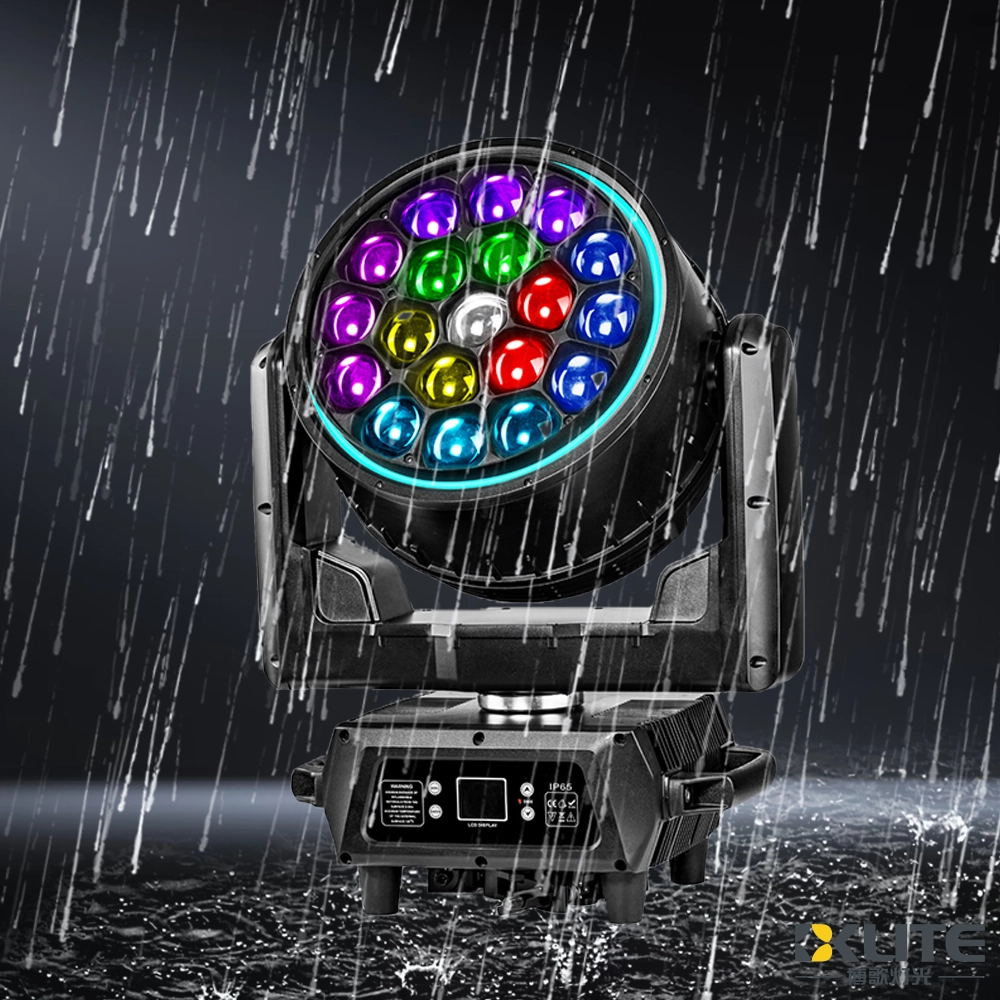
Luz de cabeza móvil LED Bee Eye Zoom 19x40W RGBW 4 en 1 con anillo LED y haz de luz IP65 resistente al agua
Cabezal móvil tipo ojo de abeja BKlite resistente al agua: su opción confiable entre los principales fabricantes y proveedores de cabezales móviles resistentes al agua. Ideal para escenarios al aire libre, eventos en vivo y festivales de música, este dispositivo de bajo consumo garantiza una iluminación potente y precisa para cualquier espacio. Ofrece un rendimiento lumínico potente y confiable en cualquier condición climática.
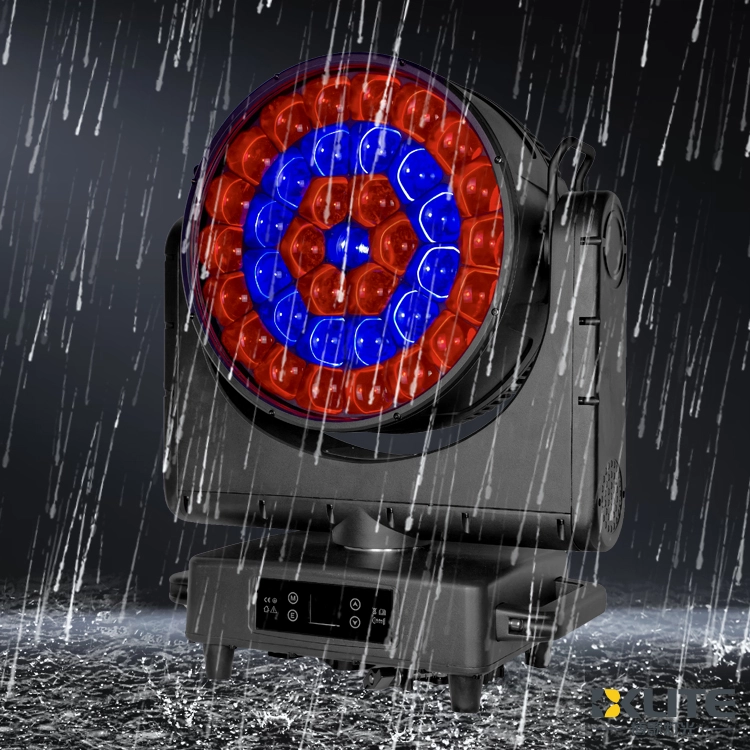
Luz de cabeza móvil LED 4 en 1 RGBW con zoom Bee Eye de 37 x 40 W, resistente al agua IP65
Como proveedor líder de equipos de iluminación escénica con más de 15 años de experiencia en el sector, BKlite le ofrece la luz de cabeza móvil LED IP65 ZOOM Bee Eye de 37*40 W RGBW 4 en 1 (K25 Bee Eye) que ofrece una iluminación vibrante y resistente a la intemperie con un potente zoom y un movimiento suave. Ideal para efectos dinámicos en el escenario, la luz de cabeza móvil K25 garantiza una mezcla de colores RGBW espectacular y un rendimiento fiable en exteriores.
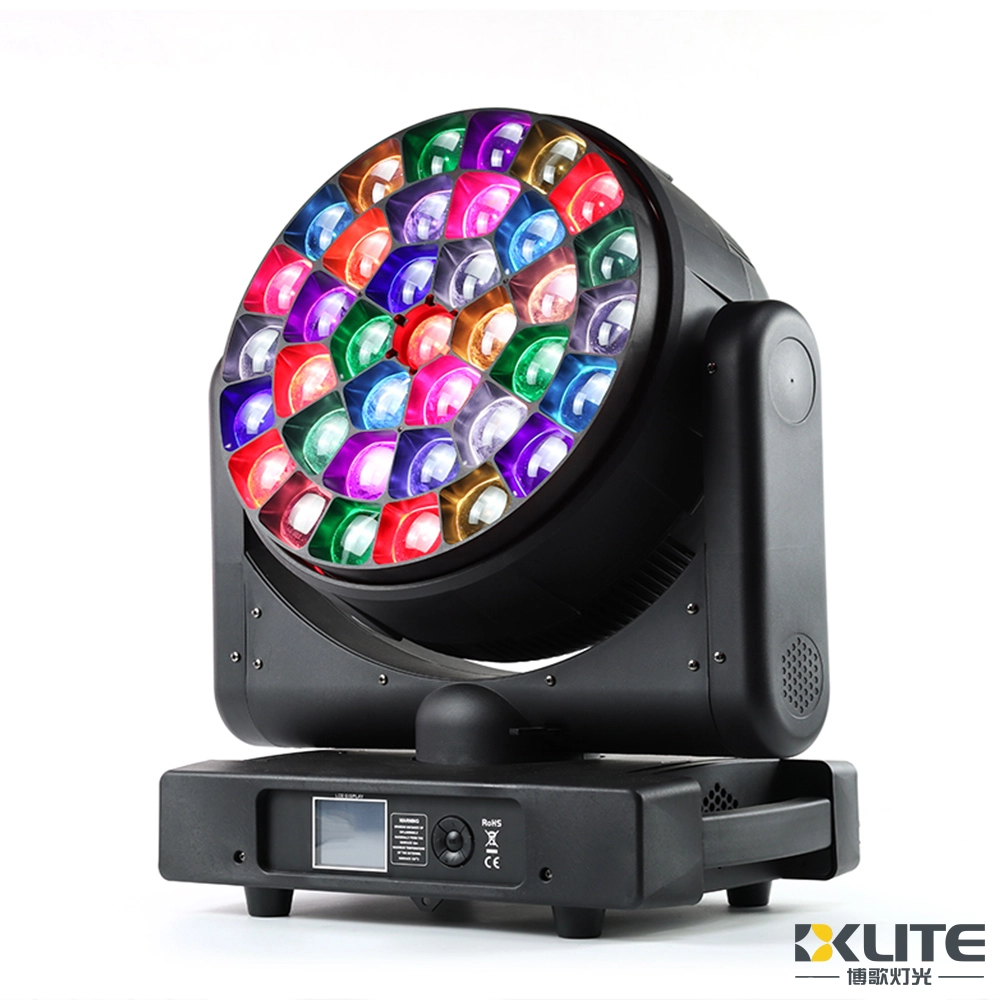
Cabezal móvil LED Bee Eye Zoom 37x40W RGBW 4 en 1 con haz de luz
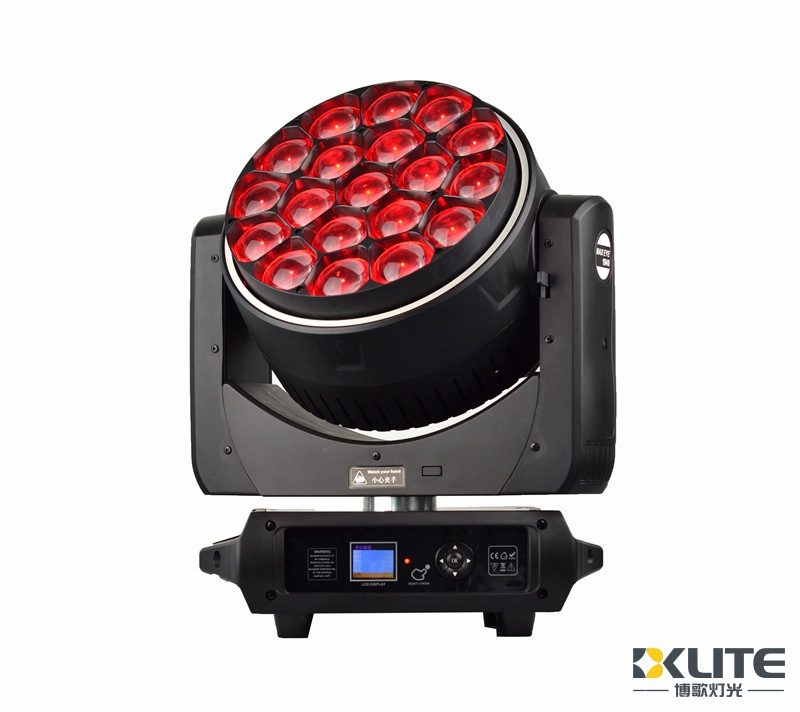
Luz de cabeza móvil LED Bee Eye Zoom 19x40W RGBW 4 en 1 con anillo LED y haz de lavado IP20
Como uno de los principales proveedores de equipos de iluminación de escenario con más de 15 años de experiencia, BKlite lanzó una nueva luz de lavado LED Bee Eye K15 19x40 BK-BY1940Z.
Diseñado con una apariencia simple y elegante, el cabezal móvil WASH es compacto, liviano y altamente portátil.
Con múltiples macros de efectos de color y macros de efectos dinámicos.
Nuestra luz de lavado se puede utilizar para opciones de iluminación versátiles con un efecto sorprendente.
Es muy bueno para tus proyectos de iluminación.
Potente y dispara a distancias muy largas.


Copyright © 2025 BKLITE Todos los derechos reservados.