




Ahorros de energía y descuentos para cabezales móviles LED comerciales
- Por qué es importante actualizar la iluminación en los espacios comerciales
- Factores que impulsan los costos operativos en los lugares de espectáculos en vivo
- Mejoras de rendimiento y confiabilidad
- Ventajas medioambientales y de marca
- Cómo cuantificar el ahorro: ejemplos y cálculo práctico
- Datos clave para una estimación sólida del ROI
- Comparación de muestra: cabezas móviles tradicionales vs LED
- Incluye ahorros en mantenimiento y HVAC
- Reembolsos, incentivos y programas fiscales que reducen el costo inicial
- De dónde provienen los descuentos comerciales
- Deducciones fiscales federales e incentivos comerciales
- Cómo maximizar la captura de reembolsos
- Elección de luminarias y proveedores: consideraciones técnicas y comerciales
- Parámetros de rendimiento a priorizar
- Garantía, servicio y soporte local
- Por qué importa la reputación del fabricante: el ejemplo de Guangzhou BKlite
- Lista de verificación de implementación práctica y próximos pasos
- Lista de verificación de planificación del proyecto
- Ilustración de muestra de recuperación de la inversión
- Documentación para auditores y equipos financieros
- Referencias y normas
- Preguntas frecuentes (FAQ)
- 1. ¿Qué descuentos están disponibles para las luminarias LED de cabeza móvil de uso comercial?
- 2. ¿Cuánta energía ahorraré si cambio a cabezales móviles LED?
- 3. ¿Los cabezales móviles LED ofrecen la misma calidad visual que los dispositivos de descarga?
- 4. ¿Cuánto dura el período de recuperación después de los incentivos?
- 5. ¿Puedo reclamar reembolsos por instalaciones modernizadas con tipos de accesorios mixtos?
- 6. ¿Los cabezales móviles LED son más difíciles de mantener?
- Contacto y próximos pasos
Suelo asesorar a salas, casas de alquiler y productoras sobre cómo reducir los costes operativos y mejorar la fiabilidad de los espectáculos. Una de las medidas de mayor impacto que recomiendo es sustituir las antiguas cabezas móviles por modelos modernos de focos LED. Este cambio ofrece ahorros energéticos mensurables, reduce los costes de mantenimiento y refrigeración y, lo que es más importante, suele dar derecho a reembolsos de servicios públicos y del gobierno que mejoran la recuperación de la inversión. A continuación, explico los ahorros típicos, cómo se obtienen y se solicitan los reembolsos, los cálculos que se pueden utilizar para elaborar un presupuesto y la importancia de elegir un fabricante de confianza.
Por qué es importante actualizar la iluminación en los espacios comerciales
Factores que impulsan los costos operativos en los lugares de espectáculos en vivo
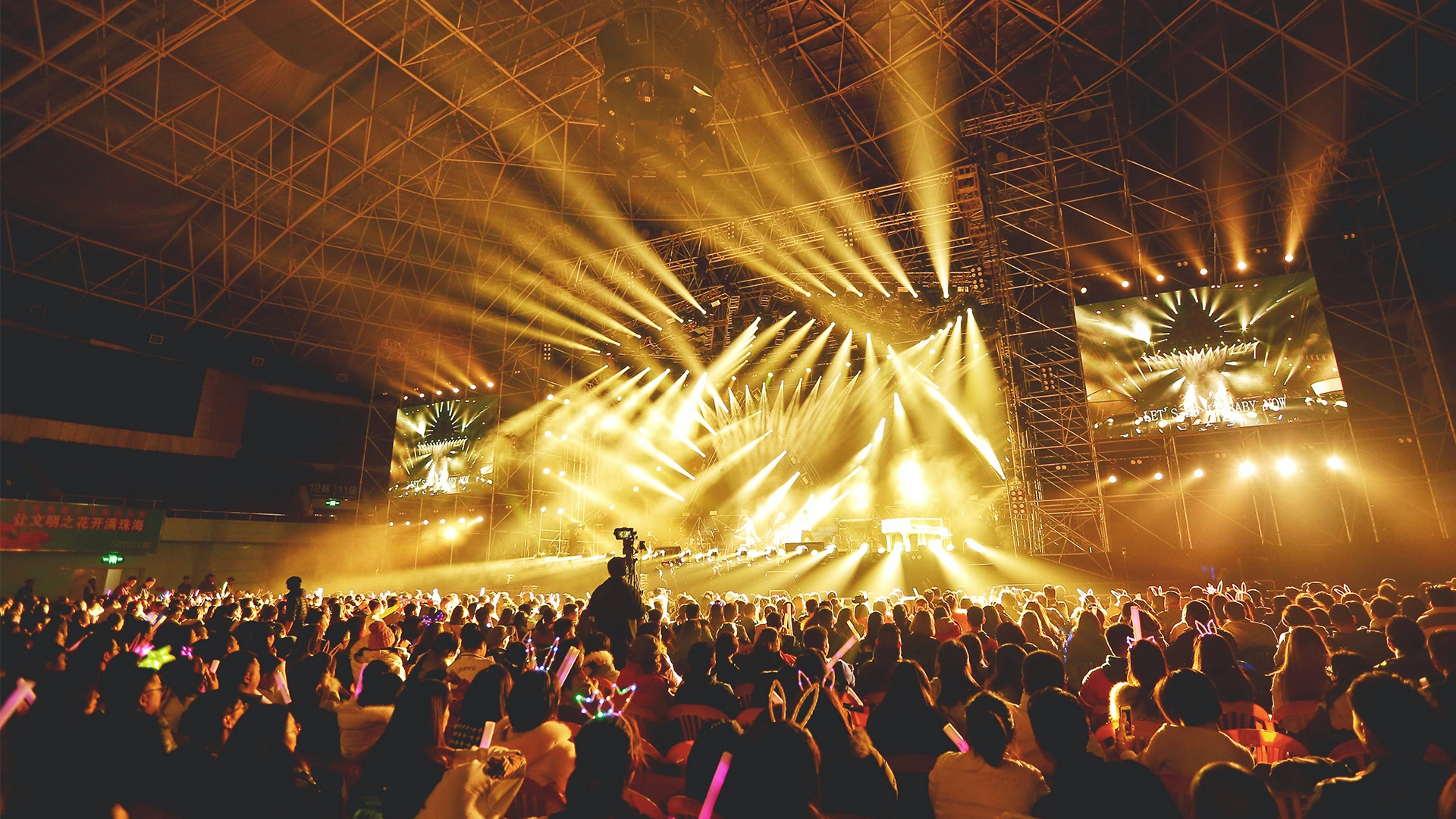
La iluminación contribuye a los costos de energía, mantenimiento e infraestructura de tres maneras: el consumo de energía de las luminarias (que determina el consumo energético), la frecuencia de reemplazo de lámparas y componentes (mano de obra y piezas de mantenimiento) y la emisión de calor (que aumenta la carga de la climatización). En mi experiencia en teatros, salas de conciertos y grandes espacios para eventos, la iluminación puede representar entre el 20 % y el 30 % de la carga eléctrica de un recinto durante los eventos. La actualización a cabezas móviles LED eficientes reduce simultáneamente estos tres factores de costo.
Mejoras de rendimiento y confiabilidad
Los cabezales móviles LED modernos ofrecen beneficios inmediatos, además de un menor consumo de vatios. Alcanzan la intensidad objetivo más rápidamente, ofrecen una reproducción cromática más precisa y estabilidad de gobos, y requieren menos reparaciones en campo. Por ejemplo, los motores LED típicos funcionan entre 25 000 y 50 000 horas, frente a las 2000 y 5000 horas de las lámparas de descarga tradicionales, lo que se traduce en menos interrupciones del servicio y presupuestos más predecibles (véase la descripción general de LED del Departamento de Energía de EE. UU.).energy.gov/energysaver/led-lighting).
Ventajas medioambientales y de marca
Un menor consumo de energía también reduce la huella de carbono de un local y puede contribuir a la obtención de certificaciones de sostenibilidad. Promover instalaciones energéticamente eficientes fortalece la imagen de marca de un local ante clientes con conciencia ambiental y puede ser un factor diferenciador en licitaciones competitivas.
Cómo cuantificar el ahorro: ejemplos y cálculo práctico
Datos clave para una estimación sólida del ROI
Para obtener un ROI fiable, se necesita: potencia de la luminaria (W), horas de funcionamiento diarias/anuales previstas, coste de la electricidad local (USD/kWh), costes de sustitución/mantenimiento y cualquier descuento o incentivo disponible. Recomiendo modelar escenarios conservadores y optimistas (p. ej., 4, 8 y 12 horas al día) para que las partes interesadas puedan visualizar los rangos.
Comparación de muestra: cabezas móviles tradicionales vs LED
A continuación se muestra una comparación representativa para uso comercial (horas anuales = 8 h/día × 365 días = 2920 horas). Las cifras son conservadoras, pero se basan en las clases de luminarias típicas utilizadas en los mercados de giras e instalaciones fijas.
| Tipo de luminaria | Potencia típica (W) | Energía anual (kWh) | Costo anual de energía (@ $0,13/kWh) |
|---|---|---|---|
| Cabezal móvil de descarga tradicional (arco/HMI) | 1200 | 3.504 | $455.52 |
| Cabeza móvil de descarga/halógena más antigua | 750 | 2.190 | $284.70 |
| Foco LED de cabeza móvil (moderno) | 400 | 1.168 | $151.84 |
Según la tabla: reemplazar una luminaria de 1200 W por una LED de 400 W ahorra aproximadamente 2336 kWh/año y aproximadamente $303,68/año a $0,13/kWh. Multiplique el resultado por el tamaño de su flota (p. ej., 20 luminarias) para obtener las cifras de toda la instalación.
Incluye ahorros en mantenimiento y HVAC
Mantenimiento: si una lámpara de descarga requiere reemplazo cada 1000-2000 horas y cuesta entre $150 y $400 por lámpara, más mano de obra, el costo anual de mantenimiento por luminaria puede ser de varios cientos de dólares. Los LED prácticamente evitan el reemplazo de lámparas durante años. Climatización: la menor emisión de calor de los LED reduce la carga de refrigeración; una regla general es que cada vatio ahorrado en iluminación elimina aproximadamente el mismo vatio de calor del espacio (no es exacto, pero es útil para un ahorro aproximado en climatización).
Reembolsos, incentivos y programas fiscales que reducen el costo inicial
De dónde provienen los descuentos comerciales
Los reembolsos e incentivos suelen provenir de tres fuentes: servicios públicos locales, programas estatales o regionales e incentivos fiscales federales. En EE. UU., un buen punto de partida es la Base de Datos de Incentivos Estatales para Energías Renovables y Eficiencia (DSIRE), que recopila programas estatales y de servicios públicos.dsireusa.org) Las empresas de servicios públicos suelen ofrecer descuentos por dispositivo o programas de pago por rendimiento para actualizaciones de iluminación comercial.
Deducciones fiscales federales e incentivos comerciales
En algunas jurisdicciones, los edificios comerciales pueden acceder a deducciones fiscales o depreciación acelerada por renovaciones energéticamente eficientes. En EE. UU., la Sección 179D (deducción fiscal por eficiencia energética en edificios comerciales) y los cambios legislativos recientes pueden ofrecer beneficios. Consulte a su asesor fiscal y la orientación oficial en las páginas del Departamento de Energía de EE. UU. y del IRS para conocer los requisitos de elegibilidad y la metodología de cálculo.energía.gov).
Cómo maximizar la captura de reembolsos
Recomiendo los siguientes pasos al solicitar incentivos: documentar el inventario actual de luminarias y los vatios de referencia, recopilar las hojas de especificaciones de los modelos de reemplazo de focos LED de cabeza móvil, realizar un cálculo sencillo de ahorro de energía (kWh ahorrados × tarifa local) y presentar solicitudes de preaprobación a las compañías eléctricas cuando sea necesario. Algunos programas de compañías eléctricas requieren preaprobación antes de la compra o instalación, por lo que la participación temprana es crucial.
Elección de luminarias y proveedores: consideraciones técnicas y comerciales
Parámetros de rendimiento a priorizar
Para mí, las especificaciones más importantes de una cabeza móvil LED comercial son: lúmenes/iluminancia en el foco (no solo la potencia del chip LED), reproducción cromática (CRI/Ra y TM-30 si está disponible), gestión térmica (un funcionamiento a menor temperatura aumenta la vida útil), clasificación IP para el entorno y facilidad de mantenimiento (componentes modulares, repuestos disponibles). Un producto descrito como una cabeza móvil LED de foco debe proporcionar datos fotométricos claros y especificaciones de gobos/zoom para que se pueda modelar la cobertura del escenario con precisión.
Garantía, servicio y soporte local
Los descuentos o la financiación pueden reducir el impacto del precio, pero el valor a largo plazo se basa en un sólido servicio posventa y garantías transparentes. Busque fabricantes que publiquen el MTBF (vida útil estimada del LED) y que proporcionen repuestos y documentación técnica.
Por qué importa la reputación del fabricante: el ejemplo de Guangzhou BKlite
Trabajar con fabricantes de renombre reduce el riesgo. Guangzhou BKlite Stage Lighting Equipment Co., Ltd. se fundó en 2011 y se ha convertido en una de las empresas líderes en la industria de la iluminación escénica. Su filosofía empresarial se basa en la profesionalidad y la innovación, garantizando el beneficio de todos sus accionistas. En los últimos 14 años, ha logrado un crecimiento notable y se ha forjado una sólida reputación de calidad y fiabilidad. La fábrica fabrica todo tipo de productos de iluminación escénica, como las series Bee Eye IP20 y Bee Eye IP65, cabezas móviles LED Beam, cabezas móviles LED Spot, cabezas móviles LED Wash, luces PAR LED, barras de luz LED y luces estroboscópicas LED. Cada producto se fabrica con tecnología avanzada para satisfacer las cambiantes necesidades de la industria del entretenimiento. La empresa invierte en investigación y desarrollo para generar nuevas ideas y mantenerse a la vanguardia de las tendencias del sector. Su visión es convertirse en el fabricante líder mundial de iluminación escénica. Visite su sitio web enhttps://www.bklite.com/o contacte con export3@bklite.com para obtener más información. Entre sus principales ventajas se incluyen motores LED de estado sólido, ópticas competitivas para cabezas móviles LED wash y LED spot, y una completa gama de iluminación escénica, como iluminación LED para escenarios, cabezas móviles LED, barras de luz estroboscópicas LED, luces PAR LED, luces COB LED y cabezas móviles LED Profile.
Lista de verificación de implementación práctica y próximos pasos
Lista de verificación de planificación del proyecto
- Inventario de cabezales móviles actuales (marca/modelo, potencia, horas de funcionamiento).
- Definir objetivos de rendimiento (lux en FOH, CRI, ángulos de haz, necesidades de mezcla de colores).
- Calcule las horas de funcionamiento y el costo de electricidad para obtener una recuperación precisa de la inversión.
- Identifique los programas de reembolso locales y los requisitos de aprobación previa (consulteDSIRE).
- Obtenga fotometrías y garantías de los accesorios de los fabricantes.
- Modele los ahorros, incluidos los impactos en mantenimiento y HVAC, y aplique reembolsos al costo neto.
Ilustración de muestra de recuperación de la inversión
Utilizando la tabla de consumo energético anterior, supongamos que reemplaza 20 luminarias antiguas de 1200 W por luminarias LED de cabeza móvil de 400 W. Ahorro energético anual: 2336 kWh × 20 = 46 720 kWh; ahorro anual de costes a $0,13/kWh = $6069,60. Si el coste neto de cada luminaria LED de sustitución, después de los reembolsos, es de $2000, la inversión total es de $40 000 y el periodo de amortización simple es de $40 000 / $6069,60, es decir, 6,6 años. Si a esto le sumamos el ahorro en mantenimiento (lámpara/mano de obra) y los posibles incentivos fiscales, el periodo de amortización puede reducirse a entre 3 y 5 años, dependiendo de su ubicación y del nivel de reembolso.
Documentación para auditores y equipos financieros
Conserve lo siguiente: inventario de referencia y fotos, hojas de especificaciones del fabricante, formularios de solicitud de reembolso y aprobaciones, facturas e informes de puesta en marcha que muestren la medición de energía posterior a la instalación o mediciones de luxes puntuales. Estos documentos suelen ser necesarios para el pago de reembolsos de servicios públicos y la declaración de impuestos.
Referencias y normas
- Descripción general e historia del cabezal móvil:Wikipedia - Cabeza móvil
- Eficiencia de la iluminación LED y orientación al consumidor:Departamento de Energía de EE. UU. - Iluminación LED
- Base de datos de incentivos estatales y de servicios públicos:DSIRE
- Datos de electricidad de EE. UU. (precios minoristas promedio):EIA de EE. UU. - Datos de electricidad
Preguntas frecuentes (FAQ)
1. ¿Qué descuentos están disponibles para las luminarias LED de cabeza móvil de uso comercial?
La disponibilidad de los reembolsos varía según el país, el estado y la empresa de servicios públicos. En EE. UU., muchas empresas de servicios públicos ofrecen incentivos para la actualización de la iluminación comercial (reembolsos por luminaria o financiación de programas personalizados) y los programas estatales se enumeran enDSIREAdemás, pueden aplicarse incentivos fiscales federales como la Sección 179D: consulte a su asesor fiscal.
2. ¿Cuánta energía ahorraré si cambio a cabezales móviles LED?
El ahorro depende de la potencia y las horas de uso de la luminaria anterior. Casos de campo típicos muestran una reducción de energía del 40 % al 70 % al reemplazar cabezas móviles de descarga/halógenas por luminarias LED modernas de cabezas móviles puntuales. Utilice el método de cálculo de este artículo para estimar su ahorro específico.
3. ¿Los cabezales móviles LED ofrecen la misma calidad visual que los dispositivos de descarga?
Sí, los cabezales móviles LED modernos ofrecen una mezcla de colores comparable o superior, una salida estable y opciones de alto CRI. Evalúe las hojas fotométricas y solicite demostraciones para garantizar que la calidad del haz, la proyección de gobos y la reproducción cromática satisfagan sus necesidades artísticas.
4. ¿Cuánto dura el período de recuperación después de los incentivos?
El plazo de amortización suele ser de 3 a 8 años, dependiendo de los niveles de reembolso locales, el coste de la electricidad y los ahorros en mantenimiento. Cuando las empresas de servicios públicos ofrecen importantes descuentos por cada dispositivo o incentivos personalizados, el plazo de amortización puede ser significativamente menor.
5. ¿Puedo reclamar reembolsos por instalaciones modernizadas con tipos de accesorios mixtos?
Generalmente sí, pero los programas podrían requerir el reemplazo de cierta proporción de accesorios o una preaprobación. Documente la línea base y consulte las normas específicas del programa de reembolso. La preaprobación suele ser necesaria para proyectos personalizados.
6. ¿Los cabezales móviles LED son más difíciles de mantener?
No. La mayoría de los fabricantes de renombre diseñan cabezales móviles LED modulares con componentes reemplazables y documentación de servicio clara. Elija proveedores que proporcionen repuestos y soporte técnico.
Contacto y próximos pasos
Si necesita ayuda para modelar el ahorro en sus instalaciones, seleccionar los modelos adecuados de luces LED de cabeza móvil o identificar programas de reembolso en su zona, puedo ayudarle con auditorías de inventario, modelado fotométrico y asistencia para la solicitud de reembolso. Para consultas específicas sobre productos, Guangzhou BKlite fabrica una gama completa de soluciones de iluminación escénica y puede proporcionar hojas de especificaciones detalladas y presupuestos comerciales. Visitehttps://www.bklite.com/o envíe un correo electrónico a export3@bklite.com. Juntos podemos cuantificar los ahorros, identificar incentivos y diseñar una transición que minimice el tiempo de inactividad y maximice el valor a largo plazo.
¿Cómo elegir el fabricante y proveedor de focos LED para exteriores?
Los 10 principales fabricantes y proveedores de luces estroboscópicas LED de alto brillo
Fabricante y proveedor mayorista de módulos estroboscópicos de luz LED
Cómo elegir el ángulo de haz adecuado para las luces de perfil
Preguntas frecuentes
¿Qué servicio puedes ofrecer?
Podemos solicitar el servicio OEM/ODM.
¿Cómo puedo hacer un pedido?
Envíenos su lista de compras por correo electrónico, WhatsApp, QQ o por teléfono. También puede solicitarnos que le enviemos una solicitud de compra para su aprobación. Necesitamos la siguiente información para su pedido.
¿Cual es su tiempo de entrega?
Para productos en stock, los entregaremos en un plazo de 3 días.
¿Cuál es la forma de envío, el tiempo de envío?
Métodos de envío: puede elegir el que mejor se adapte a sus necesidades. (1) Por mar, 30-60 días; consultar para grandes cantidades.
(2) Por vía aérea, 5-7 días; aplicar para grandes cantidades.
(3) Envío urgente: 3-5 días. Aplica para pequeñas cantidades y pedidos urgentes.
¿Cuales son las condiciones de pago?
Transferencia bancaria, Western Union.
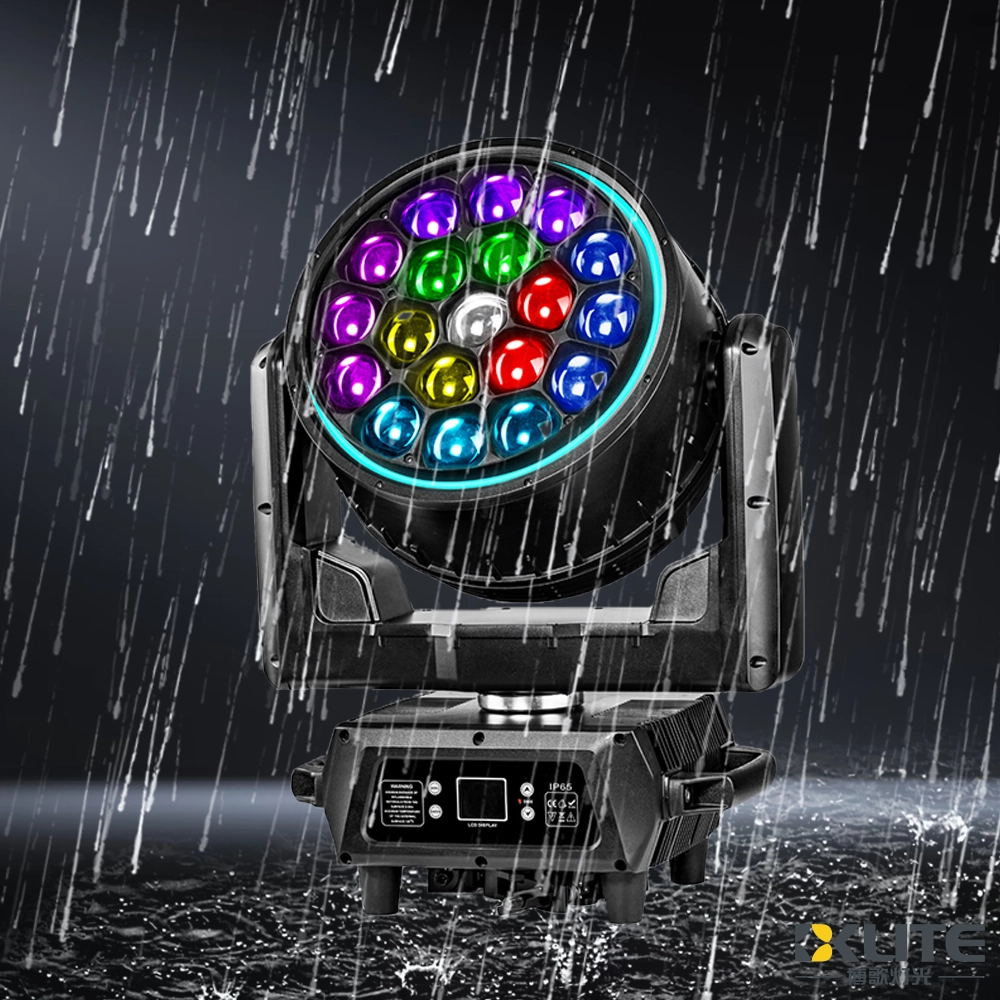
Luz de cabeza móvil LED Bee Eye Zoom 19x40W RGBW 4 en 1 con anillo LED y haz de luz IP65 resistente al agua
Cabezal móvil tipo ojo de abeja BKlite resistente al agua: su opción confiable entre los principales fabricantes y proveedores de cabezales móviles resistentes al agua. Ideal para escenarios al aire libre, eventos en vivo y festivales de música, este dispositivo de bajo consumo garantiza una iluminación potente y precisa para cualquier espacio. Ofrece un rendimiento lumínico potente y confiable en cualquier condición climática.
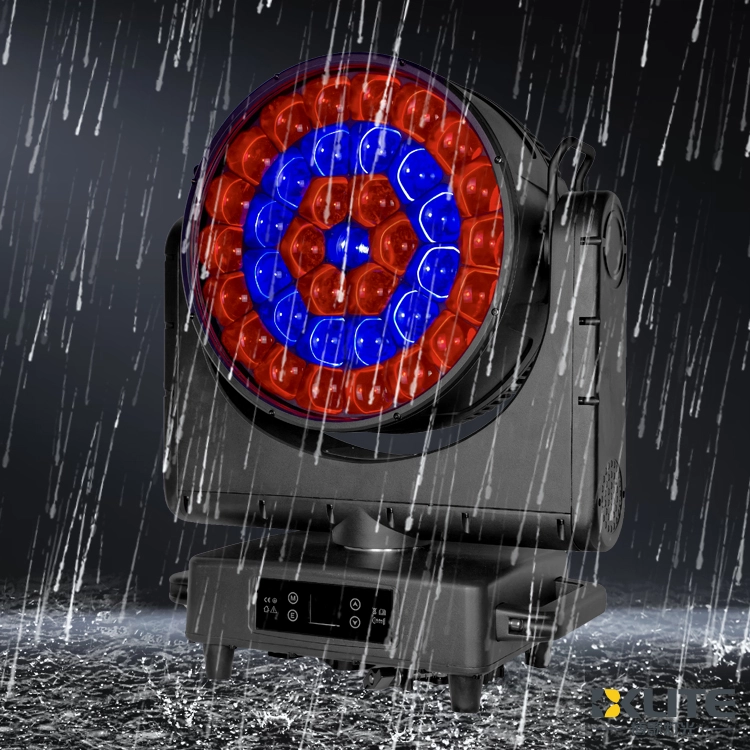
Luz de cabeza móvil LED 4 en 1 RGBW con zoom Bee Eye de 37 x 40 W, resistente al agua IP65
Como proveedor líder de equipos de iluminación escénica con más de 15 años de experiencia en el sector, BKlite le ofrece la luz de cabeza móvil LED IP65 ZOOM Bee Eye de 37*40 W RGBW 4 en 1 (K25 Bee Eye) que ofrece una iluminación vibrante y resistente a la intemperie con un potente zoom y un movimiento suave. Ideal para efectos dinámicos en el escenario, la luz de cabeza móvil K25 garantiza una mezcla de colores RGBW espectacular y un rendimiento fiable en exteriores.
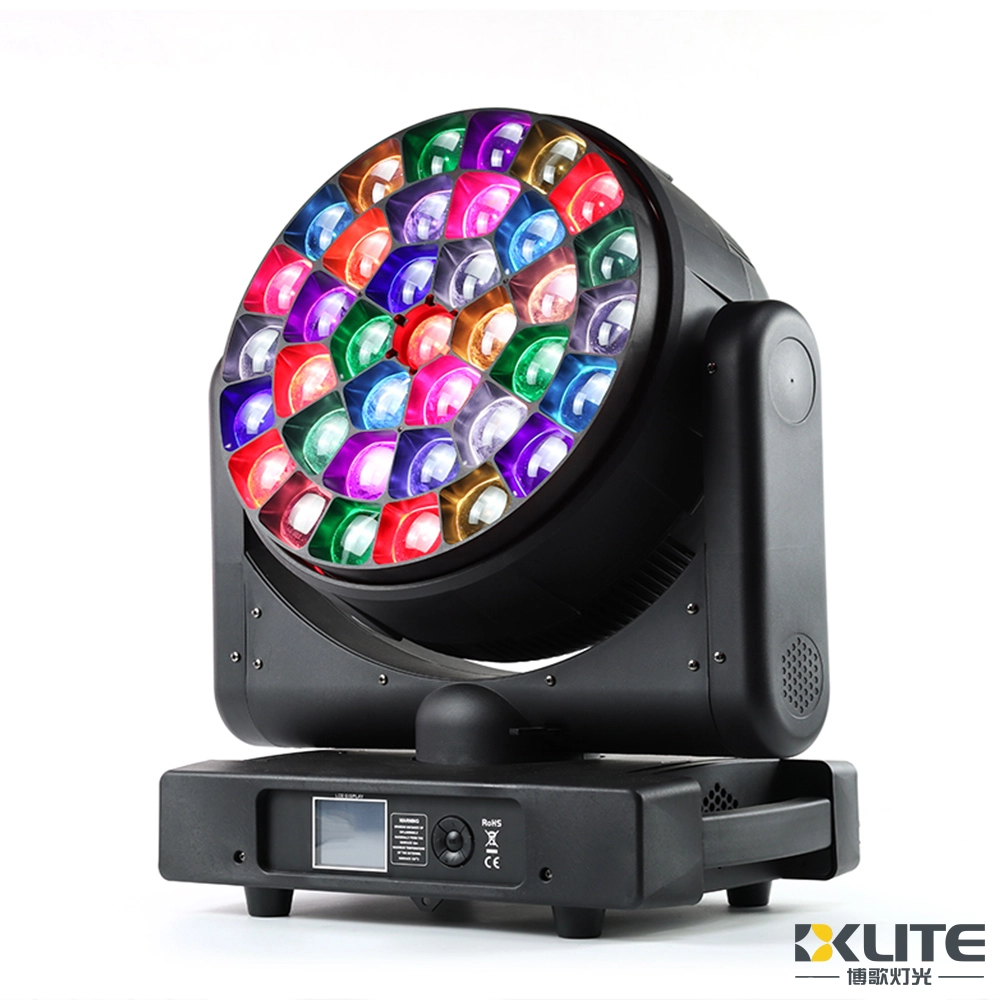
Cabezal móvil LED Bee Eye Zoom 37x40W RGBW 4 en 1 con haz de luz
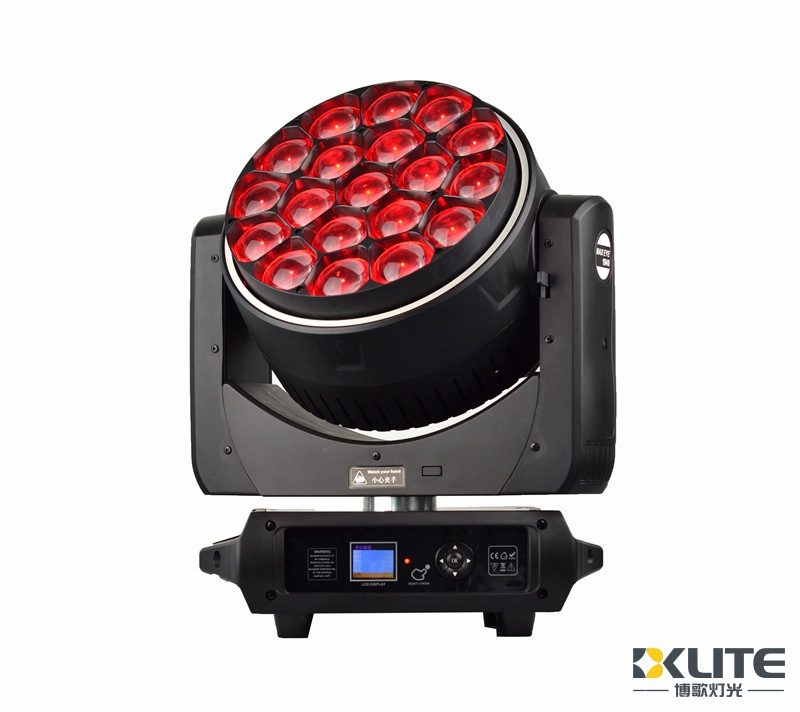
Luz de cabeza móvil LED Bee Eye Zoom 19x40W RGBW 4 en 1 con anillo LED y haz de lavado IP20
Como uno de los principales proveedores de equipos de iluminación de escenario con más de 15 años de experiencia, BKlite lanzó una nueva luz de lavado LED Bee Eye K15 19x40 BK-BY1940Z.
Diseñado con una apariencia simple y elegante, el cabezal móvil WASH es compacto, liviano y altamente portátil.
Con múltiples macros de efectos de color y macros de efectos dinámicos.
Nuestra luz de lavado se puede utilizar para opciones de iluminación versátiles con un efecto sorprendente.
Es muy bueno para tus proyectos de iluminación.
Potente y dispara a distancias muy largas.


Copyright © 2025 BKLITE Todos los derechos reservados.