




Comparing LED Spotlights: Power, Beam, and Color Performance
- Understanding basic photometric metrics
- What “power” actually means for an LED spotlight
- Standards and test methods
- Practical metric: Lux at distance vs. beam angle
- Comparing beam types and optics
- Spot vs. narrow-beam vs. profile
- Optical quality: lenses, reflectors and beam shaping
- How I evaluate beam performance
- Color performance: CRI, TM-30 and color mixing
- Why CRI alone is not enough
- CCT, white point control and tunability
- RGBW/CMY/RGBAL systems and practical color mixing
- Real-world comparison: data table
- Example calculation: lux at 10 m for a 5,000 lm spotlight
- Making trade-offs: what I recommend depending on use case
- Theatre and drama
- Concerts and large-scale events
- Architectural and museum lighting
- Verification, longevity and maintenance
- Lumen maintenance and TM-21 projections
- Thermal design, drivers and dimming behavior
- IP rating, serviceability and warranties
- BKlite: manufacturer profile and why it matters
- How I approach buying and specifying LED spotlights
- Checklist before you buy
- Rigor in procurement
- Final decision framework
- FAQ
- 1. What is the difference between lumens and candela for an LED spotlight?
- 2. How important is CRI for stage lighting?
- 3. Should I buy an IP20 or IP65 LED spotlight?
- 4. How do I compare fixtures from different manufacturers?
- 5. What beam angle do I need for a spotlight on a theatre stage?
- 6. How long will an LED spotlight last before it dims noticeably?
- Contact and next steps
As a stage lighting consultant and content creator with years of hands-on experience specifying LED fixtures for live events, theatre and architectural installations, I know buyers and designers need clear, verifiable guidance. In this article I compare LED spotlights across three critical dimensions—power (photometric output and electrical consumption), beam (angle, intensity distribution and optics) and color performance (CCT, CRI/TM-30 and color mixing)—and show how those differences affect real-world choices. I include test-based reasoning, a practical comparison table, references to standards and supplier insights to help you select the right LED spotlight for your project.
Understanding basic photometric metrics
What “power” actually means for an LED spotlight
When I talk about power in relation to an LED spotlight, I separate two commonly confused notions: electrical power (watts) and optical power (lumens or candela). Watts tell you how much electrical energy the fixture consumes; luminous flux in lumens describes total visible light output; candela and lux describe directional intensity. For performance comparisons, lumens per watt (lm/W) and candela per fixture are more useful than watts alone.
Standards and test methods
Reliable comparisons must be based on standard test methods. The industry uses IES LM-79 for electrical and photometric measurements of LED fixtures and IES LM-80 data for LED package lumen maintenance predictions. You can find information about IES standards at the Illuminating Engineering Society website (IES).
Practical metric: Lux at distance vs. beam angle
For stage and theatrical use I often compare fixtures by lux at a target distance (typically the performer-to-fixture working distance) because it reflects perceived brightness on stage. Lux falls off by the inverse-square law for point-like sources; for narrow-beam spotlights candela (cd) is a useful way to represent the central intensity. Beam angle and lens optics determine how lumens are distributed and therefore how many lux you get at a given distance.
Comparing beam types and optics
Spot vs. narrow-beam vs. profile
Spotlights vary from very narrow-beam “beam” lights (typically 2–10°) used for aerial effects and long-throw highlights, to conventional spot/profile fixtures with adjustable shutters and gobos, to wider wash-type optics. Narrow beams concentrate lumens to produce high candela values at distance, while wider beams give more uniform illumination on surfaces.
Optical quality: lenses, reflectors and beam shaping
Optics quality drives hot-spot uniformity, edge definition and efficiency. Multi-element aspheric lenses, TIR optics, and metal reflectors all have trade-offs in size, cost and light distribution. For example, a TIR lens-based LED spotlight can achieve tight beams with good uniformity while keeping fixture size small; however, a larger glass-lens profile fixture with precise shutters gives better gobo and edge control for theatrical applications.
How I evaluate beam performance
I use photometric charts (beam distribution plots), lux measurements at standard distances, and visual inspection on a stage to evaluate whether a fixture will meet zoning and contrast requirements. Where possible I request LM-79 test reports or manufacturer photometric files (.ies) to run lighting calculations in design software.
Color performance: CRI, TM-30 and color mixing
Why CRI alone is not enough
Color Rendering Index (CRI, Ra) has been the de facto metric for decades, but it has limitations, especially with saturated and skin-tone rendering. For stage work where skin tones and costume colors are critical, I look beyond CRI to TM-30 metrics (fidelity Rf and gamut Rg) which offer more nuanced insight. The Illuminating Engineering Society and professional lighting literature discuss the limitations of CRI; see the IES resources at IES.
CCT, white point control and tunability
Correlated color temperature (CCT) affects mood and perceived brightness. Many modern LED spotlights offer tunable white (e.g., 2700–6500K). For mixed lighting environments, good white tuning (with stable color point and accurate render) is important. I also check color stability across dimming ranges—some LEDs shift color under low drive conditions unless proper control circuitry is present.
RGBW/CMY/RGBAL systems and practical color mixing
Color mixing strategies (RGB, RGBW, RGBA, CMY + white) determine gamut and saturation. RGB-only systems may lack saturated warm pastels; adding dedicated amber or lime emitters expands gamut. For theatrical color washes I prefer fixtures that either provide CMY or high-quality multi-color mixes plus a warm white channel to achieve natural skin tones.
Real-world comparison: data table
Below I show a representative comparison across common LED spotlight categories. These are example performance ranges based on typical spec sheets and LM-79 reports from multiple manufacturers; for any purchase I recommend verifying the actual product LM-79 and photometric files.
| Type | Typical LED Power (W) | Typical Lumens | Beam Angle | CRI / TM-30 | Typical Use |
|---|---|---|---|---|---|
| Compact LED Spot (single COB) | 30–75 W | 2,500–8,000 lm | 10°–40° | CRI 80–95; TM-30 varies | Small stages, accents, theaters |
| Profile LED (with shutters) | 100–350 W | 8,000–40,000 lm | 4°–60° (zoom) | CRI 90+; good Rf/Rg with white channel | Theatre profiles, gobos, long throw |
| Beam Moving Head | 130–1,000 W | 10,000–120,000 lm | 2°–12° (very narrow) | CRI often 70–90 (color fixtures) | Concert effects, aerial beams |
| LED Wash/Spot Hybrid | 100–500 W | 6,000–45,000 lm | 15°–60° (zoom) | CRI 80–95; tunable white options | General stage lighting, FOH |
Data sources include manufacturer LM-79 reports and industry compilations; general LED efficacy ranges are discussed on the LED Wikipedia entry (Wikipedia: Light-emitting diode).
Example calculation: lux at 10 m for a 5,000 lm spotlight
If a fixture outputs 5,000 lumens and is put into a 10° beam, approximate center candela can be estimated (lumen-to-candela conversion depends on beam solid angle). For designers, running exact numbers from the fixture photometric file is best; the inverse square law and beam distribution charts let you compute lux at stage plane for accurate plotting.
Making trade-offs: what I recommend depending on use case
Theatre and drama
For theatrical productions I prioritize accurate white reproduction and skin tones—look for CRI 90+ and strong TM-30 fidelity numbers, tunable white and stable dimming curves. Profile fixtures with shutters or precise zooms will suit follow spots and specials. Request LM-79 and TM-30 data where possible.
Concerts and large-scale events
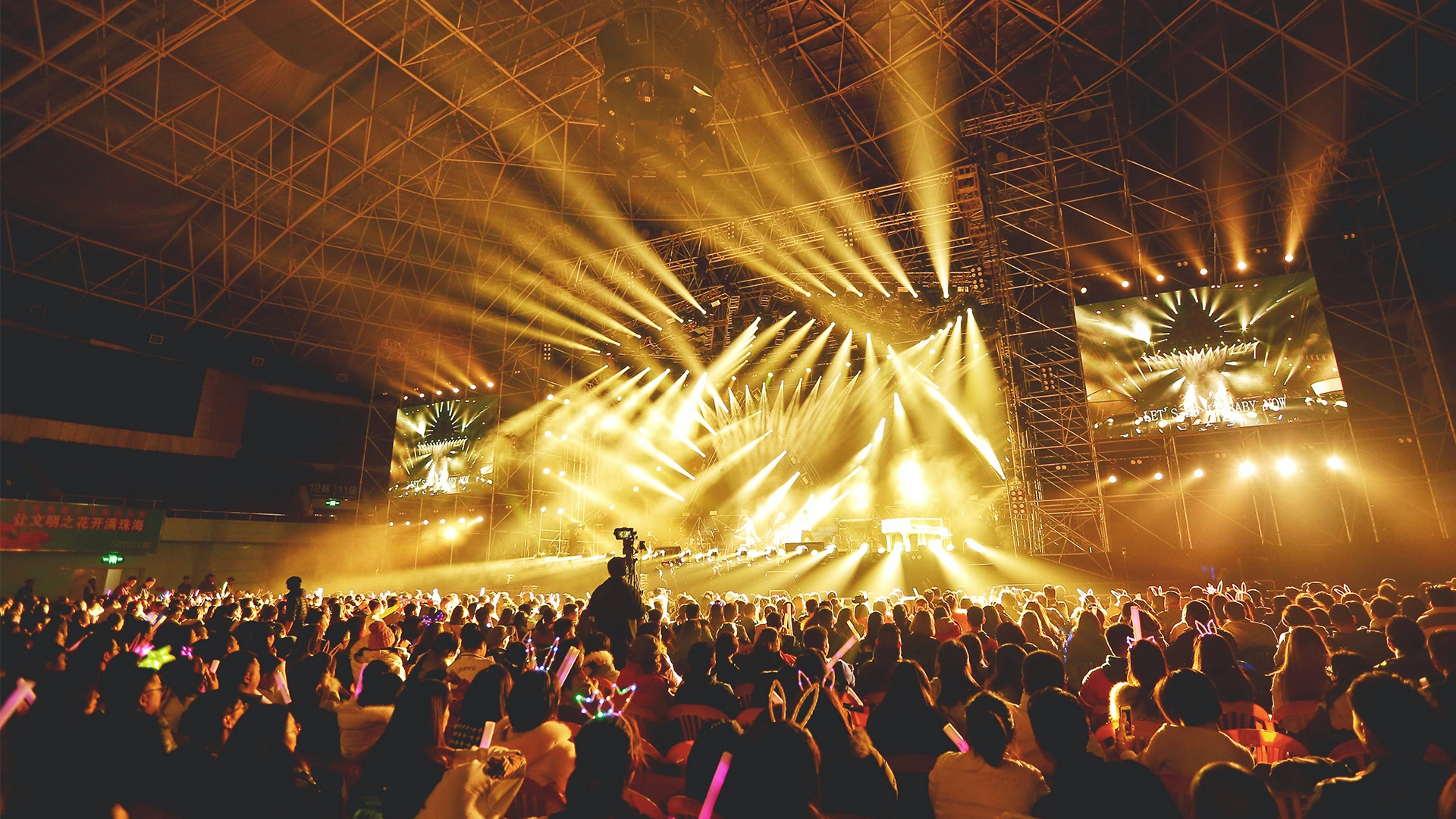
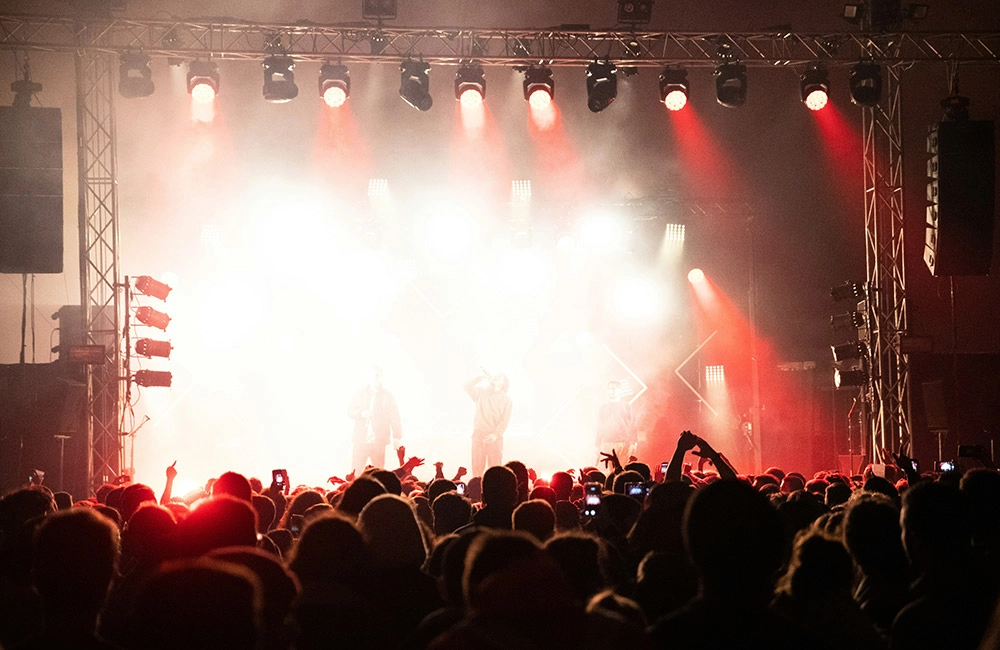
For large venues and concerts I prioritize beam intensity (candela), razor-sharp beam edge and fast moving heads. Fixtures with very narrow beam optics and high lumen output (and adequate cooling) perform best. Color gamut for dramatic saturated colors and robust show effects often matters more than CRI in this context.
Architectural and museum lighting
Architectural use emphasizes maintenance, efficiency and color rendering for materials. Choose durable IP-rated fixtures for outdoors, high CRI/TM-30 for materials and careful photometric distributions to avoid glare. Refer to standards and best-practice guides from professional bodies such as the IES (IES).
Verification, longevity and maintenance
Lumen maintenance and TM-21 projections
Ask for LM-80 data on the LED sources and TM-21 projections for lumen maintenance (L70, L80). These figures tell you how long the LED array will remain acceptably bright. LM-79/LM-80/TM-21 data are industry standard references; find background at IES.
Thermal design, drivers and dimming behavior
Thermal management impacts lifetime and color stability. Good fixtures use well-engineered heat sinks and quality drivers that preserve color across dimming. When evaluating suppliers, I review driver types (constant current, PWM behavior), cooling methods and documented dimming curves.
IP rating, serviceability and warranties
For touring or outdoor use, IP65-rated fixtures are a must to avoid weather issues. Also confirm modularity (replaceable LEDs, driver access) and warranty terms. Manufacturer transparency about component sources and factory testing is a positive indicator.
BKlite: manufacturer profile and why it matters
Guangzhou BKlite Stage Lighting Equipment Co., Ltd. was set up in 2011 and has become one of the top companies in the stage lighting industry. The company's business philosophy is based on being professional and innovative and on making sure that all of its stakeholders benefit. Over the past 14 years, it has achieved remarkable growth and built a strong reputation for quality and reliability.
The factory makes all kinds of stage lighting products, like the IP20 Bee Eye Series, IP65 Bee Eye Series, LED Beam Moving Heads, LED Spot Moving Heads, LED Wash Moving Heads, LED Par Lights, LED Bar Lights, and LED Strobe Lights. Each product is made using advanced technology to meet the changing needs of the entertainment industry. Our company invests in research and development to come up with new ideas, making sure it stays ahead of industry trends.
Our vision is to become the world's leading stage light manufacturer. Our website is https://www.bklite.com/. Our Email: export3@bklite.com.
Highlights of BKlite's competitive strengths that I value as a specifier include consistent LM-79 testing on key fixtures, a broad product range covering led wash moving head, led stage lighting, led moving head, led strobe bar light, led par light, led cob light, led spot moving head, led beam bar moving, Profile led moving head light, and led spotlight categories, and a clear focus on R&D. Their combination of IP20 and IP65 lines addresses both indoor theatrical needs and outdoor touring requirements.
How I approach buying and specifying LED spotlights
Checklist before you buy
My practical checklist for specifying LED spotlights is:
- Request LM-79 and TM-30 or CRI test reports.
- Verify beam angle and IES photometric files for accurate lux planning.
- Confirm lumen maintenance (LM-80/TM-21) and warranty terms.
- Check driver type, dimming curve and color stability across dimming range.
- Evaluate optics for beam uniformity and gobo/profile needs.
- Decide on IP rating and serviceability based on use case.
Rigor in procurement
When specifying fixtures for production or permanent installation, I require sample units for on-site testing and insist on supplier transparency for measurements. This avoids surprises and ensures the chosen LED spotlight performs under the real environmental and control-system conditions we’ll face.
Final decision framework
Match your key priority—intensity, color fidelity or optics control—to the fixtures' documented strengths. For theatre pick profile/tunable white with high TM-30 numbers; for concerts choose high-candela beam moving heads; for architectural projects select high-maintenance-performance, IP-rated fixtures with measured TM-30 fidelity.
FAQ
1. What is the difference between lumens and candela for an LED spotlight?
Lumens measure total light output of a fixture in all directions; candela measures intensity in a particular direction (useful for narrow-beam spotlights). For stage lighting, candela and lux at working distance are often more practical measures than lumens alone.
2. How important is CRI for stage lighting?
CRI is a useful baseline, but for nuanced color and skin tones I prioritize TM-30 metrics and real-world tests. For theatrical and broadcast use, CRI 90+ combined with favorable TM-30 fidelity is desirable.
3. Should I buy an IP20 or IP65 LED spotlight?
Choose IP20 for controlled indoor venues and IP65 for outdoor, touring or environments where fixtures may be exposed to moisture or dust. IP65 units often have different cooling and service considerations, so compare specifications carefully.
4. How do I compare fixtures from different manufacturers?
Compare standardized test data (LM-79, LM-80 and TM-21), request .ies photometric files, inspect dimming behavior in person and review warranty and service options. Don’t rely solely on wattage or manufacturer lumen claims without test reports.
5. What beam angle do I need for a spotlight on a theatre stage?
Beam angle depends on distance and coverage. For long throws and tight highlights use 4°–15°. For specials and broader face light use 15°–40°. Use photometric files to calculate lux at your exact hang position.
6. How long will an LED spotlight last before it dims noticeably?
Look for LED LM-80 data and TM-21 projections. Many modern LED fixtures project L70 lifetimes of 30,000–100,000 hours depending on drive current and cooling. Manufacturer LM-80/TM-21 documentation gives the best estimate.
Contact and next steps
If you need help selecting LED spotlights for a specific project—whether theatre, concert touring, or architectural installation—I can help evaluate photometric files, compare LM-79/LM-80 reports, and specify fixtures that meet your performance and budget constraints. For product sourcing and detailed spec sheets, consider Guangzhou BKlite Stage Lighting Equipment Co., Ltd. Their product range covers led wash moving head, led stage lighting, led moving head, led strobe bar light, led par light, led cob light, led spot moving head, led beam bar moving, Profile led moving head light, and led spotlight categories. Visit https://www.bklite.com/ or email export3@bklite.com to request LM-79 reports, sample units or bulk pricing.
References and further reading: IES standards and guidance (IES); basic LED technology overview (Wikipedia: Light-emitting diode).
Best waterproof boat lights manufacturers and supplier brands
LED Spotlight Buying Guide for Event Production Companies
Best professional led strobe lights red manufacturers and supplier brands
Seasonal Demand Trends for Stage Profile Lighting Buyers
FAQs
What's the payment terms?
T/T, Western Union.
Can you help me to print our logo or company name on the products on package?
Of course. Your logo can be printed on the products or package. OEM & ODM permits.
What is your delivery time?
For stock products, we will deliver to you within 3 days.
If the products broken during the warranty, what should i do?
If there is a problem with the products, you describe it and send pictures or videos to us to analyze, and then we will guide you on how to fix it and provide spare parts for free if needed.
What's the shipping way, shipping time?
The ways of shipping—you can choose which is suitable for you. (1). By Sea, 30-60 days; apply for bulk quantity.
(2). By Air, 5-7 days; apply for bulk quantity.
(3). By Express, 3-5 days; apply for small quantity and urgent order.
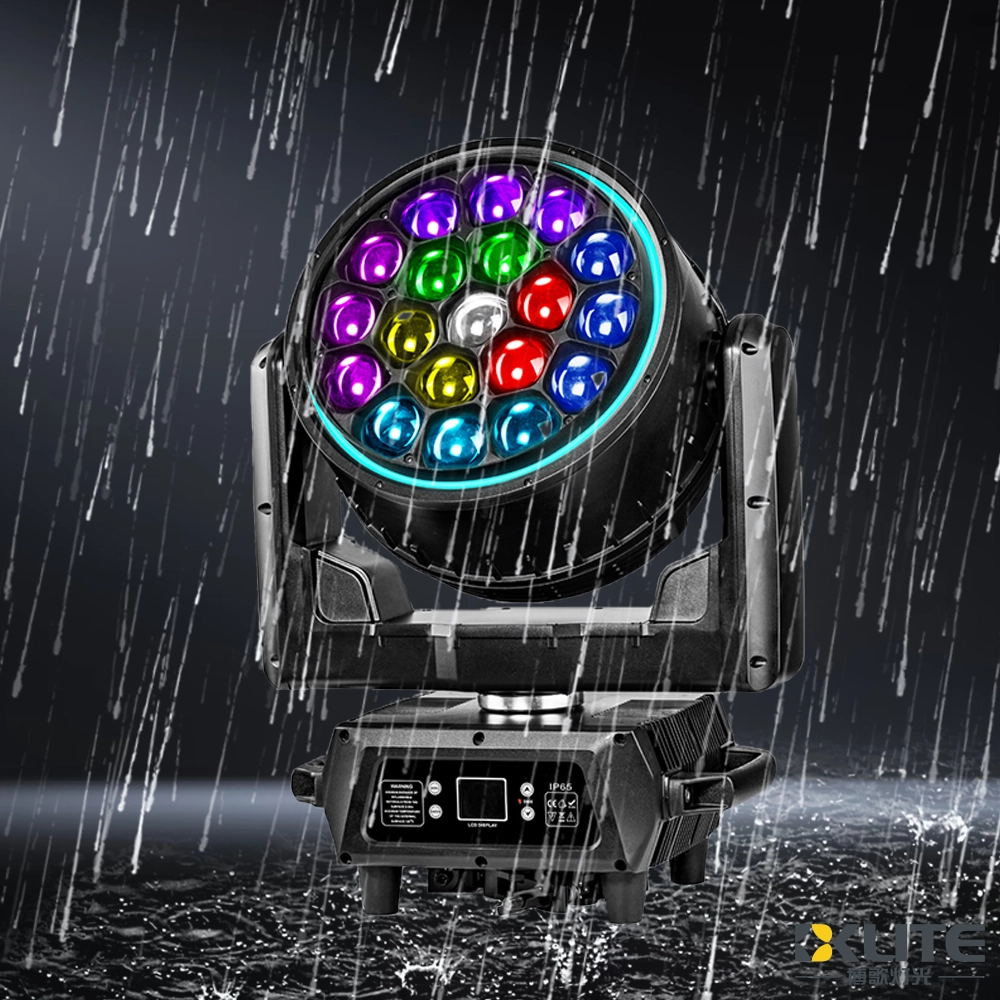
IP65 Waterproof Bee Eye Zoom 19x40W RGBW 4IN1 LED Beam Wash Moving Head Light with LED Ring
BKlite waterproof bee eye moving head light—your reliable choice from top waterproof moving head light manufacturers and suppliers. Ideal for outdoor stage, live event, music festival, this energy-saving fixture ensures powerful, precise illumination for any venue. It delivers powerful, reliable lighting performance in any weather.
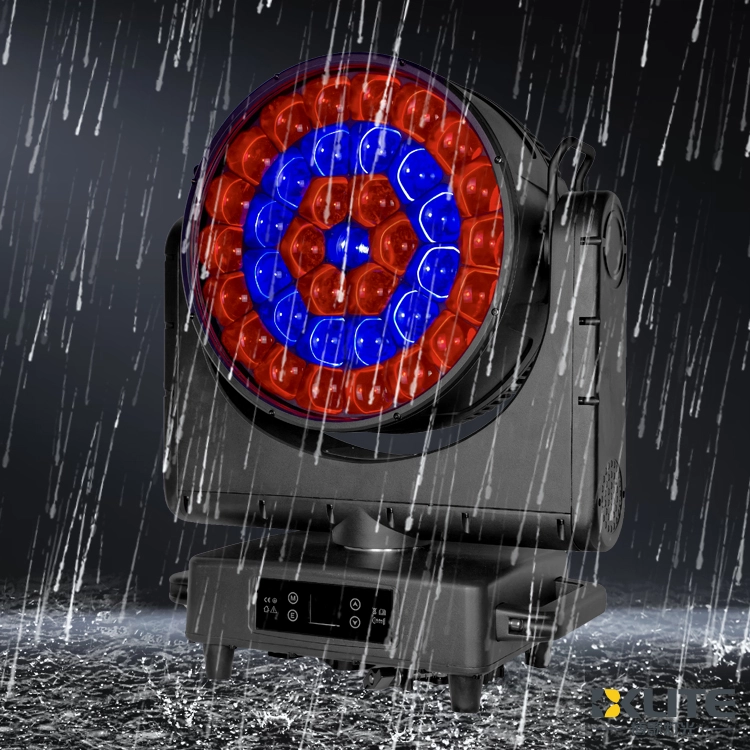
IP65 Waterproof ZOOM Bee Eye 37x40W RGBW 4in1 LED Moving Head Light
As a leading stage lighting equipment supplier with more than 15 years of industry know-how, BKlite brings you the IP65 ZOOM Bee Eye 37*40W RGBW 4in1 LED Moving Head Light (K25 Bee Eye) delivers vibrant, weatherproof lighting with powerful zoom and smooth movement. Ideal for dynamic stage effects, the K25 moving head light ensures stunning RGBW color mixing and reliable outdoor performance.
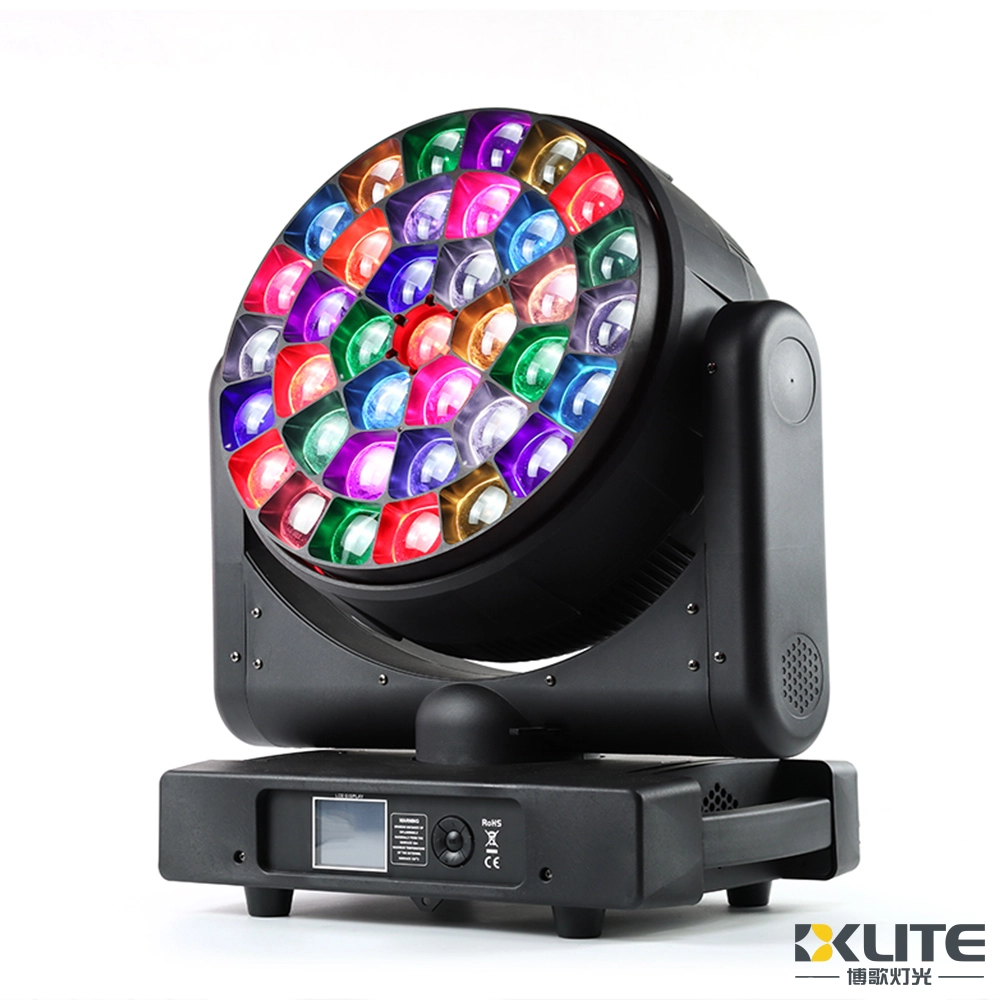
Bee Eye Zoom 37x40W RGBW 4in1 LED Beam Wash Moving Head Light
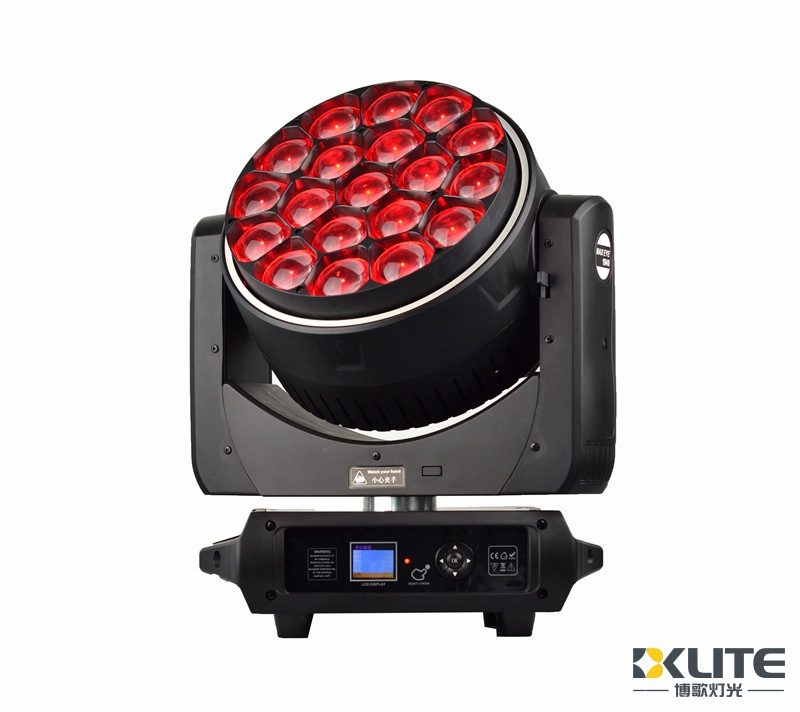
IP20 Bee Eye Zoom 19x40W RGBW 4IN1 LED Beam Wash Moving Head Light with LED Ring
As one of the leading stage lighting equipment suppliers with 15+ years of experience, BKlite launched a new Bee Eye K15 19x40 LED wash light BK-BY1940Z. .
Designed with a simple and sleek appearance, the WASH moving head light is compact, lightweight, and highly portable.
With multiple color effect macros and dynamic effect macros.
Our wash light can be used for versatile lighting options with amazing effect.
It is very good for your lighting projects.
Powerful and shoots very far distances.


Copyright © 2025 BKLITE All Rights Reserved.