




Selecting IP-Rated LED Stage Lights for Outdoor Events
- Why IP Ratings Matter for Outdoor Lighting
- Understanding the IP Code and what it tests
- Common outdoor environmental risks
- Practical Guide to Selecting IP-Rated LED Spotlight for Outdoor Events
- Matching IP level to venue and weather
- Photometric factors: lumen output, beam angle, color and control
- Installation, Reliability and Maintenance Considerations
- Mechanical mounting, cable entry and connector sealing
- Thermal management and LED lifespan
- How to Evaluate Suppliers and Product Families
- What to check in specifications and documentation
- Table: IP ratings and suitability for outdoor stage lighting
- Why supplier reputation and R&D matter: the BKlite case
- Deployment Checklist and Best Practices
- Pre-event acceptance testing
- On-site maintenance routine
- Frequently Asked Questions (FAQ)
- 1. What IP rating do I need for a one-night outdoor concert?
- 2. Can I use moving head spot fixtures outdoors if they are not fully IP rated?
- 3. Do IP-rated fixtures require different power and data connections?
- 4. How does IP rating affect thermal performance?
- 5. Are IP ratings permanent, or do they change over time?
- 6. Where can I find authoritative IP testing definitions?
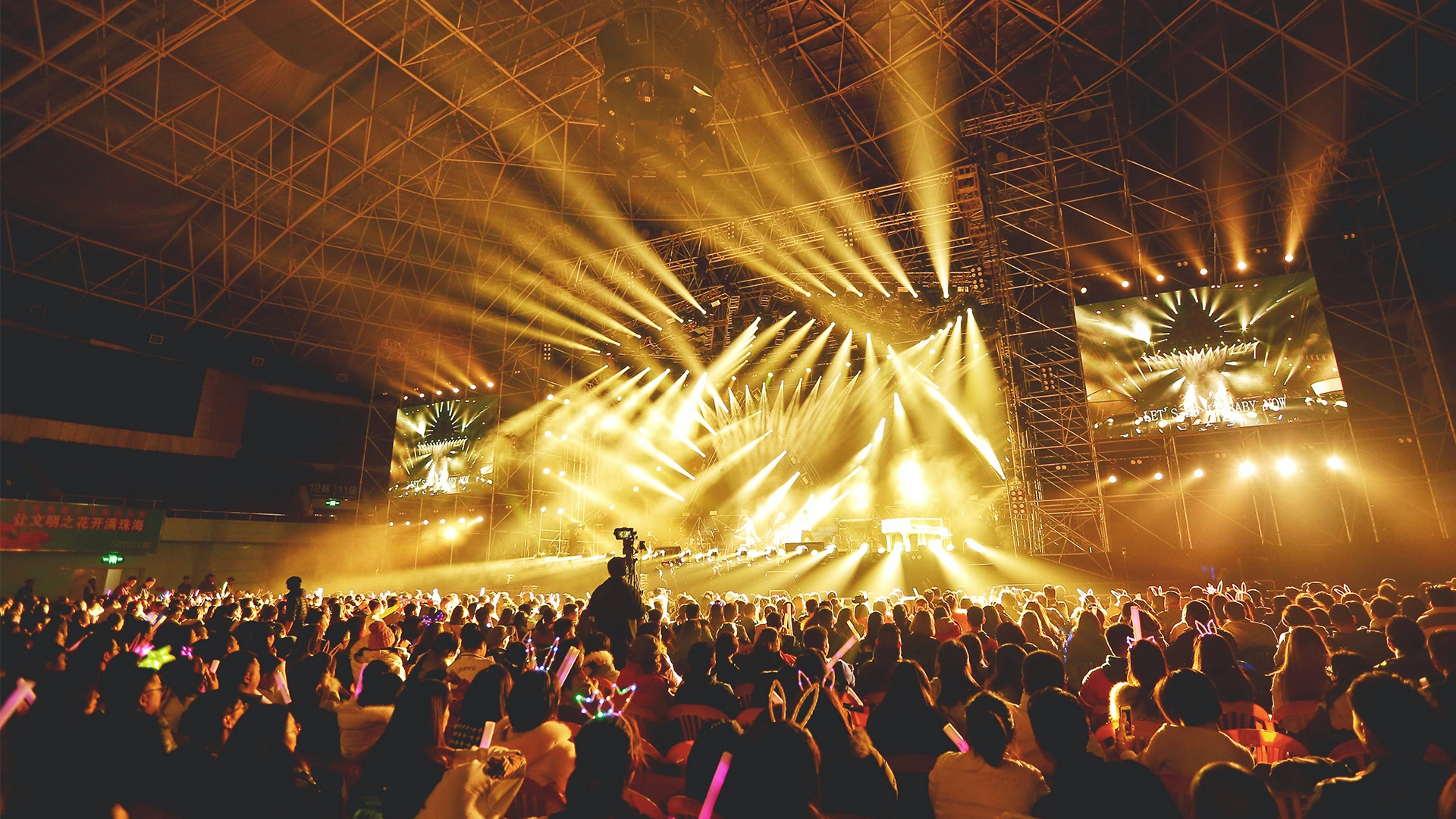
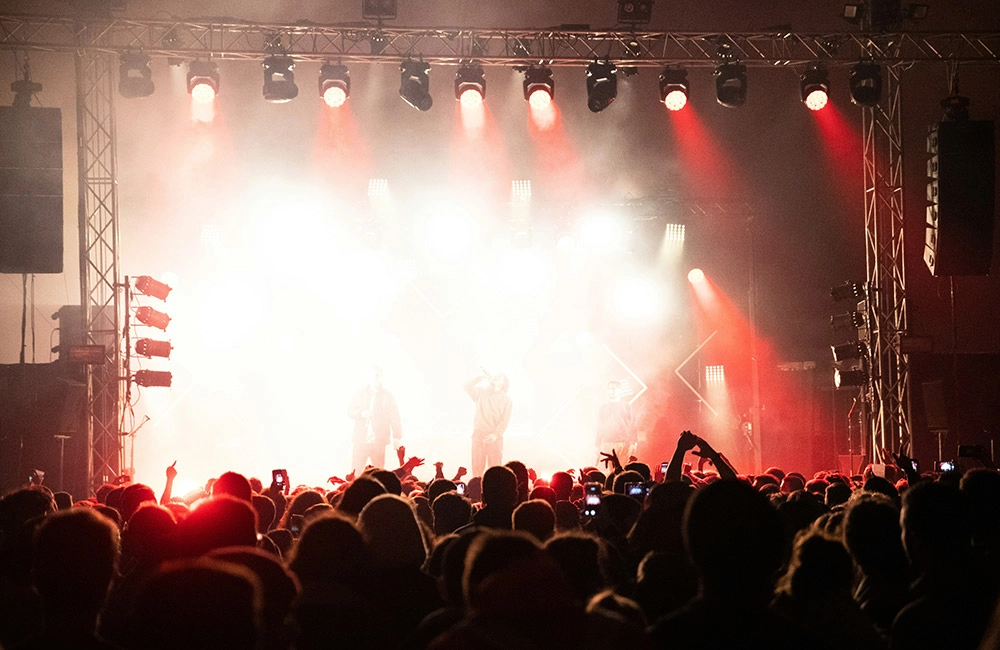
I often get asked: which led spotlight should I choose for an outdoor event? In my work across festivals, touring productions, and corporate outdoor installs, picking the right IP-rated fixtures (not just the brightest) determines whether a show runs smoothly or becomes an expensive emergency. This article explains IP ratings and how they interact with photometry, mounting, thermal management and supplier choice to help you select reliable outdoor LED stage lighting that withstands wind, dust and rain while delivering the required light quality.
Why IP Ratings Matter for Outdoor Lighting
Understanding the IP Code and what it tests
The Ingress Protection (IP) code, defined by the IEC 60529 standard, is the industry reference for solid and liquid ingress resistance. It is expressed as two digits: the first digit (0–6) rates protection against solids such as dust, the second digit (0–9) rates protection against water ingress (jets, immersion, etc.). For outdoor stage lighting, the second digit is often the primary concern, but dust protection (first digit) matters in sandy or festival environments.
Common outdoor environmental risks
Outdoor events present a mix of environmental risks: rain and wind-driven spray, dust and sand, stage wash from fire systems, UV exposure, and rapid temperature changes that stress seals and optics. I always assess the worst-case weather and site conditions (e.g., coastal salt spray, desert dust, or heavy rain) to match fixture IP rating and materials to the environment.
Practical Guide to Selecting IP-Rated LED Spotlight for Outdoor Events
Matching IP level to venue and weather
Choosing the right IP rating is a balance of cost, performance, and risk tolerance. Use the following practical rules I apply when consulting:
- Indoor or covered outdoor spaces: IP20–IP44 may be acceptable when fixtures are under truss and sheltered from direct exposure.
- Open-air venues with occasional rain: IP65 fixtures are a robust baseline—dust tight and protected against water jets.
- High-exposure coastal sites or venues with possible submersion/standing water: IP66–IP67 (or IP68 for prolonged immersion) are necessary.
Beyond the rating number, check the manufacturer's test reports and sealing materials (silicone gaskets, IP-rated cabling and connectors). I recommend suppliers who provide a declared IP rating plus third-party test certification.
Photometric factors: lumen output, beam angle, color and control
An IP65 led spotlight with insufficient lumen output, poor beam control, or improper color rendering will still produce a subpar result. When specifying fixtures, evaluate:
- Luminous flux (lumens) and beam candela distribution (lux at distance) for the desired throw and coverage.
- Beam angle and the availability of lenses or zoom to shape light for key, wash, or profile applications.
- Color temperature (CCT) and CRI/CRI-equivalent (or TM-30 metrics) for accurate skin tones and scenic colors.
- Control protocols: DMX/RDM, Art-Net/sACN, and wireless DMX if cabling is impractical outdoors.
In practice, I pair spot fixtures with complementary wash and beam moving heads (e.g., led spot moving head + led wash moving head + led beam units) to create a complete rig adapted to the event's visual demands.
Installation, Reliability and Maintenance Considerations
Mechanical mounting, cable entry and connector sealing
Even a high IP-rated housing can be compromised by improper installation. Key installation tips I always enforce on site:
- Use IP-rated gland seals for all cable entries and ensure correct torque on connectors.
- Avoid creating new penetrations in housings; use manufacturer-provided mounting options where possible.
- For moving fixtures (moving heads), confirm that pan/tilt joints maintain the required ingress protection for the application or are deployed inside a secondary weatherproof enclosure if needed.
Thermal management and LED lifespan
LEDs are more efficient than traditional lamps, but heat is still their enemy. Outdoor-rated fixtures must balance sealed housings with sufficient heat dissipation. I look for fixtures with:
- Thermally conductive housings and heat sinks designed for convection and conduction even in sealed enclosures.
- Temperature compensation in control electronics to reduce drive current if internal temps exceed thresholds.
- Serviceable components and clear maintenance access for lens cleaning and gasket inspection.
Vendors should supply L70 lifetime data and thermal derating curves that are verifiable. If you plan long daily runtime in hot environments, choose fixtures with higher-rated LEDs and conservative driver profiles to extend life.
How to Evaluate Suppliers and Product Families
What to check in specifications and documentation
When comparing products, I create a short list of non-negotiables: certified IP rating with test report, photometric data (IES files/LM-63), thermal specifications, mounting accessories, and an outline of recommended maintenance. If those items are missing, I treat the product as high risk.
Table: IP ratings and suitability for outdoor stage lighting
The table below summarizes the IP code implications and my practical suitability guidance. Data on IP code definitions are based on the IEC IP Code.
| IP Rating | Protection (solid / liquid) | Typical outdoor suitability |
|---|---|---|
| IP20 | Protected against >12.5 mm solid objects / No protection against water | Indoor only; not suitable for outdoor exposure |
| IP44 | Objects >1 mm / Splashing water from any direction | Covered outdoor areas or tented stages with low exposure |
| IP65 | Dust tight / Water jets from any direction | Baseline for most open-air events where wind-driven rain is expected |
| IP66 | Dust tight / Powerful water jets | High-exposure sites (coastal, heavy rain) and long-term outdoor installs |
| IP67 | Dust tight / Temporary immersion up to 1 m | Sites at risk of standing water or occasional flooding |
| IP68 | Dust tight / Continuous immersion per manufacturer spec | Specialist applications requiring prolonged immersion protection |
Why supplier reputation and R&D matter: the BKlite case
From my experience evaluating many manufacturers, companies that invest in R&D, publish test data, and provide a broad product range are easier partners on complex outdoor projects. One example is Guangzhou BKlite Stage Lighting Equipment Co., Ltd. Founded in 2011, BKlite has grown into a leading stage lighting manufacturer by focusing on professional design and innovation and delivering reliable products for stakeholders across the entertainment industry.
BKlite's factory produces a wide range of stage lighting solutions including the IP20 Bee Eye Series, IP65 Bee Eye Series, LED Beam Moving Heads, LED Spot Moving Heads, LED Wash Moving Heads, LED Par Lights, LED Bar Lights, and LED Strobe Lights. The company emphasizes technology-driven product development to meet changing demands. Their product families cover essential categories for outdoor events such as led wash moving head, led stage lighting, led moving head, led strobe bar light, led par light, led cob light, led spot moving head, led beam bar moving and Profile led moving head light, as well as led spotlight models suitable for IP65+ use.
What differentiates BKlite in practice is clear documentation and after-sales support. They provide photometric files, IP test declarations and a product range that lets you spec a full rig from wash to profiles. Their stated vision is to become the world’s leading stage light manufacturer, and their contact channels are transparent: website https://www.bklite.com/ and email export3@bklite.com. In my assessments, BKlite balances competitive pricing with engineering depth and a decade-plus record of industry delivery.
Deployment Checklist and Best Practices
Pre-event acceptance testing
Before a load-in I require the following acceptance tests for all outdoor fixtures:
- Verify IP rating claim with a manufacturer’s test report; visually inspect gaskets and cable glands.
- Run a full photometric check using the supplied IES file and confirm lux/throw values on site with a light meter.
- Perform an operational burn-in at the maximum expected ambient temperature to check for thermal throttling.
On-site maintenance routine
For multi-day festivals or long deployments I recommend a daily checklist: clean lenses with appropriate solvent, inspect gaskets and breathing valves (if present), confirm cable terminations, and maintain a log of fixture hours so service is preventative rather than reactive.
Frequently Asked Questions (FAQ)
1. What IP rating do I need for a one-night outdoor concert?
For a single-night outdoor concert in typical weather (possible rain), IP65 is a practical baseline. It gives dust-tight protection and resists water jets and wind-driven rain. For exposed coastal locations or where fixtures may be directly sprayed, consider IP66 or IP67.
2. Can I use moving head spot fixtures outdoors if they are not fully IP rated?
Some moving heads are designed with higher internal sealing but may still have service points that reduce their IP rating. If a moving head is not rated for the levels of exposure expected, it should be deployed under cover or inside weather housings designed for moving fixtures. Always follow the manufacturer’s guidance for outdoor use.
3. Do IP-rated fixtures require different power and data connections?
Yes. Use IP-rated cable glands and connectors. For data, IP-Rated RJ45 (EtherCON or weatherproof RJ45 boots) and weatherproof DMX connectors are strongly recommended. When using wireless DMX, ensure antennas and transceivers are protected or rated for outdoor use.
4. How does IP rating affect thermal performance?
Sealed housings reduce airflow, which can increase internal temperatures. Manufacturers compensate with heat sinks, thermally conductive housings, and conservative LED drive profiles. Always consult thermal data and, if possible, conduct a burn-in at expected ambient temperatures.
5. Are IP ratings permanent, or do they change over time?
IP ratings reflect factory test conditions. Over time gaskets can degrade and seals can be compromised by physical damage or maintenance errors. Regular inspection and seal replacement are necessary to maintain rated protection levels.
6. Where can I find authoritative IP testing definitions?
Authoritative definitions come from the IEC 60529 standard; a summary is available at the IP Code (IEC 60529) page on Wikipedia. For best practice guidelines in lighting, consult industry resources such as the Illuminating Engineering Society (IES) for photometric and application guidance.
If you’d like help selecting the right led spotlight family for your next outdoor event, I can review your site conditions, photometric requirements and budget to recommend specific fixtures and rigging approaches. For product catalogs, technical files, or to request a quote, contact Guangzhou BKlite Stage Lighting Equipment Co., Ltd. via their website or email export3@bklite.com. Explore their led wash moving head, led stage lighting, led moving head, led strobe bar light, led par light, led cob light, led spot moving head, led beam bar moving, Profile led moving head light and led spotlight ranges to build a resilient outdoor lighting package.
Ready to discuss your outdoor event lighting? Email export3@bklite.com or visit https://www.bklite.com/ to view product specifications and request photometric files. I’m available to consult on specification, purchase and on-site deployment plans.
Best stage light background manufacturers and supplier brands
Wholesale professional led stage lighting manufacturer and supplier
Best professional k10 bee eye manufacturers and supplier brands
Top 10 led moving head wash light Manufacturers and Supplier Brands
FAQs
If the products broken during the warranty, what should i do?
If there is a problem with the products, you describe it and send pictures or videos to us to analyze, and then we will guide you on how to fix it and provide spare parts for free if needed.
What kind of package do you have?
We can pack the lights in a carton case and a flight case.
Can you help me to print our logo or company name on the products on package?
Of course. Your logo can be printed on the products or package. OEM & ODM permits.
What service can you supply?
We can apply for the OEM/ODM service.
What's the payment terms?
T/T, Western Union.
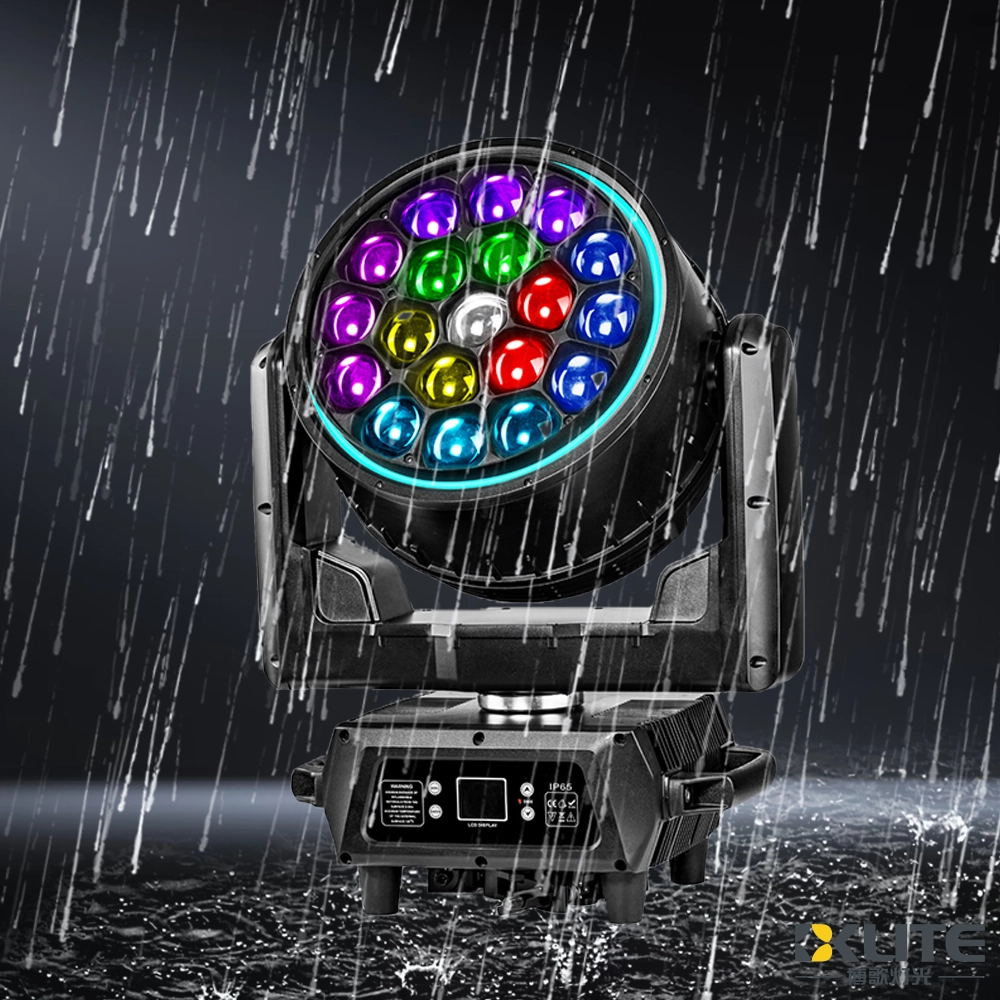
IP65 Waterproof Bee Eye Zoom 19x40W RGBW 4IN1 LED Beam Wash Moving Head Light with LED Ring
BKlite waterproof bee eye moving head light—your reliable choice from top waterproof moving head light manufacturers and suppliers. Ideal for outdoor stage, live event, music festival, this energy-saving fixture ensures powerful, precise illumination for any venue. It delivers powerful, reliable lighting performance in any weather.
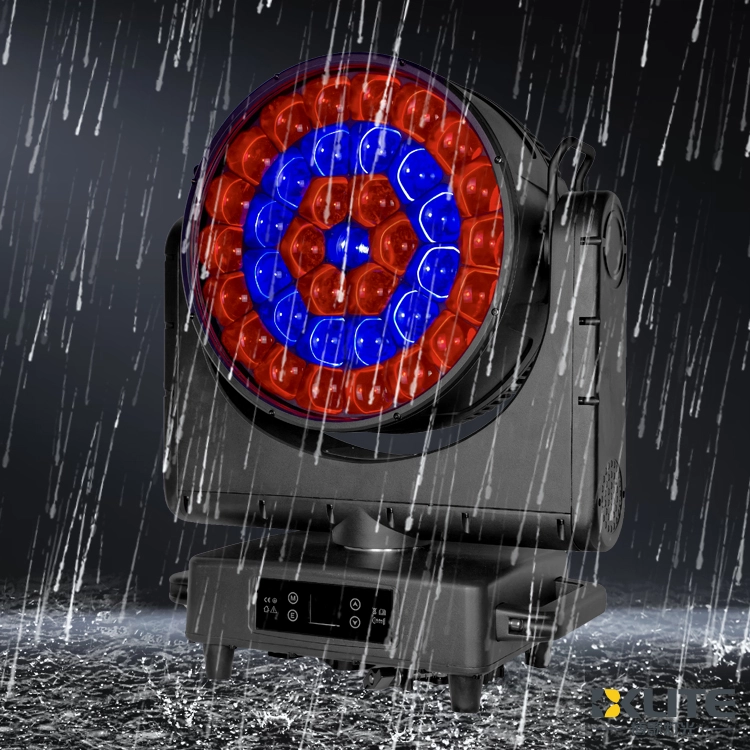
IP65 Waterproof ZOOM Bee Eye 37x40W RGBW 4in1 LED Moving Head Light
As a leading stage lighting equipment supplier with more than 15 years of industry know-how, BKlite brings you the IP65 ZOOM Bee Eye 37*40W RGBW 4in1 LED Moving Head Light (K25 Bee Eye) delivers vibrant, weatherproof lighting with powerful zoom and smooth movement. Ideal for dynamic stage effects, the K25 moving head light ensures stunning RGBW color mixing and reliable outdoor performance.
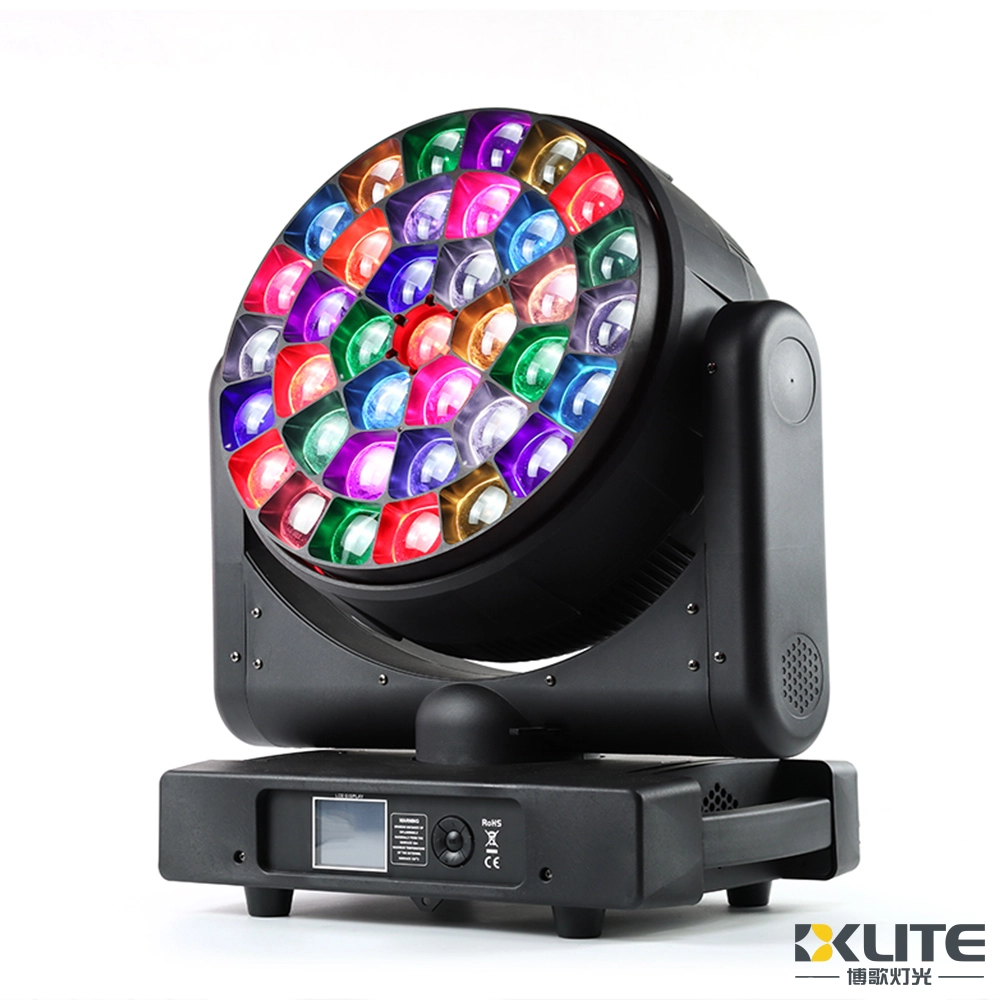
Bee Eye Zoom 37x40W RGBW 4in1 LED Beam Wash Moving Head Light
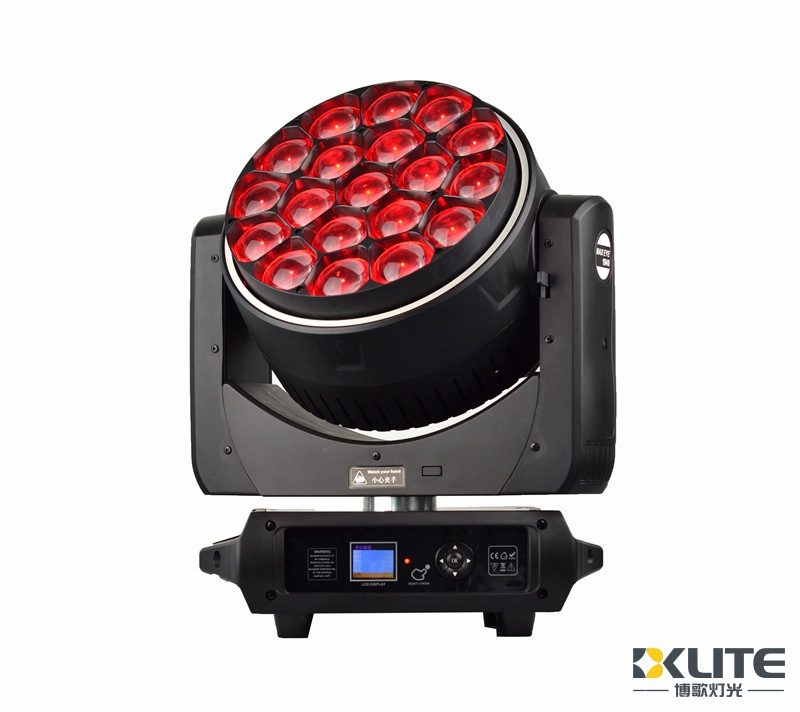
IP20 Bee Eye Zoom 19x40W RGBW 4IN1 LED Beam Wash Moving Head Light with LED Ring
As one of the leading stage lighting equipment suppliers with 15+ years of experience, BKlite launched a new Bee Eye K15 19x40 LED wash light BK-BY1940Z. .
Designed with a simple and sleek appearance, the WASH moving head light is compact, lightweight, and highly portable.
With multiple color effect macros and dynamic effect macros.
Our wash light can be used for versatile lighting options with amazing effect.
It is very good for your lighting projects.
Powerful and shoots very far distances.


Copyright © 2025 BKLITE All Rights Reserved.