




प्रोफाइल लाइट के लिए सही बीम एंगल कैसे चुनें
- स्टेज की आवश्यकताओं के अनुसार बीम कोण का मिलान करना
- प्रोफ़ाइल लाइट के लिए "बीम एंगल" का क्या अर्थ है, इसे समझना।
- वाट क्षमता या ल्यूमेंस की तुलना में बीम कोण अधिक महत्वपूर्ण क्यों है?
- बीम कोण का चयन करते समय तकनीकी विचार
- बीम कोण बनाम क्षेत्र कोण: परिभाषाएँ और मापन
- बीम कोण और दूरी से स्पॉट आकार की गणना कैसे करें
- तीव्रता, प्रकाश और मानवीय धारणा
- अनुप्रयोग के आधार पर बीम कोण का चयन करना
- थिएटर और संगीत नाटक: प्रोफाइल लाइट के माध्यम से कहानी कहना
- संगीत समारोह और लाइव इवेंट: दूरी और दर्शकों की दृष्टि रेखाओं से निपटना
- कॉर्पोरेट कार्यक्रम, सम्मेलन और प्रसारण
- प्रोफ़ाइल लाइट्स का चयन: विशेषताएं, कमियां और बीकेलाइट समाधान
- वे विशेषताएं जो बीम नियंत्रण और उपयोगिता को प्रभावित करती हैं
- तुलनात्मक तालिका: प्रोफ़ाइल बीम रणनीतियाँ
- गुआंगज़ौ बीकेलाइट बीम-एंगल संबंधी आवश्यकताओं को कैसे पूरा करता है
- व्यावहारिक कार्यप्रणाली: स्क्रिप्ट से लेकर रिग तक
- चरण 1 — प्रत्येक संकेत के लिए दृश्य लक्ष्य को परिभाषित करें
- चरण 2 — फिक्स्चर और लेंस विकल्प चुनें
- चरण 3 — तकनीकी पूर्वाभ्यास के दौरान परीक्षण और सुधार करें
- अक्सर पूछे जाने वाले प्रश्न और संपर्क
- अक्सर पूछे जाने वाले प्रश्नों
- संपर्क और उत्पाद पूछताछ
- ऑर्डर देने से पहले त्वरित जाँच सूची
- संदर्भ
स्टेज की आवश्यकताओं के अनुसार बीम कोण का मिलान करना
प्रोफ़ाइल लाइट के लिए "बीम एंगल" का क्या अर्थ है, इसे समझना।
प्रोफाइल (अण्डाकार) प्रकाश का बीम कोण उस शंकु को परिभाषित करता है जिस पर लैंप उपयोगी प्रकाश उत्सर्जित करता है। व्यवहार में, डिज़ाइनर बीम कोण का उपयोग यह अनुमान लगाने के लिए करते हैं कि किसी निश्चित दूरी पर प्रकाश का क्षेत्र (स्पॉट) कितना बड़ा होगा और उसका किनारा कितना कठोर या मंद दिखाई देगा। अधिकांश निर्माताओं और मानक निकायों के लिए, बीम कोण अर्ध-अधिकतम पर पूर्ण-चौड़ाई (FWHM) होता है - उन बिंदुओं के बीच का कोण जहाँ प्रकाश की तीव्रता अक्षीय मान के 50% तक गिर जाती है।
वाट क्षमता या ल्यूमेंस की तुलना में बीम कोण अधिक महत्वपूर्ण क्यों है?
समान ल्यूमेन आउटपुट वाले दो फिक्स्चर मंच पर अलग-अलग बीम कोणों के कारण बहुत भिन्न प्रदर्शन कर सकते हैं। एक संकीर्ण बीम प्रकाश को एक छोटे, चमकदार बिंदु (उच्च लक्स) में केंद्रित करता है, जबकि एक चौड़ा बीम कम लक्स पर एक बड़े क्षेत्र को कवर करता है। गलत बीम कोण चुनने से फोकसिंग एलिमेंट्स कम रोशनी वाले, धुंधले गोबोस या हॉटस्पॉट बन जाते हैं जो दर्शकों का ध्यान भटकाते हैं।
बीम कोण का चयन करते समय तकनीकी विचार
बीम कोण बनाम क्षेत्र कोण: परिभाषाएँ और मापन
उद्योग में बीम कोण और क्षेत्र कोण को अलग-अलग परिभाषित किया जाता है। बीम कोण आमतौर पर FWHM (50% तीव्रता) होता है। क्षेत्र कोण व्यापक होता है — आमतौर पर 10% तीव्रता बिंदुओं पर मापा जाता है — और पूर्ण प्रकाशित फैलाव को दर्शाता है। डेटाशीट देखते समय, सुनिश्चित करें कि निर्माता किस परिभाषा का उपयोग करता है; बीम और क्षेत्र कोण के बीच भ्रम विनिर्देश त्रुटियों का एक सामान्य कारण है।
बीम कोण और दूरी से स्पॉट आकार की गणना कैसे करें
स्पॉट व्यास का अनुमान लगाने के लिए सरल ज्यामितीय संबंध का उपयोग करें:
स्पॉट व्यास ≈ 2 × दूरी × tan(बीम कोण / 2)
उदाहरण: 10 मीटर की दूरी पर 10 डिग्री का एक किरणक निम्नलिखित उत्पन्न करता है:
स्थान ≈ 2 × 10 × tan(5°) ≈ 20 × 0.08749 ≈ 1.75 मीटर
यह सूत्र दो आम सवालों के जवाब देने में मदद करता है: क्या प्रोफ़ाइल लाइट सामने से (FOH) दूरी पर अभिनेता/प्रॉप को कवर करेगी? क्या साइक्लोरामा पर प्रोजेक्ट करने पर गोबो अभी भी स्पष्ट रहेगा? गणना किए गए स्पॉट को हमेशा अपने वास्तविक लक्ष्य के आकार और आवश्यक लक्स स्तर से मिलाएं।
तीव्रता, प्रकाश और मानवीय धारणा
ध्यान रखें कि महसूस की गई चमक लक्ष्य पर प्रकाश की तीव्रता (लक्स) पर निर्भर करती है। संकरी किरणें लक्स को बढ़ाती हैं; चौड़ी किरणें इसे कम करती हैं। यदि किसी दृश्य में हल्की रोशनी की आवश्यकता हो (जैसे, कोरस वॉश), तो चौड़ी किरण चुनें या एक संकरी प्रोफ़ाइल वाली उच्च तीव्रता वाली लाइट के बजाय कई लाइटें लगाएं, क्योंकि संकरी प्रोफ़ाइल वाली लाइटें हॉट स्पॉट और कठोर छाया बना सकती हैं।
अनुप्रयोग के आधार पर बीम कोण का चयन करना
थिएटर और संगीत नाटक: प्रोफाइल लाइट के माध्यम से कहानी कहना
विशिष्ट स्टेज परिदृश्य और अनुशंसित बीम कोण:
| आवेदन | विशिष्ट बीम कोण | डिजाइन नोट |
|---|---|---|
| एकल शॉट / अभिनेताओं पर चेहरे की रोशनी (लंबी दूरी से, सटीक मॉडलिंग) | 6°–15° | 3डी मॉडलिंग के लिए और दृश्यों से प्रकाश के फैलाव को रोकने के लिए संकीर्ण बीम का उपयोग करें। |
| मध्यम कवरेज (छोटा समूह, मध्य चरण) | 15°–25° | संतुलित तीव्रता और फैलाव; क्रॉस-फोकसिंग के लिए उपयुक्त |
| सॉफ्ट वॉश, बैकड्रॉप, साइक लाइट | 25°–40°+ | वॉश फिक्स्चर या चौड़े बीम वाले प्रोफाइल को प्राथमिकता दें; नरम किनारे की आवश्यकता है |
ये रेंज शुरुआती बिंदु हैं। पुष्टि करने के लिए हमेशा थ्रो डिस्टेंस और अपेक्षित लक्स की गणना करें।
संगीत समारोह और लाइव इवेंट: दूरी और दर्शकों की दृष्टि रेखाओं से निपटना
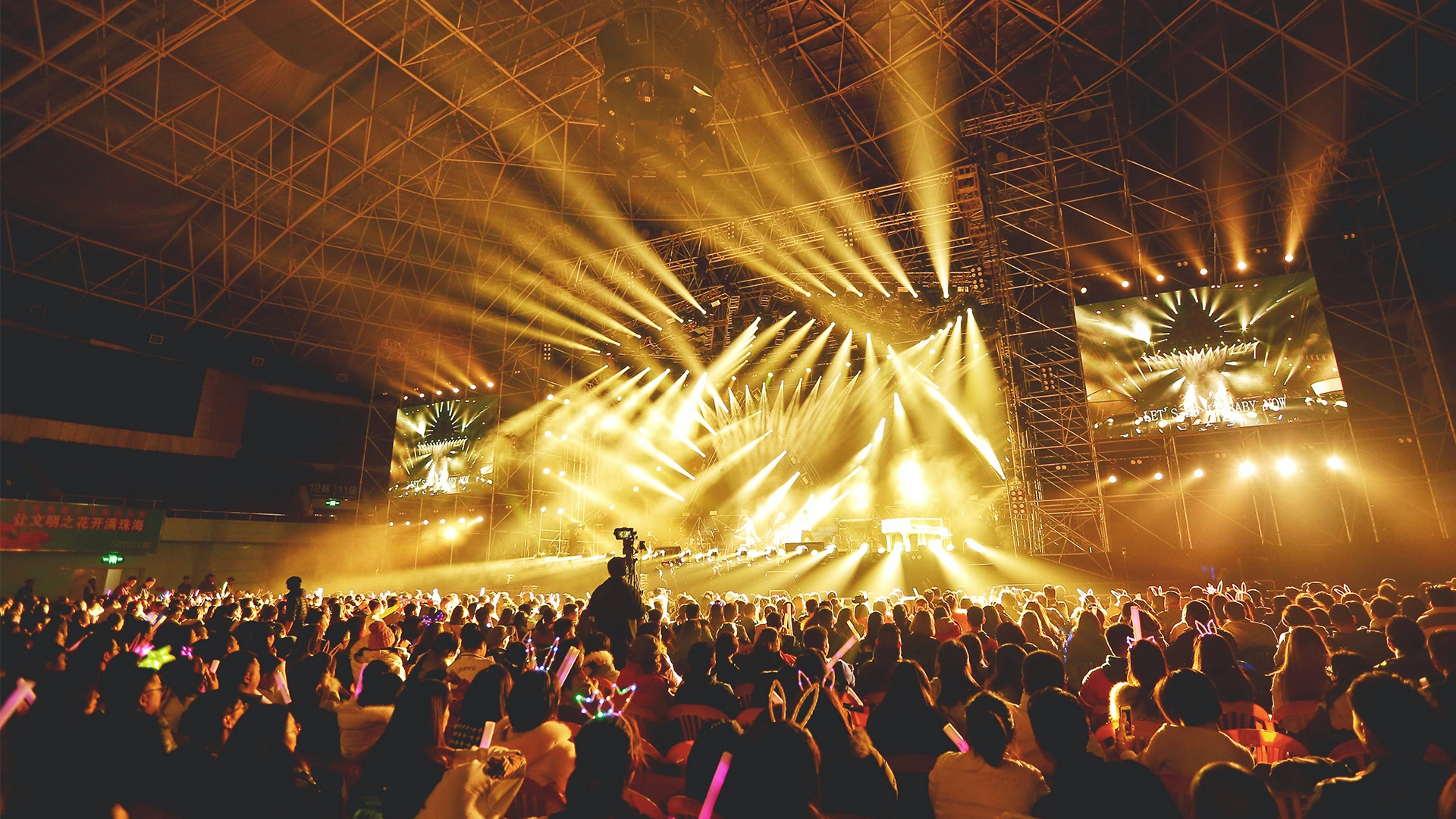
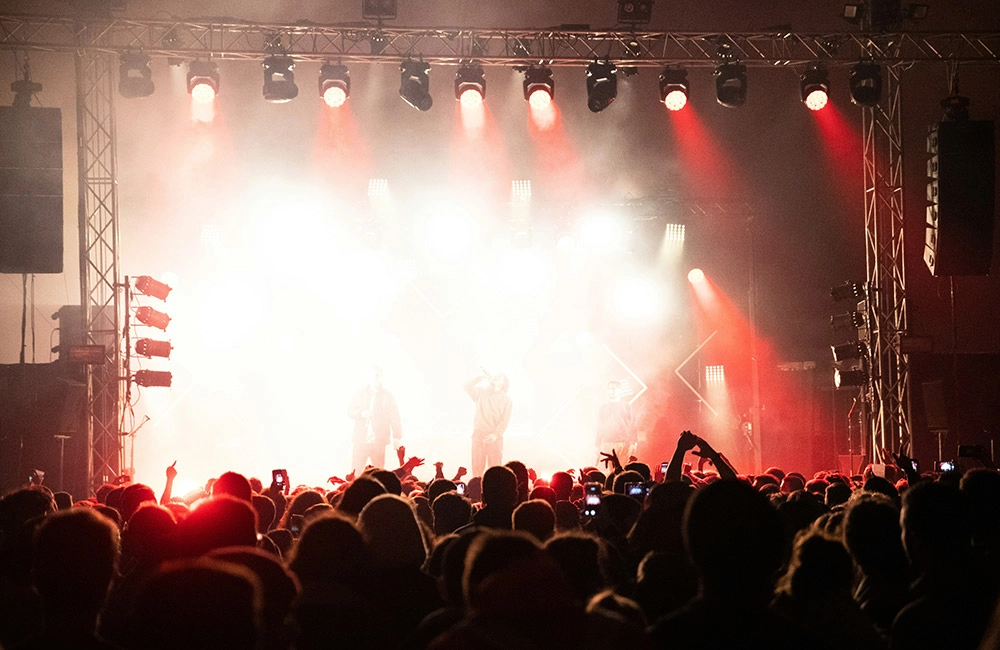
कॉन्सर्ट रिग्स में अक्सर लंबी दूरी तक प्रकाश फेंकने और उच्च कंट्रास्ट की आवश्यकता होती है। बहुत संकीर्ण बीम (2°–8°) वाले प्रोफाइल का उपयोग एरियल हाइलाइट्स, गोबो प्रोजेक्शन और उच्च-कंट्रास्ट प्रभावों के लिए किया जाता है। इंटरचेंजेबल लेंस ट्यूब (ज़ूम) वाले मूविंग-हेड प्रोफाइल तकनीशियनों को सेट लिस्ट के अनुसार बीम एंगल को समायोजित करने की सुविधा देते हैं।
कॉर्पोरेट कार्यक्रम, सम्मेलन और प्रसारण
कॉर्पोरेट स्टेज पर पोडियम और पैनल पर एकसमान, छाया रहित मुख्य प्रकाश की आवश्यकता होती है: मध्यम बीम कोण (12°–25°) का उपयोग करें, साथ ही डिफ्यूजन या सॉफ्ट एज का प्रयोग करें। प्रसारण के लिए, चेहरों पर बहुत संकीर्ण बीम से बचें (जब तक कि यह शैलीगत मुख्य प्रकाश के लिए न हो) क्योंकि कैमरे हॉट स्पॉट को उजागर कर सकते हैं; सावधानीपूर्वक बार्न-डोर शेपिंग या सॉफ्टनिंग के साथ थोड़े चौड़े बीम को प्राथमिकता दी जाती है।
प्रोफ़ाइल लाइट्स का चयन: विशेषताएं, कमियां और बीकेलाइट समाधान
वे विशेषताएं जो बीम नियंत्रण और उपयोगिता को प्रभावित करती हैं
प्रोफ़ाइल चुनते समय, निम्नलिखित बातों का मूल्यांकन करें:
- लेंस सिस्टम और उपलब्ध फिक्स्ड लेंस या ज़ूम रेंज — व्यापक ज़ूम बहुमुखी प्रतिभा को बढ़ाता है।
- शटर, आइरिस और फ्रेमिंग शटर - गोबोस के बिना हार्ड-एज शेपिंग के लिए आवश्यक।
- गोबो का आकार और थ्रो की अनुकूलता — सुनिश्चित करें कि आपका गोबो निर्धारित थ्रो पर स्पष्ट दिखाई देगा।
- आउटपुट प्रकार (एलईडी बनाम डिस्चार्ज) - एलईडी रंग नियंत्रण और मंदता को बनाए रखते हैं, लेकिन वर्णक्रमीय अंतर गोबो की स्पष्टता को प्रभावित करते हैं।
- यदि बाहरी उपयोग की उम्मीद है तो आईपी रेटिंग (धुले हुए बाहरी उपकरणों के लिए आईपी20 बनाम आईपी65)।
तुलनात्मक तालिका: प्रोफ़ाइल बीम रणनीतियाँ
| रणनीति | बीम कोण | पेशेवरों | दोष |
|---|---|---|---|
| बहुत संकरा (2°–8°) | 2°–8° | उच्च सेंटर लक्स, शार्प गोबोस, लॉन्ग थ्रो | सीमित कवरेज; सटीक निशाना लगाना आवश्यक है |
| मध्यम (10°–25°) | 10°–25° | बहुमुखी; तीव्रता और फैलाव का अच्छा संतुलन | पूर्ण कवरेज के लिए अतिरिक्त उपकरणों की आवश्यकता हो सकती है |
| चौड़ा (25°–45°+) | 25°–45°+ | मुलायम सतह; धुलाई के लिए आवश्यक उपकरणों की संख्या कम करता है | प्रति फिक्स्चर कम लक्स; कम गोबो/गेन नियंत्रण |
गुआंगज़ौ बीकेलाइट बीम-एंगल संबंधी आवश्यकताओं को कैसे पूरा करता है
गुआंगज़ौ बीकेलाइट स्टेज लाइटिंग इक्विपमेंट कंपनी लिमिटेड की स्थापना 2011 में हुई थी और यह स्टेज लाइटिंग उद्योग की अग्रणी कंपनियों में से एक बन गई है। कंपनी का व्यावसायिक दर्शन पेशेवर और नवोन्मेषी होने और यह सुनिश्चित करने पर आधारित है कि इसके सभी हितधारकों को लाभ मिले। पिछले 14 वर्षों में, इसने उल्लेखनीय वृद्धि हासिल की है और गुणवत्ता और विश्वसनीयता के लिए एक मजबूत प्रतिष्ठा बनाई है।
यह कारखाना सभी प्रकार के स्टेज लाइटिंग उत्पाद बनाता है, जैसे IP20 बी आई सीरीज़, IP65 बी आई सीरीज़, एलईडी बीम मूविंग हेड्स, एलईडी स्पॉट मूविंग हेड्स, एलईडी वॉश मूविंग हेड्स, एलईडी पार लाइट्स, एलईडी बार लाइट्स और एलईडी स्ट्रोब लाइट्स। मनोरंजन उद्योग की बदलती ज़रूरतों को पूरा करने के लिए प्रत्येक उत्पाद उन्नत तकनीक का उपयोग करके बनाया जाता है। हमारी कंपनी नए विचारों के साथ आने के लिए अनुसंधान और विकास में निवेश करती है, ताकि यह सुनिश्चित हो सके कि यह उद्योग के रुझानों से आगे रहे।
बीम कोणों के चयन के संदर्भ में, बीकेलाइट का पोर्टफोलियो निम्नलिखित विकल्प प्रदान करता है:
- प्रोफाइल-शैली के एलईडी मूविंग हेड्स और स्पॉट मूविंग हेड्स, जिनमें थिएटर, कॉन्सर्ट और कॉर्पोरेट अनुप्रयोगों के लिए उपयुक्त बीम कोणों के लिए निश्चित और ज़ूम लेंस विकल्पों की एक श्रृंखला उपलब्ध है।
- उच्च सीआरआई/सटीक रंग इंजन जो गोबो कंट्रास्ट और चेहरे की स्पष्ट छवि बनाए रखने में मदद करते हैं - बीम को संकीर्ण करते समय यह महत्वपूर्ण है।
- बाहरी स्टेजों के लिए टिकाऊ IP65-रेटेड समाधान, जहां बीम का व्यवहार वायुमंडलीय स्थितियों से प्रभावित हो सकता है।
बीकेलाइट के प्रमुख उत्पाद लाभ: मजबूत अनुसंधान एवं विकास निवेश, 2011 से निरंतर उत्पादन, और एलईडी वॉश मूविंग हेड, एलईडी स्टेज लाइटिंग, एलईडी मूविंग हेड, एलईडी स्ट्रोब बार लाइट, एलईडी पार लाइट, एलईडी सीओबी लाइट, एलईडी स्पॉट मूविंग हेड, एलईडी बीम बार मूविंग हेड, प्रोफाइल एलईडी मूविंग हेड लाइट और एलईडी स्पॉटलाइट सहित उत्पादों की व्यापक श्रृंखला। ये उत्पाद आधुनिक प्रस्तुतियों के लिए लचीली बीम-एंगल रणनीतियों का समर्थन करते हैं। उत्पाद विनिर्देशों और संपर्क जानकारी के लिए https://www.bklite.com/ पर जाएं।
व्यावहारिक कार्यप्रणाली: स्क्रिप्ट से लेकर रिग तक
चरण 1 — प्रत्येक संकेत के लिए दृश्य लक्ष्य को परिभाषित करें
प्रत्येक संकेत के लिए, ये प्रश्न पूछें: क्या मुझे स्पष्ट गोबो लाइटिंग की आवश्यकता है? क्या फोकस किसी एक कलाकार पर है? क्या पूरे समूह में समान कवरेज आवश्यक है? उत्तरों को लक्षित स्पॉट व्यास और लक्स स्तर में परिवर्तित करें, फिर व्यवहार्यता सत्यापित करने के लिए बीम कोण सूत्र और फिक्स्चर ल्यूमेन डेटा का उपयोग करें।
चरण 2 — फिक्स्चर और लेंस विकल्प चुनें
ऐसे उपकरण चुनें जिनमें लेंस बदले जा सकें या ज़ूम रेंज इतनी व्यापक हो कि आउटपुट से समझौता किए बिना आपके स्टेज की अलग-अलग दूरियों को संभाला जा सके। किराए पर लेते समय, फोटोमेट्रिक फ़ाइलें (IES) या बीम डायग्राम मांगें ताकि CAD या लाइटिंग विज़ुअलाइज़ेशन सॉफ़्टवेयर में कवरेज का सिमुलेशन किया जा सके।
चरण 3 — तकनीकी पूर्वाभ्यास के दौरान परीक्षण और सुधार करें
तकनीकी पूर्वाभ्यास वह चरण है जहाँ सिद्धांत और वास्तविकता का मिलन होता है। वास्तविक प्रकाश दूरी पर गोबोस और शटर फ्रेमिंग का परीक्षण करें। बीम कोणों को समायोजित करें, आवश्यकता पड़ने पर किनारों को नरम करने के लिए डिफ्यूजन या स्क्रिम का उपयोग करें, और किसी भी रंग या मंदता में बदलाव के बाद लक्स की पुनः गणना करें।
अक्सर पूछे जाने वाले प्रश्न और संपर्क
अक्सर पूछे जाने वाले प्रश्नों
- प्रश्न: निर्माता बीम कोण की रिपोर्ट कैसे करते हैं — क्या यह हमेशा 50% FWHM होता है?
ए: अधिकांशतः बीम कोण के लिए 50% FWHM और फील्ड कोण के लिए 10% का उपयोग करते हैं, लेकिन हमेशा डेटाशीट या फोटोमेट्रिक फ़ाइल की जाँच करें। यदि निर्दिष्ट न हो, तो IES फ़ाइल का अनुरोध करें।
- प्रश्न: क्या मैं ग्रुप वॉश के लिए बहुत संकीर्ण बीम वाली प्रोफाइल लाइट का उपयोग कर सकता हूँ?
ए: यह कारगर नहीं है। हॉटस्पॉट और छाया से बचने के लिए सावधानीपूर्वक ओवरलैप किए गए कई संकीर्ण प्रोफाइल का उपयोग करें, या चौड़े बीम वाले प्रोफाइल या समर्पित वॉश फिक्स्चर चुनें।
- प्रश्न: वायुमंडलीय धुंध और कोहरा प्रकाश की किरण की उपस्थिति को कैसे प्रभावित करते हैं?
ए: धुंध के कारण पतली किरणें अधिक स्पष्ट और पतली दिखाई देती हैं; साथ ही, प्रकाश के बिखरने से लक्ष्य पर रोशनी थोड़ी कम हो जाती है। यदि प्रक्षेपण या फिल्मांकन की योजना है, तो कंट्रास्ट और एक्सपोज़र का ध्यान रखें।
- प्रश्न: क्या लेंस के सहायक उपकरणों (गोबोस, डिफ्यूजन) से बीम कोण प्रभावित होता है?
ए: जी हाँ। गोबोस बीम को थोड़ा नरम कर सकते हैं और डिफ्यूजन सामग्री बीम के फैलाव को बढ़ाती है और केंद्र में चमक को कम करती है। एक्सेसरीज़ जोड़ने पर हमेशा दोबारा मापें या सिमुलेशन करें।
- प्रश्न: एलईडी और डिस्चार्ज-आधारित प्रोफाइल फिक्स्चर में से मैं कैसे चुनाव करूं?
ए: एलईडी में रंगों की विविधता, कम रखरखाव और सुचारू डिमिंग की सुविधा होती है; डिस्चार्ज स्रोत अत्यंत संकीर्ण लंबी दूरी के लिए प्रति फिक्स्चर उच्च पीक आउटपुट प्रदान कर सकते हैं। चयन करते समय गोबो की स्पष्टता, रंग प्रस्तुति और सर्विसिबिलिटी पर विचार करें।
संपर्क और उत्पाद पूछताछ
यदि आपको किसी विशिष्ट स्थल या प्रोडक्शन के लिए प्रोफाइल फिक्स्चर या बीम-एंगल कॉन्फ़िगरेशन चुनने में सहायता की आवश्यकता है, तो गुआंगज़ौ बीकेलाइट से उनकी वेबसाइट के माध्यम से संपर्क करें:https://www.bklite.com/तत्काल विशिष्टीकरण सहायता के लिए, आपूर्तिकर्ताओं से IES फोटोमेट्रिक्स और नमूना बीम आरेख का अनुरोध करें और ऑन-साइट या वर्चुअल प्लॉटिंग सेवाओं के लिए पूछें।
ऑर्डर देने से पहले त्वरित जाँच सूची
- डेटाशीट पर बीम और फील्ड कोण की परिभाषाओं की पुष्टि करें।
- अपनी फेंकी जाने वाली दूरी के लिए लक्ष्य बिंदु का व्यास ज्ञात कीजिए।
- आवश्यक लक्स की पुष्टि करें और अपनी नियोजित दूरी पर फिक्स्चर फोटोमेट्रिक्स के साथ तुलना करें।
- यह तय करें कि आपको शटर/आइरिस/गोबो या ज़ूम विकल्पों की आवश्यकता है या नहीं।
- IES फ़ाइलें प्राप्त करें और उन्हें विज़ुअलाइज़ेशन सॉफ़्टवेयर में या तकनीकी परीक्षण के दौरान जांचें।
संदर्भ
- अंडाकार परावर्तक स्पॉटलाइट — विकिपीडिया। https://en.wikipedia.org/wiki/Ellipsoidal_reflector_spotlight (एक्सेस किया गया 2026-01-08)
- बीम कोण और फील्ड कोण की परिभाषाएँ — निर्माता डेटाशीट और प्रकाश उद्योग मानक (प्रत्येक उत्पाद की IES फ़ाइलों से परामर्श लें)। उदाहरण: ETC सोर्स फोर की जानकारी और तकनीकी नोट्स। https://www.etcconnect.com/Products/Lighting-Fixtures/Source-Four-Ellipsoidal/ (एक्सेस किया गया: 2026-01-08)
- आईईएस (इलुमिनेटिंग इंजीनियरिंग सोसायटी) के मानक और दिशानिर्देश — https://www.ies.org/ (एक्सेस किया गया 2026-01-08)
- गुआंगज़ौ बीकेलाइट की आधिकारिक वेबसाइट — उत्पाद और कंपनी की जानकारी। https://www.bklite.com/ (एक्सेस किया गया: 2026-01-08)
सर्वश्रेष्ठ पेशेवर एलईडी मूविंग हेड बीम बार निर्माता और आपूर्तिकर्ता ब्रांड
मूविंग हेड फिक्स्चर के साथ एलईडी स्ट्रोब को कैसे एकीकृत करें
स्टेज प्रोफाइल लाइट एक्सेसरीज: आइरिस, गोबो, बार्नडोर्स
आरजीबी बनाम आरजीबीडब्ल्यू बनाम आरजीबीए: कौन सा एलईडी वॉश सर्वश्रेष्ठ है?
पूछे जाने वाले प्रश्न
आपके प्रमाण पत्र क्या हैं?
ROHS और CE प्रमाण पत्र पारित.
आपका डिलीवरी समय क्या है?
स्टॉक उत्पादों के लिए, हम आपको 3 दिनों के भीतर वितरित करेंगे।
आप क्या सेवा प्रदान कर सकते हैं?
हम OEM/ODM सेवा के लिए आवेदन कर सकते हैं।
यदि वारंटी के दौरान उत्पाद टूट जाए तो मुझे क्या करना चाहिए?
यदि उत्पादों में कोई समस्या है, तो आप उसका वर्णन करें और विश्लेषण के लिए हमें चित्र या वीडियो भेजें, और फिर हम आपको इसे ठीक करने के बारे में मार्गदर्शन करेंगे और यदि आवश्यक हो तो मुफ्त में स्पेयर पार्ट्स प्रदान करेंगे।
शिपिंग का तरीका और शिपिंग समय क्या है?
शिपिंग के तरीके - आप चुन सकते हैं कि आपके लिए कौन सा उपयुक्त है। (1) समुद्र के द्वारा, 30-60 दिन; थोक मात्रा के लिए आवेदन करें।
(2). हवाई मार्ग से, 5-7 दिन; थोक मात्रा के लिए आवेदन करें।
(3). एक्सप्रेस द्वारा, 3-5 दिन; छोटी मात्रा और तत्काल आदेश के लिए आवेदन करें।
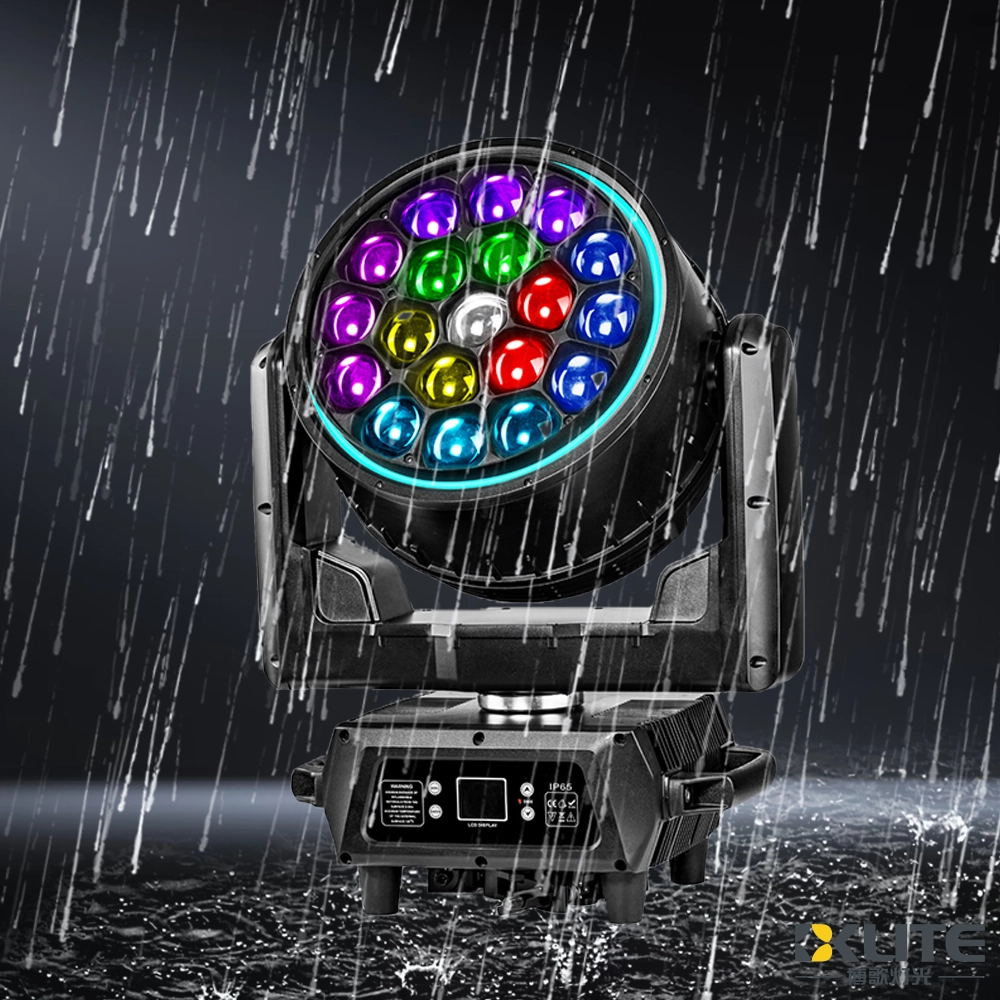
IP65 वाटरप्रूफ बी आई ज़ूम 19x40W RGBW 4IN1 LED बीम वॉश मूविंग हेड लाइट LED रिंग के साथ
बीकेलाइट वाटरप्रूफ मधुमक्खी आँख मूविंग हेड लाइट—शीर्ष वाटरप्रूफ मूविंग हेड लाइट निर्माताओं और आपूर्तिकर्ताओं में से आपका विश्वसनीय विकल्प। आउटडोर स्टेज, लाइव इवेंट, संगीत समारोह के लिए आदर्श, यह ऊर्जा-बचत करने वाला फिक्स्चर किसी भी स्थान के लिए शक्तिशाली, सटीक रोशनी सुनिश्चित करता है। यह किसी भी मौसम में शक्तिशाली, विश्वसनीय प्रकाश प्रदर्शन प्रदान करता है।
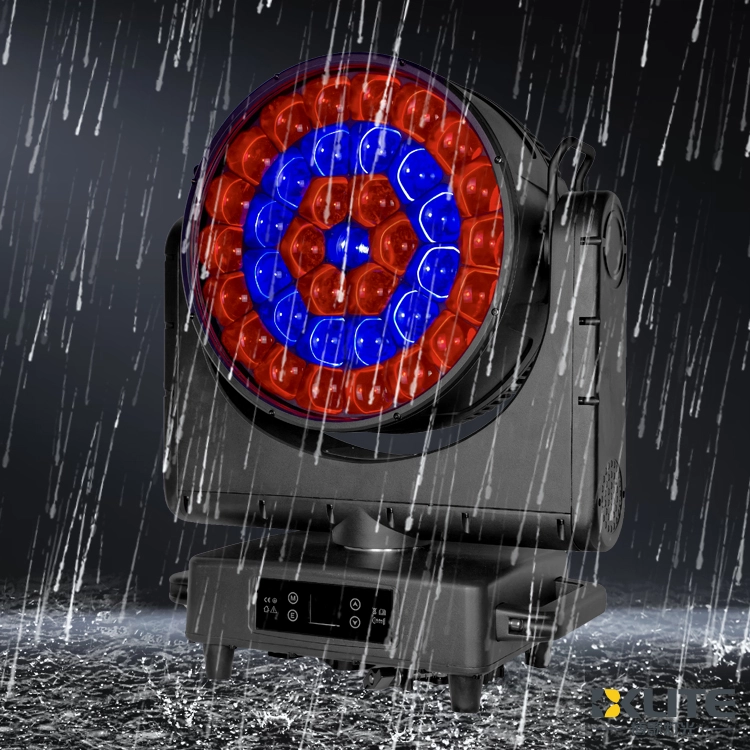
IP65 वाटरप्रूफ ज़ूम बी आई 37x40W RGBW 4in1 LED मूविंग हेड लाइट
15 वर्षों से अधिक के उद्योग अनुभव के साथ अग्रणी स्टेज लाइटिंग उपकरण आपूर्तिकर्ता के रूप में, बीकेलाइट आपके लिए IP65 ज़ूम बी आई 37*40W RGBW 4in1 LED मूविंग हेड लाइट (K25 बी आई) लेकर आया है, जो शक्तिशाली ज़ूम और सहज गति के साथ जीवंत, मौसम-प्रतिरोधी प्रकाश प्रदान करती है। गतिशील स्टेज प्रभावों के लिए आदर्श, K25 मूविंग हेड लाइट शानदार RGBW रंग मिश्रण और विश्वसनीय बाहरी प्रदर्शन सुनिश्चित करती है।
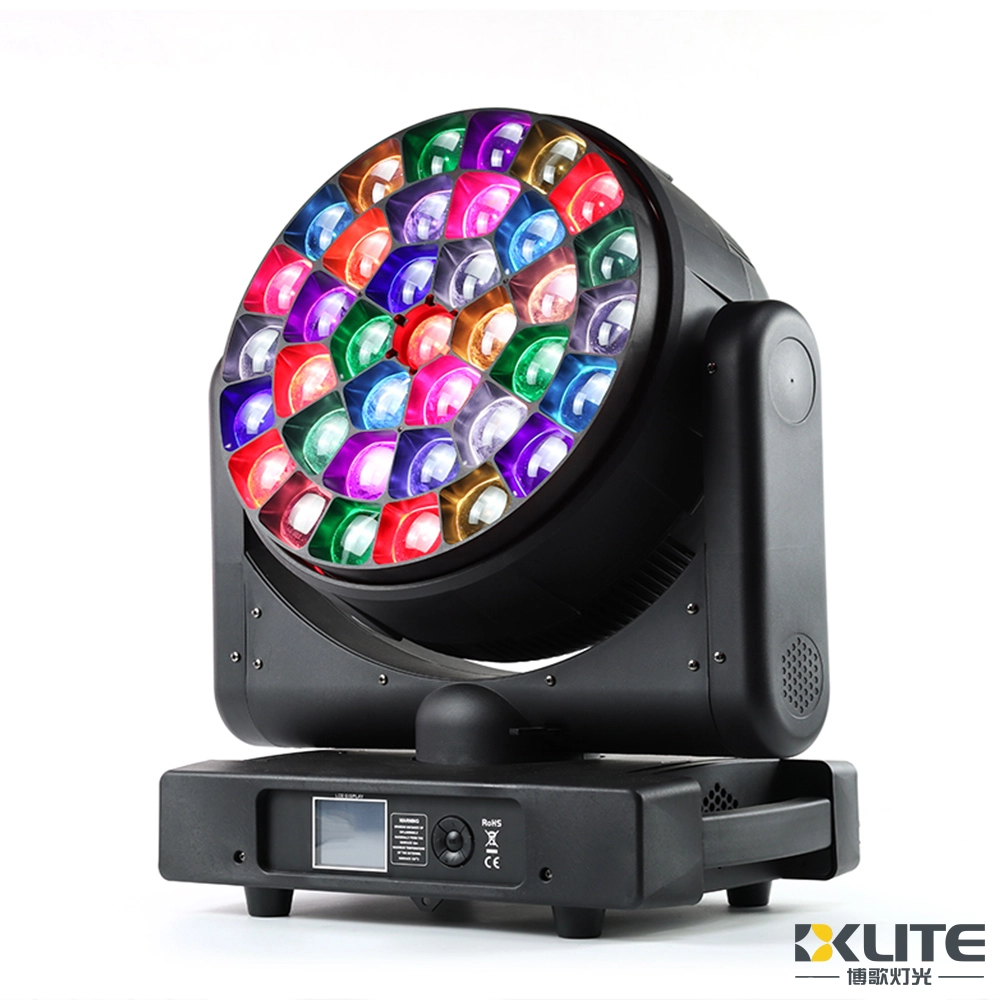
बी आई ज़ूम 37x40W RGBW 4in1 एलईडी बीम वॉश मूविंग हेड लाइट
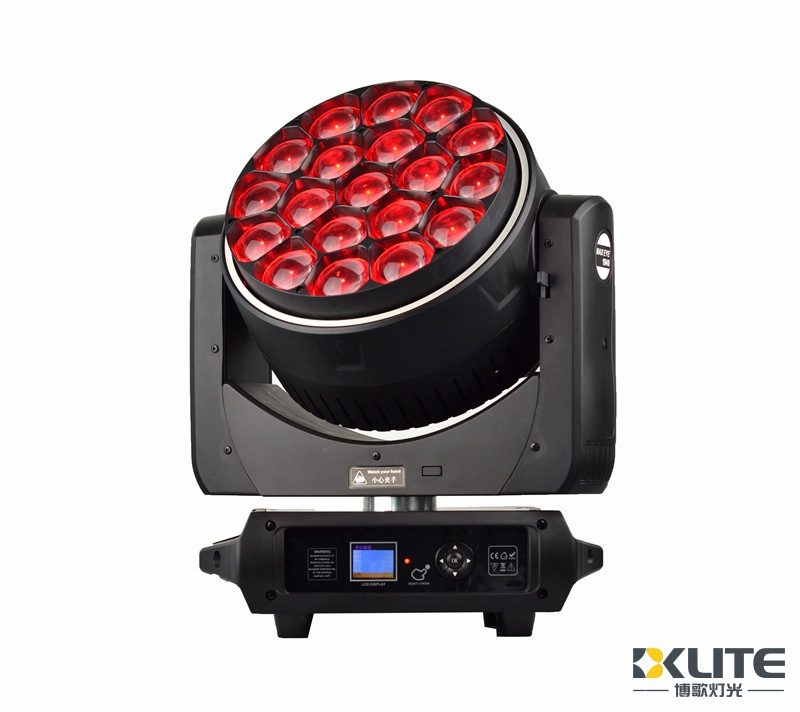
आईपी20 बी आई ज़ूम 19x40W RGBW 4IN1 एलईडी बीम वॉश मूविंग हेड लाइट एलईडी रिंग के साथ
15 से अधिक वर्षों के अनुभव के साथ अग्रणी स्टेज लाइटिंग उपकरण आपूर्तिकर्ताओं में से एक के रूप में, बीकेलाइट ने एक नई बी आई के15 19x40 एलईडी वॉश लाइट बीके-बीवाई1940जेड लॉन्च की है।
सरल और आकर्षक स्वरूप के साथ डिजाइन किया गया, वाश मूविंग हेड लाइट कॉम्पैक्ट, हल्का और अत्यधिक पोर्टेबल है।
एकाधिक रंग प्रभाव मैक्रोज़ और गतिशील प्रभाव मैक्रोज़ के साथ।
हमारे वॉश लाइट का उपयोग अद्भुत प्रभाव के साथ बहुमुखी प्रकाश विकल्पों के लिए किया जा सकता है।
यह आपके प्रकाश परियोजनाओं के लिए बहुत अच्छा है।
शक्तिशाली है और बहुत दूर तक मार करता है।


कॉपीराइट © 2025 BKLITE सभी अधिकार सुरक्षित।