




Come scegliere l'angolo del fascio giusto per le luci di profilo
- Adattamento dell'angolo del fascio alle esigenze del palco
- Capire cosa significa “angolo del fascio” per una luce di profilo
- Perché l'angolo del fascio luminoso è più importante della potenza o dei lumen
- Considerazioni tecniche nella selezione dell'angolo del fascio
- Angolo del fascio vs. angolo di campo: definizioni e misurazione
- Come calcolare la dimensione del punto luminoso in base all'angolo del fascio e alla distanza
- Intensità, illuminamento e percezione umana
- Scelta dell'angolo del fascio in base all'applicazione
- Teatro e musical: raccontare la storia con le luci di profilo
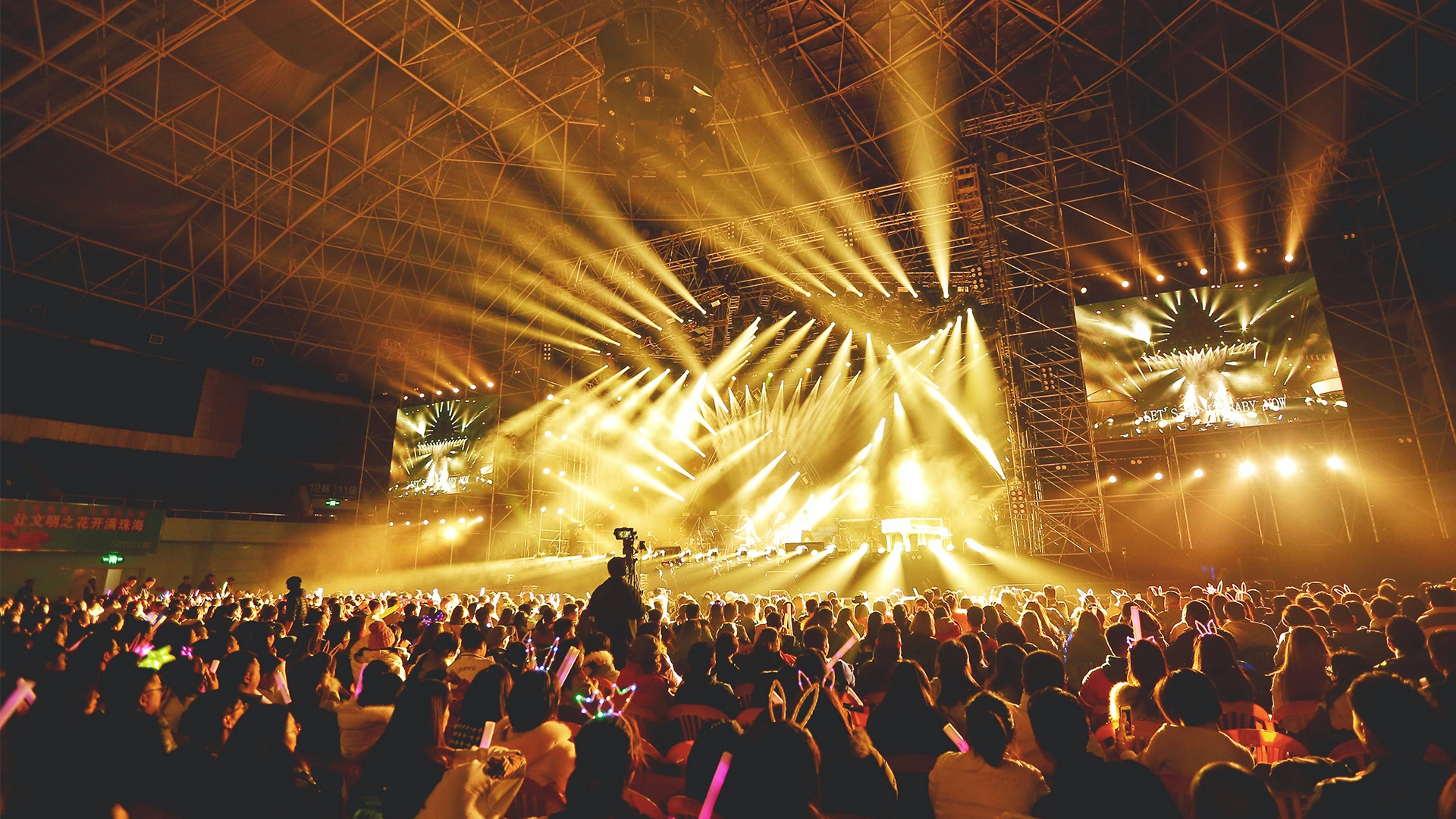
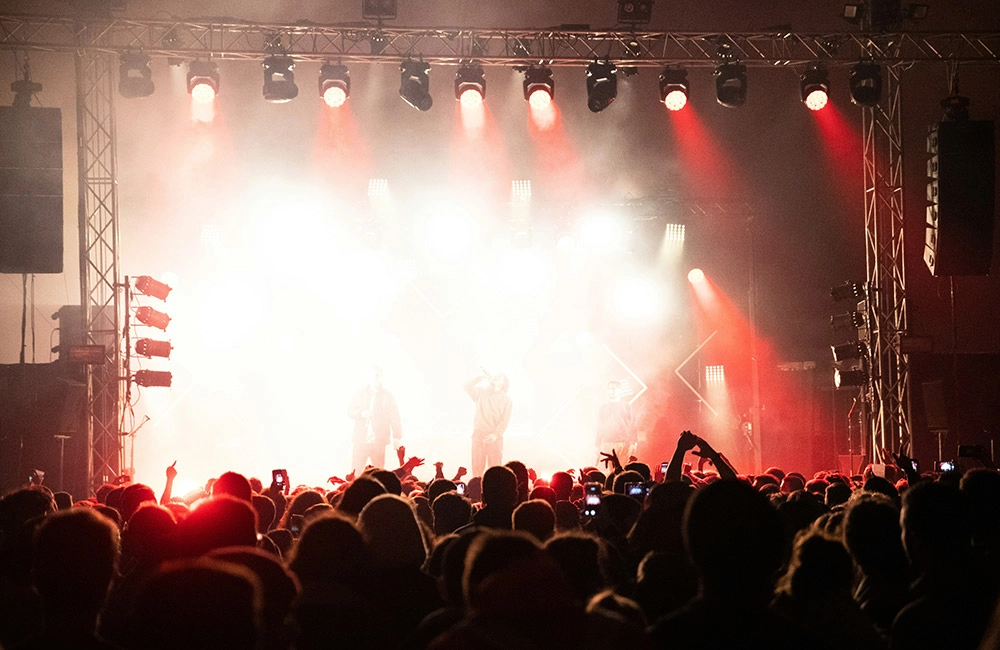
- Concerti ed eventi dal vivo: come gestire la distanza e la visuale del pubblico
- Eventi aziendali, conferenze e trasmissioni
- Specificazione delle luci di profilo: caratteristiche, compromessi e soluzioni BKlite
- Caratteristiche che influenzano il controllo del raggio e l'usabilità
- Tabella comparativa: strategie di travi profilate
- Come Guangzhou BKlite affronta le esigenze relative all'angolo del fascio luminoso
- Flusso di lavoro pratico: dallo script al rig
- Fase 1: definire l'obiettivo visivo per ogni segnale
- Fase 2: scegliere le opzioni di fissaggio e lenti
- Fase 3: testare e ripetere durante le prove tecniche
- FAQ e contatti
- Domande frequenti
- Contatti e richieste di informazioni sui prodotti
- Lista di controllo rapida prima di ordinare
- Riferimenti
Adattamento dell'angolo del fascio alle esigenze del palco
Capire cosa significa “angolo del fascio” per una luce di profilo
L'angolo del fascio di una luce profilata (ellissoidale) definisce il cono su cui la lampada emette luce utilizzabile. In pratica, i progettisti utilizzano l'angolo del fascio per prevedere quanto sarà ampio un fascio di luce (spot) a una data distanza e quanto intenso o morbido apparirà il suo bordo. Per la maggior parte dei produttori e degli enti di normazione, l'angolo del fascio è la larghezza totale a metà massimo (FWHM), ovvero l'angolo tra i punti in cui l'intensità luminosa scende al 50% del valore sull'asse.
Perché l'angolo del fascio luminoso è più importante della potenza o dei lumen
Due apparecchi con identico flusso luminoso possono comportarsi in modo molto diverso sul palco se i loro angoli di proiezione sono diversi. Un fascio stretto concentra la luce in un piccolo punto luminoso (lux più elevato), mentre un fascio ampio copre un'area più ampia con un lux inferiore. Scegliere l'angolo di proiezione sbagliato porta a elementi di messa a fuoco sottoilluminati, gobo sbiaditi o punti caldi che distraggono gli spettatori.
Considerazioni tecniche nella selezione dell'angolo del fascio
Angolo del fascio vs. angolo di campo: definizioni e misurazione
In termini abbreviati, l'angolo del fascio luminoso e l'angolo di campo sono separati. L'angolo del fascio luminoso è generalmente il FWHM (intensità del 50%). L'angolo di campo luminoso è più ampio, in genere misurato nei punti con intensità del 10%, e indica l'intera diffusione luminosa. Quando si consultano le schede tecniche, verificare la definizione utilizzata dal produttore; la confusione tra angolo del fascio luminoso e angolo di campo luminoso è una fonte comune di errori di specifica.
Come calcolare la dimensione del punto luminoso in base all'angolo del fascio e alla distanza
Utilizzare la semplice relazione geometrica per prevedere il diametro del punto:
Diametro del punto ≈ 2 × distanza × tan(angolo del fascio / 2)
Esempio: un raggio di 10° a 10 m di distanza produce:
Spot ≈ 2 × 10 × tan(5°) ≈ 20 × 0,08749 ≈ 1,75 m
Questa formula aiuta a rispondere a due domande quotidiane: la luce di profilo coprirà l'attore/oggetto di scena a distanza FOH? Un gobo sarà ancora nitido quando proiettato sul cyclorama? Adatta sempre lo spot calcolato alle dimensioni fisiche del tuo obiettivo e al livello di lux richiesto.
Intensità, illuminamento e percezione umana
Ricorda che la luminosità percepita dipende dall'illuminamento (lux) del bersaglio. Fasci più stretti aumentano i lux; fasci più ampi li diminuiscono. Se una scena richiede una copertura anche morbida (ad esempio, un effetto chorus wash), scegli un fascio più ampio o utilizza più apparecchi anziché un unico profilo stretto ad alta intensità, che può creare punti caldi e ombre nette.
Scelta dell'angolo del fascio in base all'applicazione
Teatro e musical: raccontare la storia con le luci di profilo
Scenari tipici e angoli del fascio consigliati:
| Applicazione | Angolo del fascio tipico | Nota di progettazione |
|---|---|---|
| Singoli/luce frontale sugli attori (lunga gittata, modellazione stretta) | 6°–15° | Utilizzare travi strette per la modellazione 3D e per evitare fuoriuscite dallo scenario |
| Copertura media (piccolo gruppo, fase intermedia) | 15°–25° | Intensità e diffusione bilanciate; ottimo per la messa a fuoco incrociata |
| Lavaggi morbidi, fondali, luce ciclica | 25°–40°+ | Preferire apparecchi di lavaggio o profili a fascio largo; è necessario un bordo più morbido |
Questi intervalli sono punti di partenza. Calcolare sempre le distanze di proiezione e i lux previsti per confermare.
Concerti ed eventi dal vivo: come gestire la distanza e la visuale del pubblico
Gli impianti per concerti richiedono spesso proiezioni più lunghe e un contrasto più elevato. I profili con fasci molto stretti (2°–8°) vengono utilizzati per effetti di luce aerea, proiezioni di gobo ed effetti ad alto contrasto. I profili a testa mobile con tubi di lenti intercambiabili (zoom) consentono ai tecnici di adattare l'angolo del fascio luminoso in base alla scaletta.
Eventi aziendali, conferenze e trasmissioni
I palchi aziendali necessitano di una luce principale uniforme e priva di ombre su podi e pannelli: utilizzate angoli di fascio medi (12°–25°) combinati con diffusione o bordi morbidi. Per la trasmissione, evitate fasci troppo stretti sui volti (a meno che non si tratti di una luce principale stilistica), perché le telecamere possono rivelare punti caldi; sono preferibili fasci leggermente più ampi con un'attenta modellazione a "barn-door" o un'attenuazione.
Specificazione delle luci di profilo: caratteristiche, compromessi e soluzioni BKlite
Caratteristiche che influenzano il controllo del raggio e l'usabilità
Quando si sceglie un profilo, valutare:
- Sistema di lenti e obiettivi fissi disponibili o gamma di zoom: uno zoom più ampio aumenta la versatilità.
- Otturatori, iris e otturatori di inquadratura: essenziali per la modellazione di bordi netti senza gobo.
- Compatibilità delle dimensioni e della proiezione del gobo: assicurati che il tuo gobo abbia un aspetto nitido alla proiezione pianificata.
- Tipo di uscita (LED o scarica): i LED mantengono il controllo del colore e la regolazione dell'intensità luminosa, ma le differenze spettrali influiscono sulla nitidezza del gobo.
- Grado di protezione IP se è previsto l'uso all'aperto (IP20 vs IP65 per impianti esterni lavati).
Tabella comparativa: strategie di travi profilate
| Strategia | Angolo del fascio | Professionisti | Contro |
|---|---|---|---|
| Molto stretto (2°–8°) | 2°–8° | Alto centro lux, gobo nitidi, lunga gittata | Copertura ristretta; richiede una mira precisa |
| Media (10°–25°) | 10°–25° | Versatile; buon equilibrio tra intensità e diffusione | Potrebbero essere necessari dispositivi aggiuntivi per una copertura completa |
| Ampio (25°–45°+) | 25°–45°+ | Copertura morbida; riduce il numero di apparecchi per il lavaggio | Lux più bassi per apparecchio; meno controllo gobo/guadagno |
Come Guangzhou BKlite affronta le esigenze relative all'angolo del fascio luminoso
Guangzhou BKlite Stage Lighting Equipment Co., Ltd. è stata fondata nel 2011 ed è diventata una delle aziende leader nel settore dell'illuminazione scenica. La filosofia aziendale si basa su professionalità e innovazione, e sulla garanzia che tutti i suoi stakeholder ne traggano beneficio. Negli ultimi 14 anni, ha registrato una crescita notevole e si è costruita una solida reputazione di qualità e affidabilità.
L'azienda produce tutti i tipi di prodotti per l'illuminazione scenica, come la serie Bee Eye IP20, la serie Bee Eye IP65, teste mobili Beam a LED, teste mobili Spot a LED, teste mobili Wash a LED, luci Par a LED, barre a LED e luci stroboscopiche a LED. Ogni prodotto è realizzato utilizzando tecnologie avanzate per soddisfare le mutevoli esigenze del settore dell'intrattenimento. La nostra azienda investe in ricerca e sviluppo per sviluppare nuove idee, assicurandosi di essere sempre al passo con le tendenze del settore.
Per quanto riguarda la scelta degli angoli del fascio, il portfolio di BKlite offre:
- Teste mobili a LED di tipo profile e teste mobili spot con una gamma di opzioni di lenti fisse e zoom per angoli del fascio adatti ad applicazioni teatrali, concertistiche e aziendali.
- Motori di colore accurati/CRI elevati che aiutano a mantenere il contrasto dei gobo e la resa dei volti, importanti quando si restringono i fasci.
- Soluzioni resistenti con grado di protezione IP65 per palchi all'aperto in cui il comportamento del fascio luminoso può essere influenzato dalle condizioni atmosferiche.
Principali vantaggi dei prodotti BKlite: forti investimenti in ricerca e sviluppo, produzione costante dal 2011 e ampia gamma di prodotti, tra cui teste mobili wash a LED, luci da palcoscenico a LED, teste mobili a LED, barre stroboscopiche a LED, luci par a LED, luci COB a LED, teste mobili spot a LED, barre beam a LED, teste mobili Profile a LED e faretti a LED. Queste famiglie di prodotti supportano strategie flessibili di angolazione del fascio luminoso per produzioni moderne. Visita https://www.bklite.com/ per specifiche e contatti dei prodotti.
Flusso di lavoro pratico: dallo script al rig
Fase 1: definire l'obiettivo visivo per ogni segnale
Per ogni indicazione, chiediti: ho bisogno di un gobo nitido? L'attenzione è rivolta a un singolo artista? È necessaria una copertura uniforme su un gruppo? Traduci le risposte in un diametro dello spot target e in un livello di lux, quindi utilizza la formula dell'angolo del fascio e i dati sui lumen dell'apparecchio per verificarne la fattibilità.
Fase 2: scegliere le opzioni di fissaggio e lenti
Preferisci apparecchi con lenti intercambiabili o un intervallo di zoom sufficientemente ampio da gestire le diverse distanze del palco senza compromettere la resa. Al momento del noleggio, richiedi file fotometrici (IES) o diagrammi del fascio luminoso per simulare la copertura in CAD o software di visualizzazione dell'illuminazione.
Fase 3: testare e ripetere durante le prove tecniche
Le prove tecniche sono il punto in cui la teoria incontra la realtà. Provate i gobo e l'inquadratura dell'otturatore a distanze di proiezione reali. Regolate gli angoli del fascio, usate la diffusione o i veli per ammorbidire i bordi quando necessario e ricalcolate i lux dopo qualsiasi modifica di colore o dimmerazione.
FAQ e contatti
Domande frequenti
- D: In che modo i produttori segnalano l'angolo del fascio luminoso? È sempre pari al 50% FWHM?
R: La maggior parte utilizza il 50% di FWHM per l'angolo del fascio e il 10% per l'angolo di campo, ma è sempre necessario controllare la scheda tecnica o il file fotometrico. Se non specificato, richiedere il file IES.
- D: Posso usare una luce profilata con un fascio molto stretto per un lavaggio di gruppo?
R: Non in modo efficiente. Utilizza più profili stretti accuratamente sovrapposti, oppure scegli profili a fascio più ampio o apparecchi wash dedicati per evitare punti caldi e ombre.
- D: In che modo la foschia e la nebbia atmosferiche influiscono sull'aspetto del raggio?
R: La foschia rende i fasci stretti più visibili come raggi; riduce anche leggermente l'illuminazione sul bersaglio a causa della dispersione. Tenere conto del contrasto e dell'esposizione se si prevede di effettuare proiezioni o riprese.
- D: L'angolo del fascio è influenzato dagli accessori delle lenti (gobo, diffusione)?
R: Sì. I gobo possono ammorbidire leggermente un fascio luminoso e i materiali di diffusione aumentano la diffusione del fascio luminoso e riducono la lux centrale. Rimisurare o simulare sempre quando si aggiungono accessori.
- D: Come faccio a scegliere tra apparecchi di illuminazione a LED e apparecchi di illuminazione a scarica?
R: I LED offrono flessibilità cromatica, minore manutenzione e un dimming fluido; le sorgenti a scarica possono fornire una potenza di picco più elevata per apparecchio, per proiezioni lunghe e molto strette. Nella scelta, considerare la nitidezza dei gobo, la resa cromatica e la facilità di manutenzione.
Contatti e richieste di informazioni sui prodotti
Se hai bisogno di aiuto nella scelta dei profili di illuminazione o delle configurazioni dell'angolo del fascio per una specifica sede o produzione, contatta Guangzhou BKlite tramite il loro sito web:https://www.bklite.com/Per un supporto immediato alle specifiche, richiedete ai fornitori dati fotometrici IES e diagrammi di fascio campione e richiedete servizi di tracciamento in loco o virtuali.
Lista di controllo rapida prima di ordinare
- Confermare le definizioni dell'angolo del fascio rispetto a quello del campo sui fogli dati.
- Calcola il diametro del bersaglio per le tue distanze di lancio.
- Verificare i lux richiesti e confrontarli con i dati fotometrici dell'apparecchio alla distanza pianificata.
- Decidi se hai bisogno di opzioni come otturatori/iris/gobo o zoom.
- Richiedi i file IES e testali nel software di visualizzazione o durante la formazione tecnica.
Riferimenti
- Riflettore ellissoidale — Wikipedia. https://en.wikipedia.org/wiki/Ellipsoidal_reflector_spotlight (consultato il 2026-01-08)
- Definizioni di angolo di fascio e angolo di campo: schede tecniche dei produttori e standard del settore dell'illuminazione (consultare i file IES dei singoli prodotti). Esempio: informazioni e note tecniche su ETC Source Four. https://www.etcconnect.com/Products/Lighting-Fixtures/Source-Four-Ellipsoidal/ (consultato l'8 gennaio 2026)
- Standard e linee guida IES (Illuminating Engineering Society) — https://www.ies.org/ (consultato il 08/01/2026)
- Sito web ufficiale di Guangzhou BKlite: informazioni su prodotti e azienda. https://www.bklite.com/ (consultato il 08/01/2026)
I migliori produttori e fornitori di luci laser a LED professionali per DJ
Come scegliere il produttore e il fornitore di faretti a LED con telecomando?
I 10 migliori produttori e fornitori di luci stroboscopiche a LED verdi
Confronto dei prezzi per lumen per apparecchi Profile Stage
Domande frequenti
Come posso ordinare?
Inviaci la lista dei tuoi acquisti via e-mail, WhatsApp, QQ o telefonicamente. Puoi anche richiederci di inviarti un documento di identità per la tua approvazione. Abbiamo bisogno delle seguenti informazioni per il tuo ordine.
Se i prodotti si rompono durante il periodo di garanzia, cosa devo fare?
Se riscontri un problema con i prodotti, descrivilo e inviaci foto o video per analizzarlo. Ti aiuteremo a risolverlo e, se necessario, ti forniremo gratuitamente i pezzi di ricambio.
E la garanzia?
Tutte le nostre luci hanno una garanzia di un anno.
Quali sono i tuoi certificati?
Certificati ROHS e CE superati.
Quando mi spedirete il prodotto dopo che avrò effettuato il pagamento?
Dipende dall'ordine. Gli ordini più piccoli impiegheranno 3-5 giorni.
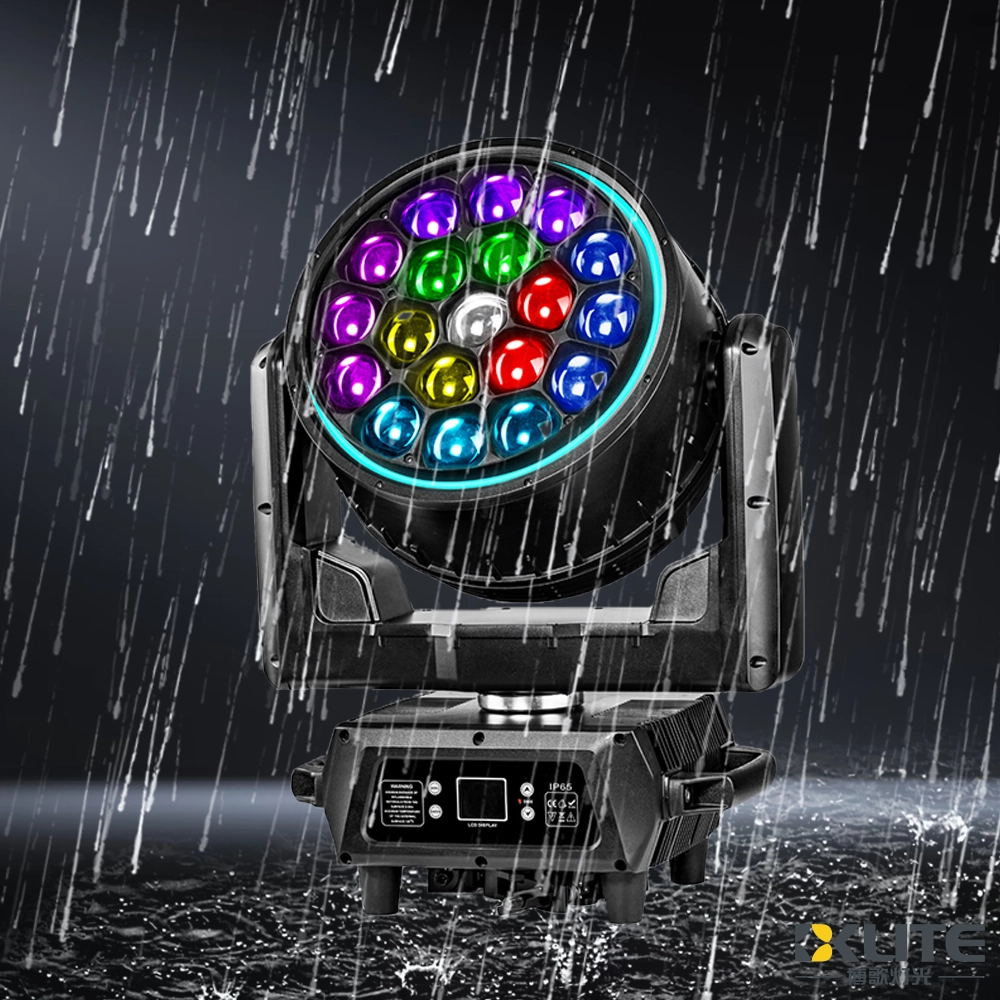
Testa mobile a LED Bee Eye Zoom 19x40W RGBW 4IN1 impermeabile IP65 con anello LED
Testa mobile impermeabile BKlite Bee Eye: la scelta affidabile tra i migliori produttori e fornitori di teste mobili impermeabili. Ideale per palchi all'aperto, eventi dal vivo e festival musicali, questo apparecchio a risparmio energetico garantisce un'illuminazione potente e precisa per qualsiasi location. Offre prestazioni di illuminazione potenti e affidabili in qualsiasi condizione atmosferica.
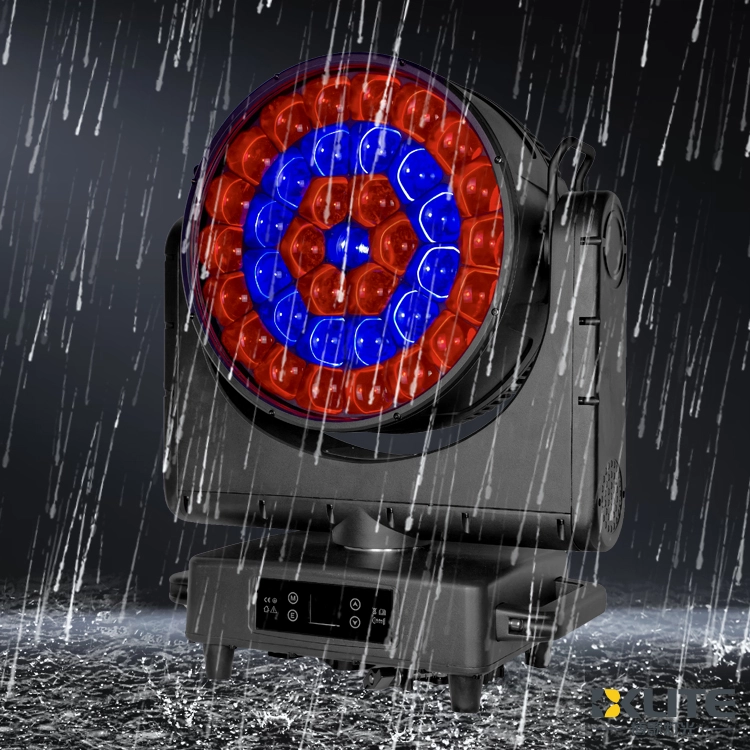
Testa mobile a LED RGBW 4 in 1 ZOOM Bee Eye 37x40W impermeabile IP65
In qualità di fornitore leader di apparecchiature per l'illuminazione scenica con oltre 15 anni di esperienza nel settore, BKlite vi presenta la testa mobile LED RGBW 4 in 1 ZOOM Bee Eye 37x40W IP65 (K25 Bee Eye) che offre un'illuminazione vibrante e resistente alle intemperie, con zoom potente e movimento fluido. Ideale per effetti scenici dinamici, la testa mobile K25 garantisce una straordinaria miscelazione dei colori RGBW e prestazioni affidabili in esterni.
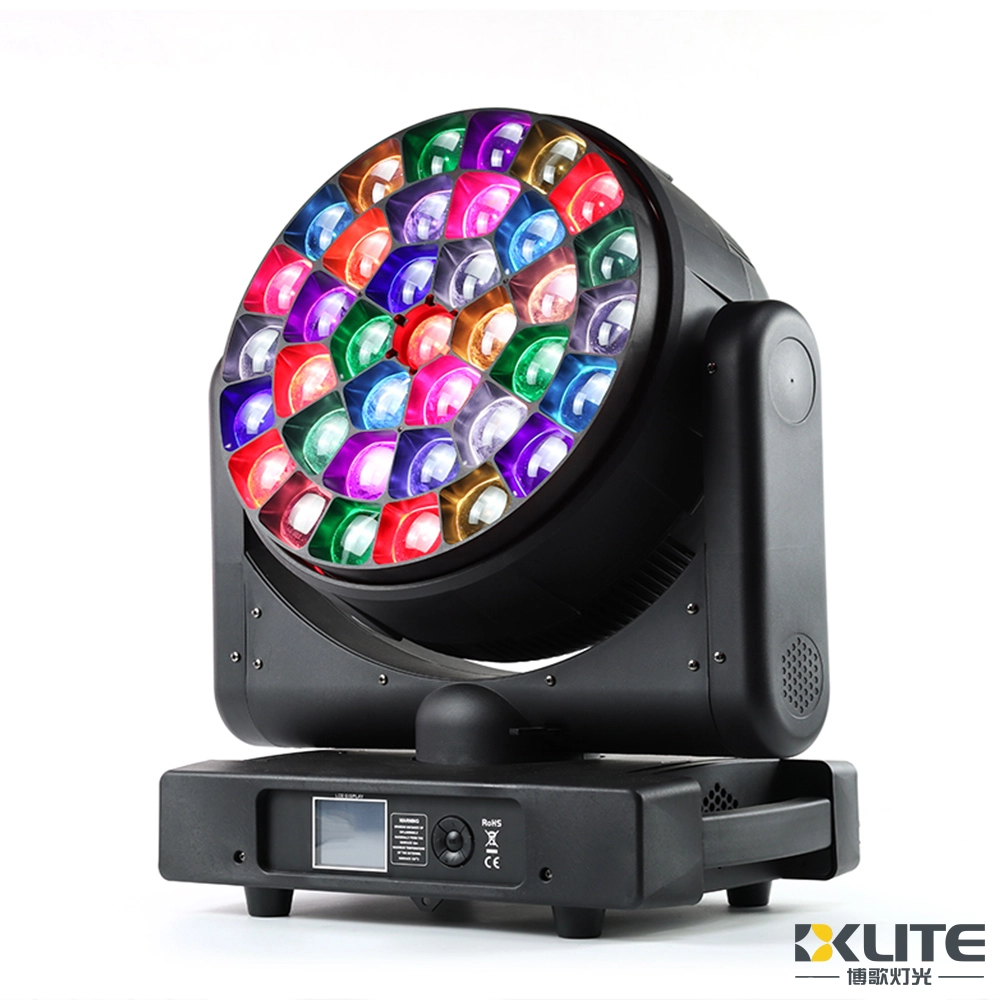
Bee Eye Zoom 37x40W RGBW 4 in 1 LED Beam Wash Moving Head Light
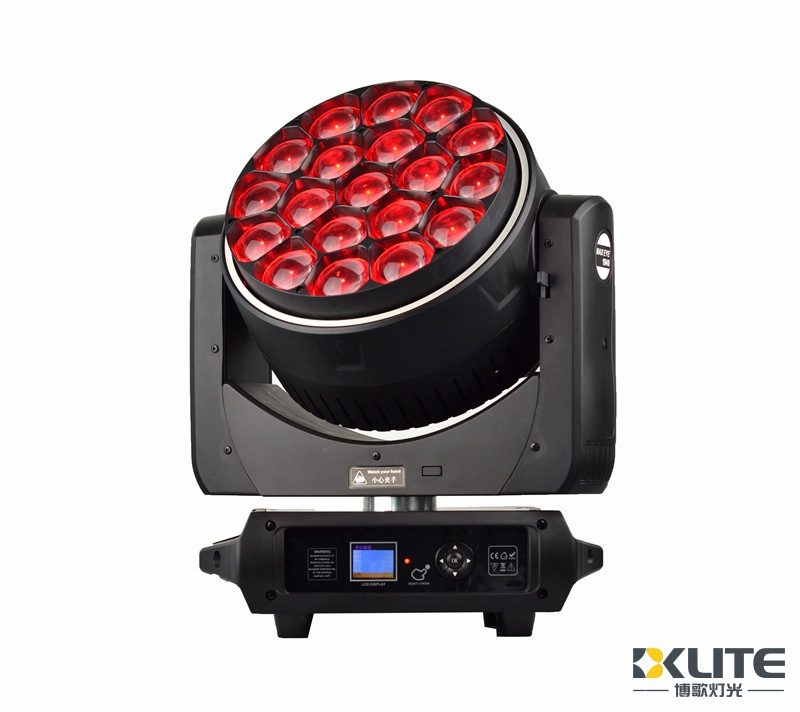
IP20 Bee Eye Zoom 19x40W RGBW 4IN1 LED Beam Wash Moving Head Light con anello LED
BKlite, uno dei principali fornitori di apparecchiature per l'illuminazione scenica con oltre 15 anni di esperienza, ha lanciato la nuova luce wash a LED Bee Eye K15 19x40 BK-BY1940Z.
Progettata con un aspetto semplice ed elegante, la testa mobile WASH è compatta, leggera e altamente portatile.
Con macro con effetti colore multipli e macro con effetti dinamici.
La nostra luce wash può essere utilizzata per soluzioni di illuminazione versatili con effetti sorprendenti.
È un'ottima soluzione per i tuoi progetti di illuminazione.
Potente e spara a grandi distanze.


Copyright © 2025 BKLITE Tutti i diritti riservati.