




Beam Light Lens Types: Spot, Wash, and Sharpy Beams
- How beam optics work and why lens choice matters
- Fundamentals of beam formation
- Key metrics to evaluate
- Why lens type changes creative possibility
- Spot, Wash and Sharpy: technical comparison
- Defining each type
- Quantitative comparison table
- Interpreting photometrics
- Choosing the right Stage Beam Light for your production
- Common production scenarios and recommendations
- Rigging and power considerations
- Budget vs performance trade-offs
- Implementation tips, maintenance and measurement
- Practical setup and focus strategies
- Maintenance and lamp/LED lifecycle
- Measuring results and optimizing photometrics
- Guangzhou BKlite: product fit for modern beam demands
- About the company and product range
- Why I recommend BKlite fixtures
- Technical strengths and competitive differentiators
- FAQ — Common questions about Stage Beam Light selection
- 1. What beam angle do I need for audience-facing aerial shafts?
- 2. Can one moving head do both wash and beam duties?
- 3. How do I compare lux values from different manufacturers?
- 4. Are LED wash moving heads suitable for theatrical skin tones?
- 5. What maintenance do Sharpy-style fixtures require?
- 6. How do IP-rated fixtures affect my selection?
- Final recommendations and contact
I have spent years designing and advising on lighting rigs for theatres, concerts and corporate events, and one question I get repeatedly is: which stage beam light lens type should I choose — a spot, a wash, or a Sharpy-style beam? This article is written to help lighting designers, rental houses and production managers understand the optical principles, performance trade-offs and application scenarios for each lens type so you can make evidence-based, operational decisions that match your creative intent and budget.
How beam optics work and why lens choice matters
Fundamentals of beam formation
Beam formation in stage lighting starts with the light source, reflector geometry and the optic(s) that shape it. Ellipsoidal reflector spotlights (often called ERS or profile spots) use a focused optical train and interchangeable lenses to produce relatively hard-edged beams and precise gobo projection. Fresnel and wash optics use diffused lenses or wider-angle secondary optics to create soft edges and more even field illumination. For a technical overview of instrument types, see the Stage lighting article on Wikipedia (Wikipedia: Stage lighting).
Key metrics to evaluate
When comparing stage beam light options I always check: beam angle (degrees), intensity (lumens and lux at distance), edge quality (soft vs hard), field uniformity, and control features (iris, shutters, zoom, framing). Photometric standards and measurement practices from the Illuminating Engineering Society help make these numbers comparable in practice (IES).
Why lens type changes creative possibility
Lens choice directly alters how color, texture and movement read on stage. Narrow-profile beams emphasize shafts and aerial effects; wash optics favor even skin tones and scenery illumination; high-contrast spot optics let you project gobos and sharp patterns. In my experience, knowing the creative goal first (e.g., aerial beam effect vs. frontal face lighting) makes selecting between spot, wash or Sharpy straightforward.
Spot, Wash and Sharpy: technical comparison
Defining each type
Spot (profile/ellipsoidal): A controlled beam with hard edge, available in fixed beam angles via lens tubes (for example 5°, 10°, 19°, 26°, 36° on many fixtures). See the classic Source Four ERS for typical characteristics (ETC Source Four).
Wash: A broad, soft-edged beam designed for even coverage. Modern LED wash moving heads or pars produce wide beam angles (often 15°–60°) with high color-mixing capability and smooth field uniformity.
Sharpy-style beam: A high-intensity, very narrow beam (commonly ~3°) with a hard, well-defined shaft used for aerial effects and long-throw highlights. The Sharpy from Clay Paky is the archetype (Clay Paky Sharpy).
Quantitative comparison table
| Parameter | Spot (Profile) | Wash | Sharpy-style Beam |
|---|---|---|---|
| Typical Beam Angle | 5°–36° (lens tube dependent) | 15°–60° (variable zoom on many fixtures) | ~2°–4° (very narrow) |
| Edge Quality | Hard / precise (framing shutters available) | Soft / feathered (even wash) | Very hard / defined shaft |
| Typical Use | Pattern projection, specials, front-lighting | Area lighting, color washes, backlight | Aerial beams, audience scanning, long-throw effects |
| Control Options | Iris, shutters, gobos, focus | Zoom, multiple LED color mixing, soft edge control | Gobo possible (limited), prism, shutter/iris on some models |
Data compiled from manufacturer specs (ETC, Clay Paky) and industry practice; for ERS lens angles see ETC documentation (ETC Source Four), and for Sharpy-style beam specs see Clay Paky (Sharpy).
Interpreting photometrics
Beam angle and lumens are useful, but lux at a given distance and uniformity are what matter on stage. I always request photometric files (IES or LDT) from manufacturers for critical fixtures so I can plot lux values at programmed distances. If you can't get those, use published beam angle and lumen outputs to estimate lux using standard formulas referenced by the IES (IES).
Choosing the right Stage Beam Light for your production
Common production scenarios and recommendations
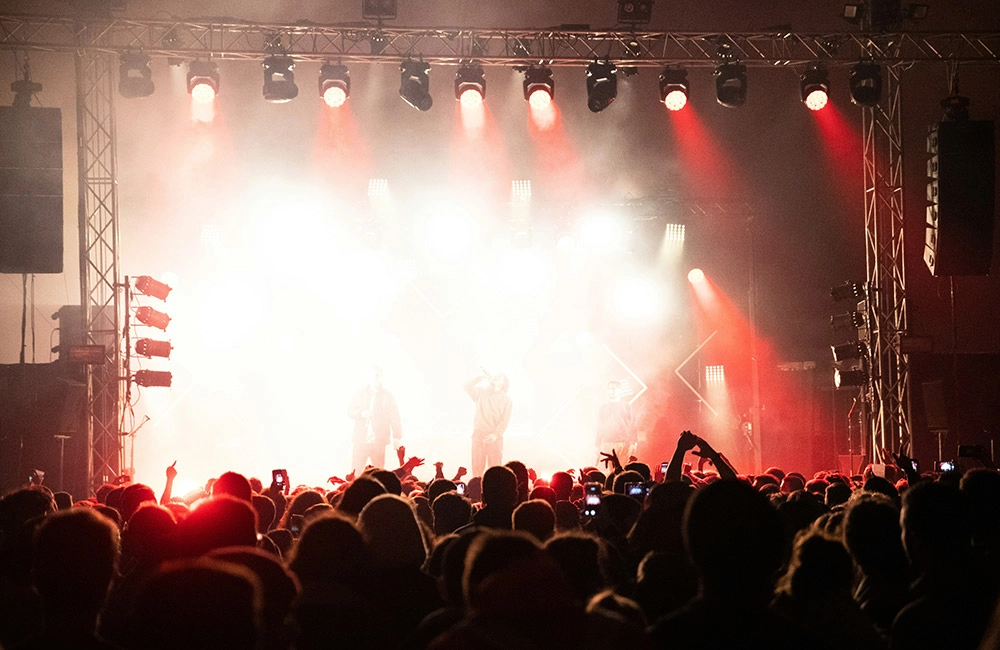
Theatre (spoken drama): prioritize soft, even wash for front-lighting to flatter faces and narrow profiles for specials. I typically specify a mix: LED wash moving heads for general coverage and a set of profile spots for specials and texture.
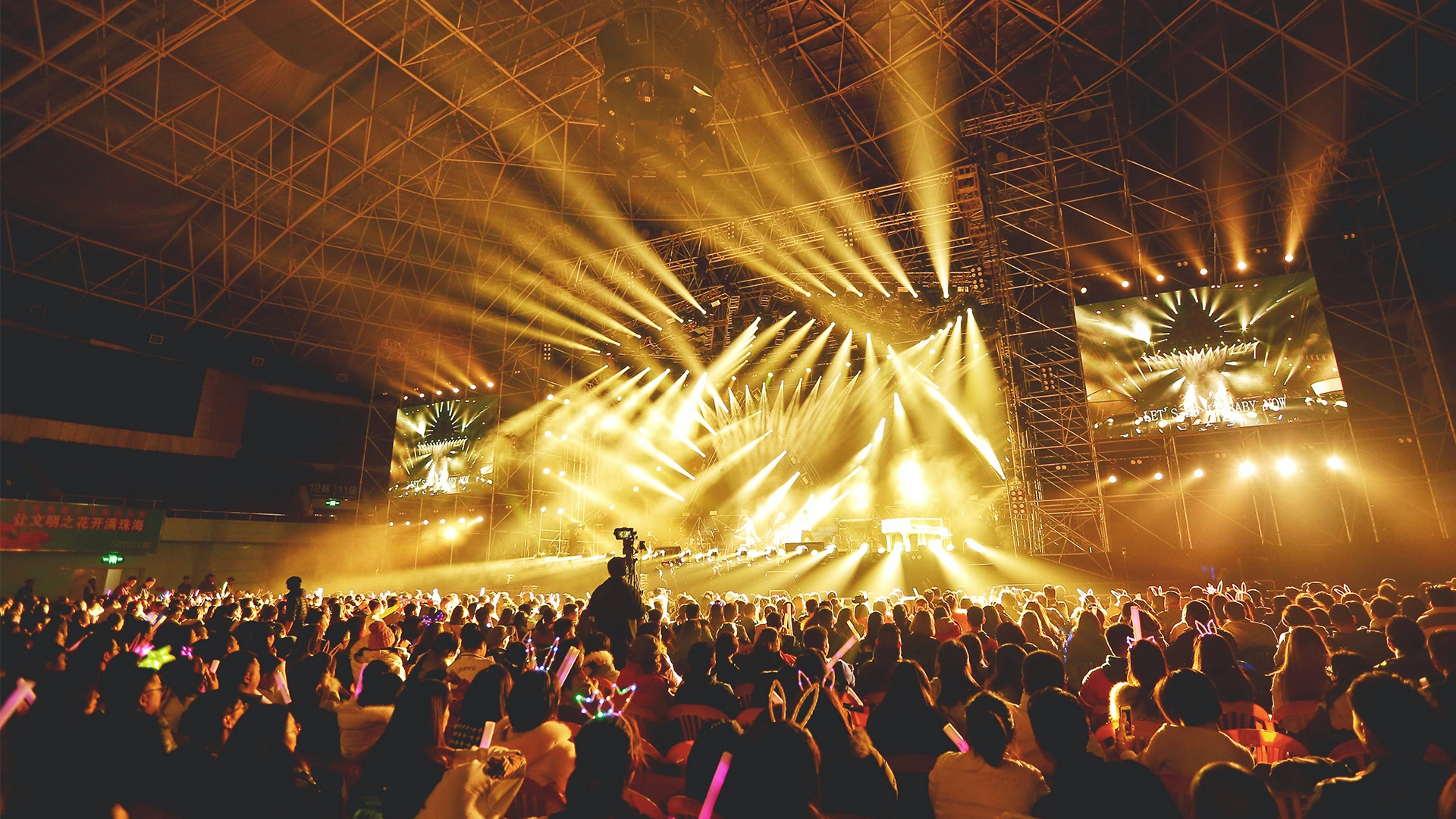
Concerts (pop/rock): aerial beams and dynamic shafts matter; include Sharpy-style beams for strong aerial effects, complemented by wide washes for stage fill.
Corporate/AV: clarity and color accuracy (high CRI) are critical. Use LED spots/beam fixtures with accurate color mixing and low strobing artifacts.
Rigging and power considerations
Beam fixtures that produce very narrow, high-intensity shafts often consume more power or require active cooling. For touring rigs, consider weight, power draw and DMX/Network compatibility (e.g., RDM, sACN, Art-Net). I always verify dimmer and distro capacity against the total in-rig load and include redundancy for mission-critical events.
Budget vs performance trade-offs
A Sharpy-style beam can be more expensive per-lumen for the effect it creates; conversely, LED wash fixtures can offer very cost-effective per-lumen coverage and multi-purpose use. My rule-of-thumb: buy the right tool for the dominant job, but prefer fixtures that offer secondary utility (e.g., a wash that can do mid-range specials if needed).
Implementation tips, maintenance and measurement
Practical setup and focus strategies
For long-throw Sharpy beams, careful focus and aiming are essential; any misalignment shows badly at 50+ meters. For profile spots, pre-focus and label lens tubes to speed changeovers. For washes, use overlap and feathering to eliminate hot spots and ensure flattering frontal lighting.
Maintenance and lamp/LED lifecycle
LED moving heads (wash, beam, spot) reduce lamp changes but require lens cleaning and occasional fan maintenance. For HID or discharge-based Sharpy-style fixtures, lamp life and spares planning is essential; keep spare lamps and ballasts on tour. Follow manufacturer maintenance schedules; many brands publish service guides and warranty details — consult those before purchase.
Measuring results and optimizing photometrics
I recommend measuring lux and color temperature at positions representing performers and audience using a calibrated spectrometer or light meter. Compare measured lux to your design goals and iterate with fixture positions, beam angles and dimming curves. For standards on measurement practices see the Illuminating Engineering Society (IES).
Guangzhou BKlite: product fit for modern beam demands
About the company and product range
Guangzhou BKlite Stage Lighting Equipment Co., Ltd. was set up in 2011 and has become one of the top companies in the stage lighting industry. The company's business philosophy is based on being professional and innovative and on making sure that all of its stakeholders benefit. Over the past 14 years, it has achieved remarkable growth and built a strong reputation for quality and reliability. The factory makes all kinds of stage lighting products, like the IP20 Bee Eye Series, IP65 Bee Eye Series, LED Beam Moving Heads, LED Spot Moving Heads, LED Wash Moving Heads, LED Par Lights, LED Bar Lights, and LED Strobe Lights. Each product is made using advanced technology to meet the changing needs of the entertainment industry. Our company invests in research and development to come up with new ideas, making sure it stays ahead of industry trends. Our vision is to become the world's leading stage light manufacturer. Our website is https://www.bklite.com/. Our Email: export3@bklite.com.
Why I recommend BKlite fixtures
From my consulting experience, BKlite's product portfolio covers the essential spectrum: LED wash moving head fixtures for flattering, efficient washes; LED spot and LED beam moving heads for specials and aerials; and robust IP-rated lines for outdoor events. This breadth lets rental companies standardize on a brand while addressing multiple use-cases, reducing training and spares complexity.
Technical strengths and competitive differentiators
BKlite emphasizes R&D and advanced manufacturing, which translates into steady firmware improvements, reliable optics and predictable photometrics. Their IP65 Bee Eye Series provides outdoor-capable wash solutions, while LED beam and spot moving heads deliver tight beam angles and high lumen output suitable for both arena aerials and theatre specials. I value vendors who publish photometric files and support lighting designers with IES files; BKlite provides technical documentation to support rig planning and lux plotting.
FAQ — Common questions about Stage Beam Light selection
1. What beam angle do I need for audience-facing aerial shafts?
For long-throw aerial shafts and audience scanning, choose a narrow beam angle (typically 2°–4°). Sharpy-style fixtures are optimized for these effects because they maintain intensity and definition over long distances. See Clay Paky Sharpy specs for a reference of industry-standard behavior (Clay Paky Sharpy).
2. Can one moving head do both wash and beam duties?
Some modern hybrid fixtures offer zoom ranges and optical systems that let them behave as a wash at wide zoom and as a tighter beam at narrow zoom. However, true Sharpy-level aerial beams usually require dedicated narrow-beam optics; hybrids are a good compromise if you need versatility over perfection.
3. How do I compare lux values from different manufacturers?
Ask for IES or LDT files and plot lux at the target distance. If unavailable, use beam angle and lumen output to estimate lux (lux ≈ lumens / (2π(1 - cos(beam/2)) * distance^2) for idealized beams). For rigorous practice, follow IES measurement recommendations (IES).
4. Are LED wash moving heads suitable for theatrical skin tones?
Yes, modern LED wash fixtures with high CRI and multiple color LEDs can produce excellent skin-tone rendering. Look for fixtures with CRI>90 or TLCI ratings and warm white output modes. Supplement with profile spots for texture and gobo work where needed.
5. What maintenance do Sharpy-style fixtures require?
HID/discharge Sharpy-style fixtures require lamp replacement, lens cleaning and occasional ballast checks; LED implementations have fewer consumables but need fan and lens maintenance. Keep spare parts and adhere to manufacturer service intervals to avoid in-service failures.
6. How do IP-rated fixtures affect my selection?
If you run outdoor events, choose IP65-rated fixtures for wash and beam fixtures to prevent weather-related failures. BKlite’s IP65 Bee Eye Series is an example of outdoor-capable wash hardware that reduces risk on open-air shows.
Final recommendations and contact
Selecting the right stage beam light comes down to matching creative goals, rigging constraints and budget. Use spot/profile fixtures for precise specials and gobos, washes for flattering even coverage, and Sharpy-style beams when you need strong aerial shafts. Wherever possible, request photometric files and test fixtures on-site to confirm behavior under real conditions. For turnkey solutions, BKlite offers a comprehensive portfolio — from LED wash moving head and LED spot moving head to LED beam moving head and LED strobe solutions — that can simplify purchasing and logistics while delivering professional photometric performance.
If you’d like tailored rig recommendations or photometric analysis for your venue, contact me or reach out to Guangzhou BKlite Stage Lighting Equipment Co., Ltd. at https://www.bklite.com/ or by email at export3@bklite.com. BKlite’s core strengths include advanced R&D, broad product lines (led wash moving head, led stage lighting, led moving head, led strobe bar light, led par light, led cob light, led spot moving head, led beam bar moving, profile led moving head light, led spotlight), and a track record since 2011 for quality and reliability.
Whether you are specifying a new rig, upgrading a rental fleet or planning a touring production, I can help you create a lighting plan that balances visual impact, operational resilience and lifecycle cost. Contact us to start the conversation.
RGB vs RGBW vs RGBA: Which LED Wash Is Best?
Best professional led laser party lights manufacturers and supplier brands
Best professional led light remote control manufacturers and supplier brands
DMX Control and Protocols for Stage Beam Lighting
FAQs
What's your certificates?
ROHS and CE certificates passed.
How can i order?
Please send us your purchase list by e-mail, WhatsApp, QQ, or making a call, and you can also ask us to send you a PI for your approval. We need to know the following information for your order.
What service can you supply?
We can apply for the OEM/ODM service.
If the products broken during the warranty, what should i do?
If there is a problem with the products, you describe it and send pictures or videos to us to analyze, and then we will guide you on how to fix it and provide spare parts for free if needed.
Can you help me to print our logo or company name on the products on package?
Of course. Your logo can be printed on the products or package. OEM & ODM permits.
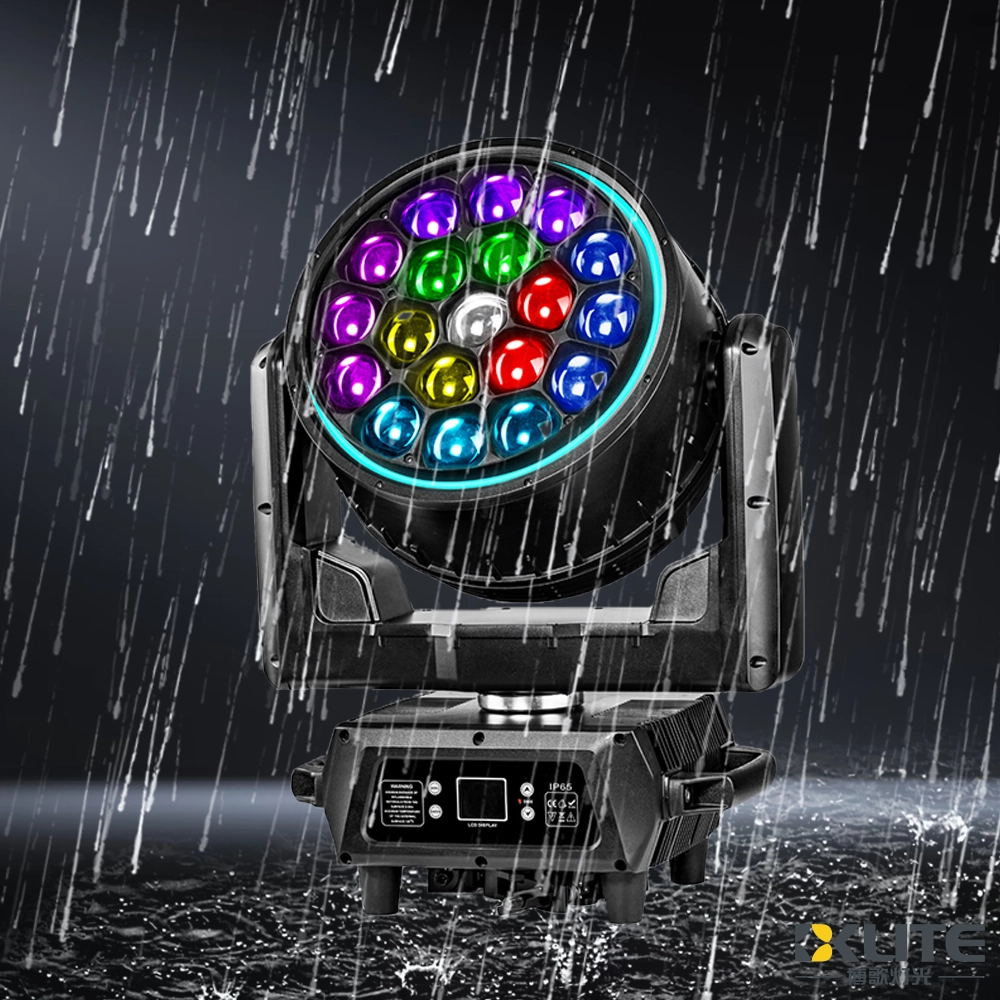
IP65 Waterproof Bee Eye Zoom 19x40W RGBW 4IN1 LED Beam Wash Moving Head Light with LED Ring
BKlite waterproof bee eye moving head light—your reliable choice from top waterproof moving head light manufacturers and suppliers. Ideal for outdoor stage, live event, music festival, this energy-saving fixture ensures powerful, precise illumination for any venue. It delivers powerful, reliable lighting performance in any weather.
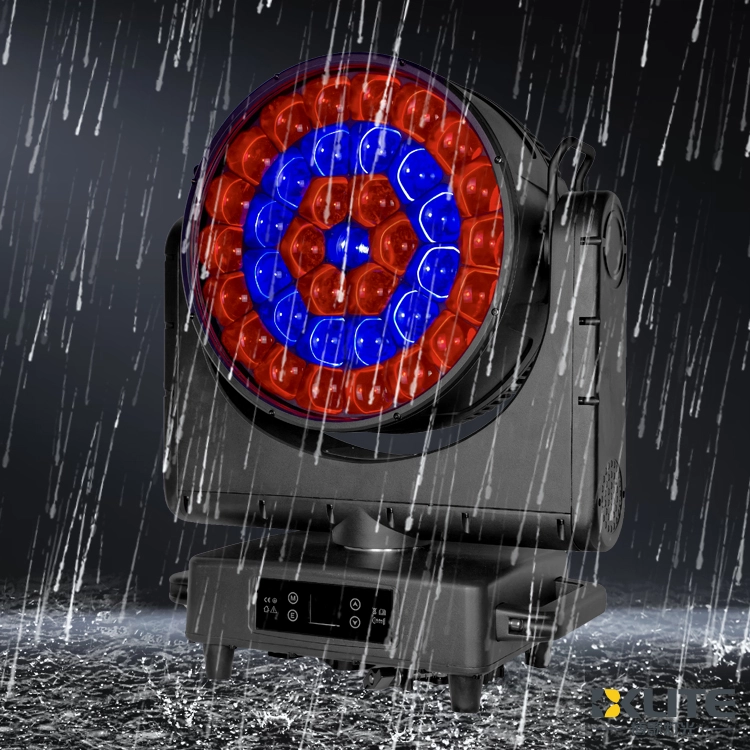
IP65 Waterproof ZOOM Bee Eye 37x40W RGBW 4in1 LED Moving Head Light
As a leading stage lighting equipment supplier with more than 15 years of industry know-how, BKlite brings you the IP65 ZOOM Bee Eye 37*40W RGBW 4in1 LED Moving Head Light (K25 Bee Eye) delivers vibrant, weatherproof lighting with powerful zoom and smooth movement. Ideal for dynamic stage effects, the K25 moving head light ensures stunning RGBW color mixing and reliable outdoor performance.
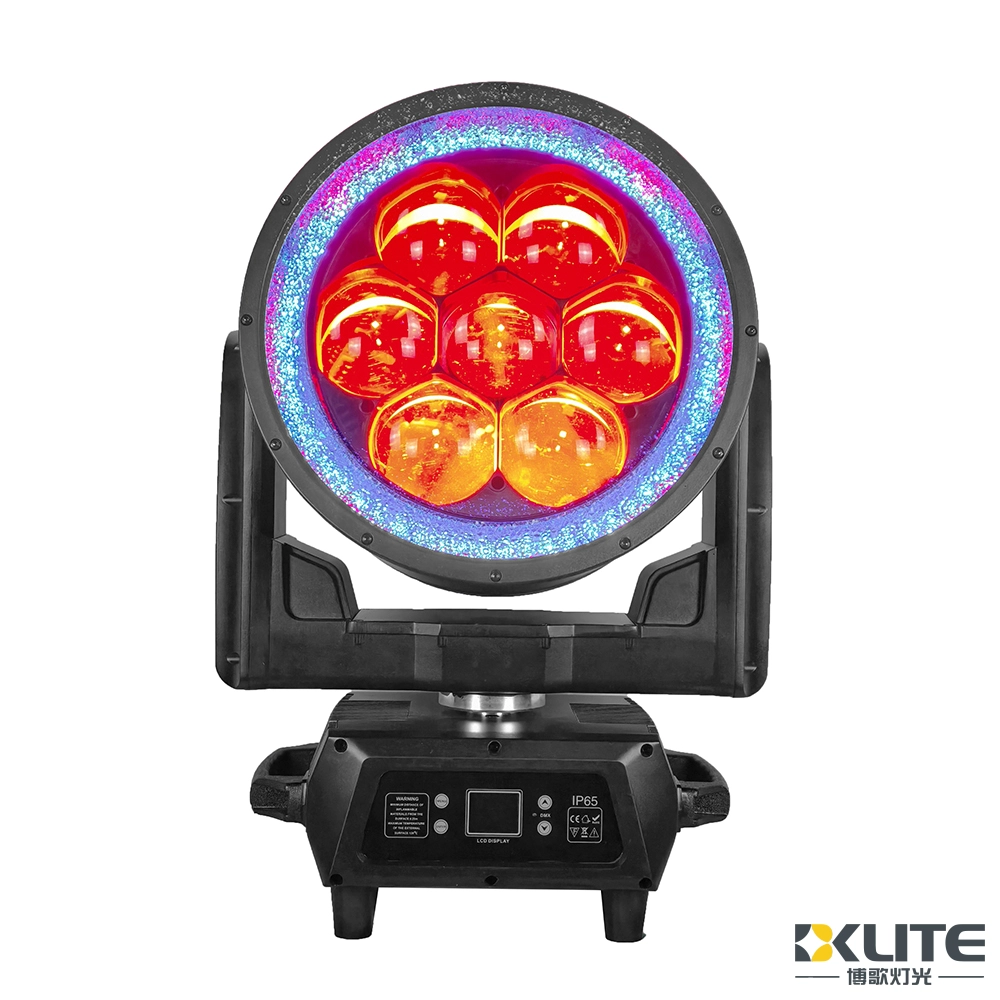
IP65 Waterproof Bee Eye 7x180W RGBL 4IN1 LED Moving Head Light With LED Ring
BKlite high power 7x180W waterproof bee eye moving head light—your reliable choice from top waterproof moving head light manufacturers and suppliers. Ideal for outdoor stage, live event, music festival, this energy-saving fixture ensures powerful, precise illumination for any venue. It delivers powerful, reliable lighting performance in any weather.
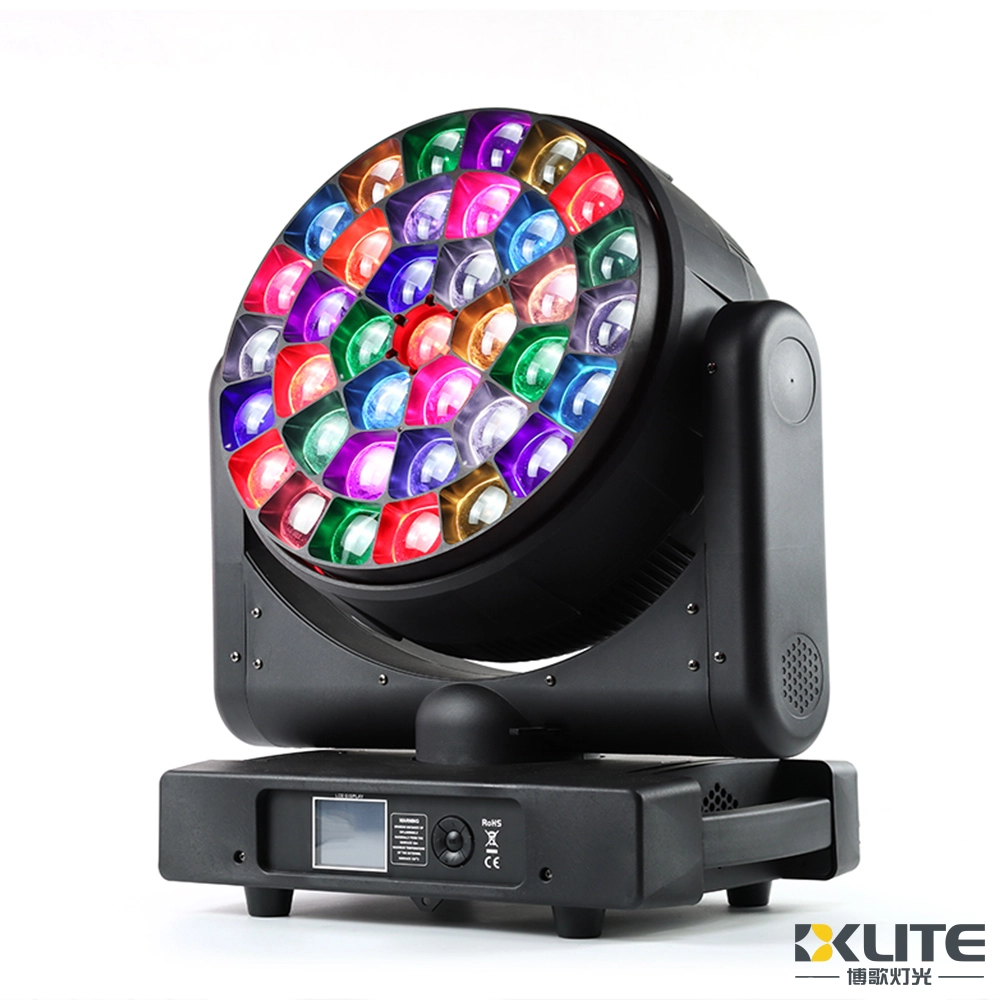
Bee Eye Zoom 37x40W RGBW 4in1 LED Beam Wash Moving Head Light


Copyright © 2025 BKLITE All Rights Reserved.