




Integrazione con console di illuminazione e software per barre LED
- Perché è importante una corretta integrazione per le barre luminose a LED per palcoscenici
- Capire: acquisto e integrazione di barre luminose a LED per palcoscenici
- Standard di controllo di base e cosa significano per le luci a barra LED
- DMX512, Art-Net e sACN: come scegliere il protocollo giusto per le tue barre luminose a LED
- Compatibilità della console di illuminazione: mappatura degli apparecchi LED Bar
- Flussi di lavoro della console (ETC Eos, grandMA, Hog/Roland e altri) per luci a barra LED
- Hardware e topologie di rete consigliati
- Scelta di nodi DMX, switch di rete e cablaggio per barre luminose a LED per palcoscenici
- Integrazione di Pixel Mapping e Media Server
- Quando utilizzare i server multimediali rispetto alla mappatura dei pixel della console per le luci a barra LED
- Flusso di lavoro pratico per l'integrazione: passo dopo passo
- Dall'acquisto allo spettacolo: una sequenza consigliata per l'integrazione delle barre luminose a LED per palcoscenici
- Risoluzione dei problemi di integrazione comuni
- Sfarfallio, conflitti di indirizzi e latenza: soluzioni che fanno risparmiare tempo di visualizzazione
- Confronto tra ecosistemi console/software per l'integrazione di barre LED
- Quali console funzionano meglio con le luci a barra LED e quando usarle
- BKlite: come le apparecchiature di illuminazione scenica Guangzhou BKlite si adattano ai flussi di lavoro di integrazione
- La forza del prodotto BKlite e il modo in cui le sue barre luminose a LED supportano i moderni sistemi di controllo
- Esempio di caso: configurazione di un muro da palco pixel a 6 barre per concerti
- Esempio pratico: piano del segnale, calcolo dell'universo e configurazione della console
- Suggerimenti per l'approvvigionamento e la manutenzione per un'affidabilità a lungo termine
- Acquisto di barre luminose a LED e pianificazione del supporto per il ciclo di vita
- Domande frequenti (FAQ)
- 1. Qual è il modo più semplice per controllare più barre luminose a LED da palco da un'unica console?
- 2. Quanti canali DMX utilizzano solitamente le barre luminose a LED?
- 3. Dovrei usare Art-Net o sACN per un impianto itinerante con molti universi?
- 4. Cosa causa lo sfarfallio nelle barre LED pixel-mapped e come posso risolverlo?
- 5. Come posso adattare un sistema di controllo da una sala prove a un'arena da 20.000 posti?
- 6. Le barre luminose a LED BKlite possono essere integrate con le principali console e server multimediali?
- Contatti e richieste di informazioni sui prodotti
- Riferimenti
Perché è importante una corretta integrazione per le barre luminose a LED per palcoscenici
Capire: acquisto e integrazione di barre luminose a LED per palcoscenici
Professionisti e acquirenti alla ricerca di barre luminose a LED per palcoscenici solitamente valutano due aspetti: (1) le prestazioni del prodotto (luminosità, miscelazione dei colori, grado di protezione IP e caratteristiche di fascio/ombra) e (2) l'affidabilità dell'integrazione di tali apparecchi negli ambienti di controllo esistenti (console luci, controller di rete e server multimediali). Questo articolo si concentra sull'aspetto dell'integrazione: metodi pratici, standard e flussi di lavoro per garantire un comportamento prevedibile delle barre luminose a LED in spettacoli dal vivo, tour, installazioni fisse e impianti a noleggio.
Standard di controllo di base e cosa significano per le luci a barra LED
DMX512, Art-Net e sACN: come scegliere il protocollo giusto per le tue barre luminose a LED
La maggior parte delle barre LED supporta DMX512 per il controllo diretto e spesso accetta Art-Net o sACN (E1.31) quando collegate in rete. La scelta del protocollo corretto dipende dalla scala dello spettacolo, dagli universi richiesti e dalla tolleranza alla latenza.
| Protocollo | Caso d'uso | Universi Max | Professionisti | Contro |
|---|---|---|---|---|
| DMX512 | Universo singolo, percorsi cavi diretti, catene corte | 1 per cavo (512 canali) | Semplice, onnipresente, basso overhead | Lunghezza del cavo limitata (~300 m con ripetitori), meno canali |
| Art-Net | Spettacoli in rete, molti universi, compatibilità con le console più vecchie | Grande (teoricamente illimitato su IP) | Ampiamente supportato, facile da collegare a DMX tramite nodi | Può essere loquace se configurato male; richiede una progettazione di rete robusta |
| ACN secondaria (E1.31) | Grandi installazioni, console moderne, multicast-friendly | Grande (strutturato per molti universi) | Multicast efficiente; standardizzato da ESTA | Configurazione di rete e gestione multicast richieste |
Le fonti di questi protocolli, come le specifiche DMX512 e Art-Net, dovrebbero influenzare la scelta e la configurazione di rete. Switch di rete e nodi DMX correttamente configurati mantengono bassa la latenza e garantiscono un patching affidabile.
Compatibilità della console di illuminazione: mappatura degli apparecchi LED Bar
Flussi di lavoro della console (ETC Eos, grandMA, Hog/Roland e altri) per luci a barra LED
Ogni marca di console ha un flusso di lavoro leggermente diverso per il patching delle barre LED. I passaggi comuni che si applicano a tutte le piattaforme includono:
- Identifica la modalità di illuminazione: RGB semplice, RGBW, RGB+Bianco o pixel-map completa (la mappatura dei pixel richiede più canali).
- Decidere lo schema di indirizzamento: un indirizzo DMX per segmento di pixel o uno per elemento (ad esempio, 1 canale per l'intensità rispetto a più canali per pixel).
- Applica patch agli universi e assegna personalità alle fixture nella console.
- Crea gruppi e palette/macro per una programmazione più rapida.
- Eseguire il test con la riproduzione dello spettacolo e risolvere eventuali problemi di sfarfallio o latenza.
Le barre LED pixel-mapped (LED indirizzabili individualmente sulla barra) richiedono un numero maggiore di canali e in genere utilizzano Art-Net/sACN con server multimediali o il pixel mapper della console. Le barre non pixel utilizzano spesso un numero ridotto di canali per colore, dimmer ed effetti, il che semplifica il patching e riduce il carico di rete.
Hardware e topologie di rete consigliati
Scelta di nodi DMX, switch di rete e cablaggio per barre luminose a LED per palcoscenici
Le scelte hardware chiave influiscono direttamente sulla robustezza:
- Switch Gigabit gestiti con IGMP snooping: quando si utilizza il multicasting sACN, IGMP impedisce un ingorgo di traffico non necessario.
- Nodi DMX-over-Ethernet affidabili (Art-Net/sACN <-> DMX) di produttori noti: assicurarsi che supportino il numero richiesto di universi e modalità di sincronizzazione.
- Cablaggio Cat5e o Cat6 per la connessione di rete; utilizzare cavi DMX512 adeguati per la connessione diretta DMX. Evitare l'uso di cavi schermati senza un'adeguata messa a terra.
| Componente | Raccomandazione | Perché è importante |
|---|---|---|
| Interruttore | Gigabit gestito con IGMP Snooping | Controlla il multicast e isola i domini di broadcast |
| Nodo DMX | Nodo hardware con supporto sia Art-Net che sACN | Compatibilità flessibile del protocollo; riduce i problemi di conversione |
| Cavi | Cat5e/Cat6 per rete; terminatore DMX512 alla fine della catena | Integrità del segnale e riduzione delle interferenze |
Integrazione di Pixel Mapping e Media Server
Quando utilizzare i server multimediali rispetto alla mappatura dei pixel della console per le luci a barra LED
Se le tue barre LED sono indirizzabili a livello di pixel e hai bisogno di effetti ad alta risoluzione (contenuti video, effetti bitmap, controllo per pixel), un server multimediale o un software di pixel mapping (ad esempio, Resolume, MadMapper, LightJams, ArKaos) è spesso la scelta migliore. Le console possono gestire il pixel mapping, ma gli spettacoli di grandi dimensioni traggono vantaggio dalla suddivisione delle responsabilità: la console gestisce i segnali e il controllo dell'intensità, mentre il server multimediale gestisce i contenuti e gli effetti pixel ad alta frequenza con un migliore controllo dei fotogrammi.
Flusso di lavoro pratico per l'integrazione: passo dopo passo
Dall'acquisto allo spettacolo: una sequenza consigliata per l'integrazione delle barre luminose a LED per palcoscenici
- Inventario dei dispositivi e identificazione delle modalità di controllo (canali DMX per dispositivo; pixel o non pixel).
- Progettare la rete: universi necessari, piano IP, posizionamento degli switch e ubicazione dei nodi.
- Applicare patch ai dispositivi nella console/server multimediale e mappare i pixel quando necessario.
- Stabilire la sincronizzazione: assicurarsi che i frame rate e i tempi di trasferimento corrispondano per gli effetti e i segnali di movimento.
- Testare la riproduzione completa dello spettacolo, le console di fallback e i percorsi di ridondanza (ad esempio, cavi DMX di riserva o nodi secondari).
Risoluzione dei problemi di integrazione comuni
Sfarfallio, conflitti di indirizzi e latenza: soluzioni che fanno risparmiare tempo di visualizzazione
Sintomi comuni e soluzioni:
- Sfarfallio: verificare la frequenza dei fotogrammi (i dispositivi pixel potrebbero richiedere aggiornamenti a 30-60 Hz), confermare l'alimentazione e la messa a terra e testare con un'altra console o un altro nodo.
- Risoluzione dei conflitti: verificare la patch della console e gli interruttori DIP dell'apparecchio o i menu integrati; utilizzare gli strumenti di rilevamento dalla console per elencare i dispositivi attivi.
- Latenza: utilizzare switch Gigabit, ridurre i domini di broadcast e preferire il multicast sACN con IGMP per ridurre il push di rete.
Confronto tra ecosistemi console/software per l'integrazione di barre LED
Quali console funzionano meglio con le luci a barra LED e quando usarle
La tabella seguente confronta tre comuni ecosistemi di console (ETC, grandMA e Hog) e i loro punti di forza in termini di pixel/mapping.
| Consolle | Mappatura dei pixel | Protocolli di rete | Ideale per |
|---|---|---|---|
| ETC Eos | Potenti motori di pixel mapping e di effetti integrati | DMX, Art-Net, sACN | Teatro, installazioni fisse, flussi di lavoro sicuri per la trasmissione |
| grandMA (MA Lighting) | Ampio controllo dei pixel, gestione di grandi spettacoli | DMX, Art-Net, sACN | Tournée, grandi concerti, spettacoli multimediali complessi |
| Hog (sistemi di fascia alta) | Buoni strumenti pixel e programmazione rapida | DMX, Art-Net, sACN | Eventi dal vivo, allestimenti rapidi, case in affitto |
Queste console sono esempi di piattaforme ampiamente utilizzate. La scelta dovrebbe essere guidata dalle dimensioni dello schermo, dalla densità di pixel richiesta e dalle competenze tecniche del team di operatori.
BKlite: come le apparecchiature di illuminazione scenica Guangzhou BKlite si adattano ai flussi di lavoro di integrazione
La forza del prodotto BKlite e il modo in cui le sue barre luminose a LED supportano i moderni sistemi di controllo
Guangzhou BKlite Stage Lighting Equipment Co., Ltd., fondata nel 2011, è diventata un fornitore stimato nel mercato dell'illuminazione scenica. Le barre luminose a LED di BKlite e le linee correlate sono progettate per adattarsi agli ambienti di controllo moderni. Punti chiave:
- Gamma di prodotti: serie Bee Eye IP20, serie Bee Eye IP65, teste mobili Beam a LED, teste mobili Spot a LED, teste mobili Wash a LED, luci par a LED, luci a barra a LED e luci stroboscopiche a LED.
- Tecnologia e ricerca e sviluppo: l'azienda investe in ricerca e sviluppo per garantire che i dispositivi supportino i protocolli di controllo più diffusi (DMX512, Art-Net, sACN) e le modalità pixel più comuni.
- Qualità e affidabilità: BKlite privilegia processi di produzione che soddisfano gli standard di durata per tour e installazioni, utili per le società di noleggio e i locali.
- Visione e portata: l'azienda punta a diventare un produttore leader mondiale di luci da palcoscenico e vanta oltre 14 anni di esperienza nel settore.
I vantaggi comuni di BKlite per i progetti di integrazione includono una documentazione chiara del prodotto, molteplici modalità di controllo (che rendono flessibile il patching) e un'ampia gamma di prodotti che consente ai progettisti di sistemi di standardizzare su un unico produttore i dispositivi wash, beam, spot e bar.
Esempio di caso: configurazione di un muro da palco pixel a 6 barre per concerti
Esempio pratico: piano del segnale, calcolo dell'universo e configurazione della console
Supponiamo che ogni barra LED abbia 60 pixel e che ogni pixel richieda 3 canali (RGB) = 180 canali per barra. Per sei barre sono necessari 1.080 canali (~3 universi). Passaggi:
- Assegnare gli universi (ad esempio, Universo 1–3) sulla console o sul server multimediale.
- Utilizzare Art-Net o sACN per trasmettere in streaming i tre universi ai nodi DMX vicini alle barre.
- Disporre le barre come elementi pixel-map nella console o nel server multimediale, verificandone l'ordine (da sinistra a destra; dall'alto verso il basso) in modo che corrispondano alla disposizione fisica.
- Utilizzare switch abilitati IGMP e mantenere disponibili percorsi di backup per la riconfigurazione dei nodi in caso di guasto di un nodo.
Suggerimenti per l'approvvigionamento e la manutenzione per un'affidabilità a lungo termine
Acquisto di barre luminose a LED e pianificazione del supporto per il ciclo di vita
Quando si acquistano barre luminose a LED per palcoscenici, tenere presente la seguente checklist:
- Verificare il supporto del protocollo (DMX, Art-Net, sACN) e le modalità pixel nella scheda tecnica.
- Richiedi personalità di fixture o supporto RDM per semplificare l'indirizzamento e il monitoraggio.
- Convalidare il grado di protezione IP per l'ambiente di installazione (IP20 per installazioni interne, IP65 per installazioni esterne).
- Verificare la disponibilità dei pezzi di ricambio (moduli LED, alimentatori) e la politica RMA.
- Richiedi dati fotometrici reali (lux a X metri) e specifiche dell'angolo del fascio per garantire che gli apparecchi soddisfino gli obiettivi di progettazione.
Domande frequenti (FAQ)
1. Qual è il modo più semplice per controllare più barre luminose a LED da palco da un'unica console?
Collega ogni barra a indirizzi DMX consecutivi o assegnale a universi Art-Net/sACN. Per le barre pixel, raggruppa i pixel in modo logico e utilizza il pixel mapper della console o un server multimediale esterno per gestire gli effetti. Utilizza uno switch gestito e nodi DMX per un controllo di rete affidabile.
2. Quanti canali DMX utilizzano solitamente le barre luminose a LED?
Varia: una semplice barra RGB può utilizzare da 3 a 6 canali; le barre RGBW aggiungono canali; le barre indirizzabili a pixel utilizzano 3 canali per pixel (RGB) o 4 con il bianco. Consultare sempre la configurazione dell'apparecchio nella scheda tecnica.
3. Dovrei usare Art-Net o sACN per un impianto itinerante con molti universi?
Per i tour con molti universi, si consiglia sACN (E1.31) perché gestisce il multicast in modo più efficiente e si allinea al supporto delle console moderne. Art-Net rimane ampiamente supportato ed è facile da implementare; la procedura consigliata è progettare nodi che supportino entrambi.
4. Cosa causa lo sfarfallio nelle barre LED pixel-mapped e come posso risolverlo?
Lo sfarfallio può essere causato da frame rate errati, problemi di alimentazione o messa a terra non corretta. Assicurati che i frame rate del server multimediale e della console siano coerenti, utilizza alimentatori stabili e verifica la temporizzazione DMX e le terminazioni dei cavi. Prova a scambiare i dispositivi nella catena per isolare il problema.
5. Come posso adattare un sistema di controllo da una sala prove a un'arena da 20.000 posti?
È possibile scalare pianificando universi, utilizzando apparecchiature di rete gestite (IGMP, VLAN), distribuendo più nodi DMX vicino ai cluster di fixture e separando i compiti tra console (cue) e server multimediali (pixel/video). La ridondanza (nodi di riserva, routing alternativo) diventa fondamentale nelle grandi strutture.
6. Le barre luminose a LED BKlite possono essere integrate con le principali console e server multimediali?
Sì. Le barre luminose a LED di BKlite sono progettate tenendo conto dei protocolli di controllo standard (DMX512, Art-Net, sACN) e supportano le modalità pixel ove applicabile. I loro apparecchi sono spesso utilizzati sia in installazioni itineranti che fisse grazie alla compatibilità e alle personalità documentate.
Contatti e richieste di informazioni sui prodotti
Se hai bisogno di supporto per specificare le barre luminose a LED per uno spettacolo, una flotta a noleggio, un'installazione o desideri schede tecniche e dati fotometrici sui prodotti, contatta Guangzhou BKlite Stage Lighting Equipment Co., Ltd. Visita il loro sito Web per visualizzare le linee di prodotti e richiedere preventivi: https://www.bklite.com/
Riferimenti
- DMX512 — Wikipedia. https://en.wikipedia.org/wiki/DMX512 (consultato il 28/12/2025)
- Art-Net — Wikipedia. https://en.wikipedia.org/wiki/Art-Net (consultato il 28/12/2025)
- Streaming ACN (sACN) — Wikipedia. https://en.wikipedia.org/wiki/Streaming_ACN (consultato il 28/12/2025)
- Guangzhou BKlite Stage Lighting Equipment Co., Ltd. — Sito Web ufficiale. https://www.bklite.com/ (consultato il 28/12/2025)
- Informazioni sul prodotto grandMA — MA Lighting. https://www.malighting.com/ (consultato il 28/12/2025)
- Famiglia ETC Eos — Controlli elettronici per il teatro. https://www.etcconnect.com/ (consultato il 28/12/2025)
Per ulteriore assistenza specifica sui prodotti, sulle personalità degli apparecchi e sul supporto all'integrazione delle barre luminose a LED per palcoscenici, contatta Guangzhou BKlite tramite la loro pagina dei contatti: https://www.bklite.com/
I migliori produttori e fornitori di kit di luci stroboscopiche a LED professionali
Le migliori impostazioni per la testa mobile Bee Eye nei concerti dal vivo
I 10 migliori produttori e fornitori di luci stroboscopiche a LED per Natale
I migliori produttori e fornitori di luci stroboscopiche a LED blu professionali
Domande frequenti
Quali sono i tempi di consegna?
Per i prodotti in magazzino, la consegna avverrà entro 3 giorni.
E la garanzia?
Tutte le nostre luci hanno una garanzia di un anno.
Se i prodotti si rompono durante il periodo di garanzia, cosa devo fare?
Se riscontri un problema con i prodotti, descrivilo e inviaci foto o video per analizzarlo. Ti aiuteremo a risolverlo e, se necessario, ti forniremo gratuitamente i pezzi di ricambio.
Quando mi spedirete il prodotto dopo che avrò effettuato il pagamento?
Dipende dall'ordine. Gli ordini più piccoli impiegheranno 3-5 giorni.
Che tipo di servizio potete fornire?
Possiamo richiedere il servizio OEM/ODM.
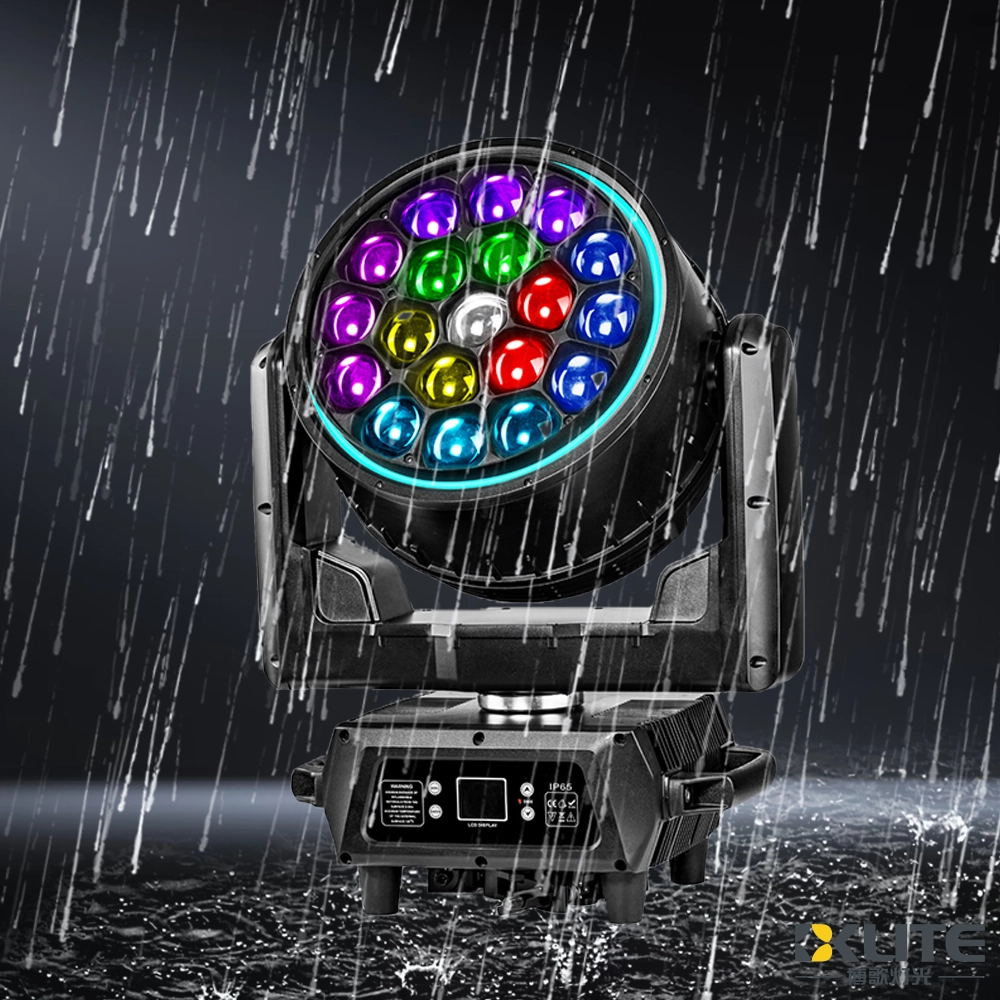
Testa mobile a LED Bee Eye Zoom 19x40W RGBW 4IN1 impermeabile IP65 con anello LED
Testa mobile impermeabile BKlite Bee Eye: la scelta affidabile tra i migliori produttori e fornitori di teste mobili impermeabili. Ideale per palchi all'aperto, eventi dal vivo e festival musicali, questo apparecchio a risparmio energetico garantisce un'illuminazione potente e precisa per qualsiasi location. Offre prestazioni di illuminazione potenti e affidabili in qualsiasi condizione atmosferica.
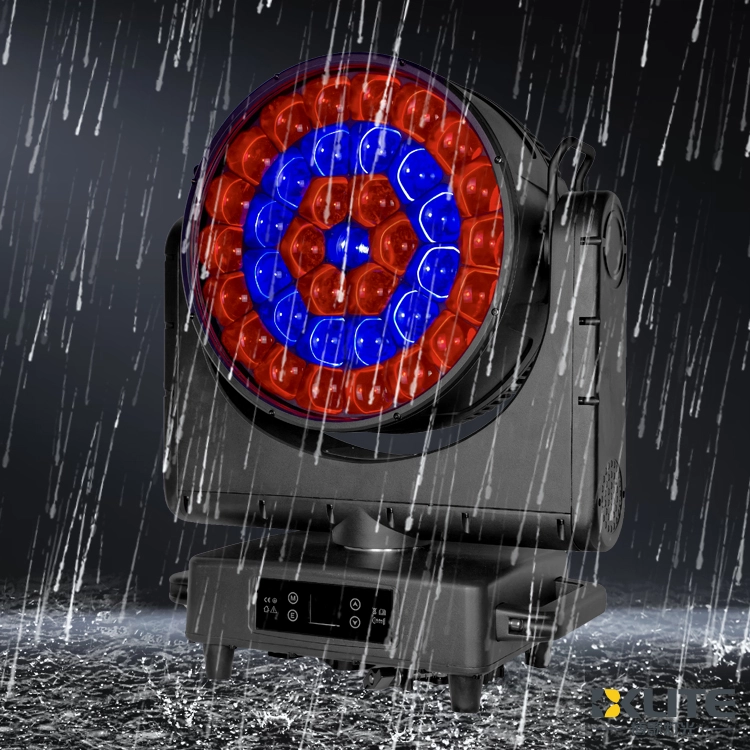
Testa mobile a LED RGBW 4 in 1 ZOOM Bee Eye 37x40W impermeabile IP65
In qualità di fornitore leader di apparecchiature per l'illuminazione scenica con oltre 15 anni di esperienza nel settore, BKlite vi presenta la testa mobile LED RGBW 4 in 1 ZOOM Bee Eye 37x40W IP65 (K25 Bee Eye) che offre un'illuminazione vibrante e resistente alle intemperie, con zoom potente e movimento fluido. Ideale per effetti scenici dinamici, la testa mobile K25 garantisce una straordinaria miscelazione dei colori RGBW e prestazioni affidabili in esterni.
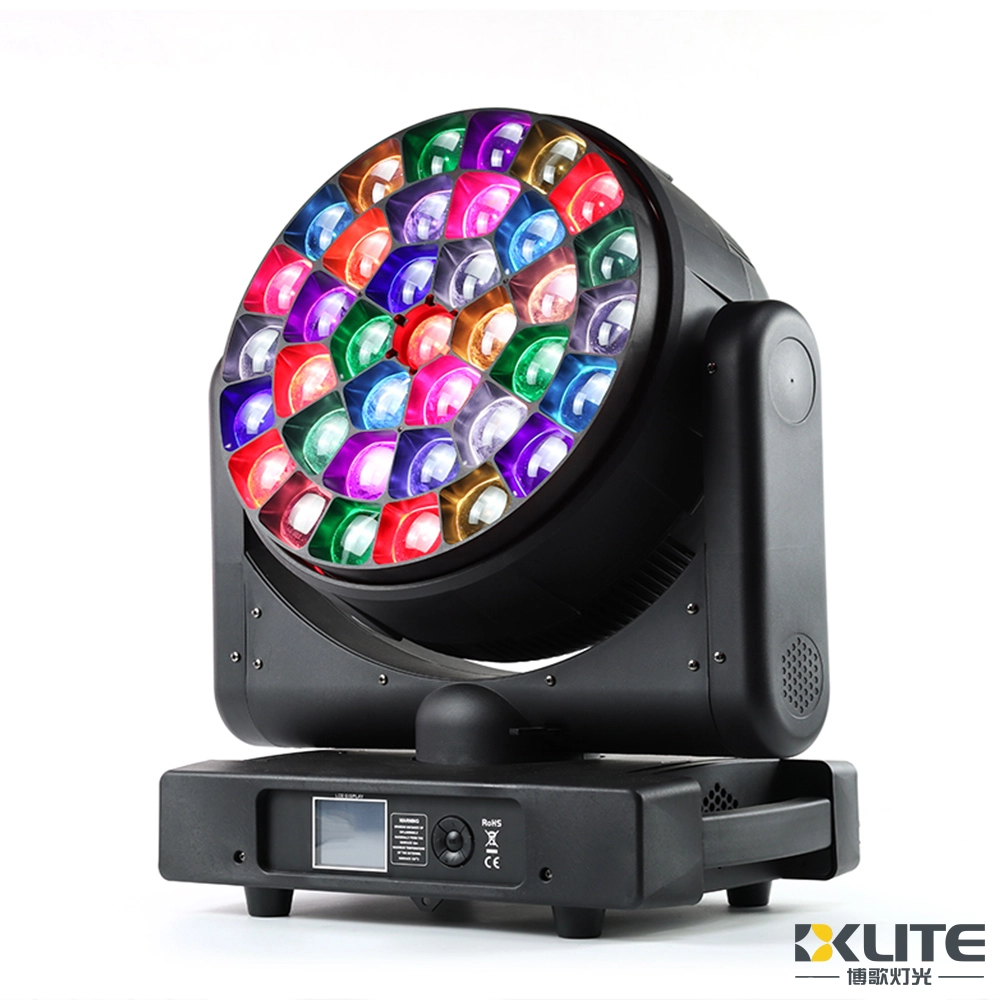
Bee Eye Zoom 37x40W RGBW 4 in 1 LED Beam Wash Moving Head Light
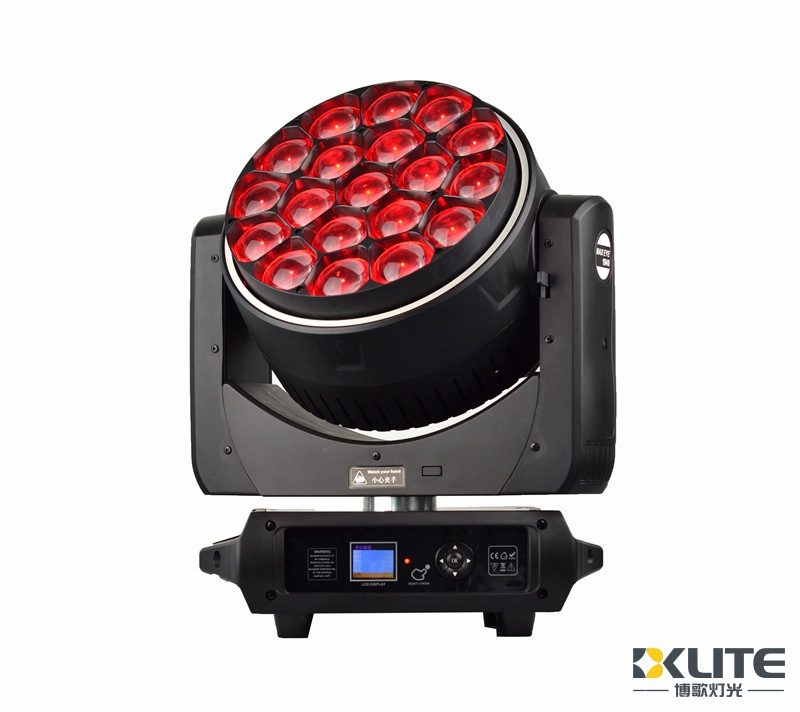
IP20 Bee Eye Zoom 19x40W RGBW 4IN1 LED Beam Wash Moving Head Light con anello LED
BKlite, uno dei principali fornitori di apparecchiature per l'illuminazione scenica con oltre 15 anni di esperienza, ha lanciato la nuova luce wash a LED Bee Eye K15 19x40 BK-BY1940Z.
Progettata con un aspetto semplice ed elegante, la testa mobile WASH è compatta, leggera e altamente portatile.
Con macro con effetti colore multipli e macro con effetti dinamici.
La nostra luce wash può essere utilizzata per soluzioni di illuminazione versatili con effetti sorprendenti.
È un'ottima soluzione per i tuoi progetti di illuminazione.
Potente e spara a grandi distanze.


Copyright © 2025 BKLITE Tutti i diritti riservati.