




Maintenance checklist for the best led stage wash lights
- Operational readiness: daily and pre-show checks
- Daily visual inspection
- Functional pre-show run
- Cleaning, optics and thermal management
- Cleaning lenses and optical paths
- Fans, heat sinks and thermal paths
- Electrical systems, connections and control
- Power delivery and cable management
- Data integrity: DMX, sACN and protocol checks
- Planned maintenance schedule and spares strategy
- Maintenance schedule (daily to annual)
- Spare parts and consumables
- Troubleshooting common failure modes
- Flicker and color shift
- Loss of brightness or uneven wash
- Standards, specifications and evidence-based practices
- Why follow standards?
- Measurement and documentation
- BKlite: manufacturer insights and how their products affect maintenance
- About Guangzhou BKlite and product relevance
- BKlite maintenance-friendly design and R&D advantage
- Contact and procurement
- Practical tips from the field and cost-saving measures
- Documented commissioning and burn-in
- Training and procedures
- FAQs
- 1. How often should I clean LED stage wash lenses?
- 2. Can I open and service an IP65-rated wash light myself?
- 3. What spare parts should a rental house always stock?
- 4. How do I know if a color shift is due to aging LEDs or a driver issue?
- 5. Is firmware update necessary and how risky is it?
- 6. How do I prioritize maintenance tasks when resources are limited?
- Closing and contact
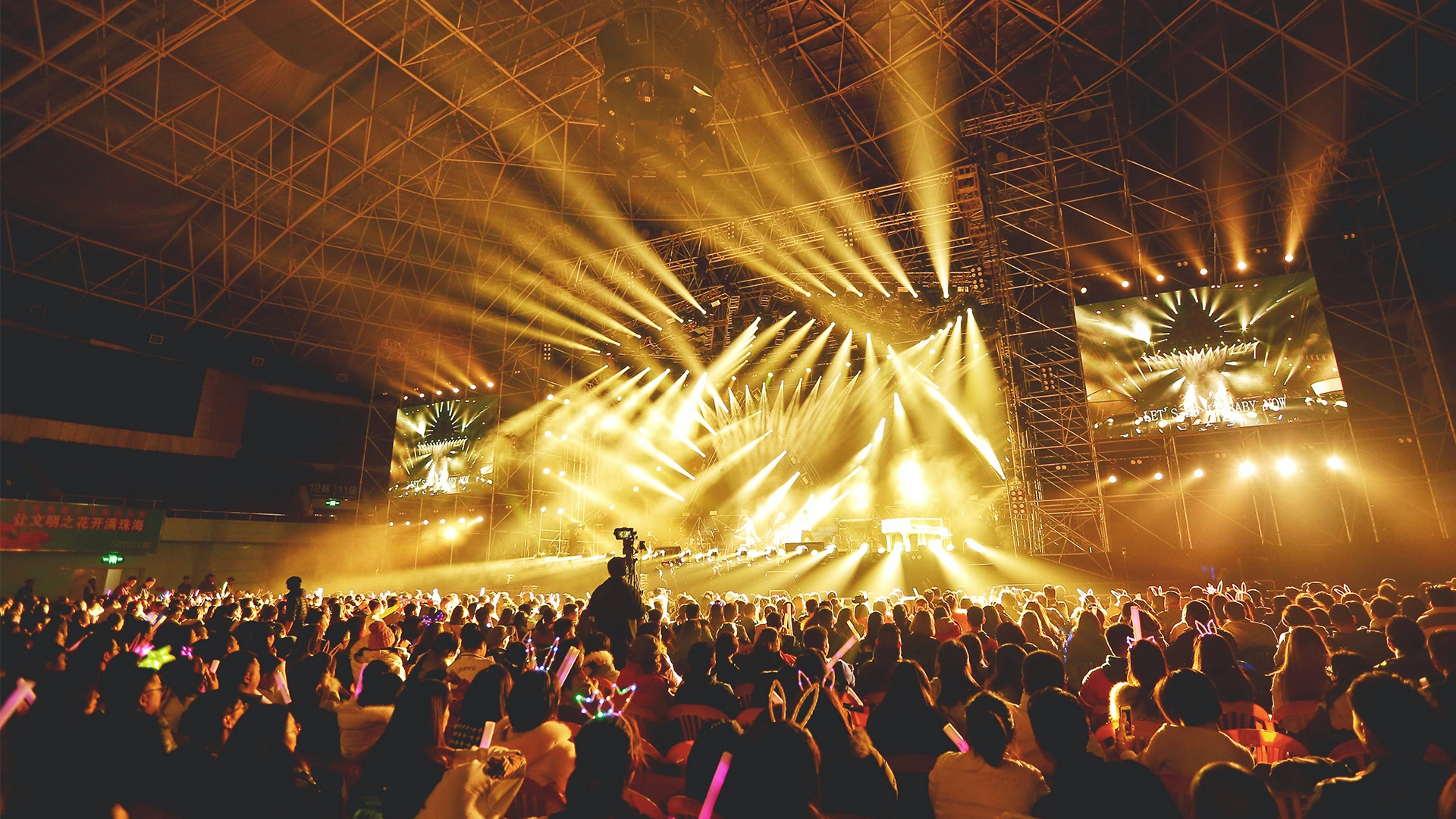
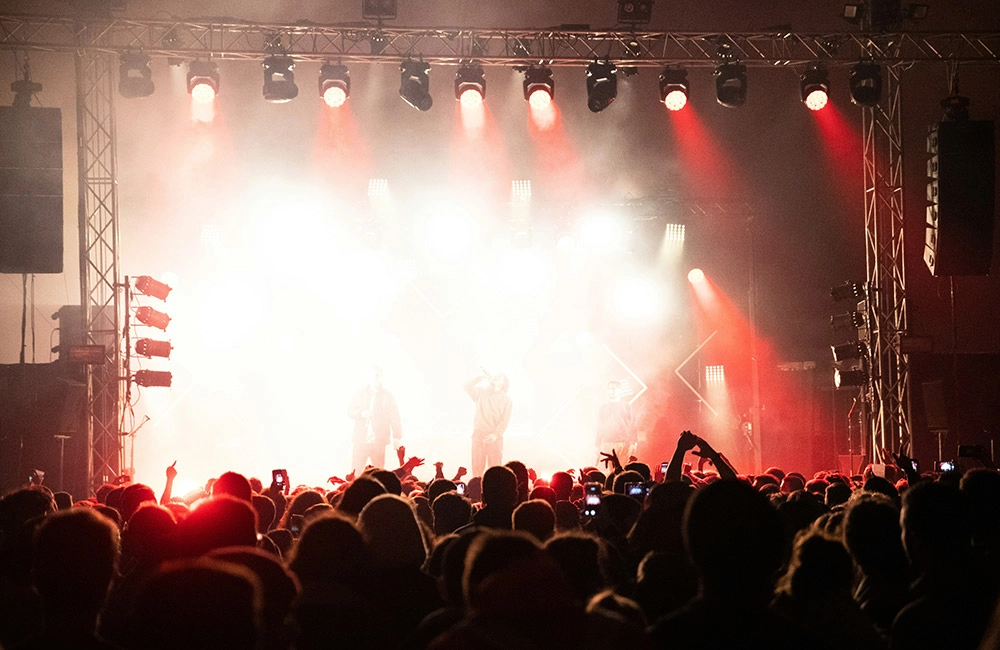
I write from years of hands-on experience in stage lighting design, specification, and maintenance. In this article I provide a focused, field-tested maintenance checklist for the best LED stage wash lights — covering daily, weekly, monthly, quarterly and annual tasks, diagnostics, spare parts planning, and practical tips to keep your fixtures performing with consistent color, output, and reliability. This summary aims to help venue technicians, rental houses, touring crews and lighting designers reduce downtime and lifecycle costs while meeting safety and performance expectations.
Operational readiness: daily and pre-show checks
Daily visual inspection
Before every show I perform a quick visual sweep of all LED wash fixtures. Look for:
- Physical damage to housings, lenses, and mounting yokes;
- Loose or frayed power and data cables;
- Obvious overheating signs (discoloration, melted cable insulation);
- Ingress of dust, water, or foreign material — especially for outdoor-rated units (IP65 vs IP20).
These simple checks catch the majority of immediate show-stoppers and are the first step in maintaining the best led stage wash lights.
Functional pre-show run
Run each fixture through a short functional test: power on, check LED segments, cycle colors, test dimmer response and pan/tilt if applicable, and verify DMX/RDM address and response. Use RDM-capable controllers to confirm device identity and firmware version remotely whenever possible.
Cleaning, optics and thermal management
Cleaning lenses and optical paths
Dirty optics reduce measured lux and alter beam uniformity. For the best led stage wash lights I recommend:
- Use compressed air to remove loose dust;
- Clean lenses with microfiber cloth and a 70% isopropyl alcohol solution or manufacturer-recommended lens cleaner;
- Avoid household glass cleaners that leave residues or contain ammonia;
- Document percent light loss over time using a lux meter to validate cleaning frequency.
Fans, heat sinks and thermal paths
Thermal management is a leading cause of premature LED driver and emitter failures. For fixtures with active cooling:
- Check fan operation daily/weekly; listen for unusual noises that indicate bearing wear;
- Vacuum or blow out dust from heat sinks and vents monthly for indoor fixtures; more often for dusty or smoky environments;
- For IP-rated outdoor wash lights (e.g., IP65), verify seals and breather membranes; do not attempt to open sealed IP65 housings unless you follow manufacturer guidance.
Electrical systems, connections and control
Power delivery and cable management
Consistent voltage and clean connections are crucial. My checklist includes:
- Inspect power cables and connectors for wear, cracks, or overheating spots;
- Use appropriate gauge cables and properly rated power distribution units (PDUs); voltage drops over long runs reduce luminous output and increase thermal stress;
- Test output voltage at fixture under load with a multimeter periodically.
Data integrity: DMX, sACN and protocol checks
Data errors present as flicker, stuttering or address conflicts. Maintain data systems by:
- Verifying DMX terminators are used where required and cable pair integrity using a cable tester;
- Keeping firmware current — newer firmware often fixes communication bugs and improves RDM diagnostics;
- Segmenting long runs and using proper grounding to prevent noise ingress; for large installs consider sACN or Art-Net with managed switches.
Planned maintenance schedule and spares strategy
Maintenance schedule (daily to annual)
Below is a practical maintenance schedule I implement in venues and touring rigs. Follow manufacturer recommendations for specific intervals—this table is a general industry best-practice guideline.
| Interval | Tasks | Who/Notes |
|---|---|---|
| Daily / Pre-show | Visual inspection, power/data test, quick color/dim check | Stage tech / 5–15 min per fixture |
| Weekly | Clean lenses, check and re-torque clamps, run full fixture diagnostics | Tech team / 15–30 min per fixture |
| Monthly | Inspect fans/vents, verify firmware, verify IP seals (outdoor units) | Maintenance staff / 30–60 min per fixture |
| Quarterly | Electronics inspection, multimeter checks, full photometric test (lux meter) | Electronics tech / depends on rig size |
| Annual | Complete teardown (if allowed), replace consumables, full calibration | Factory service or certified technician |
Spare parts and consumables
Keep an inventory of the following to reduce downtime:
- Spare LED modules or driver boards (manufacturer-approved parts);
- Replacement fans, power entry modules, connectors and fuses;
- O-rings, gaskets and breather membranes for IP-rated units;
- Spare lenses or protective glass, and common tools (torque wrenches, hex keys, multimeter).
Troubleshooting common failure modes
Flicker and color shift
Flicker or color inconsistency is usually due to:
- Intermittent DMX/data; check cable integrity and termination;
- Failing driver capacitors or power supply instability; measure input rails and compare to manufacturer specs;
- Thermal stress causing emitter degradation — verify cooling and check for dust buildup.
Loss of brightness or uneven wash
Common causes and remedies:
| Symptom | Likely cause | Action |
|---|---|---|
| Overall reduced lux | Dirty optics, aged LEDs, voltage drop | Clean optics, test PSU, compare lux vs spec, plan LED module replacement |
| Spotty/uneven beam | Damaged optics or failed LED cluster | Inspect lens, replace damaged optics or LED board |
| Sudden outage | Blown fuse, tripped breaker, connector failure | Check PDUs, fuses, and cable continuity |
Standards, specifications and evidence-based practices
Why follow standards?
Standards and industry best practices reduce risk and improve interoperability. Helpful resources include the general overview of stage lighting on Wikipedia and guidance from the Illuminating Engineering Society (IES) and professional bodies such as PLASA. For optical and colorimetric metrics, refer to the CIE.
Measurement and documentation
I recommend keeping a maintenance log for each fixture — date, technician, tasks performed, firmware version, meter readings and any parts replaced. Records help identify trends (for example, LED lumen depreciation rates) allowing predictive maintenance rather than costly reactive repairs.
BKlite: manufacturer insights and how their products affect maintenance
About Guangzhou BKlite and product relevance
Guangzhou BKlite Stage Lighting Equipment Co., Ltd. was set up in 2011 and has become one of the top companies in the stage lighting industry. The company's business philosophy is based on being professional and innovative and on making sure that all of its stakeholders benefit. Over the past 14 years, it has achieved remarkable growth and built a strong reputation for quality and reliability. Their factory produces a broad range of fixtures relevant to wash applications, including the IP20 Bee Eye Series, IP65 Bee Eye Series, LED Beam Moving Heads, LED Spot Moving Heads, LED Wash Moving Heads, LED Par Lights, LED Bar Lights, and LED Strobe Lights.
BKlite maintenance-friendly design and R&D advantage
From my evaluation of BKlite product lines and discussions with technical teams, their fixtures emphasize modular component access, standardized connectors and factory-tested thermal paths — features that reduce service time. BKlite's continued investment in research and development keeps firmware and control features up to date, helping integrators maintain consistent color and control protocols across large installs. Their focus on both indoor IP20 and outdoor IP65 wash options means you can select fixtures suited to the environment, lowering maintenance complexity for outdoor rigs that require sealed housings.
Contact and procurement
If you want to evaluate BKlite fixtures for your inventory, visit BKlite's website or email export3@bklite.com to request product specs, firmware support and spare parts lists. Their main product strengths include led wash moving head, led stage lighting, led moving head, led strobe bar light, led par light, led cob light, led spot moving head, led beam bar moving, Profile led moving head light and led spotlight — all manufactured with an eye toward serviceability and reliability.
Practical tips from the field and cost-saving measures
Documented commissioning and burn-in
When you receive new fixtures, conduct a commissioning process: power and firmware check, full color and dimming verification, and a 12–72 hour burn-in under controlled conditions. Burn-in catches early failures and stabilizes components before they enter service.
Training and procedures
Investing in a short, site-specific maintenance training for technicians pays dividends. Cover safe rigging, IP rating awareness, fan replacement procedures, and RDM basics. Standardize checklists and store them where crews can easily access them on show days.
FAQs
1. How often should I clean LED stage wash lenses?
For indoor venues, a monthly lens cleaning is a good baseline; increase frequency in dusty venues, smoky environments or outdoor events. Use a lux meter to measure light loss — if you see a drop of 10% or more since the last cleaning, clean immediately.
2. Can I open and service an IP65-rated wash light myself?
Generally no. IP65 fixtures rely on sealed enclosures to maintain ingress protection. Opening them can compromise seals and void warranties. Follow the manufacturer's service instructions or return sealed units to an authorized service center. For BKlite IP65 units, consult their service guidance on their site or contact export3@bklite.com.
3. What spare parts should a rental house always stock?
At minimum: replacement fans, power connectors, fuses, protective glass, secondary optics, and one or two driver or LED module spares per popular fixture model. Stocking manufacturer-authorized parts reduces service time and avoids compatibility issues.
4. How do I know if a color shift is due to aging LEDs or a driver issue?
Compare the affected fixture's output with a known-good unit using a colorimeter or spectroradiometer. If the color temperature and spectral power distribution are uniformly shifted across channels, aging LEDs are likely. If channels drop out or behave erratically, suspect the driver or DMX data issues.
5. Is firmware update necessary and how risky is it?
Firmware updates often fix bugs and add features; however, they should be performed during scheduled maintenance when downtime is acceptable. Always follow the manufacturer's update procedure, back up settings, and if possible, test on a single fixture before mass updates.
6. How do I prioritize maintenance tasks when resources are limited?
Prioritize safety-related items (rigging, clamps, power integrity), then tasks that affect show performance (optics, power/data integrity), and finally preventive maintenance (fan and thermal service). Use records to identify fixtures with repeated issues and allocate spares or replace them ahead of failure.
Closing and contact
Maintaining the best led stage wash lights is a combination of daily vigilance, measured preventive care, correct spare-part strategies and adherence to manufacturer guidance. Following the checklist above will reduce failures, improve visual consistency and extend fixture life. For product inquiries, parts lists, service manuals or to evaluate BKlite wash moving heads and other stage lighting solutions, visit https://www.bklite.com/ or email export3@bklite.com. If you need a tailored maintenance plan for your venue or touring rig, contact me through the company email and I can help design a program aligned to your rig size, environment and budget.
Top 10 led bar beam moving head light Manufacturers and Supplier Brands
Best professional laser led light manufacturers and supplier brands
LED Strobe Light Maintenance and Lifespan Tips
Best professional 110v led controller remote manufacturers and supplier brands
FAQs
When will you ship the product after I send the money?
It depends the order.Small order will take 3-5 days.
What service can you supply?
We can apply for the OEM/ODM service.
What's the shipping way, shipping time?
The ways of shipping—you can choose which is suitable for you. (1). By Sea, 30-60 days; apply for bulk quantity.
(2). By Air, 5-7 days; apply for bulk quantity.
(3). By Express, 3-5 days; apply for small quantity and urgent order.
How can i order?
Please send us your purchase list by e-mail, WhatsApp, QQ, or making a call, and you can also ask us to send you a PI for your approval. We need to know the following information for your order.
What is your delivery time?
For stock products, we will deliver to you within 3 days.
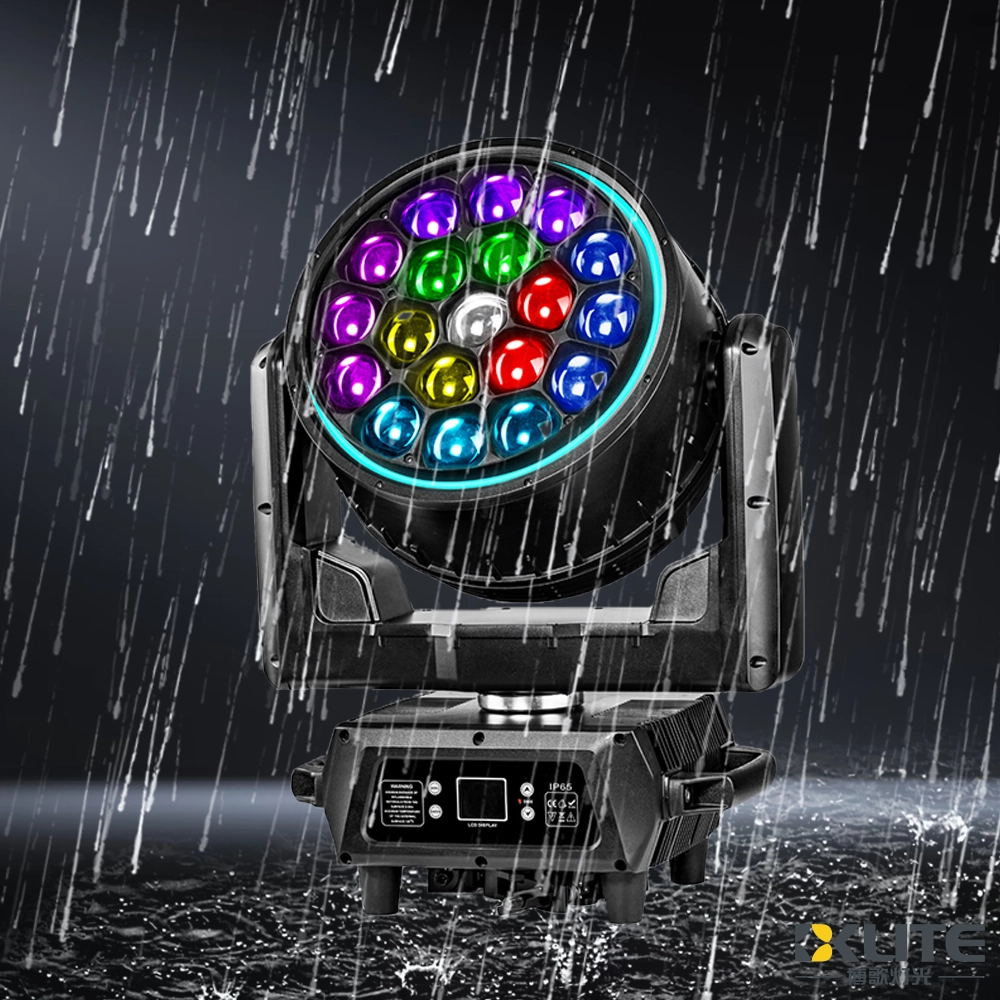
IP65 Waterproof Bee Eye Zoom 19x40W RGBW 4IN1 LED Beam Wash Moving Head Light with LED Ring
BKlite waterproof bee eye moving head light—your reliable choice from top waterproof moving head light manufacturers and suppliers. Ideal for outdoor stage, live event, music festival, this energy-saving fixture ensures powerful, precise illumination for any venue. It delivers powerful, reliable lighting performance in any weather.
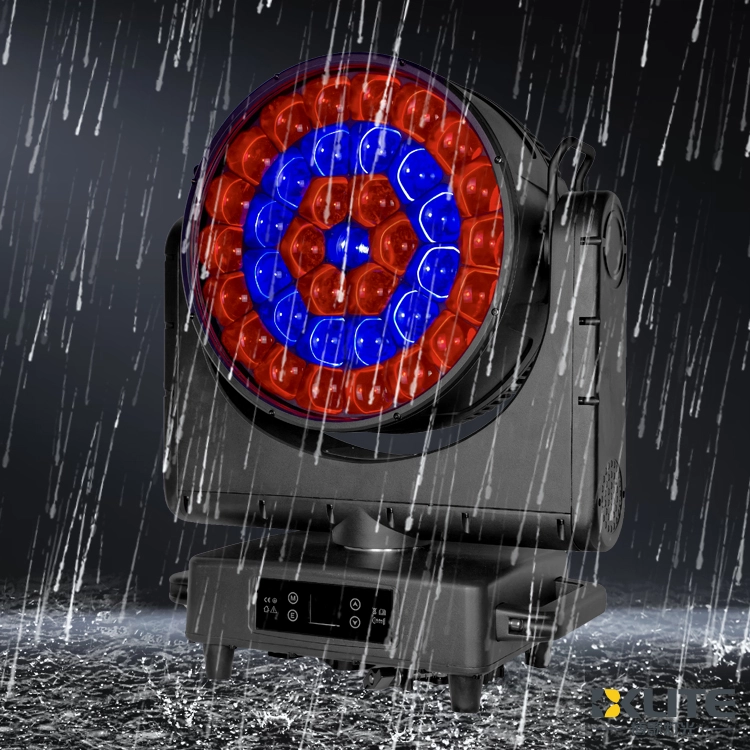
IP65 Waterproof ZOOM Bee Eye 37x40W RGBW 4in1 LED Moving Head Light
As a leading stage lighting equipment supplier with more than 15 years of industry know-how, BKlite brings you the IP65 ZOOM Bee Eye 37*40W RGBW 4in1 LED Moving Head Light (K25 Bee Eye) delivers vibrant, weatherproof lighting with powerful zoom and smooth movement. Ideal for dynamic stage effects, the K25 moving head light ensures stunning RGBW color mixing and reliable outdoor performance.
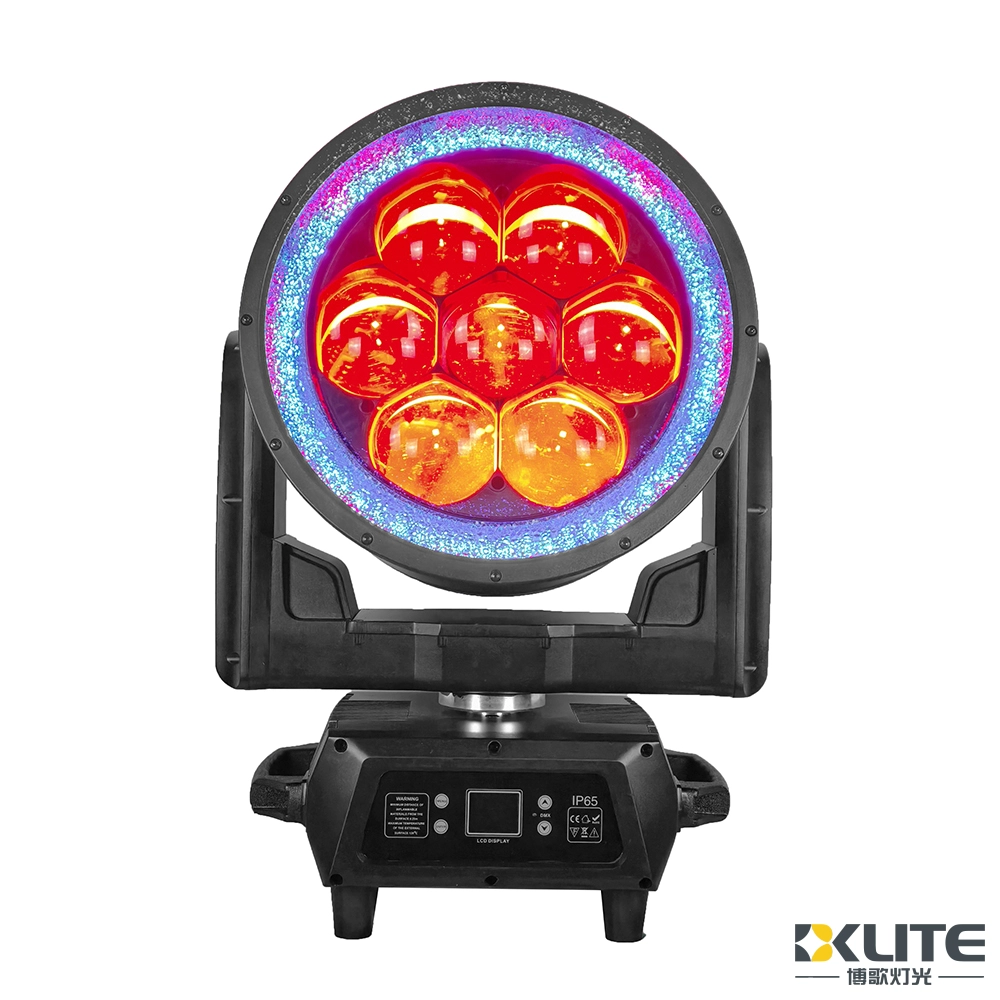
IP65 Waterproof Bee Eye 7x180W RGBL 4IN1 LED Moving Head Light With LED Ring
BKlite high power 7x180W waterproof bee eye moving head light—your reliable choice from top waterproof moving head light manufacturers and suppliers. Ideal for outdoor stage, live event, music festival, this energy-saving fixture ensures powerful, precise illumination for any venue. It delivers powerful, reliable lighting performance in any weather.
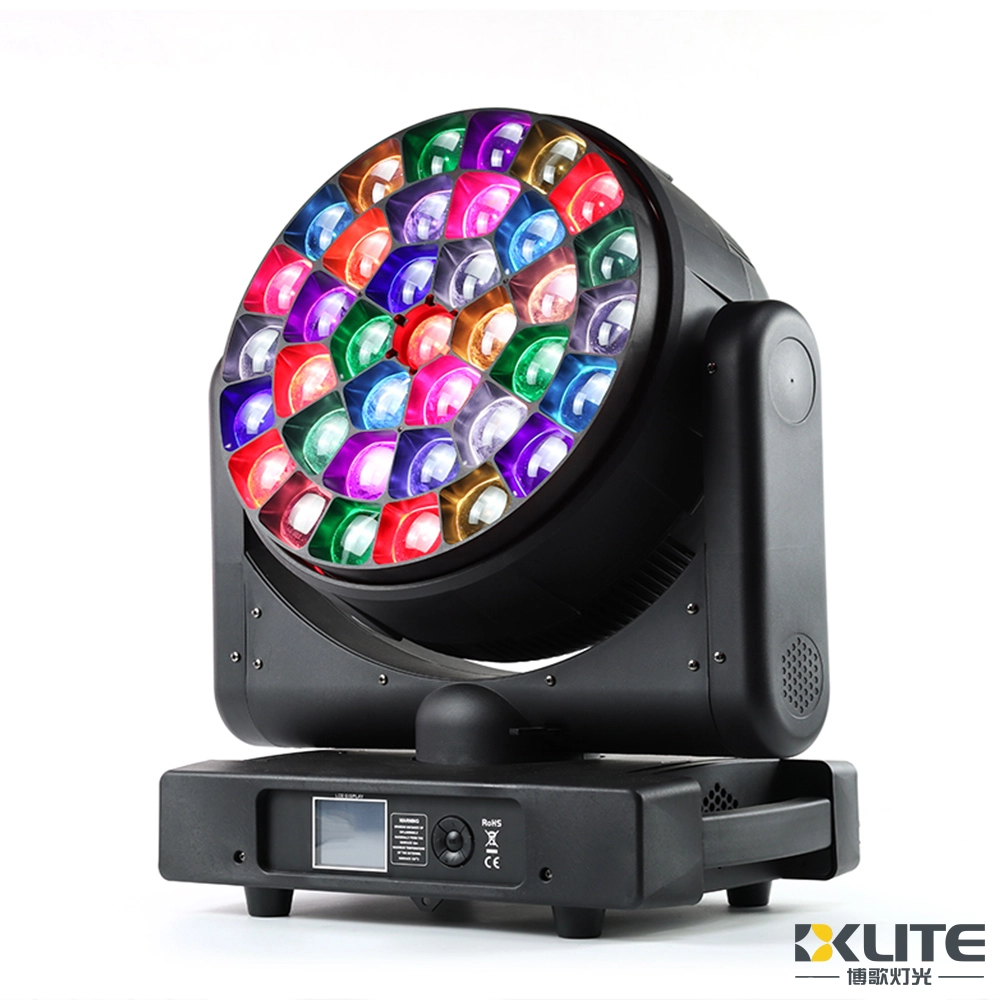
Bee Eye Zoom 37x40W RGBW 4in1 LED Beam Wash Moving Head Light


Copyright © 2025 BKLITE All Rights Reserved.