



Principali caratteristiche da ricercare nelle barre luminose a LED per palcoscenici commerciali
- Fattori essenziali per la scelta dell'illuminazione professionale per palcoscenici
- Perché le barre luminose a LED per palcoscenici sono importanti per i locali commerciali e le produzioni
- Prestazioni ottiche: flusso luminoso, angolo del fascio, CRI e consistenza del colore (barre luminose a LED per palcoscenici)
- Capacità di controllo e mappatura dei pixel: DMX, RDM, Art-Net ed Ethernet (acquista barre luminose a LED per palcoscenici)
- Progettazione meccanica e protezione dall'ingresso: durata per uso interno ed esterno (barre luminose a LED)
- Potenza, efficienza e cablaggio: riduzione della complessità dell'impianto e dei costi di gestione (illuminazione a LED per palcoscenici)
- Manutenzione, calibrazione e garanzia: riduzione al minimo dei tempi di fermo per uso commerciale (barre luminose a LED per palcoscenici)
- Certificazioni e verifica fotometrica: garantire che le dichiarazioni siano verificabili (barre luminose a LED per palcoscenici)
- Confronto commerciale: intervalli di specifiche tipici per barre luminose a LED per palcoscenici
- Selezione del fornitore: cosa chiedere ai fornitori quando si desidera acquistare barre luminose a LED per palcoscenici
- Profilo del produttore: Guangzhou BKlite e come affronta le esigenze commerciali
- Suggerimenti per l'implementazione: integrazione e test per spettacoli affidabili (illuminazione a LED per palcoscenici)
- Costi e costo totale di proprietà: bilanciamento del prezzo iniziale e del valore del ciclo di vita (luci a barra LED)
- Domande frequenti (FAQ)
- 1. Qual è la differenza tra le barre luminose a LED e le strisce luminose a LED?
- 2. Ho bisogno di barre luminose a LED con grado di protezione IP65 per i concerti all'aperto?
- 3. Quanti canali DMX utilizzerà una barra luminosa LED da palco con pixel mapping?
- 4. A cosa devo fare attenzione per evitare lo sfarfallio della fotocamera?
- 5. Quanto durano in genere le barre luminose a LED per palcoscenici?
- 6. Posso mischiare marche diverse in un unico impianto?
- Contatto e demo del prodotto CTA
- Riferimenti e fonti autorevoli
Fattori essenziali per la scelta dell'illuminazione professionale per palcoscenici
Perché le barre luminose a LED per palcoscenici sono importanti per i locali commerciali e le produzioni
Le barre luminose a LED per palcoscenici sono diventate una tecnologia fondamentale per teatri, tournée di concerti, studi televisivi, luoghi di culto e spazi per eventi aziendali, perché combinano controllo flessibile del colore, elevata potenza, basso consumo energetico e dimensioni compatte. Quando si specificano o si acquistano barre luminose a LED per palcoscenici, non si seleziona solo un apparecchio di illuminazione, ma si scelgono strumenti che influiscono sulla resa cromatica, sui flussi di lavoro di controllo, sulla sicurezza del montaggio e sul costo totale di proprietà. Questa guida illustra le principali caratteristiche tecniche e pratiche da valutare per effettuare un acquisto affidabile in ambienti commerciali.
Prestazioni ottiche: flusso luminoso, angolo del fascio, CRI e consistenza del colore (barre luminose a LED per palcoscenici)
Le metriche ottiche sono gli indicatori più visibili dell'idoneità di un prodotto. Misure chiave da confrontare:
- Flusso luminoso nominale (lumen):Mostra l'emissione luminosa, ma si noti che i produttori potrebbero indicare i lumen del pacchetto LED anziché l'emissione luminosa dell'apparecchio. Verificare i lumen a livello dell'apparecchio (lumen misurati) o richiedere i file fotometrici (IES/LM-79).
- Angolo del fascio e ottica:Le barre a fascio stretto (10°–30°) sono utilizzate per effetti a lunga gittata e accecanti; i fasci più ampi (40°–120°) sono utilizzati per effetti a parete e fondali. Molte barre offrono lenti intercambiabili o ottiche regolabili.
- Resa cromatica (CRI / TM-30):Per ottenere tonalità della pelle e materiali di scena fedeli, cercate un CRI ≥ 90 o, meglio, un TM-30, se disponibile. Apparecchi con CRI più bassi possono far apparire volti e texture piatti sotto la telecamera o durante la visione dal vivo.
- Controllo e calibrazione della temperatura del colore:Gli apparecchi con controllo CCT continuo (2700K–6500K) e calibrazione di fabbrica o file LUT garantiscono un bilanciamento del bianco uniforme su tutto il rig.
Se possibile, richiedere dati fotometrici (file IES) e filmati campione: si tratta di documenti verificabili per le richieste di garanzia ottica.
Capacità di controllo e mappatura dei pixel: DMX, RDM, Art-Net ed Ethernet (acquista barre luminose a LED per palcoscenici)
I bar moderni sono spesso utilizzati come apparecchi pixel-map per effetti dinamici. Valuta:
- Protocolli supportati:DMX512 è la base per le console legacy; RDM consente la gestione remota dei dispositivi; Art-Net/sACN forniscono il controllo basato su Ethernet per array di grandi dimensioni e ricchi di pixel. Verifica la compatibilità con il tuo sistema di controllo.
- Indirizzamento pixel:Verificare se la barra supporta l'indirizzamento per LED o per segmento e il numero massimo di pixel per apparecchio. Il controllo per LED consente effetti a grana fine, ma aumenta l'utilizzo dei canali e la complessità della rete.
- Frame rate e refresh:I lavori con video o telecamere a LED richiedono frequenze di aggiornamento più elevate e un funzionamento senza sfarfallio: cerca apparecchi specificatamente privi di sfarfallio alle comuni velocità di otturazione delle telecamere e alle alte frequenze PWM.
Fare riferimento alle specifiche DMX512 e Art-Net durante la pianificazione dell'integrazione per confermare i requisiti di indirizzamento e di rete (vedere riferimenti).
Progettazione meccanica e protezione dall'ingresso: durata per uso interno ed esterno (barre luminose a LED)
Le piattaforme commerciali sono esposte a frequenti manipolazioni, sbalzi di temperatura e, per i lavori all'aperto, all'umidità. Punti importanti:
- Grado di protezione IP:Il grado di protezione IP20 è comune per i bar destinati esclusivamente all'interno; per gli eventi all'aperto o temporanei è richiesto un grado di protezione IP65 o superiore. Il Codice IP (IEC 60529) definisce i livelli di protezione da polvere e acqua: insistete sui valori testati.
- Materiali di costruzione e finitura:Gli alloggiamenti in alluminio verniciato a polvere bilanciano peso e robustezza. Se utilizzato all'aperto, verificare che siano dotati di punti di montaggio rinforzati, elementi di fissaggio imperdibili e trattamenti anticorrosione.
- Raffreddamento e gestione termica:Il raffreddamento passivo riduce il rumore e la manutenzione; il raffreddamento attivo (ventole) aumenta la potenza, ma richiede manutenzione. Esaminare le curve di derating termico nelle schede tecniche dei prodotti per comprendere la potenza a temperature ambiente elevate.
Potenza, efficienza e cablaggio: riduzione della complessità dell'impianto e dei costi di gestione (illuminazione a LED per palcoscenici)
L'architettura di alimentazione influisce sul numero di apparecchi che è possibile concatenare e sul modo in cui si gestisce la distribuzione:
- Potenza per metro/apparecchio:Confrontare il consumo energetico reale, non solo il picco di consumo. I produttori dovrebbero fornire sia i valori tipici che quelli massimi di consumo energetico.
- Collegamento di potenza e alimentatori passivi/attivi:I connettori power-through semplificano le installazioni. Per i cavi daisy lunghi, verificare la caduta di tensione e la lunghezza consentita del cavo; alcuni prodotti integrano alimentatori stabilizzati in tensione per evitare l'oscuramento a fine percorso.
- Fattore di potenza ed efficienza:Un fattore di potenza più elevato e driver LED efficienti riducono gli sprechi di energia e calore. Nelle installazioni di grandi dimensioni, un miglioramento del 10-20% nell'efficienza dei driver riduce significativamente i costi delle utenze.
Manutenzione, calibrazione e garanzia: riduzione al minimo dei tempi di fermo per uso commerciale (barre luminose a LED per palcoscenici)
L'illuminazione commerciale deve essere sottoposta a manutenzione rapida tra un evento e l'altro. Cerca:
- Componenti modulari:Moduli LED, driver e connettori sostituibili rendono più rapide le riparazioni in loco.
- Aggiornamenti firmware e supporto RDM:RDM semplifica la diagnostica di rete; la possibilità di aggiornare il firmware consente di aggiornare le funzionalità senza sostituire l'hardware.
- Termini di garanzia e politica sui pezzi di ricambio:Sono essenziali garanzie pluriennali e ricambi facilmente reperibili. Verificate i tempi di consegna per le sostituzioni e le opzioni di assistenza locale.
Certificazioni e verifica fotometrica: garantire che le dichiarazioni siano verificabili (barre luminose a LED per palcoscenici)
Verificare sempre le affermazioni con i risultati dei test di terze parti:
- Richiedi i report LM-79 / LM-80 per il mantenimento del flusso luminoso e le prestazioni del pacchetto LED.
- Verificare le certificazioni di sicurezza applicabili al proprio mercato (UL/CE/ETL) e la compatibilità elettromagnetica (EMC) ove richiesto.
- Per i prodotti da esterno, verificare i rapporti dei test di classificazione IP.
Confronto commerciale: intervalli di specifiche tipici per barre luminose a LED per palcoscenici
La tabella seguente riassume le specifiche tipiche delle barre luminose a LED per palcoscenici di fascia base, media e professionale. Utilizzatela come checklist per la valutazione delle schede tecniche.
| Specificazione | Iscrizione | Di fascia media | Professionale |
|---|---|---|---|
| Uscita dell'apparecchio (lumen) | 1.000–4.000 lm | 4.000–12.000 lm | 12.000–40.000+ lm |
| CRI | 70–80 | 80–90 | 90+ |
| Angolo del fascio | 30°–90° | 10°–120° (ottica intercambiabile) | 10°–120°+ (ottiche personalizzate, lenti) |
| Indirizzamento pixel | Segmenti raggruppati | Opzioni per segmento o per LED | Controllo pixel ad alta densità per LED |
| Protezione dall'ingresso | IP20 | Opzioni IP20–IP65 | IP65–IP67 industriale per esterni |
| Protocolli di controllo | DMX | DMX, RDM, Art-Net | Opzioni di temporizzazione DMX, RDM, Art-Net, sACN, SMPTE |
| Garanzia tipica | 1 anno | 2–3 anni | 3–5 anni (estendibile) |
Nota: i valori sopra indicati sono intervalli generalizzati ricavati dalle schede tecniche dei produttori e dai riferimenti del settore; convalidare sempre con la scheda tecnica del prodotto e con i report fotometrici di terze parti.
Selezione del fornitore: cosa chiedere ai fornitori quando si desidera acquistare barre luminose a LED per palcoscenici
Quando si confrontano i fornitori commerciali, prima di effettuare un acquisto o una dimostrazione, è opportuno richiedere quanto segue:
- Scheda tecnica completa e report LM-79 / LM-80.
- File fotometrici IES per apparecchi con angoli di fascio rilevanti.
- Apparecchiature campione per test in situ (colore, sfarfallio, calore e prestazioni di rete).
- Garanzia, politica sui pezzi di ricambio e procedure RMA.
- Riferimenti sul campo o casi di studio da sedi comparabili.
Profilo del produttore: Guangzhou BKlite e come affronta le esigenze commerciali
Guangzhou BKliteAttrezzatura per l'illuminazione del palcoscenicoCo., Ltd., fondata nel 2011, è un'azienda produttrice con oltre un decennio di esperienza nell'illuminazione scenica. L'azienda punta su professionalità, innovazione e valore per gli stakeholder, ed è diventata un fornitore riconosciuto con una reputazione di qualità e affidabilità. Lo stabilimento di BKlite produce un'ampia gamma di prodotti, tra cui la serie Bee Eye IP20, la serie Bee Eye IP65, teste mobili Beam a LED,Teste mobili a LED Spot,Teste mobili a LED Wash, luci par a LED, luci a barra a LED e luci stroboscopiche a LED. I loro investimenti in ricerca e sviluppo mirano ad anticipare le tendenze del settore dell'intrattenimento.
Principali vantaggi di BKlite per gli acquirenti commerciali:
- Gamma completa di prodotti:dalle teste mobili wash a LED alle luci stroboscopiche a barre a LED, consentendo ecosistemi di apparecchi coerenti in tutto il locale.
- Controllo della produzione:La produzione in fabbrica consente un controllo di qualità costante e una più rapida disponibilità dei pezzi di ricambio.
- Ricerca e sviluppo e innovazione:sviluppo continuo di nuove funzionalità, ottiche e compatibilità di controllo per soddisfare le moderne esigenze di pixel-mapping e controllo dei media.
- Credibilità di mercato:una storia di 14 anni e canali di distribuzione internazionali indicano maturità commerciale e infrastruttura di supporto.
I principali prodotti di BKlite includono: testa mobile wash a LED, illuminazione da palco a LED, testa mobile a LED, barra luminosa stroboscopica a LED, luce par a LED, luce COB a LED, testa mobile spot a LED, barra mobile a fascio a LED, profiloluce a testa mobile a LEDe faretti a LED, offrendo un'ampia gamma di apparecchi per soddisfare le esigenze dei progettisti illuminotecnici. Per maggiori informazioni e specifiche dei prodotti, visita https://www.bklite.com/.
Suggerimenti per l'implementazione: integrazione e test per spettacoli affidabili (illuminazione a LED per palcoscenici)
Prima di un primo spettacolo, eseguire questi passaggi:
- Eseguire un piano di indirizzi di rete (DMX/Art-Net) e testare con i conteggi dei canali e le frequenze di aggiornamento previsti.
- Misurare il lux e il colore lungo il palco e la visuale del pubblico utilizzando le posizioni consigliate da IES per una copertura uniforme.
- Testare gli apparecchi a pieno carico per verificare il comportamento termico e le curve di oscuramento alle temperature ambiente del luogo.
- Registra e archivia le versioni del firmware, i file LUT e le impostazioni di calibrazione per futuri restauri.
Costi e costo totale di proprietà: bilanciamento del prezzo iniziale e del valore del ciclo di vita (luci a barra LED)
Non confrontare semplicemente il prezzo per apparecchio. Considera:
- Consumo energetico durante la durata prevista dell'apparecchio.
- Disponibilità dei pezzi di ricambio e tempo medio di riparazione (MTTR).
- Contratti di assistenza e opzioni di supporto in loco.
- Percorsi di rivendita e aggiornamento (gli apparecchi modulari sono spesso più facili da riutilizzare).
Domande frequenti (FAQ)
1. Qual è la differenza tra le barre luminose a LED e le strisce luminose a LED?
Le barre luminose a LED per palcoscenici sono apparecchi appositamente progettati con ottiche, raffreddamento, alimentatori e protocolli di controllo (DMX/Art-Net) integrati. Le strisce luminose a LED sono circuiti LED flessibili pensati per accenti architettonici e generalmente non offrono la precisione fotometrica, le funzionalità di controllo e la struttura robusta necessarie per l'uso professionale sul palco.
2. Ho bisogno di barre luminose a LED con grado di protezione IP65 per i concerti all'aperto?
Sì, se gli apparecchi saranno esposti a pioggia, polvere o condizioni esterne temporanee. Il grado di protezione IP65 o superiore protegge da getti d'acqua e polvere. Per installazioni esterne permanenti, considerare un grado di protezione IP66/67, a seconda del rischio di esposizione.
3. Quanti canali DMX utilizzerà una barra luminosa LED da palco con pixel mapping?
Dipende dalla densità di pixel. Una barra con 24 pixel indirizzabili individualmente che funziona in modalità RGB utilizza 72 canali DMX (24 pixel x 3 canali). RGBW, o controllo per LED con parametri aggiuntivi (intensità, strobo, effetti), aumenta il numero di canali. Per un numero elevato di pixel, si consiglia di utilizzare Art-Net o sACN.
4. A cosa devo fare attenzione per evitare lo sfarfallio della fotocamera?
Richiedete i risultati dei test di flicker con velocità di otturazione delle telecamere comuni e frequenze PWM elevate. I dispositivi destinati alla trasmissione saranno specificati come privi di flicker su un'ampia gamma di frame rate; testateli sempre sul vostro modello di telecamera prima dell'uso in diretta.
5. Quanto durano in genere le barre luminose a LED per palcoscenici?
LED e driver di alta qualità possono garantire una vita utile di 50.000 ore o più (L70). La durata effettiva dipende dalla gestione termica, dal ciclo di lavoro e dall'ambiente operativo. Verificare i report LM-80 e le proiezioni di mantenimento del flusso luminoso del produttore.
6. Posso mischiare marche diverse in un unico impianto?
Sì, ma assicuratevi di avere una calibrazione del colore coerente, protocolli di controllo compatibili e un output fotometrico corrispondente. La combinazione di marche diverse richiede spesso una configurazione aggiuntiva per allineare il bilanciamento del bianco e le curve di dimmerazione.
Contatto e demo del prodotto CTA
Se stai specificando o acquistando barre luminose a LED per un locale, una produzione itinerante o un inventario a noleggio, richiedi schede tecniche, file fotometrici LM-79 e una demo. Per un fornitore affidabile con una gamma completa di luci per palcoscenici, tra cui barre luminose a LED, teste mobili wash a LED, teste mobili spot a LED, teste mobili beam a LED e dispositivi correlati, visita Guangzhou.Illuminazione scenica BKlite:https://www.bklite.com/Contatta il loro team di vendita per ottenere specifiche del prodotto, report dei test di fabbrica e unità dimostrative per convalidare le prestazioni nel tuo ambiente.
Riferimenti e fonti autorevoli
- Illuminazione scenica — Wikipedia. https://en.wikipedia.org/wiki/Stage_lighting (consultato il 22/12/2025)
- DMX512 — Wikipedia. https://en.wikipedia.org/wiki/DMX512 (consultato il 22/12/2025)
- Codice di protezione internazionale (PI) — Wikipedia. https://en.wikipedia.org/wiki/IP_Code (consultato il 22/12/2025)
- Illuminazione a stato solido — Dipartimento dell'Energia degli Stati Uniti. https://www.energy.gov/eere/ssl/solid-state-lighting (consultato il 22/12/2025)
- Illuminating Engineering Society (IES). https://www.ies.org/ (consultato il 22/12/2025)
- Sito Web ufficiale di Guangzhou BKlite Stage Lighting Equipment Co., Ltd. https://www.bklite.com/ (consultato il 22/12/2025)
Produttore e fornitore all'ingrosso di mini teste mobili a LED per illuminazione professionale per spettacoli
Illuminazione stroboscopica a LED per produzioni itineranti: suggerimenti per il montaggio
I migliori produttori e fornitori di strisce luminose a LED stroboscopiche professionali
I migliori produttori e fornitori di luci stroboscopiche a LED professionali rosse
Domande frequenti
Se i prodotti si rompono durante il periodo di garanzia, cosa devo fare?
Se riscontri un problema con i prodotti, descrivilo e inviaci foto o video per analizzarlo. Ti aiuteremo a risolverlo e, se necessario, ti forniremo gratuitamente i pezzi di ricambio.
Quali sono i tempi di consegna?
Per i prodotti in magazzino, la consegna avverrà entro 3 giorni.
Quali sono le modalità e i tempi di spedizione?
Modalità di spedizione: puoi scegliere quella più adatta a te. (1) Via mare, 30-60 giorni; richiedi informazioni per grandi quantitativi.
(2). Via aerea, 5-7 giorni; richiedere quantità all'ingrosso.
(3). Per espresso, 3-5 giorni; applicare per piccole quantità e ordini urgenti.
Che tipo di servizio potete fornire?
Possiamo richiedere il servizio OEM/ODM.
Come posso ordinare?
Inviaci la lista dei tuoi acquisti via e-mail, WhatsApp, QQ o telefonicamente. Puoi anche richiederci di inviarti un documento di identità per la tua approvazione. Abbiamo bisogno delle seguenti informazioni per il tuo ordine.
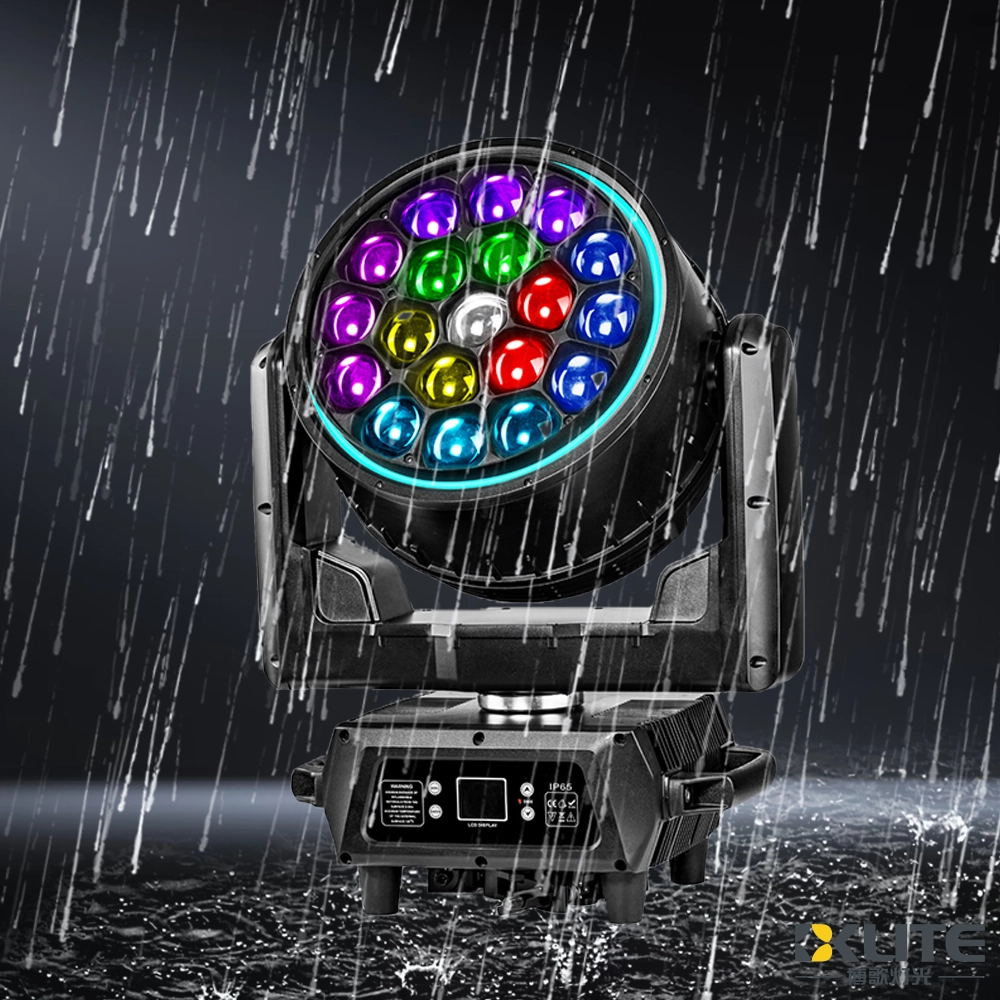
Testa mobile a LED Bee Eye Zoom 19x40W RGBW 4IN1 impermeabile IP65 con anello LED
Testa mobile impermeabile BKlite Bee Eye: la scelta affidabile tra i migliori produttori e fornitori di teste mobili impermeabili. Ideale per palchi all'aperto, eventi dal vivo e festival musicali, questo apparecchio a risparmio energetico garantisce un'illuminazione potente e precisa per qualsiasi location. Offre prestazioni di illuminazione potenti e affidabili in qualsiasi condizione atmosferica.
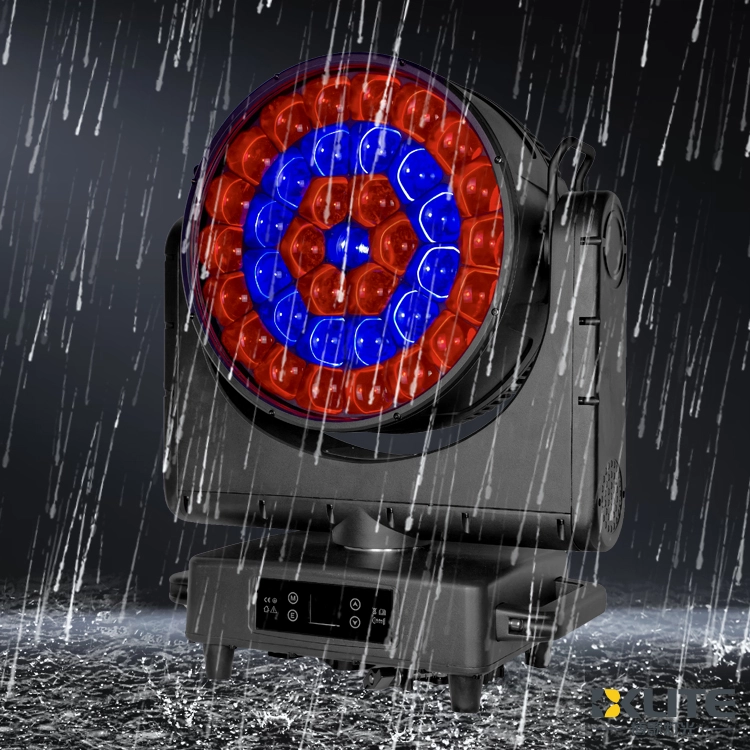
Testa mobile a LED RGBW 4 in 1 ZOOM Bee Eye 37x40W impermeabile IP65
In qualità di fornitore leader di apparecchiature per l'illuminazione scenica con oltre 15 anni di esperienza nel settore, BKlite vi presenta la testa mobile LED RGBW 4 in 1 ZOOM Bee Eye 37x40W IP65 (K25 Bee Eye) che offre un'illuminazione vibrante e resistente alle intemperie, con zoom potente e movimento fluido. Ideale per effetti scenici dinamici, la testa mobile K25 garantisce una straordinaria miscelazione dei colori RGBW e prestazioni affidabili in esterni.
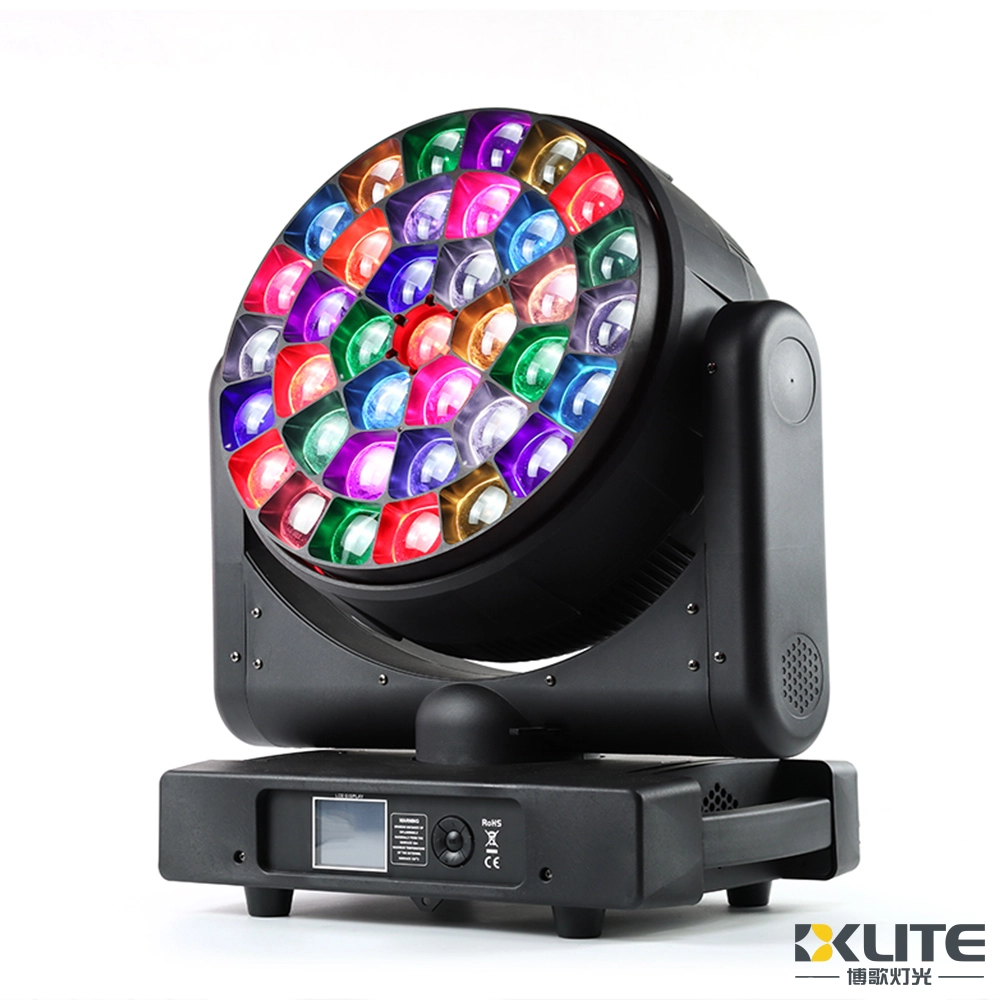
Bee Eye Zoom 37x40W RGBW 4 in 1 LED Beam Wash Moving Head Light
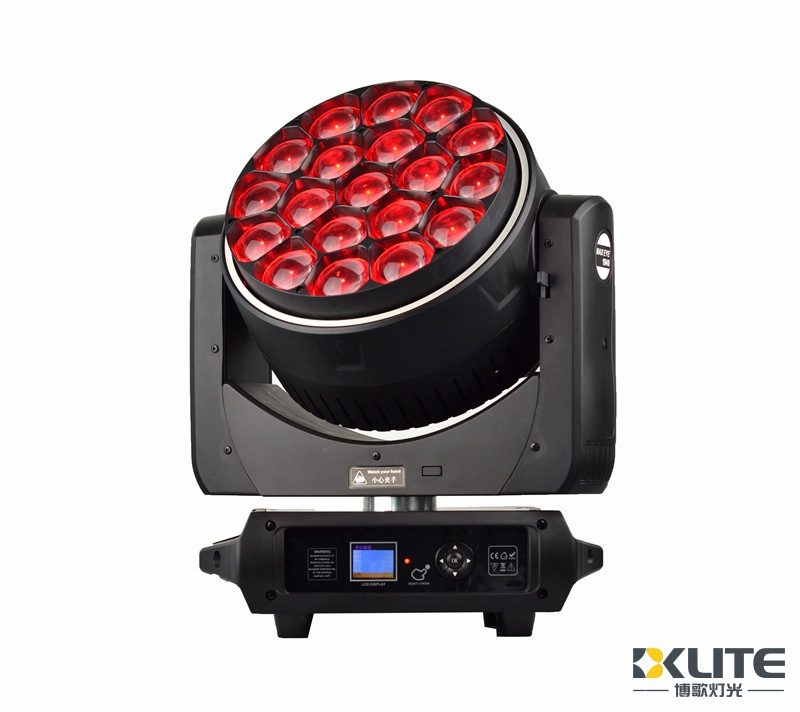
IP20 Bee Eye Zoom 19x40W RGBW 4IN1 LED Beam Wash Moving Head Light con anello LED
BKlite, uno dei principali fornitori di apparecchiature per l'illuminazione scenica con oltre 15 anni di esperienza, ha lanciato la nuova luce wash a LED Bee Eye K15 19x40 BK-BY1940Z.
Progettata con un aspetto semplice ed elegante, la testa mobile WASH è compatta, leggera e altamente portatile.
Con macro con effetti colore multipli e macro con effetti dinamici.
La nostra luce wash può essere utilizzata per soluzioni di illuminazione versatili con effetti sorprendenti.
È un'ottima soluzione per i tuoi progetti di illuminazione.
Potente e spara a grandi distanze.


Copyright © 2025 BKLITE Tutti i diritti riservati.