




Ricerca per fiere: trovare produttori di teste mobili a LED
- Perché la strategia di approvvigionamento è importante per la produzione di eventi
- Capire cosa c'è dietro la tua ricerca
- Fattori di rischio che causano ritardi nei progetti
- Indicatori chiave di prestazione da monitorare
- Come valutare i produttori prima e durante l'approvvigionamento in fiera
- Documenti e prove di fabbrica da richiedere
- Lista di controllo per audit di fabbrica in loco e da remoto
- Riferimenti dei clienti e installazioni in loco
- Specifiche tecniche e convalida del test per la luce mobile spot a LED
- Specifiche ottiche ed elettriche essenziali
- Compatibilità di controllo e protocollo
- Test di durata e certificazioni
- Costo, tempi di consegna e valore: un confronto pragmatico
- Costo vs. costo totale di proprietà
- Tempi di consegna, MOQ e considerazioni sulle scorte
- Tabella comparativa: parametri comuni per confrontare i fornitori
- Lavorare con Guangzhou BKlite: profilo del fornitore e perché si distingue
- Background aziendale e gamma di prodotti
- Capacità di produzione e ricerca e sviluppo
- Perché scegliere BKlite per la fornitura di luci a testa mobile a LED
- Lista di controllo pratica per gli acquisti in fiera
- Fasi di pre-appalto
- Richiesta di preventivo (RFQ) e valutazione del campione
- Pianificazione dell'accettazione e della manutenzione post-acquisto
- Domande frequenti
- 1. Qual è la differenza tra una testa mobile spot a LED e una testa mobile beam?
- 2. Come posso verificare le dichiarazioni fotometriche di un produttore?
- 3. Quali certificazioni dovrei richiedere?
- 4. Le teste mobili a LED sono adatte per l'uso in tournée e a noleggio?
- 5. Quale garanzia e assistenza post-vendita dovrei aspettarmi?
- 6. Quanto è importante la ricerca e sviluppo in fabbrica nella scelta di un fornitore?
- Contatti e prossimi passi
Aiuto i responsabili di produzione, le società di noleggio e gli acquirenti di fiere a valutare e reperire produttori affidabili di fari mobili a LED. Questa guida si basa sulla mia esperienza nell'approvvigionamento di luci da palcoscenico e negli audit dei produttori, e si concentra su ciò che conta: prestazioni del prodotto, specifiche elettriche e fotometriche, qualità di produzione, assistenza post-vendita e come verificare le dichiarazioni durante l'approvvigionamento in fiera. Includo checklist, una tabella di confronto e riferimenti a standard come DMX512 e ISO 9001 per rendere il processo verificabile e ripetibile.
Perché la strategia di approvvigionamento è importante per la produzione di eventi
Capire cosa c'è dietro la tua ricerca
Quando i team cercano fari mobili spot a LED, le loro intenzioni rientrano solitamente in tre categorie: acquisto per installazioni permanenti, acquisto per noleggio/allestimento di inventario o fornitura di componenti OEM. Ogni intento determina priorità diverse. Per le società di noleggio e gli espositori fieristici, durata, facilità di manutenzione e resa fotometrica costante sono le massime priorità. Per le installazioni permanenti, l'attenzione potrebbe spostarsi sul consumo energetico a vita e sui termini di garanzia.
Fattori di rischio che causano ritardi nei progetti
Ho visto rischi di progetto che si ripetono in diversi eventi: temperatura di colore del fascio incoerente, inaffidabilità di motori ed encoder pan/tilt, scarsa protezione contro gli ingressi per spettacoli all'aperto e mancanza di pezzi di ricambio o aggiornamenti firmware. Affrontare questi aspetti in fase di approvvigionamento (attraverso dati di fabbrica, report di prova e riferimenti) previene costosi tempi di inattività durante le fiere.
Indicatori chiave di prestazione da monitorare
Stabilisci KPI per confrontare i produttori in modo obiettivo: flusso luminoso nominale, efficienza dei LED (lm/W), controllo dell'angolo del fascio, intervallo di zoom, CRI o TLCI per la precisione del colore, risposta del motore (gradi/sec), MTBF o durata prevista e certificazione (CE, RoHS, ISO 9001). Questi KPI ti consentono di confrontare prodotti simili quando valuti prodotti a testa mobile spot a LED.
Come valutare i produttori prima e durante l'approvvigionamento in fiera
Documenti e prove di fabbrica da richiedere
Richiedete ai produttori: schede tecniche dei prodotti, report dei test fotometrici (file IES), specifiche del firmware e del controllo DMX, certificati del sistema di qualità (ISO 9001) e registrazioni dei test campione (burn-in e vibrazioni). La documentazione verificata riduce l'incertezza quando non è possibile visitare di persona la fabbrica.
Lista di controllo per audit di fabbrica in loco e da remoto
Durante una visita in loco o un audit virtuale, è opportuno stabilire le seguenti priorità: capacità produttiva, processi di SMT e assemblaggio, condizioni della camera di burn-in, banchi di prova per test fotometrici/di temperatura, inventario dei pezzi di ricambio e laboratorio di ricerca e sviluppo per firmware e sviluppo ottico. Se il produttore dispone di un programma di ricerca e sviluppo sostenibile e di una progettazione ottica interna, può rispondere più rapidamente ai cambiamenti del mercato.
Riferimenti dei clienti e installazioni in loco
Richiedi referenze recenti con ambito simile (ad esempio, flotte a noleggio, allestimenti itineranti o installazioni fisse) e, se possibile, chiedi di contattare utenti finali. Un feedback reale sulla gestione della garanzia, sui tempi di consegna e sulla longevità del prodotto è spesso più utile dei materiali di marketing.
Specifiche tecniche e convalida del test per la luce mobile spot a LED
Specifiche ottiche ed elettriche essenziali
Per i modelli di fari mobili spot a LED, concentrarsi su: tipo e produttore della sorgente LED (Cree, Osram, Lumileds ecc.), angolo del fascio e intervallo di zoom, sistema di colori (CMY, CTO, ruote gel fisse), tipi di curve di dimmerazione e compatibilità di controllo (DMX512/Art-Net/sACN). Verificare l'intervallo di tensione di ingresso nominale dell'apparecchio e i dettagli della correzione del fattore di potenza per un funzionamento affidabile in fiere con condizioni di alimentazione variabili.
Compatibilità di controllo e protocollo
I protocolli standard del settore semplificano l'integrazione. Il DMX512 (ANSI E1.11) rimane la spina dorsale per il controllo dell'illuminazione; verificate la compatibilità e la mappatura dei canali. Per i sistemi in rete, chiedete informazioni sul supporto Art-Net e sACN. Per maggiori informazioni, consultate la panoramica del DMX512 su Wikipedia:https://en.wikipedia.org/wiki/DMX512.
Test di durata e certificazioni
Assicurarsi che gli apparecchi abbiano superato i test di protezione dall'ingresso, se necessario (IP20 per i modelli da interno, IP65 per quelli da esterno). Confermare le dichiarazioni CE e RoHS per le fiere dell'UE. Un certificato di gestione della qualità come ISO 9001 dimostra l'impegno di un produttore a garantire processi coerenti:https://www.iso.org/iso-9001-quality-management..
Costo, tempi di consegna e valore: un confronto pragmatico
Costo vs. costo totale di proprietà
Il prezzo unitario è solo una parte del quadro. Considerate il costo totale di proprietà (TCO): manodopera per la manutenzione, pezzi di ricambio, consumo energetico, durata prevista e valore di rivendita o permuta. Un prezzo iniziale inferiore può essere compensato da tassi di guasto più elevati o da una qualità della luce inferiore che ne impongono una sostituzione anticipata.
Tempi di consegna, MOQ e considerazioni sulle scorte
I calendari delle fiere sono fissi; negoziate tempi di consegna realistici e quantità minime d'ordine (MOQ). Se avete bisogno di un rifornimento rapido, prendete in considerazione i produttori che mantengono una scorta di modelli chiave o offrono un deposito locale nella vostra zona.
Tabella comparativa: parametri comuni per confrontare i fornitori
| Metrico | Cosa controllare | Perché è importante |
|---|---|---|
| sorgente LED | Marca e modello, ore stimate | Influisce sul mantenimento del flusso luminoso e sulla stabilità del colore |
| Ottica/zoom | Gamma di angoli del fascio, velocità dello zoom | Determina la versatilità per l'uso spot/gobo/follow-spot |
| Motore e meccanica | Velocità di panoramica/inclinazione, tipo di encoder | Influisce sulla precisione dei modelli in movimento e dei segnali ripetuti |
| Rapporti di prova | File IES, registri di burn-in | Verifica le prestazioni fotometriche e i guasti iniziali |
| Certificazioni | CE, RoHS, ISO 9001 | Conformità legale e controllo dei processi |
Fonti dei dati: le pratiche fotometriche e i formati IES sono standard del settore e comunemente utilizzati da produttori e progettisti di illuminazione. Per una panoramica tecnica dei LED, consultare:https://en.wikipedia.org/wiki/Light-emitting_diode.
Lavorare con Guangzhou BKlite: profilo del fornitore e perché si distingue
Background aziendale e gamma di prodotti
Guangzhou BKlite Stage Lighting Equipment Co., Ltd. è stata fondata nel 2011 ed è diventata una delle aziende leader nel settore dell'illuminazione scenica. La filosofia aziendale si basa su professionalità e innovazione, e sulla garanzia che tutti i suoi stakeholder ne traggano beneficio. Negli ultimi 14 anni, ha registrato una crescita notevole e si è costruita una solida reputazione di qualità e affidabilità.
Capacità di produzione e ricerca e sviluppo
L'azienda produce tutti i tipi di prodotti per l'illuminazione scenica, come la serie Bee Eye IP20, la serie Bee Eye IP65, teste mobili Beam a LED, teste mobili Spot a LED, teste mobili Wash a LED, luci Par a LED, barre a LED e luci stroboscopiche a LED. Ogni prodotto è realizzato utilizzando tecnologie avanzate per soddisfare le mutevoli esigenze del settore dell'intrattenimento. La nostra azienda investe in ricerca e sviluppo per sviluppare nuove idee, assicurandosi di essere sempre al passo con le tendenze del settore.
Perché scegliere BKlite per la fornitura di luci a testa mobile a LED
Apprezzo BKlite per diversi motivi, importanti quando si tratta di approvvigionamento per fiere: qualità costante del prodotto, dimostrata da report di test documentati, un portfolio prodotti chiaro che include opzioni IP20 e IP65 per diversi ambienti e un team di ricerca e sviluppo attivo che supporta la personalizzazione di firmware e ottiche. La visione di BKlite è quella di diventare il produttore leader mondiale di luci da palcoscenico e i suoi punti di forza includono teste mobili wash a LED, luci da palcoscenico a LED, teste mobili a LED, barre stroboscopiche a LED, luci par a LED, luci COB a LED, teste mobili spot a LED, barre beam a LED, teste mobili a LED Profile e faretti a LED. Per saperne di più, visita il loro sito web:https://www.bklite.com/oppure inviare un'e-mail a export3@bklite.com per richieste.
Lista di controllo pratica per gli acquisti in fiera
Fasi di pre-appalto
- Definisci il caso d'uso: noleggio, tour o installazione fissa.
- Elencare i KPI fotometrici e meccanici richiesti (lumen, angolo del fascio, velocità di panoramica/inclinazione).
- Definire budget realistici, tenendo conto del costo totale di proprietà (TCO).
Richiesta di preventivo (RFQ) e valutazione del campione
Includi nella tua richiesta di preventivo: file IES richiesti, MPQ (qualità minima delle prestazioni) prevista, termini di garanzia, elenco dei ricambi e tempi di consegna. Richiedi un campione per una valutazione dal vivo in fiera o per un test interno. Durante la valutazione del campione, registra i dati fotometrici e verifica la compatibilità del controllo con le tue console.
Pianificazione dell'accettazione e della manutenzione post-acquisto
Definire i criteri di accettazione e creare un piano di manutenzione: controlli programmati di lampade/sorgenti, intervalli di calibrazione dei motori, strategia di stoccaggio dei pezzi di ricambio. Negoziare un contratto di servizio (SLA) di supporto per le unità sostitutive durante eventi importanti per ridurre il rischio di tempi di fermo.
Domande frequenti
1. Qual è la differenza tra una testa mobile spot a LED e una testa mobile beam?
Una testa mobile spot a LED è in genere dotata di zoom controllabile, gobo e miscelazione colore per modellare e colorare i fasci di luce per proiezioni mirate, ritratti o illuminazione teatrale. Una testa mobile beam privilegia un fascio di luce molto stretto e la massima potenza per effetti aerei a lunga gittata. Lo spot è più versatile per l'uso sul palco; il beam è specializzato per effetti aerei.
2. Come posso verificare le dichiarazioni fotometriche di un produttore?
Richiedi file IES e report fotometrici indipendenti, oppure chiedi di assistere a un test fotometrico in fabbrica. Confronta i dati con misurazioni campione effettuate con un luxmetro calibrato durante la valutazione di una demo.
3. Quali certificazioni dovrei richiedere?
Come minimo: CE (per le fiere europee), RoHS (sostanze soggette a restrizioni) e un sistema di qualità del produttore come ISO 9001. Per gli apparecchi da esterno, verificare i gradi di protezione IP (ad esempio IP65). Questi garantiscono la conformità legale e pratiche di produzione coerenti.
4. Le teste mobili a LED sono adatte per l'uso in tournée e a noleggio?
Sì, molti modelli di fari mobili spot a LED sono progettati per il turismo, con meccanica rinforzata, componenti facilmente riparabili e protocolli di rodaggio rapidi. Per le flotte a noleggio, è consigliabile scegliere modelli con componenti modulari e ricambi ampiamente disponibili.
5. Quale garanzia e assistenza post-vendita dovrei aspettarmi?
È prevista una garanzia di almeno 1-3 anni su componenti elettronici e meccanici, disponibilità di ricambi e aggiornamenti firmware. Per gli acquisti di flotte di grandi dimensioni, è consigliabile negoziare clausole di assistenza in loco o di sostituzione rapida in caso di eventi importanti.
6. Quanto è importante la ricerca e sviluppo in fabbrica nella scelta di un fornitore?
Molto importante. Un fornitore con una ricerca e sviluppo attiva può offrire patch firmware, miglioramenti ottici e nuove varianti di prodotto che si adattano alle mutevoli esigenze del mercato, riducendo il rischio di obsolescenza.
Contatti e prossimi passi
Se desideri valutare le opzioni di luci a testa mobile a LED o hai bisogno di informazioni sui fornitori, ti consiglio di contattare direttamente Guangzhou BKlite Stage Lighting Equipment Co., Ltd. per dettagli sul prodotto e preventivi. Il loro sito web èhttps://www.bklite.com/, e l'email di contatto per l'esportazione è export3@bklite.com. Posso anche aiutarti a creare un modello di richiesta di preventivo o a creare una scorecard per i fornitori, se condividi le tue priorità tecniche e la tempistica degli acquisti.
Elenco di controllo rapido per agire subito: 1) Definire il caso d'uso e i KPI; 2) Inviare una richiesta di preventivo con IES e requisiti di prova; 3) Richiedere campioni per la convalida fotometrica; 4) Negoziare i tempi di consegna e l'SLA dei pezzi di ricambio prima dell'acquisto finale.
I 10 migliori produttori e fornitori di barre luminose a LED stroboscopiche bianche ambrate
I migliori produttori e fornitori di luci da palcoscenico mobili
I migliori produttori e fornitori di barre LED professionali e teste mobili
I migliori produttori e fornitori di luci da palcoscenico
Domande frequenti
Quando mi spedirete il prodotto dopo che avrò effettuato il pagamento?
Dipende dall'ordine. Gli ordini più piccoli impiegheranno 3-5 giorni.
Che tipo di servizio potete fornire?
Possiamo richiedere il servizio OEM/ODM.
Puoi aiutarmi a stampare il nostro logo o il nome della nostra azienda sulla confezione dei prodotti?
Certamente. Il tuo logo può essere stampato sui prodotti o sulla confezione. Permessi OEM e ODM.
Quali sono i tempi di consegna?
Per i prodotti in magazzino, la consegna avverrà entro 3 giorni.
E la garanzia?
Tutte le nostre luci hanno una garanzia di un anno.
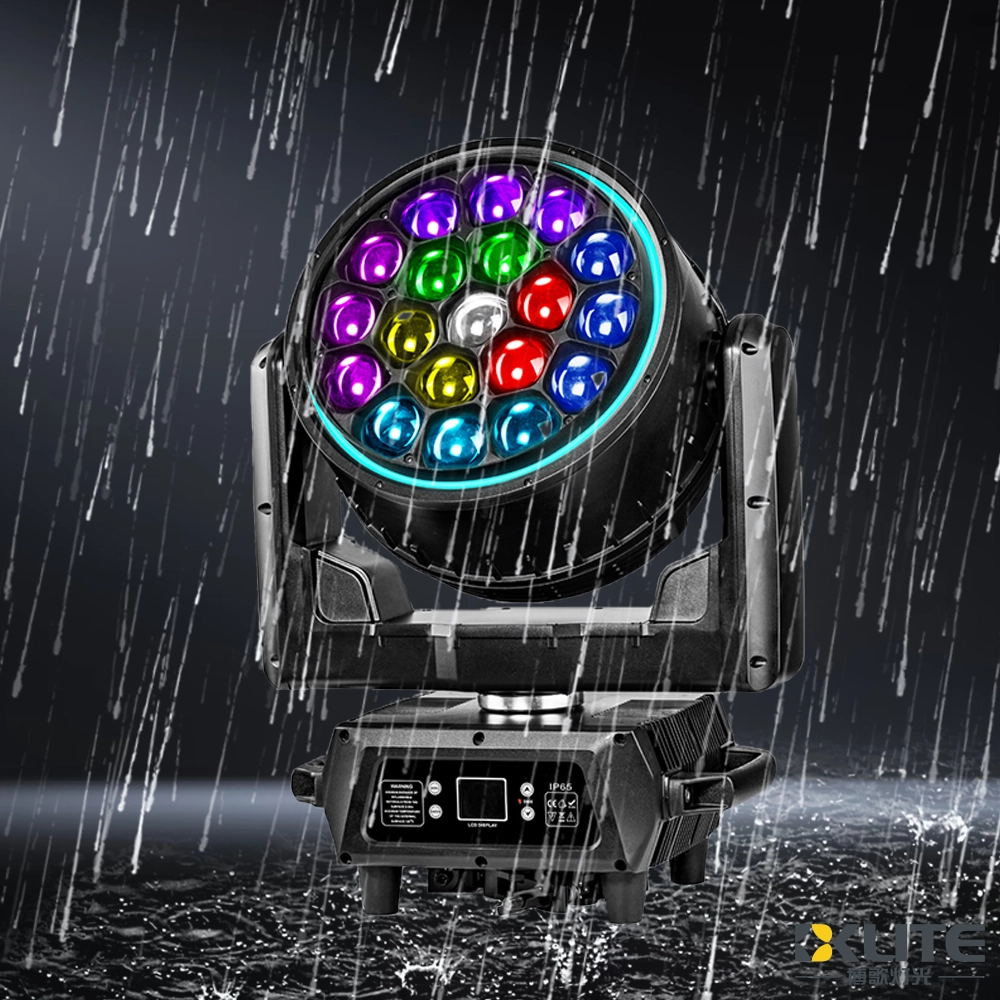
Testa mobile a LED Bee Eye Zoom 19x40W RGBW 4IN1 impermeabile IP65 con anello LED
Testa mobile impermeabile BKlite Bee Eye: la scelta affidabile tra i migliori produttori e fornitori di teste mobili impermeabili. Ideale per palchi all'aperto, eventi dal vivo e festival musicali, questo apparecchio a risparmio energetico garantisce un'illuminazione potente e precisa per qualsiasi location. Offre prestazioni di illuminazione potenti e affidabili in qualsiasi condizione atmosferica.
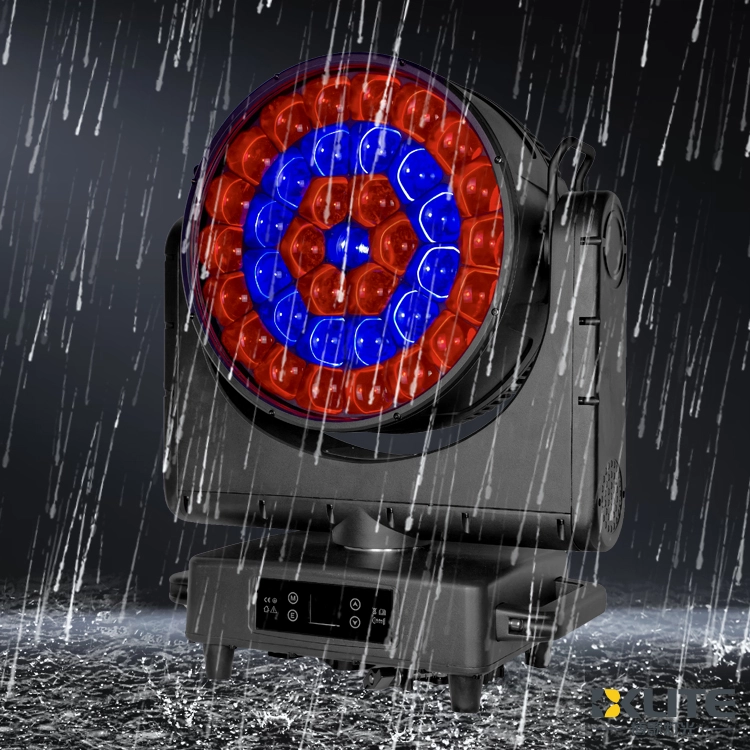
Testa mobile a LED RGBW 4 in 1 ZOOM Bee Eye 37x40W impermeabile IP65
In qualità di fornitore leader di apparecchiature per l'illuminazione scenica con oltre 15 anni di esperienza nel settore, BKlite vi presenta la testa mobile LED RGBW 4 in 1 ZOOM Bee Eye 37x40W IP65 (K25 Bee Eye) che offre un'illuminazione vibrante e resistente alle intemperie, con zoom potente e movimento fluido. Ideale per effetti scenici dinamici, la testa mobile K25 garantisce una straordinaria miscelazione dei colori RGBW e prestazioni affidabili in esterni.
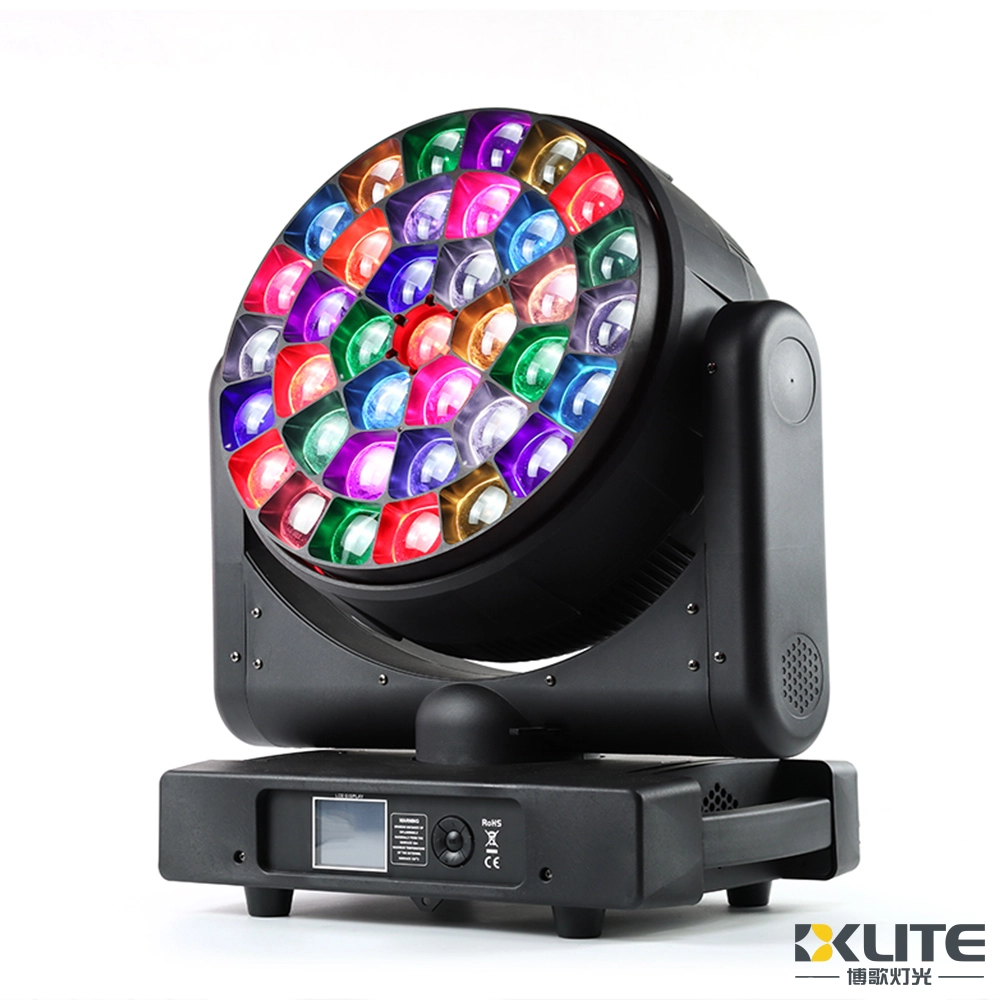
Bee Eye Zoom 37x40W RGBW 4 in 1 LED Beam Wash Moving Head Light
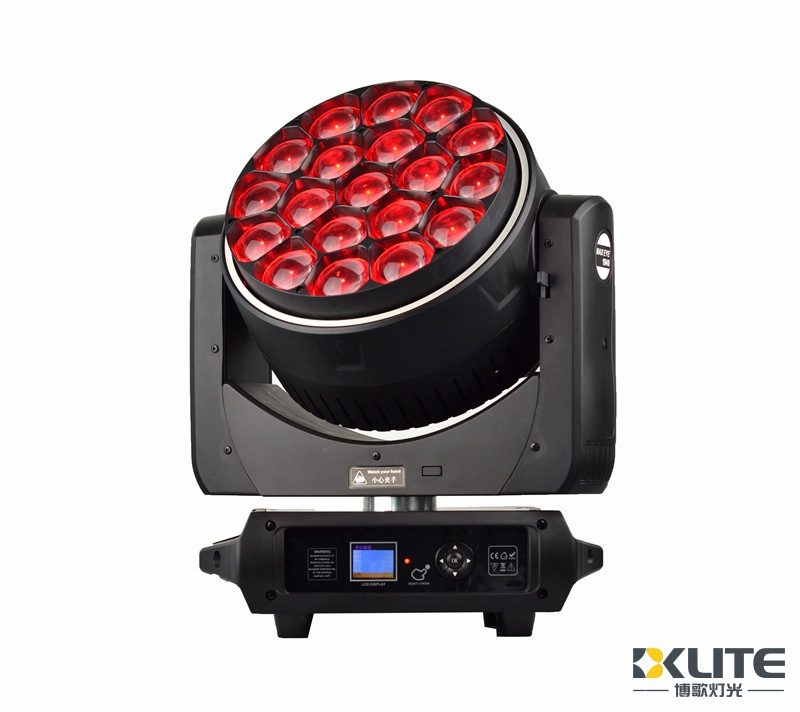
IP20 Bee Eye Zoom 19x40W RGBW 4IN1 LED Beam Wash Moving Head Light con anello LED
BKlite, uno dei principali fornitori di apparecchiature per l'illuminazione scenica con oltre 15 anni di esperienza, ha lanciato la nuova luce wash a LED Bee Eye K15 19x40 BK-BY1940Z.
Progettata con un aspetto semplice ed elegante, la testa mobile WASH è compatta, leggera e altamente portatile.
Con macro con effetti colore multipli e macro con effetti dinamici.
La nostra luce wash può essere utilizzata per soluzioni di illuminazione versatili con effetti sorprendenti.
È un'ottima soluzione per i tuoi progetti di illuminazione.
Potente e spara a grandi distanze.


Copyright © 2025 BKLITE Tutti i diritti riservati.