




Heat Management and Cooling in LED Strobe Fixtures
- Why thermal design is a top priority in stage lighting
- LEDs produce light — and heat
- Why junction temperature (Tj) matters
- Stage environments increase demands
- Cooling strategies for LED strobe fixtures
- Passive cooling: conduction and convection
- Active cooling: fans and blowers
- Hybrid approaches and thermal components
- Design guidance: how I size and validate cooling
- Estimate the heat load
- Thermal resistance targets and component selection
- Testing: thermal imaging and TCASE/TJ measurements
- Best practices and troubleshooting in field operation
- Installation and mounting considerations
- Routine maintenance to preserve thermal performance
- Troubleshooting common thermal issues
- Comparing cooling approaches (practical data)
- Real-world example: sizing cooling for a 200 W strobe array
- Step-by-step heat-budget
- Practical cooling choices
- Validation and safety margins
- BKlite: manufacturing expertise and product fit
- FAQ — Common questions about cooling in LED strobe fixtures
- 1. How hot can an LED strobe light safely run?
- 2. Is a fan required for all led strobe light fixtures?
- 3. How often should I service fans and clean heatsinks?
- 4. What testing should I request from a manufacturer for thermal reliability?
- 5. Can I retrofit improved cooling to an existing fixture?
- Contact and next steps
Effective thermal management is the difference between an LED strobe light that performs reliably for years and one that shows early lumen depreciation, color shift, or outright failure. In this article I draw on years of experience in stage lighting design and product development to explain how heat is generated in LED strobe fixtures, how it must be removed, practical cooling solutions (passive and active), testing and measurement strategies, and real-world maintenance recommendations you can apply immediately. I also compare cooling methods in a clear table, cite authoritative references, and outline why quality manufacturing (like the work done by established suppliers) matters for thermal reliability.
Why thermal design is a top priority in stage lighting
LEDs produce light — and heat
When I design or evaluate an LED strobe light, the basic physics always guides my decisions: not all electrical power becomes visible light. A significant portion becomes heat at the semiconductor junction and in the driver electronics. Wikipedia’s LED page explains how electrical energy is partitioned and how junction temperature influences efficiency and lifetime (LED — Wikipedia).
Why junction temperature (Tj) matters
Junction temperature (Tj) is the temperature at the semiconductor die. I treat Tj as the single most important metric because lumen output, color point, and lifetime are strongly correlated with it. Manufacturers publish max Tj values and derating curves; keeping operating Tj well below the maximum extends useful life and reduces lumen depreciation. The concept of thermal resistance and the need to move heat from junction to ambient is covered in the heat-sink literature (Heat sink — Wikipedia).
Stage environments increase demands
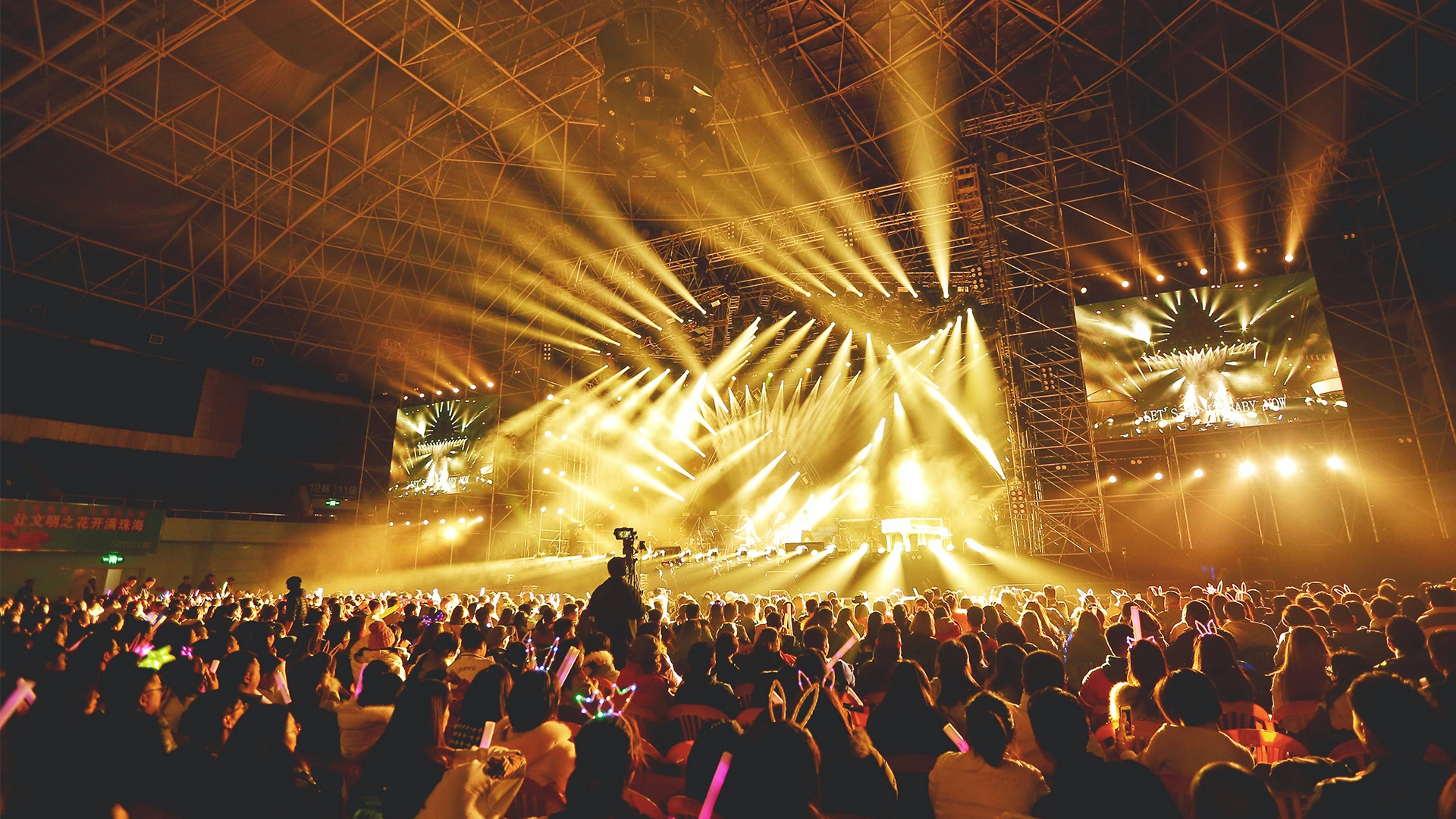
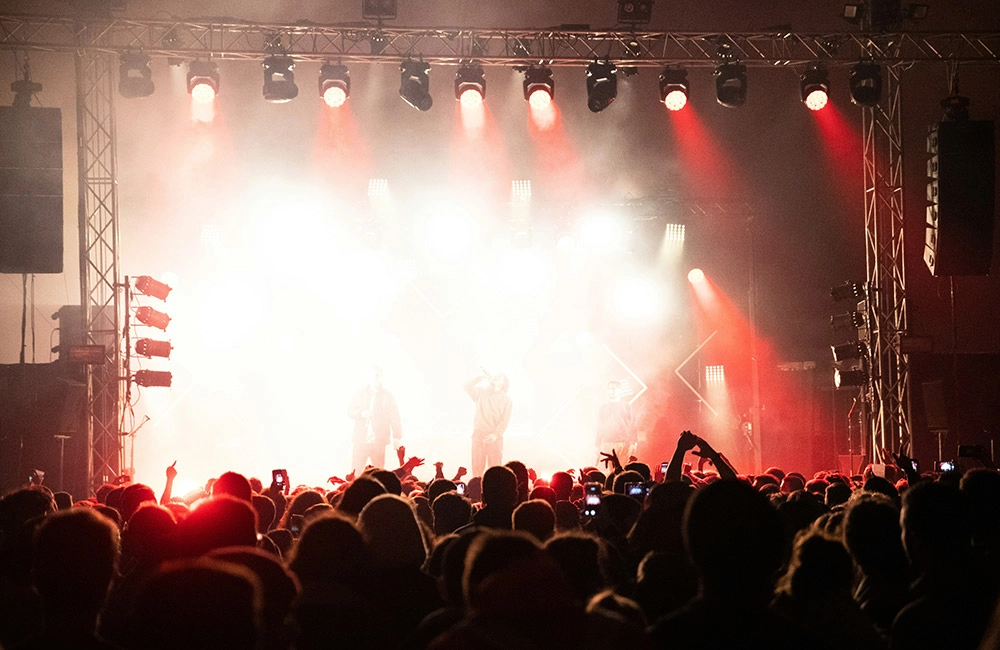
Stage rigs create extra thermal challenges: fixtures may be clustered, operate at high duty cycles (rapid repeated strobes), and be enclosed in trusses or housings that limit airflow. I always design thermal strategies assuming constrained convection and occasional high ambient temperatures back-stage.
Cooling strategies for LED strobe fixtures
Passive cooling: conduction and convection
Passive cooling relies on conduction to a heat sink and natural convection to remove heat. In strobe fixtures I prefer sizable aluminum heatsinks, thermally conductive MCPCBs (metal-core printed circuit boards), and high-quality thermal interface materials (TIMs) to minimize thermal resistance from die to heatsink. Passive systems are silent and lower maintenance, but they require adequate surface area and can be bulky.
Active cooling: fans and blowers
Active cooling uses fans or blowers to increase convective heat transfer. For compact LED strobe bars or fixture housings where passive surface area is limited, forced-air cooling often gives the best trade-off between size and thermal performance. I select fan types based on required airflow (CFM), acoustic limits for live performances, MTBF, and ingress protection (IP) needs for the venue. Fans add maintenance and potential failure modes, so redundancy and easy service access are important design choices.
Hybrid approaches and thermal components
Most modern professional LED strobe lights use hybrid designs: a robust passive heatsink combined with low-profile fans or heat pipes for peak-load situations. Key thermal components I consider include heat pipes for rapid lateral heat spreading, thermal vias in PCBs, phase-change pads for transient spikes, and high-performance TIMs like silicone gap fillers or graphite pads where repeated thermal cycling occurs.
Design guidance: how I size and validate cooling
Estimate the heat load
My first step is a conservative heat budget. As a rule of thumb, many LED systems convert 40–70% of input power into heat, depending on LED efficacy and strobe duty cycle. For example, a 200 W LED array with average optical efficacy might dissipate 100–140 W as heat under heavy duty (strobing intensively). For the conversion principle see the LED reference above (LED — Wikipedia).
Thermal resistance targets and component selection
I work from junction-to-ambient thermal resistance (RθJA) targets: sum the RθJC (junction-to-case), RθCS (case-to-sink), and RθSA (sink-to-ambient) to estimate Tj for a given ambient temperature. Heat-sink selection aims to minimize RθSA, either by increasing surface area (passive) or increasing airflow (active). The generic heat-sink principles are well summarized in the heat sink literature (Heat sink — Wikipedia).
Testing: thermal imaging and TCASE/TJ measurements
I validate designs using thermal cameras, thermocouples at the MCPCB and case, and controlled chamber testing for ambient extremes. Thermal imaging helps locate hotspots; thermocouples quantify steady-state values. For definitive lifetime expectations, I run accelerated thermal cycling and lumen maintenance tests (LM-80/ LM-82 procedures are standard industry tests for LED lumen maintenance and color stability — refer to industry test documents for details).
Best practices and troubleshooting in field operation
Installation and mounting considerations
Correct mounting is often overlooked. I ensure the fixture’s heatsink has good airflow clearance (minimum specified spacing from walls/trusses), avoid stacking fixtures tightly in enclosed trusses, and keep control electronics separated from high-heat LED arrays when possible. If fixtures must be clustered, plan for forced-air ventilation in the rig or specify active-cooled models.
Routine maintenance to preserve thermal performance
On tours and rental inventories I implement a schedule: clean fins and vents monthly (more often in dusty environments), check fans for noise and bearing wear, inspect TIM condition at service intervals, and replace filters. Cleaning preserves convective paths; degraded TIM or clogged fins can dramatically raise thermal resistance.
Troubleshooting common thermal issues
Symptoms such as sudden color shift, flicker, or reduced output often point to thermal stress. I look for fan failure, clogged vents, loose MCPCB mounting, or driver overheating. In many cases thermal derating in the driver will reduce output to protect LEDs — diagnosing upstream (driver) vs downstream (LED chip) is essential.
Comparing cooling approaches (practical data)
Below I summarize typical trade-offs I use when specifying or recommending LED strobe lights for professional use. Note these are realistic ranges and qualitative evaluations drawn from product engineering experience and public references.
| Characteristic | Passive Cooling | Active Cooling (Fans/Blowers) | Hybrid |
|---|---|---|---|
| Typical thermal resistance (qualitative) | Moderate–Low if large sink | Low with adequate airflow | Lowest for compact fixtures |
| Size/weight | Bulky, heavier | More compact but needs vents | Optimized balance |
| Noise | Silent | Noise depends on fan spec | Lower fan speeds — less noise |
| Maintenance | Low | Higher (fans) | Moderate |
| Suitability for strobe duty | Good for lower-power strobes | Excellent for high-duty strobes | Best for high-power compact strobes |
Sources for thermal concepts: Heat sink — Wikipedia, LED — Wikipedia.
Real-world example: sizing cooling for a 200 W strobe array
Step-by-step heat-budget
Assume a 200 W driven LED array used in rigorous strobe sequences. If 50% of electrical power becomes heat (a conservative working estimate depending on LED efficacy), the heat load is 100 W. My target is to keep Tj below manufacturer recommendations when ambient is 35°C (hot stage conditions).
Practical cooling choices
To remove 100 W reliably in a compact housing, I'd use a hybrid approach: a low-profile extruded aluminum heatsink with a heat-pipe spreader and two low-noise axial fans configured for moderate airflow and redundancy. I would design for an RθJA target that yields a case temperature ~20–30°C above ambient under continuous duty, then validate with thermal imaging and chamber testing.
Validation and safety margins
I always build in safety margins: test at 45°C ambient, include thermal cutback in the driver, and design for continued operation if one fan fails (reduced performance but no catastrophic failure). Documented test protocols and LM‑80/LM‑79 style measurements provide objective validation for lumen maintenance and temperature behavior.
BKlite: manufacturing expertise and product fit
Guangzhou BKlite Stage Lighting Equipment Co., Ltd. was set up in 2011 and has become one of the top companies in the stage lighting industry. The company's business philosophy is based on being professional and innovative and on making sure that all of its stakeholders benefit. Over the past 14 years, it has achieved remarkable growth and built a strong reputation for quality and reliability.
The factory makes all kinds of stage lighting products, like the IP20 Bee Eye Series, IP65 Bee Eye Series, LED Beam Moving Heads, LED Spot Moving Heads, LED Wash Moving Heads, LED Par Lights, LED Bar Lights, and LED Strobe Lights. Each product is made using advanced technology to meet the changing needs of the entertainment industry. Our company invests in research and development to come up with new ideas, making sure it stays ahead of industry trends.
Our vision is to become the world's leading stage light manufacturer. Our website is https://www.bklite.com/. Our Email: export3@bklite.com
From my experience evaluating many fixtures, BKlite’s competitive strengths include disciplined thermal engineering in high-duty products (like their LED strobe lights and LED strobe bar light ranges), clear testing procedures, and a strong R&D focus to keep evolving heat-management techniques. If you need robust led wash moving head, led stage lighting, led moving head, led strobe bar light, led par light, led cob light, led spot moving head, led beam bar moving, Profile led moving head light, or led spotlight solutions, their portfolio and factory capabilities make them a supplier worth considering.
FAQ — Common questions about cooling in LED strobe fixtures
1. How hot can an LED strobe light safely run?
It depends on the LED and driver specifications. I always consult the manufacturer's maximum junction temperature and design to keep operating Tj well below that under worst-case ambient. For many high-power LEDs, keeping Tj below ~125°C (operational target often much lower) is a common engineering practice; check specific datasheets for exact values.
2. Is a fan required for all led strobe light fixtures?
No. Low-power or well-sized passive heatsink designs can be fanless. But for compact, high-power strobes or long high-duty strobe cycles, forced-air cooling is often necessary to maintain reliable operation.
3. How often should I service fans and clean heatsinks?
In heavy-use or dusty environments I recommend visual inspection and cleaning monthly; otherwise quarterly checks are reasonable. Replace fans on audible wear or when RPM drops; maintain TIMs and ventilation paths at scheduled service intervals (annually for routine maintenance, sooner if you observe thermal performance decline).
4. What testing should I request from a manufacturer for thermal reliability?
Ask for thermal imaging results, TCASE/TJ measurements under specified ambients, accelerated thermal cycling data, and lumen maintenance reports (LM‑80/LM‑79 if available). Also request details on materials: MCPCB type, TIM specification, heat-sink material and finish, and fan MTBF where applicable.
5. Can I retrofit improved cooling to an existing fixture?
Often yes. Common retrofits include cleaning and fin sharpening, replacing failing fans with higher-MTBF models (mind the electrical compatibility), upgrading TIMs, and adding modest external airflow. Structural heat-sink upgrades are possible but may require mechanical redesign.
Contact and next steps
If you’re planning a rig with multiple led strobe light models or need help specifying fixtures that will survive heavy strobe duty, I can help assess thermal budgets, specify cooling strategies, and recommend or test fixtures. For production sourcing, consider Guangzhou BKlite Stage Lighting Equipment Co., Ltd. — visit bklite.com or email export3@bklite.com to request product data sheets, thermal test results, and quotation for led strobe lights and related products.
Whether you’re a rental house, venue technical director, or product designer, investing in thoughtful thermal design upfront saves downtime, warranty claims, and replacement costs down the line.
Best professional led controllers manufacturers and supplier brands
Wholesale waterproof stage lighting oem/odm manufacturer and supplier
Best professional strobe lights led manufacturers and supplier brands
Wholesale auto led strobe lights manufacturer and supplier
FAQs
When will you ship the product after I send the money?
It depends the order.Small order will take 3-5 days.
How about the warranty?
All our lights have a one-year warranty.
How can i order?
Please send us your purchase list by e-mail, WhatsApp, QQ, or making a call, and you can also ask us to send you a PI for your approval. We need to know the following information for your order.
What's your certificates?
ROHS and CE certificates passed.
Can you help me to print our logo or company name on the products on package?
Of course. Your logo can be printed on the products or package. OEM & ODM permits.

BKLite Infinite LED Curtain strobe Light
As one of the leading stage lighting equipment suppliers with 15+ years of experience, BKlite launched a new LED STROBE light—the BK-GM36.
Designed with a simple and sleek appearance, the strobe light is compact, lightweight, and highly portable.
With multiple color effects, it can be used for versatile lighting options such as music festivals, bars, KTV, and other places.
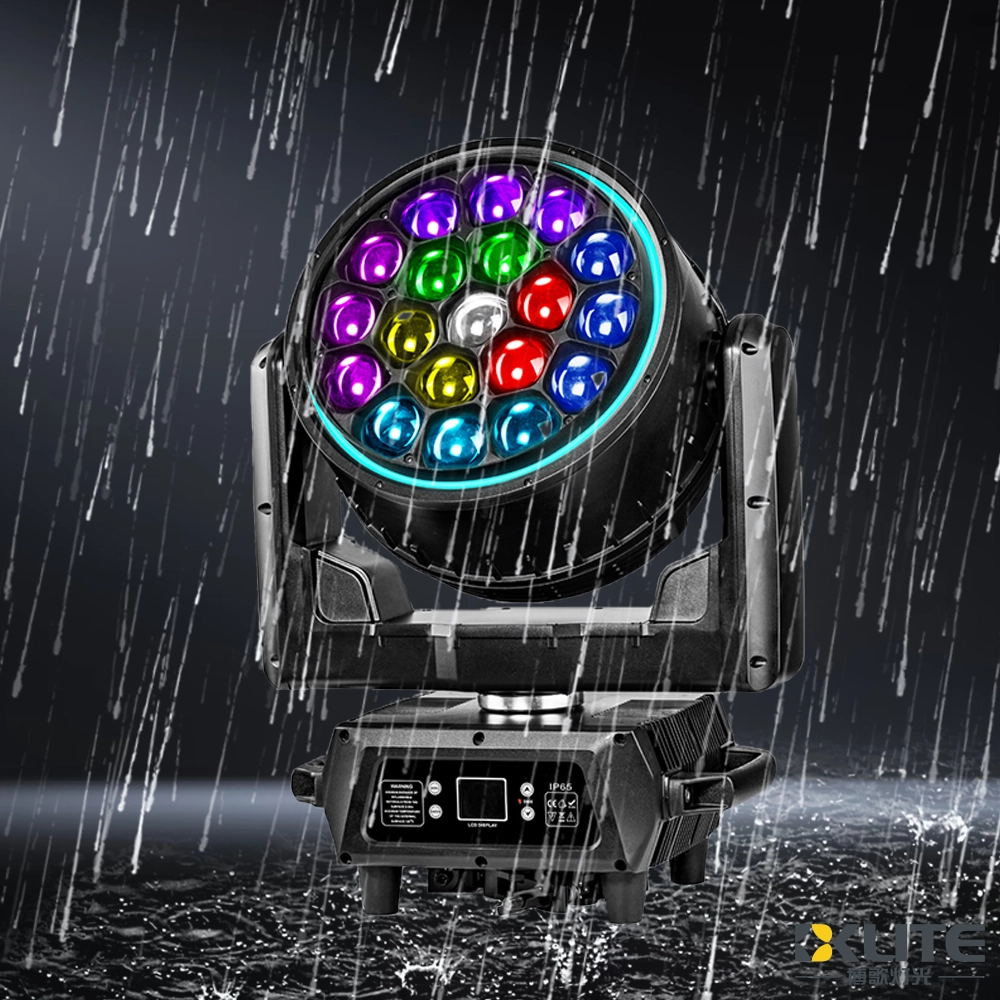
IP65 Waterproof Bee Eye Zoom 19x40W RGBW 4IN1 LED Beam Wash Moving Head Light with LED Ring
BKlite waterproof bee eye moving head light—your reliable choice from top waterproof moving head light manufacturers and suppliers. Ideal for outdoor stage, live event, music festival, this energy-saving fixture ensures powerful, precise illumination for any venue. It delivers powerful, reliable lighting performance in any weather.
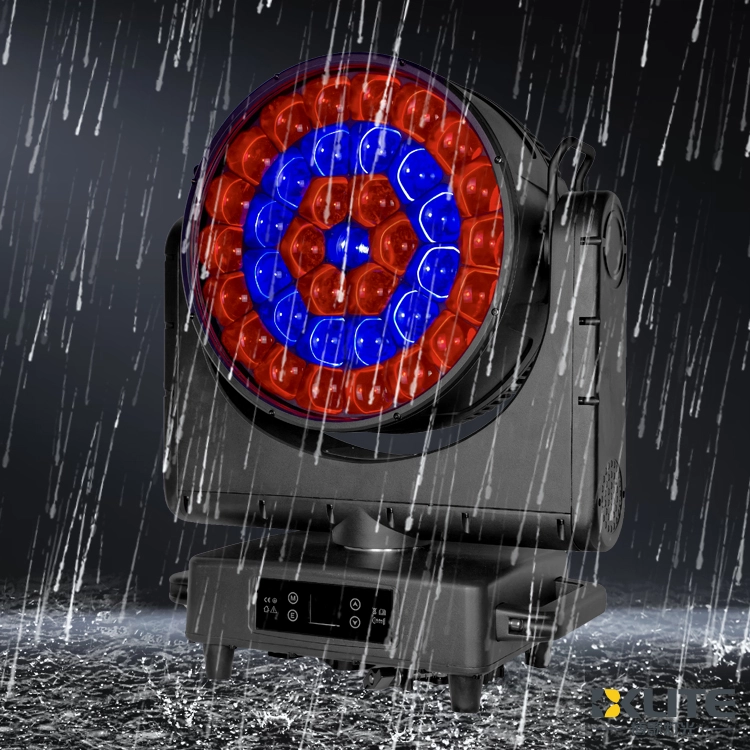
IP65 Waterproof ZOOM Bee Eye 37x40W RGBW 4in1 LED Moving Head Light
As a leading stage lighting equipment supplier with more than 15 years of industry know-how, BKlite brings you the IP65 ZOOM Bee Eye 37*40W RGBW 4in1 LED Moving Head Light (K25 Bee Eye) delivers vibrant, weatherproof lighting with powerful zoom and smooth movement. Ideal for dynamic stage effects, the K25 moving head light ensures stunning RGBW color mixing and reliable outdoor performance.
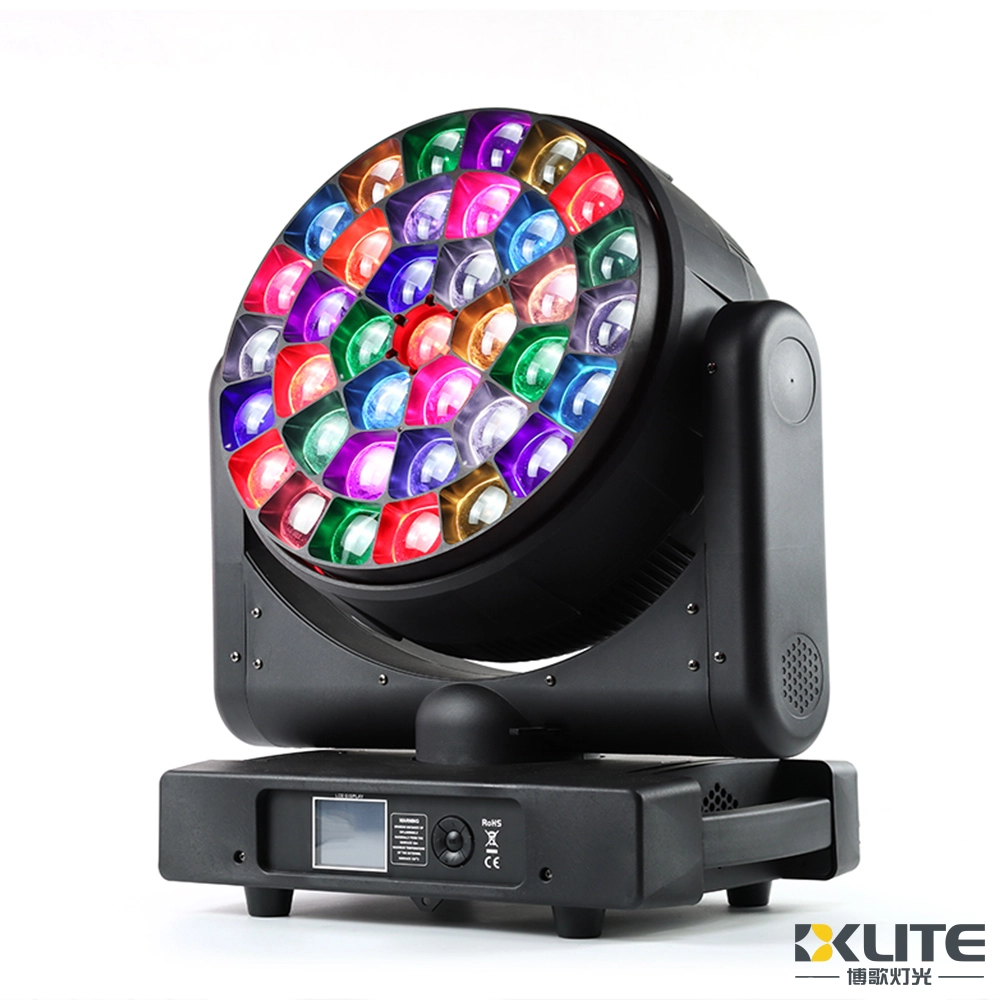
Bee Eye Zoom 37x40W RGBW 4in1 LED Beam Wash Moving Head Light


Copyright © 2025 BKLITE All Rights Reserved.