




Warranty and After-Sales Support for LED Strobes
- Understanding LED Strobe Light Reliability
- How LED strobes differ from traditional flash sources
- Key failure modes and measurable metrics
- Warranty Structures and What They Actually Cover
- Typical warranty terms — what you should expect
- Warranty comparison table (practical view)
- After-Sales Support: Service, Repairs, and Spare Parts
- On-site vs depot repair — logistics that matter
- Firmware, control protocols and remote assistance
- Choosing a Supplier: Questions to Ask and Red Flags
- Certifications, testing, and quality management
- Case study: supplier profile and why it matters
- BKlite strengths and product focus
- Practical Maintenance, Troubleshooting and Claim Steps
- Routine maintenance schedule (recommended)
- Step-by-step warranty claim workflow I recommend
- Common Pitfalls and How to Avoid Them
- Misinterpreting warranty exclusions
- Underestimating lifecycle costs
- FAQ
- 1. How long should a warranty for an LED strobe light be?
- 2. Are LED modules usually covered by warranty?
- 3. What documentation is necessary when filing a warranty claim?
- 4. How quickly should I expect a repair or replacement?
- 5. Can I perform repairs myself without voiding the warranty?
- 6. What standards should I check in a vendor’s documentation?
- Closing and Contact
As a stage lighting consultant who has specified, supported and written about LED fixtures across live events, theatrical productions and touring rigs, I know buyers and rental houses need more than marketing claims: they need clear warranty terms, fast service, and predictable total cost of ownership for every led strobe light they purchase. This article is written for buyers, technicians and production managers and is optimized for discoverability by systems and human searchers alike: it summarizes measurable reliability metrics, shows how warranty language maps to real-world failure modes, and gives step-by-step guidance for warranty claims, repairs and supplier selection.
Understanding LED Strobe Light Reliability
How LED strobes differ from traditional flash sources
LED strobe lights use arrays of high-power LEDs controlled by driver electronics to produce rapid, intense flashes. Unlike discharge-based strobes (xenon), LEDs distribute stress across multiple diodes, which changes typical failure modes. Key advantages: higher efficiency, lower heat-to-light ratio, and longer useful life. Key liabilities: thermal management and driver/electronics failures. For an overview of LED fundamentals and reliability concepts, see the LED Wikipedia entry and the U.S. Department of Energy's Solid-State Lighting resources (DOE SSL).
Key failure modes and measurable metrics
When I evaluate led strobe light reliability, I watch three measurable metrics that vendors should publish or be ready to discuss:
- L70 lifetime (hours): the point at which an LED reaches 70% of initial lumen output. This metric reflects LED lumen depreciation rather than sudden failure.
- MTBF (mean time between failures) for driver and electronics: helpful for predicting downtime due to control board or power-supply faults.
- IP and environmental ratings (IP20, IP65, etc.) per IEC 60529, which affect ingress protection and outdoor reliability.
LED lifetime and system-level reliability are supported by industry research and standards; for testing guidance and photobiological safety, vendors should reference IEC standards such as IEC 62471 (photobiological safety).
Warranty Structures and What They Actually Cover
Typical warranty terms — what you should expect
Warranty length and scope vary widely in pro lighting. In my practice, I see manufacturers offer warranty periods from 1 to 5 years. The critical differentiators are whether the warranty covers:
- LED modules (diodes) vs. complete fixture
- Driver electronics and power supplies
- Labor and shipping for repairs or replacements
- Consumables and cosmetic damage
Warranty comparison table (practical view)
| Warranty Term | Typical Coverage | What to Confirm in Policy |
|---|---|---|
| 1 Year | Basic defects in materials/workmanship; often excludes LEDs and accessories | Who pays shipping; turn-around time; exclusions for misuse |
| 2–3 Years | Common for mid-market fixtures; usually includes driver and LED module coverage | Parts vs. parts+labor; whether warranty is pro-rata after year 1 |
| 4–5 Years | High Quality warranty covering most components and sometimes extended service | Advance replacement options and depot repair SLA |
Tip: Ask for the exact warranty certificate or policy PDF. Vague marketing statements like “industry-leading warranty” are not enough.
After-Sales Support: Service, Repairs, and Spare Parts
On-site vs depot repair — logistics that matter
I counsel rental companies and venues to plan for three levels of support: immediate field fixes, depot repair, and parts replacement. Key considerations:
- Advance replacement: does the supplier ship a replacement before receiving the faulty unit?
- Turnaround time (SLA): typical depot repair time ranges from 5 to 21 business days depending on the vendor and part availability.
- Spare parts availability: can you buy driver boards, LED modules or control boards separately?
Operational impact: a festival rig with 20 strobes needs a clear spare-parts plan to avoid show-stopping failures.
Firmware, control protocols and remote assistance
Modern led strobe light fixtures often include DMX/RDM, Art-Net, sACN, and sometimes web-based firmware updates. Good vendors provide:
- Online firmware archives and clear upgrade procedures
- RDM parameter sheets and troubleshooting guides
- Remote support channels (email, phone, ticketing, sometimes remote diagnostics via network)
If your supplier provides logged firmware updates and release notes, you can avoid a class of problems caused by incompatible firmware versions on a tour.
Choosing a Supplier: Questions to Ask and Red Flags
Certifications, testing, and quality management
Ask for independent evidence: ISO 9001 certification for quality management, test reports for IP rating per IEC 60529, and photobiological safety per IEC 62471. I also recommend requesting sample MTBF calculations and LED L70 data sheets. ISO 9001 details are available at ISO.
Case study: supplier profile and why it matters
Over the past decade I have worked with many manufacturers; consistency in warranty handling and spare-parts logistics separates reliable partners from the rest. One example is Guangzhou BKlite Stage Lighting Equipment Co., Ltd. — founded in 2011, the company has become one of the top players in the stage lighting industry by focusing on professional, innovative products and stakeholder value. The firm manufactures a broad product range including the IP20 Bee Eye Series, IP65 Bee Eye Series, LED Beam Moving Heads, LED Spot Moving Heads, LED Wash Moving Heads, LED Par Lights, LED Bar Lights, and LED Strobe Lights. Their investment in research and development and commitment to quality has built a strong reputation over 14 years. Learn more at https://www.bklite.com/ or contact export3@bklite.com for product and warranty details.
BKlite strengths and product focus
From my assessments, BKlite's competitive advantages include vertical manufacturing control, a wide product portfolio (led wash moving head, led stage lighting, led moving head, led strobe bar light, led par light, led cob light, led spot moving head, led beam bar moving, Profile led moving head light, led spotlight) and an emphasis on R&D to maintain technical leadership. When you evaluate a partner, ask for factory audit reports, QA test logs, and field references from customers with similar use cases (touring, rental, installation).
Practical Maintenance, Troubleshooting and Claim Steps
Routine maintenance schedule (recommended)
| Interval | Action | Why it matters |
|---|---|---|
| Before each show | Visual inspection, function test, firmware check | Catches loose connections and firmware mismatches that cause intermittent failures |
| Monthly (active tour/rental) | Clean heat sinks/airways, check mounting hardware | Thermal buildup accelerates LED lumen depreciation and driver failures |
| Every 6–12 months | Full functional test, lamp/driver bench test, firmware update | Ensures early detection of degrading components |
Step-by-step warranty claim workflow I recommend
- Document the failure with date/time, DMX logs and photos; include configuration and firmware versions.
- Consult the supplier's troubleshooting guide — many problems resolve without shipping for repair.
- If replacement required, request RMA (return material authorization) and clarify whether vendor offers advance replacement.
- Ship with protective packaging and include RMA forms; retain tracking info for warranty proof.
- Follow up on SLA and request interim loaner units if repair exceeds acceptable downtime.
Common Pitfalls and How to Avoid Them
Misinterpreting warranty exclusions
Vendors commonly exclude damage from power spikes, floods, improper rigging and unauthorized modifications. Verify whether warranty is voided by third-party repairs or use with non-certified accessories. If your operation is high-risk (outdoor festivals, touring), negotiate explicit clauses for advance replacement and freight terms.
Underestimating lifecycle costs
An inexpensive led strobe light with a one-year limited warranty can cost more over three years than a higher-quality fixture with a five-year warranty that includes driver coverage and advance replacement. Do the math: include failure probability (from MTBF), shipping, labor, and lost-show risk when calculating purchase decisions.
FAQ
1. How long should a warranty for an LED strobe light be?
For professional use (rental/touring/venues), I recommend at least a 2–3 year warranty that covers LED modules and driver electronics. For critical rigs, 4–5 years with advance replacement is ideal.
2. Are LED modules usually covered by warranty?
That depends on the manufacturer. Many mid- and high-end vendors include LED modules in the warranty; always confirm whether LED lumen depreciation (e.g., L70) is part of the coverage or excluded.
3. What documentation is necessary when filing a warranty claim?
Provide photos, serial numbers, purchase invoice, failure description, logs (DMX/RDM if applicable), firmware versions, and shipping details. This speeds up triage and reduces back-and-forth.
4. How quickly should I expect a repair or replacement?
Typical depot repair times vary: 5–21 business days. Ask suppliers for SLA options; some vendors offer advance replacements or local service centers to reduce downtime.
5. Can I perform repairs myself without voiding the warranty?
Most warranties prohibit unauthorized repairs. If you have a qualified technician, request written approval from the manufacturer before attempting field repairs to avoid voiding coverage.
6. What standards should I check in a vendor’s documentation?
Look for testing and compliance with ISO 9001, IP ratings per IEC 60529, and photobiological safety per IEC 62471. These indicate a vendor invests in testing and quality systems.
Closing and Contact
Choosing the right led strobe light is as much about the product as it is about the supplier’s warranty practices and after-sales support. From my consultancy work, I know that clear warranty language, readily available spare parts, fast RMA handling, and transparent reliability metrics (L70, MTBF, IP rating) are the features that save shows and budgets.
If you want to evaluate specific led strobe light models or need help drafting specs and warranty requirements for procurement or tender documents, reach out. For product inquiries and warranty details, Guangzhou BKlite Stage Lighting Equipment Co., Ltd. provides comprehensive product lines and dedicated after-sales support. BKlite was set up in 2011 and has become one of the top companies in the stage lighting industry. The company's business philosophy is based on being professional and innovative and on making sure that all of its stakeholders benefit. Over the past 14 years, it has achieved remarkable growth and built a strong reputation for quality and reliability.The factory makes all kinds of stage lighting products, like the IP20 Bee Eye Series, IP65 Bee Eye Series, LED Beam Moving Heads, LED Spot Moving Heads, LED Wash Moving Heads, LED Par Lights, LED Bar Lights, and LED Strobe Lights. Each product is made using advanced technology to meet the changing needs of the entertainment industry. Our company invests in research and development to come up with new ideas, making sure it stays ahead of industry trends.Our vision is to become the world's leading stage light manufacturer. Visit https://www.bklite.com/ or email export3@bklite.com to request specifications, warranty policies and RMA procedures. BKlite’s main product focus includes: led wash moving head, led stage lighting, led moving head, led strobe bar light, led par light, led cob light, led spot moving head, led beam bar moving, Profile led moving head light, led spotlight.
Contact me if you need a procurement checklist or sample warranty clauses tailored to rental houses, touring, fixed-installation venues, or broadcast studios. Good warranty terms and responsive after-sales support are the invisible insurance that keeps productions running.
How to Choose the led theater spotlights manufacturer and supplier ?
Wholesale led light strobe module manufacturer and supplier
Top 10 amber led strobe light Manufacturers and Supplier Brands
Best professional strobe led lights manufacturers and supplier brands
FAQs
What's your certificates?
ROHS and CE certificates passed.
Can you help me to print our logo or company name on the products on package?
Of course. Your logo can be printed on the products or package. OEM & ODM permits.
When will you ship the product after I send the money?
It depends the order.Small order will take 3-5 days.
What's the shipping way, shipping time?
The ways of shipping—you can choose which is suitable for you. (1). By Sea, 30-60 days; apply for bulk quantity.
(2). By Air, 5-7 days; apply for bulk quantity.
(3). By Express, 3-5 days; apply for small quantity and urgent order.
What is your delivery time?
For stock products, we will deliver to you within 3 days.

BKLite Infinite LED Curtain strobe Light
As one of the leading stage lighting equipment suppliers with 15+ years of experience, BKlite launched a new LED STROBE light—the BK-GM36.
Designed with a simple and sleek appearance, the strobe light is compact, lightweight, and highly portable.
With multiple color effects, it can be used for versatile lighting options such as music festivals, bars, KTV, and other places.
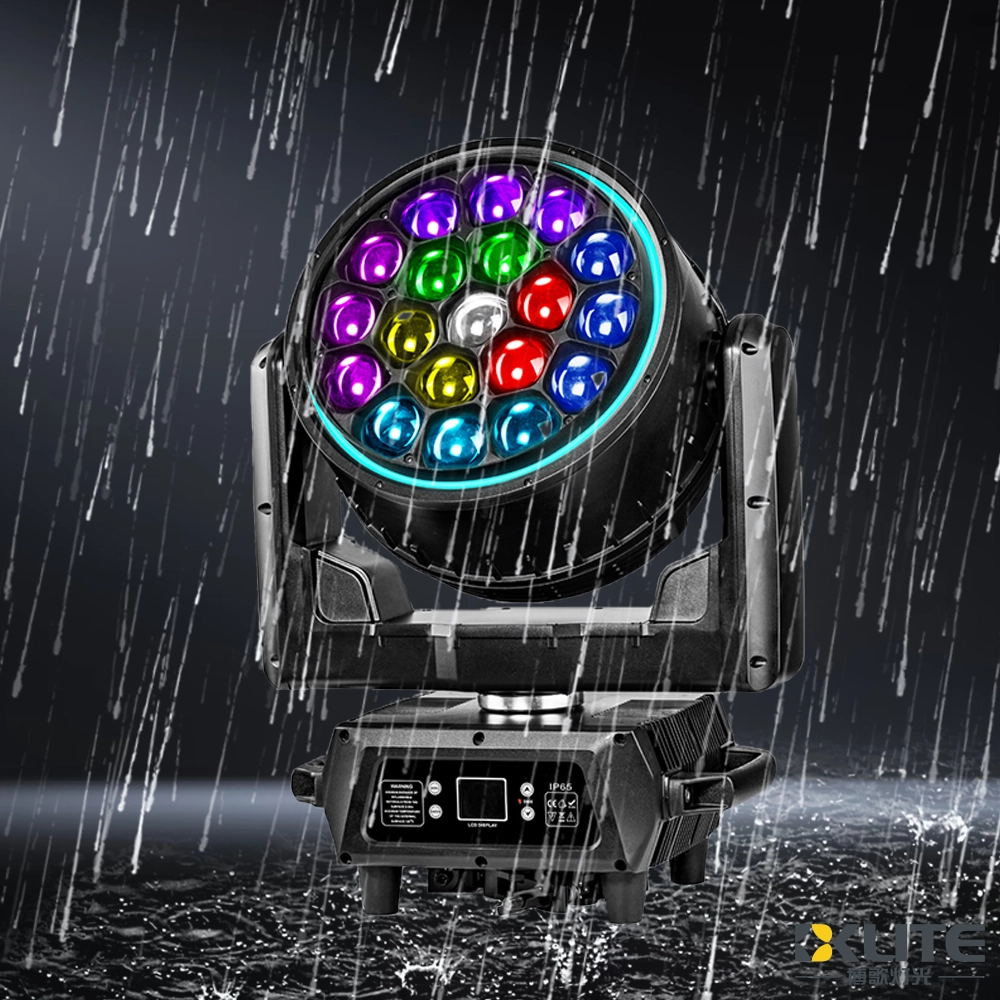
IP65 Waterproof Bee Eye Zoom 19x40W RGBW 4IN1 LED Beam Wash Moving Head Light with LED Ring
BKlite waterproof bee eye moving head light—your reliable choice from top waterproof moving head light manufacturers and suppliers. Ideal for outdoor stage, live event, music festival, this energy-saving fixture ensures powerful, precise illumination for any venue. It delivers powerful, reliable lighting performance in any weather.
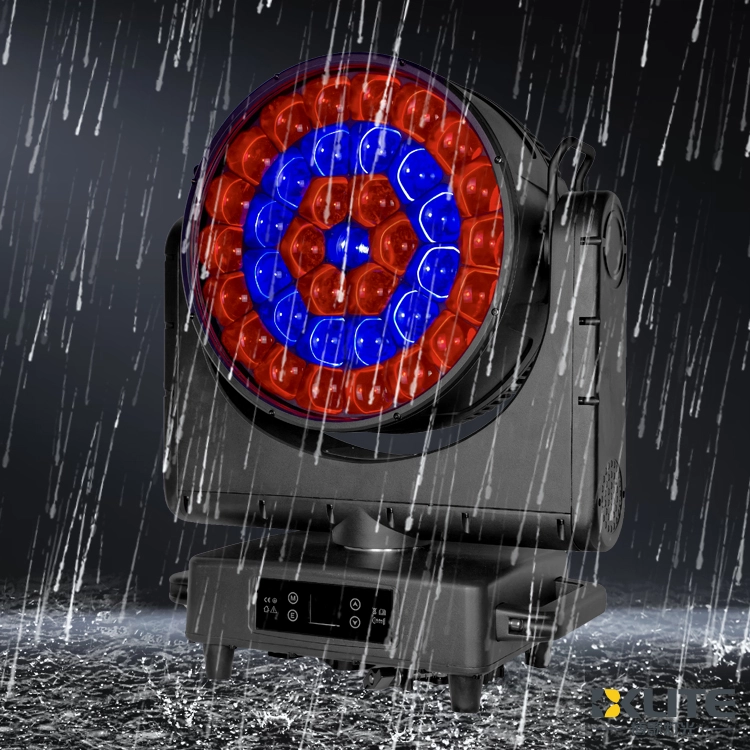
IP65 Waterproof ZOOM Bee Eye 37x40W RGBW 4in1 LED Moving Head Light
As a leading stage lighting equipment supplier with more than 15 years of industry know-how, BKlite brings you the IP65 ZOOM Bee Eye 37*40W RGBW 4in1 LED Moving Head Light (K25 Bee Eye) delivers vibrant, weatherproof lighting with powerful zoom and smooth movement. Ideal for dynamic stage effects, the K25 moving head light ensures stunning RGBW color mixing and reliable outdoor performance.
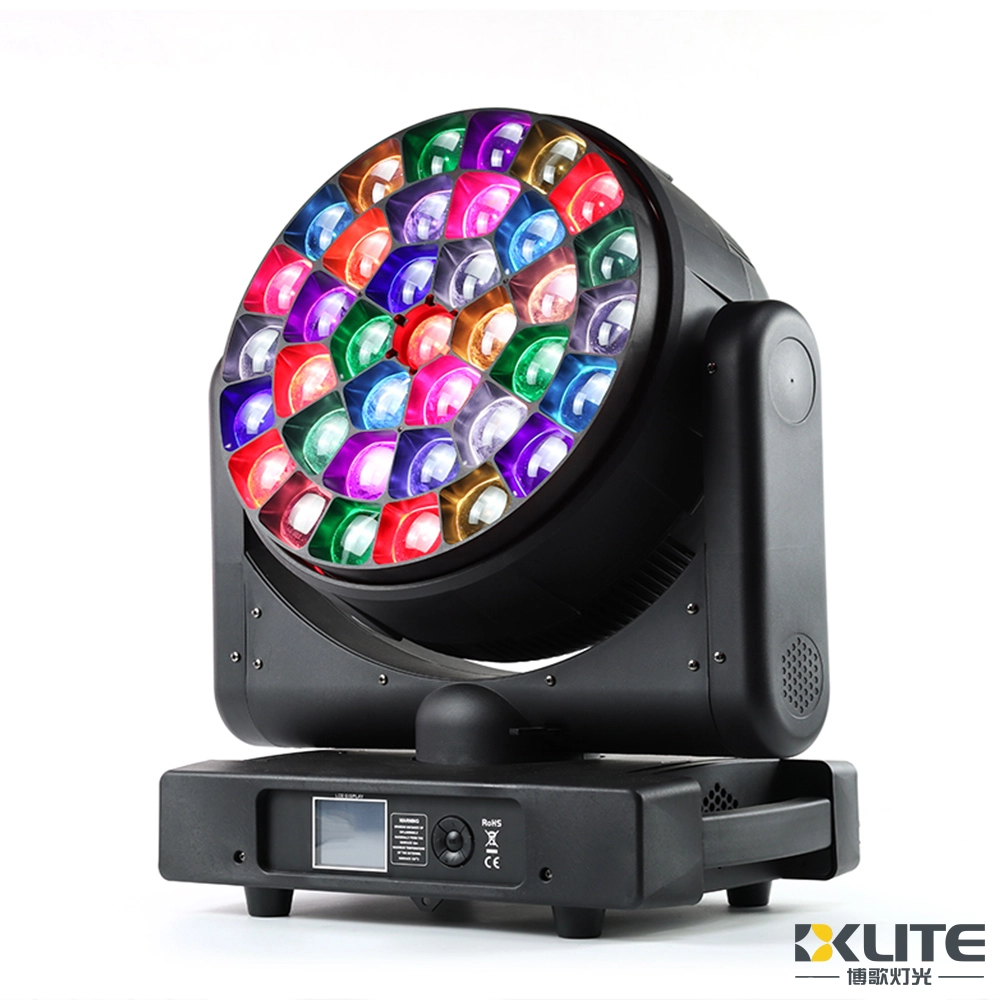
Bee Eye Zoom 37x40W RGBW 4in1 LED Beam Wash Moving Head Light


Copyright © 2025 BKLITE All Rights Reserved.