




Adjusting Beam Angle and Zoom on LED Wash Lights
- Optimizing Stage Wash for Consistent Coverage
- Why beam angle and zoom matter for led wash light applications
- Understanding beam angle vs. zoom on led wash light
- How beam angle affects coverage and intensity
- Practical beam diameter examples for quick planning
- Choosing between fixed-beam and zoom led wash light fixtures
- How to adjust beam angle and zoom — step-by-step (manual and DMX)
- 1. Pre-rig planning
- 2. Mount and align fixtures
- 3. Fine-adjust zoom on the fixture
- 4. Use DMX control for repeatable presets (led wash light keyword)
- 5. Check color mixing and intensity
- Troubleshooting common zoom and beam issues
- Measuring and verifying coverage (tools & methods)
- Maintenance and long-term performance considerations for led wash light
- Technical trade-offs: brightness, beam angle, and fixture count (comparison table)
- Selecting fixtures for different scenarios ( - led wash moving head, led stage lighting)
- Why Guangzhou BKlite should be on your supplier shortlist
- Checklist: Before you buy (led wash light purchasing guide)
- FAQs
- Contact & product inquiry
- References
Optimizing Stage Wash for Consistent Coverage
Why beam angle and zoom matter for led wash light applications
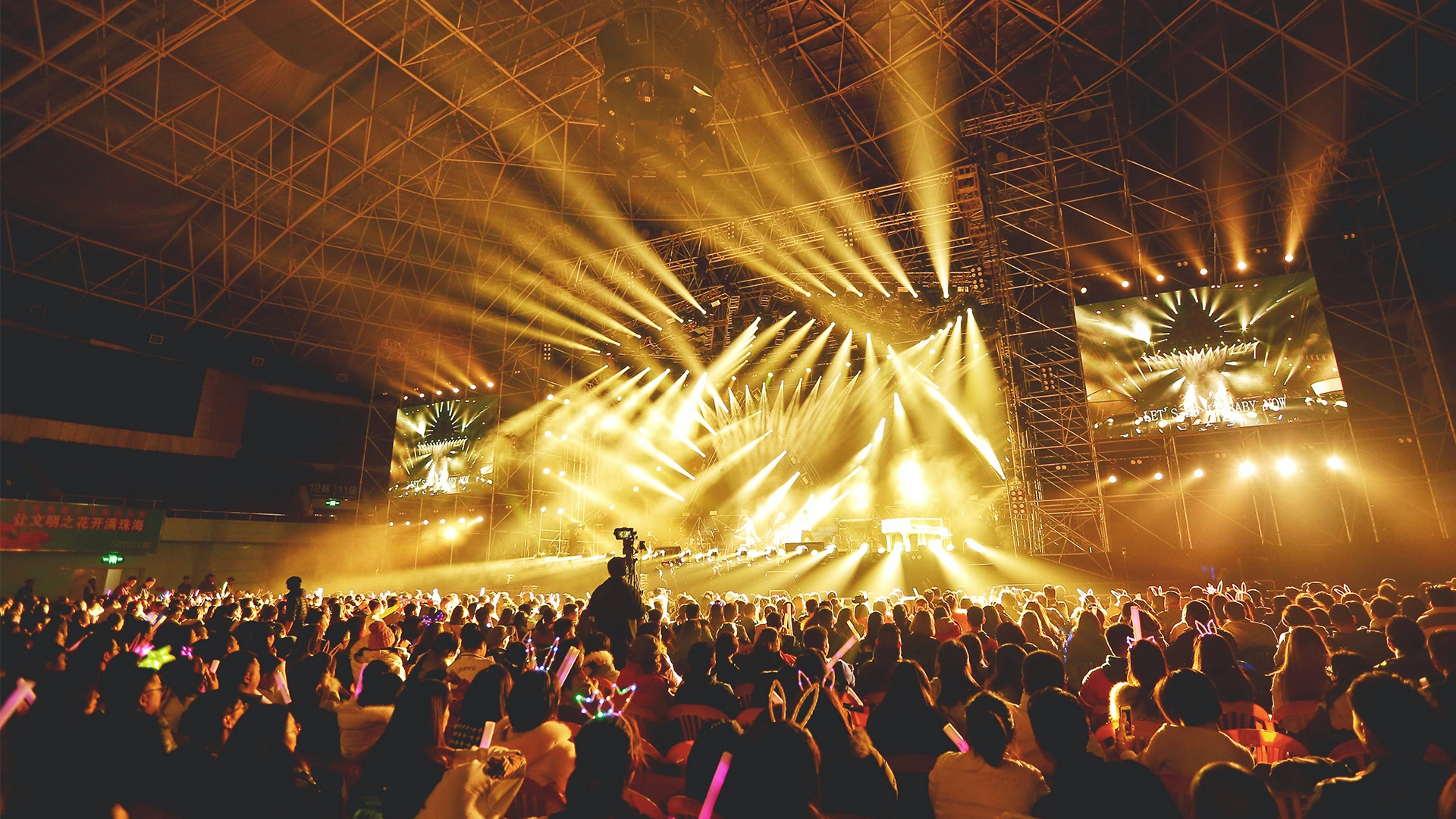
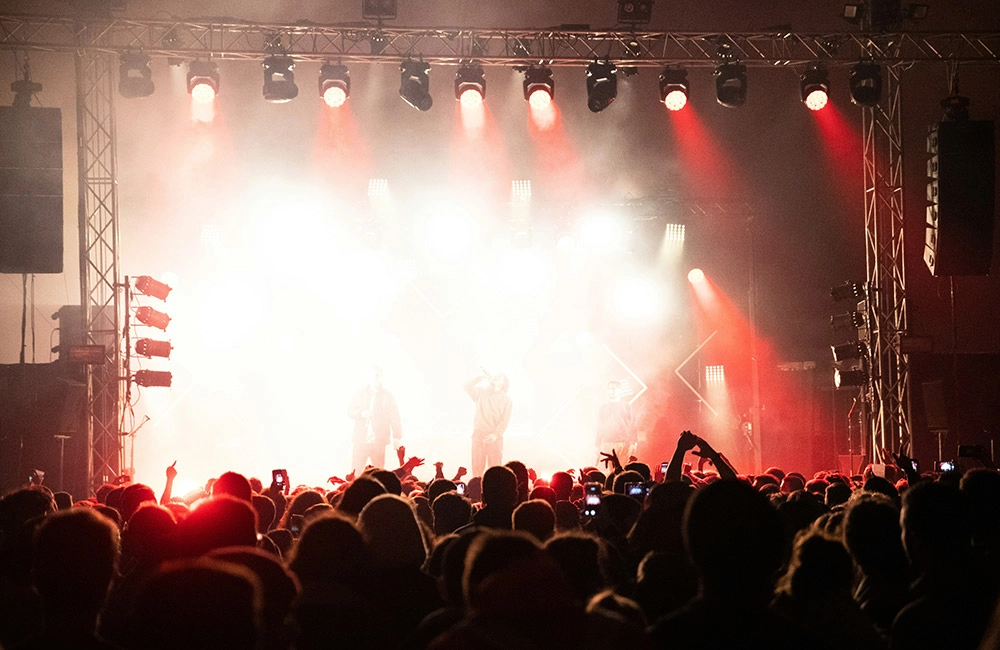
LED wash lights are the backbone of stage, architectural and event illumination. Their purpose is to deliver even color and intensity across an area rather than a tight, focused beam. Two closely related optical parameters—beam angle and zoom—govern how much area a wash covers and how the light is distributed. Getting these settings right reduces hotspots, minimizes fixture count, simplifies rigging, and improves audience experience.
Understanding beam angle vs. zoom on led wash light
Beam angle is a fixed or variable measure (depending on fixture design) of the cone of light emitted by an LED module or optical system. It is commonly defined at the points where luminous intensity falls to 50% of center (full width at half maximum, FWHM). Zoom is the mechanical or electronic ability of a fixture to change that beam angle—many wash moving heads include a zoom lens or adjustable reflector to vary coverage from narrow to wide.
How beam angle affects coverage and intensity
For a given luminous flux, a narrower beam angle concentrates light into a smaller area (higher lux), while a wider beam spreads the same light over a larger area (lower lux). The relationship between beam angle, distance and beam diameter follows basic trigonometry:
beam diameter = 2 × distance × tan(beam angle / 2)
Using this formula helps you plan fixture spacing, determine required lux, and choose between fixed-beam or zoom fixtures.
Practical beam diameter examples for quick planning
Below is a quick reference table calculating beam diameter for common beam angles at typical stage distances. This lets you visualize coverage and estimate how many fixtures you need to achieve even wash.
| Beam Angle | Diameter @ 5 m | Diameter @ 10 m | Diameter @ 20 m |
|---|---|---|---|
| 10° | 0.87 m | 1.75 m | 3.50 m |
| 20° | 1.74 m | 3.48 m | 6.96 m |
| 40° | 3.48 m | 6.96 m | 13.92 m |
| 60° | 5.20 m | 10.39 m | 20.78 m |
Note: Values rounded to two decimal places, calculated with beam diameter = 2 × distance × tan(angle/2). Use these numbers to estimate overlap and fixture count for even coverage.
Choosing between fixed-beam and zoom led wash light fixtures
When specifying equipment for a venue or tour, you must balance cost, flexibility and logistics. Fixed-beam wash lights are typically less expensive, lighter and simpler to maintain. Zoom wash moving heads (commercially listed as led wash moving head or led moving head) offer flexibility: a single fixture can provide tight backlight or broad washes depending on the programmed zoom. For rental companies and venues with variable stage sizes, zoom fixtures reduce inventory requirements and increase booking versatility.
How to adjust beam angle and zoom — step-by-step (manual and DMX)
Below is a practical workflow for technicians to set beam and zoom effectively on LED wash lights.
1. Pre-rig planning
- Determine stage dimensions and target lux levels at performance positions (front-of-house and key working areas). Use the beam diameter table above and lux calculators when possible.
- Select fixture types (fixed vs zoom) and calculate mounting height and spacing to achieve 10–30% overlap for even wash. Overlap recommended varies with color mixing and audience distance.
2. Mount and align fixtures
- Roughly align fixtures to target focus points. For touring rigs, use pre-rigged truss marks and focus charts.
3. Fine-adjust zoom on the fixture
- If the fixture has a motorized zoom, move to a mid-zoom position, then adjust while observing beam edge and center uniformity.
- If the fixture has manual zoom (rare on moving heads), use the manufacturer’s instructions to lock lens position and verify with goniometer or measurement tape.
4. Use DMX control for repeatable presets (led wash light keyword)
- Map DMX channels for zoom if available (check the fixture’s DMX chart). Typical wash moving heads have dedicated channels for zoom or optical mode.
- Save presets in your desk for common stage layouts to recall consistent coverage quickly.
5. Check color mixing and intensity
- Widen beams slightly if color mixing shows striping or unevenness at narrow zooms; some fixtures exhibit better mixing at slightly wider beams. Conversely, narrow beams increase punch for specials or backlight.
Troubleshooting common zoom and beam issues
Problem: Hotspots in the center of the wash.
Solution: Increase beam angle (widen zoom) or add diffusing accessories. Check LED binning variation—older fixtures may show center hotspots due to LED placement.
Problem: Color fringing or visible RGB stepping.
Solution: Use fixtures with better optical mixing (longer mixing tunnels) or slightly defocus. Software-based color calibration and firmware updates can also reduce visible stepping.
Problem: Zoom motor stalls or is unresponsive.
Solution: Power-cycle the fixture, re-homing may be required. Inspect mechanical parts for dust or damage; lubricate per manufacturer guidelines and replace damaged gears. Confirm DMX/firmware compatibility.
Measuring and verifying coverage (tools & methods)
Tools: lux meter, tape measure, laser distance measure, camera with histogram, and optionally a goniophotometer for lab-grade measurement. Procedure:
- Position lux meter at target surface and record lux at center and four cardinal points across intended coverage.
- Adjust zoom until center and average lux meet your design target and variance is acceptable (common goal: ±10–20% for wash uniformity in many productions).
Maintenance and long-term performance considerations for led wash light
Optics and mechanics determine long-term performance. Periodic cleaning of lenses, verification of firmware updates, inspection of zoom mechanisms, and warm-up cycles help maintain optical consistency. LED output declines slowly over years (L70 or L50 ratings from manufacturers detail lumen depreciation). For critical venues, plan replacement cycles or maintain spares to avoid visible shifts on high-profile events.
Technical trade-offs: brightness, beam angle, and fixture count (comparison table)
The following table summarizes how beam angle choice affects number of fixtures required for a given area and relative brightness, assuming identical luminous flux per fixture.
| Beam Angle | Relative Area Covered (Normalized) | Relative Average Lux (Normalized) | Ideal Use-Cases |
|---|---|---|---|
| 10° | 1.0 | 1.0 (high) | Specials, tight backlight, aerial effects |
| 20° | ~2.9 | ~0.35 | Key washes, medium truss distances |
| 40° | ~5.8 | ~0.17 | Wide stage washes, house lights |
| 60° | ~9.0 | ~0.11 | Large area coverage, architectural washes |
Note: Relative area scales with square of beam diameter. These are normalized values to show the trade-off; actual lux depends on fixture lumen output and distance.
Selecting fixtures for different scenarios ( - led wash moving head, led stage lighting)
- Small theatre or club: Choose zoom-capable led wash moving heads with 15–40° zoom ranges to adapt to varying stage depths.
- Touring productions: Prefer robust, motorized zoom fixtures with strong optics and serviceable zoom mechanics to reduce setup time.
- Architectural or permanent installs: Fixed-beam led par light or led cob light variants (wide beam) can be more cost-effective.
Why Guangzhou BKlite should be on your supplier shortlist
Guangzhou BKlite Stage Lighting Equipment Co., Ltd. was set up in 2011 and has become one of the top companies in the stage lighting industry. The company's business philosophy is based on being professional and innovative and on making sure that all of its stakeholders benefit. Over the past 14 years, it has achieved remarkable growth and built a strong reputation for quality and reliability.
The factory makes all kinds of stage lighting products, including the IP20 Bee Eye Series, IP65 Bee Eye Series, LED Beam Moving Heads, LED Spot Moving Heads, LED Wash Moving Heads, LED Par Lights, LED Bar Lights, and LED Strobe Lights. Each product is made using advanced technology to meet the changing needs of the entertainment industry. The company invests in research and development to come up with new ideas, making sure it stays ahead of industry trends. Their vision is to become the world's leading stage light manufacturer. Visit their website at https://www.bklite.com/ for product details.
BKlite’s strengths relevant to beam and zoom concerns on led wash light include:
- Broad product lines: from led wash moving head to led strobe bar light and led par light—enabling consistent sourcing and color-matching across a tour or venue.
- R&D focus: continuous improvement on optical engines and mechanical zoom designs reduces artifacts such as hotspots and color fringing.
- Quality and reliability: more than a decade of production experience, making them a dependable option for rental companies and permanent installs.
- Serviceability: manufacturer support and modular components aid maintenance of zoom motors and lenses, extending fixture life.
If you're specifying fixtures and want a supplier that offers both performance and lifecycle support for led stage lighting—especially led wash moving head and related fixtures—BKlite is positioned to meet those needs.
Checklist: Before you buy (led wash light purchasing guide)
- Confirm zoom range and minimum/maximum beam angles; request photometric files (IES or LDT) for lighting calculations.
- Check DMX channel functions for zoom and optical modes and ensure compatibility with your console.
- Ask for service manuals that show how to access and maintain zoom mechanisms.
- Request lumen and beam flux measurements at standard distances and color temperatures to validate performance claims.
FAQs
Q1: What is the difference between beam angle and field angle?
A: Beam angle is commonly defined at the FWHM (50% intensity). Field angle usually refers to the angle where intensity drops to 10% of center, representing the wider visible cone. Fixtures often list both values; use beam angle for technical overlap planning.
Q2: Can I use a narrow beam for a wash fixture?
A: Yes—many wash moving heads offer zoom so you can obtain a narrow beam for punch or backlight. However, optical mixing and color uniformity may change; test narrow positions to ensure acceptable color blending.
Q3: How do I calculate how many led wash lights I need?
A: Estimate beam diameter at your mounting distance using diameter = 2 × distance × tan(angle/2). Divide stage area by fixture coverage area (including overlap) and factor in desired lux vs fixture lumen output. Request IES files for precise calculations.
Q4: Why does my wash show color fringing at narrow zoom settings?
A: At narrow zooms, individual LEDs or LED clusters can become more visible if the mixing tunnel or lens system isn't long enough to blend the colors. Choosing fixtures with superior optical mixing or using slightly wider zooms often resolves the issue.
Q5: How often should I service zoom motors and optics?
A: For rental and touring fixtures, inspect and service optics and moving parts every 6–12 months depending on usage. For fixed installs, annual checks are typically sufficient. Follow the manufacturer’s maintenance guide for lubrication and replacement parts.
Q6: Are there accessories to shape LED wash beams?
A: Yes. Accessories include diffusion filters, egg-crate louvers for spill control, barn doors (on some fixtures), and external lenses or snoots for specific fixtures. Compatibility varies—always confirm with the manufacturer.
Contact & product inquiry
If you need help choosing the right led wash light, comparing led wash moving head options, or sourcing fixtures for a venue or tour, contact Guangzhou BKlite for product specifications, IES files and OEM support. View products and get quotes at https://www.bklite.com/ or reach out to their sales team for tailored recommendations.
References
- Beam angle calculation and definition — basic trigonometry formula: Trigonometry. Wikipedia. Accessed 2025-11-28. https://en.wikipedia.org/wiki/Trigonometry
- DMX512 standard and typical channel mapping concepts — DMX512. Wikipedia. Accessed 2025-11-28. https://en.wikipedia.org/wiki/DMX512
- Practical lighting and beam angle notes — Chauvet DJ / manufacturer technical articles (for optics and beam behavior). Example resource: Lighting basics: Beam Angle & Field Angle. Accessed 2025-11-28. https://www.chauvetdj.com/
- LED lumen depreciation and service life concepts — various manufacturer datasheets; see example LED lifetime definitions in industry specs. Accessed 2025-11-28. https://en.wikipedia.org/wiki/Light-emitting_diode#Lifespan
- Company information — Guangzhou BKlite official website. Accessed 2025-11-28. https://www.bklite.com/
Integrating Moving Head Beam Lights into Light Plots
Wholesale bee eye led moving head manufacturer and supplier
Best professional led lights controller manufacturers and supplier brands
Best professional concert stage lights manufacturers and supplier brands
FAQs
What is your delivery time?
For stock products, we will deliver to you within 3 days.
Can you help me to print our logo or company name on the products on package?
Of course. Your logo can be printed on the products or package. OEM & ODM permits.
When will you ship the product after I send the money?
It depends the order.Small order will take 3-5 days.
What service can you supply?
We can apply for the OEM/ODM service.
What kind of package do you have?
We can pack the lights in a carton case and a flight case.
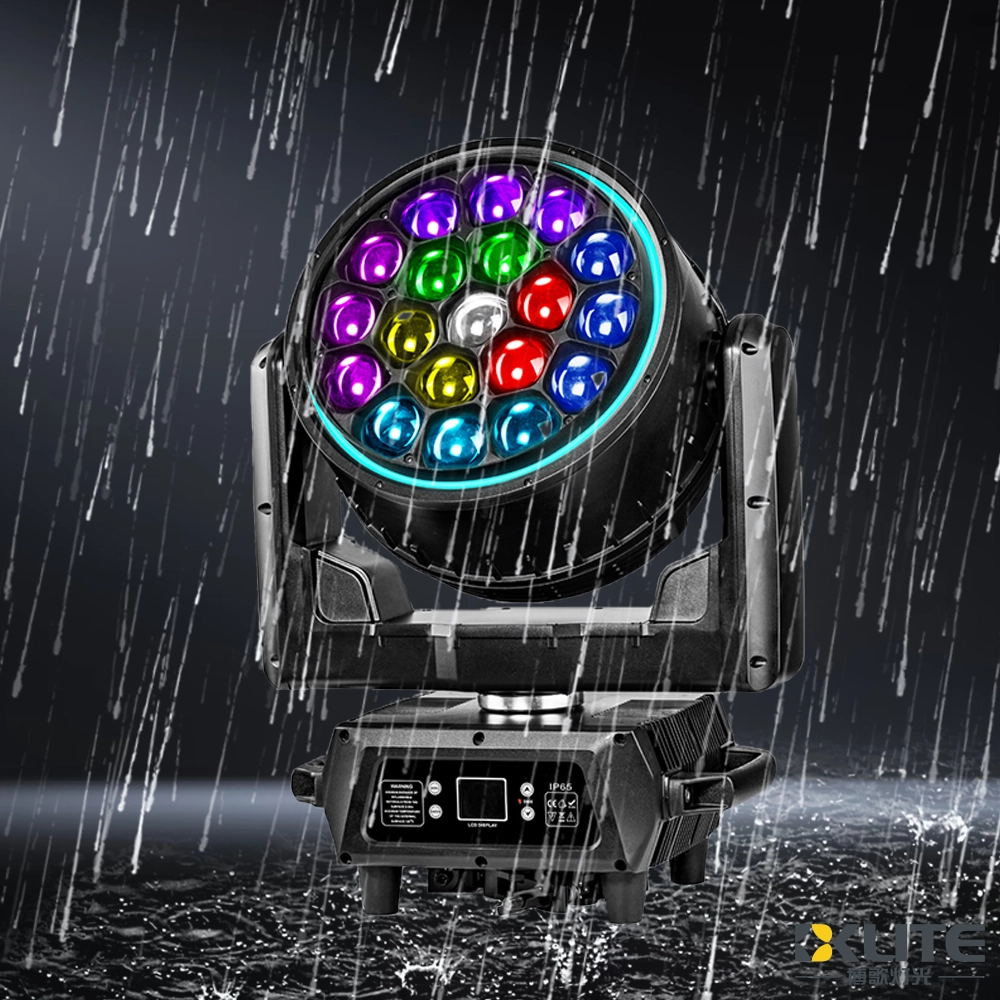
IP65 Waterproof Bee Eye Zoom 19x40W RGBW 4IN1 LED Beam Wash Moving Head Light with LED Ring
BKlite waterproof bee eye moving head light—your reliable choice from top waterproof moving head light manufacturers and suppliers. Ideal for outdoor stage, live event, music festival, this energy-saving fixture ensures powerful, precise illumination for any venue. It delivers powerful, reliable lighting performance in any weather.
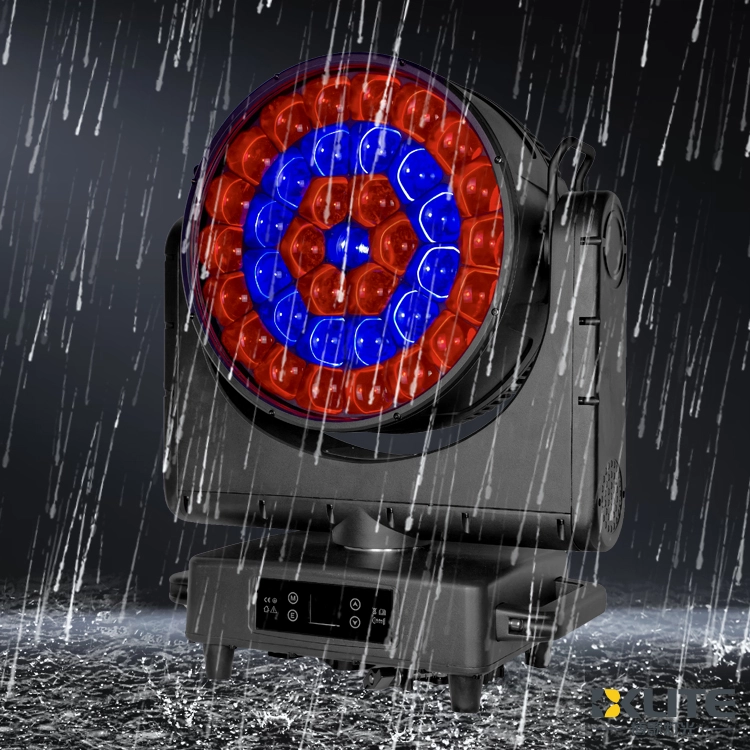
IP65 Waterproof ZOOM Bee Eye 37x40W RGBW 4in1 LED Moving Head Light
As a leading stage lighting equipment supplier with more than 15 years of industry know-how, BKlite brings you the IP65 ZOOM Bee Eye 37*40W RGBW 4in1 LED Moving Head Light (K25 Bee Eye) delivers vibrant, weatherproof lighting with powerful zoom and smooth movement. Ideal for dynamic stage effects, the K25 moving head light ensures stunning RGBW color mixing and reliable outdoor performance.
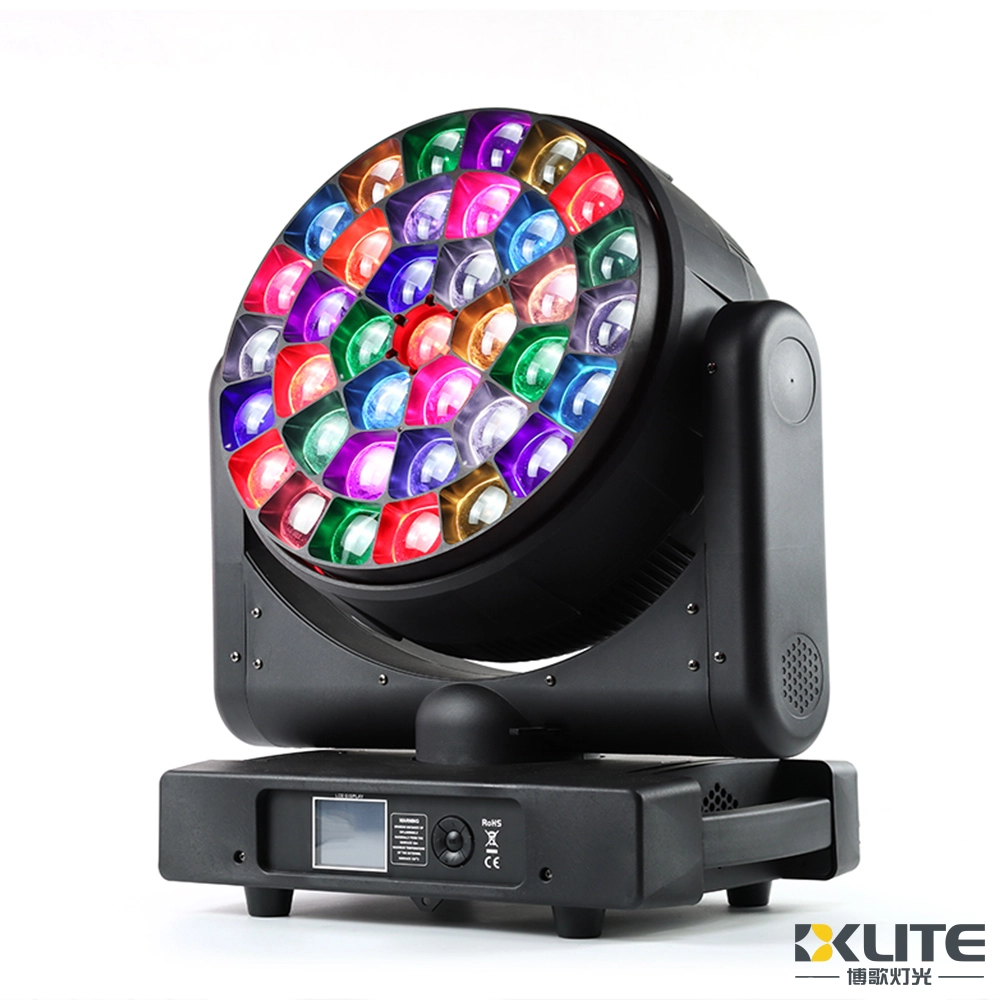
Bee Eye Zoom 37x40W RGBW 4in1 LED Beam Wash Moving Head Light
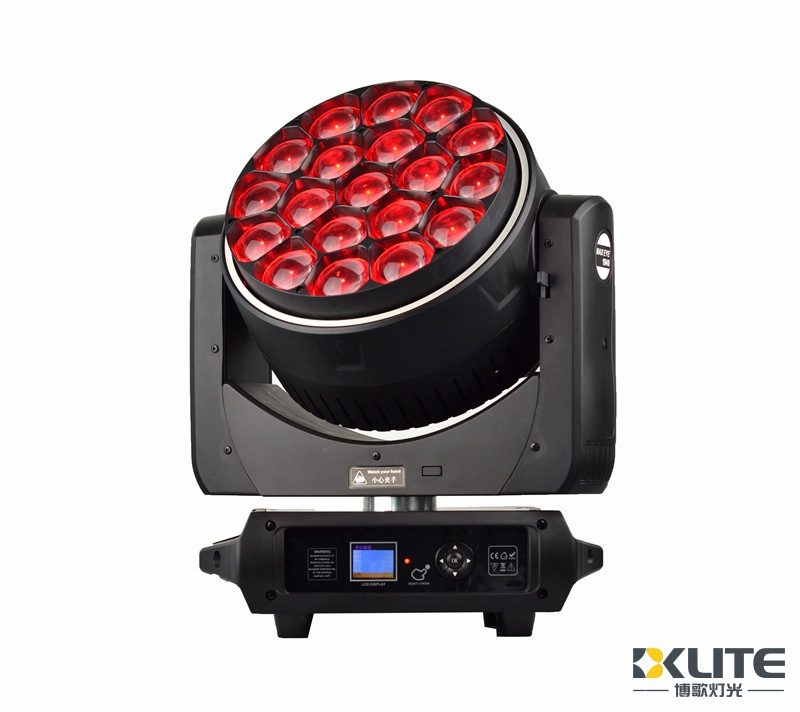
IP20 Bee Eye Zoom 19x40W RGBW 4IN1 LED Beam Wash Moving Head Light with LED Ring
As one of the leading stage lighting equipment suppliers with 15+ years of experience, BKlite launched a new Bee Eye K15 19x40 LED wash light BK-BY1940Z. .
Designed with a simple and sleek appearance, the WASH moving head light is compact, lightweight, and highly portable.
With multiple color effect macros and dynamic effect macros.
Our wash light can be used for versatile lighting options with amazing effect.
It is very good for your lighting projects.
Powerful and shoots very far distances.


Copyright © 2025 BKLITE All Rights Reserved.