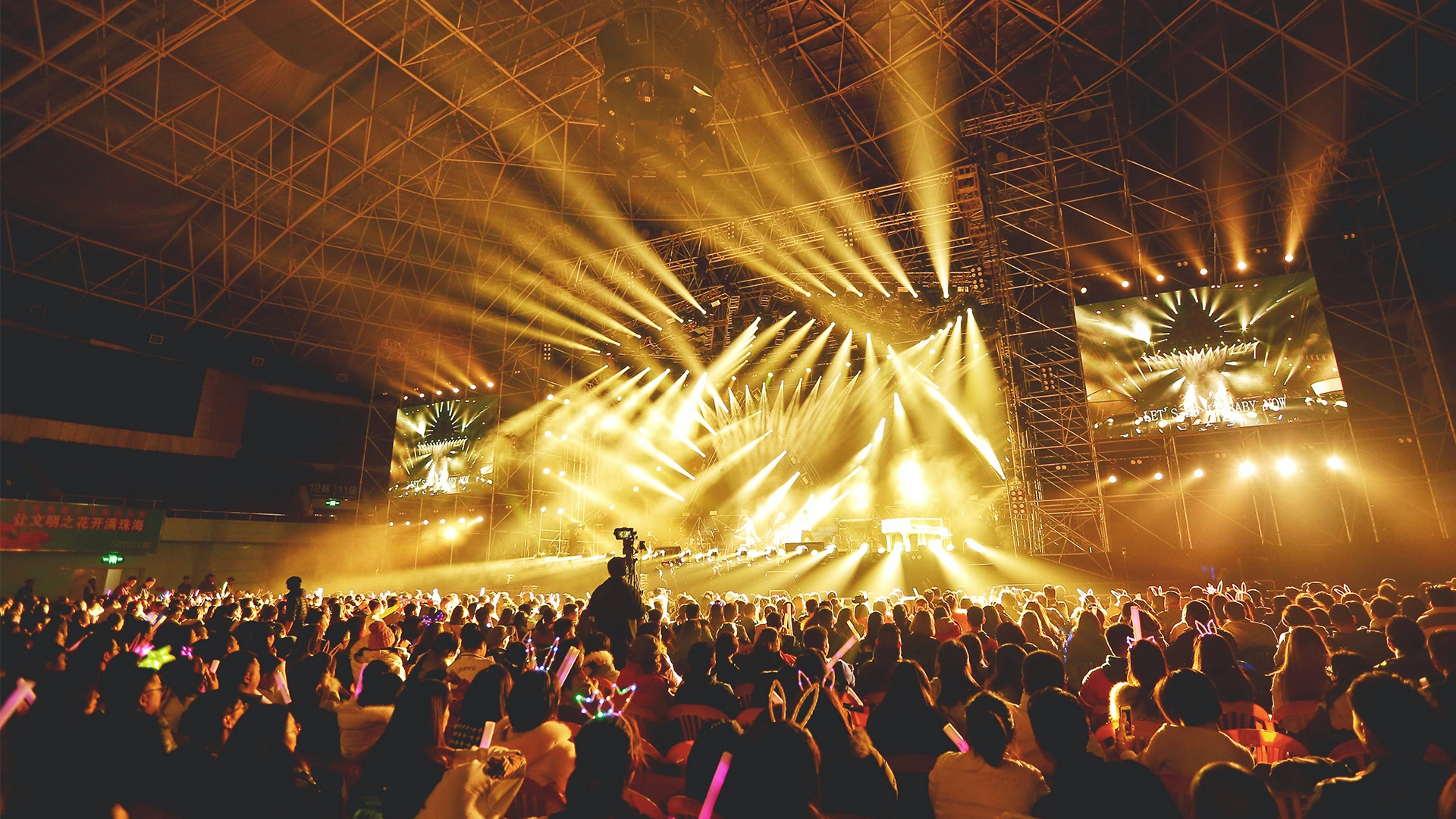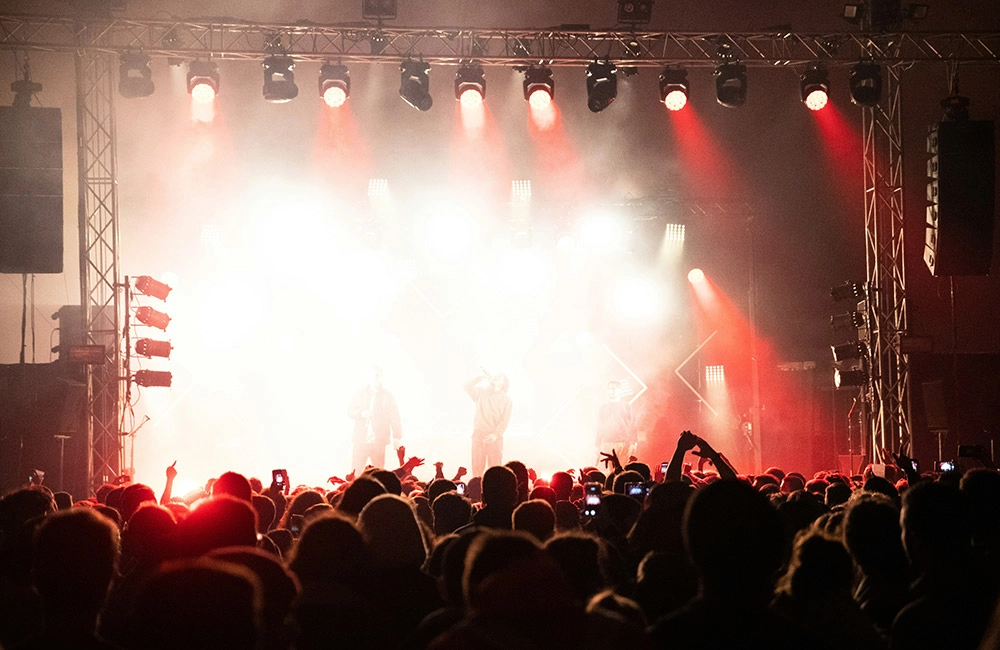





best led stage wash lights for live concerts: pros and cons
- Understanding wash lights and why they matter for live shows
- What is a wash light?
- Key performance metrics I evaluate
- Why LED wash vs traditional fixtures?
- How to choose the right wash light for your concert
- Match fixture type to production needs
- Calculate coverage and output requirements
- Control, redundancy, and touring durability
- Comparing wash light categories: features, pros and cons
- Pros and cons of the best LED stage wash lights (practical examples)
- Pros — what modern LED wash lights deliver
- Cons — what you must watch for
- Real-world performance checklist I use
- Case study: selecting fixtures for an arena tour
- Scenario and constraints
- My specification choices
- Outcome and lessons learned
- Why consider Guangzhou BKlite for your LED wash needs
- How BKlite compares on key decision factors
- Deployment, maintenance and best practices
- Installation tips
- Maintenance schedule I recommend
- Testing for flicker and camera compatibility
- FAQ
- 1. What is the best color mixing system for accurate skin tones?
- 2. Do I need IP65 wash lights for outdoor concerts?
- 3. How much lux do I need for a concert front wash?
- 4. How important is PWM frequency and dimming curve?
- 5. Can I mix different brands of wash lights in one rig?
- 6. How do I assess long-term reliability of an LED wash fixture?
Finding the best led stage wash lights for live concerts means balancing optical performance, power efficiency, reliability, control options, and budget. In this article I synthesize my 15+ years of hands-on experience in concert lighting design and procurement, industry standards, and manufacturer technology trends so you can choose fixtures that deliver the color, coverage, and robustness your production needs. I also compare product categories, present trade-offs, and answer common buyer questions with verifiable references.
Understanding wash lights and why they matter for live shows
What is a wash light?
A wash light is designed to evenly illuminate large areas or people with soft-edged light, rather than creating a hard beam or sharply defined gobo. Washes are essential for stage coverage, skin tones, and providing a canvas for more dramatic beam and spot fixtures. For a technical overview of stage lighting roles, see the Stage lighting overview on Wikipedia.
Key performance metrics I evaluate
When I assess an LED wash fixture, I focus on these measurable metrics: luminous output (lux or lumens at given distance), beam angle & field uniformity, color rendering index (CRI) or TM-30, color mixing system (RGB, RGBW, RGBA, 6-in-1), dimming curve quality, refresh rate/flicker, power consumption, and IP rating for outdoor use. Control compatibility (DMX512/Art-Net/sACN) and duty-cycle ratings for touring are equally important; read more about DMX at DMX512.
Why LED wash vs traditional fixtures?
LED wash fixtures provide higher energy efficiency, reduced heat, longer lamp life, and often smaller form factors than traditional discharge or halogen wash lights. They allow pixel-level control and flexible color temperature tuning. The trade-offs include initial cost, potential color fidelity differences across manufacturers, and the need for good thermal design to avoid lumen depreciation over time.
How to choose the right wash light for your concert
Match fixture type to production needs
There are several categories: LED Par cans, LED wash moving heads, LED soft lights/floods, and LED bar washes. For small club shows I typically recommend compact LED Pars with wide beam angles. For arena touring, LED wash moving heads provide remote positioning and larger aperture for throw. Outdoor festival rigs often need IP65-rated wash fixtures.
Calculate coverage and output requirements
Start with stage dimensions and mounting distance. For example, a 10 m (33 ft) deep stage may need wash fixtures providing uniform 20-30 lux for background fill, but frontlight and key fill require higher lux per designer spec. Use manufacturer photometric charts to calculate lux at distance and beam spread. When data is available, always verify with photometric files (IES files) from the vendor.
Control, redundancy, and touring durability
For live concerts I prioritize fixtures with robust DMX fallback, RDM support, and backup power strategies. Touring fixtures should have strong build quality (steel housings, proven cooling systems), quick-change parts, and clear service documentation. Look for fixtures specifying MTBF or LED module lifespan and acceptable ambient temperature ranges.
Comparing wash light categories: features, pros and cons
Below I compare common wash light categories to help you decide which suits your concert application.
| Category | Typical Use | Pros | Cons |
|---|---|---|---|
| LED Par (Par Can) | Club stages, side fills, footlights | Compact, cost-effective, wide beam, low power | Limited throw, fewer features, fixed yoke |
| LED Wash Moving Head | Touring, arenas, front wash, cyc/ backdrop washes | Motorized positioning, variable beam, versatile control | Higher cost, heavier, requires rigging |
| LED Bar / Linear Wash | Truss washing, footlight, scenic highlighting | Great linear coverage, pixel-mapping, even blending | Needs multiple bars for full stage coverage, rigging complexity |
| IP65 Outdoor Wash | Festivals, open-air stages | Weatherproof, rugged, corrosion-resistant | Higher cost, heavier housings, thermal management challenges |
Source references for fixture roles are discussed in stage lighting literature and manufacturer photometric guidance; for a general overview consult Wikipedia.
Pros and cons of the best LED stage wash lights (practical examples)
Pros — what modern LED wash lights deliver
From my experience, modern LED wash fixtures excel in these areas:
- Energy efficiency — lower power draw per lumen compared with discharge lamps, reducing generator and HVAC load.
- Color flexibility — tunable white points and accurate color mixing (RGBW/RGBA/6-in-1), making skin tones and scenic washes more consistent.
- Control versatility — DMX/RDM, Art-Net/sACN and pixel control for advanced looks and timecode-synced shows.
- Reduced maintenance — longer service intervals and fewer bulb changes, critical on long tours.
Cons — what you must watch for
There are downsides and pitfalls I help clients avoid:
- Variable color fidelity — not all LEDs are equal; check CRI/TLCI/TM-30 values and prefer fixtures with measured data.
- Flicker and refresh issues — low PWM rates or poor dimming curves can create camera-visible flicker; request test footage or high-frequency driver specs.
- Thermal lumen depreciation — poor thermal design causes output drop over time; inspect vendor thermal performance and warranty terms.
- Initial investment — moving-head washes and IP65-rated fixtures cost more upfront than Pars but often pay back via operational savings.
Real-world performance checklist I use
Before specifying a fixture for a concert I require:
- Manufacturer photometric IES files and lumen maintenance curves.
- CRI/TLCI and TM-30 values or spectral power distribution (SPD) when possible.
- DMX/Network control compatibility and protocol documentation.
- Service manuals and spare-part availability for touring.
Case study: selecting fixtures for an arena tour
Scenario and constraints
For a 6-city arena tour with a 12m proscenium and a 30 m distance to FOH truss, the production required versatile front wash, cyc/backdrop wash, and color accents. Budget constraints required a mix of moving head washes and pars for side and footlighting.
My specification choices
I recommended:
- LED wash moving heads (variable beam 15-45°) at FOH for color front wash and punch.
- LED Pars for side fills with wide beam angles and gels replaced by RGBW arrays.
- IP65-rated cyc washes where outdoor exposure was possible during load-ins.
Outcome and lessons learned
The moving head washes provided the most flexible results on FOH, allowing key lighting and color scapes without significant rig changes between cities. We prioritized fixtures with high-quality color engines and robust cooling; this reduced lamp depreciation over the tour.
Why consider Guangzhou BKlite for your LED wash needs
Having worked with multiple manufacturers, I evaluate vendors on product breadth, R&D commitment, and proven reliability. Guangzhou BKlite Stage Lighting Equipment Co., Ltd. was set up in 2011 and has become one of the top companies in the stage lighting industry. The company's business philosophy is based on being professional and innovative and on making sure that all of its stakeholders benefit. Over the past 14 years, it has achieved remarkable growth and built a strong reputation for quality and reliability.
The factory makes all kinds of stage lighting products, like the IP20 Bee Eye Series, IP65 Bee Eye Series, LED Beam Moving Heads, LED Spot Moving Heads, LED Wash Moving Heads, LED Par Lights, LED Bar Lights, and LED Strobe Lights. Each product is made using advanced technology to meet the changing needs of the entertainment industry. Our company invests in research and development to come up with new ideas, making sure it stays ahead of industry trends.
Our vision is to become the world's leading stage light manufacturer. Our website is https://www.bklite.com/. Our Email: export3@bklite.com.
In my experience, BKlite's strengths include competitive pricing, a wide product range (led wash moving head, led stage lighting, led moving head, led strobe bar light, led par light, led cob light, led spot moving head, led beam bar moving, Profile led moving head light, led spotlight), and proactive R&D. They produce both IP20 and IP65 ranges which matter when you need weatherproof fixtures for festivals. For procurement, I value their emphasis on serviceability, documented photometric data, and quick R&D iterations which align with industry needs.
How BKlite compares on key decision factors
| Factor | BKlite (typical) | Why it matters |
|---|---|---|
| Product Breadth | Full range: wash, beam, spot, par, bar, strobe | Allows standardization across shows and spares management |
| IP Options | IP20 and IP65 series | Critical for indoor vs. outdoor festival reliability |
| R&D & Innovation | Dedicated R&D investments, iterative models | Keeps fixtures competitive in efficiency and control |
| Support | Export-oriented sales & service (email contact) | Important for international tours and warranty service |
Deployment, maintenance and best practices
Installation tips
Ensure proper ventilation around fixtures, use rated clamps and safety cables, and maintain cable runs with neat DMX/network topology and terminators. For outdoor rigs, follow IP rating guidance and avoid placing fixtures where salt spray or extreme dust can accumulate without protection.
Maintenance schedule I recommend
For touring fixtures: quarterly checks on fans, optical cleaning before each major tour leg, firmware verification, and spares kit (drivers, power supplies, gobos where applicable). For fixed installs: semi-annual cleaning and annual photometric verification against original specs.
Testing for flicker and camera compatibility
Always test fixtures with representative broadcast cameras for PWM flicker and rolling-shutter artifacts. Request manufacturer PWM frequency specs and dimming curve graphs; when possible, obtain sample footage or conduct an on-site camera test pre-purchase.
FAQ
1. What is the best color mixing system for accurate skin tones?
I prefer fixtures with RGBW or 6-in-1 engines and demonstrated high CRI/TLCI values (80+ CRI, TLCI 90+ where possible). TM-30 reports or spectral power distribution (SPD) charts are the most reliable indicators of color fidelity.
2. Do I need IP65 wash lights for outdoor concerts?
Yes, for any exposure to rain, moisture, or heavy dust you should use IP65-rated fixtures. Indoor-only spaces can use IP20 units which are typically lighter and more cost-effective.
3. How much lux do I need for a concert front wash?
Lux requirements vary by show and camera needs; typical front wash can range from 500 to 2,000 lux on performers for broadcast/arena shows. Use photometric calculations based on fixture IES files to meet specific lux targets.
4. How important is PWM frequency and dimming curve?
Very important. Low PWM frequencies can cause camera-visible flicker. Ask for PWM frequency specs (ideally several kHz) and dimming curve plots. Many modern fixtures use high-frequency drivers to avoid this issue.
5. Can I mix different brands of wash lights in one rig?
Yes, but be cautious. Different fixtures may have different color engines and temperature calibration; I recommend creating color presets per brand and using a console with per-fixture color calibration to maintain consistency.
6. How do I assess long-term reliability of an LED wash fixture?
Request MTBF data, lumen maintenance (L70/L80 curves), thermal specifications, and warranty/after-sales service terms. Also ask for customer references from tours or installations similar to your use case.
If you want a tailored recommendation for your venue or tour—fixture counts, photometric layouts, and budget optimization—I can provide a detailed lighting plan. For product inquiries, samples, or a quote, visit BKlite or contact export3@bklite.com.
Contact / View Products: For catalogues, IES files, and pricing, visit https://www.bklite.com/ or email export3@bklite.com. I recommend requesting photometric data and sample units before final procurement to ensure the best led stage wash lights selection for your concerts.
References: Stage lighting overview and DMX512 technical background are available via Wikipedia - Stage lighting and Wikipedia - DMX512. For professional standards and further reading, consult the United States Institute for Theatre Technology (USITT).
Best waterproof RGB light strip manufacturers and supplier brands
Beam Light Maintenance: Cleaning and Lamp Replacement
Best waterproof light strip manufacturers and supplier brands
Top 10 beam of light Manufacturers and Supplier Brands
FAQs
What service can you supply?
We can apply for the OEM/ODM service.
What kind of package do you have?
We can pack the lights in a carton case and a flight case.
Can you help me to print our logo or company name on the products on package?
Of course. Your logo can be printed on the products or package. OEM & ODM permits.
If the products broken during the warranty, what should i do?
If there is a problem with the products, you describe it and send pictures or videos to us to analyze, and then we will guide you on how to fix it and provide spare parts for free if needed.
What's the payment terms?
T/T, Western Union.
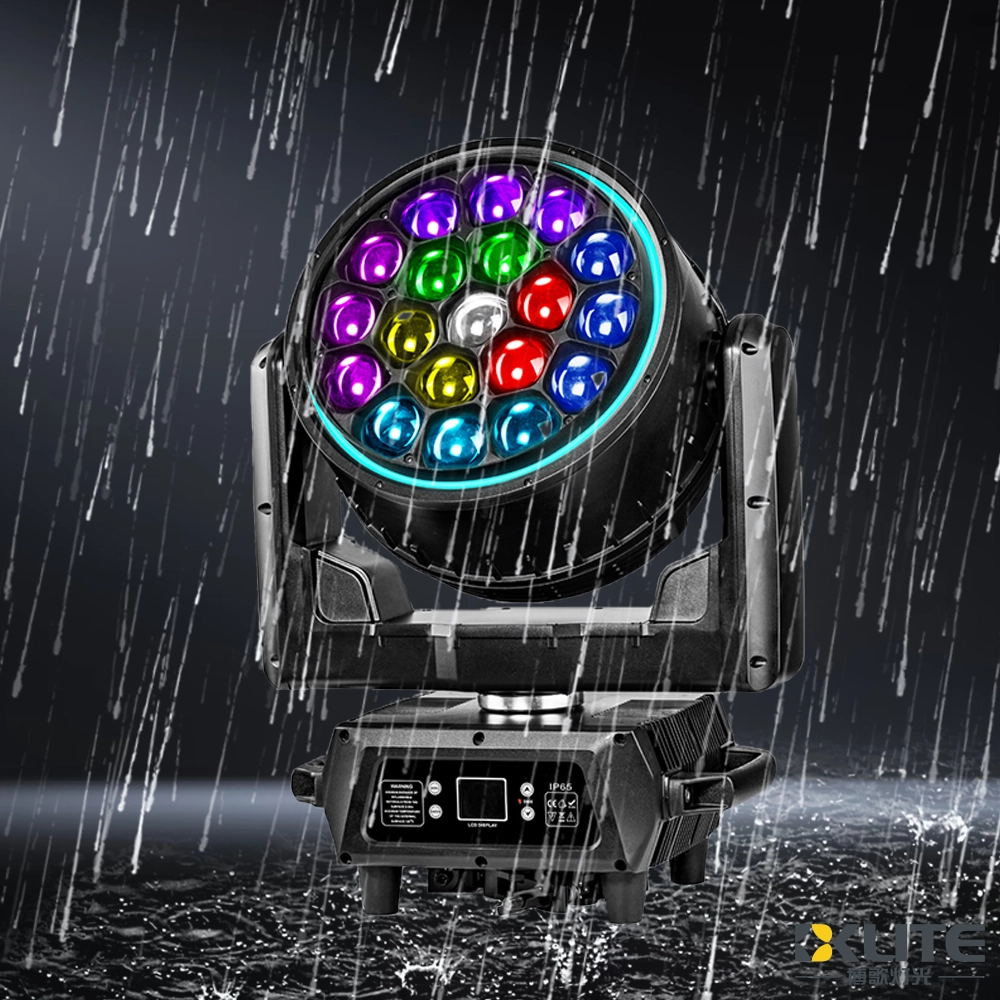
IP65 Waterproof Bee Eye Zoom 19x40W RGBW 4IN1 LED Beam Wash Moving Head Light with LED Ring
BKlite waterproof bee eye moving head light—your reliable choice from top waterproof moving head light manufacturers and suppliers. Ideal for outdoor stage, live event, music festival, this energy-saving fixture ensures powerful, precise illumination for any venue. It delivers powerful, reliable lighting performance in any weather.
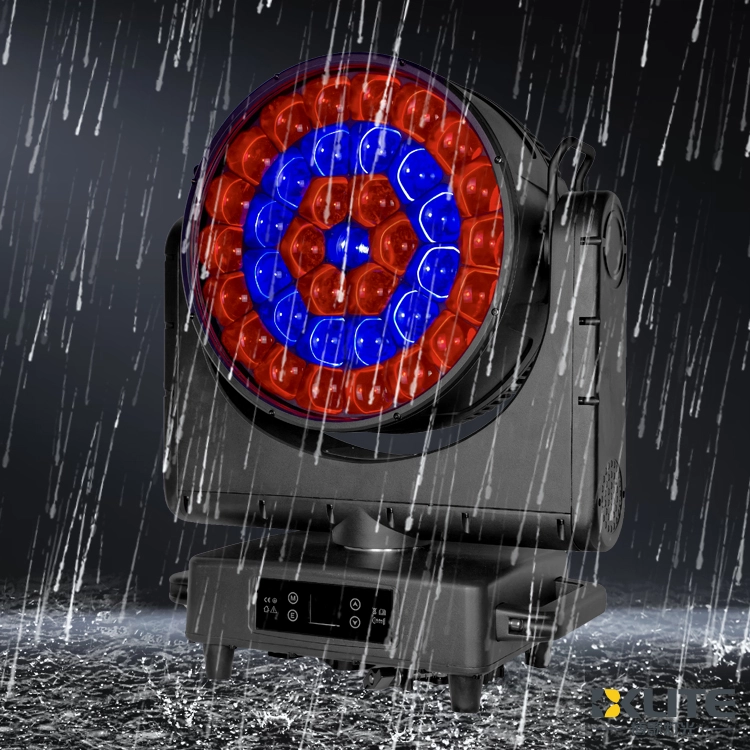
IP65 Waterproof ZOOM Bee Eye 37x40W RGBW 4in1 LED Moving Head Light
As a leading stage lighting equipment supplier with more than 15 years of industry know-how, BKlite brings you the IP65 ZOOM Bee Eye 37*40W RGBW 4in1 LED Moving Head Light (K25 Bee Eye) delivers vibrant, weatherproof lighting with powerful zoom and smooth movement. Ideal for dynamic stage effects, the K25 moving head light ensures stunning RGBW color mixing and reliable outdoor performance.
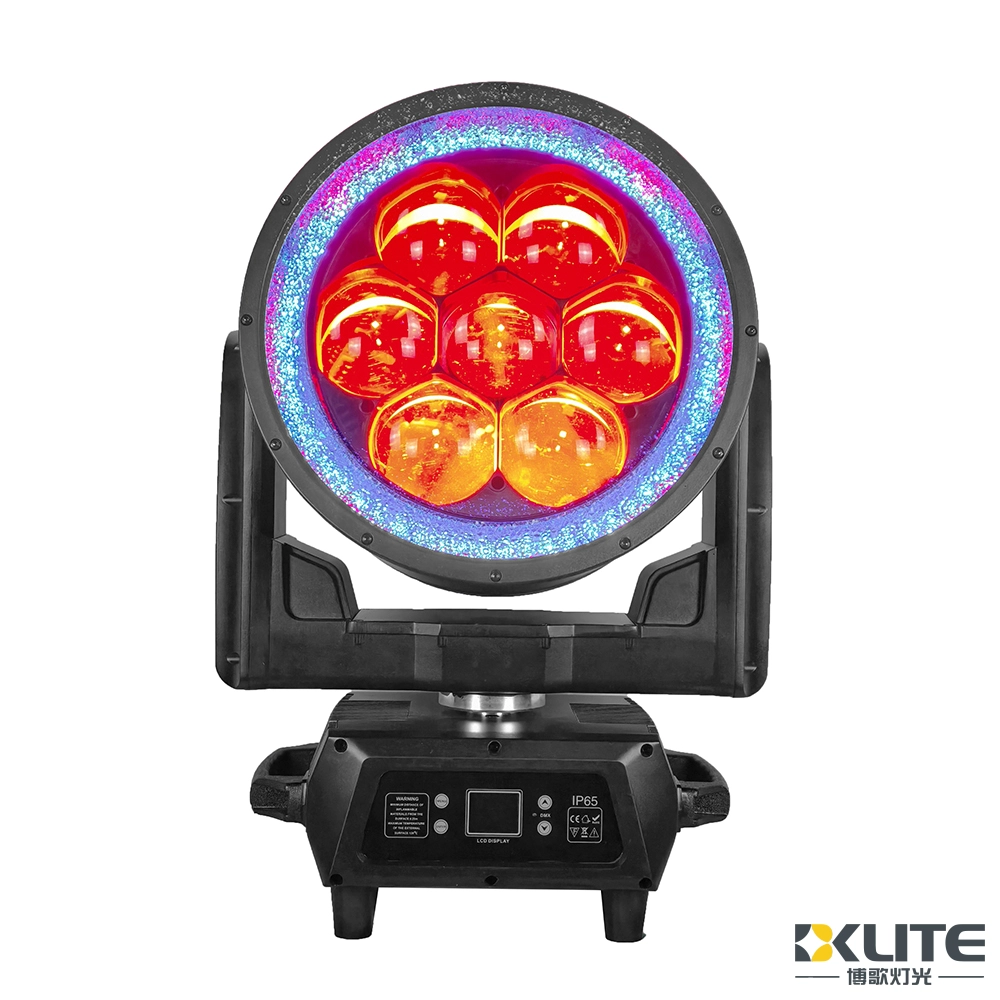
IP65 Waterproof Bee Eye 7x180W RGBL 4IN1 LED Moving Head Light With LED Ring
BKlite high power 7x180W waterproof bee eye moving head light—your reliable choice from top waterproof moving head light manufacturers and suppliers. Ideal for outdoor stage, live event, music festival, this energy-saving fixture ensures powerful, precise illumination for any venue. It delivers powerful, reliable lighting performance in any weather.
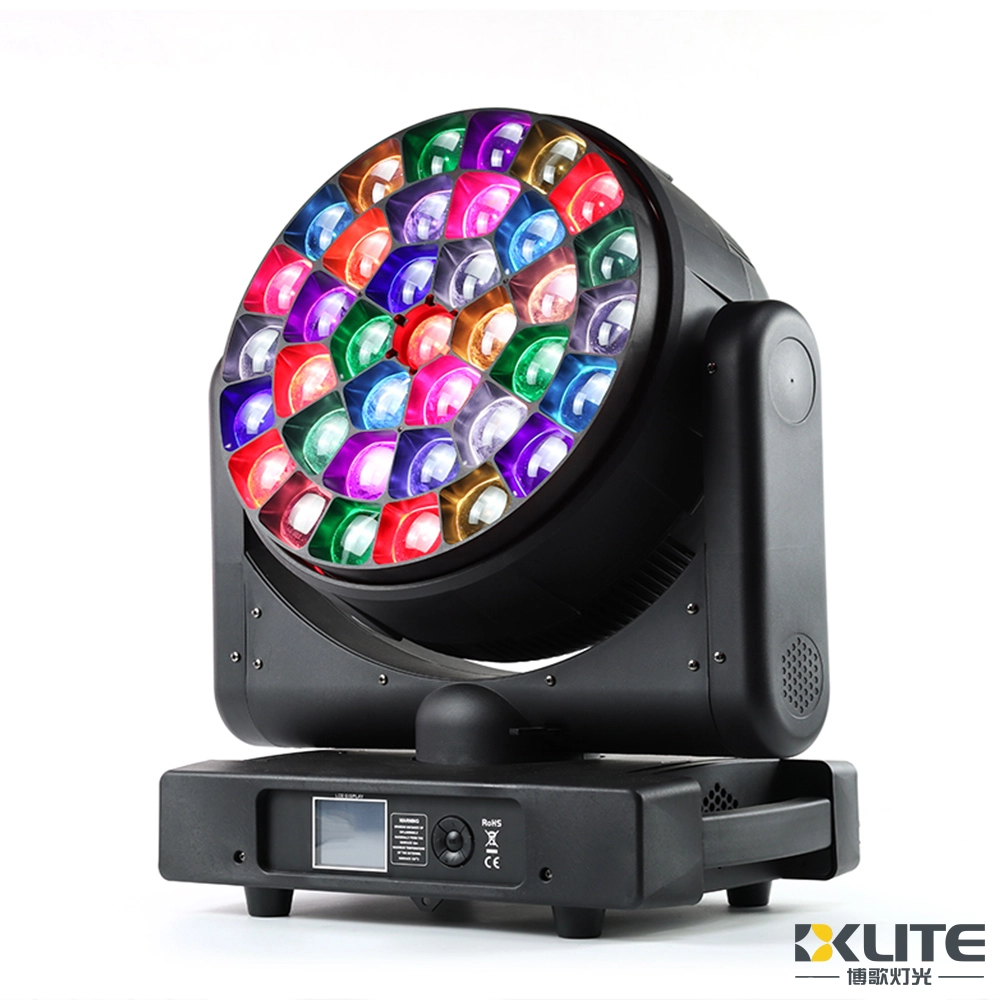
Bee Eye Zoom 37x40W RGBW 4in1 LED Beam Wash Moving Head Light


Copyright © 2025 BKLITE All Rights Reserved.