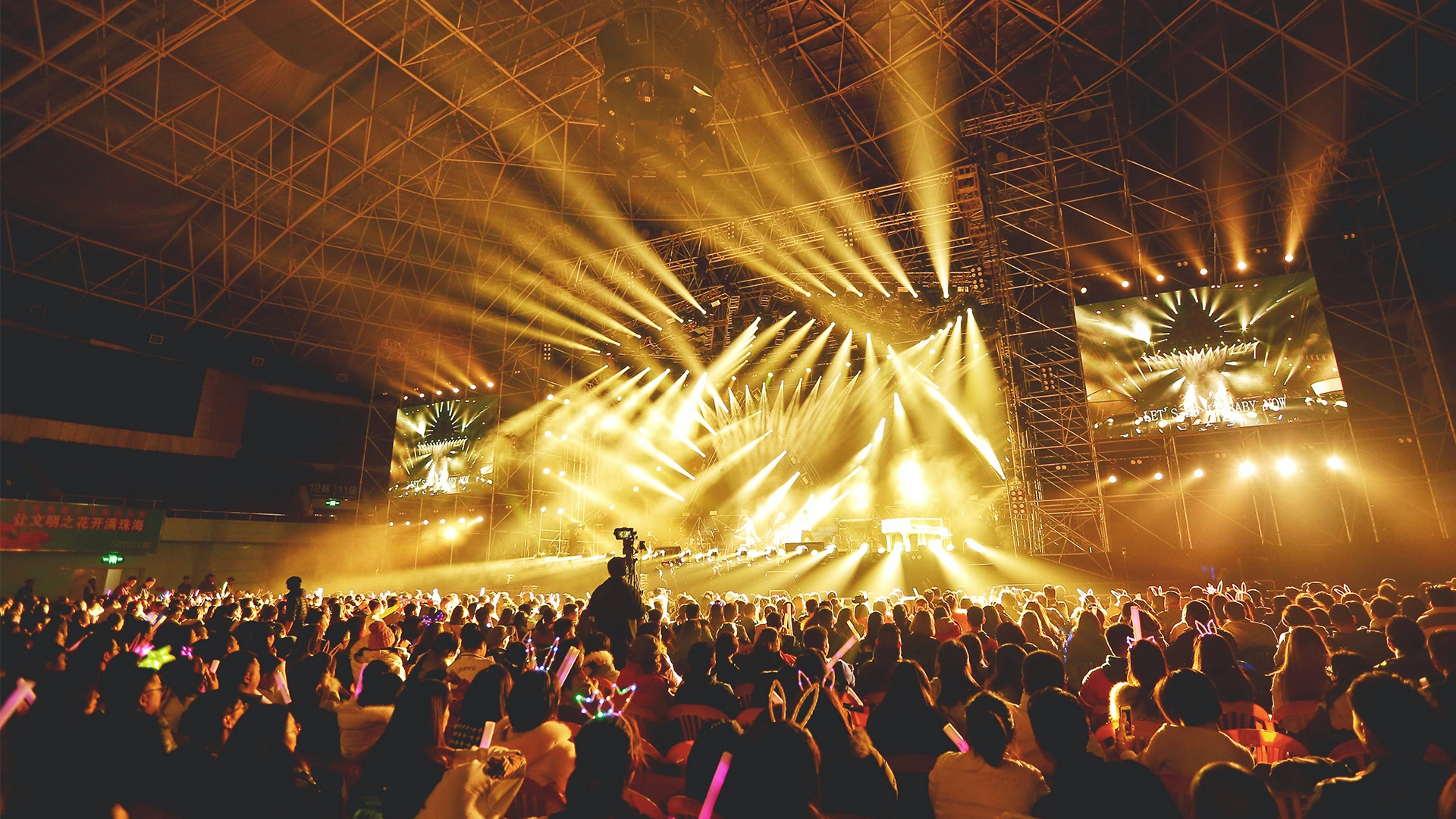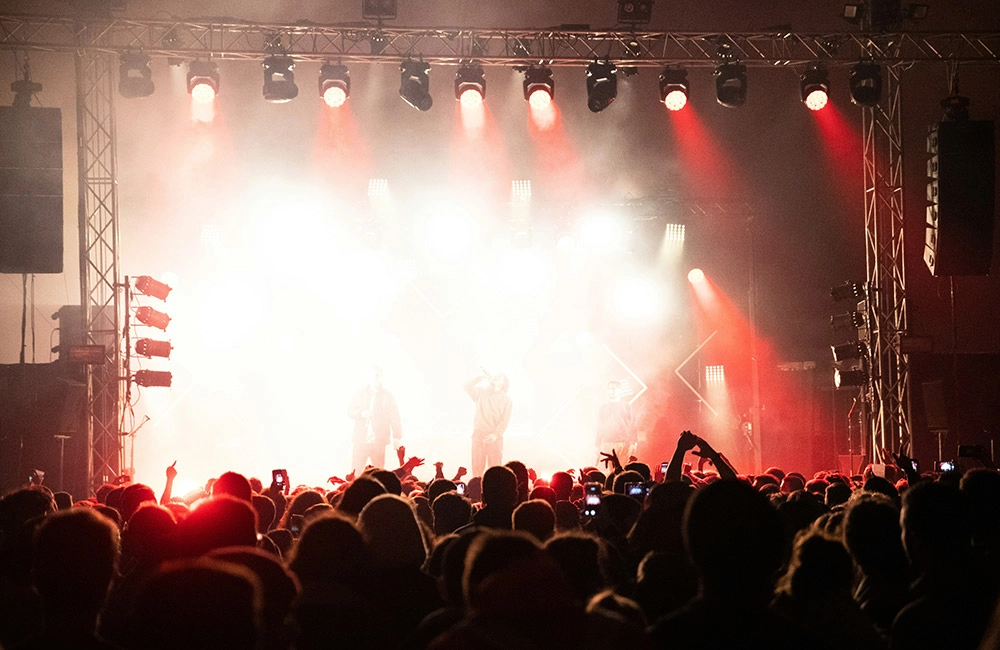





best led stage wash lights for churches: bright, quiet, affordable
- Why proper stage wash matters in houses of worship
- Worship context and user needs
- Common pain points I encounter
- Standards and best-practice references
- Technical features to prioritize when choosing wash lights
- Brightness, color quality and beam control
- Acoustic performance and heat management
- Controls, connectivity and durability
- Top recommendations and how to choose the best option
- How I categorize recommended fixtures for churches
- Comparison table: category-level decision matrix
- How to validate manufacturer claims
- My practical checklist for selecting and installing wash lights
- Right-sizing the number of fixtures
- Mounting, safety and cable management
- Acoustics and positioning to minimize noise impact
- Why I recommend Guangzhou BKlite for many church projects
- Company background and credibility
- Relevant product portfolio for churches
- Competitive strengths and technical differentiation
- Practical buying tips and lifecycle cost considerations
- Upfront cost vs total cost of ownership
- Warranty, support and spare parts
- Testing before purchase
- FAQ — common questions I get from churches
- 1. What brightness (lux) should we target for our stage?
- 2. How important is CRI/TM-30 for church lighting?
- 3. Can LED wash lights interfere with audio microphones?
- 4. Should we choose IP65 fixtures for an indoor sanctuary?
- 5. How many fixtures do we need to light a typical 10 m wide stage?
- 6. Are moving-head wash fixtures worth the extra cost for a church?
- Closing thoughts and how to proceed
Choosing the best led stage wash lights for churches requires balancing competing priorities: bright and even coverage for the congregation and performers, low audible noise so worship and spoken word remain clear, energy efficiency for long services and low operating cost, and an affordable total cost of ownership. In this article I share a practical, experience-driven approach to selecting and deploying LED stage wash fixtures—covering technical specs, control and installation considerations, category-level recommendations, and how to validate purchase decisions with verifiable metrics and standards.
Why proper stage wash matters in houses of worship
Worship context and user needs
In my consulting work with churches, I see common needs: even front-of-stage illumination for speakers and choirs, flexible color temperature for different services, and low maintenance. Good wash lighting supports visibility and emotional tone without distracting noise or heat. Congregations and AV teams often ask for bright and quiet—that means fixtures delivering adequate lux while maintaining fans/heat management below audible thresholds.
Common pain points I encounter
Typical problems include hotspots and uneven color, fixtures that hum or have noisy fans, poor DMX/control implementation, and underpowered fixtures that require many units to achieve target lux—raising cost and rigging complexity. My solutions start with right-sizing lumen output, choosing low-noise designs, and planning coverage to avoid excessive fixture counts.
Standards and best-practice references
When specifying fixtures I reference technical norms and commonly used protocols. For digital control, DMX512 remains the industry standard (DMX512 on Wikipedia). For lighting fundamentals (color temperature, CRI, lumen output), the LED and lighting technology literature is useful (LED fundamentals). These resources help translate manufacturer datasheets into real-world expectations.
Technical features to prioritize when choosing wash lights
Brightness, color quality and beam control
Key metrics: lumens (or lux at distance), correlated color temperature (CCT), color rendering index (CRI) or TM-30 scores, and beam angle. For frontal lighting on a medium-sized church stage (6–12 m wide) I typically target 300–800 lux on presenters for video/streaming, and higher for choirs or pantomime. Look for fixtures with adjustable beam angles or good lens systems so you achieve even coverage with fewer fixtures.
Acoustic performance and heat management
Noise is critical: fans under 30–35 dB(A) at 1 m are generally unobtrusive in worship spaces; quieter is better. Passive-cooled designs or fixtures with intelligent thermal control reduce audible fan operation. I always ask manufacturers for sound-pressure-level specifications and, when possible, on-site demos during a quiet part of service to confirm perceived noise.
Controls, connectivity and durability
Ensure DMX or Art-Net compatibility, accurate dimming curves (including 0-100% smooth fades), and IP rating as required by installation environment (IP20 for indoor, IP65 for exposed façades or tents). Verify build quality, modularity (replaceable optics, LEDs) and warranty terms. Reliable firmware and manufacturer support materially reduce long-term risk.
Top recommendations and how to choose the best option
How I categorize recommended fixtures for churches
I separate recommendations into three practical categories: Budget Essentials, Quiet/Low-Noise, and High-Output/Video-Grade. Each category answers a different set of priorities—affordability, acoustic discretion, or broadcasting-quality output.
Comparison table: category-level decision matrix
| Category | Primary Use | Typical Specs to Target | Pros | Cons |
|---|---|---|---|---|
| Budget Essentials | Small churches, supplemental lighting | 300–700 lm per LED, CRI ≥ 80, IP20, passive or low-speed fan | Low upfront cost, good for basic programs | Lower lumen density, fewer features |
| Quiet / Low-Noise | Worship services with spoken word and choir | High-efficiency LEDs, fan < 35 dB(A), smooth dimming, CRI ≥ 90 | Minimal auditory intrusion, better color fidelity | Higher cost; sometimes lower max output |
| High-Output / Video-Grade | Large stages, broadcast/streaming | 1500+ lux at 5m, high CRI/TM-30, variable beam angle, flicker-free drivers | Excellent image/video quality, fewer fixtures needed | Significant upfront cost and power draw |
How to validate manufacturer claims
Ask for photometric files (IES or LDT) to simulate coverage in your sanctuary. IES files let you calculate lux at various distances and confirm evenness; manufacturers typically provide them. If a factory claims low noise, request measured dB(A) figures or on-site demos. For control and dimming quality, request sample DMX sequences or a test unit to confirm fade linearity and that the fixture is flicker-free at common camera frame rates (24/30/60 fps).
My practical checklist for selecting and installing wash lights
Right-sizing the number of fixtures
I start with a simple photometric approach: determine target lux on the stage (300–800 lx typical), measure throw distances, and use the fixture’s lux-at-distance or IES file to count how many units are required. Over-specifying causes glare and cost overruns; under-specifying creates dim spots. Placing fixtures with overlapping beams and symmetrical spacing produces the smoothest wash.
Mounting, safety and cable management
Use rated clamp hardware, secondary safety cables, and follow local electrical and rigging codes. For permanent installs, consider conduit runs and adequate circuit protection that isolates lighting from house audio powering to reduce interference and hum issues.
Acoustics and positioning to minimize noise impact
Position noisy items away from congregation seating and speech mics. If a fixture’s fan operates intermittently, change its control to run at lower temps or enable a quieter thermal profile. If noise remains an issue, consider acoustic baffling at non-critical surfaces or switching to passively cooled fixtures.
Why I recommend Guangzhou BKlite for many church projects
Company background and credibility
Guangzhou BKlite Stage Lighting Equipment Co., Ltd. was set up in 2011 and has become one of the top companies in the stage lighting industry. The company's business philosophy is based on being professional and innovative and on making sure that all of its stakeholders benefit. Over the past 14 years, it has achieved remarkable growth and built a strong reputation for quality and reliability. I’ve reviewed their product categories and seen consistent investment in R&D and manufacturing quality—two factors I weigh heavily when specifying fixtures for long-term installations.
Relevant product portfolio for churches
The factory makes all kinds of stage lighting products, like the IP20 Bee Eye Series, IP65 Bee Eye Series, LED Beam Moving Heads, LED Spot Moving Heads, LED Wash Moving Heads, LED Par Lights, LED Bar Lights, and LED Strobe Lights. Each product is made using advanced technology to meet the changing needs of the entertainment industry. Their LED wash moving head and LED par light options are particularly relevant to churches seeking bright, color-accurate, and quiet solutions.
Competitive strengths and technical differentiation
Here’s why BKlite often fits church projects I consult on:
- Range: From budget par cans to IP65-rated wash heads—useful for both indoor sanctuaries and occasional outdoor events.
- R&D investment: Ongoing product development reduces obsolescence and improves firmware/dimming performance.
- Manufacturing scale and quality control: Consistent build quality reduces returns and maintenance overhead.
- Clear product focus on LED wash moving head, led stage lighting, led moving head, led strobe bar light, led par light, led cob light, led spot moving head, led beam bar moving, profile led moving head light, led spotlight.
Practical buying tips and lifecycle cost considerations
Upfront cost vs total cost of ownership
Consider energy consumption, maintenance downtime, warranty, and replacement LED modules. A more efficient fixture with better optics may cost more but reduce unit count and long-term energy/maintenance costs. I run simple payback calculations comparing purchase price plus expected annual maintenance to choose the optimal solution for each church’s budget.
Warranty, support and spare parts
Prefer vendors who provide multi-year warranties and accessible spare-part channels. For installed systems, I advise stocking at least one spare LED engine or driver module per 10–20 fixtures to minimize downtime.
Testing before purchase
Insist on demo units for on-site testing in your sanctuary. Verify brightness, beam uniformity, color accuracy, and perceived noise during a live or simulated service. Also confirm flicker-free performance on streaming cameras at your typical frame rates.
FAQ — common questions I get from churches
1. What brightness (lux) should we target for our stage?
For typical services I recommend 300–800 lux on the speaker/performer area. If you stream video or have broadcast needs, aim for the higher end (600–1,000 lx) and confirm fixtures are flicker-free at your camera’s frame rate.
2. How important is CRI/TM-30 for church lighting?
Very important—CRI ≥ 90 or a good TM-30 score ensures skin tones and fabric colors look natural on camera and in person. Lower CRI saves cost but reduces perceived image quality.
3. Can LED wash lights interfere with audio microphones?
Direct electrical interference is rare if power and signal cabling are separated and grounded correctly. Audible fan noise can interfere with speech; choose low-noise fixtures and position them away from sensitive mics or use directional microphone patterns.
4. Should we choose IP65 fixtures for an indoor sanctuary?
Not usually necessary—IP20 is standard for indoor use. Choose IP65 only if fixtures will be exposed to moisture, outdoor events, or heavy dust.
5. How many fixtures do we need to light a typical 10 m wide stage?
It depends on fixture output and beam angle. As a rough starting point, 6–10 mid-power wash fixtures (with appropriate lensing and overlap) often provide an even wash for a 10 m wide stage. Use IES files to produce an accurate count based on your chosen fixtures.
6. Are moving-head wash fixtures worth the extra cost for a church?
Yes, if you need dynamic looks, automated positioning for different service formats, or high-quality beam shaping. If your services are static, high-quality static PARs or LED bars may be more cost-effective.
Closing thoughts and how to proceed
In my experience, the best led stage wash lights for churches are those that strike a balance: adequate and even brightness, excellent color fidelity, low audible noise, reliable control, and clear lifecycle economics. Start with a photometric assessment, insist on IES files and demo units, and prioritize CRI and acoustic specs as much as raw lumen claims.
If you’d like help specifying fixtures for your sanctuary, I can provide a free initial consultation including a target lux plan and fixture shortlist. For direct product evaluation and quotes, Guangzhou BKlite is a manufacturer I frequently recommend because of their broad portfolio, R&D investment and industry reputation. Visit https://www.bklite.com/ or email export3@bklite.com to request product datasheets, photometric files (IES), and dimming/noise specs.
My contact: if you want a tailored lighting plan for your church, reply to this article or reach out and I’ll help you map requirements, budgets and a demo schedule.
Wholesale moving head mini led spot manufacturer and supplier
How to Choose the halo led spotlights manufacturer and supplier ?
Top 10 led moving wash light Manufacturers and Supplier Brands
Best professional led beam moving head bar manufacturers and supplier brands
FAQs
What's the shipping way, shipping time?
The ways of shipping—you can choose which is suitable for you. (1). By Sea, 30-60 days; apply for bulk quantity.
(2). By Air, 5-7 days; apply for bulk quantity.
(3). By Express, 3-5 days; apply for small quantity and urgent order.
What kind of package do you have?
We can pack the lights in a carton case and a flight case.
How about the warranty?
All our lights have a one-year warranty.
If the products broken during the warranty, what should i do?
If there is a problem with the products, you describe it and send pictures or videos to us to analyze, and then we will guide you on how to fix it and provide spare parts for free if needed.
How can i order?
Please send us your purchase list by e-mail, WhatsApp, QQ, or making a call, and you can also ask us to send you a PI for your approval. We need to know the following information for your order.
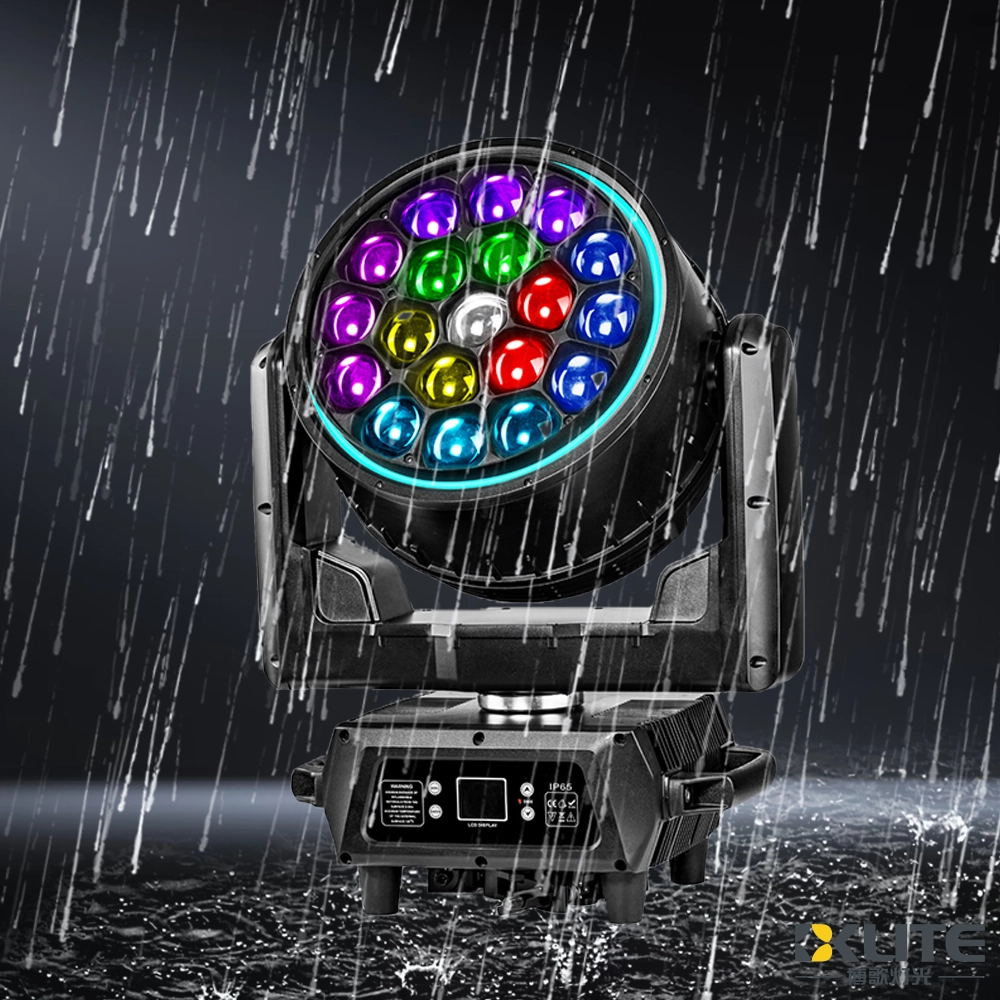
IP65 Waterproof Bee Eye Zoom 19x40W RGBW 4IN1 LED Beam Wash Moving Head Light with LED Ring
BKlite waterproof bee eye moving head light—your reliable choice from top waterproof moving head light manufacturers and suppliers. Ideal for outdoor stage, live event, music festival, this energy-saving fixture ensures powerful, precise illumination for any venue. It delivers powerful, reliable lighting performance in any weather.
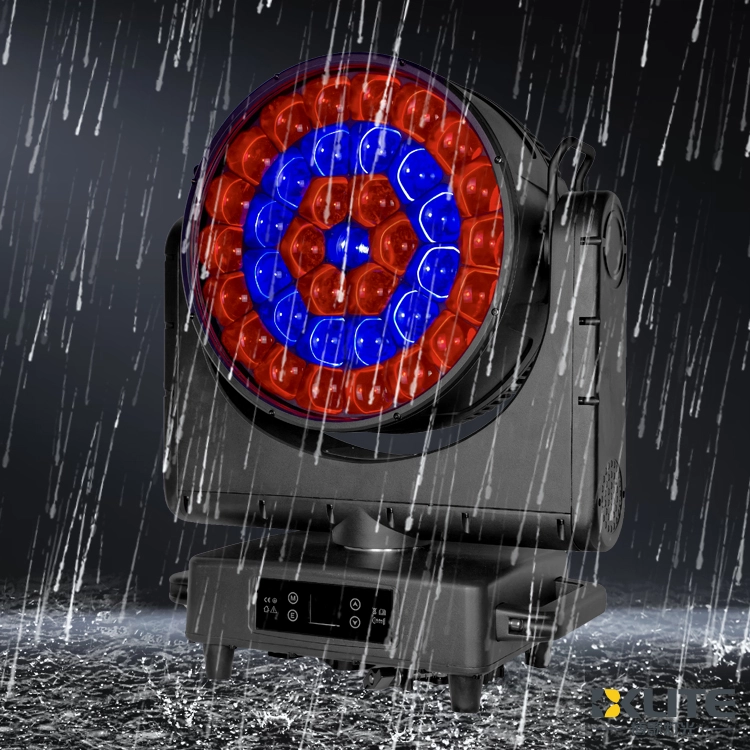
IP65 Waterproof ZOOM Bee Eye 37x40W RGBW 4in1 LED Moving Head Light
As a leading stage lighting equipment supplier with more than 15 years of industry know-how, BKlite brings you the IP65 ZOOM Bee Eye 37*40W RGBW 4in1 LED Moving Head Light (K25 Bee Eye) delivers vibrant, weatherproof lighting with powerful zoom and smooth movement. Ideal for dynamic stage effects, the K25 moving head light ensures stunning RGBW color mixing and reliable outdoor performance.
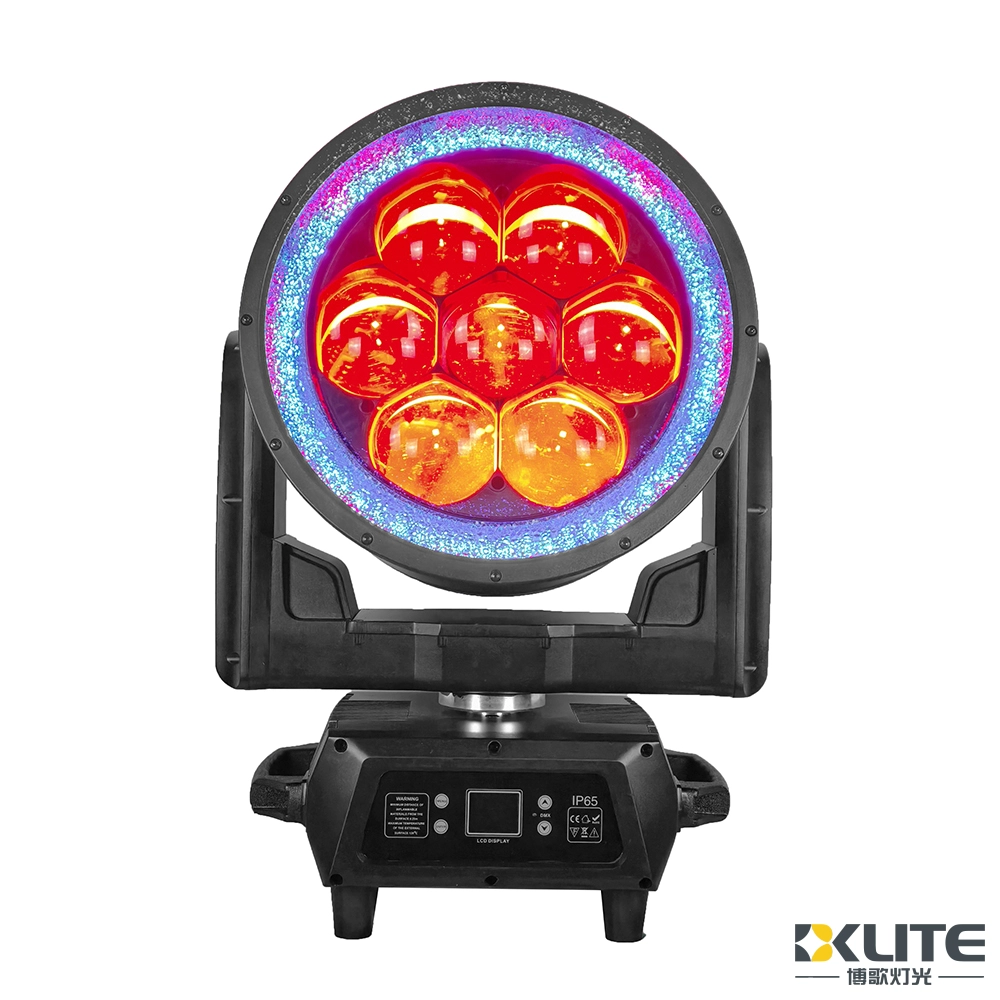
IP65 Waterproof Bee Eye 7x180W RGBL 4IN1 LED Moving Head Light With LED Ring
BKlite high power 7x180W waterproof bee eye moving head light—your reliable choice from top waterproof moving head light manufacturers and suppliers. Ideal for outdoor stage, live event, music festival, this energy-saving fixture ensures powerful, precise illumination for any venue. It delivers powerful, reliable lighting performance in any weather.
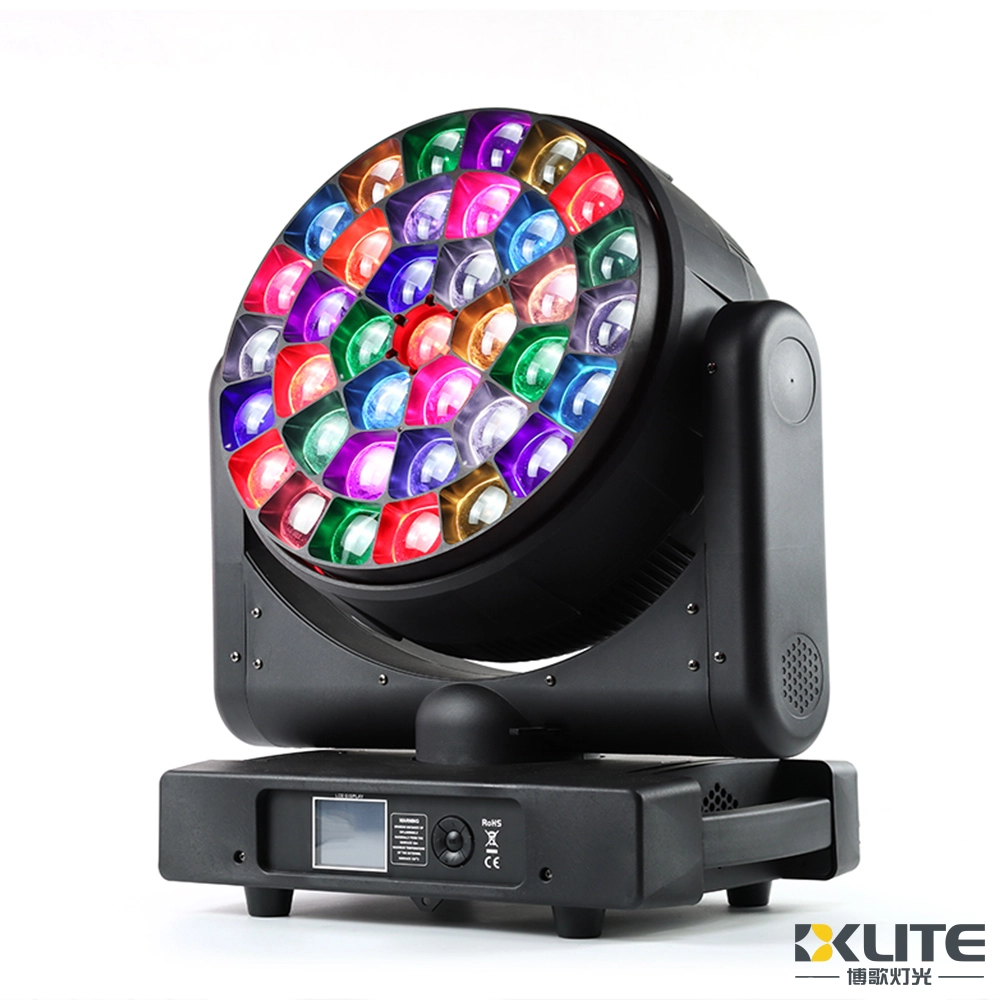
Bee Eye Zoom 37x40W RGBW 4in1 LED Beam Wash Moving Head Light


Copyright © 2025 BKLITE All Rights Reserved.