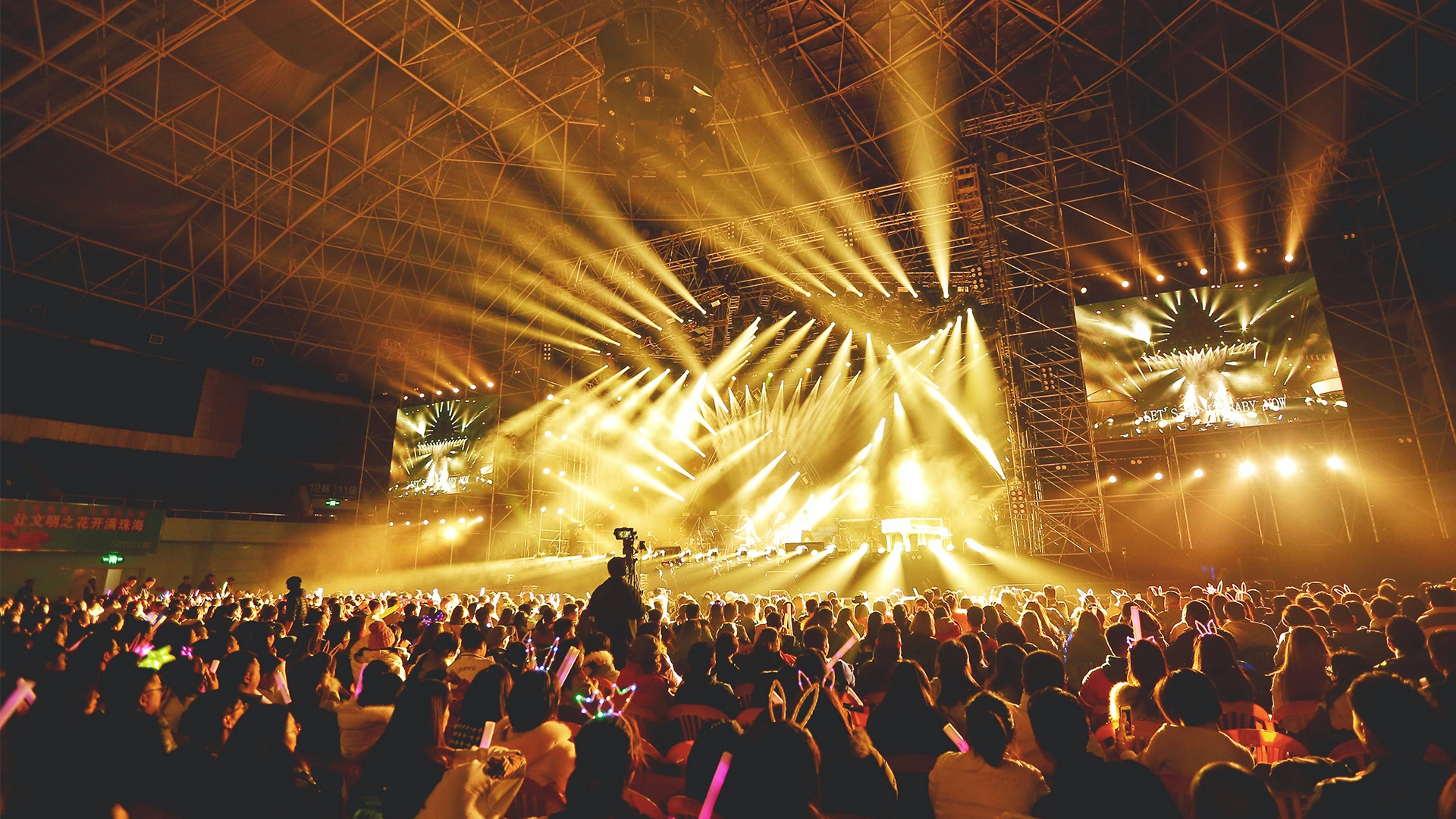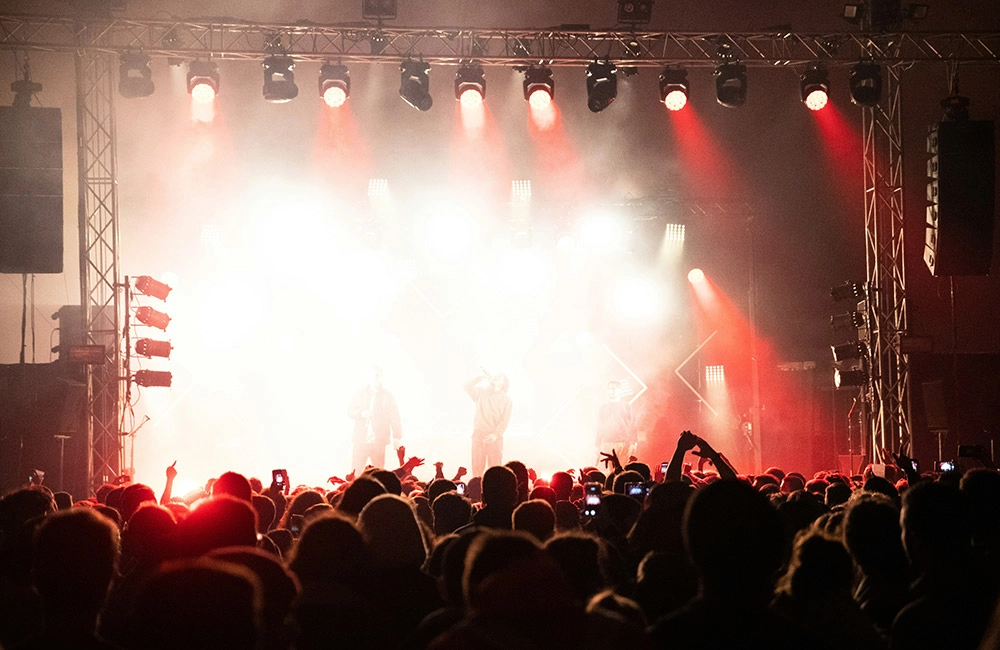





Setup and rigging tips for the best led stage wash lights
- Planning your wash system: objectives, photometrics and fixture selection
- Define the visual goals and measurement targets
- Photometric checks: lumens, lux and beam angle
- Key selection criteria for the best LED stage wash lights
- Rigging and physical setup: safety, placement and truss considerations
- Safe rigging practices and load calculations
- Placement strategies for even coverage and layering
- Truss and hardware: clamps, safety cables and orientation
- Control, power and data: DMX, RDM, power distribution and grounding
- DMX addressing, RDM and signal integrity
- Power management, inrush and PFC
- Networked pixel mapping and advanced control
- Optics, color, maintenance and environmental considerations
- Color mixing, CRI/TLCI and white balance stability
- Optics: zooms, frosts and diffusion options
- Maintenance schedule and thermal management
- IP ratings and outdoor use
- Comparative data: choosing the right wash for your needs
- Why select fixtures from a reputable manufacturer: case study of BKlite
- Checklist for a smooth load-in and tech rehearsal
- FAQ
- 1. What makes a wash fixture one of the best led stage wash lights?
- 2. Can I mix different brands of wash lights on one rig?
- 3. How do I size fixtures for outdoor festivals?
- 4. What maintenance intervals are recommended for LED wash lights?
- 5. How important is DMX termination and grounding?
- 6. What are common rigging mistakes to avoid?
- Contact and product inquiry
As a lighting professional with years of experience designing and rigging shows, I know that choosing and deploying the best led stage wash lights is about more than raw lumen numbers. You need to balance optics, color quality, control, power/data logistics, mechanical rigging and real-world site constraints to achieve even, comfortable washes and precise creative looks. In this guide I walk through practical steps I use on jobs daily, explain trade-offs, and show how to avoid common pitfalls that reduce fixture life or produce poor visual results.
Planning your wash system: objectives, photometrics and fixture selection
Define the visual goals and measurement targets
Before selecting fixtures I start by defining the look: even field wash, color-saturated backwash, eye-level face light, or cyc/blind wash. Each objective drives different photometric requirements. For example, front-of-house washes aimed at camera need stable correlated color temperature (CCT) and high TLCI/CRI ratings, while atmospheric backwashes may prioritize high output and beam homogenization.
Use basic target metrics: lux/footcandles on stage surfaces and uniformity ratios (max/min). Reference guidance from the stage lighting overview and recommended practices from the Illuminating Engineering Society (IES) for theatrical and performance lighting when setting numeric goals.
Photometric checks: lumens, lux and beam angle
When comparing fixtures, I always ask for the photometric file (IES or LDT). Raw lumen claims can be misleading—optics and beam angle determine usable illumination density. Typical wash fixtures trade off lumens for wide beam homogenization: a 25° wash will read higher lux at focus than a 60° model with identical LED chips. If you need even coverage across a 10 m wide stage, calculate required lux with overlap and maintain a uniformity ratio below 3:1 for camera work.
For technical reference on lumens and LED efficacies, the US Department of Energy provides reliable background on LED performance and metrics: DOE LED lighting guidance.
Key selection criteria for the best LED stage wash lights
Here are the parameters I weigh when choosing a wash fixture:
- Color quality: TLCI/CIE/CRI values and consistent CCT across dimming range.
- Beam shaping: fixed vs zoom optics, beam angle range (e.g., 10°–60°), lens quality.
- Output vs efficiency: luminous flux and photometric files for expected throw distances.
- Control features: DMX/RDM, pixel mapping, configurable curves and gamma.
- Power characteristics: power factor correction (PFC), inrush current, and supply voltage compatibility.
- Durability: IP rating for outdoor fixtures, cooling method (convection vs forced), and maintenance access.
Rigging and physical setup: safety, placement and truss considerations
Safe rigging practices and load calculations
Never assume—always calculate. Determine each truss point's safe working load, add fixture weight, safety cable, clamp, and any accessories (barn doors, adapters). Use approved hardware and follow local codes. For fixture data sheets and rigging loads, consult manufacturer specifications. As a baseline, design for 10x safety factor on dynamic loads when using moving heads or in venues with potential wind or crowd vibration.
For guidance on rigging standards, industry references like published rigging handbooks and local theatrical unions provide standards; Wikipedia's overview of stagecraft rigging can be a starting point: Stagecraft.
Placement strategies for even coverage and layering
My favored approach mixes positions: overhead front truss for key wash, side trusses for cross-light and shadow fill, and back truss for separation. When using the best led stage wash lights, position units with overlapping beams to create uniform coverage while avoiding multiple hot spots. Aim for a 20–30% overlap between adjacent fixtures depending on beam edge falloff.
For cyc or backdrop work use low-angle uplights with narrow beam profiles for vertical coverage, and place wash fixtures higher for front-of-house coverage with flatter angles to reduce shadows on performers.
Truss and hardware: clamps, safety cables and orientation
Always orient fixtures to allow easy access for maintenance and to keep power/data runs neat. Use rated couplers and secondary safety cables. When fixtures are hung outdoors or in venues with crowd access, double-check that safety cables are independent from mounting clamps. Where possible orient connectors away from potential drip paths and use IP65-rated fixtures or sealed junctions for outdoor events.
Control, power and data: DMX, RDM, power distribution and grounding
DMX addressing, RDM and signal integrity
For reliable control of the best led stage wash lights, I terminate DMX runs properly and maintain 120-ohm characteristic impedance with a terminator at the end of the chain. Consider RDM (Remote Device Management) to remotely address and configure fixtures during commissioning—RDM can dramatically speed up setup. See DMX512 technical background: DMX512.
When using long runs, use distribution amplifiers or move to Ethernet-based lighting protocols (sACN or Art-Net) bridged to local DMX nodes to preserve traffic and control resolution.
Power management, inrush and PFC
LED fixtures can have significant inrush currents; manage mains distribution accordingly by staggering power-up or using inrush limiting devices when powering many fixtures from a single breaker. Check each fixture's power factor and inrush specs—many modern wash fixtures include PFC to reduce distortion on supply. Use a qualified electrician to verify breaker sizing and confirm correct grounding to reduce hum and electrical noise issues.
Networked pixel mapping and advanced control
If your wash fixtures support pixel mapping or multi-cell control, plan your universe allocation early. Combining pixel-mappable strips or panels with wash heads lets you craft complex looks, but requires careful bandwidth and frame-rate budgeting. Use software that supports sACN or Art-Net and test with a proof rig before load-in.
Optics, color, maintenance and environmental considerations
Color mixing, CRI/TLCI and white balance stability
For camera work, TLCI (Television Lighting Consistency Index) is often more relevant than CRI—aim for TLCI ≥ 90 where broadcast quality is required. LED binning and color calibration across fixtures is vital; I calibrate white balance using fixture pre-sets and check with a light meter or camera to ensure CCT consistency across the stage. Some manufacturers provide per-fixture calibration tools or firmware updates to address color drift.
Optics: zooms, frosts and diffusion options
Many wash fixtures offer motorized zooms from narrow to wide angles—these are invaluable for flexible coverage. Use frosts or softening filters when blending multiple fixtures to avoid visible beam edges. For very wide cyc or audience washes, choose units with very wide optics or combine multiple fixtures with careful angular placement.
Maintenance schedule and thermal management
LEDs are robust but sensitive to heat. Maintain clean heatsinks and fans, and verify airflow paths. In dusty or smoky environments plan routine cleaning intervals. Keep firmware up-to-date and document maintenance logs per fixture serial. For outdoor events, inspect IP-rated seals and connectors before and after each event.
IP ratings and outdoor use
When using wash fixtures outdoors, verify IP rating. IP65-rated fixtures resist water jets and dust, making them suitable for many open-air events, whereas IP20 fixtures are for indoor use only. For definitions and guidance on ingress protection, see the IP Code overview: IP Code.
Comparative data: choosing the right wash for your needs
Below I summarize typical categories and trade-offs for wash fixtures. These are generalized ranges drawn from manufacturer datasheets and industry experience; always consult the specific fixture photometrics for final decisions.
| Category | Typical Beam Angle | Common Uses | Strengths | Considerations |
|---|---|---|---|---|
| Compact LED Wash | 10°–40° | Small theaters, corporate stages | Low power, quick rigging | Limited max output for large venues |
| Medium Zoom Wash | 15°–60° | Concert fronts, TV studios | Versatile coverage, good color control | Heavier, needs more power |
| High Output IP65 Wash | 20°–80° | Outdoor festivals, large rigs | Weatherproof, high lumen output | Cost, weight, cooling demands |
For safety standards and best practices in rigging, consult local authoritative resources and industry associations. Technical references such as DMX512 standards and the DOE LED guidance help quantify control and performance expectations: see DMX512 and DOE LED lighting.
Why select fixtures from a reputable manufacturer: case study of BKlite
In my projects I prefer fixtures from manufacturers with proven engineering, clear photometric data and robust after-sales support. Guangzhou BKlite Stage Lighting Equipment Co., Ltd. was set up in 2011 and has become one of the top companies in the stage lighting industry. The company's business philosophy is based on being professional and innovative and on making sure that all of its stakeholders benefit. Over the past 14 years, it has achieved remarkable growth and built a strong reputation for quality and reliability.
The factory makes all kinds of stage lighting products, like the IP20 Bee Eye Series, IP65 Bee Eye Series, LED Beam Moving Heads, LED Spot Moving Heads, LED Wash Moving Heads, LED Par Lights, LED Bar Lights, and LED Strobe Lights. Each product is made using advanced technology to meet the changing needs of the entertainment industry. BKlite invests in research and development to come up with new ideas, making sure it stays ahead of industry trends. Their vision is to become the world's leading stage light manufacturer. For product details visit their website at https://www.bklite.com/ or contact export3@bklite.com for quotes and technical support.
I have chosen BKlite fixtures on projects where competitive pricing, reliable performance and clear technical documentation mattered. Notable advantages include accessible electronics for service, consistent color calibration across production batches, and a portfolio that covers led wash moving head, led stage lighting, led moving head, led strobe bar light, led par light, led cob light, led spot moving head, led beam bar moving, Profile led moving head light and led spotlight products.
Checklist for a smooth load-in and tech rehearsal
- Verify photometrics on-site: measure lux at performance marks and adjust aim/zoom to reach targets.
- Label all power and data runs and create a network map for DMX/sACN universes.
- Stagger power-up to reduce inrush problems; verify ground integrity and eliminate earth loops.
- Perform color calibration: set CCT presets and check TLCI/CRI with camera or meter.
- Test moving functions and end-stops, and walk safety cables and clamps for security.
FAQ
1. What makes a wash fixture one of the best led stage wash lights?
The best fixtures combine accurate color rendering (high TLCI/CRI), consistent CCT, adequate output for the intended throw, quality optics that deliver smooth beams, robust mechanical design and reliable control features like DMX/RDM and pixel mapping. Manufacturer documentation and IES/IESNA photometric files are critical to verify these claims.
2. Can I mix different brands of wash lights on one rig?
You can, but expect color and dimming curve differences. Use calibration presets, similar CCT profiles, and test on-camera to ensure matches. When possible, use the same LED binning or fixture family for camera-critical shows.
3. How do I size fixtures for outdoor festivals?
Plan for higher output than indoor settings due to larger spaces and possible daylight. Use IP65-rated fixtures for weather resistance, verify wind-loads on truss, and plan for redundancy in case of failure. Consult manufacturer lumens and IES files to calculate lux at specific throw distances.
4. What maintenance intervals are recommended for LED wash lights?
Inspect and clean fixtures after every 10–20 event hours in dusty environments; otherwise check monthly. Replace fans and check connectors annually for active touring rigs. Keep firmware current and document service history.
5. How important is DMX termination and grounding?
Very important. Improper termination or poor grounding causes flicker, dropouts and unreliable RDM. Use a 120-ohm terminator at the last fixture, maintain correct cable types, and ensure proper earth bonding of electrical systems.
6. What are common rigging mistakes to avoid?
Overloading truss points, failing to use secondary safety cables, running cables across walkways without protection, and neglecting orientation that allows water ingress are frequent issues. Always follow rated load values and local safety codes.
Contact and product inquiry
If you're specifying or sourcing the best led stage wash lights for your next project, I recommend reaching out to manufacturers with clear photometric requirements and expected throw distances. For proven product lines and technical support, consider Guangzhou BKlite Stage Lighting Equipment Co., Ltd. Visit https://www.bklite.com/ or email export3@bklite.com to request datasheets for led wash moving head, led par light, led cob light, led spot moving head, led beam bar moving or other stage lighting products. If you need consultancy on photometrics, rigging plans or control architecture, contact me and I can help translate performance goals into a reliable fixture and rigging specification.
Top 10 led strobe strip lights Manufacturers and Supplier Brands
Wholesale led stage lighting packages manufacturer and supplier
Best professional bar stage lights manufacturers and supplier brands
Retrofit Guide: Upgrading Old Profiles to LED Modules
FAQs
What is your delivery time?
For stock products, we will deliver to you within 3 days.
What service can you supply?
We can apply for the OEM/ODM service.
What's the shipping way, shipping time?
The ways of shipping—you can choose which is suitable for you. (1). By Sea, 30-60 days; apply for bulk quantity.
(2). By Air, 5-7 days; apply for bulk quantity.
(3). By Express, 3-5 days; apply for small quantity and urgent order.
Can you help me to print our logo or company name on the products on package?
Of course. Your logo can be printed on the products or package. OEM & ODM permits.
How about the warranty?
All our lights have a one-year warranty.
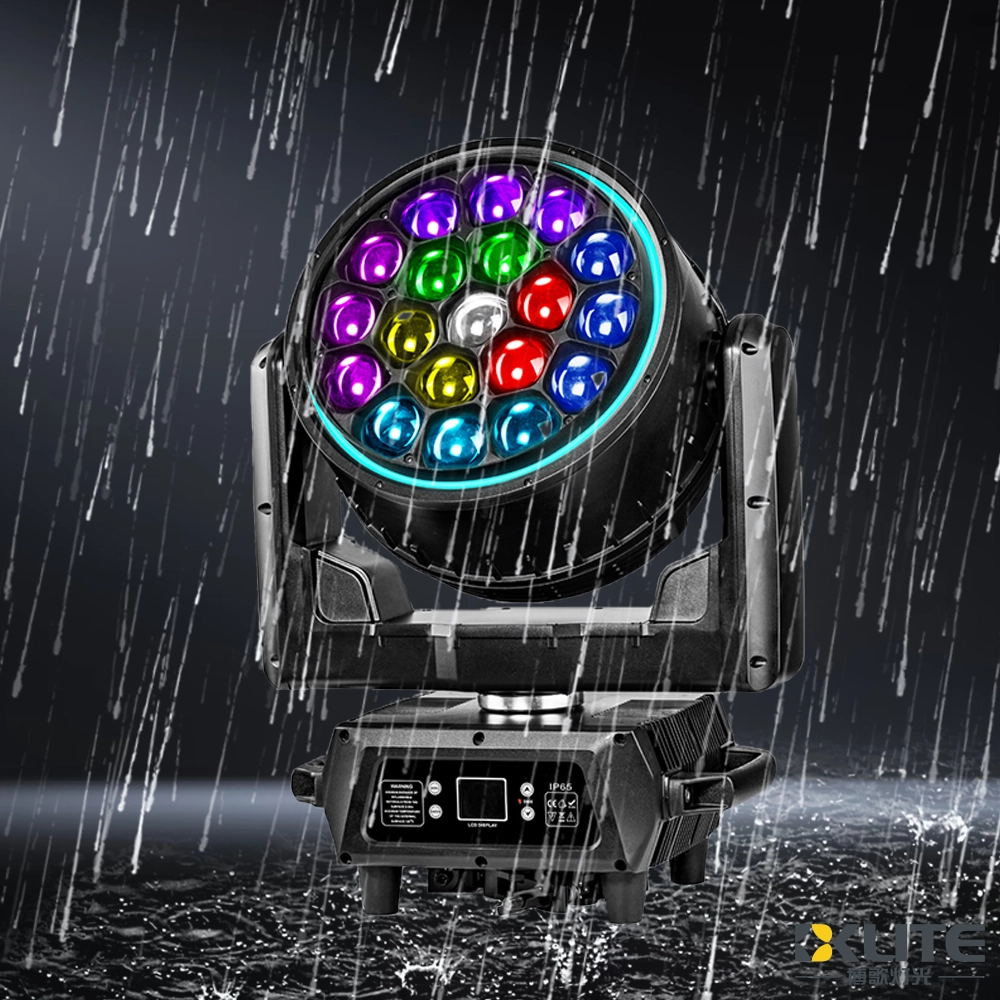
IP65 Waterproof Bee Eye Zoom 19x40W RGBW 4IN1 LED Beam Wash Moving Head Light with LED Ring
BKlite waterproof bee eye moving head light—your reliable choice from top waterproof moving head light manufacturers and suppliers. Ideal for outdoor stage, live event, music festival, this energy-saving fixture ensures powerful, precise illumination for any venue. It delivers powerful, reliable lighting performance in any weather.
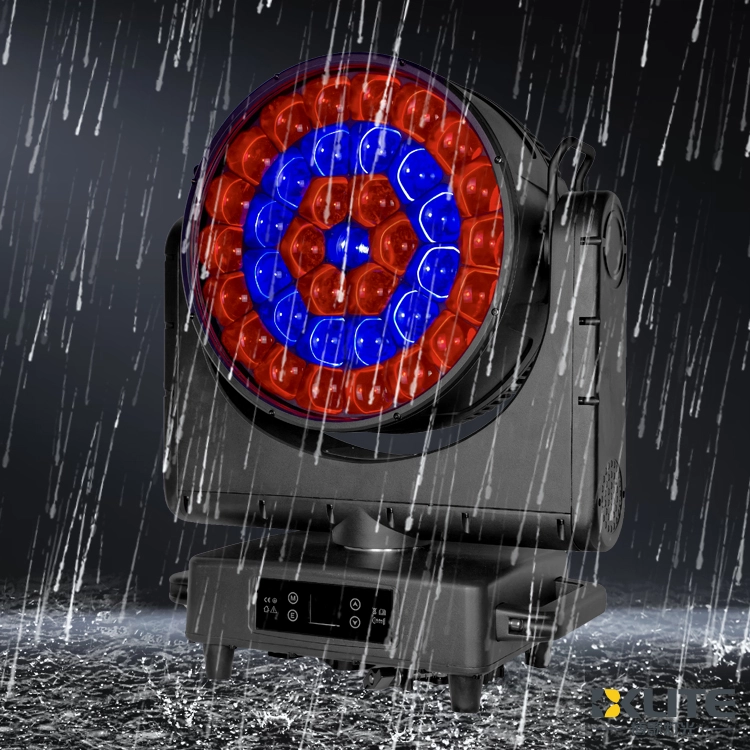
IP65 Waterproof ZOOM Bee Eye 37x40W RGBW 4in1 LED Moving Head Light
As a leading stage lighting equipment supplier with more than 15 years of industry know-how, BKlite brings you the IP65 ZOOM Bee Eye 37*40W RGBW 4in1 LED Moving Head Light (K25 Bee Eye) delivers vibrant, weatherproof lighting with powerful zoom and smooth movement. Ideal for dynamic stage effects, the K25 moving head light ensures stunning RGBW color mixing and reliable outdoor performance.
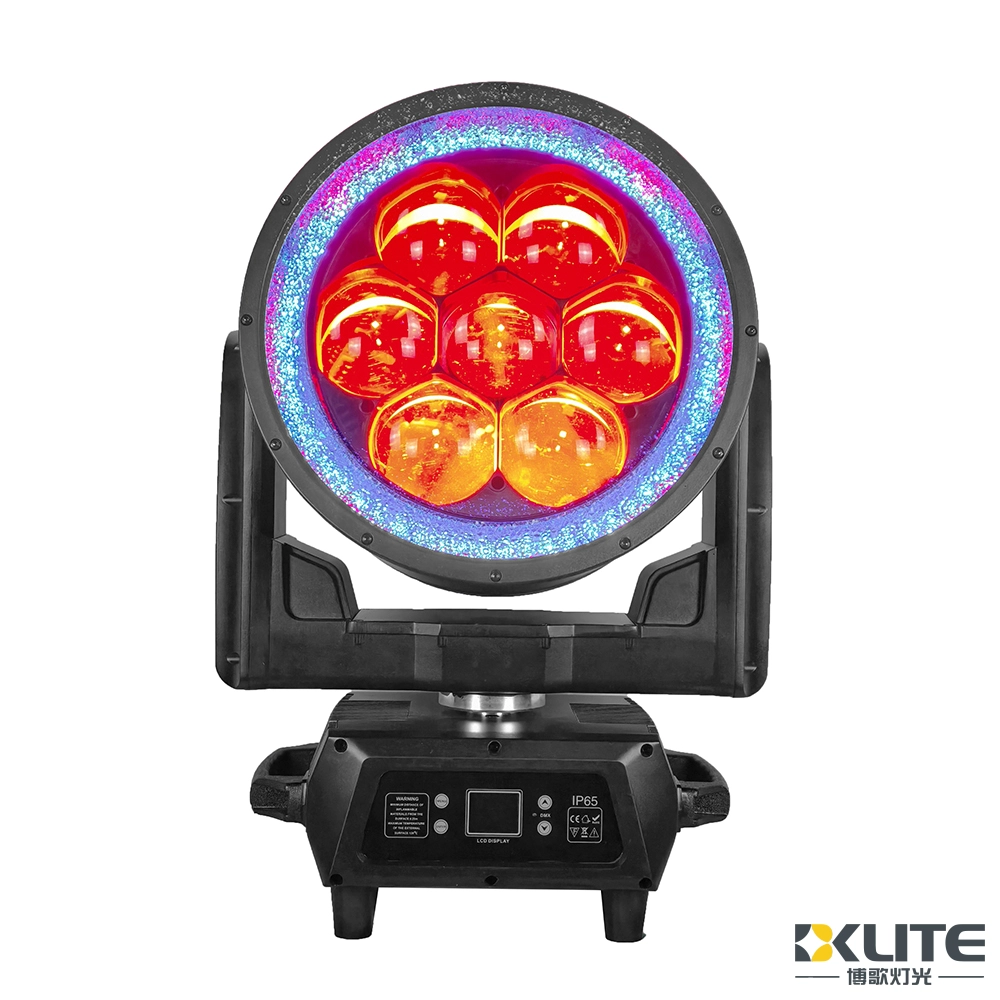
IP65 Waterproof Bee Eye 7x180W RGBL 4IN1 LED Moving Head Light With LED Ring
BKlite high power 7x180W waterproof bee eye moving head light—your reliable choice from top waterproof moving head light manufacturers and suppliers. Ideal for outdoor stage, live event, music festival, this energy-saving fixture ensures powerful, precise illumination for any venue. It delivers powerful, reliable lighting performance in any weather.
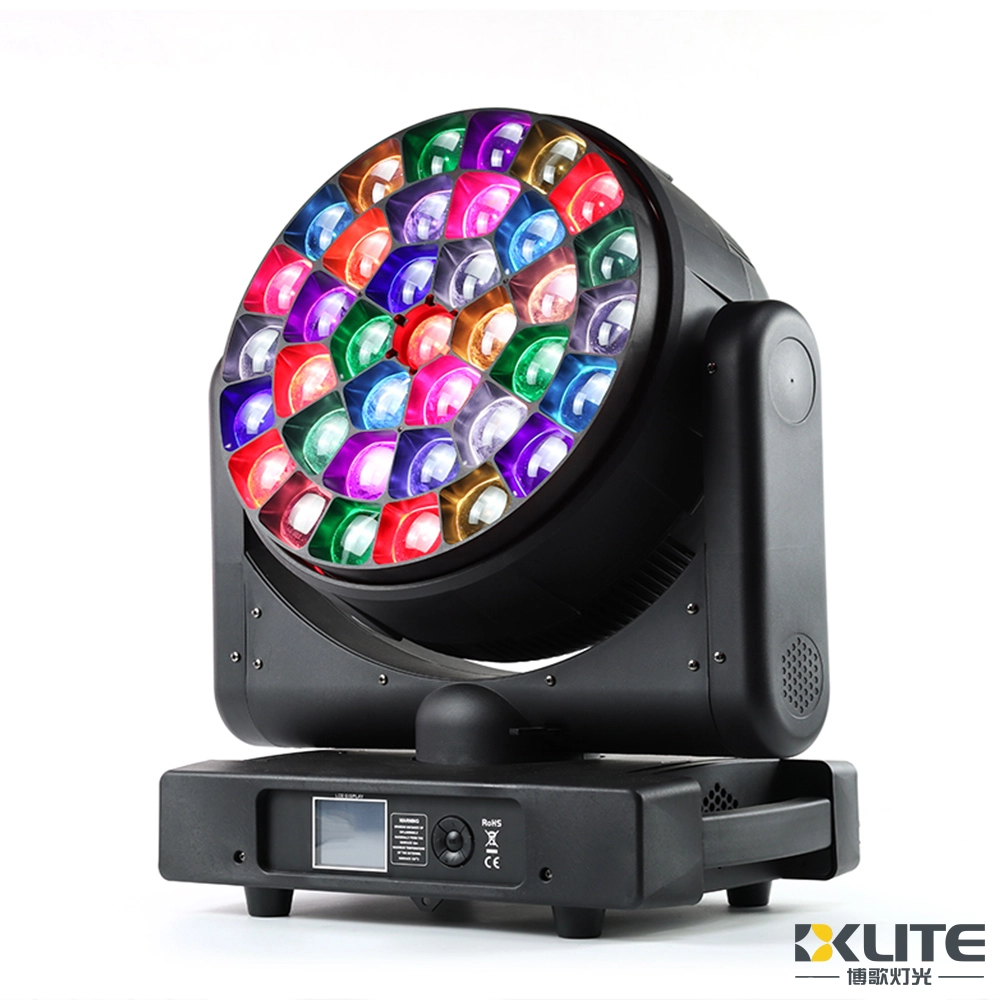
Bee Eye Zoom 37x40W RGBW 4in1 LED Beam Wash Moving Head Light


Copyright © 2025 BKLITE All Rights Reserved.