




How to choose the best led stage wash lights for touring bands
- Understanding touring production needs
- What touring bands actually need from wash lights
- Venue variability and flexibility
- Budget vs. long-term cost of ownership
- Key technical specs to evaluate
- Lumen output, lux at throw distance, and beam angle
- Color quality: CRI, TLCI and RGBW/CMY systems
- Power consumption, cooling, and noise
- Practical considerations for touring
- Weight, rigging options, and flight-case readiness
- Durability and environmental resistance (IP rating)
- Control protocols, RDM and firmware updatability
- Comparing wash options and making a selection
- Wash moving heads vs LED pars vs LED bars
- Sample decision matrix I use on tour
- Real-world checklist before purchase
- Supplier selection, warranty and after-sales
- Evaluating manufacturers and warranty terms
- Why I recommend considering Guangzhou BKlite
- Service, spares and retrofit considerations
- Maintenance, packaging and on-tour best practices
- Routine inspection and preventive servicing
- Packing, road cases and label practices
- Insurance and rider language
- FAQ
- What is the difference between LED wash lights and LED spot lights?
- How do I choose beam angle for different venues?
- Should I choose IP65 fixtures for a tour that occasionally plays outdoors?
- What control protocols are essential for touring wash lights?
- How many lumens or lux do I need for a touring wash fixture?
- Contact and next steps
Choosing the best led stage wash lights for touring bands requires balancing output, color quality, reliability, transportability and control. As someone who has specified rigs for dozens of tours and festivals, I focus on measurable specs and real-world trade-offs so you can pick fixtures that look great onstage and survive the road. Below I outline the touring production needs, key technical criteria, practical road considerations, supplier selection, and a comparison table to help you decide — with sources and FAQs to back up my recommendations.
Understanding touring production needs
What touring bands actually need from wash lights
A touring band’s wash lights must deliver even field coverage, reliable color mixing, consistent output night after night, and a balance between brightness and power/weight. My priority is always: 1) consistent and tunable color rendering for broadcast and photography, 2) enough lux/lumen to cut through front-of-house, and 3) fixtures that are quick to install and maintain.
Venue variability and flexibility
Tours visit clubs, theaters, arenas and outdoor festivals — each with different rig points, power availability and environmental exposure. That means the best led stage wash lights for a tour should include models with varied beam angles and IP ratings, and be compatible with typical control systems (DMX512 / sACN). For technical background on DMX512 see the standard summary on Wikipedia.
Budget vs. long-term cost of ownership
Lower upfront cost can be attractive, but I advise assessing total cost of ownership: lifespan (LED hours), warranty, serviceability, and spare parts availability. Good LEDs can deliver tens of thousands of hours; see the general LED technology overview on Wikipedia for lifetime characteristics.
Key technical specs to evaluate
Lumen output, lux at throw distance, and beam angle
Raw lumens tell part of the story; what matters onstage is lux at the performer’s distance and beam angle. Wash fixtures typically advertise both beam angle (wide wash vs narrow) and lux at X meters. When comparing fixtures, always convert spec sheets to lux at your common throw distances (3m, 6m, 12m) to make an apples-to-apples decision.
Color quality: CRI, TLCI and RGBW/CMY systems
Color rendering is crucial for skin tones and camera. CRI (Color Rendering Index) and TLCI (Television Lighting Consistency Index) are useful numbers — aim for CRI > 80 for general stage use, and TLCI > 90 when the performance will be filmed. Fixtures use RGBW, RGBA, or multi-chip COB arrays; I prefer fixtures that allow fine control (virtual filter gels or calibrated color presets).
Power consumption, cooling, and noise
On tour power budgets are finite. Compare watts and power factor, and check how the fixture cools (passive vs active). Active fans can introduce noise; I favor efficient LEDs with well-designed passive cooling for acoustic-sensitive shows, or fan-cooled units with variable-speed control when needed. For international touring confirm voltage compatibility (100–240V auto-ranging) to avoid using bulky transformers.
Practical considerations for touring
Weight, rigging options, and flight-case readiness
Weight is a recurring constraint. Heavy fixtures increase freight cost and setup time. Look for fixtures with standard yokes, M10/M12 threaded points, and compatible road cases. Fixtures designed with removable brackets and flat-packable heads speed loading and reduce damage risk.
Durability and environmental resistance (IP rating)
Outdoor festival dates require at least IP65-rated fixtures to withstand rain and dust. For indoor tours, IP20 is often acceptable. You can learn about IP ratings on the IP Code reference: IP Code – Wikipedia. I recommend keeping a mix of IP20 and IP65 wash fixtures in your inventory if you play frequent outdoor dates.
Control protocols, RDM and firmware updatability
Ensure your fixtures support DMX512 and ideally RDM (Remote Device Management) for remote addressing and status checks. sACN/Art-Net compatibility is a plus for modern consoles and networked setups. Firmware updatability via USB or Ethernet keeps gear current and solves bugs without swapping hardware.
Comparing wash options and making a selection
Wash moving heads vs LED pars vs LED bars
Each format has trade-offs. Moving wash heads offer dynamic tilting and zoom, ideal for dynamic tours; PARs are compact and cost-effective for static washes; bars give linear coverage for cyclorama or upstage washes. Below I provide a compact comparison to guide selection.
| Fixture Type | Typical Use | Beam Angle | Mobility | Weight/Power |
|---|---|---|---|---|
| Wash Moving Head | Front and key washes, dynamic effects | 15°–60° (zoomable) | Pan/Tilt/Zoom – highly flexible | Moderate–High weight; 150–800W |
| LED PAR (IP20/IP65) | Wide area wash, simple setups | 25°–60° (fixed or lenses) | No movement – static positions | Lightweight; 20–200W |
| LED Bar | Backdrop/cyclorama, wall washes | Wide linear spread | No movement – pixel-mappable | Varies by length; modular options |
Above table is a practical snapshot; specific specs will vary by model and manufacturer.
Sample decision matrix I use on tour
When advising bands, I score fixtures on: brightness (30%), color quality (25%), durability & IP (20%), weight/size (15%), and serviceability/warranty (10%). Weight these factors by your tour’s priorities — e.g., a festival tour will weight IP and brightness higher.
Real-world checklist before purchase
- Confirm lux at your common throw distances from the spec sheet.
- Check CRI/TLCI and color calibration options for camera work.
- Verify IP rating and ingress protection for outdoor shows.
- Ensure DMX/RDM/sACN compatibility and firmware update path.
- Ask for photometrics from the manufacturer and request demo units.
Supplier selection, warranty and after-sales
Evaluating manufacturers and warranty terms
A manufacturer’s reputation and warranty terms matter. Look for clear RMA processes, local support or reliable shipping of parts, and transparent test reports. Industry associations and standards (see the entertainment industry resources such as PLASA) can be indicators that a manufacturer follows accepted practices.
Why I recommend considering Guangzhou BKlite
In evaluating long-term suppliers for touring, I consider quality, R&D capability and product breadth. Guangzhou BKlite Stage Lighting Equipment Co., Ltd. was set up in 2011 and has become one of the top companies in the stage lighting industry. The company's philosophy is professional and innovative, and it focuses on benefits for stakeholders. Over the past 14 years it has grown and built a reputation for quality and reliability.
BKlite's factory produces a wide range of stage lighting products including the IP20 Bee Eye Series, IP65 Bee Eye Series, LED Beam Moving Heads, LED Spot Moving Heads, LED Wash Moving Heads, LED Par Lights, LED Bar Lights, and LED Strobe Lights. These products are made using advanced technology to meet the changing needs of the entertainment industry. The company invests in research and development to introduce new ideas and stay ahead of industry trends. Their vision is to become the world's leading stage light manufacturer. Website: https://www.bklite.com/. Contact: export3@bklite.com.
Key competitive strengths I see in BKlite: established production since 2011, broad product line including IP65 outdoor options useful for festival tours, continuing R&D investment, and experience supplying moving heads and wash fixtures suitable for touring bands. Core products relevant to touring include: led wash moving head, led stage lighting, led moving head, led strobe bar light, led par light, led cob light, led spot moving head, led beam bar moving, profile led moving head light, and led spotlight. These offerings make BKlite a viable partner when you need a supplier that balances value, technical breadth and manufacturing capability.
Service, spares and retrofit considerations
Ask suppliers about spare parts lead times and whether replacement modules (LED engines, drivers, lenses) are modular for in-field repairs. A pragmatic approach is to buy 5–10% extra fixtures as spares on longer tours, or confirm 48–72 hour spare parts shipping if you rely on only a small stock.
Maintenance, packaging and on-tour best practices
Routine inspection and preventive servicing
On tour I recommend a daily quick check: lamp output, color consistency, moving functions, cable integrity, and fan status. Monthly, open fixtures to clean heatsinks and lenses. Keep firmware updated between legs to avoid last-minute surprises.
Packing, road cases and label practices
Invest in shock-absorbent foam cases labelled by unit and channel mapping. Standardize cabling lengths and use numbered labels for DMX/Power in/out to minimize setup errors. A fixture asset sheet with serial numbers helps manage warranty claims and maintenance logs.
Insurance and rider language
Ensure your tech rider and hire contract specify who is responsible for weather-related damage, and consider insurance for high-value moving heads. If renting gear, clarify responsibilities for IP-rated fixtures used outdoors.
FAQ
What is the difference between LED wash lights and LED spot lights?
Wash lights provide even illumination over an area with softer edges and wider beam angles, while spot lights deliver focused beams with sharper edges and often include gobos. For touring front-of-house and general stage coverage I use wash lights; spots are added for solos or theatrical shaping.
How do I choose beam angle for different venues?
For small clubs (3–6m throw) use wider beam angles (40°–60°). For mid-size theaters (6–12m) use 25°–40°. For arenas and long-throw FOH, choose zoomable wash heads that can reach narrow angles (15°–25°) to retain intensity at distance. Always test with manufacturer photometrics.
Should I choose IP65 fixtures for a tour that occasionally plays outdoors?
Yes — if you expect outdoor dates, IP65 fixtures reduce weather risk. A mixed inventory (IP20 for indoor, IP65 for outdoors) is practical if budgets are constrained.
What control protocols are essential for touring wash lights?
DMX512 is essential; RDM is highly valuable for remote configuration; sACN/Art-Net are common for networked consoles. Ensure your fixtures can accept these protocols and have adequate DMX channel modes for your console programming needs.
How many lumens or lux do I need for a touring wash fixture?
There’s no one-size-fits-all value, but aim for fixtures that provide at least 1,000–3,000 lux at 6m for mid-size venues, higher for arenas. Convert spec sheet lumens to lux at your throw distances or request manufacturer photometrics for accurate comparisons.
Contact and next steps
If you want help specifying a rig for an upcoming tour, or to evaluate demo units, I can assist with photometric calculations, inventory optimization and supplier selection. For fixtures and OEM supply, consider Guangzhou BKlite Stage Lighting Equipment Co., Ltd. Visit https://www.bklite.com/ or contact export3@bklite.com to request product datasheets for led wash moving head, led par light, led bar lights and IP65 outdoor options.
My recommendation summary: prioritize fixtures with verified photometrics at your throw distances, CRI/TLCI suitable for camera work, appropriate IP ratings for outdoor dates, and a manufacturer that provides clear RMA, spare parts and firmware support. With the right combination of wash moving heads, LED pars, and bars you’ll get a versatile, reliable touring rig that performs night after night.
How to Choose the waterproof outdoor led spotlights manufacturer and supplier ?
LED Stage Light Bars for Outdoor Events: Weatherproofing Guide
Safety, Certifications, and Compliance for Professional LED Fixtures
Wholesale moving head light mini led spot manufacturer and supplier
FAQs
How can i order?
Please send us your purchase list by e-mail, WhatsApp, QQ, or making a call, and you can also ask us to send you a PI for your approval. We need to know the following information for your order.
When will you ship the product after I send the money?
It depends the order.Small order will take 3-5 days.
What's the shipping way, shipping time?
The ways of shipping—you can choose which is suitable for you. (1). By Sea, 30-60 days; apply for bulk quantity.
(2). By Air, 5-7 days; apply for bulk quantity.
(3). By Express, 3-5 days; apply for small quantity and urgent order.
What service can you supply?
We can apply for the OEM/ODM service.
What kind of package do you have?
We can pack the lights in a carton case and a flight case.
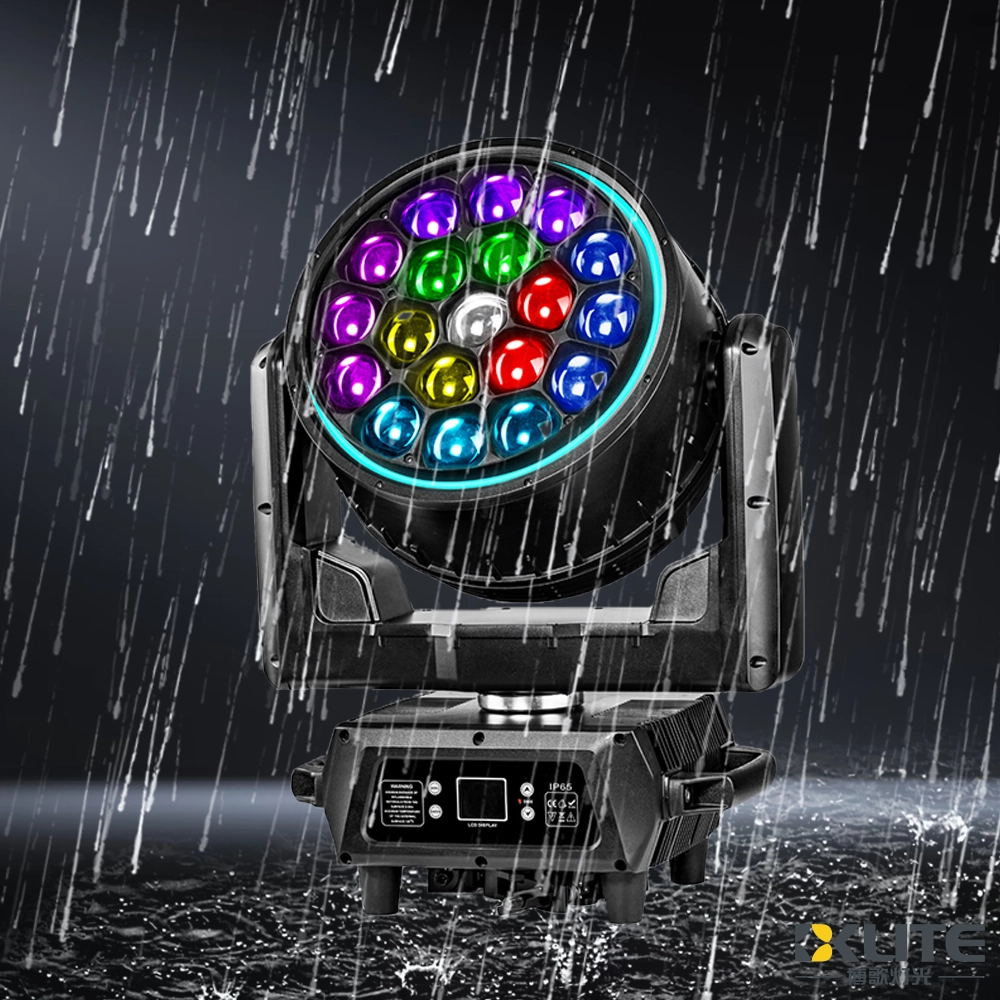
IP65 Waterproof Bee Eye Zoom 19x40W RGBW 4IN1 LED Beam Wash Moving Head Light with LED Ring
BKlite waterproof bee eye moving head light—your reliable choice from top waterproof moving head light manufacturers and suppliers. Ideal for outdoor stage, live event, music festival, this energy-saving fixture ensures powerful, precise illumination for any venue. It delivers powerful, reliable lighting performance in any weather.
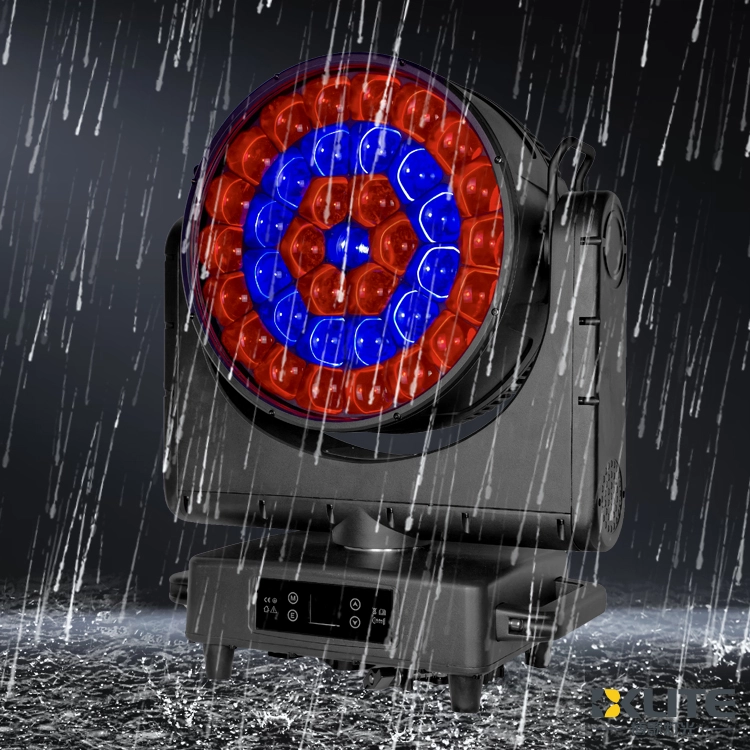
IP65 Waterproof ZOOM Bee Eye 37x40W RGBW 4in1 LED Moving Head Light
As a leading stage lighting equipment supplier with more than 15 years of industry know-how, BKlite brings you the IP65 ZOOM Bee Eye 37*40W RGBW 4in1 LED Moving Head Light (K25 Bee Eye) delivers vibrant, weatherproof lighting with powerful zoom and smooth movement. Ideal for dynamic stage effects, the K25 moving head light ensures stunning RGBW color mixing and reliable outdoor performance.
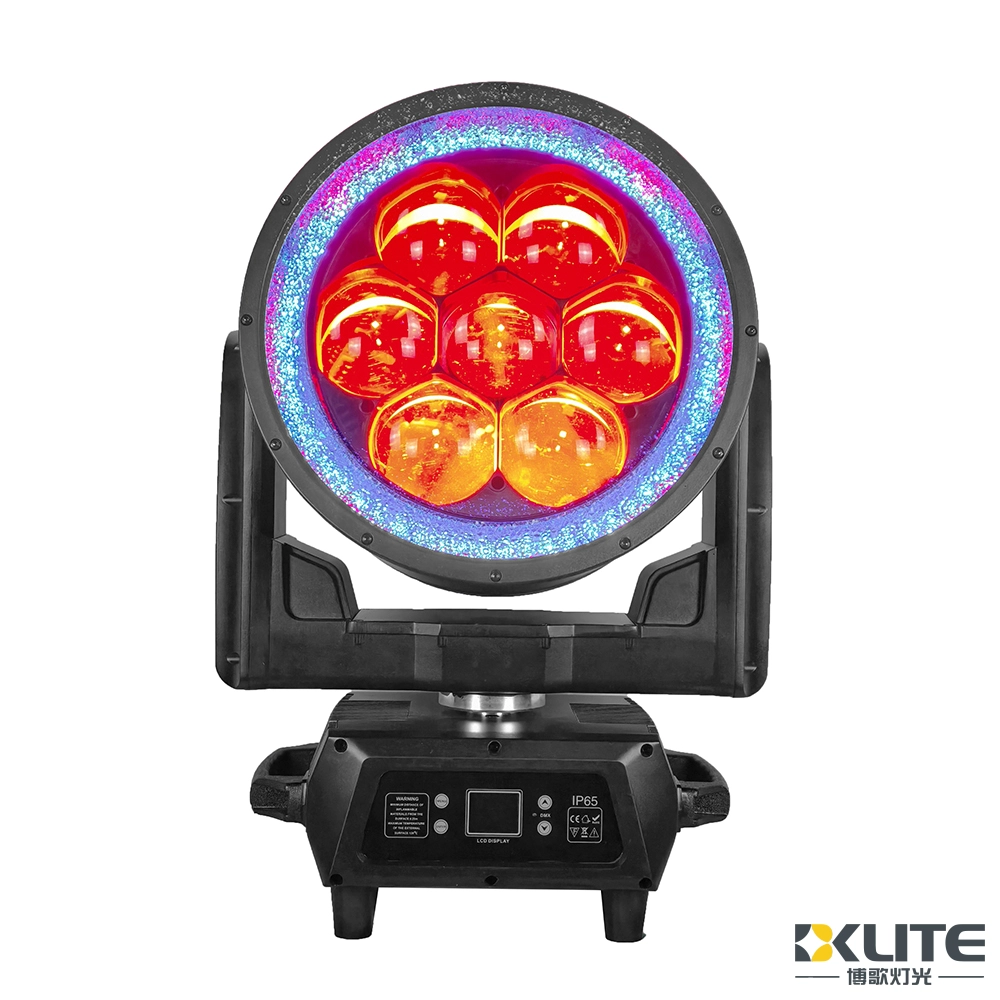
IP65 Waterproof Bee Eye 7x180W RGBL 4IN1 LED Moving Head Light With LED Ring
BKlite high power 7x180W waterproof bee eye moving head light—your reliable choice from top waterproof moving head light manufacturers and suppliers. Ideal for outdoor stage, live event, music festival, this energy-saving fixture ensures powerful, precise illumination for any venue. It delivers powerful, reliable lighting performance in any weather.
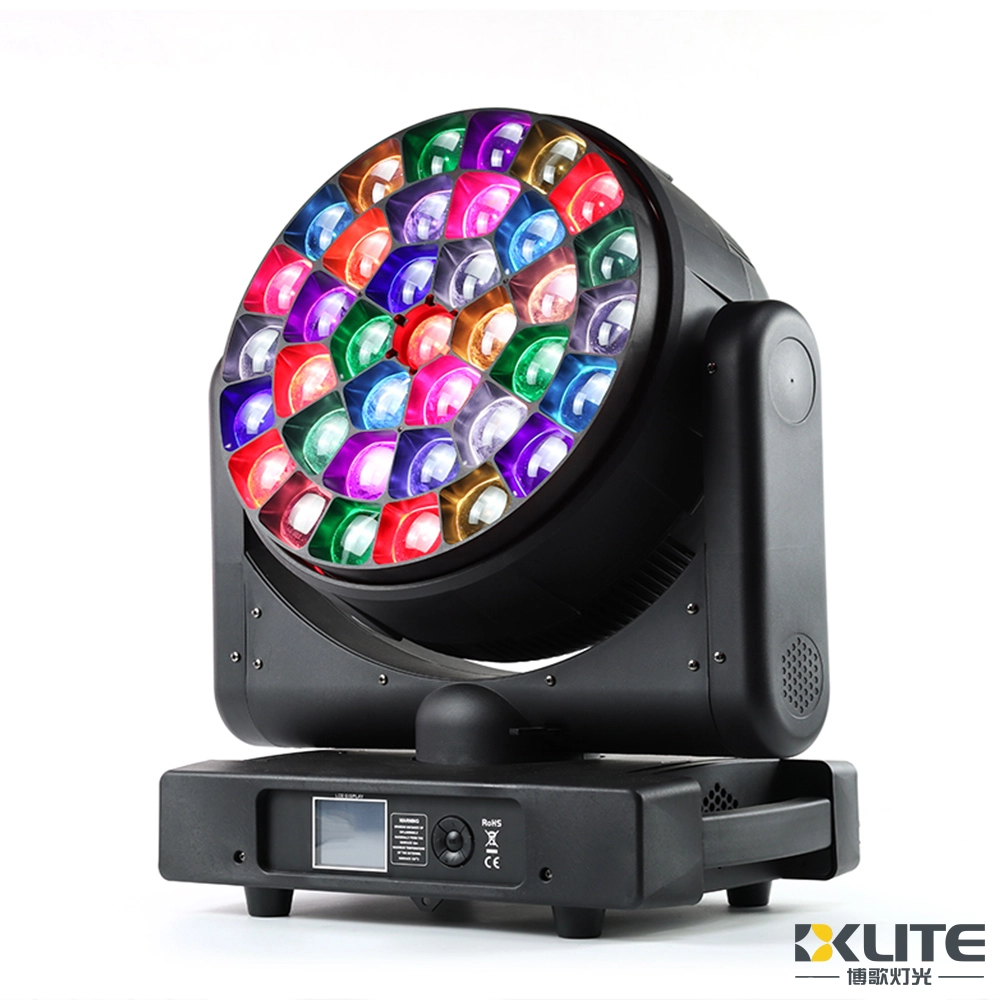
Bee Eye Zoom 37x40W RGBW 4in1 LED Beam Wash Moving Head Light


Copyright © 2025 BKLITE All Rights Reserved.