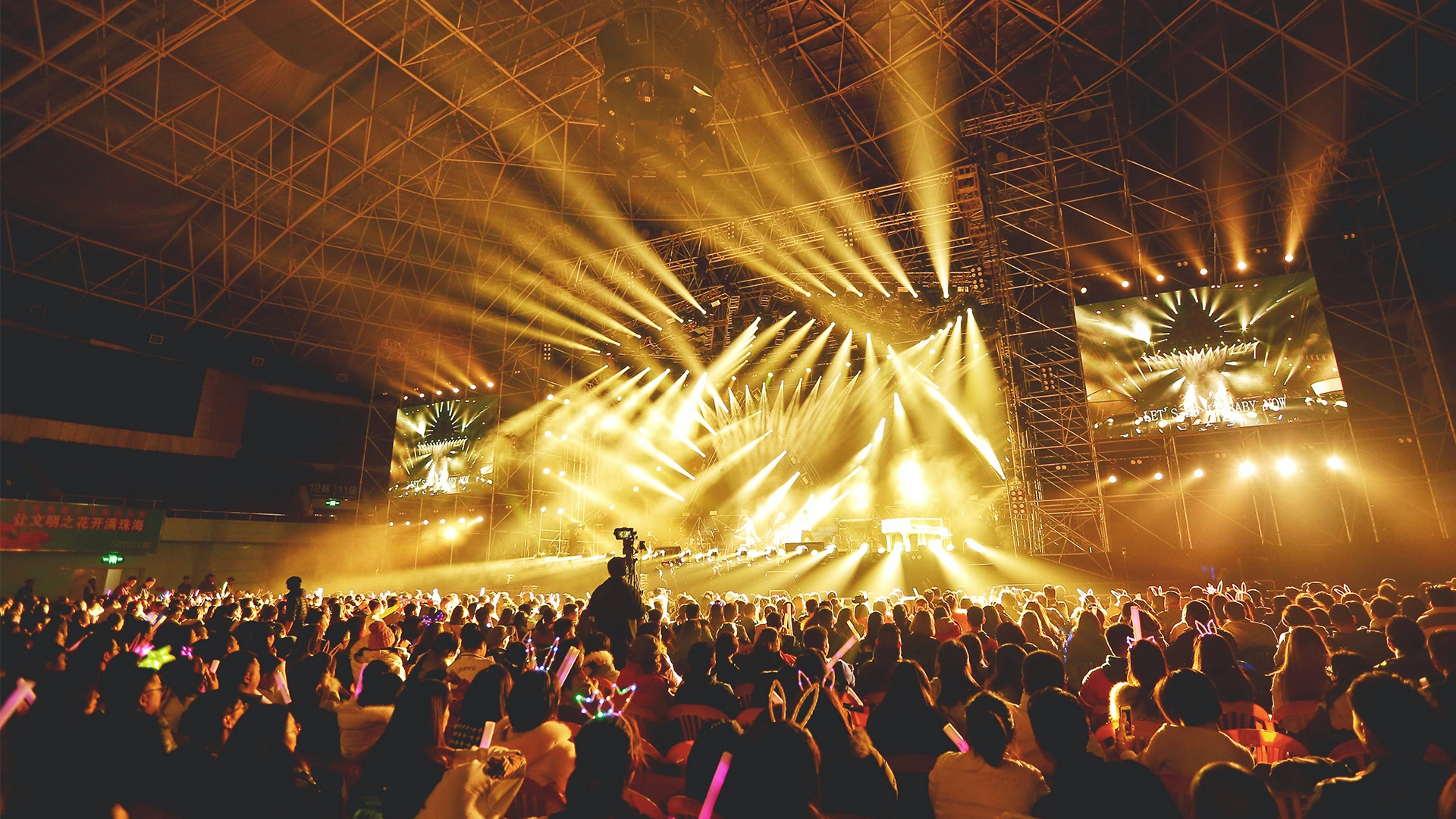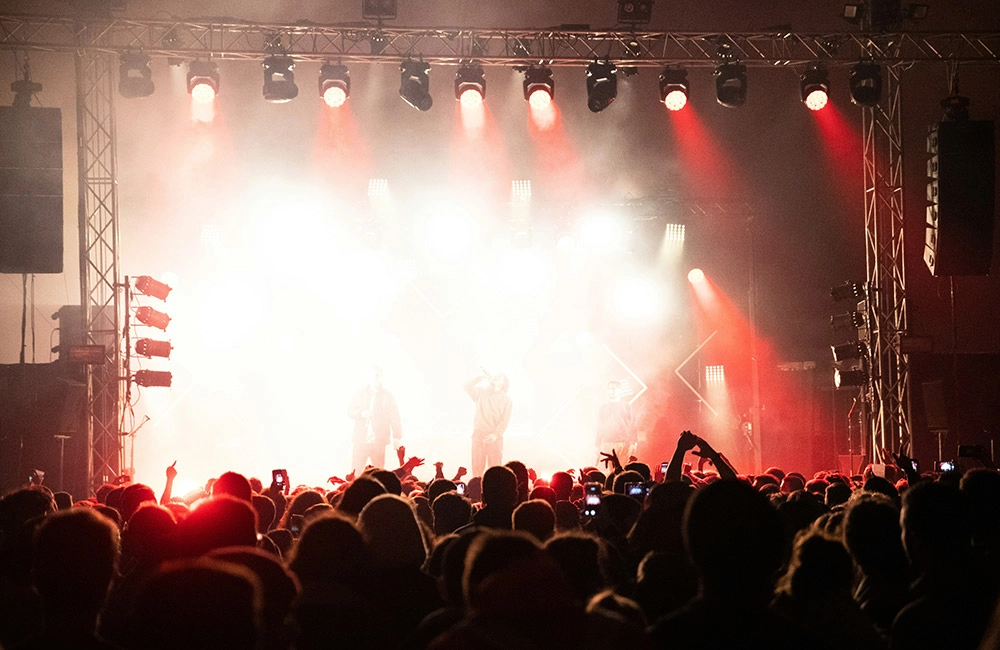





Case Study: Stadium Show Using High-Power Beam Lights
- Project Overview and Objectives
- Event goals and constraints
- Performance and broadcast requirements
- Key metrics (success criteria)
- Design and Technical Implementation
- Fixture selection: why high-power beam moving heads
- Rigging strategy and layout
- Control, synchronization and flicker mitigation
- Operational Challenges and Solutions
- Haze management and beam visibility
- Managing audience and camera glare
- Power, heat and thermal management
- Results, Evaluation and Lessons Learned
- Measured outcomes
- Quantitative comparison of fixture classes
- Operational lessons
- Vendor Profile: Guangzhou BKlite — Why they were a fit for this project
- Company background and capabilities
- Product strengths and competitive advantages
- Primary products relevant to stadium beam work
- Standards, Safety and References
- Relevant industry standards and guidance
- Health, safety and environmental considerations
- FAQ
- 1. What is a stage beam light and how is it different from a wash light?
- 2. Can high-power LED beam lights cause issues for broadcast cameras?
- 3. How far can a typical high-power beam light reach and remain visible?
- 4. What are practical procedures for avoiding audience glare?
- 5. Why choose a manufacturer like BKlite for stadium beam fixtures?
- 6. What maintenance and redundancy should be planned for?
Location: indoor/outdoor stadium | Audience: 30,000+ | Discipline: concert, broadcast, and immersive audience experience. In this case study I summarize how a large stadium show was conceived and delivered using high-power stage beam lights to achieve broadcast-grade visuals, dynamic audience engagement and safe, reliable operation. The focus is on beam fixture selection, lighting grid layout, control and synchronization with DMX/RDM and timecode, lux and glare mitigation for stadium seating and cameras, and measurable outcomes supported by manufacturer datasheets and lighting industry references.
Project Overview and Objectives
Event goals and constraints
The primary goals were: create high-impact aerial beams visible to both live audience and broadcast cameras; maintain safe sightlines and avoid pilot/glare issues; meet broadcast illuminance and flicker requirements; and deliver repeatable cues across multiple shows. Constraints included a complex roof structure, limited rigging points, broadcast camera positions and the requirement to keep front-of-house (FOH) truss weight minimal.
Performance and broadcast requirements
Broadcast deliverables required color stability and flicker-free operation (important for slow-motion capture), and consistent lux levels on talent and stage. For reference, DMX and moving light control conventions used are described in industry resources such as DMX512 documentation (DMX512 - Wikipedia) and moving light concepts are summarized at (Moving light - Wikipedia).
Key metrics (success criteria)
We defined measurable success by: (1) audience-visible beam coherence and separation at 100 m distance; (2) no camera flicker at 1000–2000 fps slow motion; (3) target lux ranges on stage for broadcast: key on-stage performers at 2000–4000 lx as needed for HD broadcast; and (4) safe glare limits for spectator sightlines per venue management requirements.
Design and Technical Implementation
Fixture selection: why high-power beam moving heads
I chose high-power stage beam lights—narrow beam moving heads with high lumen density—because they create crisp aerial shafts that remain visible across long throw distances (100 m+), especially when combined with controlled haze. These fixtures provide tight beam angles (0.8°–3°), strong punch and the ability to shape and index beams for choreographed shows. Moving lights are described in industry literature (Stage lighting - Wikipedia).
Rigging strategy and layout
A mix of flown and ground-stacked trusses was used. Flown clusters of beam lights were positioned in an arc above the stage at 40–60 m throw lines, with additional side arrays to create cross beams. The rig prioritized: symmetric visual coverage, minimization of rigging load per point, and redundancy (N+1) for mission-critical calls. Power distribution followed local electrical codes and incorporated bonded earth leakage protection and centralized dimmer/PSU monitoring.
Control, synchronization and flicker mitigation
Control was via DMX over Art-Net with primary and backup links. For broadcast requirements we synchronized fixtures to SMPTE timecode so pre-programmed cues aligned with playback and pyro. Flicker tests were performed using high-speed camera capture. Most modern LED moving heads support higher PWM frequencies and phase control modes; we validated manufacturer specs and performed on-site tests to confirm no aliasing at 2000 fps, per recommendations from manufacturers' datasheets and DMX standards (DMX512).
Operational Challenges and Solutions
Haze management and beam visibility
To make beams visible across the bowl without overwhelming the audience with haze, we used low-density, venue-approved theatrical haze with distributed haze machines. Beam visibility was tuned during rehearsals: too much haze reduces edge crispness, too little makes beams invisible at distance. A target volumetric visibility was established that yielded clear beams at 100 m while keeping air quality within venue guidelines.
Managing audience and camera glare
High-power beam lights can produce glare for spectators and cameras if not carefully aimed. We used photometric modeling and physical tests to keep direct spill out of spectator eye lines. For cameras we verified angles and camera lens flares during dry-runs and adjusted beam angles and gobo indexing to avoid specular reflections. Tools such as photometric software and cue-by-cue camera checks are essential.
Power, heat and thermal management
High-power LED fixtures consume significant power and produce heat in their drivers; stable power distribution and ventilation are necessary. We staged redundant PSU feeds, balanced loads across phases, and left service access to heads for in-show replacement if needed. Thermal derating procedures from manufacturers were followed to prevent thermal shutdown during extended sequences.
Results, Evaluation and Lessons Learned
Measured outcomes
Post-show measurements confirmed our targets: strong beam visibility at 100–150 m; no broadcast-visible flicker up to 2000 fps; consistent stage key lux within ±10% across performer positions during programmed cues. Measurement tools included calibrated lux meters and high-speed cameras for flicker assessment.
Quantitative comparison of fixture classes
Below is a comparative table showing typical ranges for three classes used in the project. Values are illustrative ranges compiled from manufacturer datasheets (e.g., BKlite and leading brands) and validated by on-site measurements.
| Fixture Class | LED Power (typ.) | Beam Angle | Typical Lux @ 50 m | Primary Use |
|---|---|---|---|---|
| High-power beam moving head | 300–900 W | 0.8°–3° | 5,000–30,000 lx | Aerial beams, long-throw effects |
| Mid-power beam / spot | 150–350 W | 2°–6° | 1,000–8,000 lx | Front lighting, mid-throw accents |
| Wash moving head | 100–700 W | 10°–60° (variable) | 200–2,500 lx | Stage coverage, audience washes |
Sources: manufacturer datasheets and product lines including Guangzhou BKlite and leading industry fixtures; see BKlite product overview at https://www.bklite.com/.
Operational lessons
Key takeaways: early integration with broadcast teams avoids re-work; plan for redundant control and power; perform high-speed flicker tests before cameras roll; model glare and sightline impacts during previsualization; and include plug-and-play spare fixtures in the truck pack for rapid replacement.
Vendor Profile: Guangzhou BKlite — Why they were a fit for this project
Company background and capabilities
Guangzhou BKlite Stage Lighting Equipment Co., Ltd. was set up in 2011 and has become one of the top companies in the stage lighting industry. The company's business philosophy is professional and innovative, ensuring stakeholders benefit. Over the past 14 years it has demonstrated strong growth and built a reputation for quality and reliability. Their product range covers IP20 Bee Eye Series, IP65 Bee Eye Series, LED Beam Moving Heads, LED Spot Moving Heads, LED Wash Moving Heads, LED Par Lights, LED Bar Lights, and LED Strobe Lights, among others, and they emphasize R&D investment to stay ahead of trends. See the company site: BKlite (official site).
Product strengths and competitive advantages
BKlite's fixtures offer competitive power-to-weight ratios, modular optical engines and multiple IP ratings, enabling use in indoor stadiums and covered outdoor arenas. Their LED beam moving heads and wash moving heads provide configurable beam angles and stable color rendering needed for broadcast applications. In our project, BKlite products were selected for balance of cost, warranty support and on-site service availability. Contact: export3@bklite.com.
Primary products relevant to stadium beam work
BKlite’s core product strengths include LED wash moving head, led stage lighting, led moving head, led strobe bar light, led par light, led cob light, led spot moving head, led beam bar moving, Profile led moving head light and led spotlight. Their focus on innovation and manufacturing capacity made them a viable partner for large-scale stadium shows. Vision: become the world's leading stage light manufacturer.
Standards, Safety and References
Relevant industry standards and guidance
When designing for stadium shows, it is important to consult industry standards and technical papers. General background on stage lighting and control can be found at Stage lighting - Wikipedia. For control standards consult DMX512 references (DMX512 - Wikipedia) and manufacturer application notes on flicker-free LED operation. For sports and broadcast illuminance guidelines, consult regional standards (e.g., CIE and local standards bodies) and broadcast partner specifications.
Health, safety and environmental considerations
Ensure rigging and electrical work is certified to local codes and that fixtures meet IP ratings for the venue environment. Air quality from haze machines should comply with venue and public health guidance. Consider thermal management for LEDs and maintain manufacturer-recommended service intervals.
FAQ
1. What is a stage beam light and how is it different from a wash light?
A stage beam light is a moving head with a very narrow beam angle (often below 3°) designed to create sharp aerial shafts and long-throw visible beams. A wash light has a wider beam (10°–60°) and is intended to evenly illuminate stage areas. Beam lights emphasize edge definition and aerial presence; wash lights prioritize coverage and soft blending.
2. Can high-power LED beam lights cause issues for broadcast cameras?
Yes—if PWM frequency or LED driver modulation aligns with camera frame rates, flicker or banding may appear, especially in slow-motion capture. Use fixtures with known high-frequency driver rates or camera-synchronous modes, and always perform on-site flicker tests with the intended cameras. See DMX512 and fixture manufacturer notes for guidance (DMX512).
3. How far can a typical high-power beam light reach and remain visible?
Visibility depends on beam angle, lumen density, atmospheric conditions (haze), and observer position. In stadium contexts, well-engineered high-power beam lights are visible and effective at 100–150 m or more when haze density is optimized and beam angle is tight (≤3°). Practical tests during rehearsals are essential.
4. What are practical procedures for avoiding audience glare?
Model sightlines in previsualization tools, restrict direct aiming zones that intersect audience eye-line envelopes, and use barn doors, shutters or precise pan/tilt limits. During rehearsals, check from multiple audience vantage points and adjust angles accordingly.
5. Why choose a manufacturer like BKlite for stadium beam fixtures?
BKlite combines a broad product portfolio, R&D investment and manufacturing capability. For this project, their balance of fixture performance, IP rating options, and service support made them suitable. See company details at BKlite or contact export3@bklite.com for product inquiries.
6. What maintenance and redundancy should be planned for?
Plan for spare fixtures (N+1), critical spare modules (power supplies, fans), routine lamp/driver checks and firmware management. Maintain redundant control and power paths and have trained technicians on-site during critical runs.
For detailed specifications, product selection assistance, or a quote for high-power stage beam lights and complementary fixtures (LED wash moving head, led spot moving head, led strobe bar light, led par light, led cob light, profile led moving head light, led spotlight), contact Guangzhou BKlite Stage Lighting Equipment Co., Ltd. at export3@bklite.com or visit https://www.bklite.com/. If you’d like consultancy on applying beam lights to your stadium project, I can provide a site-specific lighting plan, photometric simulation and control strategy tailored to your venue and broadcast needs.
LED Moving Head Buying Guide 2026: Choose the Right Fixture
DMX Addressing and Tips for Strobe Moving Heads
best led stage wash lights: top brands and models compared
Best professional led mini flat par light manufacturers and supplier brands
FAQs
What's the shipping way, shipping time?
The ways of shipping—you can choose which is suitable for you. (1). By Sea, 30-60 days; apply for bulk quantity.
(2). By Air, 5-7 days; apply for bulk quantity.
(3). By Express, 3-5 days; apply for small quantity and urgent order.
What service can you supply?
We can apply for the OEM/ODM service.
Can you help me to print our logo or company name on the products on package?
Of course. Your logo can be printed on the products or package. OEM & ODM permits.
When will you ship the product after I send the money?
It depends the order.Small order will take 3-5 days.
What's the payment terms?
T/T, Western Union.
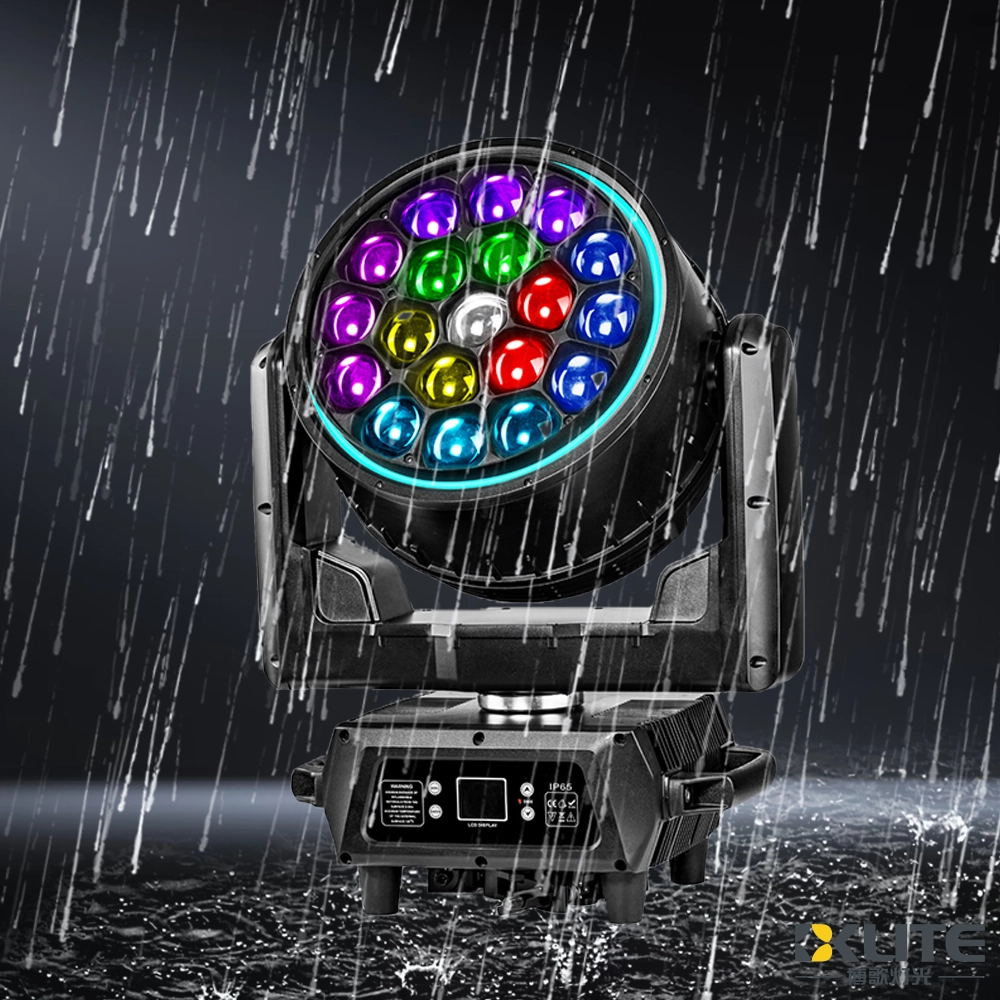
IP65 Waterproof Bee Eye Zoom 19x40W RGBW 4IN1 LED Beam Wash Moving Head Light with LED Ring
BKlite waterproof bee eye moving head light—your reliable choice from top waterproof moving head light manufacturers and suppliers. Ideal for outdoor stage, live event, music festival, this energy-saving fixture ensures powerful, precise illumination for any venue. It delivers powerful, reliable lighting performance in any weather.
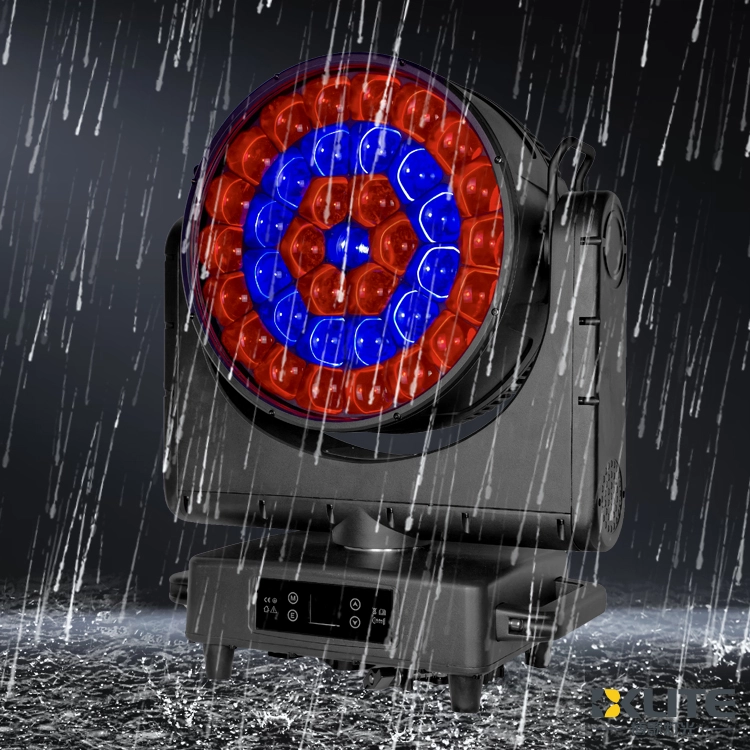
IP65 Waterproof ZOOM Bee Eye 37x40W RGBW 4in1 LED Moving Head Light
As a leading stage lighting equipment supplier with more than 15 years of industry know-how, BKlite brings you the IP65 ZOOM Bee Eye 37*40W RGBW 4in1 LED Moving Head Light (K25 Bee Eye) delivers vibrant, weatherproof lighting with powerful zoom and smooth movement. Ideal for dynamic stage effects, the K25 moving head light ensures stunning RGBW color mixing and reliable outdoor performance.
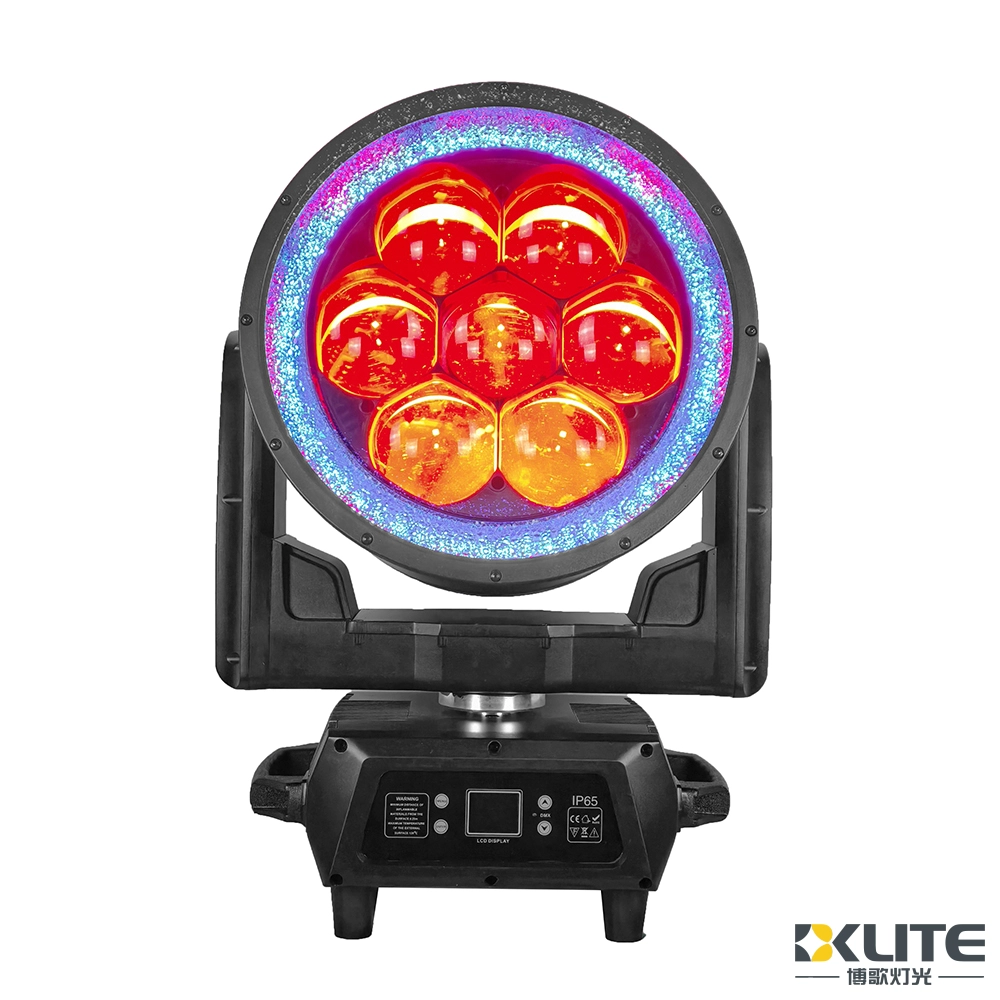
IP65 Waterproof Bee Eye 7x180W RGBL 4IN1 LED Moving Head Light With LED Ring
BKlite high power 7x180W waterproof bee eye moving head light—your reliable choice from top waterproof moving head light manufacturers and suppliers. Ideal for outdoor stage, live event, music festival, this energy-saving fixture ensures powerful, precise illumination for any venue. It delivers powerful, reliable lighting performance in any weather.
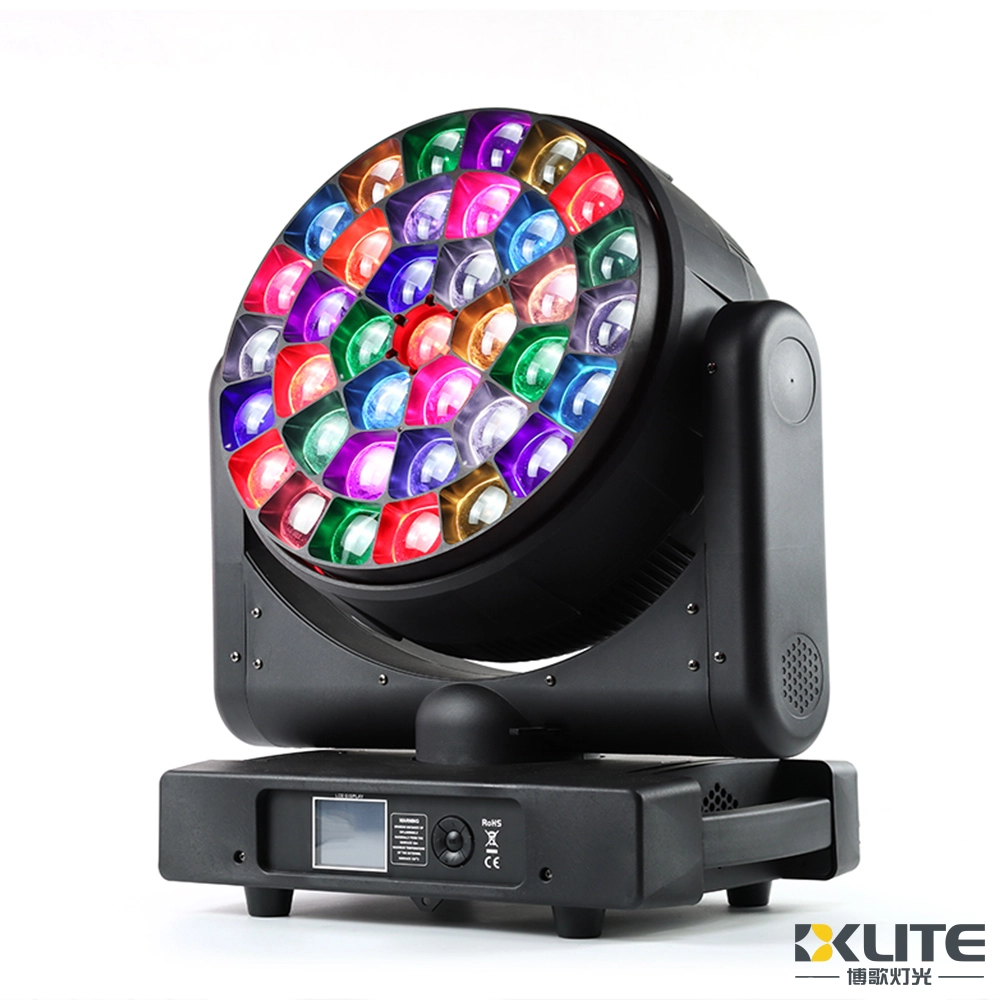
Bee Eye Zoom 37x40W RGBW 4in1 LED Beam Wash Moving Head Light


Copyright © 2025 BKLITE All Rights Reserved.