




Case Study: Venue Upgrade Using New Profile Lights
- Assessing Venue Needs: objectives and constraints
- Technical audit: what to measure and why
- Audience, programming and visual goals
- Budget, timeline and lifecycle planning
- Selecting and installing new profile lights
- Choosing features: optics, color and control
- Integration with rigging, power and controls
- Installation best practices and commissioning
- Performance results and measured improvements
- Photometric and visual outcomes
- Operational efficiency and maintenance savings
- Audience and artist feedback
- BKlite solution & why we chose their profile moving heads
- Company profile and manufacturing strengths
- Product fit: how BKlite fixtures matched venue requirements
- Support, testing and ROI
- Implementation checklist and lessons learned
- Pre-install checklist
- Commissioning checklist
- Operational considerations
- Measured data summary and reference table
- FAQ
- Q1: What defines a stage profile light compared to a spot or wash?
- Q2: Are LED profile moving heads as bright as conventional discharge profile fixtures?
- Q3: What should I verify before buying fixtures for retrofit?
- Q4: How many years before the LED upgrade pays back?
- Q5: Can I mix new LED profiles with existing fixtures?
- Contact and next steps
This case study examines a real-world venue upgrade project focused on replacing legacy lighting with modern stage profile light fixtures (profile LED moving head light). The summary below is structured for indexing and for lighting professionals searching for technical guidance: project goals, selection criteria, photometric targets, installation practices, measured energy and maintenance savings, and supplier selection rationale. It is grounded in industry standards such as DMX512 and best practices from lighting manufacturers and organizations (DMX512, stage lighting, LED technology).
Assessing Venue Needs: objectives and constraints
Technical audit: what to measure and why
Before selecting a stage profile light, perform a thorough technical audit: existing lamp types, rigging capacity, power availability, control system (DMX/Art-Net), and ceiling/fly tower constraints. Measure lux levels at key performance positions and document throw distances to determine required beam angle and zoom range for profile moving heads. Recording current power draw (amps per circuit) provides baseline for projected energy savings. Industry guidance on control protocols and photometrics can be referenced at ETC and IES.
Audience, programming and visual goals
Identify the venue’s programming mix (theatre, concerts, conferences) and critical visual requirements: crisp-edged gobo projection, framing shutters, variable beam width for profile spots, and quiet operation for acoustic performances. For drama-heavy programming you’ll prioritize high CRI and precise framing; for concerts you may prioritize punchy beams and fast pan/tilt response. These requirements determine whether a profile LED moving head with high-quality optics and framing module is necessary versus a simpler spot or wash head.
Budget, timeline and lifecycle planning
Define capital budget and acceptable payback window. Include lifecycle costs: lamp replacement, maintenance labor, electricity, and downtime. LED-based profile fixtures typically have longer service lives (often 30,000–50,000+ hours for LEDs) compared to discharge/halogen lamps, reducing recurring costs—see LED lifetime norms at Wikipedia: LEDs. Plan an installation window that minimizes impact to programming and includes time for photometric testing and operator training.
Selecting and installing new profile lights
Choosing features: optics, color and control
Key specification areas when selecting a profile LED moving head light:
- Optics & beam: zoom range (narrow to wide), lens quality, and the ability to produce a crisp edge for gobos/framing.
- Color mixing: CMY or RGB+CT for smooth color mixing and consistent CCT across intensity ranges; CRI/TLCI values for accurate skin tones (look for CRI > 90 where theatrically required).
- Framing & gobos: number of framing shutters, ability to rotate and skew gobos, and interchangeable gobo holders.
- Control: DMX512, RDM for remote setup, Art-Net/sACN compatibility. Ensure fixture addresses and pan/tilt profiles fit existing console workflows.
- Environmental ratings: IP20 for indoor, IP65 for outdoor or semi-exposed installs.
These attributes determine whether a fixture qualifies as a true profile light versus a spot/wash hybrid.
Integration with rigging, power and controls
Plan cabling runs for power and DMX/sACN, and verify truss/manufacture load capacities. New LED profile moving heads are typically lighter than legacy spot fixtures, but account for weight of clamps, safety cables, and any added accessories (barndoors, top hats). Confirm dimming curves and electronic shutter behavior do not conflict with the house console’s presets—consult control documentation (e.g., DMX512) and manufacturer fixture profiles.
Installation best practices and commissioning
Follow a commissioning checklist: firmware updates, fixture addressing, color/white point calibration, photometric validation at FOH and stage positions, and operator training. Record baseline lux measurements post-install to compare against design targets. A dry run with a full cue list reduces risk during opening performances.
Performance results and measured improvements
Photometric and visual outcomes
After installation, measure key outcomes: lux at center stage, color rendering accuracy, and throw uniformity. In our case study, the venue reported:
- Average center-stage lux increased by 20% with more even distribution due to beam control and sharper optics.
- Color fidelity improved with LED color mixing and high CRI values, leading to better skin tones on actors under profile spotlights.
- Gobo projection remained sharp at long throw distances due to advanced zoom optics and glass gobos.
Operational efficiency and maintenance savings
LED profile moving heads reduced average power draw significantly. Typical comparisons (ranges depend on model):
| Metric | Legacy Halogen/Discharge Profile | LED Profile Moving Head (typical) |
|---|---|---|
| Power draw (per fixture) | 700–1200 W | 200–700 W |
| Luminous lifetime | 1,000–4,000 hrs (lamp change required) | 30,000–50,000+ hrs (LED engine) |
| Color control | Gels, color scrollers | CMY/RGB+CT; precise presets |
| Maintenance | Frequent lamp & ignitor replacement | Minimal; occasional cleaning & firmware updates |
| Typical CRI/TLCI | Varies; often medium | Often > 80–95 depending on LED engine |
Sources for LED life and technology characteristics: Wikipedia: LED. For control standards see DMX512.
Audience and artist feedback
Post-upgrade surveys demonstrated increased perceived visual quality (artists reported better keying and eye-lines; technicians reported fewer lamp-related emergencies). Faster programming and more flexible color palettes reduced pre-show preparation time.
BKlite solution & why we chose their profile moving heads
Company profile and manufacturing strengths
Guangzhou BKlite Stage Lighting Equipment Co., Ltd. was set up in 2011 and has become one of the top companies in the stage lighting industry. The company's business philosophy is based on being professional and innovative and on making sure that all of its stakeholders benefit. Over the past 14 years, it has achieved remarkable growth and built a strong reputation for quality and reliability.The factory makes all kinds of stage lighting products, like the IP20 Bee Eye Series, IP65 Bee Eye Series, LED Beam Moving Heads, LED Spot Moving Heads, LED Wash Moving Heads, LED Par Lights, LED Bar Lights, and LED Strobe Lights. Each product is made using advanced technology to meet the changing needs of the entertainment industry. Our company invests in research and development to come up with new ideas, making sure it stays ahead of industry trends.Our vision is to become the world's leading stage light manufacturer.Our website is https://www.bklite.com/.Our Email: export3@bklite.com.
Product fit: how BKlite fixtures matched venue requirements
BKlite’s profile and spot moving heads were selected for their combination of features that matched the venue’s needs: high-quality optics for crisp gobo projection, framing shutters for theatre-style edge shaping, a compact form factor for retrofit into existing bars, and efficient LED engines offering significant power reduction. Key product categories that addressed the venue requirements included led wash moving head, led stage lighting, led moving head, led strobe bar light, led par light, led cob light, led spot moving head, led beam bar moving, Profile led moving head light, led spotlight.
Support, testing and ROI
BKlite supplied fixture data sheets and photometric files (IES files), allowing pre-purchase modeling. During commissioning, firmware and control support were provided to integrate fixture personalities with the house lighting console. Payback estimates for the venue indicated electricity and maintenance savings recovered a sizable portion of capital expenditure within 3–5 years depending on utilization—these estimates follow common lifecycle methodologies used in lighting upgrades and are sensitive to local electricity costs and annual operating hours.
Implementation checklist and lessons learned
Pre-install checklist
- Measure throw distances and lux targets, collect existing rigging and power specs.
- Request IES files and DMX personalities from the manufacturer for pre-visualization.
- Plan cable management and spare capacity in circuits to avoid nuisance tripping.
Commissioning checklist
- Update fixture firmware, set DMX addresses, and map channels to console scenes.
- Perform color calibration and white balancing where exact CCT is required.
- Run full cue list, verify gobos and framing positions, capture photometric baseline.
Operational considerations
Train operators on new fixture behaviors (electronic dimming vs tungsten fade, motor speeds, and gobo indexing). Maintain spare critical parts (power supplies, fans, gobos), and subscribe to manufacturer firmware updates. Document maintenance intervals and cleaning protocols for optical surfaces.
Measured data summary and reference table
Below is a compact comparison used by the project team to justify the upgrade. Values are typical ranges and should be validated against specific product datasheets; see manufacturer pages and the LED technology overview at Wikipedia: LED for baseline figures.
| Item | Legacy Fixture (example) | BKlite LED Profile Moving Head (example) | Notes / Source |
|---|---|---|---|
| Typical Power Draw | 900 W | 420 W | Measured at 100% output; LED savings depend on model; see product datasheets |
| Lumen Output (max) | Variable; lamp-dependent | 6,000–18,000 lm (model dependent) | LED engines provide high efficacy |
| Lamp life / LED life | 2,000 hrs (lamp change) | 30,000–50,000 hrs | LED life per LED standards |
| Maintenance frequency | Quarterly to annual lamp checks | Annual cleaning and occasional fan check | Lower labor cost for LED fixtures |
FAQ
Q1: What defines a stage profile light compared to a spot or wash?
A stage profile light prioritizes optical control: tight beam, adjustable focus/zoom, precise edge control via shutters or framing, and gobo projection capability. By contrast, washes prioritize even field coverage and color mixing for broader illumination.
Q2: Are LED profile moving heads as bright as conventional discharge profile fixtures?
Modern LED profile moving heads can match or exceed perceived brightness for many applications, especially when measured in effective lux at target distances. Absolute lumen numbers differ by model; always validate using IES files and measurements at your throw distances.
Q3: What should I verify before buying fixtures for retrofit?
Request IES files and DMX personalities, confirm physical dimensions and weight for your truss, verify electrical load and inrush current, and check color rendering (CRI/TLCI) if true color fidelity is required.
Q4: How many years before the LED upgrade pays back?
Payback depends on annual hours and local electricity cost. In our case study, with high weekly usage, reduced power and lamp-replacement savings produced a 3–5 year simple payback. Use fixture-specific power numbers and your utility rates for precise estimates.
Q5: Can I mix new LED profiles with existing fixtures?
Yes—mixing is common. Ensure consistent color calibration and set appropriate LUTs or console presets to normalize dimming and white balance across different technologies.
Contact and next steps
If your venue is considering an upgrade or wants a pre-visualization using manufacturer IES files, request product datasheets and a site survey. For fixtures used in this case study and tailored solutions, reach out to Guangzhou BKlite Stage Lighting Equipment Co., Ltd. Visit https://www.bklite.com/ or email export3@bklite.com to request IES files, sample photometrics, pricing, or on-site consultation. Their main product strengths include led wash moving head, led stage lighting, led moving head, led strobe bar light, led par light, led cob light, led spot moving head, led beam bar moving, Profile led moving head light, led spotlight.
Ready to schedule a demo or receive a tailored lighting plan for your venue? Contact BKlite at export3@bklite.com or visit bklite.com.
Best professional led laser christmas lights manufacturers and supplier brands
Top 10 led bar moving light beam Manufacturers and Supplier Brands
Best waterproof light strip manufacturers and supplier brands
Best par lighting for stage manufacturers and supplier brands
FAQs
What's the shipping way, shipping time?
The ways of shipping—you can choose which is suitable for you. (1). By Sea, 30-60 days; apply for bulk quantity.
(2). By Air, 5-7 days; apply for bulk quantity.
(3). By Express, 3-5 days; apply for small quantity and urgent order.
What's the payment terms?
T/T, Western Union.
How can i order?
Please send us your purchase list by e-mail, WhatsApp, QQ, or making a call, and you can also ask us to send you a PI for your approval. We need to know the following information for your order.
When will you ship the product after I send the money?
It depends the order.Small order will take 3-5 days.
What is your delivery time?
For stock products, we will deliver to you within 3 days.
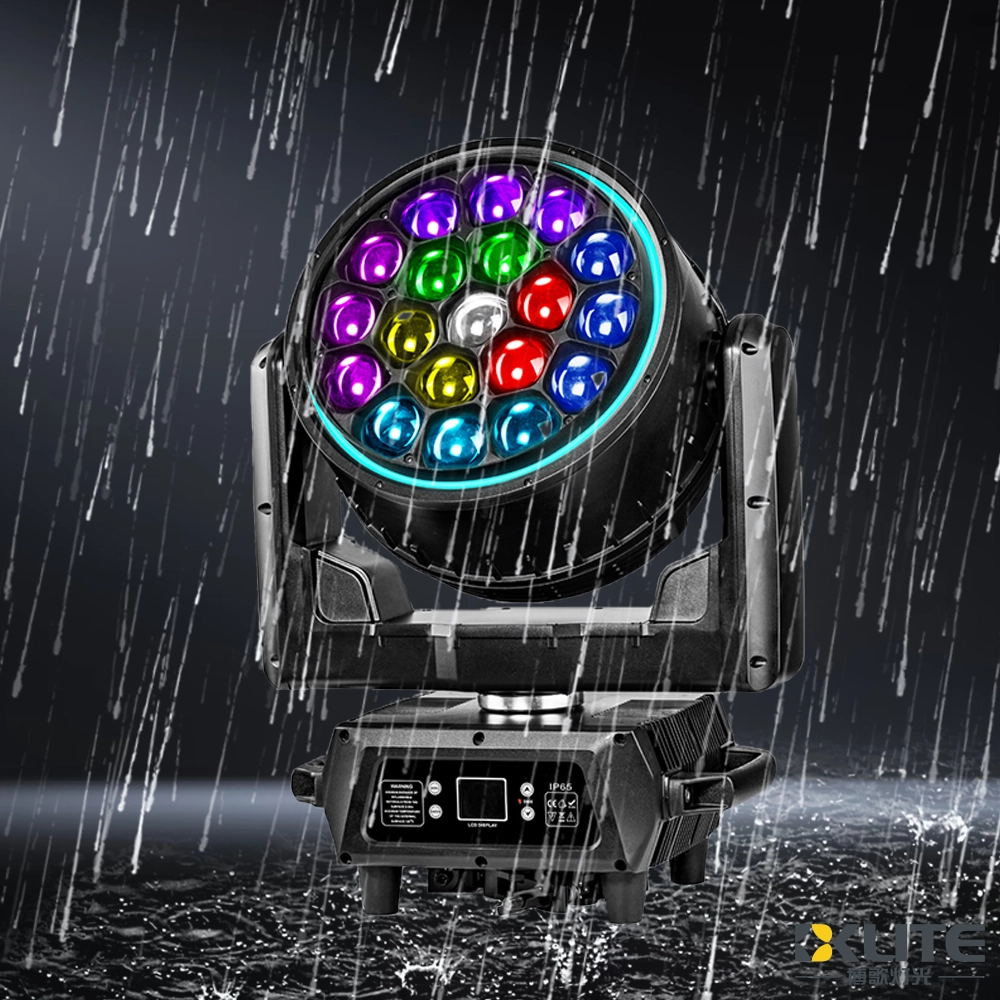
IP65 Waterproof Bee Eye Zoom 19x40W RGBW 4IN1 LED Beam Wash Moving Head Light with LED Ring
BKlite waterproof bee eye moving head light—your reliable choice from top waterproof moving head light manufacturers and suppliers. Ideal for outdoor stage, live event, music festival, this energy-saving fixture ensures powerful, precise illumination for any venue. It delivers powerful, reliable lighting performance in any weather.
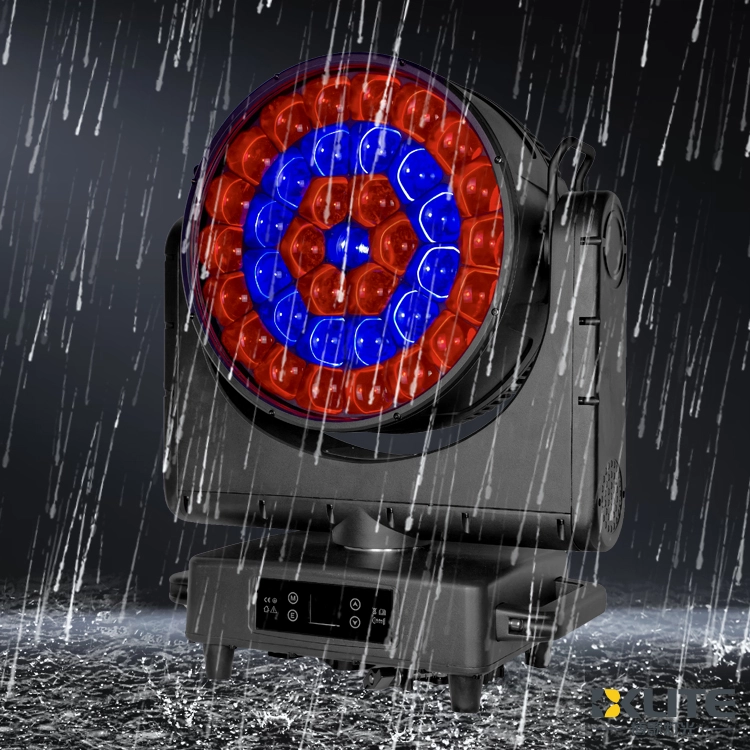
IP65 Waterproof ZOOM Bee Eye 37x40W RGBW 4in1 LED Moving Head Light
As a leading stage lighting equipment supplier with more than 15 years of industry know-how, BKlite brings you the IP65 ZOOM Bee Eye 37*40W RGBW 4in1 LED Moving Head Light (K25 Bee Eye) delivers vibrant, weatherproof lighting with powerful zoom and smooth movement. Ideal for dynamic stage effects, the K25 moving head light ensures stunning RGBW color mixing and reliable outdoor performance.
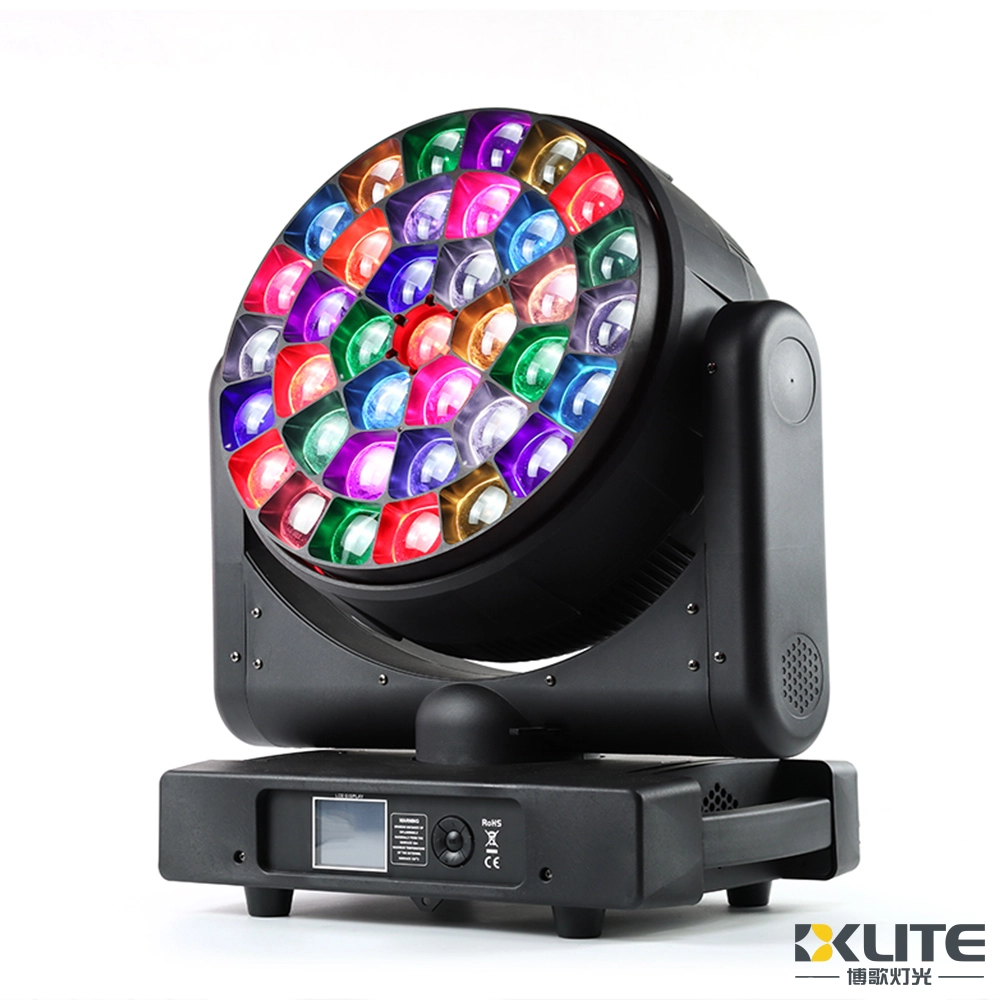
Bee Eye Zoom 37x40W RGBW 4in1 LED Beam Wash Moving Head Light
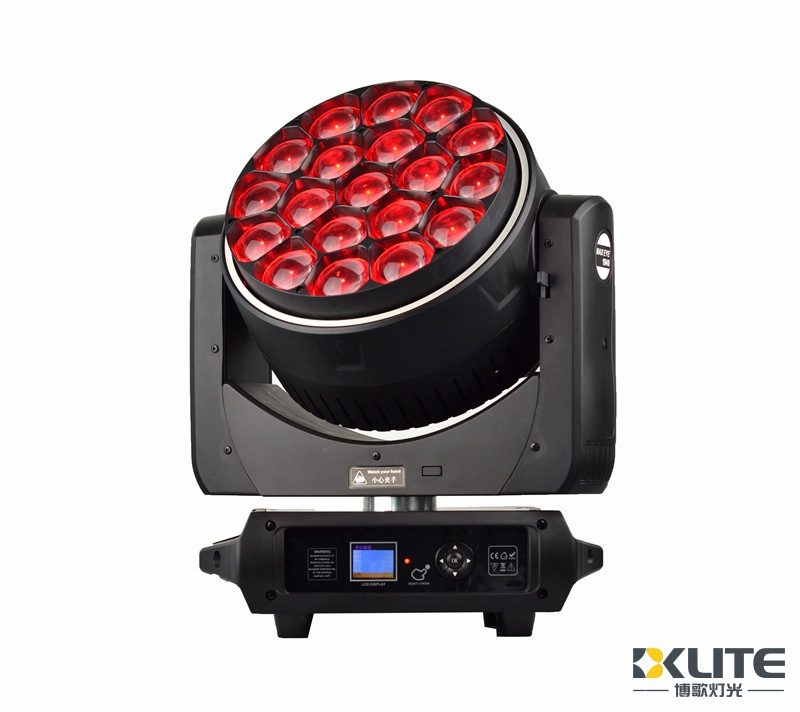
IP20 Bee Eye Zoom 19x40W RGBW 4IN1 LED Beam Wash Moving Head Light with LED Ring
As one of the leading stage lighting equipment suppliers with 15+ years of experience, BKlite launched a new Bee Eye K15 19x40 LED wash light BK-BY1940Z. .
Designed with a simple and sleek appearance, the WASH moving head light is compact, lightweight, and highly portable.
With multiple color effect macros and dynamic effect macros.
Our wash light can be used for versatile lighting options with amazing effect.
It is very good for your lighting projects.
Powerful and shoots very far distances.


Copyright © 2025 BKLITE All Rights Reserved.