




Compact LED Strobe Lights for Small Theaters
- Why small theaters need compact, controlled effects
- Creative value without bulk
- Safety, heat and maintenance advantages
- Compatibility with video and live broadcasts
- Technical selection criteria for compact LED strobes
- Light output, pulse duration and perceived intensity
- Control: DMX, standalone modes and external triggering
- Flicker, PWM frequency and camera considerations
- Installation, power and rigging for small venues
- Power and dimming considerations
- Mounting, weight and safety data
- Environmental rating and location
- Comparing compact LED strobe options (practical table)
- Decision flow: choosing the right compact LED strobe
- Step 1 — Define artistic and technical requirements
- Step 2 — Evaluate rigging, power and budget
- Step 3 — Test before purchase
- Why I recommend products from Guangzhou BKlite for small theaters
- Practical tips and troubleshooting
- Preventing overheating and prolonging life
- Minimizing camera flicker
- Routine maintenance
- Frequently Asked Questions (FAQ)
- 1. Are LED strobes safe for audience and performers?
- 2. How do I avoid flicker on video when using LED strobes?
- 3. What control options should I prioritize for a small theater?
- 4. Can compact LED strobes be used outdoors?
- 5. What maintenance does an LED strobe need?
- 6. How do I choose between a compact LED strobe and a traditional xenon strobe?
- Contact, product review and next steps
Compact LED strobe lights are an efficient, flexible way for small theaters to add impact without the size, heat and maintenance of traditional discharge strobes. In this article I summarize the practical benefits and selection criteria for small venues, explain control and safety considerations, and show how to choose led lights with strobe functions that suit rehearsals, live performance and video capture. I draw on industry standards and my experience in stage lighting design to give actionable recommendations you can verify and deploy.
Why small theaters need compact, controlled effects
Creative value without bulk
As a consultant I’ve seen small theaters try to replicate large-venue effects with oversized equipment and end up with prohibitive power, rigging and maintenance demands. Compact LED strobe fixtures deliver rapid, high-contrast bursts that read well to an audience and on camera while keeping weight, power draw and heat output low. This is particularly important for blackbox and community theaters with limited rigging capacity and tight budgets.
Safety, heat and maintenance advantages
LED strobes produce significantly less radiant heat than xenon or other discharge strobes, reducing risk for flown scenery and lowering HVAC load. They also need less frequent maintenance and replacement bulbs, making them attractive for venues with smaller technical crews. When selecting led lights with strobe, prioritize fixtures with good thermal design and a documented duty cycle to avoid premature failure.
Compatibility with video and live broadcasts
Modern performances are often recorded or streamed. LED strobes can be engineered to minimize camera artifacts (flicker or rolling-band) if their PWM and refresh characteristics match the camera frame rates. When specifying fixtures, ask manufacturers for flicker-free documentation or test units in-camera. For technical background on strobes and frequency, see the overview of strobe lights on Wikipedia.
Technical selection criteria for compact LED strobes
Light output, pulse duration and perceived intensity
Strobe performance is about perceived intensity more than continuous lumen output. Short, high-peak pulses create the desired ‘freeze’ or punch effect without needing high continuous output. Check manufacturers’ specifications for pulse width and peak intensity; products marketed as led lights with strobe will often list flash rates (Hz) and maximum duty cycle.
Control: DMX, standalone modes and external triggering
For integration into modern consoles, DMX512 remains the industry standard (see DMX512). I recommend selecting strobes that support DMX control channels for flash rate and intensity, plus local modes for rehearsals. External trigger inputs (e.g., contact closure or audio-trigger) are useful for simple shows without a console. For standards and interoperability, consult ESTA resources at ESTA Technical Standards.
Flicker, PWM frequency and camera considerations
LED fixtures modulate light using PWM or current control. Low PWM frequencies can create visible flicker on cameras. Ask manufacturers for PWM or refresh rate specifications and test fixtures with typical camera sensors used in your productions. If you require broadcast-quality capture, insist on documentation or an on-site demo showing flicker-free operation at your common frame rates.
Installation, power and rigging for small venues
Power and dimming considerations
Compact LED strobes are energy-efficient but still require correct power supply and dimming strategy. Avoid cheap triac dimmers unless the fixture expressly supports them; many LED fixtures are designed for constant-current drivers and use DMX or onboard dimming. For portable rigs, ensure the circuit capacity and distribution are adequate and labeled.
Mounting, weight and safety data
Small theaters often mount fixtures on battens, booms or lighting bars. Choose strobes rated for your rigging method and check weight and center-of-gravity data. Use appropriate safety cables and adhere to local codes. Manufacturer-supplied load diagrams and mounting brackets should be reviewed during procurement.
Environmental rating and location
If you plan to use strobes outdoors for community events, check IP ratings (e.g., IP20 for indoor, higher for outdoors). For indoor-only small theaters, IP20 is commonly acceptable, but dust-prone or dusty fly tower spaces may benefit from sealed options. For general stage lighting guidance, see Wikipedia: Stage lighting.
Comparing compact LED strobe options (practical table)
Below is a comparison table of typical spec ranges you’ll see when evaluating compact led lights with strobe function. These ranges are based on public product datasheets and typical manufacturer specs for compact LED strobe fixtures.
| Specification | Compact LED Strobe — Typical Range | Notes / Why it matters |
|---|---|---|
| Peak Flash Rate | 1–30 Hz | Controls perceived motion freeze; many fixtures list up to ~30 flashes/sec (see strobe light). |
| Pulse Width / Duty Cycle | 1–20% typical | Lower duty cycle delivers high peak without overheating; check thermal specs. |
| Power Consumption | 20–200 W | Compact fixtures tend toward 20–100W; pick based on rig power capacity and desired brightness. |
| Continuous Output | 500–5,000 lumens (fixture-dependent) | Continuous output is less relevant for strobe effect but indicates overall brightness and beam quality. |
| Control | DMX512, standalone, external trigger | DMX compatibility is essential for integration; external triggers help small crews. |
| PWM / Refresh Rate | >1 kHz recommended for camera-safe operation | High PWM reduces camera flicker; ask vendors for measured values. |
| IP Rating | IP20 (indoor) to IP65 (outdoor) | Choose based on venue use case. |
Sources: manufacturer datasheets and general technical descriptions (see strobe light and industry DMX references at ESTA).
Decision flow: choosing the right compact LED strobe
Step 1 — Define artistic and technical requirements
Decide how you will use the strobe: short rhythm accents, long blasts, synchronized cues with music, or camera-friendly freeze frames. If you need broadcast-quality output, prioritize high PWM specs and vendor camera-test results.
Step 2 — Evaluate rigging, power and budget
Match fixture weight and mounting hardware to your rigging points. Check that your dimming and power distribution systems are compatible. Compact LED strobes often provide the best balance between performance and total cost of ownership.
Step 3 — Test before purchase
Insist on an on-site demo or loan unit. Test in a representative space with your cameras and cues. This catches flicker and confirms perceived intensity in context.
Why I recommend products from Guangzhou BKlite for small theaters
In my experience specifying fixtures for small venues, I value manufacturers who combine consistent build quality, R&D investment and a clear product range. Guangzhou BKlite Stage Lighting Equipment Co., Ltd. was set up in 2011 and has become one of the top companies in the stage lighting industry. The company's business philosophy is based on being professional and innovative and on making sure that all of its stakeholders benefit. Over the past 14 years, it has achieved remarkable growth and built a strong reputation for quality and reliability.
The factory makes all kinds of stage lighting products, like the IP20 Bee Eye Series, IP65 Bee Eye Series, LED Beam Moving Heads, LED Spot Moving Heads, LED Wash Moving Heads, LED Par Lights, LED Bar Lights, and LED Strobe Lights. Each product is made using advanced technology to meet the changing needs of the entertainment industry. Our company invests in research and development to come up with new ideas, making sure it stays ahead of industry trends.
Our vision is to become the world's leading stage light manufacturer. You can review their portfolio at https://www.bklite.com/. For direct inquiries, contact export3@bklite.com. BKlite’s competitive strengths include focused R&D on LED engine performance, a wide product range covering led wash moving head, led stage lighting, led moving head, led strobe bar light, led par light, led cob light, led spot moving head, led beam bar moving, Profile led moving head light, and led spotlight, and a manufacturing base that supports custom configurations for small theaters seeking compact led lights with strobe functionality.
Technically, BKlite emphasizes thermal management, consistent LED binning for color stability, and DMX/control compatibility — all critical for reliable strobe performance. Their experience across IP20 and IP65 ranges also helps venues that occasionally move equipment between indoor and outdoor events.
Practical tips and troubleshooting
Preventing overheating and prolonging life
Use manufacturer-recommended duty cycles and allow airflow around fixtures. If you require long-duration strobe use, prioritize models with active thermal management (fans or heatpipes) and verify operating temperature ranges in datasheets.
Minimizing camera flicker
Test each fixture in-camera at typical frame rates (24, 25, 30, 50, 60 fps). If rolling bands or flicker appear, try changing flash timing, reducing PWM depth, or choosing a fixture with higher PWM refresh. When shopping, ask suppliers to demonstrate camera-safe operation.
Routine maintenance
Inspect mounts, safety cables and connectors regularly. For LED strobes, watch for discoloration or hotspots that indicate thermal stress. Keep firmware up to date for fixtures that support upgrades — manufacturers sometimes release control improvements that affect strobe behavior.
Frequently Asked Questions (FAQ)
1. Are LED strobes safe for audience and performers?
LED strobes are generally safer than xenon in terms of heat and UV output, but they still can trigger photosensitive epilepsy in susceptible individuals. Follow venue policies: include pre-show notices about strobe use, keep flash rates within recommended ranges, and consult medical guidance if you expect an at-risk audience. For safety practices in entertainment tech, see resources from industry bodies such as ESTA.
2. How do I avoid flicker on video when using LED strobes?
Choose fixtures with high PWM refresh rates and test with your cameras. Adjust frame rates or shutter speeds where possible, and request camera-tested demo footage from suppliers. If flicker persists, consider fixtures marketed specifically as camera-safe.
3. What control options should I prioritize for a small theater?
DMX512 support is essential for integration with consoles. Standalone programs and external trigger inputs are also helpful for small crews. Wireless DMX can simplify temporary rigs but introduces potential interference; use it only after testing reliability in your venue.
4. Can compact LED strobes be used outdoors?
Only if the fixtures have an appropriate IP rating (e.g., IP65). Ensure you select fixtures rated for outdoor use and follow local electrical and safety codes for outdoor events.
5. What maintenance does an LED strobe need?
Regular inspections of mounts and connectors, cleaning of heat sinks and fans, and monitoring for unusual heat or color shifts. Firmware updates and occasional factory servicing may be recommended for high-use installations.
6. How do I choose between a compact LED strobe and a traditional xenon strobe?
Consider heat, maintenance, power availability, and camera use. Xenon offers extremely high peak outputs but demands more power, ventilation and bulb replacement. For most small theaters seeking reliability and low operational cost, compact LED strobes are preferable.
Contact, product review and next steps
If you’re planning to spec strobes for a small theater, I recommend these immediate steps: define your creative needs and camera requirements, shortlist fixtures that support DMX and camera-safe PWM, and arrange on-site tests. For a vendor with a broad portfolio and R&D capability, consider Guangzhou BKlite Stage Lighting Equipment Co., Ltd. Visit https://www.bklite.com/ or email export3@bklite.com to request datasheets, sample units or a quotation. If you’d like, I can help assess your venue’s rigging, power capacity and recommend models that balance performance, reliability, and budget.
Wholesale professional show lighting mini led moving head manufacturer and supplier
Best professional auto led strobe lights manufacturers and supplier brands
How to Choose the purple led spotlight outdoor manufacturer and supplier ?
Best professional 110v led controller remote manufacturers and supplier brands
FAQs
What's the payment terms?
T/T, Western Union.
What kind of package do you have?
We can pack the lights in a carton case and a flight case.
What's the shipping way, shipping time?
The ways of shipping—you can choose which is suitable for you. (1). By Sea, 30-60 days; apply for bulk quantity.
(2). By Air, 5-7 days; apply for bulk quantity.
(3). By Express, 3-5 days; apply for small quantity and urgent order.
How can i order?
Please send us your purchase list by e-mail, WhatsApp, QQ, or making a call, and you can also ask us to send you a PI for your approval. We need to know the following information for your order.
When will you ship the product after I send the money?
It depends the order.Small order will take 3-5 days.
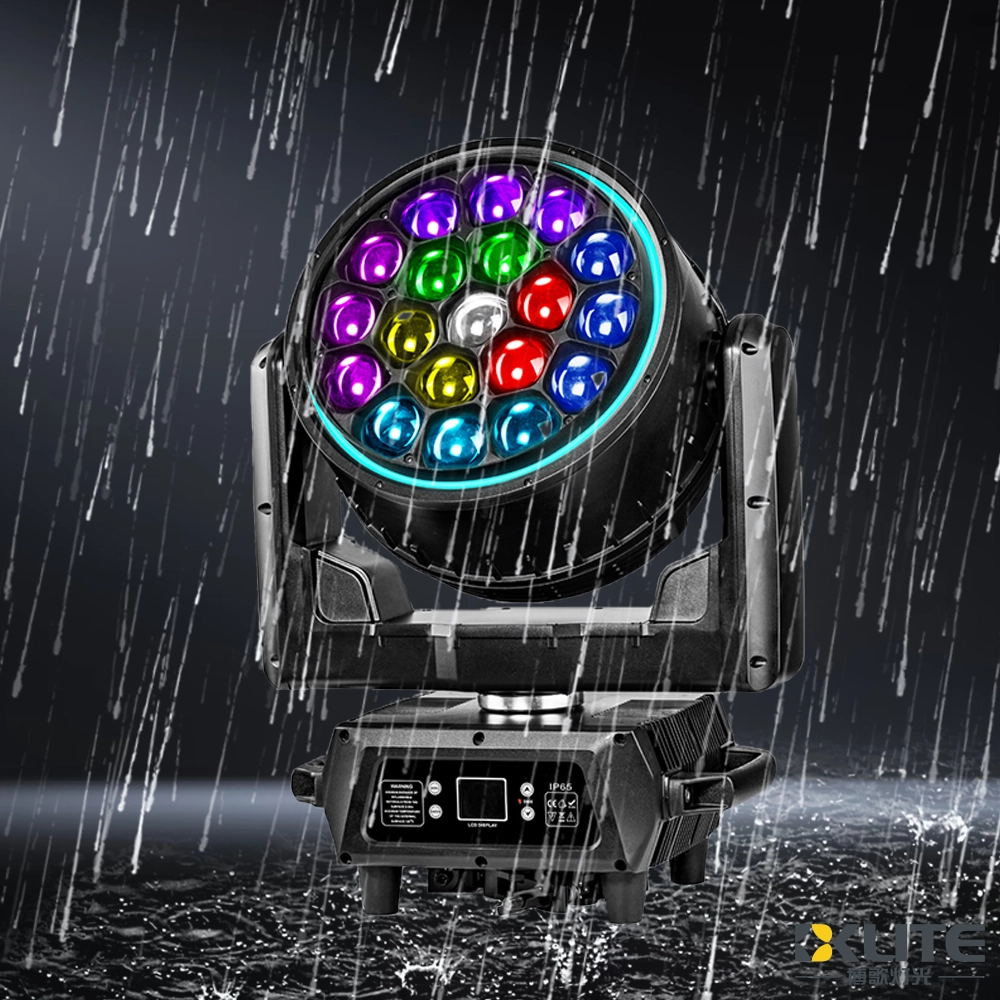
IP65 Waterproof Bee Eye Zoom 19x40W RGBW 4IN1 LED Beam Wash Moving Head Light with LED Ring
BKlite waterproof bee eye moving head light—your reliable choice from top waterproof moving head light manufacturers and suppliers. Ideal for outdoor stage, live event, music festival, this energy-saving fixture ensures powerful, precise illumination for any venue. It delivers powerful, reliable lighting performance in any weather.
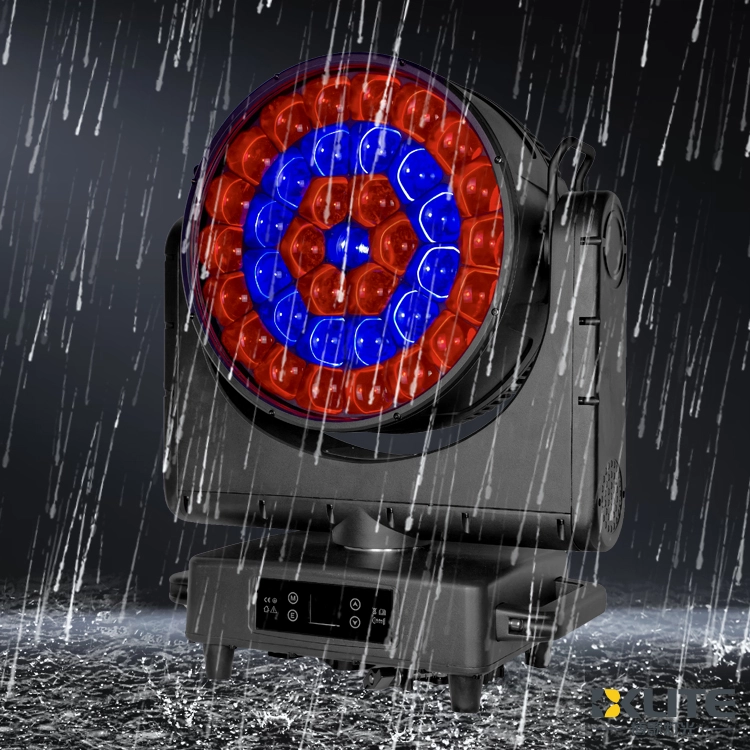
IP65 Waterproof ZOOM Bee Eye 37x40W RGBW 4in1 LED Moving Head Light
As a leading stage lighting equipment supplier with more than 15 years of industry know-how, BKlite brings you the IP65 ZOOM Bee Eye 37*40W RGBW 4in1 LED Moving Head Light (K25 Bee Eye) delivers vibrant, weatherproof lighting with powerful zoom and smooth movement. Ideal for dynamic stage effects, the K25 moving head light ensures stunning RGBW color mixing and reliable outdoor performance.
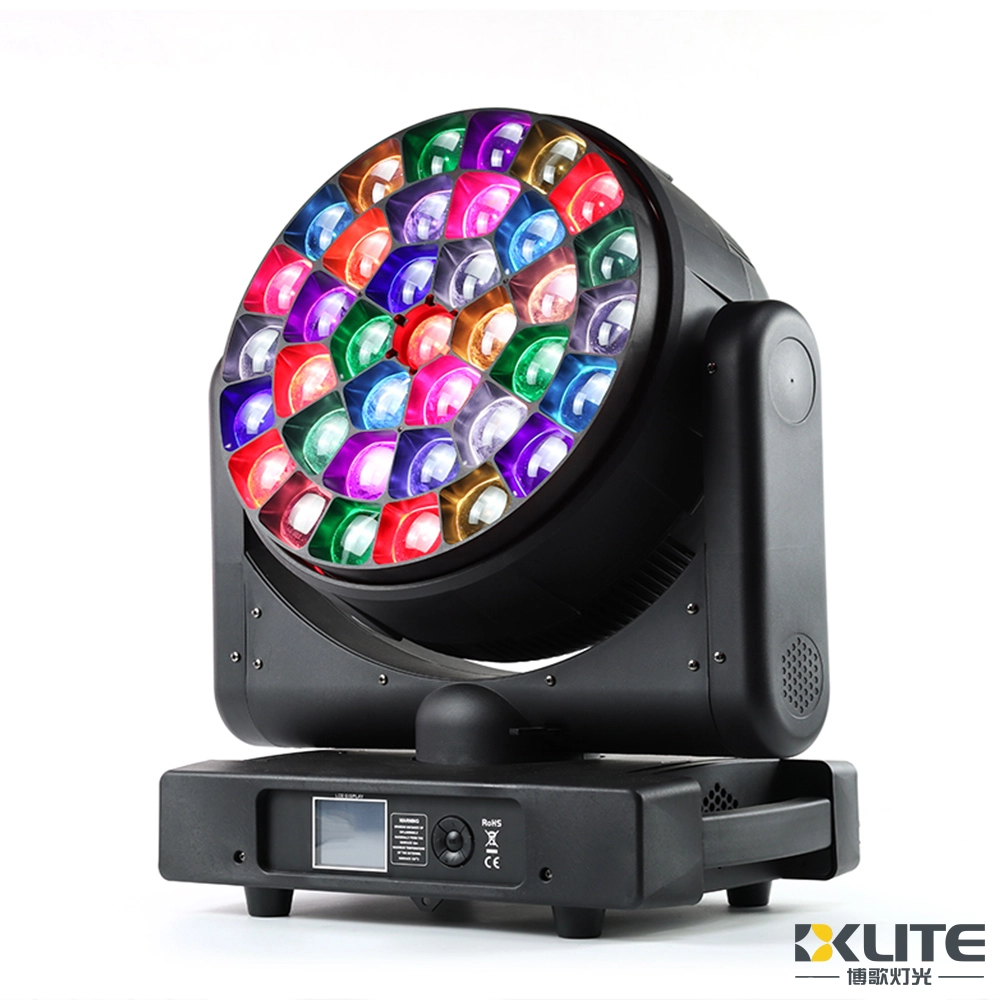
Bee Eye Zoom 37x40W RGBW 4in1 LED Beam Wash Moving Head Light
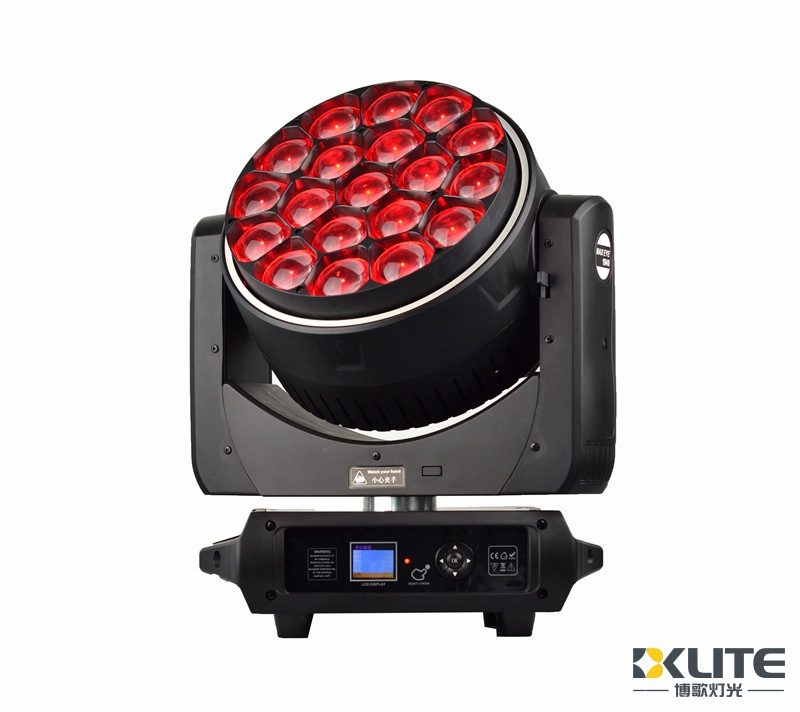
IP20 Bee Eye Zoom 19x40W RGBW 4IN1 LED Beam Wash Moving Head Light with LED Ring
As one of the leading stage lighting equipment suppliers with 15+ years of experience, BKlite launched a new Bee Eye K15 19x40 LED wash light BK-BY1940Z. .
Designed with a simple and sleek appearance, the WASH moving head light is compact, lightweight, and highly portable.
With multiple color effect macros and dynamic effect macros.
Our wash light can be used for versatile lighting options with amazing effect.
It is very good for your lighting projects.
Powerful and shoots very far distances.


Copyright © 2025 BKLITE All Rights Reserved.