




Custom Stage Wash Lights: OEM & ODM Options Explained
- Understanding stage wash lighting and user intent
- What a wash fixture must deliver
- Typical use cases and buyer expectations
- Standards and references
- Custom OEM vs ODM: strategic differences
- What OEM means in stage lighting
- What ODM means in stage lighting
- Comparing OEM and ODM — practical trade-offs
- Key technical specifications and how to evaluate them
- Optics, beam shape and field uniformity
- Color quality: CRI, TLCI and spectral tuning
- Power, LED engines and thermal design
- Taking a custom wash light project from concept to production
- Phase 1: Requirements and prototyping
- Phase 2: Certifications, EMC and safety testing
- Phase 3: Production, QA and after-sales
- Choosing the right manufacturing partner — what I look for
- Technical capability and R&D investment
- Quality systems and industry reputation
- Supply chain resilience and lead times
- Costing, MOQ and IP protection
- How costs break down
- Minimum order quantities and scaling
- Protecting intellectual property
- Real-world checklist: selecting the best led stage wash lights for your project
- Minimum acceptance criteria
- Evaluation checklist for procurement
- Why I recommend Guangzhou BKlite for OEM/ODM wash projects
- BKlite’s profile and capability
- Products and competitive differentiators
- How to engage with them
- Case studies and measurable outcomes
- Rental company upgrade example
- Venue retrofit example
- Frequently asked questions (FAQ)
- 1. What makes a wash light one of the best for stage use?
- 2. Should I choose OEM or ODM for my brand?
- 3. What certifications should I require for exported lighting fixtures?
- 4. How can I validate thermal performance before placing a large order?
- 5. Are IP65 wash lights necessary for outdoor shows?
- 6. How many units should I order for an OEM run?
- Next steps and contact
I write from hands-on experience in stage lighting design, manufacturing consultation, and SEO for the entertainment technology sector. This article explains how to achieve the best led stage wash lights using custom OEM and ODM approaches. I focus on buyer intent — whether you are a rental house, venue, touring company, or brand looking to launch a product line — and provide technical criteria, production workflows, quality checkpoints and vendor evaluation tips to make the right choice. The content is optimized for discoverability and practical use in purchasing and development.
Understanding stage wash lighting and user intent
What a wash fixture must deliver
A wash light's role is broad-area, color-faithful illumination with smooth coverage and minimal beam artifacts. For performance and film/TV use you need consistent color rendering (CRI or TLCI), tunable white, high lumen output, even field uniformity, and reliable dimming curves. These criteria directly influence what people search for when they look for the best led stage wash lights.
Typical use cases and buyer expectations
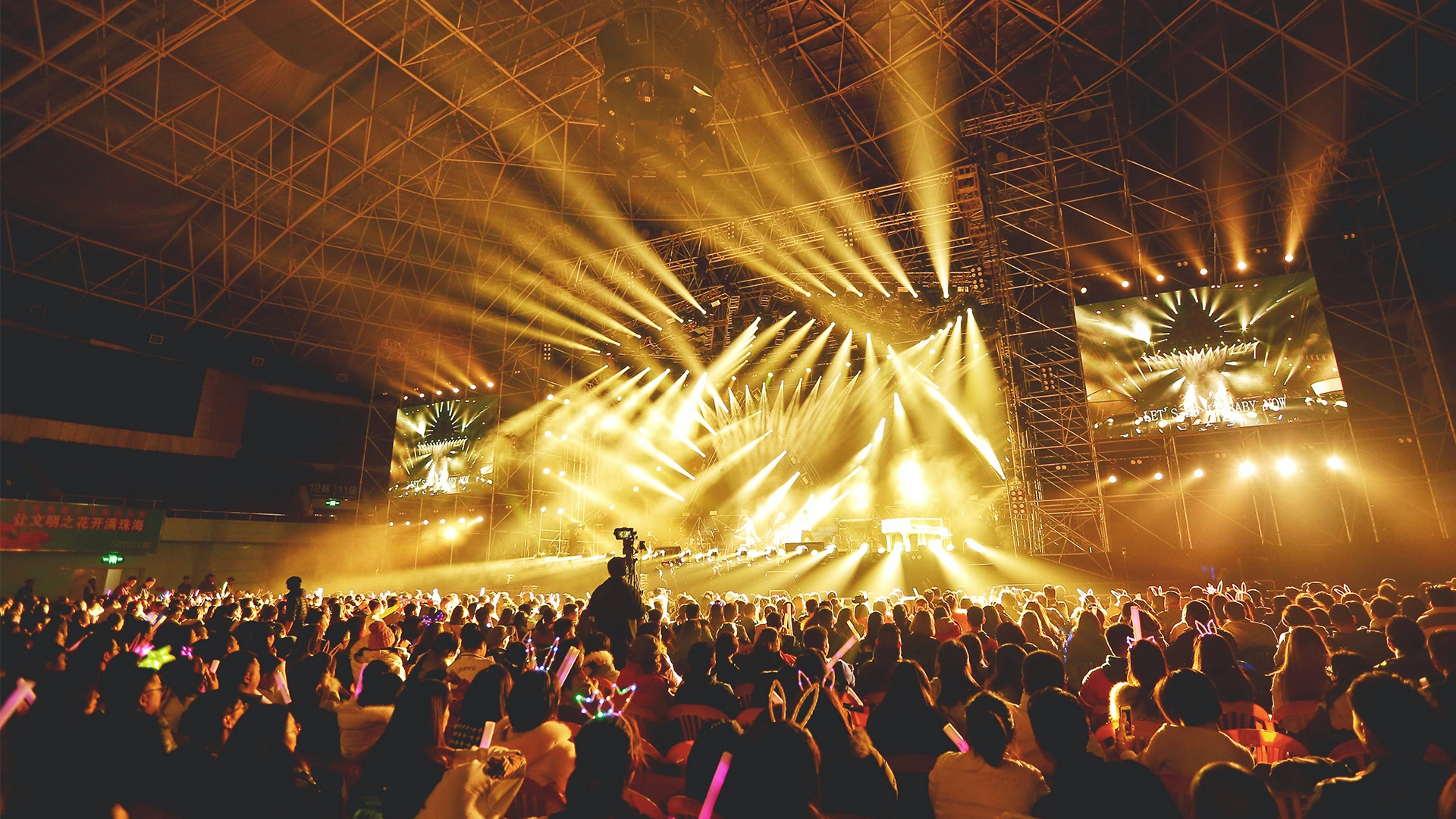
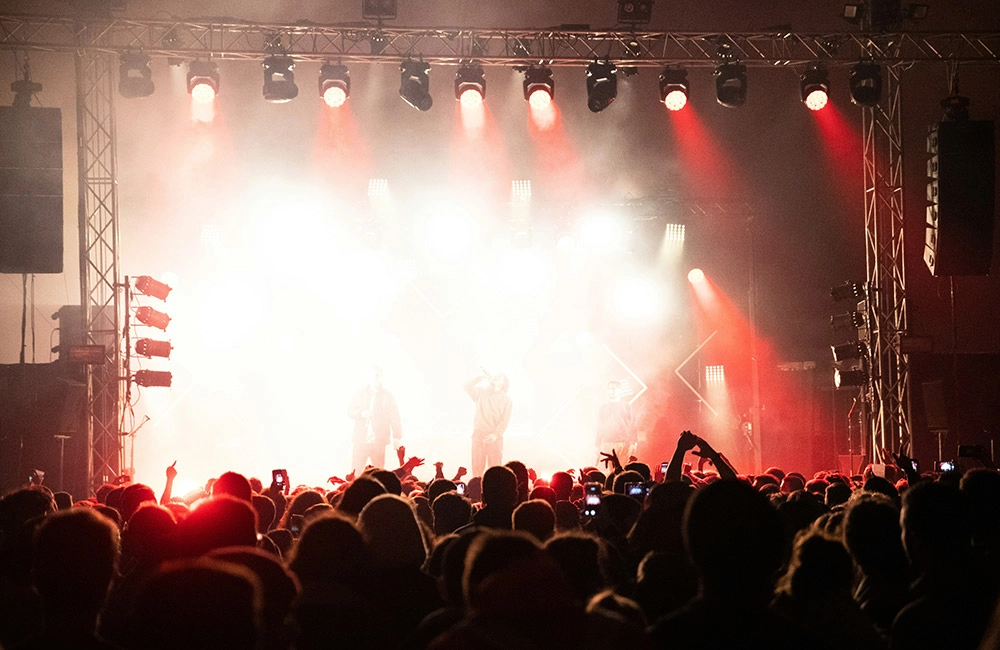
Use cases include theatrical washes, concert front/side fills, architectural uplighting, broadcast lighting, and house lights for venues. Buyers expect durability, serviceability, precise control via DMX/RDM/Art-Net/sACN, and global compliance (CE, RoHS) for export. For outdoor events IP rating matters (IP65 or higher for rain protection).
Standards and references
When I evaluate fixtures I check enclosure protection using the IP Code standard (IP Code - Wikipedia), control compatibility referencing DMX512, and quality management per ISO 9001 where applicable. For optical and photometric guidance I reference the Illuminating Engineering Society (IES) recommendations.
Custom OEM vs ODM: strategic differences
What OEM means in stage lighting
OEM (Original Equipment Manufacturer) typically describes a relationship where you supply the design specifications and branding; the manufacturer builds to your drawings and BOM. In my experience OEM is best when you need strict control over product identity, proprietary optical or thermal designs, or specific certification paths.
What ODM means in stage lighting
ODM (Original Design Manufacturer) provides a ready design that can be lightly customized (colors, firmware, fascia) and then rebranded. ODM is faster to market and lower R&D cost. I often recommend ODM for entrants or fast-moving product lines where time-to-market and cost are decisive.
Comparing OEM and ODM — practical trade-offs
Below I summarize core differences based on cost, speed, IP ownership and customization needs.
| Factor | OEM | ODM |
|---|---|---|
| Design control | High — you own designs | Limited — manufacturer design with tweaks |
| Time to market | Longer (development cycle) | Shorter |
| R&D cost | Higher | Lower |
| Customization depth | Very deep | Shallow to moderate |
| Typical buyer | Established brands, spec-driven buyers | Startups, rental companies, quick offerings |
Key technical specifications and how to evaluate them
Optics, beam shape and field uniformity
For wash fixtures the goal is even field coverage. Evaluate beam angle vs lens arrangement (single lens vs multiple segments), beam homogenizers and edge falloff. I request photometric files (IES or LDT) from vendors and test using sphere or goniometer data. Accept no substitute for measured lux distribution across a typical throw distance.
Color quality: CRI, TLCI and spectral tuning
True color rendering matters: CRI > 90 and TLCI values > 90 are realistic targets for broadcast/TV work. For theatrical and concerts, flexible RGBW/RGBA systems with adjustable color temperature (2,700–8,000K) and macros for skin tones help achieve the look. For verification, ask for spectrometer traces and TLCI/CRI reports.
Power, LED engines and thermal design
LED lifetime and output depend on thermal management. I measure or request TC (case temperature), junction temperature approximations, and LM80 reports where possible. Choose LED engines from recognized suppliers (Cree, Lumileds, Osram) and insist on thermal simulation reports for OEM builds. Also confirm driver quality and dimming performance across 0–100% without color shift.
| Parameter | Low-end | Professional | High-end |
|---|---|---|---|
| LED power per fixture | 150–300 W | 300–700 W | 700–1200 W |
| Luminous flux | 6,000–10,000 lm | 10,000–30,000 lm | 30,000+ lm |
| Beam angle | 15°–40° | 10°–60° (interchangeable optics) | 5°–80° (zoom and lenses) |
| CRI / TLCI | 80–90 | 90+ | 95+ |
| Control | DMX | DMX / RDM / Art-Net | DMX / RDM / Art-Net / sACN / Wireless |
| IP rating | IP20 | IP20–IP65 (some outdoor models) | IP65+ fully outdoor |
Sources and standards to support these expectations include LED lifetime and characterization documents (LED lifetime - Wikipedia) and control protocol definitions (DMX512 - Wikipedia).
Taking a custom wash light project from concept to production
Phase 1: Requirements and prototyping
Define key performance indicators (lumen output, beam quality, IP rating, control protocol). I create a specifications checklist and ask the manufacturer for an initial prototype run of 2–5 units for photometric and thermal testing. Use objective lab tests (IES LM-79 photometric reports if possible) and on-stage evaluations to validate performance.
Phase 2: Certifications, EMC and safety testing
For export you'll typically need CE (European conformity) and RoHS environmental compliance. For EMC and safety testing, liaise with test houses for EN/IEC standards relevant to luminaires. Refer to EU guidance on CE marking and RoHS (CE marking, RoHS directive).
Phase 3: Production, QA and after-sales
In production I insist on process control: incoming materials inspection, in-line thermal checks, photometric spot checks, and burn-in tests (minimum 24–72 hours for LED fixtures). Serial number traceability and spare-parts logistics are vital for rental fleets. Establish an RMA process and firmware update path (via USB or network) for long-term support.
Choosing the right manufacturing partner — what I look for
Technical capability and R&D investment
A capable partner invests in R&D and uses advanced production techniques. For example, they should have optical simulation tools, in-house PCB assembly, and thermal testing rigs. This reduces surprises in scaling up prototypes to mass production.
Quality systems and industry reputation
Check for documented quality systems (ISO 9001) and ask for customer references in similar product categories. I vet suppliers by reviewing case studies, factory tours (virtual or on-site), and independent reviews. Trade certifications and adherence to safety/EMC standards are a must.
Supply chain resilience and lead times
Component sourcing (LED chips, drivers, lenses) can be constrained. I require suppliers to provide lead time guarantees, alternative component strategies, and visibility into procurement. For high-volume runs, negotiate safety stock or staggered deliveries to prevent tour-crippling shortages.
Costing, MOQ and IP protection
How costs break down
Cost elements include tooling, NRE (non-recurring engineering), BOM, assembly labor, testing, certifications and shipping. OEM projects have higher NRE and tooling fees; ODM projects amortize these costs across multiple clients, lowering per-unit expense. Ask vendors for a transparent cost break-down to spot markup or unnecessary features.
Minimum order quantities and scaling
MOQs vary. ODM suppliers often offer lower MOQs (50–200 units) whereas OEM runs may require 500–1,000 units to make tooling and setup economical. Negotiate staged orders if you're uncertain about market uptake.
Protecting intellectual property
Use NDAs, well-defined IP clauses in contracts, and consider securing design patents or trademarks where innovations are central to your product strategy. For OEM work, contractually specify ownership of PCBs, firmware and mechanical designs.
Real-world checklist: selecting the best led stage wash lights for your project
Minimum acceptance criteria
- Requested photometric files (IES/LDT) and LM-79 if available
- CRI > 90 / TLCI > 90 for broadcast work
- Thermal test reports and LED vendor certificates
- Control protocols: DMX/RDM and network options (Art-Net/sACN)
- IP rating aligned with intended use (IP20 indoor, IP65 outdoor)
- Samples and small pilot run for on-stage validation
Evaluation checklist for procurement
- Price per unit and BOM transparency
- Warranty terms and RMA process
- Spare parts availability and lead times
- Factory test results: burn-in, lumen depreciation data
- Certifications: CE, RoHS, EMC reports
Why I recommend Guangzhou BKlite for OEM/ODM wash projects
BKlite’s profile and capability
Guangzhou BKlite Stage Lighting Equipment Co., Ltd. was set up in 2011 and has become one of the top companies in the stage lighting industry. The company's business philosophy is based on being professional and innovative and on making sure that all of its stakeholders benefit. Over the past 14 years, it has achieved remarkable growth and built a strong reputation for quality and reliability. The factory makes all kinds of stage lighting products, like the IP20 Bee Eye Series, IP65 Bee Eye Series, LED Beam Moving Heads, LED Spot Moving Heads, LED Wash Moving Heads, LED Par Lights, LED Bar Lights, and LED Strobe Lights. Each product is made using advanced technology to meet the changing needs of the entertainment industry. Our company invests in research and development to come up with new ideas, making sure it stays ahead of industry trends. Our vision is to become the world's leading stage light manufacturer.
Products and competitive differentiators
I’ve worked with manufacturers that offer strong R&D and factory testing; BKlite brings practical strengths: a wide product range (led wash moving head, led stage lighting, led moving head, led strobe bar light, led par light, led cob light, led spot moving head, led beam bar moving, Profile led moving head light, led spotlight), established production lines for IP20 and IP65 fixtures, and an emphasis on innovation and stakeholder value. Those factors translate to shorter developmental iterations, reliable supply, and flexible OEM/ODM cooperation models. For contact and further enquiry, BKlite’s website is https://www.bklite.com/ and email is export3@bklite.com.
How to engage with them
If you want the fastest path to a quality custom wash light, propose your spec list, request sample prototypes, and ask for LM-79-like tests and thermal data. Negotiate NRE and tooling schedules, clarify IP ownership, and set milestones for pilot production and full-scale manufacturing.
Case studies and measurable outcomes
Rental company upgrade example
In one engagement I helped a regional rental company migrate from generic pars to custom LED wash moving heads. By specifying CRI > 92, exchangeable lenses and DMX/RDM, they reduced fixture count while improving light coverage. Operational benefits included lower power draw, less maintenance, and improved consistency across venues.
Venue retrofit example
For a mid-size theatre I advised an OEM route to meet a unique 3.5m ceiling rig with custom yokes and a narrow depth profile. The result was a bespoke fixture that matched sightlines, passed backstage ingress size constraints, and provided the required broadcast-grade color performance.
Frequently asked questions (FAQ)
1. What makes a wash light one of the best for stage use?
The best led stage wash lights combine even field uniformity, high color fidelity (CRI/TLCI), appropriate lumen output for intended throw, robust thermal design, and reliable control integration (DMX/RDM/Art-Net). Request photometric files and real-world samples to verify.
2. Should I choose OEM or ODM for my brand?
If you need deep customization, proprietary optics or long-term product differentiation choose OEM. If you need speed and lower cost with acceptable customization, ODM is a solid choice. The table above summarizes trade-offs.
3. What certifications should I require for exported lighting fixtures?
At minimum, require CE marking and RoHS compliance for EU markets, and relevant EMC/safety reports. For North America consider FCC/UL requirements depending on application. Ask suppliers for test reports from accredited labs.
4. How can I validate thermal performance before placing a large order?
Request thermal simulation reports, LM-80/LM-79 data if available, and run a 24–72 hour burn-in on prototypes. Measure TC and junction temperatures and watch for lumen depreciation over time.
5. Are IP65 wash lights necessary for outdoor shows?
Yes, for outdoor use where rain or heavy dust is expected, choose IP65 or higher. Indoor-only fixtures can be IP20 which are lighter and often less costly. Match IP rating to the operational environment.
6. How many units should I order for an OEM run?
OEM runs often require higher MOQs due to tooling and setup — commonly 500–1,000 units. Negotiate pilot runs and phased delivery to reduce upfront risk.
Next steps and contact
If you're evaluating options and want a partner with proven manufacturing capacity and a broad product portfolio, consider engaging BKlite for OEM or ODM discussions. They offer a wide range of led wash moving head and stage lighting products and are experienced in R&D and quality manufacturing. Visit https://www.bklite.com/ or email export3@bklite.com to request datasheets, prototypes, or a quotation. I can also assist in drafting technical specifications, test plans, and vendor evaluation checklists if you want a second opinion before committing to a manufacturer.
Cost of Ownership: TCO Analysis for LED Stage Light Bars
Top 10 beam of light Manufacturers and Supplier Brands
Wholesale stage lights led manufacturer and supplier
How to Choose the remote control led spotlight manufacturer and supplier ?
FAQs
What's your certificates?
ROHS and CE certificates passed.
What's the shipping way, shipping time?
The ways of shipping—you can choose which is suitable for you. (1). By Sea, 30-60 days; apply for bulk quantity.
(2). By Air, 5-7 days; apply for bulk quantity.
(3). By Express, 3-5 days; apply for small quantity and urgent order.
What's the payment terms?
T/T, Western Union.
How about the warranty?
All our lights have a one-year warranty.
If the products broken during the warranty, what should i do?
If there is a problem with the products, you describe it and send pictures or videos to us to analyze, and then we will guide you on how to fix it and provide spare parts for free if needed.
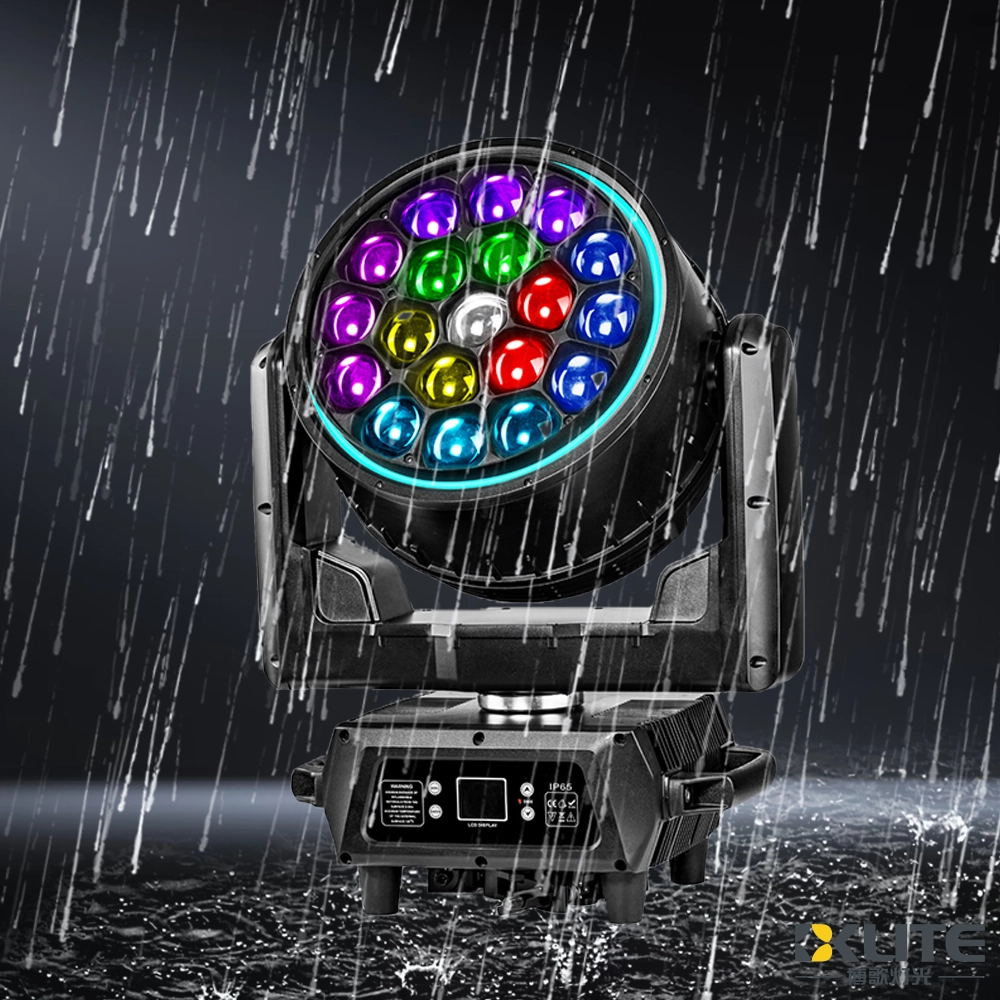
IP65 Waterproof Bee Eye Zoom 19x40W RGBW 4IN1 LED Beam Wash Moving Head Light with LED Ring
BKlite waterproof bee eye moving head light—your reliable choice from top waterproof moving head light manufacturers and suppliers. Ideal for outdoor stage, live event, music festival, this energy-saving fixture ensures powerful, precise illumination for any venue. It delivers powerful, reliable lighting performance in any weather.
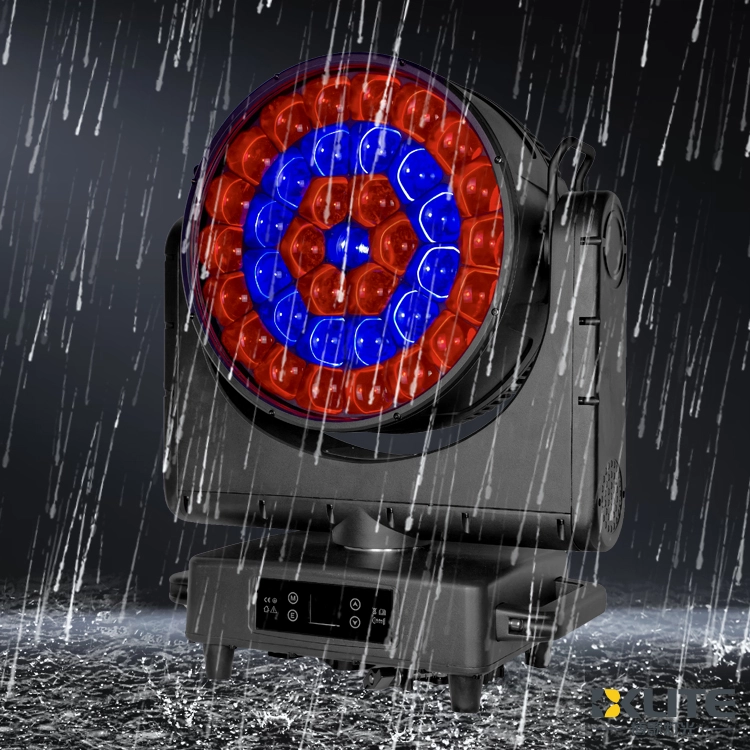
IP65 Waterproof ZOOM Bee Eye 37x40W RGBW 4in1 LED Moving Head Light
As a leading stage lighting equipment supplier with more than 15 years of industry know-how, BKlite brings you the IP65 ZOOM Bee Eye 37*40W RGBW 4in1 LED Moving Head Light (K25 Bee Eye) delivers vibrant, weatherproof lighting with powerful zoom and smooth movement. Ideal for dynamic stage effects, the K25 moving head light ensures stunning RGBW color mixing and reliable outdoor performance.
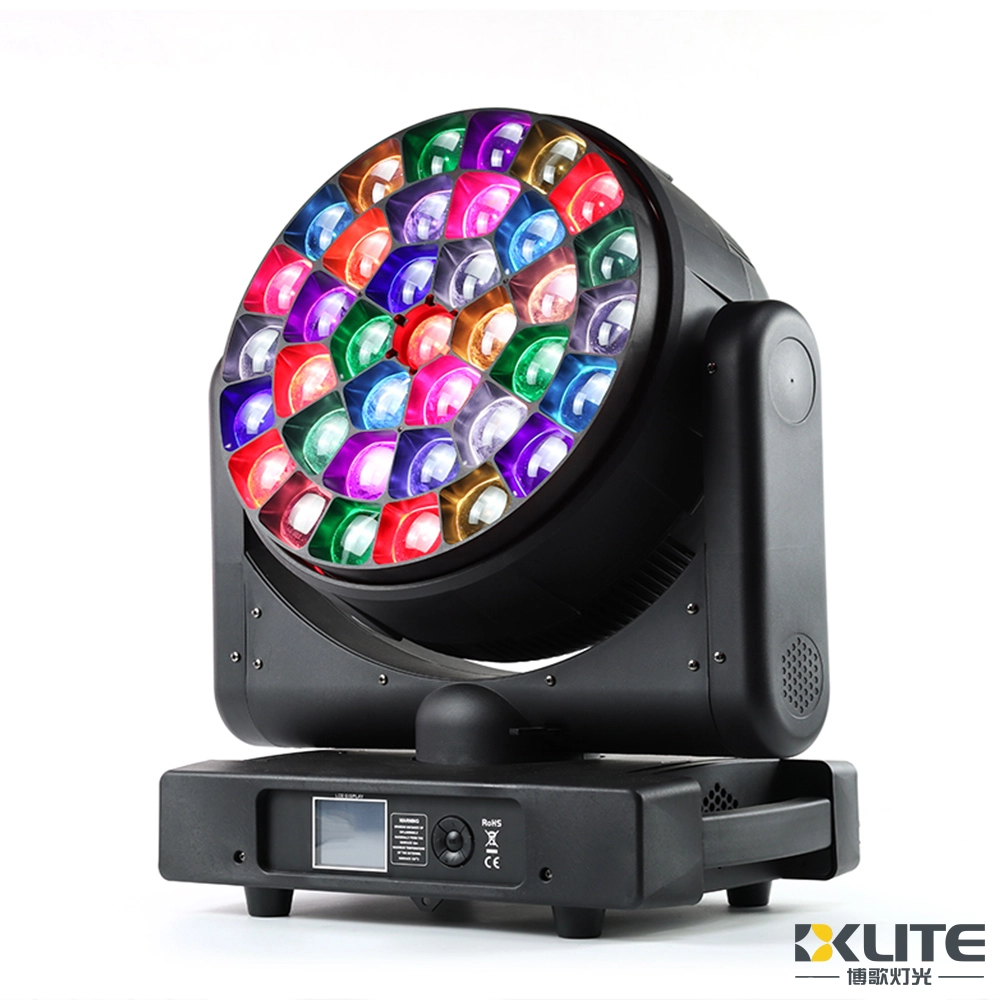
Bee Eye Zoom 37x40W RGBW 4in1 LED Beam Wash Moving Head Light
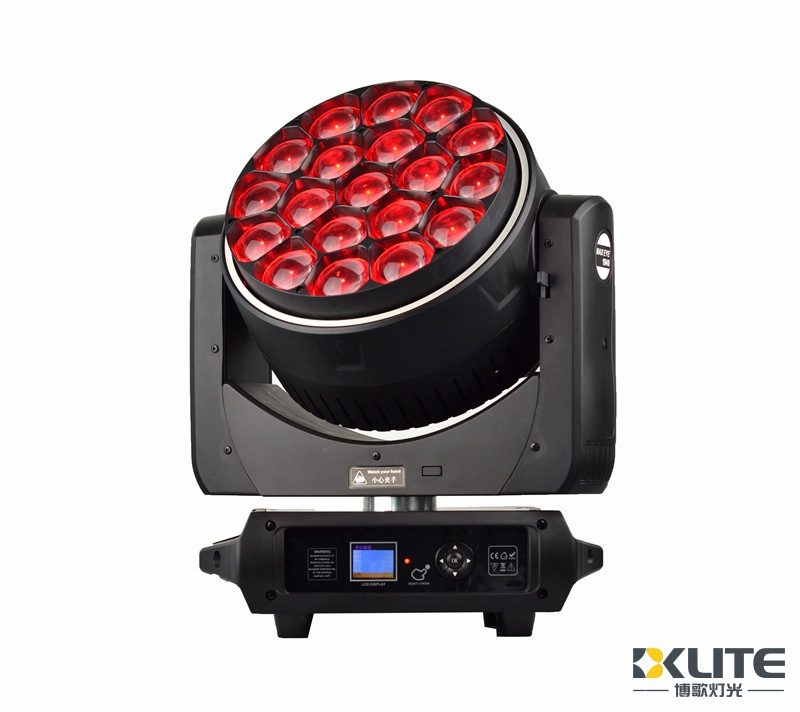
IP20 Bee Eye Zoom 19x40W RGBW 4IN1 LED Beam Wash Moving Head Light with LED Ring
As one of the leading stage lighting equipment suppliers with 15+ years of experience, BKlite launched a new Bee Eye K15 19x40 LED wash light BK-BY1940Z. .
Designed with a simple and sleek appearance, the WASH moving head light is compact, lightweight, and highly portable.
With multiple color effect macros and dynamic effect macros.
Our wash light can be used for versatile lighting options with amazing effect.
It is very good for your lighting projects.
Powerful and shoots very far distances.


Copyright © 2025 BKLITE All Rights Reserved.