




Designing Stage Effects with Multi-Panel LED Strobes
- Foundations of Strobe Effects
- How LED strobes produce perceived motion and impact
- Photobiological safety and regulations
- Perception, motion blur, and human factors
- Designing with Multi-Panel LED Strobes
- Panel layout and intensity distribution
- Timing, refresh rates, and control strategies
- Color, diffusion and perceived brightness
- Technical Implementation and Integration
- Power, thermal management and IP ratings
- Control protocols and synchronization
- Mounting, rigging and safety considerations
- Comparisons, Use Cases, and Best Practices
- Comparative table: multi-panel configurations
- Use cases: live concert vs theatre vs broadcast
- Troubleshooting common issues
- Manufacturer Profile and Why It Matters
- Why choose a manufacturer like BKlite for LED strobe light projects
- Practical Checklist and Final Recommendations
- Pre-rig checklist
- Programming and show-day tips
- Maintenance and lifecycle
- FAQ
- 1. What is the difference between a LED strobe light and a traditional discharge strobe?
- 2. How do I prevent camera flicker when using strobe lights?
- 3. What safety considerations should I apply regarding strobe rates and epilepsy?
- 4. Can I pixel-map multi-panel LED strobe arrays with standard DMX?
- 5. How should I choose between IP20 and IP65 LED strobe fixtures?
- 6. What maintenance is required for multi-panel LED strobe installations?
I have spent years designing stage effects and integrating high-density LED fixtures into touring rigs and fixed installations. In this article I explain how to design dramatic, reliable, and safe stage effects using multi-panel LED strobe lights. I cover the physical and perceptual foundations, control workflows (DMX512/Art-Net/sACN), layout and power considerations, and best practices for live events and broadcast. Where possible I reference standards and authoritative sources so you can verify the guidance and apply it in production.
Foundations of Strobe Effects
How LED strobes produce perceived motion and impact
A modern led strobe light typically uses high-power LEDs driven in short, high-current pulses. Unlike legacy discharge strobes, LED strobes offer faster rise times, improved color control, and lower energy loss. The perceived intensity and motion are a function of pulse duration, repetition rate, and spatial arrangement of panels. For a concise technical background on strobe lighting and the stroboscopic effect, see the Wikipedia overview on strobe lights (https://en.wikipedia.org/wiki/Strobe_light).
Photobiological safety and regulations
When designing strobe effects I always check photobiological safety limits. Rapid pulsing light can trigger photosensitive epilepsy in a small portion of the population and can also have other biological effects. International standards such as IEC 62471 address photobiological safety of lamps and lamp systems; consult the IEC for normative guidance (IEC). For ballast and control protocols, the DMX512 standard is a core technical reference (DMX512 overview).
Perception, motion blur, and human factors
Designing impactful strobe sequences is as much about human perception as it is about electrical engineering. Pulse width and frequency determine how much the eye integrates light — shorter pulses at higher peak drive appear brighter; slower repetition rates produce discrete freeze-frame effects. For broadcast applications you must consider camera frame rates and rolling shutter artifacts; for live audiences you balance dramatic impact with safety and comfort.
Designing with Multi-Panel LED Strobes
Panel layout and intensity distribution
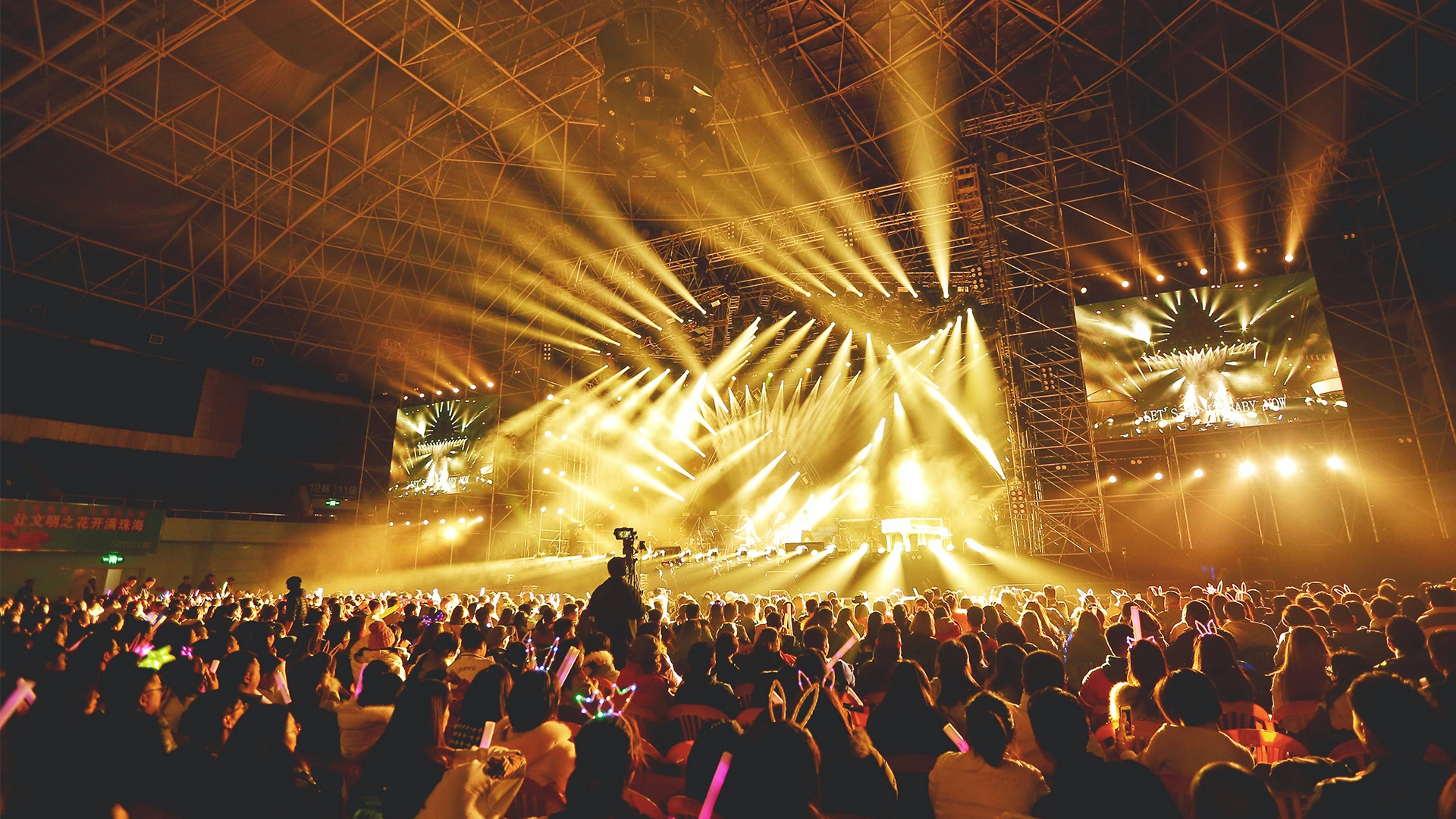
Multi-panel arrays allow designers to move beyond a single point strobe to create directional, textural, and depth effects. I plan layouts to achieve three key goals: even apparent intensity across the stage, controllable directionality, and staged layering (foreground, midground, background). For example, a 3x3 panel grid mounted on a truss can be driven in zones to create sweeping pulses or chase patterns without overloading a single circuit.
Timing, refresh rates, and control strategies
Control is critical. I favor architectures that provide low-latency pixel control (useable either via DMX512 for simple channel control or via Art-Net/sACN for pixel-mapped fixtures). For frame-accurate synchronization across many fixtures, networked protocols like Art-Net or sACN combined with timecode or synchronization over NTP improve consistency. See DMX512 and networked lighting protocols for technical specs (https://en.wikipedia.org/wiki/DMX512).
Color, diffusion and perceived brightness
Color mixing changes perceived brightness; for example, white composed of RGB LEDs often appears less intense than a dedicated white COB at the same luminous flux. I use diffusion and secondary optics to soften edges when necessary — a grid of uncompromised bare LED strobes can feel harsh on camera and in-house audiences. Strategically placed diffusers and frosted lenses help control glare while preserving the snap of a strobe.
Technical Implementation and Integration
Power, thermal management and IP ratings
Multi-panel LED strobe installations demand careful power planning. High peak currents during pulses require drivers and cabling rated for surge currents. Thermal dissipation is also crucial: pulse repetition and duty cycle determine average power and heat load. When selecting fixtures for outdoor or exposed rigs, consult Ingress Protection (IP) ratings: IP20 indicates indoor use while IP65 offers dust-tight and water-resistant protection (see IP Code overview: https://en.wikipedia.org/wiki/IP_Code).
Control protocols and synchronization
For small rigs I often map channels via DMX512. For large multi-panel arrays or pixel-level control I use Art-Net or sACN. For production-grade synchronization, consider distributing a master clock (MIDI/timecode/NTP) so strobes and media servers remain frame-locked. The DMX protocol remains fundamental for fixtures that expose channel-based control (DMX512).
Mounting, rigging and safety considerations
Mount multi-panel arrays with redundant safety bonds and consider center-of-gravity shifts when you change tilt or rotation. Use rated clamps and safety cables, and factor in wind load for outdoor installations. For touring, design quick-release mounting that preserves alignment while ensuring safety checks can be performed rapidly during load-in.
Comparisons, Use Cases, and Best Practices
Comparative table: multi-panel configurations
The following table summarizes common multi-panel arrangements and trade-offs. These are practical guidelines derived from field deployments and product specifications.
| Configuration | Best Use | Peak Impact | Complexity / Control |
|---|---|---|---|
| Single Panel (large area) | Backdrops, single focal blast | Very high (broad wash) | Low (DMX channels) |
| Multi-zone (2–6 zones) | Concerts, corporate shows | High (directional) | Moderate (zoning/curves) |
| Pixel-mapped arrays (8x8+) | Immersive visuals, TV, AV mapping | Variable (patterned) | High (Art-Net/sACN, media server) |
Use cases: live concert vs theatre vs broadcast
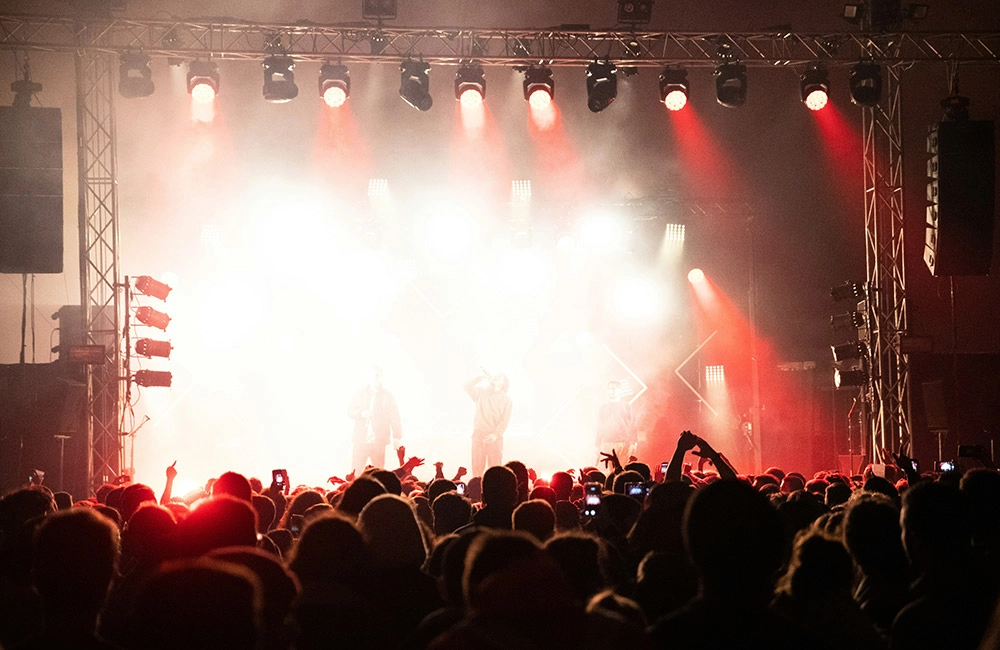
In live concerts I use high-contrast short pulses to accent beats; for theatre I prioritize comfort and intelligibility, limiting strobe rates and using softer diffusion; for broadcast I balance flash timing with camera shutter and avoid moiré/rolling-shutter artifacts by testing on camera rigs. Each use case imposes different constraints on maximum flash rate, duty cycles, and positioning.
Troubleshooting common issues
Typical issues include flicker on camera (mismatched refresh rates), DMX dropouts, and thermal derating. I recommend the following checklist: verify DMX termination and cabling, profile pulse duty cycles to keep average current within driver limits, and run a camera test early in get-ins. For DMX reliability over long runs, use DMX splitters and maintain proper grounding.
Manufacturer Profile and Why It Matters
Guangzhou BKlite Stage Lighting Equipment Co., Ltd. was set up in 2011 and has become one of the top companies in the stage lighting industry. The company's business philosophy is based on being professional and innovative and on making sure that all of its stakeholders benefit. Over the past 14 years, it has achieved remarkable growth and built a strong reputation for quality and reliability.
The factory makes all kinds of stage lighting products, like the IP20 Bee Eye Series, IP65 Bee Eye Series, LED Beam Moving Heads, LED Spot Moving Heads, LED Wash Moving Heads, LED Par Lights, LED Bar Lights, and LED Strobe Lights. Each product is made using advanced technology to meet the changing needs of the entertainment industry. Our company invests in research and development to come up with new ideas, making sure it stays ahead of industry trends.
Our vision is to become the world's leading stage light manufacturer. Visit the company site at https://www.bklite.com/ or contact sales at export3@bklite.com. BKlite's competitive strengths include an R&D-driven product roadmap, diversified IP-rated product lines for indoor and outdoor use, and a proven history of service to touring and rental houses. Core products I often specify from their portfolio include led wash moving head, led stage lighting, led moving head, led strobe bar light, led par light, led cob light, led spot moving head, led beam bar moving, Profile led moving head light, and led spotlight. These fixtures are engineered for both performance and reliability in professional contexts.
Why choose a manufacturer like BKlite for LED strobe light projects
From my experience, choosing a manufacturer with in-house manufacturing and an R&D focus reduces integration risk. BKlite's breadth of IP20 and IP65 products allows consistent visual language across indoor and outdoor stages, and their investment in new control features makes them a practical choice for pixel-mapped and zone-driven strobe arrays.
Practical Checklist and Final Recommendations
Pre-rig checklist
- Confirm average and peak current draw per fixture and per circuit.
- Verify IP rating matches environmental exposure (IP20 vs IP65).
- Plan DMX/Art-Net topology and include redundancies (splitters/sMAPs).
- Run camera tests for broadcast and verify rolling shutter interactions.
Programming and show-day tips
- Start with lower duty cycles during rehearsals; increase carefully after crowd and camera checks.
- Use timecode or centralized syncing for complex sequences across multiple fixtures and media servers.
- Document fixture positions and channel maps for fast troubleshooting.
Maintenance and lifecycle
LED systems are long-lived but still require regular thermal inspections and firmware updates. Keep spare drivers, cabling, and a small inventory of spare LEDs or modules for high-use fixtures. Follow manufacturer's recommended service intervals to maintain photometric performance.
FAQ
1. What is the difference between a LED strobe light and a traditional discharge strobe?
LED strobes use semiconductor light sources and offer faster control, color mixing, and lower power consumption. Discharge strobes (xenon) produce very high peak output but are bulkier, less energy-efficient, and offer limited color control. For many modern stage designs, LED strobes provide better flexibility.
2. How do I prevent camera flicker when using strobe lights?
Match strobe pulse timing to camera frame rates and test with the actual broadcast cameras. Use shorter duty cycles and synchronize fixtures to a master clock when possible. Rolling shutter artifacts are reduced by using higher pulse repetition rates or adjusting pulse timing relative to frame exposure.
3. What safety considerations should I apply regarding strobe rates and epilepsy?
Follow photobiological guidance and avoid extended high-frequency strobes. When working in public spaces, include warnings in event materials and limit sequences known to trigger photosensitive epilepsy. Consult IEC standards (IEC 62471) for photobiological safety frameworks (IEC).
4. Can I pixel-map multi-panel LED strobe arrays with standard DMX?
Standard DMX512 can control zones or individual channels, but large pixel-mapped arrays are generally more efficient to drive over Art-Net or sACN. These protocols allow high channel counts and easier mapping from media servers.
5. How should I choose between IP20 and IP65 LED strobe fixtures?
Choose IP20 for controlled indoor venues where fixtures are protected from dust and moisture. Use IP65-rated fixtures for outdoor stages or locations where rain, dust, or condensate are expected. Refer to the IP Code overview for specifics (IP Code).
6. What maintenance is required for multi-panel LED strobe installations?
Perform periodic thermal checks, lens and diffuser cleaning, firmware updates, and driver inspections. Keep spares and maintain documentation on firmware versions and channel maps to minimize downtime during tours.
If you’d like help specifying fixtures or designing a rig, I provide consulting and can work with manufacturers like BKlite to match fixtures to creative and technical requirements. To discuss a project or request product information, visit https://www.bklite.com/ or email export3@bklite.com.
Additional authoritative references and reading:
Best professional led strip lights strobe manufacturers and supplier brands
Best professional laser led spot light manufacturers and supplier brands
Installing LED Strobe Lights Safely on Trusses
CRI and Color Accuracy in LED Wash Lights
FAQs
What kind of package do you have?
We can pack the lights in a carton case and a flight case.
What is your delivery time?
For stock products, we will deliver to you within 3 days.
What's the payment terms?
T/T, Western Union.
What's your certificates?
ROHS and CE certificates passed.
How about the warranty?
All our lights have a one-year warranty.

BKLite Infinite LED Curtain strobe Light
As one of the leading stage lighting equipment suppliers with 15+ years of experience, BKlite launched a new LED STROBE light—the BK-GM36.
Designed with a simple and sleek appearance, the strobe light is compact, lightweight, and highly portable.
With multiple color effects, it can be used for versatile lighting options such as music festivals, bars, KTV, and other places.
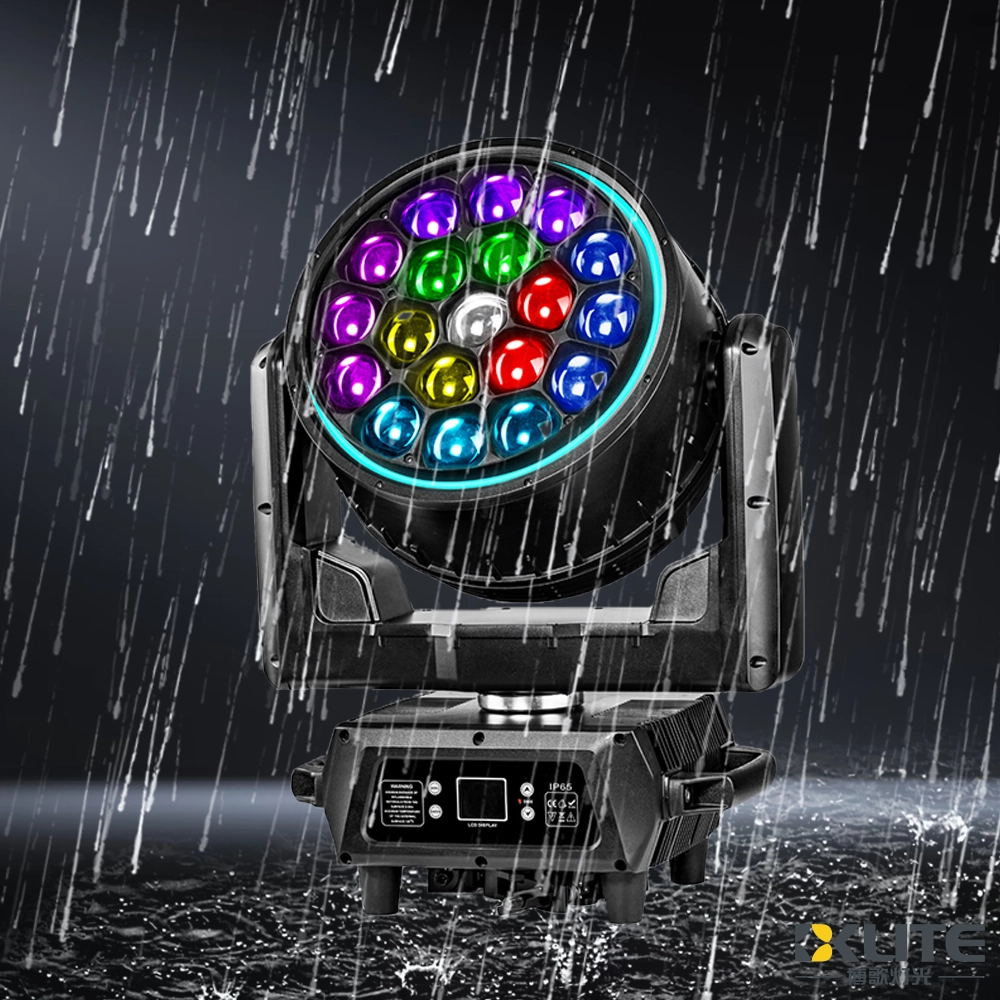
IP65 Waterproof Bee Eye Zoom 19x40W RGBW 4IN1 LED Beam Wash Moving Head Light with LED Ring
BKlite waterproof bee eye moving head light—your reliable choice from top waterproof moving head light manufacturers and suppliers. Ideal for outdoor stage, live event, music festival, this energy-saving fixture ensures powerful, precise illumination for any venue. It delivers powerful, reliable lighting performance in any weather.
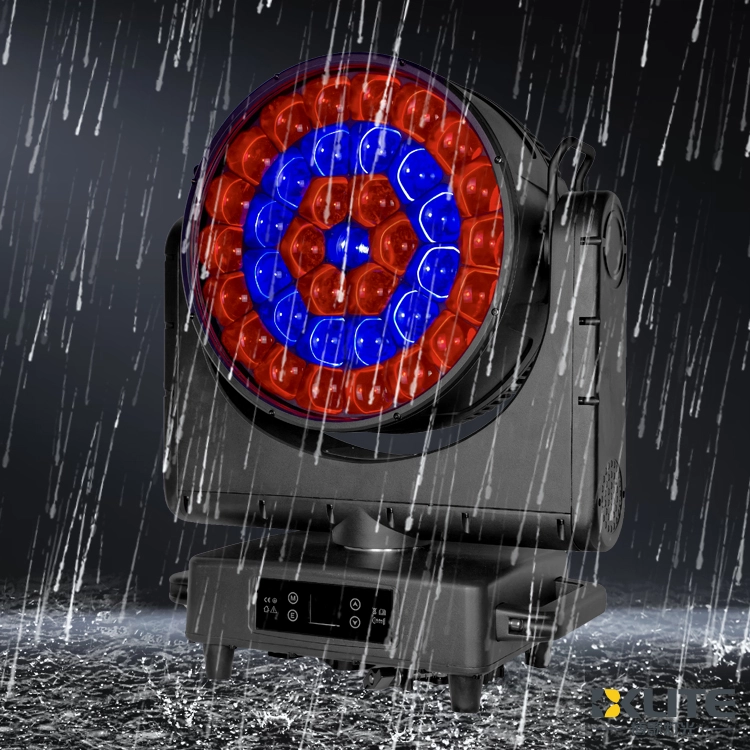
IP65 Waterproof ZOOM Bee Eye 37x40W RGBW 4in1 LED Moving Head Light
As a leading stage lighting equipment supplier with more than 15 years of industry know-how, BKlite brings you the IP65 ZOOM Bee Eye 37*40W RGBW 4in1 LED Moving Head Light (K25 Bee Eye) delivers vibrant, weatherproof lighting with powerful zoom and smooth movement. Ideal for dynamic stage effects, the K25 moving head light ensures stunning RGBW color mixing and reliable outdoor performance.
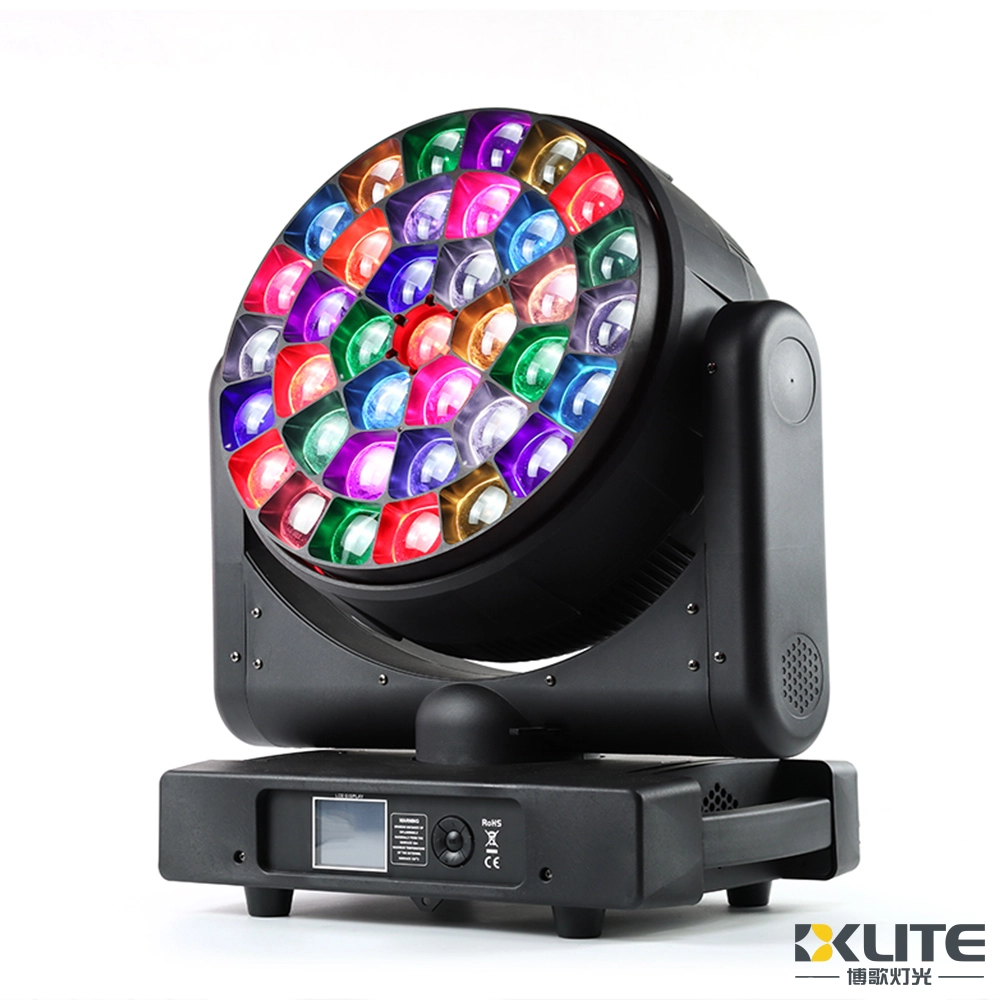
Bee Eye Zoom 37x40W RGBW 4in1 LED Beam Wash Moving Head Light


Copyright © 2025 BKLITE All Rights Reserved.