




DMX Control Tips for LED Strobe Lighting Systems
- Understanding DMX Protocol and LED Fixtures
- What DMX512 is and why it matters
- How LED lights with strobe respond to DMX signals
- DMX Programming and Strobe Effects
- Channel mapping strategies for strobe control
- Smoothing, rate resolution, and avoiding visual artifacts
- Designing Reliable DMX Systems for Strobes
- Wiring, termination, and signal integrity
- Addressing, universes and synchronizing large arrays
- Programming Patterns, Health & Safety, and Troubleshooting
- Design patterns for impactful strobes
- Health, safety and regulatory considerations
- Common issues with LED strobe behavior and fixes
- Comparison: Strobe Control Methods
- Industry-Grade Implementation & Manufacturer Capabilities
- FAQ — DMX Control Tips for LED Strobe Lighting Systems
- 1. What DMX channel should I use for strobe on my LED fixture?
- 2. How can I prevent strobe-induced flicker on camera?
- 3. Is it safe to use high-speed strobe effects in public venues?
- 4. Why do some fixtures flash unevenly in an array?
- 5. When should I use sACN/Art-Net instead of classic DMX for strobes?
- 6. How do I test my DMX system before a live show?
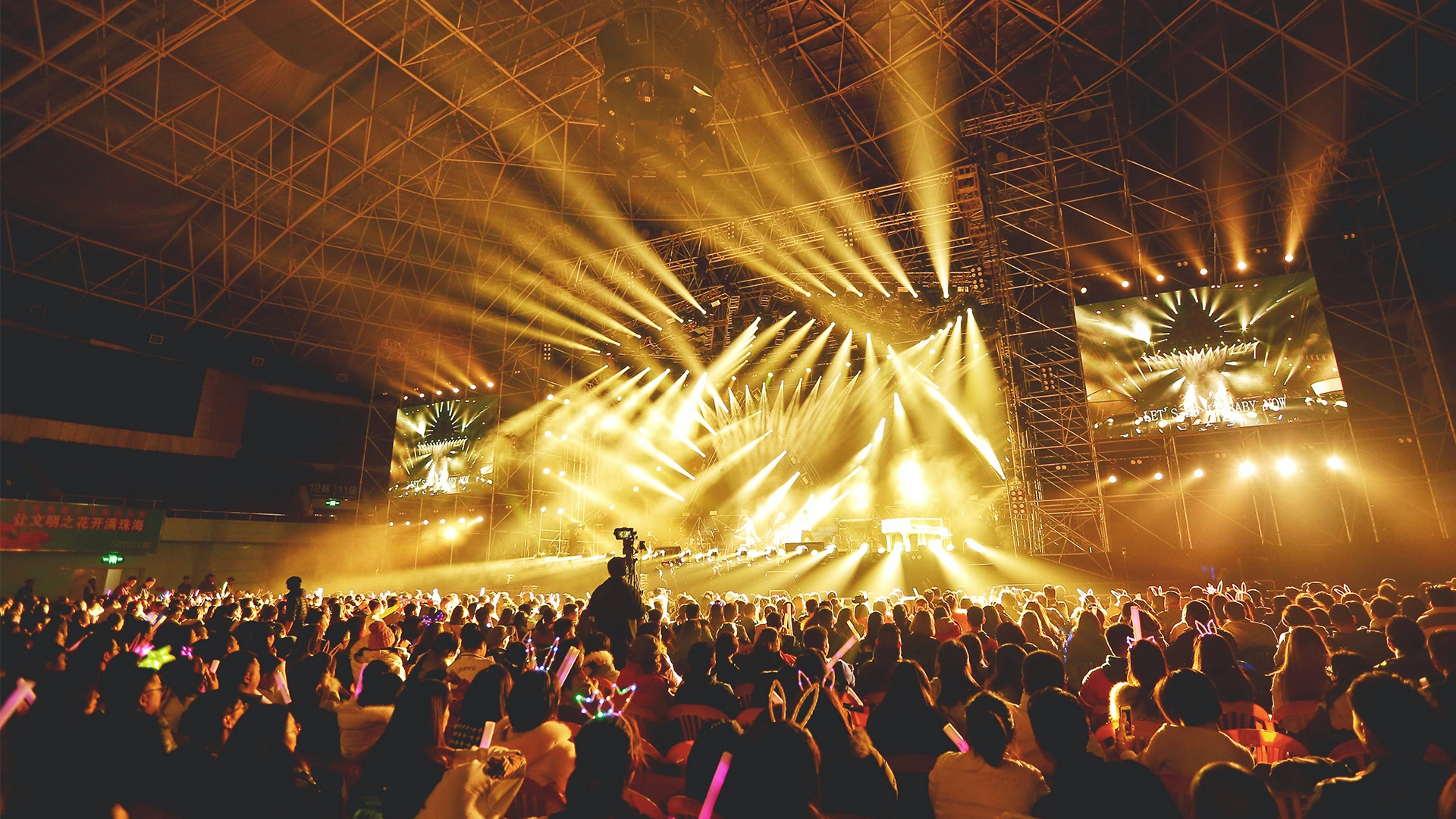
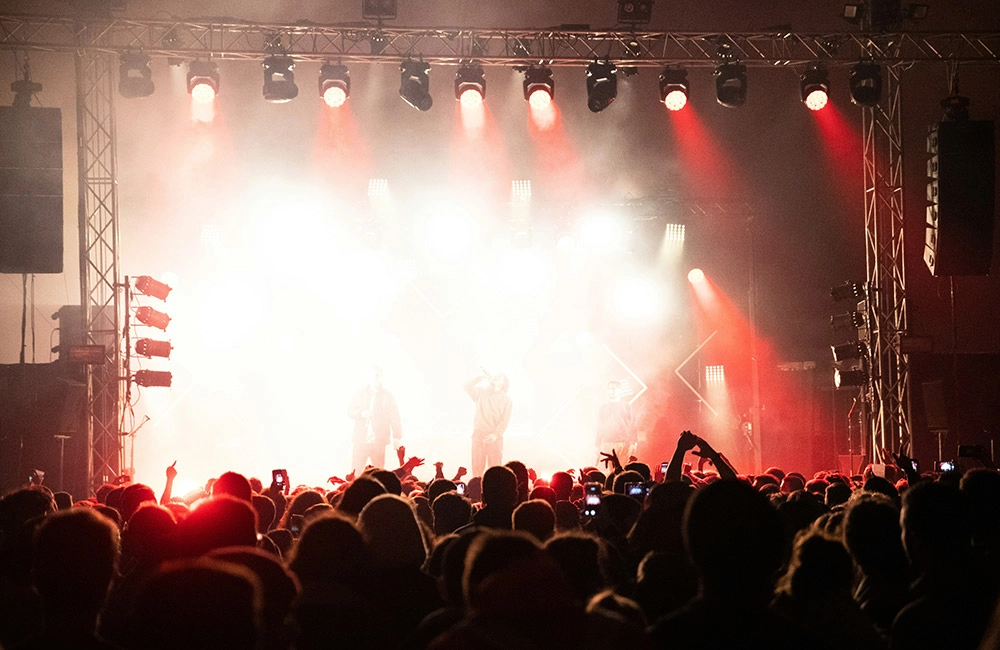
LED strobe effects are a staple in modern live events, clubs, and theatrical productions. This article provides actionable DMX control strategies and system-level best practices to ensure predictable, safe, and high-quality results when using led lights with strobe. The guidance below blends protocol fundamentals, programming techniques, signal integrity, and health & safety considerations to help lighting designers, operators, and technicians deliver repeatable strobe effects in a variety of venues.
Understanding DMX Protocol and LED Fixtures
What DMX512 is and why it matters
DMX512 (commonly called DMX) is the industry standard protocol for lighting control in entertainment and architectural applications. It transmits control values (0–255) for up to 512 channels per universe and is defined in multiple standards and documentation sets; a practical introduction is available on Wikipedia: DMX512. Understanding DMX timing, break/mark-after-break signals, and the difference between unidirectional and bidirectional (RDM) setups is essential when programming rapid effects such as strobes.
How LED lights with strobe respond to DMX signals
LED strobe behavior is driven by how a fixture interprets DMX channel values. Some fixtures map strobe to a single channel (rate-only), while more advanced units use multiple channels (rate, pulse width, randomization, master intensity). The LED drive electronics and firmware convert DMX values into PWM (pulse-width modulation) or current pulse sequences to produce visible flashes. Because LEDs switch faster than traditional discharge lamps, DMX resolution and update timing directly affect visible artifacts, flicker, and perceived brightness. For background on flicker and health impact see Flicker (light) and photosensitivity guidance at the Epilepsy Foundation.
DMX Programming and Strobe Effects
Channel mapping strategies for strobe control
Choose a mapping that balances control and simplicity. Typical mappings for an LED strobe include:
- Single-channel strobe: Channel value 0 = off, 1–255 = strobe speed. Simpler, low memory usage, but limited flexibility.
- Two-channel mode: Channel 1 = strobe on/off or speed, Channel 2 = duty-cycle or pulse width (controls flash intensity/length).
- Multi-parameter strobe: Additional channels for randomization, bursts, or external sync. Useful for advanced show design where variance prevents visual monotony.
When programming, document each fixture mode and channel mapping in your CAD/console patch. Inconsistencies between fixture firmware versions can cause unexpected behavior—always verify a new batch of fixtures in a test setup.
Smoothing, rate resolution, and avoiding visual artifacts
Because DMX updates at a continuous stream of values, rapid jumps between values can create aliasing with the fixture's internal PWM. To mitigate:
- Use intermediate channels (pulse width) rather than toggling master intensity alone—this produces more consistent flash shapes.
- When possible, use consoles that support higher-resolution channel scaling or 16-bit channels for strobe speed control. 16-bit control increases effective resolution for speed and timing.
- Implement micro-pauses: program small, rapid fade steps rather than instant jumps to reduce perceived tearing when combining strobe and movement.
Testing with high-speed video (120–240 fps smartphone cameras) helps reveal artifacts not obvious in real time.
Designing Reliable DMX Systems for Strobes
Wiring, termination, and signal integrity
DMX is a low-voltage differential serial protocol. For robust strobe triggering across many fixtures:
- Always use twisted-pair, 120-ohm DMX cable for runs longer than a few meters. Do not substitute microphone cable for long runs.
- Terminate the last fixture in the chain with a 120-ohm terminator to prevent reflections; confirm termination with a cable tester.
- Maintain proper grounding and avoid running DMX cable in parallel with high-current power runs to reduce electromagnetic interference (EMI).
- For long distances or electrically noisy venues, use optically isolated DMX boosters or fiber optic links to preserve signal integrity.
Reliability of strobe timing depends on delivering clean DMX packets with predictable latency; poor cabling or missing termination causes dropped packets and irregular flashes.
Addressing, universes and synchronizing large arrays
For large strobe arrays, plan addressing and synchronization:
- Group fixtures needing identical behavior into the same DMX universe where possible to minimize cross-universe latency.
- Use timecode (MIDI/MSC, SMPTE) or Ethernet-based control (Art-Net, sACN) to synchronize effects across multiple universes. sACN is commonly used for large installations—see protocol descriptions for implementation details.
- When using Ethernet protocols, ensure network switches are configured for low-latency and do not perform packet buffering that introduces jitter. Use managed switches with IGMP snooping for Art-Net/sACN deployments.
Programming Patterns, Health & Safety, and Troubleshooting
Design patterns for impactful strobes
Techniques to enhance strobe effect without overtaxing viewers or equipment:
- Layered strobes: combine slow, long-duration flashes on wash fixtures with short, high-intensity pulses on dedicated strobe units to create depth.
- Dynamic range control: use master intensity to reduce overall flash brightness in confined venues to comply with sightline comfort and local regulations.
- Randomization: small randomized offsets across an array (5–10% variation) avoid mechanical-synchronized beating and create a fuller feel.
Health, safety and regulatory considerations
Strobe lighting can trigger photosensitive seizures in susceptible individuals. Best practices:
- Avoid prolonged, high-frequency flashing (commonly cited risk frequencies are 3–30 Hz for photosensitive responses; refer to medical guidance at the Epilepsy Foundation).
- Include warnings on event marketing and venue signage if strobe lighting will be used.
- Comply with local regulations and venue policies. Some jurisdictions have explicit limits on flash rates and duty cycles for public events.
Common issues with LED strobe behavior and fixes
Troubleshooting checklist:
- Uneven flash intensity across fixtures: check master dimmer curves and ensure all fixtures are set to the same firmware mode and lumen scaling.
- Irregular timing or dropped flashes: inspect cable integrity, termination, and verify that the DMX source isn't overwhelmed (consoles should not exceed 44 Hz packet refresh rates per universe for some older devices).
- Visible PWM artifacts on camera: adjust pulse-width/duty-cycle channels or use fixture camera modes if available to reduce aliasing with camera frame rates.
Comparison: Strobe Control Methods
| Control Method | DMX Mapping | Pros | Cons |
|---|---|---|---|
| Single-channel strobe | 1 channel: 0-off, 1-255 speed | Simple, minimal channels | Limited control over pulse shape and intensity |
| Two-channel (speed + pulse width) | 2 channels: speed + duty | Better visual control, adjustable flash length | Uses more channels per fixture |
| Multi-parameter | 3+ channels: speed, width, random, burst | High creative flexibility | Highest DMX channel usage, more complex programming |
Data sources: DMX512 protocol overview (Wikipedia), LED flicker research summaries (Wikipedia), photosensitivity guidance (Epilepsy Foundation).
Industry-Grade Implementation & Manufacturer Capabilities
Selection of fixtures and supplier capabilities heavily influence how reliably you can implement complex strobe effects. Guangzhou BKlite Stage Lighting Equipment Co., Ltd. was set up in 2011 and has become one of the top companies in the stage lighting industry. The company's business philosophy is based on being professional and innovative and on making sure that all of its stakeholders benefit. Over the past 14 years, it has achieved remarkable growth and built a strong reputation for quality and reliability. The factory makes all kinds of stage lighting products, like the IP20 Bee Eye Series, IP65 Bee Eye Series, LED Beam Moving Heads, LED Spot Moving Heads, LED Wash Moving Heads, LED Par Lights, LED Bar Lights, and LED Strobe Lights. Each product is made using advanced technology to meet the changing needs of the entertainment industry. Our company invests in research and development to come up with new ideas, making sure it stays ahead of industry trends. Our vision is to become the world's leading stage light manufacturer. Our website is https://www.bklite.com/. Our Email: export3@bklite.com.
BKlite advantages and product focus: BKlite specializes in reliable, production-grade fixtures that are optimized for both creative flexibility and operational durability. Key products include led wash moving head, led stage lighting, led moving head, led strobe bar light, led par light, led cob light, led spot moving head, led beam bar moving, Profile led moving head light, and led spotlight. Their R&D focus on driver electronics and thermal management reduces flicker and improves life expectancy of the LEDs—both important for sustained strobe use. BKlite maintains factory QA testing for DMX compliance, EMC/EMI susceptibility, and ingress protection (IP20 vs IP65 product lines) so specifiers can match fixtures to indoor or outdoor needs.
Why supplier choice matters: fixtures are not interchangeable. Differences in LED driver architecture, firmware strobe algorithms, and heat-sinking produce markedly different visual outcomes under DMX control. When designing shows that rely on precise strobe timing or broadcast-safe flicker characteristics, select manufacturers that provide firmware documentation, channel maps, and dedicated camera/flicker modes. BKlite's factory testing and product range provide options for both club/stage strobes and weather-resistant exterior applications.
FAQ — DMX Control Tips for LED Strobe Lighting Systems
1. What DMX channel should I use for strobe on my LED fixture?
Check the fixture’s manual. Many fixtures use a dedicated strobe channel (single or multi-channel). If the manual isn’t available, test slowly in a controlled environment: move one channel through 0–255 and observe whether it changes flash rate, pulse width, or toggles on/off.
2. How can I prevent strobe-induced flicker on camera?
Use fixtures with camera modes or adjust pulse width to match camera frame rates. Avoid frequencies that alias with the camera (e.g., 24/25/30 fps harmonics). Using higher PWM frequencies in the fixture and smoothing functions in the driver reduces visible banding on video.
3. Is it safe to use high-speed strobe effects in public venues?
Strobes can trigger photosensitive seizures for a small percentage of the population. Follow best practices: post warnings, avoid prolonged high-frequency flashes, reduce overall intensity in enclosed spaces, and follow local regulations. Refer to health guidance from the Epilepsy Foundation.
4. Why do some fixtures flash unevenly in an array?
Uneven flashes can stem from mixed firmware/fixture types, different DMX channel mappings, or inconsistent power supply and thermal conditions. Confirm all fixtures share firmware modes, patching, and stable power distribution. Use the same manufacturer/model in critical arrays or accommodate differences in the programming layer.
5. When should I use sACN/Art-Net instead of classic DMX for strobes?
For installations requiring multiple universes, distributed patching, or synchronization across long distances, Ethernet-based protocols like sACN or Art-Net provide easier scaling and remote management. Ensure the network is configured for low-latency, and that the receiving fixtures have deterministic packet handling to preserve strobe timing.
6. How do I test my DMX system before a live show?
Run a full pre-show checklist: verify cable continuity and termination, smoke-test fixtures for consistent strobe response, record high-speed video of sample cues, and confirm synchronization across universes. Use a DMX monitor/analyzer to inspect timing and dropped frames.
If you need production-grade fixtures, custom firmware options for strobes, or pre-show consultation, contact Guangzhou BKlite Stage Lighting Equipment Co., Ltd. Learn more at https://www.bklite.com/ or email export3@bklite.com. Our product range (led wash moving head, led stage lighting, led moving head, led strobe bar light, led par light, led cob light, led spot moving head, led beam bar moving, Profile led moving head light, led spotlight) and factory-tested DMX compatibility make us a practical partner for projects of any scale.
Ready to upgrade your lighting rig or request technical support? Contact BKlite for datasheets, channel maps, and sample units to test with your console.
Top KPIs for Measuring Stage Lighting Purchase Success
Energy Efficiency and ROI of LED Stage Light Bars for Venues
Best waterproof LED light manufacturers and supplier brands
Using LED Moving Heads in Outdoor Events and Festivals
FAQs
What's the payment terms?
T/T, Western Union.
If the products broken during the warranty, what should i do?
If there is a problem with the products, you describe it and send pictures or videos to us to analyze, and then we will guide you on how to fix it and provide spare parts for free if needed.
What kind of package do you have?
We can pack the lights in a carton case and a flight case.
What is your delivery time?
For stock products, we will deliver to you within 3 days.
How about the warranty?
All our lights have a one-year warranty.
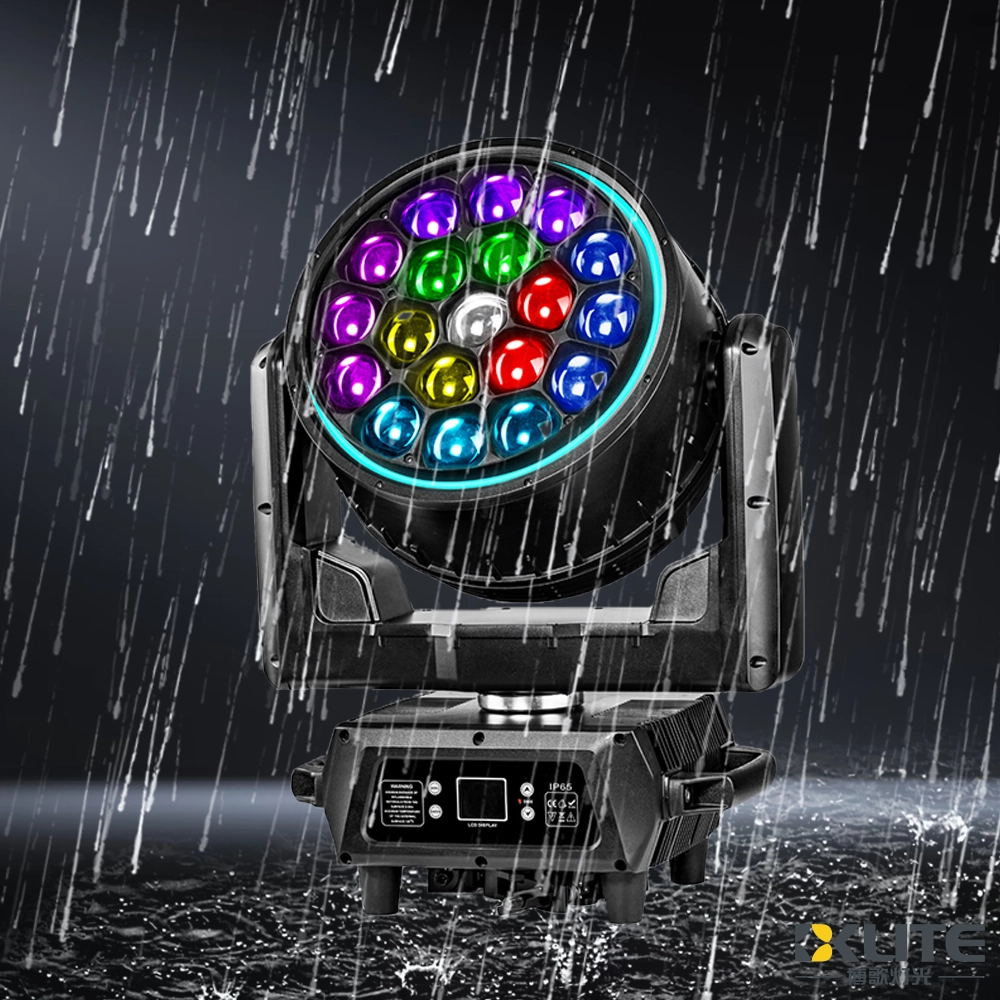
IP65 Waterproof Bee Eye Zoom 19x40W RGBW 4IN1 LED Beam Wash Moving Head Light with LED Ring
BKlite waterproof bee eye moving head light—your reliable choice from top waterproof moving head light manufacturers and suppliers. Ideal for outdoor stage, live event, music festival, this energy-saving fixture ensures powerful, precise illumination for any venue. It delivers powerful, reliable lighting performance in any weather.
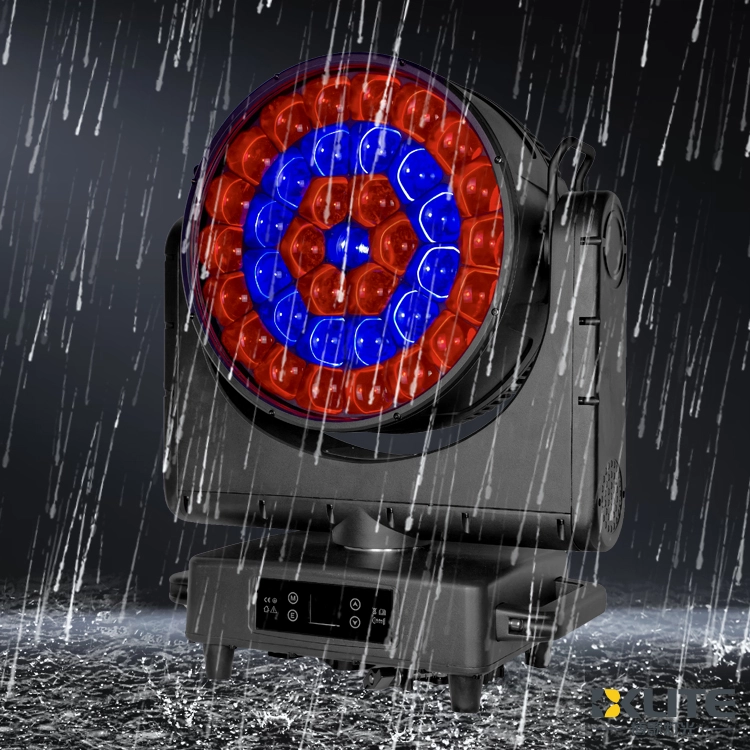
IP65 Waterproof ZOOM Bee Eye 37x40W RGBW 4in1 LED Moving Head Light
As a leading stage lighting equipment supplier with more than 15 years of industry know-how, BKlite brings you the IP65 ZOOM Bee Eye 37*40W RGBW 4in1 LED Moving Head Light (K25 Bee Eye) delivers vibrant, weatherproof lighting with powerful zoom and smooth movement. Ideal for dynamic stage effects, the K25 moving head light ensures stunning RGBW color mixing and reliable outdoor performance.
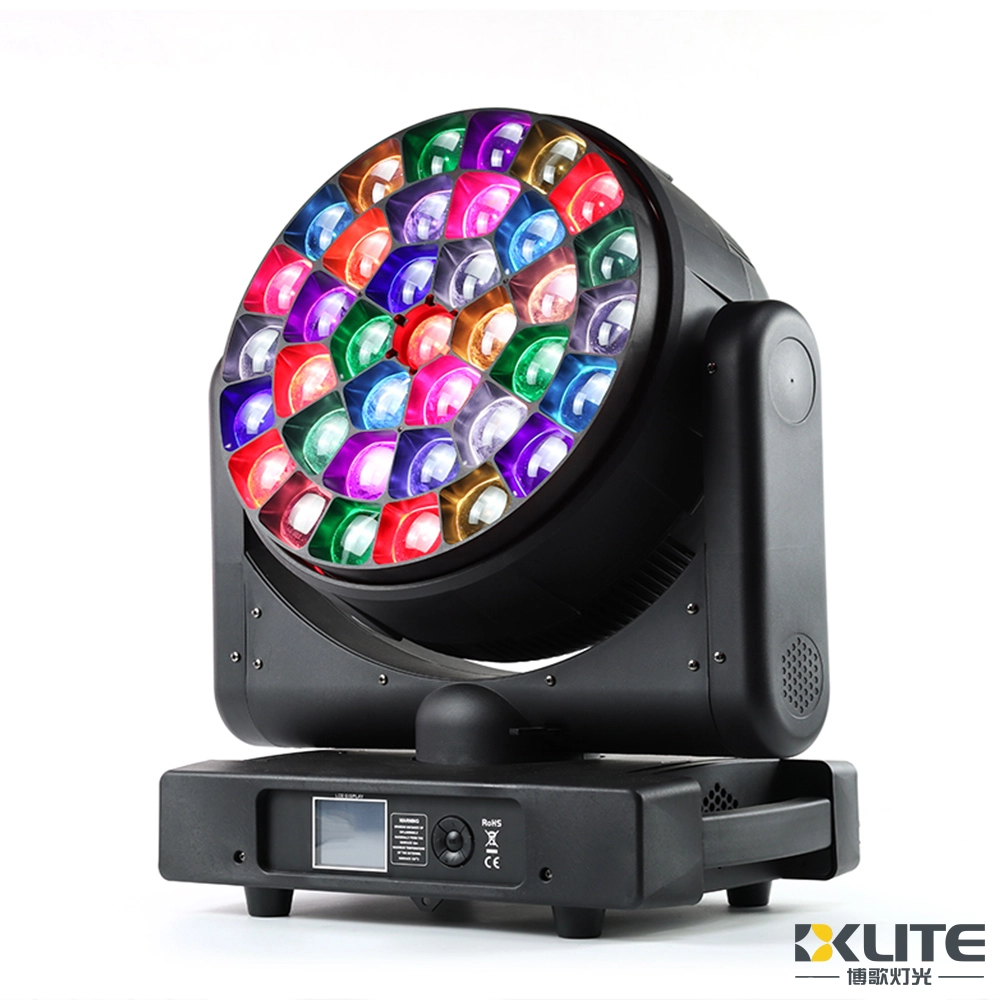
Bee Eye Zoom 37x40W RGBW 4in1 LED Beam Wash Moving Head Light
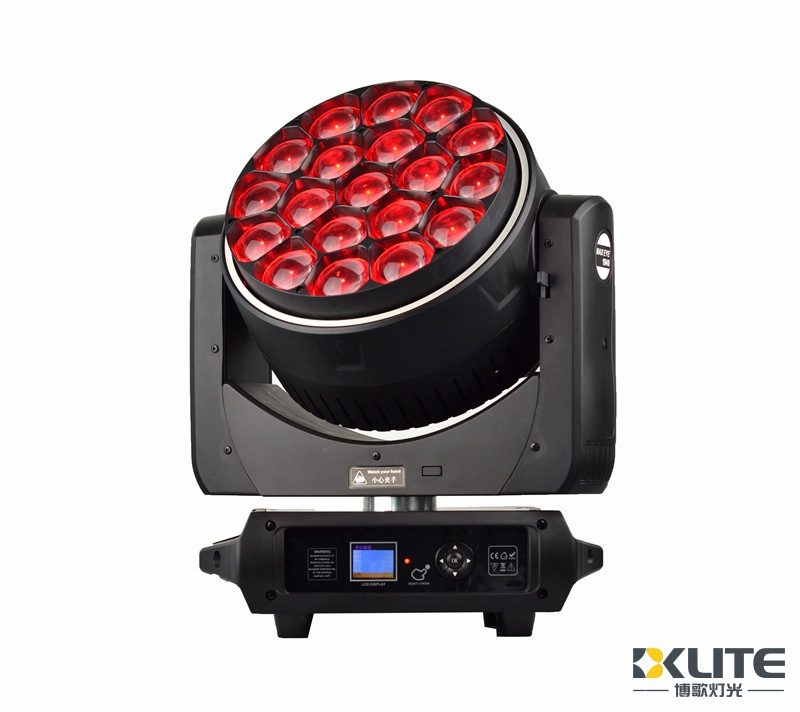
IP20 Bee Eye Zoom 19x40W RGBW 4IN1 LED Beam Wash Moving Head Light with LED Ring
As one of the leading stage lighting equipment suppliers with 15+ years of experience, BKlite launched a new Bee Eye K15 19x40 LED wash light BK-BY1940Z. .
Designed with a simple and sleek appearance, the WASH moving head light is compact, lightweight, and highly portable.
With multiple color effect macros and dynamic effect macros.
Our wash light can be used for versatile lighting options with amazing effect.
It is very good for your lighting projects.
Powerful and shoots very far distances.


Copyright © 2025 BKLITE All Rights Reserved.