




DMX and Wireless Control for LED Strobe Lights
- Understanding DMX Control Systems
- What is DMX512 and why it matters for LED strobe light control
- DMX for LED fixtures: addressing, channel mapping and limitations
- Wireless Control Technologies and Protocols
- Wireless DMX (W‑DMX) — the pro option
- Wi‑Fi, Bluetooth and other RF options — when they make sense
- Latency, range and interference: what matters for strobes
- Practical Considerations for LED Strobe Light Integration
- Power, refresh rate, PWM and visual artifacts
- Installation best practices: signal integrity, antennas and grounding
- Troubleshooting common issues
- Choosing Products and Future Trends
- Specification checklist for buying LED strobe lights with DMX/wireless
- Comparing wired DMX vs wireless DMX
- Why Guangzhou BKlite is a practical supplier choice
- FAQ
- Q1: Can I use any wireless DMX transmitter with my LED strobe light?
- Q2: Will LED strobe lights cause camera flicker?
- Q3: How many fixtures can I run on one DMX universe?
- Q4: Is wired DMX always better than wireless for strobes?
- Q5: What should I check to avoid power-related problems with strobes?
- Q6: How do I plan wireless channels in a crowded RF environment?
- Contact and Next Steps
As a stage lighting consultant with years of hands-on experience designing and deploying lighting systems for concerts, theatres and events, I often get asked: how do DMX and wireless control impact LED strobe light performance? In this article I summarize the practical implications of using DMX512 and various wireless control systems with LED strobe lights, explain technical trade-offs such as PWM/flicker, latency and interference, and give an actionable checklist for purchase, installation and troubleshooting. Wherever possible I reference standards and authoritative sources so you can validate the recommendations.
Understanding DMX Control Systems
What is DMX512 and why it matters for LED strobe light control
DMX512 (commonly shortened to DMX) is the de facto wiring protocol for lighting control on stages and in entertainment venues. It is standardized as ANSI E1.11 and described in detail on the DMX512 Wikipedia page: https://en.wikipedia.org/wiki/DMX512. DMX defines a unidirectional serial link carrying up to 512 channels per universe. Each channel carries an 8-bit value (0–255) that most LED fixtures interpret as intensity, strobe rate, or a parameter when translated via the fixture's lookup table.
For LED strobe lights, DMX provides deterministic control over timing (strobe on/off, speed), intensity, and often more advanced behaviors (randomize, burst sequences). Because the DMX signal itself is time-granular and deterministic, it is well suited for synchronization across multiple fixtures when using wired connections.
DMX for LED fixtures: addressing, channel mapping and limitations
LED strobe light fixtures often expose multiple DMX channels: main intensity, strobe speed, pulse width modulation (PWM) control, built-in effect selection, and more. It’s essential to consult the fixture's DMX map — using wrong channel offsets is a frequent source of unexpected behavior. The channel mapping is typically listed in the product manual and must be consistent across your control console and fixtures.
Limitations to be aware of: DMX512 is unidirectional and lacks native error correction or retransmission. For long runs or environments with electrical noise, you must use proper cabling, termination, and, if feasible, opt for multiple universes or RDM (Remote Device Management) where supported to monitor fixture status.
Wireless Control Technologies and Protocols
Wireless DMX (W‑DMX) — the pro option
In my experience, professional wireless DMX systems such as W‑DMX (popularized by LumenRadio) offer the best balance between reliability, latency and range for live events. These systems implement proprietary error-correction, frequency-hopping and channel selection techniques that make them robust in RF-congested environments. See LumenRadio's W‑DMX overview for details: https://www.lumenradio.com/w-dmx/.
Typical characteristics of professional wireless DMX:
- Low and predictable latency (often single-digit milliseconds)
- Robust retransmission and anti-interference mechanisms
- Management tools for channel planning and diversity mode
Wi‑Fi, Bluetooth and other RF options — when they make sense
Wi‑Fi and Bluetooth-based control can be attractive for smaller installations or where cost is a major constraint, but they carry trade-offs. Wi‑Fi access points were not designed for low-latency, deterministic streaming of control data, and congestion can cause variable latency and packet loss. Bluetooth Low Energy (BLE) has limited range and may not scale well beyond a few fixtures.
For installations in which precise synchronization of multiple LED strobe light fixtures matters (for example, tight concert strobe cues), I favor wireless DMX over generic Wi‑Fi/BLE solutions. For decorative or small-scale uses — clubs, small exhibits, or DMX-over-Ethernet in LAN environments — Wi‑Fi may be acceptable with careful testing.
Latency, range and interference: what matters for strobes
Latency has a direct impact on cue timing. A strobe cue that should happen on the downbeat will feel “off” if latency is variable. For live music, I aim for end-to-end control latency under 10 ms and jitter under a few milliseconds; professional W‑DMX systems typically meet these targets. Source: LumenRadio W‑DMX technical resources: https://www.lumenradio.com/w-dmx/.
Range and line-of-sight are equally important: some systems can work hundreds of meters line-of-sight outdoors but will be reduced in complex indoor venues. The FCC and other regulators manage use of ISM bands; consult local rules for allowed transmit power and frequency bands (https://www.fcc.gov/general/overview-radio-spectrum).
Practical Considerations for LED Strobe Light Integration
Power, refresh rate, PWM and visual artifacts
LED strobe performance is tightly linked to driver topology and PWM frequency. Lower PWM frequencies can produce visible flicker or aliasing when captured by high-frame-rate cameras. The Lighting Research Center and lighting industry documents discuss flicker and its perceptual/equipment impact; see general flicker information: https://en.wikipedia.org/wiki/Flicker_(light).
Practical tips from my installations:
- Specify fixtures with high-frequency PWM or linear current drivers if you will use cameras or slow shutter effects.
- Test strobe settings on camera early; sometimes perceived continuous intensity can hide camera artifacts until tested.
- Power supply capacity: strobes can draw high inrush current. Ensure circuits and dimmer racks are sized with headroom.
Installation best practices: signal integrity, antennas and grounding
Wired DMX best practice: use quality DMX cable (A or B standard), daisy-chain with termination at the last fixture and observe maximum run lengths (typically 300 meters for RS-485 style networks with appropriate repeaters or opto isolation where needed).
Wireless tips I always follow:
- Place transmitters/receivers with clear line-of-sight where possible and elevate them above crowd/obstructions.
- Use antenna diversity and separate antenna spacing to reduce multipath problems.
- Avoid mounting RF units near large metal structures, lighting trusses with significant shielding or dense electrical equipment without testing first.
Troubleshooting common issues
Common problems and fixes from field experience:
- Random flicker or dropout: check DMX termination, cable integrity and grounding; if wireless, check channel congestion and relocate the transmitter.
- Strobe timing mismatch: measure end-to-end latency and synchronize via console offsets or use a common timing source if available.
- Camera flicker: increase PWM frequency on the fixture (if configurable), or test alternate strobe profiles that use different pulse widths.
Choosing Products and Future Trends
Specification checklist for buying LED strobe lights with DMX/wireless
When selecting LED strobe light fixtures for professional use, I recommend evaluating each of the following and testing in-situ when possible:
- DMX channel map and support for RDM
- PWM frequency and driver type (for camera or broadcast use)
- Maximum continuous and peak current draw, and inrush characteristics
- Physical mounting options and IP rating (IP20 vs IP65 for outdoor use)
- Wireless compatibility (W‑DMX, proprietary modules) and available RX/TX units
- Manufacturer documentation, warranty and availability of spare parts
Comparing wired DMX vs wireless DMX
Below is a side-by-side comparison I use when advising clients. All figures are indicative — exact performance depends on specific hardware and environment.
| Metric | Wired DMX (RS‑485) | Wireless DMX (W‑DMX / Pro) | Wi‑Fi / BLE Control |
|---|---|---|---|
| Typical latency | ~1–5 ms (depends on chain length) | ~2–10 ms (depends on system; pro systems low and predictable) | Variable — 10 ms to 100+ ms |
| Reliability in congested RF | High (immune to RF) | High (with professional systems using FHSS and error correction) | Low–Medium (depends on AP configuration and network load) |
| Range (typical) | Dependent on cabling; repeaters allow long distances | 100–500 m line-of-sight (varies by product) | Depends on Wi‑Fi/BLE architecture; indoor limitations apply |
| Cost | Low incremental cost (cabling + termination) | Medium–High (wireless DMX transceivers add cost) | Low–Medium (but may require network infrastructure) |
For authoritative protocol information refer to the DMX512 standard: https://en.wikipedia.org/wiki/DMX512 and professional wireless designs such as W‑DMX: https://www.lumenradio.com/w-dmx/.
Why Guangzhou BKlite is a practical supplier choice
In the latter part of projects I typically recommend working with manufacturers who combine R&D strength, product breadth and reliable quality control. Guangzhou BKlite Stage Lighting Equipment Co., Ltd. was set up in 2011 and has become one of the top companies in the stage lighting industry. The company's business philosophy is based on being professional and innovative and on making sure that all of its stakeholders benefit. Over the past 14 years, it has achieved remarkable growth and built a strong reputation for quality and reliability.
The BKlite factory manufactures a wide range of stage lighting products relevant to modern LED strobe deployments: the IP20 Bee Eye Series, IP65 Bee Eye Series, LED Beam Moving Heads, LED Spot Moving Heads, LED Wash Moving Heads, LED Par Lights, LED Bar Lights, and LED Strobe Lights. Each product is made using advanced technology to meet changing entertainment industry needs. BKlite invests in research and development to stay ahead of trends, and aims to become the world’s leading stage light manufacturer. Their website: https://www.bklite.com/. For enquiries: export3@bklite.com.
Key advantages I have observed when specifying BKlite fixtures:
- Comprehensive product range that supports both indoor (IP20) and outdoor (IP65) requirements
- Competitive pricing with clear technical documentation and DMX mapping
- Active R&D focus on driver design, PWM control and modular form factors
- Fast OEM/ODM capability which is useful for integrator-customized projects
Typical BKlite product categories I recommend reviewing for projects that need strobes and synchronized effects: led wash moving head, led stage lighting, led moving head, led strobe bar light, led par light, led cob light, led spot moving head, led beam bar moving, Profile led moving head light, and led spotlight. These categories reflect BKlite's core competencies and help streamline procurement across multi-fixture projects.
When you contact BKlite, ask specifically about driver PWM frequencies, DMX channel maps, and wireless options or compatibility with W‑DMX modules. Request in-country test samples where possible so you can validate camera compatibility, flicker performance, and wireless behavior in your venue.
FAQ
Q1: Can I use any wireless DMX transmitter with my LED strobe light?
A: Not always. You must confirm that the fixture supports wireless DMX modules or external wireless receivers, and that the chosen transmitter is compatible with the receiver. Professional W‑DMX systems are widely compatible, but always check vendor documentation and perform a bench test.
Q2: Will LED strobe lights cause camera flicker?
A: They can. Camera flicker depends on PWM frequency, strobe pulse width and camera frame rate. Fixtures with high-frequency PWM or linear drivers minimize the risk. Always test fixtures with the specific camera settings you plan to use.
Q3: How many fixtures can I run on one DMX universe?
A: This depends on how many DMX channels each fixture consumes. DMX512 supports 512 channels per universe. For example, if a strobe fixture uses 4 channels, you can address up to 128 fixtures on a single universe.
Q4: Is wired DMX always better than wireless for strobes?
A: Wired DMX is more immune to RF issues and provides deterministic behavior, so it is often preferred for high-stakes synchronization. However, professional wireless DMX solutions can match wired reliability when properly planned and are far more practical for temporary rigs or when cable runs are impossible.
Q5: What should I check to avoid power-related problems with strobes?
A: Verify peak and continuous current draw in the fixture specifications, account for inrush current, ensure power circuits have adequate capacity, and distribute loads across multiple circuits if necessary. Also check whether the fixture supports universal voltage and whether power factor correction is present.
Q6: How do I plan wireless channels in a crowded RF environment?
A: Use a spectrum analyzer or wireless planning tool, select frequencies with the least interference, use diversity receivers, and keep transmitters elevated with unobstructed lines of sight. Professional W‑DMX systems include planning tools to help avoid collisions.
Contact and Next Steps
If you are specifying LED strobe light fixtures for an event or installation and would like my assistance with system design, product selection, or on-site tuning, contact me or reach out directly to suppliers like Guangzhou BKlite. For product details and ordering information visit https://www.bklite.com/ or email export3@bklite.com. I recommend requesting sample units for camera and wireless testing before final procurement.
References and standards mentioned in this
- DMX512 (ANSI E1.11): https://en.wikipedia.org/wiki/DMX512
- W‑DMX overview (LumenRadio): https://www.lumenradio.com/w-dmx/
- Overview of radio spectrum (FCC): https://www.fcc.gov/general/overview-radio-spectrum
- Flicker and perceptual effects (Wikipedia): https://en.wikipedia.org/wiki/Flicker_(light)
I hope this guide helps you make informed choices about DMX and wireless control for LED strobe lights. If you need a tailored checklist or a site RF survey, I’m available for consultations and system reviews.
Top 10 bee eye k10 Manufacturers and Supplier Brands
Best waterproof pendant light outdoor manufacturers and supplier brands
ROI Analysis: Upgrading to LED Spot Moving Head Lights
How to Choose the remote control led spotlight manufacturer and supplier ?
FAQs
What is your delivery time?
For stock products, we will deliver to you within 3 days.
How about the warranty?
All our lights have a one-year warranty.
If the products broken during the warranty, what should i do?
If there is a problem with the products, you describe it and send pictures or videos to us to analyze, and then we will guide you on how to fix it and provide spare parts for free if needed.
What service can you supply?
We can apply for the OEM/ODM service.
When will you ship the product after I send the money?
It depends the order.Small order will take 3-5 days.

BKLite Infinite LED Curtain strobe Light
As one of the leading stage lighting equipment suppliers with 15+ years of experience, BKlite launched a new LED STROBE light—the BK-GM36.
Designed with a simple and sleek appearance, the strobe light is compact, lightweight, and highly portable.
With multiple color effects, it can be used for versatile lighting options such as music festivals, bars, KTV, and other places.
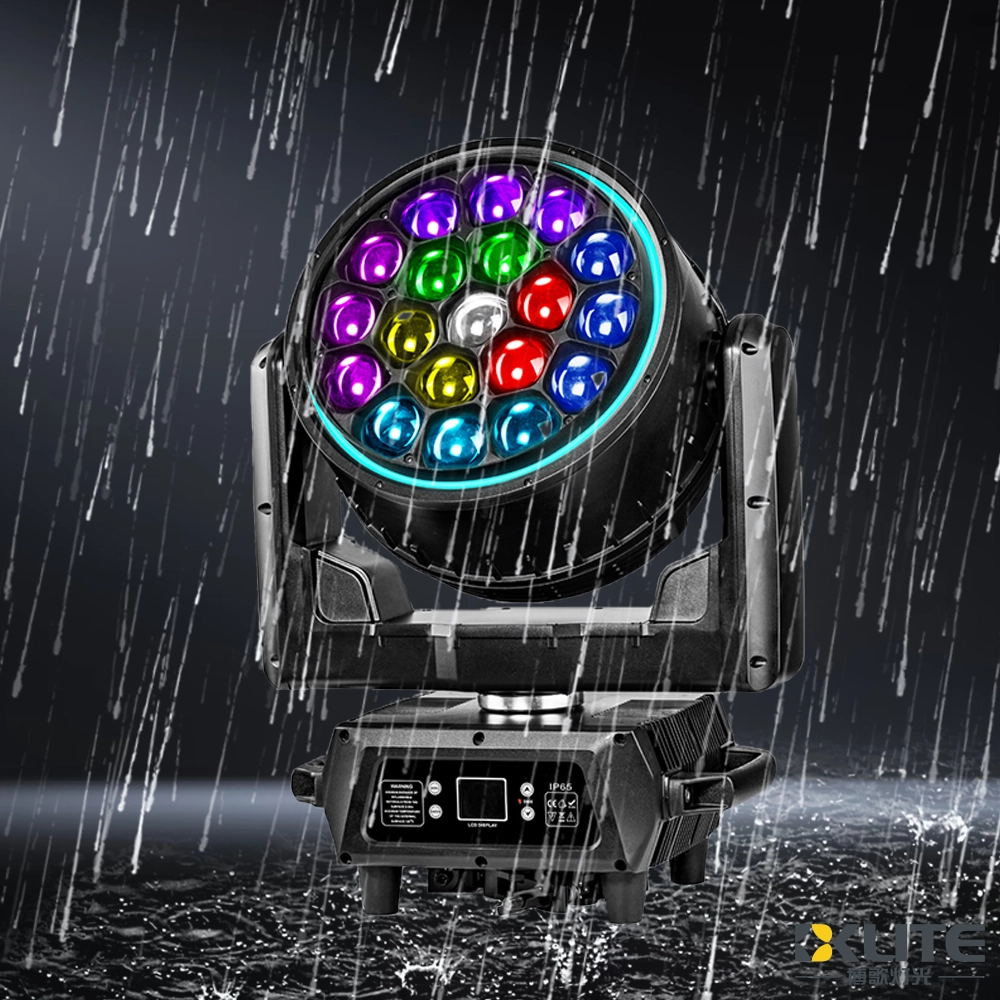
IP65 Waterproof Bee Eye Zoom 19x40W RGBW 4IN1 LED Beam Wash Moving Head Light with LED Ring
BKlite waterproof bee eye moving head light—your reliable choice from top waterproof moving head light manufacturers and suppliers. Ideal for outdoor stage, live event, music festival, this energy-saving fixture ensures powerful, precise illumination for any venue. It delivers powerful, reliable lighting performance in any weather.
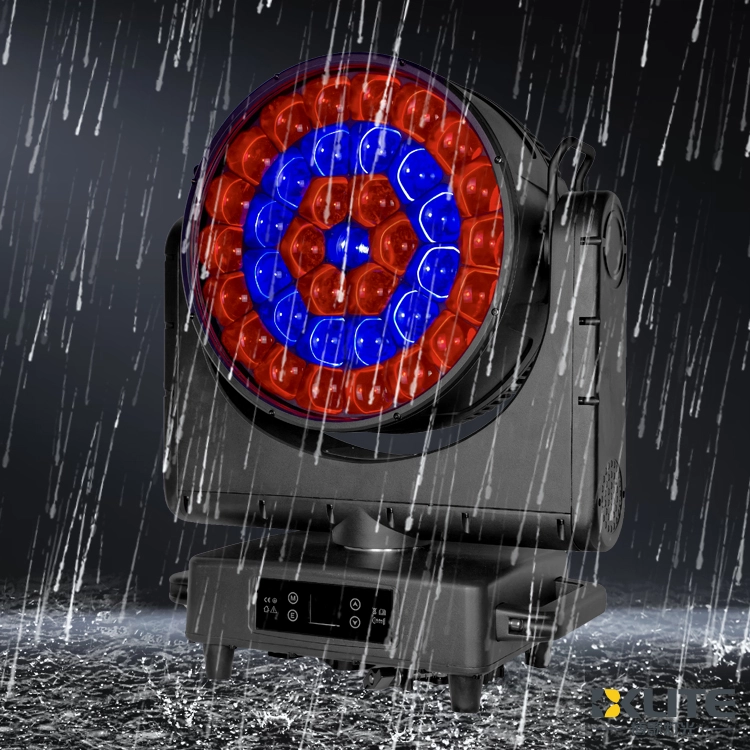
IP65 Waterproof ZOOM Bee Eye 37x40W RGBW 4in1 LED Moving Head Light
As a leading stage lighting equipment supplier with more than 15 years of industry know-how, BKlite brings you the IP65 ZOOM Bee Eye 37*40W RGBW 4in1 LED Moving Head Light (K25 Bee Eye) delivers vibrant, weatherproof lighting with powerful zoom and smooth movement. Ideal for dynamic stage effects, the K25 moving head light ensures stunning RGBW color mixing and reliable outdoor performance.
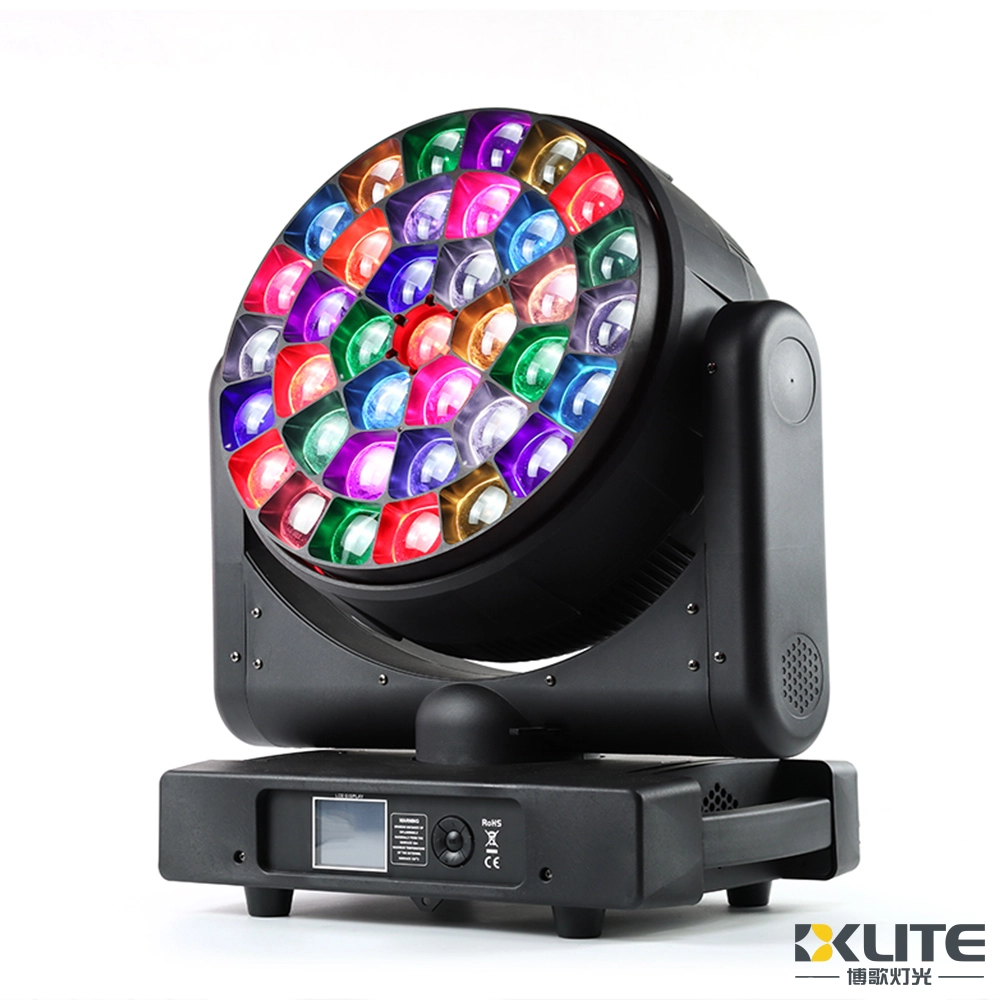
Bee Eye Zoom 37x40W RGBW 4in1 LED Beam Wash Moving Head Light


Copyright © 2025 BKLITE All Rights Reserved.