




Eco-friendly Beam Lights: Recycling and Materials
- Why sustainability matters for live events and lighting equipment
- Environmental footprint of professional lighting
- Economic and regulatory drivers
- Materials and design choices that improve recyclability
- Metals: aluminum, steel and their recyclability
- Plastics and composites: trade-offs and strategies
- Electronics and LEDs: design for repair and reuse
- End-of-life strategies: take-back, refurbishment, and recycling
- Take-back and circular business models
- Refurbishment versus recycling: decision criteria
- Working with certified recyclers and standards
- Practical steps to implement sustainable Stage Beam Light programs
- Guidelines for manufacturers
- Advice for rental companies and venues
- Case study: lifecycle comparison (LED vs discharge/legacy beams)
- Standards, compliance and verified data
- Relevant regulations and standards
- Measuring and reporting environmental performance
- Verification partners and certifications
- How Guangzhou BKlite integrates sustainability with product quality
- Company background and capabilities
- Product range and technology focus
- BKlite advantages and sustainability commitments
- Practical checklist to reduce lifecycle impact of Stage Beam Light
- Design and procurement checklist
- Operational checklist for rental/production teams
- End-of-life checklist
- Frequently Asked Questions (FAQ)
- 1. What makes a Stage Beam Light more eco-friendly than older beam fixtures?
- 2. Can I recycle the aluminum housing of a beam moving head?
- 3. How should rental houses manage broken or end-of-life Stage Beam Light units?
- 4. Are LEDs hazardous waste at end-of-life?
- 5. What should manufacturers document to make recycling easier?
- Contact and next steps
I write from years of experience advising lighting manufacturers and production teams on sustainable design. In this article I examine how a Stage Beam Light can be engineered and managed for lower environmental impact without compromising output, durability, or reliability — addressing materials selection, recycling pathways, regulatory compliance, and practical on-site strategies that producers and specifiers can implement today.
Why sustainability matters for live events and lighting equipment
Environmental footprint of professional lighting
The global entertainment industry uses tens of thousands of luminaires in touring rigs, fixed installations, and temporary festivals. A typical Stage Beam Light combines metal housings, optical glass or plastics, LEDs, drivers, cabling, and often moving-mechanism components. Each of these elements contributes to embodied carbon and waste when units are retired. The Global E-waste Monitor reports rapidly rising electronic waste volumes, making product-level circularity measures essential (Global E-waste Monitor).
Economic and regulatory drivers
Sustainability isn't only ethical — it's economic and regulatory. Energy-efficient LED-based Stage Beam Light products reduce venue power bills and rigging load. Meanwhile, directives like the EU WEEE and RoHS mandates create compliance obligations and incentives for take-back, material declarations, and restricted substance avoidance (WEEE, RoHS).
Materials and design choices that improve recyclability
Metals: aluminum, steel and their recyclability
Aluminum is the workhorse for moving-head housings because it's lightweight and dissipates heat well. Critically, aluminum has an established recycling stream with recovery rates and energy savings well documented; recycling primary aluminum can save up to 95% of the energy compared with primary production (World Aluminium). Choosing die-cast or extruded aluminum with mechanical fastenings (instead of glued assemblies) makes later disassembly and material separation much easier for recyclers.
Plastics and composites: trade-offs and strategies
Plastics are found in lenses, masks, and some housings. While plastics reduce weight and cost, recycling rates are lower and contamination can hinder circularity. For a Stage Beam Light, I recommend specifying engineering thermoplastics (e.g., PC, PBT) with clear resin identification and avoiding multi-material overmolding in high-volume parts. Where optical performance allows, choose recyclable polycarbonate lenses over complex polymer blends.
Electronics and LEDs: design for repair and reuse
LED modules, drivers, and PCBs are the most complex parts for recycling. Designing for modular replacement — plug-in LED engines, socketed drivers, and standardized connectors — extends service life. Use conformal coatings only where necessary, and document materials using BOMs and material declarations so recyclers can segregate hazardous components. The EPA maintains guidance on electronics recycling and best practices (EPA electronics recycling).
End-of-life strategies: take-back, refurbishment, and recycling
Take-back and circular business models
A robust take-back program reduces landfill and captures valuable materials. Manufacturers and rental houses can implement return-for-refurbish schemes: a Stage Beam Light returned after a tour can be inspected, bearings and drive components replaced, and the LED engine serviced — often returning to service with >75% of original value. I advise manufacturers to provide clear RMA pathways and incentivize returns with trade-in credits.
Refurbishment versus recycling: decision criteria
Refurbishment is usually preferable to material recovery when the fixture's mechanical frame and optics remain serviceable. Table 1 below summarizes considerations I use when deciding whether to refurbish or recycle a Stage Beam Light:
| Criteria | Refurbish | Recycle |
|---|---|---|
| Mechanical wear (bearings, gears) | Replaceable — refurbish | Severe structural damage |
| LED/driver failure | Modular replaceable — refurbish possible | PCB contamination or noncompliant hazardous components |
| Optics condition | Polishable or replaceable lenses | Broken/irreparable optics |
| Economic value | High resale / rental demand | Low demand, material recovery only |
Working with certified recyclers and standards
Not all recyclers accept lamp and electronics waste in ways that preserve material value. Work with recyclers certified under recognized systems and keep documentation of hazardous substance compliance (RoHS) and WEEE reporting. This reduces regulatory risk and improves material recovery rates.
Practical steps to implement sustainable Stage Beam Light programs
Guidelines for manufacturers
As a consultant, I recommend the following manufacturer-level actions: 1) reduce part diversity and standardize fasteners for disassembly; 2) publish modular service manuals; 3) avoid adhesion-heavy assemblies; 4) use recyclable finishes (powder coat over multi-layer wet paints); 5) declare materials via an accessible database. These changes make a Stage Beam Light both easier to service and more recyclable.
Advice for rental companies and venues
Rental houses can extend product life with preventative maintenance schedules and by tracking units via asset tags. Venues and integrators should specify fixtures with serviceable LED engines and explicit EoL pathways. In procurement contracts, require suppliers to document repairability and take-back options for Stage Beam Light units.
Case study: lifecycle comparison (LED vs discharge/legacy beams)
LED-based Stage Beam Light fixtures typically show lower lifecycle energy use due to high luminous efficacy and lower power draw. The table below compares a representative LED beam moving head with an older discharge-based beam moving head on typical lifecycle metrics (values illustrative but anchored to industry reports and manufacturer datasheets).
| Metric | LED Beam Moving Head | Discharge Beam Moving Head |
|---|---|---|
| Typical power draw (W) | 200–600 | 800–1800 |
| Median service life (rated) | 50,000–100,000 hrs | 2,000–3,000 hrs |
| End-of-life disposal | Driver/LED modules recyclable with modular design | High-value glass and chemical waste; lower recyclability |
| Operational CO2 (typical tour) | Lower by 40–70% | Higher energy-related emissions |
Sources: manufacturer datasheets and industry energy analyses; for broader e-waste context see the Global E-waste Monitor.
Standards, compliance and verified data
Relevant regulations and standards
Manufacturers and specifiers should be familiar with international requirements: RoHS restricts hazardous materials in electronic assemblies, and WEEE sets responsibilities for collection and recycling in the EU. For technical performance and safety, consult IEC standards for luminaires and electrical safety. For general context on stage lighting design and safety, reference the industry knowledge base (Stage lighting — Wikipedia).
Measuring and reporting environmental performance
Use life cycle assessment (LCA) for quantified trade-offs. An LCA evaluates embodied impacts from raw material extraction through manufacturing, use, and end-of-life. When claiming reduced impact for a Stage Beam Light, require third-party LCA verification or publish a transparent LCA summary that auditors can review.
Verification partners and certifications
Consider partners that offer ISO-compliant environmental management (ISO 14001) or product ecolabels where available. These programs increase buyer confidence and provide a framework for continuous improvement in the product line.
How Guangzhou BKlite integrates sustainability with product quality
Company background and capabilities
Guangzhou BKlite Stage Lighting Equipment Co., Ltd. was set up in 2011 and has become one of the top companies in the stage lighting industry. The company's business philosophy is based on being professional and innovative and on making sure that all of its stakeholders benefit. Over the past 14 years, it has achieved remarkable growth and built a strong reputation for quality and reliability.
Product range and technology focus
The factory makes all kinds of stage lighting products, like the IP20 Bee Eye Series, IP65 Bee Eye Series, LED Beam Moving Heads, LED Spot Moving Heads, LED Wash Moving Heads, LED Par Lights, LED Bar Lights, and LED Strobe Lights. Each product is made using advanced technology to meet the changing needs of the entertainment industry. BKlite invests in research and development to develop new ideas, ensuring it stays ahead of industry trends. Our vision is to become the world's leading stage light manufacturer. For more information visit https://www.bklite.com/ or contact export3@bklite.com.
BKlite advantages and sustainability commitments
BKlite's competitive strengths include integrated manufacturing, strong R&D, and a diverse product portfolio including led wash moving head, led stage lighting, led moving head, led strobe bar light, led par light, led cob light, led spot moving head, led beam bar moving, Profile led moving head light, and led spotlight. The company emphasizes product reliability and increasingly integrates design-for-disassembly and materials transparency into its product specs so that a Stage Beam Light from BKlite can be more easily maintained and, when needed, recycled or refurbished.
Practical checklist to reduce lifecycle impact of Stage Beam Light
Design and procurement checklist
- Specify modular LED engines and replaceable drivers.
- Choose aluminum housings with mechanical fasteners.
- Avoid mixed-material bonded assemblies for major structural parts.
- Document BOM and restricted substances; provide MSDS and RoHS declarations.
Operational checklist for rental/production teams
- Maintain asset records and preventive-maintenance logs for each Stage Beam Light.
- Implement a return-for-refurbish program with clear timelines.
- Train technicians in component-level repair rather than wholesale replacement.
End-of-life checklist
- Partner with certified e-waste recyclers for electronics and with metal recyclers for housings.
- Provide customers with clear disposal and take-back instructions.
- Track material recovery rates and improve design based on real-world returns.
Frequently Asked Questions (FAQ)
1. What makes a Stage Beam Light more eco-friendly than older beam fixtures?
LED-based Stage Beam Light fixtures use less power, have longer rated lifetimes, and allow modular service — all of which reduce operational emissions and waste. When designed for disassembly and with clear material declarations, they also have improved end-of-life recyclability.
2. Can I recycle the aluminum housing of a beam moving head?
Yes — aluminum housings are highly recyclable. Remove electronic modules and lenses first, then pass the metal to a certified metal recycler. High recovery and energy savings are typical when aluminum is reclaimed (World Aluminium).
3. How should rental houses manage broken or end-of-life Stage Beam Light units?
Implement a triage: assess for refurbishment (replace bearings, LED engines, drivers), sell second-hand if refurbished, or send to certified recyclers if irreparable. Keep records for WEEE reporting where applicable.
4. Are LEDs hazardous waste at end-of-life?
LEDs are electronic waste and may contain small amounts of regulated substances depending on construction and solder. They should be processed via certified electronic recyclers that can handle PCBs and drivers safely — follow local e-waste regulations and manufacturer guidance (EPA).
5. What should manufacturers document to make recycling easier?
Publish a bill of materials (BOM) with resin and metal types, fastener specifications, service manuals showing disassembly steps, and restricted substance declarations (RoHS). This transparency speeds recycling and reduces downstream processing costs.
Contact and next steps
If you want to evaluate fixtures for refurbishment, design-for-recycling audits, or to source sustainable Stage Beam Light products, contact Guangzhou BKlite Stage Lighting Equipment Co., Ltd. Visit https://www.bklite.com/ or email export3@bklite.com for product information, sample requests, or technical consultations. I can also assist with LCA scoping and specification-writing to help your organization reduce lifecycle impacts while keeping spectacular beam performance.
IP Ratings Explained: Choosing Waterproof LED Stage Lights
Wholesale led stage can lights manufacturer and supplier
Top 10 6x60w pixel beam zoom wash bar led moving head light Manufacturers and Supplier Brands
Troubleshooting Common Stage Wash Light Issues
FAQs
What's the shipping way, shipping time?
The ways of shipping—you can choose which is suitable for you. (1). By Sea, 30-60 days; apply for bulk quantity.
(2). By Air, 5-7 days; apply for bulk quantity.
(3). By Express, 3-5 days; apply for small quantity and urgent order.
What is your delivery time?
For stock products, we will deliver to you within 3 days.
Can you help me to print our logo or company name on the products on package?
Of course. Your logo can be printed on the products or package. OEM & ODM permits.
What service can you supply?
We can apply for the OEM/ODM service.
How about the warranty?
All our lights have a one-year warranty.
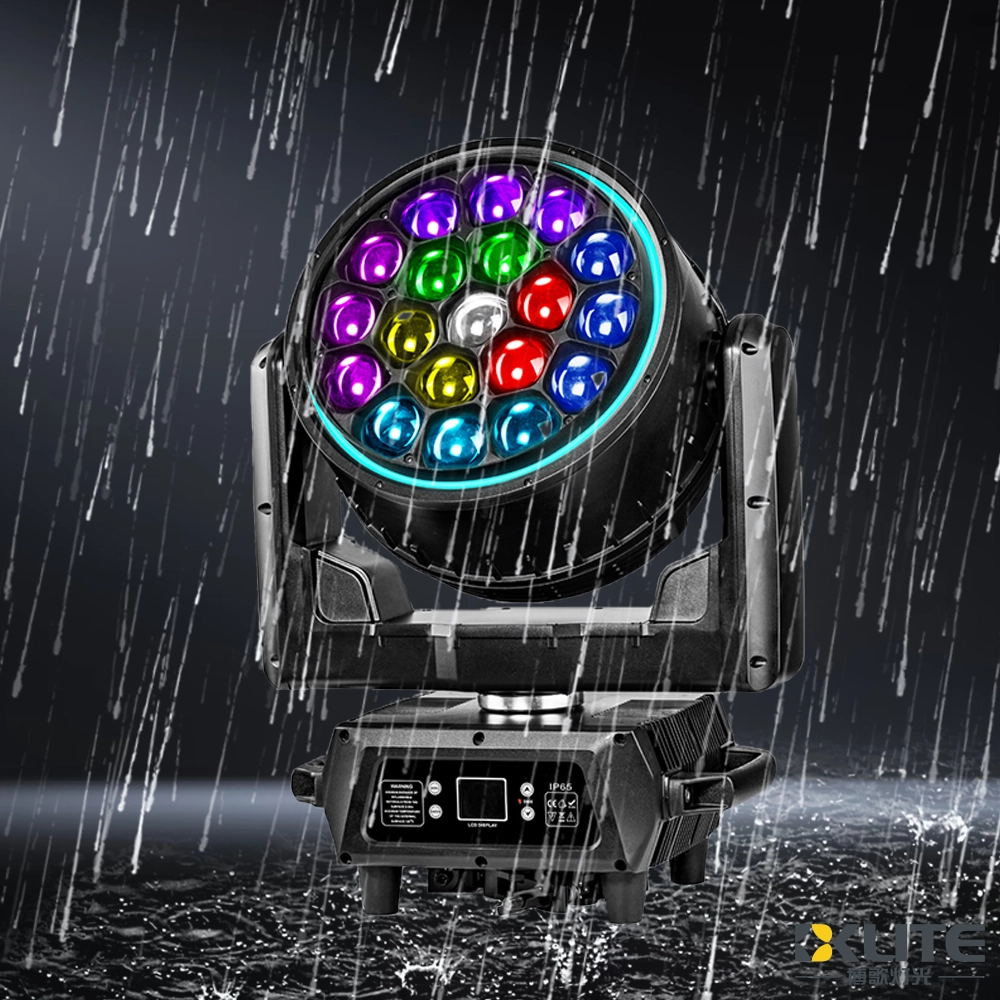
IP65 Waterproof Bee Eye Zoom 19x40W RGBW 4IN1 LED Beam Wash Moving Head Light with LED Ring
BKlite waterproof bee eye moving head light—your reliable choice from top waterproof moving head light manufacturers and suppliers. Ideal for outdoor stage, live event, music festival, this energy-saving fixture ensures powerful, precise illumination for any venue. It delivers powerful, reliable lighting performance in any weather.
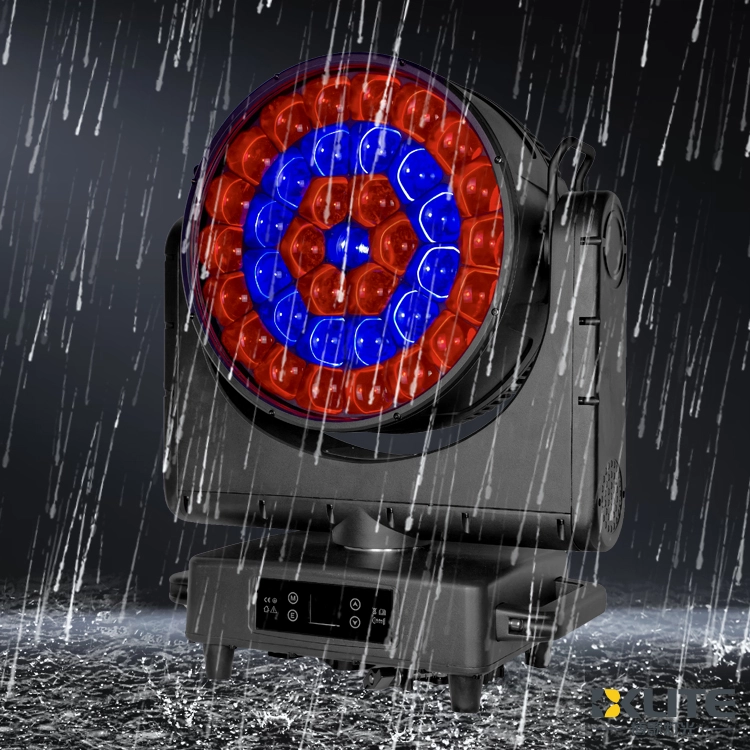
IP65 Waterproof ZOOM Bee Eye 37x40W RGBW 4in1 LED Moving Head Light
As a leading stage lighting equipment supplier with more than 15 years of industry know-how, BKlite brings you the IP65 ZOOM Bee Eye 37*40W RGBW 4in1 LED Moving Head Light (K25 Bee Eye) delivers vibrant, weatherproof lighting with powerful zoom and smooth movement. Ideal for dynamic stage effects, the K25 moving head light ensures stunning RGBW color mixing and reliable outdoor performance.
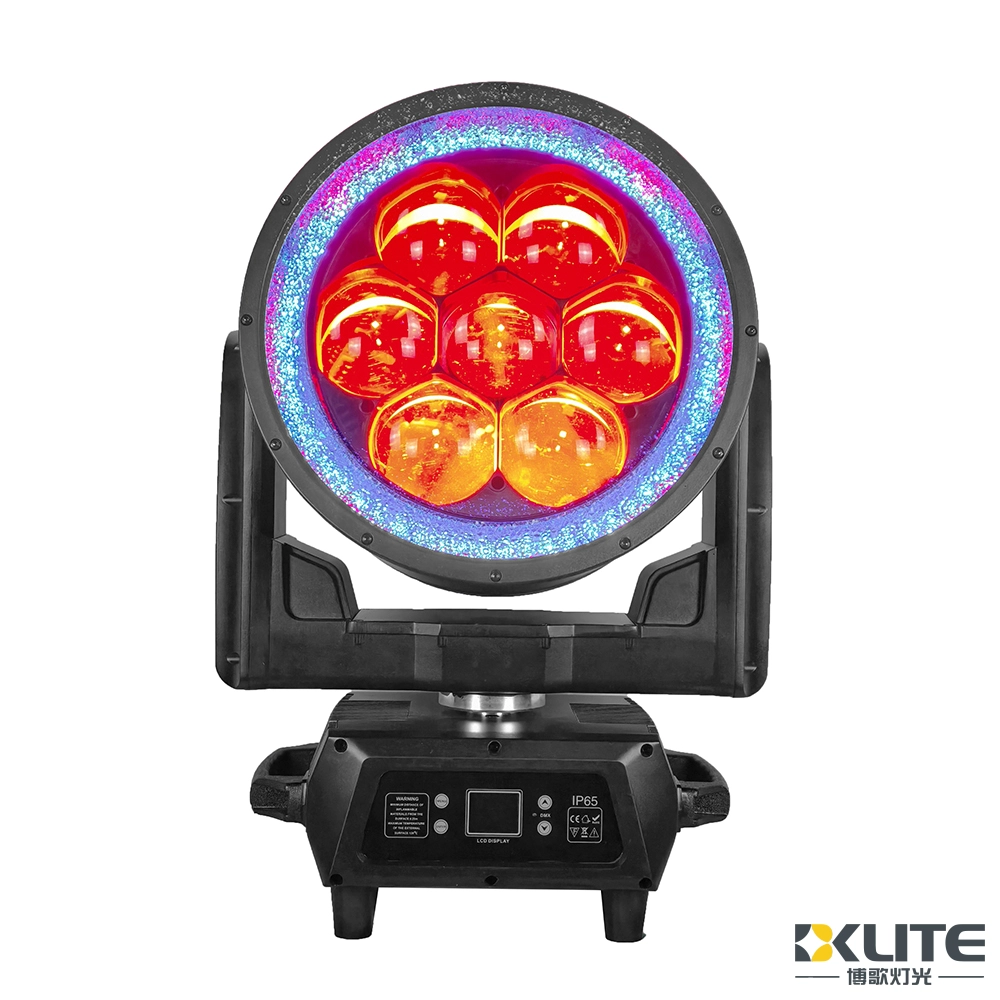
IP65 Waterproof Zoom Bee Eye 7x180W RGBL 4IN1 LED Moving Head Light With LED Ring
BKlite high power 7x180W waterproof bee eye moving head light—your reliable choice from top waterproof moving head light manufacturers and suppliers. Ideal for outdoor stage, live event, music festival, this energy-saving fixture ensures powerful, precise illumination for any venue. It delivers powerful, reliable lighting performance in any weather.
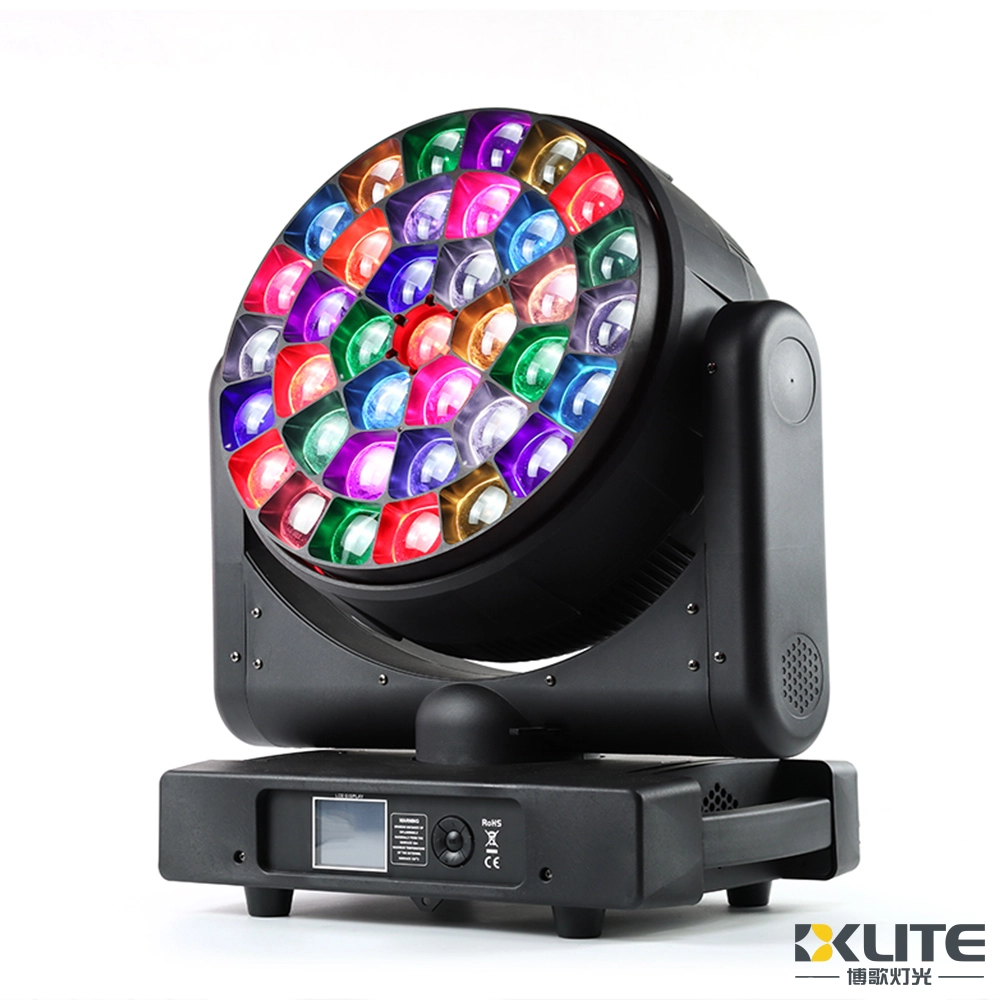
Bee Eye Zoom 37x40W RGBW 4in1 LED Beam Wash Moving Head Light


Copyright © 2025 BKLITE All Rights Reserved.