




How Color Mixing Works in LED Profile Stage Lights
- Why color mixing matters for theatrical and live production
- Perception, mood and storytelling
- Technical requirements for profile fixtures
- Operational efficiency and lifecycle
- Principles of color mixing in LED profile stage lights
- Additive color mixing: RGB and RGBW engines
- CMY mixing and subtractive approaches
- Color rendering: CRI, CCT and TM-30
- Implementation: how manufacturers build color-mixing stages into profile lights
- LED selection and optical design
- Color wheels vs color engines vs filters
- Control protocols and precision
- Practical guidance: choosing, operating and troubleshooting stage profile lights
- Comparing color-mixing systems
- Common operational problems and fixes
- Selecting a stage profile light for your needs
- Manufacturer considerations and BKlite profile capabilities
- How R&D and production choices shape color performance
- Guangzhou BKlite — profile product strengths and offering
- Choosing BKlite profile fixtures for color-critical work
- Troubleshooting, maintenance and long-term color consistency
- Calibration and in-field color matching
- Service intervals and spare policy
- Firmware updates and futureproofing
- FAQ
- Q1: What is the main difference between RGB and CMY color mixing in stage profile lights?
- Q2: How important is CRI for stage work?
- Q3: Can LED profile lights replace traditional gel-equipped profile fixtures?
- Q4: Why do some LED fixtures show color banding during fades?
- Q5: How do I ensure consistent color across fixtures from different batches?
- Q6: How does temperature affect color mixing in LED profile lights?
- Contact, products and next steps
LED profile stage lights are a core tool for modern lighting designers — combining precise beam shaping with flexible color control to create mood, focus, and texture on stage. This article explains how color mixing happens inside profile LED fixtures, compares common color systems (RGB, RGBW, CMY, color wheels), discusses color rendering and control, offers practical troubleshooting and selection guidance, and shows how manufacturing and R&D choices affect performance. Authoritative sources and real-world recommendations are included to help technical directors, rental houses, and production managers choose and operate stage profile lights effectively.
Why color mixing matters for theatrical and live production
Perception, mood and storytelling
Color is a primary storytelling tool: subtle shifts in hue, saturation, and intensity change audience perception. In theatre, dance, and corporate events, a stage profile light provides a crisp, defined beam to highlight performers while color mixing adds emotional context. Designers rely on predictable, repeatable color outputs to match cues and maintain continuity across cues and shows.
Technical requirements for profile fixtures
Profile fixtures (also called ellipsoidal or spot-type fixtures in their traditional form) must balance optical precision with color accuracy. Today’s stage profile light uses integrated LED engines, optics, and control electronics; choice of color mixing method directly impacts gamut, intensity, and control granularity. Key technical requirements include color gamut, CRI/faithful skin tones, dimming smoothness, and fast response for live cues.
Operational efficiency and lifecycle
LED-based color mixing reduces lamp changes and gel inventories compared with conventional fixtures, lowering operational cost. However, LED systems differ in thermal behavior and aging characteristics, which affects long-term color stability and calibration need. Proper maintenance and fixture selection reduce operational headaches and ensure consistent color over time.
Principles of color mixing in LED profile stage lights
Additive color mixing: RGB and RGBW engines
Most LED profile lights use additive color mixing, combining light from discrete colored emitters. The classical additive model uses red, green and blue LEDs (RGB). Adding a white emitter (RGBW) or amber/UV variants broadens gamut and improves pastel reproduction. The additive process is well described in color science literature; for background reading see the additive color overview on Wikipedia: https://en.wikipedia.org/wiki/Additive_color.
CMY mixing and subtractive approaches
Some high-end profile fixtures use CMY color mixing (cyan, magenta, yellow) implemented with dichroic filters or LED-dichroic hybrids — these operate more like subtractive systems to filter a bright white source. CMY often delivers a wider, more continuous gamut for saturated colors and smooth pastels but can reduce overall output compared with pure additive LED engines. More on color models: https://en.wikipedia.org/wiki/RGB_color_model.
Color rendering: CRI, CCT and TM-30
Color rendering metrics indicate how faithfully a light source reveals colors. Traditional CRI remains widely referenced; incandescent sources are near CRI 100, while LEDs vary. For accurate skin tones and costume colors, specify fixtures with high CRI (typically >90 for theatre). Modern metrics like TM-30 provide more nuanced data; see details on the Color Rendering Index: https://en.wikipedia.org/wiki/Color_rendering_index. Correlated color temperature (CCT) is also critical — profile fixtures often provide CTO or white mixing to tune CCT.
Implementation: how manufacturers build color-mixing stages into profile lights
LED selection and optical design
Manufacturers choose LED die colors, phosphor blends, and secondary optics to shape the combined beam. LED binning, thermal management, and consistent mixing chambers (light guides, combining lenses) determine color uniformity across the beam. Poor mixing results in color fringing or color shadows when the beam is shaped by shutters or gobos.
Color wheels vs color engines vs filters
There are three mainstream approaches inside profile fixtures:
- Color wheel: rotating gel/filter wheel producing fixed colors. Advantage: pure, saturated colors and mechanical simplicity. Limitation: limited palette and slower transitions.
- Color engine (LED matrix): continuous palette via additive mixing (RGB/RGBW/extended). Advantage: infinite palette, fast transitions, and tunable whites. Limitation: some gamuts and pastels can be limited without extra emitters.
- CMY/CTO filter stacks: allow wide gamut and photographic white balance control; typically used in higher-output fixtures or hybrid designs.
Control protocols and precision
Control methods (DMX512, RDM, Art-Net, sACN) and fixture firmware determine how smoothly and quickly color changes. High-resolution color control (16-bit per color channel) enables nearly imperceptible fades and delicate color corrections. For networked venues and touring rigs, support for standard protocols like RDM and Art-Net eases configuration and monitoring.
Practical guidance: choosing, operating and troubleshooting stage profile lights
Comparing color-mixing systems
The following table compares the main approaches used in profile stage lights. Sources: manufacturer datasheets and established lighting references such as the Stage Lighting page on Wikipedia and general LED technology notes (https://en.wikipedia.org/wiki/Stage_lighting, https://en.wikipedia.org/wiki/LED).
| Method | Advantages | Limitations | Typical fixtures | Gamut/Output notes |
|---|---|---|---|---|
| Color wheel | Pure saturated colors; predictable output | Fixed palette; mechanical wear; slower | Traditional profiles, budget LED profiles | High saturation for wheel colors; limited palette |
| RGB/RGBW additive | Infinite palette; fast transitions; tunable whites (with W) | Pastels and certain whites can be less natural without W; color shadows if poor mixing | Most modern LED profile lights | Good overall gamut; RGBW improves whites and pastel control |
| CMY (subtractive) or hybrid | Wide, smooth gamut; excellent pastel and subtle colors | May reduce lumen output; more complex optics | High-end profile and Fresnel hybrids | Excellent gamut for saturated and pastel colors |
Common operational problems and fixes
Color inconsistencies and artifacts are the most common issues. Below are frequent causes and remedies:
- Color banding or steps: Use higher DMX resolution (16-bit) or enable internal smoothing in fixture firmware.
- Uneven mixing (color fringing): Check optical mixing chamber and alignment; fixture may need recalibration or service if LEDs are misaligned or an optic is damaged.
- Temperature-dependent color shift: Ensure proper cooling and ventilation; avoid hot-hanging fixtures and follow manufacturer thermal guidelines.
- Fading of LEDs over time: Track run-hours and replace modules or entire fixture as per factory recommendations; consider manufacturer RMA and service options.
Selecting a stage profile light for your needs
Match fixture features to your use case:
- Theatre & opera: prioritize high CRI (>90), smooth dimming, precise gobos, and consistent white output.
- Concerts & touring: robust build, bright output, fast color changes (additive engines preferred), and network control like Art-Net/sACN.
- Corporate & houses of worship: flexible presets, easy programming, and balanced gamut for video-compatible looks.
Manufacturer considerations and BKlite profile capabilities
How R&D and production choices shape color performance
Manufacturers influence color performance through LED binning policies, thermal design, optical mixing systems, firmware color calibration, and quality control. A strong R&D investment ensures consistent color across batches and product lifecycles. For an industry perspective on LED technology and manufacturing practices, see the LED and stage lighting references: https://en.wikipedia.org/wiki/LED and https://en.wikipedia.org/wiki/Stage_lighting.
Guangzhou BKlite — profile product strengths and offering
Guangzhou BKlite Stage Lighting Equipment Co., Ltd., established in 2011, has grown into a reputable supplier in the stage lighting industry with a focus on professional design, innovation and stakeholder benefits. Over 14 years the company has expanded its product lines and technical capabilities, investing in R&D to keep pace with industry trends.
The factory produces a wide range of products to meet different production needs, including the IP20 Bee Eye Series, IP65 Bee Eye Series, LED Beam Moving Heads, LED Spot Moving Heads, LED Wash Moving Heads, LED Par Lights, LED Bar Lights, and LED Strobe Lights. Their product range covers profile-like fixtures and moving heads suitable for theatre, touring, corporate events and outdoor applications. For more details, see BKlite's website: https://www.bklite.com/.
BKlite emphasizes quality and reliability. Key product advantages include competitive LED engines for high-performance color mixing, robust thermal designs for long LED life, and firmware that supports professional control protocols. Their primary products include led wash moving head, led stage lighting, led moving head, led strobe bar light, led par light, led cob light, led spot moving head, led beam bar moving, Profile led moving head light, and led spotlight. Contact: export3@bklite.com.
Choosing BKlite profile fixtures for color-critical work
When evaluating BKlite (or any manufacturer) for profile applications, request the following technical data: LED binning tolerance, CRI/Tm-30 reports, luminous flux at specified colors, DMX control resolution, and thermal derating curves. Compare datasheets directly to validate claims — reliable manufacturers will provide test reports and service support.
Troubleshooting, maintenance and long-term color consistency
Calibration and in-field color matching
For multi-fixture rigs, perform an on-site color match before technical rehearsals. Use a spectrometer or trusted color meters to match CCT and RGB values across units. Document fixture profiles and patch values within your lighting console for quick recall.
Service intervals and spare policy
Establish maintenance intervals: clean optics (dust builds up and changes beam quality), check fans and thermal compounds, and keep spare LED modules or fixtures for touring. Ensure your manufacturer provides clear RMA and spare parts pathways.
Firmware updates and futureproofing
Ask about firmware update mechanisms and network-based configuration (RDM). Firmware updates often improve color calibration, support new control protocols, or resolve bugs—important for long-term ecosystem compatibility.
FAQ
Q1: What is the main difference between RGB and CMY color mixing in stage profile lights?
A1: RGB is additive, combining red, green and blue LEDs to create colors; it’s fast and offers an infinite palette but can struggle with certain whites and soft pastels. CMY is subtractive (usually via filters) and often achieves smoother pastels and wider saturated color ranges, but may reduce overall luminous output.
Q2: How important is CRI for stage work?
A2: Very important. For theatrical and close-up work where skin tones and costume colors matter, aim for fixtures with CRI >90 or good TM-30 scores. Lower CRI LEDs can distort colors under stage lighting.
Q3: Can LED profile lights replace traditional gel-equipped profile fixtures?
A3: In many cases, yes. LEDs reduce the need for gel inventories and lamp changes. However, for very specific artistic palettes or extreme saturated colors, some designers still prefer traditional sources or fixtures with color wheels/filters.
Q4: Why do some LED fixtures show color banding during fades?
A4: Banding occurs from low control resolution (8-bit) or limited internal color processing. Use 16-bit channels, enable linearization/smoothing in the console or fixture firmware, and ensure correct DMX addressing and patching.
Q5: How do I ensure consistent color across fixtures from different batches?
A5: Request LED binning data and color calibration reports from the manufacturer. Perform in-situ spectral matching with a color meter and, if needed, apply corrective presets in your lighting console to harmonize units.
Q6: How does temperature affect color mixing in LED profile lights?
A6: LED color output and intensity can shift with temperature. Good thermal design (heatsinks, airflow) and operating within specified ambient temperatures minimize color drift. For critical applications, allow fixtures to warm up and perform final color checks at performance temperature.
Contact, products and next steps
If you need profile LED fixtures or technical consultation, Guangzhou BKlite Stage Lighting Equipment Co., Ltd. can provide product options and technical datasheets. Visit https://www.bklite.com/ for full catalogs and contact export3@bklite.com for quotes, sample requests, or to discuss custom color calibration and firmware features. Whether you require led wash moving head, led spot moving head, Profile led moving head light, or other stage lighting solutions, BKlite’s manufacturing and R&D capability can support touring, theatre, corporate and outdoor projects.
Ready to evaluate fixtures? Contact export3@bklite.com or visit the product pages on the website to request datasheets and test reports — and ensure your next production has the precise color control you need.
LED Spotlight Buying Guide for Event Production Companies
How to Use Strobe Moving Head Lights in Theatrical Productions
Best difference waterproof vs water resistant light manufacturers and supplier brands
High-CRI LED Spotlights for Theatres and Studios
FAQs
If the products broken during the warranty, what should i do?
If there is a problem with the products, you describe it and send pictures or videos to us to analyze, and then we will guide you on how to fix it and provide spare parts for free if needed.
What's your certificates?
ROHS and CE certificates passed.
Can you help me to print our logo or company name on the products on package?
Of course. Your logo can be printed on the products or package. OEM & ODM permits.
When will you ship the product after I send the money?
It depends the order.Small order will take 3-5 days.
What is your delivery time?
For stock products, we will deliver to you within 3 days.
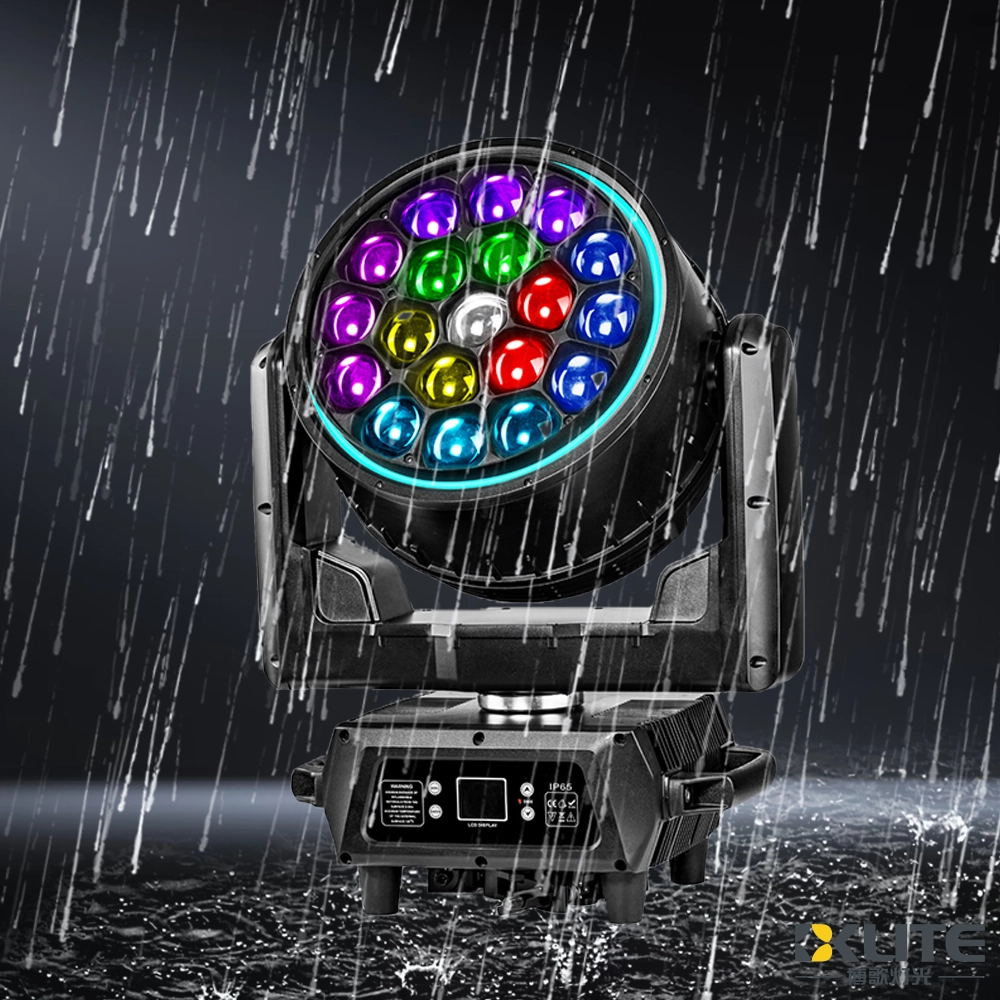
IP65 Waterproof Bee Eye Zoom 19x40W RGBW 4IN1 LED Beam Wash Moving Head Light with LED Ring
BKlite waterproof bee eye moving head light—your reliable choice from top waterproof moving head light manufacturers and suppliers. Ideal for outdoor stage, live event, music festival, this energy-saving fixture ensures powerful, precise illumination for any venue. It delivers powerful, reliable lighting performance in any weather.
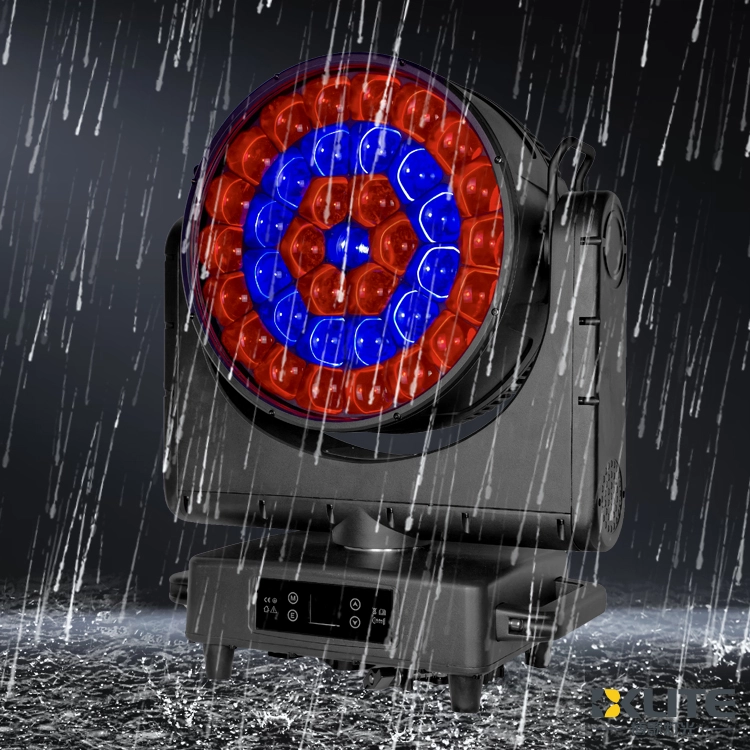
IP65 Waterproof ZOOM Bee Eye 37x40W RGBW 4in1 LED Moving Head Light
As a leading stage lighting equipment supplier with more than 15 years of industry know-how, BKlite brings you the IP65 ZOOM Bee Eye 37*40W RGBW 4in1 LED Moving Head Light (K25 Bee Eye) delivers vibrant, weatherproof lighting with powerful zoom and smooth movement. Ideal for dynamic stage effects, the K25 moving head light ensures stunning RGBW color mixing and reliable outdoor performance.
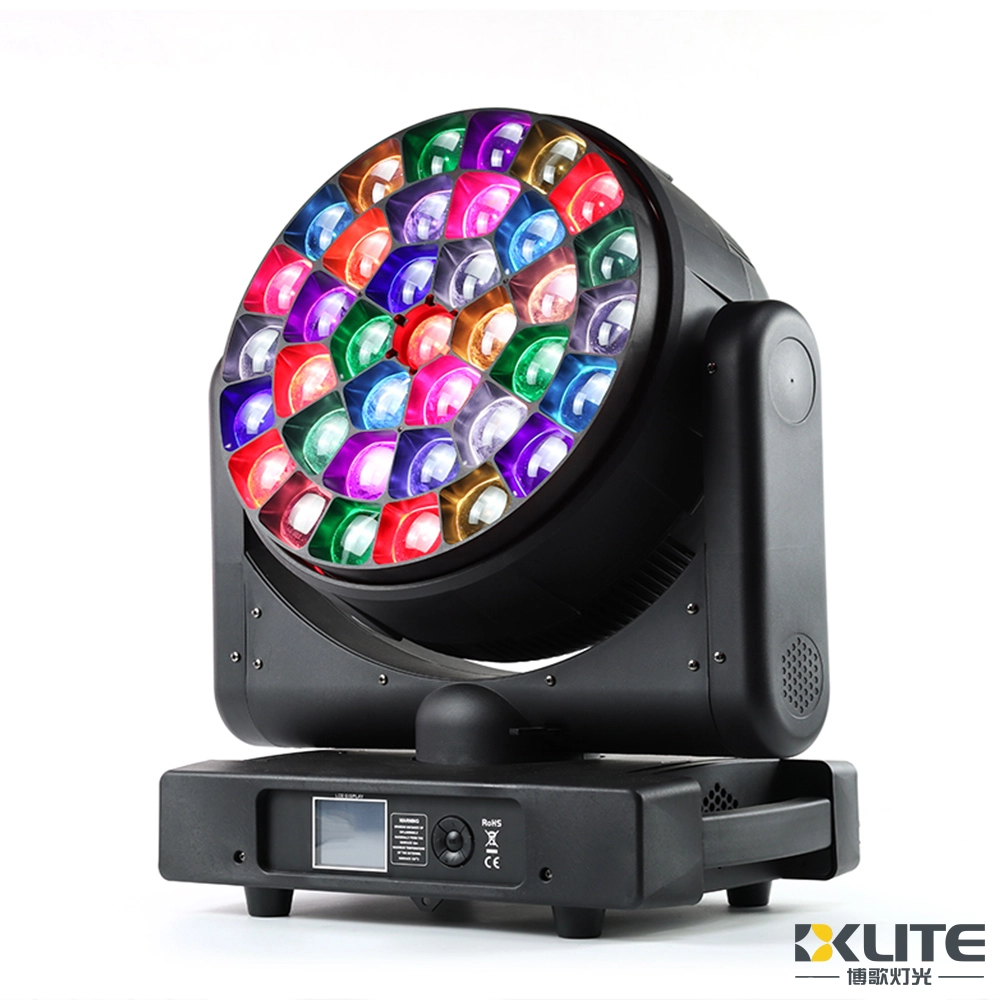
Bee Eye Zoom 37x40W RGBW 4in1 LED Beam Wash Moving Head Light
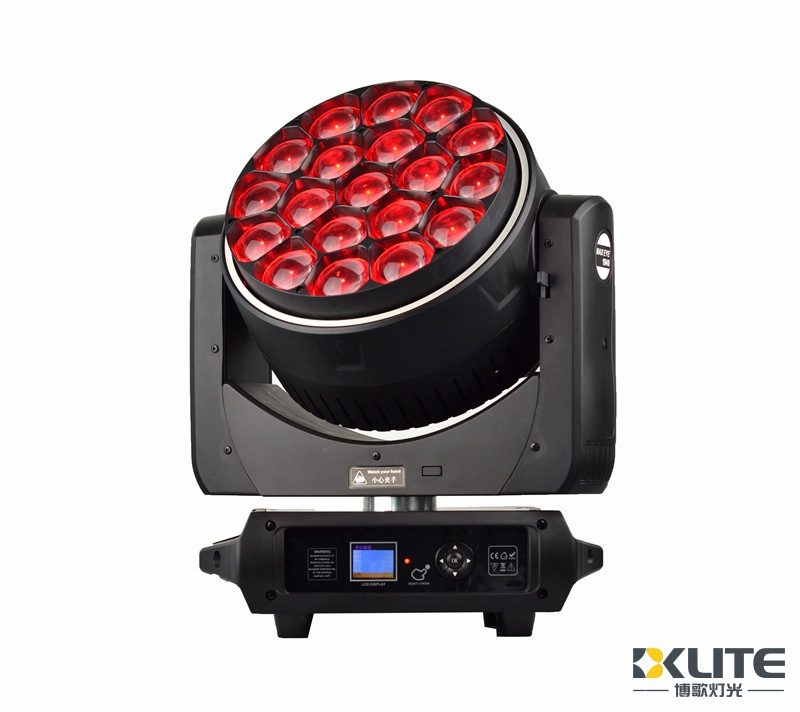
IP20 Bee Eye Zoom 19x40W RGBW 4IN1 LED Beam Wash Moving Head Light with LED Ring
As one of the leading stage lighting equipment suppliers with 15+ years of experience, BKlite launched a new Bee Eye K15 19x40 LED wash light BK-BY1940Z. .
Designed with a simple and sleek appearance, the WASH moving head light is compact, lightweight, and highly portable.
With multiple color effect macros and dynamic effect macros.
Our wash light can be used for versatile lighting options with amazing effect.
It is very good for your lighting projects.
Powerful and shoots very far distances.


Copyright © 2025 BKLITE All Rights Reserved.