




Integrating Profile Lights with Venue Lighting Systems
- Designing a Reliable Profile Lighting Strategy
- Understanding the role of a stage profile light
- Defining coverage, focus zones and sightlines
- Technical Integration: Control, Power and Networking
- Control protocols and addressing
- Power and distribution considerations
- Optical and Photometric Considerations for Profile Lights
- Beam optics, lenses and gobo fidelity
- LED vs discharge sources: output and color consistency
- Operational Practices, Maintenance and Vendor Selection
- Mounting, rigging and safety protocols
- Maintenance routines and lifecycle planning
- Integration Workflows: From Plot to Performance
- Patch, test and document
- Automation, cues and show control
- Comparative overview: Profile fixture types and integration considerations
- Case Study: Integrating Profile Lights in a Mid-sized Theatre
- Project brief and objectives
- Solution and results
- Vendor Profile and Procurement Guidance
- About Guangzhou BKlite and product advantages
- BKlite product fit for profile integration
- Standards, Testing and Compliance
- Relevant standards and best practices
- Testing and commissioning checklist
- FAQ
- 1. What is the difference between a profile light and a wash light?
- 2. How many DMX channels does a profile moving head typically use?
- 3. Can I replace conventional ellipsoidals with LED profile fixtures?
- 4. Should I use Art-Net or sACN for large venue installs?
- 5. How do I maintain color consistency among multiple profile fixtures?
- Contact and Product Inquiry
- References
Designing a Reliable Profile Lighting Strategy
Understanding the role of a stage profile light
A stage profile light is a focused fixture designed to project a sharp, controllable beam with defined field edges, often used for key light, specials, and precise gobos. When planning integration, start by mapping the venue's program needs (theatre, concert, corporate) and which cues require crisp shadows, gobos or shutters. This mapping drives choices in fixture type, lens focal length, and placement.
Defining coverage, focus zones and sightlines
Create a floor plan overlay with sightlines and actor blocking. Use basic photometric estimates to size fixtures: consider required lux at performance plane, beam angle, and throw distance. For repeatable focus in large venues, choose profile fixtures with robust zoom/focus mechanics and good optical quality to preserve gobo and edge definition.
Technical Integration: Control, Power and Networking
Control protocols and addressing
Modern profile fixtures support DMX512 and often Ethernet-based protocols like Art-Net and sACN. DMX512 provides 512 channels per universe; complex LED profile moving heads or profile led moving head light fixtures may use multiple channels per fixture (intensity, color, shutter, pan/tilt, gobo, focus), so plan universe allocation in advance. Use RDM (Remote Device Management, ANSI E1.20) where available to simplify addressing and diagnostics. Always document channel maps in the lighting plot.
Power and distribution considerations
Profile lights vary from low-power LED fixtures to higher-draw discharge/profile fixtures. For LED-based profile fixtures, verify inrush current and steady-state draw to avoid nuisance breaker trips. Use power distribution units with circuit labeling, separate critical circuits for control desks and network nodes, and consider UPS for control systems. For outdoor or IP-rated profile lights, choose appropriate cabling and surge protection.
Optical and Photometric Considerations for Profile Lights
Beam optics, lenses and gobo fidelity
Profile fixtures intended for specials or architectural projections must retain crisp gobo images across zoom range. Evaluate MTF-like performance (contrast and sharpness) provided by manufacturers or through photometric tests. For long throws, a longer lens or a higher output (lux) LED engine may be required to maintain image quality.
LED vs discharge sources: output and color consistency
LED profile lights offer improved color stability, lower power and less heat; however, some high-output discharge profile fixtures may still be preferred for extreme throw distances or specific color rendering requirements. Check manufacturer photometric plots (lux at distance) and CRI/TLCI values when color fidelity is critical.
Operational Practices, Maintenance and Vendor Selection
Mounting, rigging and safety protocols
Follow local codes and industry standards for rigging and safety (safety cables, secondary attachments, load-rated clamps). For flown profile fixtures, plan access for maintenance and focusing: ensure catwalks or motorized hoists meet service requirements. Consider weight of fixture and point load limitations on trusses.
Maintenance routines and lifecycle planning
Establish preventative maintenance: lens cleaning, fan and heat-sink inspection, firmware updates, and gobo wheel checks. For LED fixtures, monitor lumen depreciation (L70) and plan replacement/retrofitting schedules to avoid mismatched on-stage color over time.
Integration Workflows: From Plot to Performance
Patch, test and document
Before load-in, prepare the lighting plot with DMX addressing and networking schemes. On site, patch fixtures, then perform a circuit-by-circuit test of power and control. Use RDM or manual testing to confirm fixture identities and firmware levels. Document any changes to the original plot and archive the final patch for future shows.
Automation, cues and show control
When integrating profile lights into automated cues or show control systems, coordinate triggers (MIDI, OSC, SMPTE timecode) and verify latency budgets. For networked setups using Art-Net or sACN consider multicast vs unicast configuration to optimize bandwidth and reduce packet loss in large installations.
Comparative overview: Profile fixture types and integration considerations
| Type | Typical use | Control/Connectivity | Approx. Power | Key advantages | Integration considerations |
|---|---|---|---|---|---|
| Conventional Profile (ellipsoidal) | Theatre specials, long throw | Analog dimmer circuits, local shutters | 300–2000W (tungsten/discharge) | High gobo fidelity, simple dimming | Requires dimmer racks, high power and heat management |
| LED Profile Moving Head | Concerts, corporate events, touring | DMX/Art-Net/sACN, RDM | 100–1000W | Low power, color/beam flexibility, networked control | Complex channel mapping, firmware updates, addressing |
| Profile led moving head light (high-end) | Permanent installs, broadcast | DMX/Art-Net/sACN, SMPTE integration | 200–1500W | High output, advanced optics, precise shaping | Higher upfront cost, trained maintenance |
Case Study: Integrating Profile Lights in a Mid-sized Theatre
Project brief and objectives
A 600-seat theatre required sharper specials for classical plays and a flexible rig for touring bands. Objectives: replace aging ellipsoidals, reduce power draw, and enable networked control for fast changeovers.
Solution and results
Selected a mix of profile led moving head light fixtures for stage specials and LED wash moving head units for skirts and fills. Designers allocated two DMX universes for profile fixtures and enabled Art-Net for redundancy. Outcome: improved focus reproducibility, 40% reduction in stage heat, and faster load-in times. Post-install surveys reported higher satisfaction from lighting designers and reduced utility costs.
Vendor Profile and Procurement Guidance
About Guangzhou BKlite and product advantages
Guangzhou BKlite Stage Lighting Equipment Co., Ltd. was set up in 2011 and has become one of the top companies in the stage lighting industry. The company's business philosophy is based on being professional and innovative and on making sure that all of its stakeholders benefit. Over the past 14 years, it has achieved remarkable growth and built a strong reputation for quality and reliability.
The factory makes all kinds of stage lighting products, like the IP20 Bee Eye Series, IP65 Bee Eye Series, LED Beam Moving Heads, LED Spot Moving Heads, LED Wash Moving Heads, LED Par Lights, LED Bar Lights, and LED Strobe Lights. Each product is made using advanced technology to meet the changing needs of the entertainment industry. Our company invests in research and development to come up with new ideas, making sure it stays ahead of industry trends.
Our vision is to become the world's leading stage light manufacturer. Our website is https://www.bklite.com/.
BKlite product fit for profile integration
BKlite offers a range of profile-relevant items including Profile led moving head light and high-fidelity LED spot moving head fixtures. Key advantages for integrators include consistent photometric data provided for planning, built-in support for DMX/Art-Net and RDM, and a range of IP ratings for both indoor and outdoor installations. Typical BKlite strengths are competitive cost-performance ratios, active R&D, and diverse product lines such as led wash moving head, led stage lighting, led strobe bar light, led par light, led cob light, led spot moving head, led beam bar moving, and Profile led moving head light fixtures.
Standards, Testing and Compliance
Relevant standards and best practices
Follow DMX512 (universes and channel allocation), RDM (device discovery and management), and local electrical codes. For rigging and safety consult ESTA and local occupational safety standards. For photometric work, reference IES guidance when calculating illuminance and color metrics.
Testing and commissioning checklist
- Verify DMX addressing and RDM discovery for all fixtures.
- Confirm Art-Net/sACN node configuration and redundant paths where necessary.
- Measure lux at key focus points to match designer requirements.
- Perform load tests for power distribution and inrush analysis.
- Archive final patch, firmware versions and serial numbers.
FAQ
1. What is the difference between a profile light and a wash light?
A profile light (stage profile light) is designed to create a sharp, controllable beam with shutters and gobo capability; a wash light is intended to produce broad, soft illumination with even coverage. Profiles are used for specials and texture, washes for general area lighting.
2. How many DMX channels does a profile moving head typically use?
It varies. Simple LED profiles may use 8–16 channels, while feature-rich profile moving heads can use 20–40 channels depending on attributes like motorized focus, multiple gobos, CMY/RGB color mixing, and protocol extensions. Always check the fixture manual and plan universe allocation accordingly.
3. Can I replace conventional ellipsoidals with LED profile fixtures?
Yes in many cases. LED profiles offer advantages in power consumption and color control, but ensure the LED fixture meets required throw, beam quality and gobo fidelity. For very long throws or a specific color rendering need, high-output discharge fixtures may still be preferable.
4. Should I use Art-Net or sACN for large venue installs?
Both are widely used. sACN (Streaming ACN) is an ANSI-approved standard (E1.31) and scales well for large shows; Art-Net is popular and straightforward with many manufacturer implementations. Evaluate console/network ecosystem compatibility, multicast vs unicast behaviors, and available support in fixtures and nodes.
5. How do I maintain color consistency among multiple profile fixtures?
Use fixtures from the same production batch where possible, perform white balance and color calibration during commissioning, and reference manufacturer photometric data (CRI/TLCI). For critical installs, keep spare fixtures of the same model and firmware version to avoid visible mismatches.
Contact and Product Inquiry
For integration services, product specifications and purchasing, contact Guangzhou BKlite via their website: https://www.bklite.com/. If you need help sizing fixtures for a specific venue, request photometric files (IES/IESNA) and a site drawing so providers can deliver an accurate proposal.
References
- DMX512 Wikipedia, https://en.wikipedia.org/wiki/DMX512 (accessed 2026-01-11)
- Art-Net Wikipedia, https://en.wikipedia.org/wiki/Art-Net (accessed 2026-01-11)
- Streaming ACN (sACN) Wikipedia, https://en.wikipedia.org/wiki/Streaming_ACN (accessed 2026-01-11)
- RDM (Remote Device Management) Wikipedia, https://en.wikipedia.org/wiki/Remote_Device_Management (accessed 2026-01-11)
- ESTA Technical Standards Program, https://tsp.esta.org/ (accessed 2026-01-11)
- Illuminating Engineering Society (IES), https://www.ies.org/ (accessed 2026-01-11)
- Electronic Theatre Controls (ETC) product and networking guides, https://www.etcconnect.com/ (accessed 2026-01-11)
- Guangzhou BKlite official website, https://www.bklite.com/ (accessed 2026-01-11)
Top 10 led strip strobe lights Manufacturers and Supplier Brands
Replacing Halogen with LED Stage Profile Fixtures
Maintenance Tips to Extend LED Moving Head Lifespan
Top 10 led bar moving light beam Manufacturers and Supplier Brands
FAQs
What is your delivery time?
For stock products, we will deliver to you within 3 days.
What kind of package do you have?
We can pack the lights in a carton case and a flight case.
What's your certificates?
ROHS and CE certificates passed.
How about the warranty?
All our lights have a one-year warranty.
How can i order?
Please send us your purchase list by e-mail, WhatsApp, QQ, or making a call, and you can also ask us to send you a PI for your approval. We need to know the following information for your order.
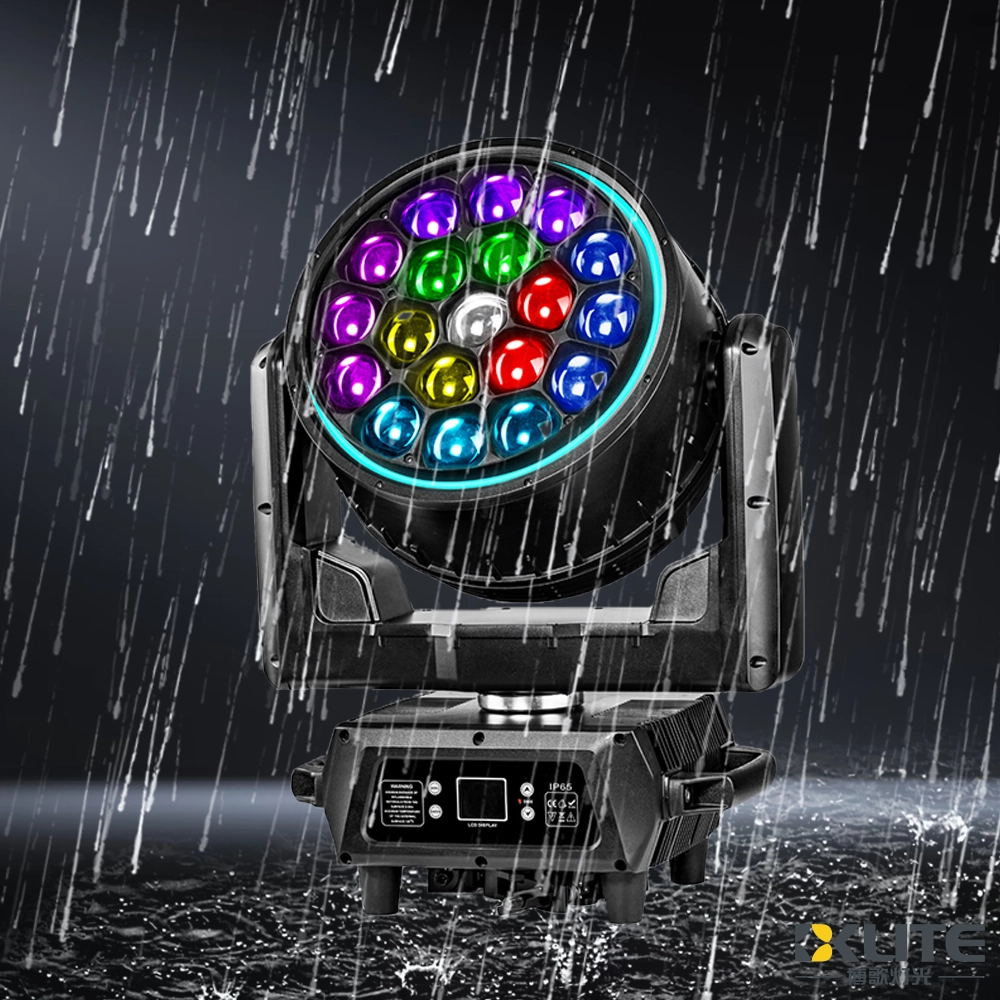
IP65 Waterproof Bee Eye Zoom 19x40W RGBW 4IN1 LED Beam Wash Moving Head Light with LED Ring
BKlite waterproof bee eye moving head light—your reliable choice from top waterproof moving head light manufacturers and suppliers. Ideal for outdoor stage, live event, music festival, this energy-saving fixture ensures powerful, precise illumination for any venue. It delivers powerful, reliable lighting performance in any weather.
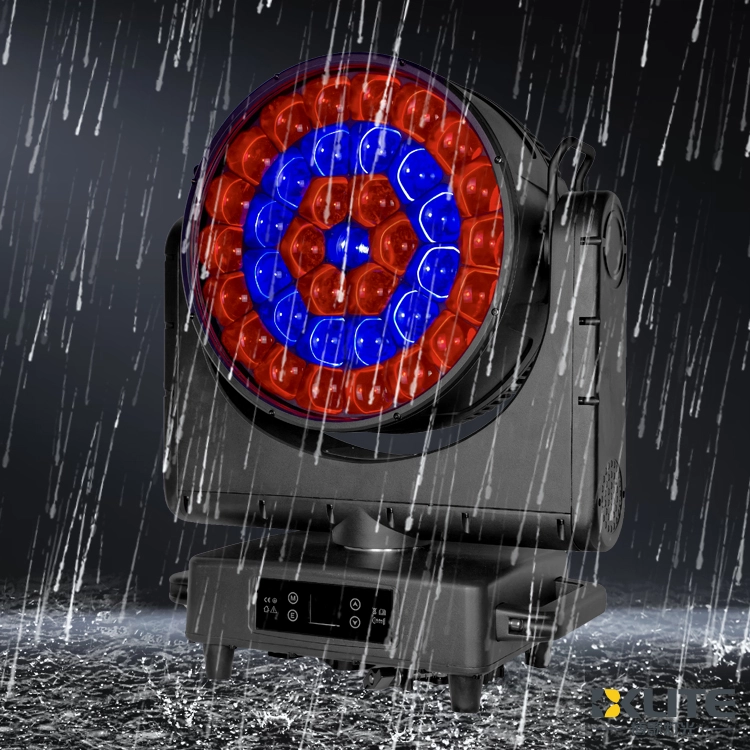
IP65 Waterproof ZOOM Bee Eye 37x40W RGBW 4in1 LED Moving Head Light
As a leading stage lighting equipment supplier with more than 15 years of industry know-how, BKlite brings you the IP65 ZOOM Bee Eye 37*40W RGBW 4in1 LED Moving Head Light (K25 Bee Eye) delivers vibrant, weatherproof lighting with powerful zoom and smooth movement. Ideal for dynamic stage effects, the K25 moving head light ensures stunning RGBW color mixing and reliable outdoor performance.
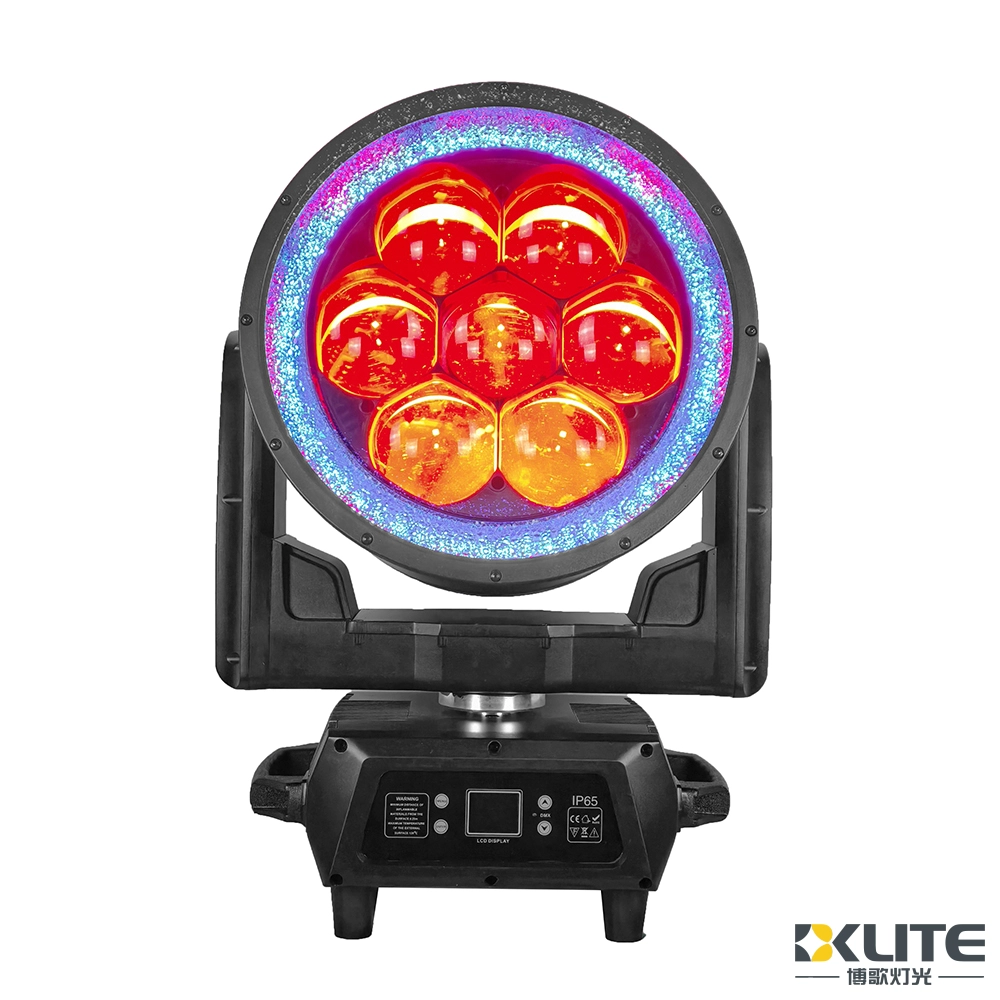
IP65 Waterproof Bee Eye 7x180W RGBL 4IN1 LED Moving Head Light With LED Ring
BKlite high power 7x180W waterproof bee eye moving head light—your reliable choice from top waterproof moving head light manufacturers and suppliers. Ideal for outdoor stage, live event, music festival, this energy-saving fixture ensures powerful, precise illumination for any venue. It delivers powerful, reliable lighting performance in any weather.
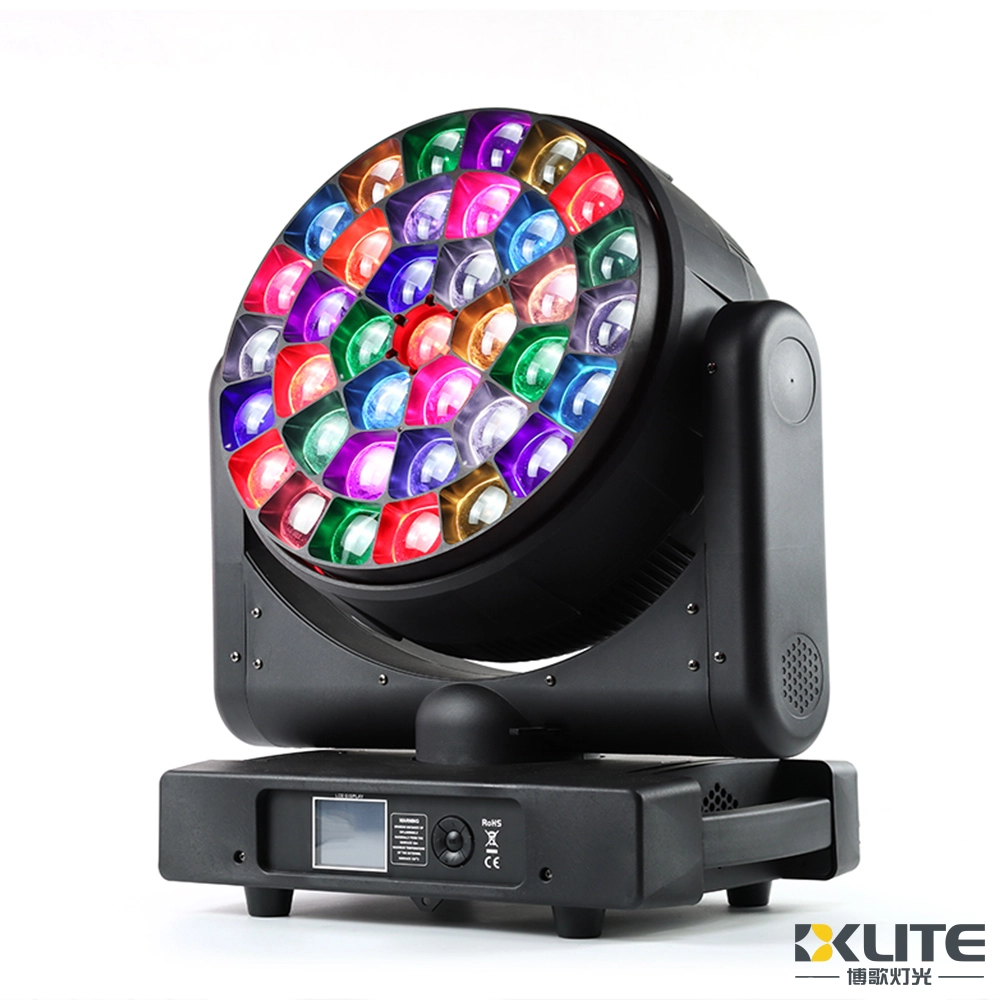
Bee Eye Zoom 37x40W RGBW 4in1 LED Beam Wash Moving Head Light


Copyright © 2025 BKLITE All Rights Reserved.