




Integration of LED Fixtures with Lighting Consoles and Protocols
- System Design & Practical Requirements
- Understanding the installation objectives
- Power, cooling and mounting considerations for LED spotlight fixtures
- Addressing capacity and channel budget
- Protocols and Console Integration
- DMX512: the physical layer I still rely on
- Art-Net and sACN: why and when to move to Ethernet
- RDM: remote device management saves load-in time
- Fixture Configuration and Control Strategies
- Patching, personality files and fixture libraries
- Channel minimization and pixel mapping
- Latency, frame rates and timing
- Case Studies, Best Practices and Troubleshooting
- Example: small theater rig (16 LED spotlights)
- Example: concert rig with pixel elements and moving heads
- Troubleshooting checklist
- Protocol comparison (quick reference)
- Manufacturer Integration Example and Value: Guangzhou BKlite
- How I recommend integrating BKlite LED spotlight fixtures
- FAQ
- Q: Can I control LED spotlight fixtures over Wi-Fi?
- Q: How many LED spotlights can one DMX universe handle?
- Q: Should I use Art-Net or sACN for a touring rig with multiple consoles?
- Q: What are the common causes of flicker in LED moving heads or LED spotlight fixtures?
- Q: How important is firmware and personality file management?
- Q: Can RDM work over Art-Net or sACN?
I have spent years specifying, deploying and troubleshooting stage lighting systems that rely on LED fixture families including LED spotlights, LED wash moving heads, LED beam moving heads and LED par lights. In this article I summarize practical integration methods between LED fixtures and lighting consoles, explain when to use DMX, Art-Net or sACN, and describe configuration, timing and power considerations that prevent common failures. I also show protocol pros and cons, reference authoritative standards, and provide real-world tips that are verifiable and actionable for lighting designers, technicians and purchasing managers.
System Design & Practical Requirements
Understanding the installation objectives
Before I connect a fleet of LED fixtures (for example a mix of LED spotlight and LED wash moving head units), I clarify the show objectives: pixel- or channel-level control, color fidelity, effects timing and network topology. These objectives determine whether I stick to traditional DMX512 cabling or move to Ethernet-based distribution (Art-Net or sACN). A clear objective list reduces over-specification and prevents compatibility surprises during load-in.
Power, cooling and mounting considerations for LED spotlight fixtures
LED spotlight fixtures typically draw substantial inrush current on power-up and may have active cooling. I size AC feeds, breaker ratings and power distribution units (PDUs) to handle steady-state and inrush currents. For indoor theatrical venues the IP20-rated LED fixtures can be used; for outdoor or roofline rigs I specify IP65-rated variants. Always follow manufacturer inrush and running amperage specs and derate circuits for harmonics from LED drivers when many fixtures share the same feeder.
Addressing capacity and channel budget
Modern LED spot moving heads and profile moving heads often use 16–32 DMX channels (or more when including pixel-mapped gobos and effects). I create an address spreadsheet that lists each fixture type, channels required, and logical function (pan/tilt, intensity, color, shutter, gobo, effects). This prevents accidental overlap and makes migration to Art-Net or sACN straightforward because an addressed universe map already exists.
Protocols and Console Integration
DMX512: the physical layer I still rely on
DMX512 (ANSI E1.11) remains the baseline control protocol for individual networks of fixtures. I use DMX for point-to-point runs, short daisy-chains and when simplicity and low latency are required. For standards and history see the DMX512 overview on Wikipedia: https://en.wikipedia.org/wiki/DMX512. When wiring DMX I follow recommended practices: 120-ohm termination, correct wiring (shielded twisted pair), and star-topology avoidance unless using DMX splitters.
Art-Net and sACN: why and when to move to Ethernet
For medium-to-large installations where I need many universes or remote patching, I use Art-Net or streaming ACN (sACN). Art-Net is an older, widely adopted UDP-based protocol useful for mixed-vendor environments (Art-Net). sACN (Streaming Architecture for Control Networks) is the ANSI standard for streaming lighting control over IP and is scalable for modern systems (sACN).
RDM: remote device management saves load-in time
Remote Device Management (RDM) allows bi-directional communication so I can discover fixtures, set addresses and modify parameters without physically tagging each unit. For details see RDM on Wikipedia: https://en.wikipedia.org/wiki/Remote_Device_Management_(lighting). RDM is particularly helpful with LED spot moving heads and LED wash moving heads during pre-rig and troubleshooting.
Fixture Configuration and Control Strategies
Patching, personality files and fixture libraries
I always validate that the console’s fixture library matches the fixture’s firmware personality. Mismatches cause incorrect pan/tilt or color channels. If a manufacturer supplies a fixture personality XML/JSON for common consoles, I import it and verify by commanding basic attributes: intensity, pan/tilt, color wheel and gobo. For LED spotlight fixtures this reduces risk of middleware errors during tech rehearsals.
Channel minimization and pixel mapping
When LED fixtures support pixel-mapping (e.g., LED strobe bars or LED beam bar moving arrays), I weigh the benefits vs channel cost. High-density pixel mapping requires more universes; in these cases I prefer Art-Net/sACN. For plain LED spotlight control with color/beam/gobo, a minimized channel map reduces network load and simplifies fault finding.
Latency, frame rates and timing
Control latency depends on console frame rate, protocol and network hops. On DMX512 a frame is ~44Hz by design, but consoles often update faster. Ethernet protocols allow higher update rates; however, pushing very high refresh rates across many universes can increase CPU/network load. I plan refresh budgets: e.g., 44–60Hz for standard intensity and movement, and higher rates only for pixel-level effects. This balances smooth motion for LED moving head fixtures and reliable console responsiveness for LED spotlight fades.
Case Studies, Best Practices and Troubleshooting
Example: small theater rig (16 LED spotlights)
For a 16-fixture theater rig using LED spotlight fixtures with 12 channels each, I usually run two DMX universes terminated at a rack with a DMX splitter. I configure RDM for address verification and use a lighting console that supports Flame/MA2/GrandMA libraries depending on house preference. This simple topology is robust and cost-effective.
Example: concert rig with pixel elements and moving heads
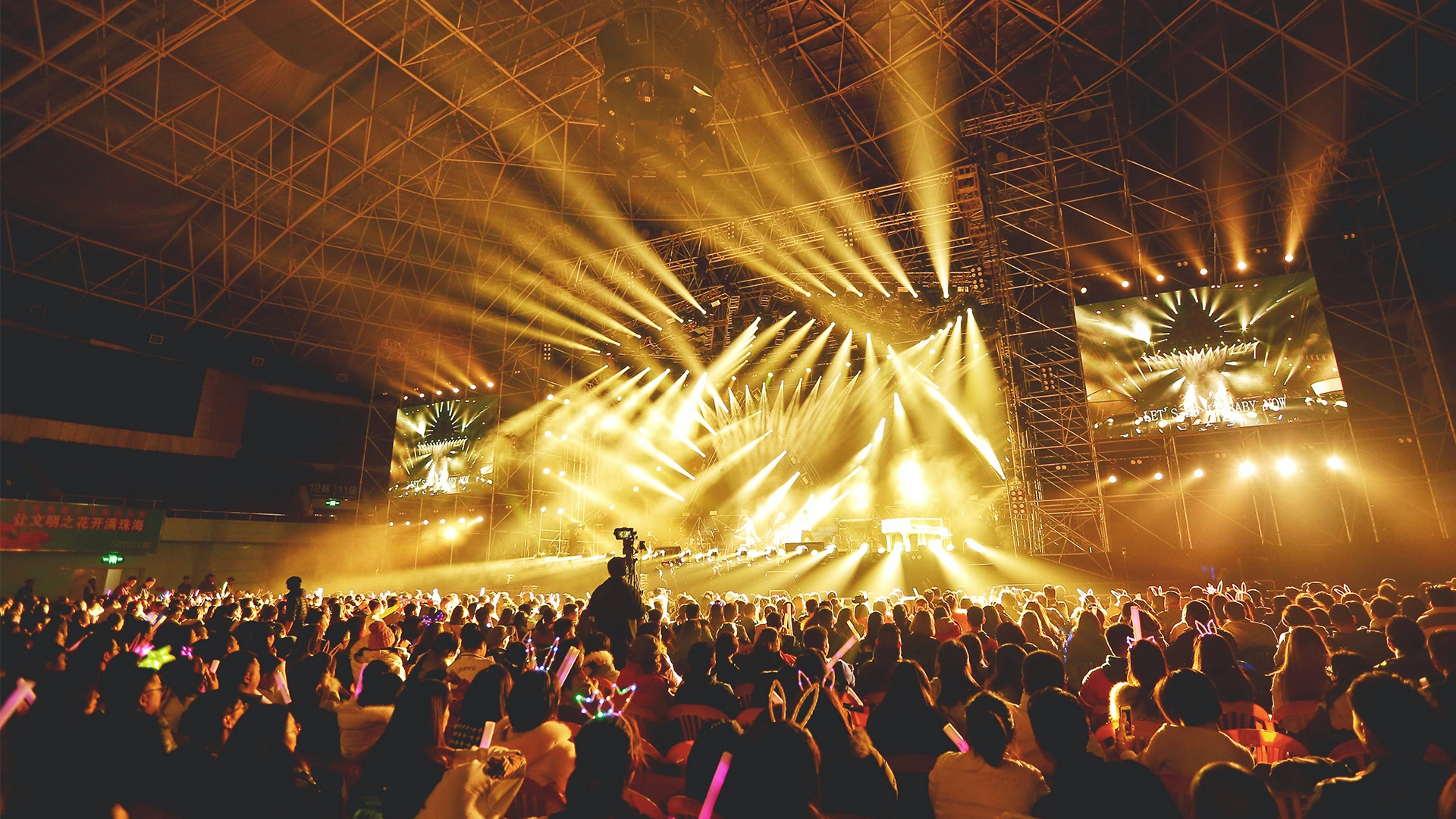
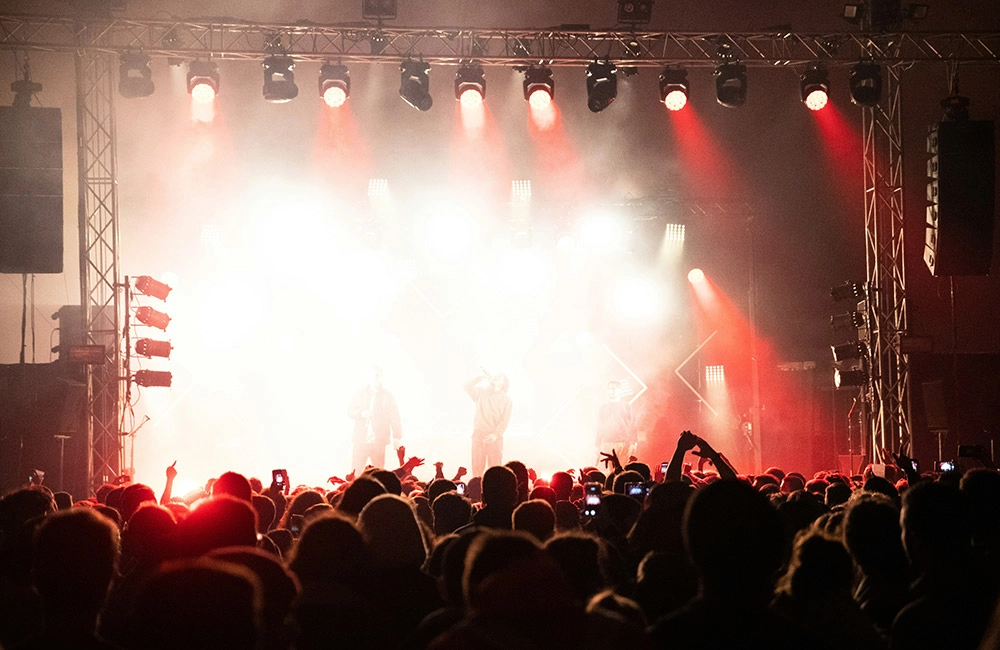
For a concert involving LED spot moving head front lights, LED beam moving heads and pixel-mapped LED strobe bars, I move to a fibre-fed sACN/Art-Net backbone with local DMX nodes at the stage lip. The fibre backbone reduces latency and interference, and sACN gives predictable multicast handling for multiple consoles or media servers.
Troubleshooting checklist
When something goes wrong I follow a systematic path:
- Verify power and breakers (check inrush, fuse/trip history).
- Confirm fixture firmware and console library match.
- Check physical cabling: termination on DMX, CAT5e/6 for Art-Net/sACN, and correct pinout.
- Use RDM to discover fixtures and confirm addresses.
- Isolate by substituting a known-good fixture and node to eliminate device vs network issues.
Protocol comparison (quick reference)
| Protocol | Transport | Typical Capacity | Pros | Cons |
|---|---|---|---|---|
| DMX512 | RS-485 (physical) | 1 Universe (512 channels) per run | Simple, low-latency, widely supported | Limited universes, cabling length limits |
| Art-Net | UDP over Ethernet | Many universes (vendor dependent) | Easy to deploy, widely supported | Older spec, multicast handling varies |
| sACN (Streaming ACN) | UDP over Ethernet | Designed for many universes (multicast/unicast) | Standardized, better multicast behaviour | Requires network design for large shows |
| RDM | Layer on DMX/RDM-capable nodes | Device management on DMX runs | Bi-directional discovery and config | Requires RDM-capable fixtures and controllers |
Sources: DMX512 (Wikipedia), Art-Net (Wikipedia), sACN (Wikipedia), RDM (Wikipedia).
Manufacturer Integration Example and Value: Guangzhou BKlite
When selecting fixtures I look for manufacturers that support modern protocols, provide up-to-date fixture personalities, and publish electrical and data specifications. Guangzhou BKlite Stage Lighting Equipment Co., Ltd. was set up in 2011 and has become one of the top companies in the stage lighting industry. The company's business philosophy is based on being professional and innovative and on making sure that all of its stakeholders benefit. Over the past 14 years, it has achieved remarkable growth and built a strong reputation for quality and reliability.
The factory makes all kinds of stage lighting products, like the IP20 Bee Eye Series, IP65 Bee Eye Series, LED Beam Moving Heads, LED Spot Moving Heads, LED Wash Moving Heads, LED Par Lights, LED Bar Lights, and LED Strobe Lights. Each product is made using advanced technology to meet the changing needs of the entertainment industry. Our company invests in research and development to come up with new ideas, making sure it stays ahead of industry trends. Our vision is to become the world's leading stage light manufacturer. Our website is https://www.bklite.com/. Our Email: export3@bklite.com.
I have worked with BKlite fixtures and found their LED spot moving head and LED spotlight ranges reliable for touring and installed applications. The company offers strong R&D support and fixture documentation, which shortens commissioning time. Their main products — led wash moving head, led stage lighting, led moving head, led strobe bar light, led par light, led cob light, led spot moving head, led beam bar moving, Profile led moving head light, led spotlight — cover the typical requirements for theatre, live music and corporate events. BKlite's competitive edge lies in consistent build quality, a broad product range (including IP65 options), and active investment in firmware and fixture definitions that support major console ecosystems.
How I recommend integrating BKlite LED spotlight fixtures
1) Confirm firmware and request the fixture personality file from BKlite before load-in. 2) Use RDM to automate addressing where possible. 3) For medium-sized rigs prefer sACN or Art-Net with local DMX nodes positioned close to fixture groups. 4) For outdoor deployments choose IP65 Bee Eye or IP65-rated fixtures and separate power runs to reduce voltage drop. These steps reduce setup time and improve show reliability.
FAQ
Q: Can I control LED spotlight fixtures over Wi-Fi?
A: While some vendors offer Wi-Fi nodes for lighting control, I avoid Wi-Fi for mission-critical show control due to interference and latency risks. For non-critical installs or small events, a dedicated Wi-Fi with isolated VLANs can work, but wired Ethernet or DMX is preferred for predictable performance.
Q: How many LED spotlights can one DMX universe handle?
A: It depends on the channel count per fixture. If a typical LED spotlight uses 12 DMX channels, one DMX universe (512 channels) can handle up to 42 fixtures (512 / 12 ≈ 42). Large pixel-mapped fixtures require many more channels and typically move to Art-Net or sACN.
Q: Should I use Art-Net or sACN for a touring rig with multiple consoles?
A: I prefer sACN for larger, professionally networked rigs because of its standardized multicast behaviour and scalability. Art-Net remains useful for mixed vendor environments and smaller tours. If multiple consoles will share control, design the network for multicast isolation and use managed switches when possible.
Q: What are the common causes of flicker in LED moving heads or LED spotlight fixtures?
A: Flicker commonly stems from power quality (voltage fluctuation or dimmer incompatibility), incorrect PWM settings in the fixture, or network timing issues (inconsistent DMX refresh). Confirm stable power, check fixture firmware for PWM/dimming modes, and ensure consistent frame rates from the console.
Q: How important is firmware and personality file management?
A: Extremely important. Incorrect fixture personalities are a common cause of function mismatch (e.g., pan/tilt reversed or color wheel channels misassigned). Request current fixture personalities from the manufacturer (BKlite provides these) and load them into the console before rehearsal.
Q: Can RDM work over Art-Net or sACN?
A: RDM was designed for DMX lines and is most commonly used over DMX cabling. Some manufacturers provide gateway solutions that bridge RDM functions to Art-Net or sACN management systems, but pure RDM over Ethernet is not part of the original RDM spec. Check vendor implementations for supported workflows.
If you need help specifying fixtures, planning an address map, or choosing between DMX, Art-Net and sACN for your LED spotlight and moving head fleet, contact me or reach out directly to Guangzhou BKlite. For product inquiries and datasheets visit https://www.bklite.com/ or email export3@bklite.com. I can review your plot and network plan and provide a commissioning checklist tailored to your venue and show requirements.
Best waterproof spotlight outdoor manufacturers and supplier brands
Best colorful stage lighting manufacturers and supplier brands
Best professional stage lighting gear manufacturers and supplier brands
Best professional led flat par light manufacturers and supplier brands
FAQs
How about the warranty?
All our lights have a one-year warranty.
What's the payment terms?
T/T, Western Union.
What service can you supply?
We can apply for the OEM/ODM service.
What is your delivery time?
For stock products, we will deliver to you within 3 days.
Can you help me to print our logo or company name on the products on package?
Of course. Your logo can be printed on the products or package. OEM & ODM permits.
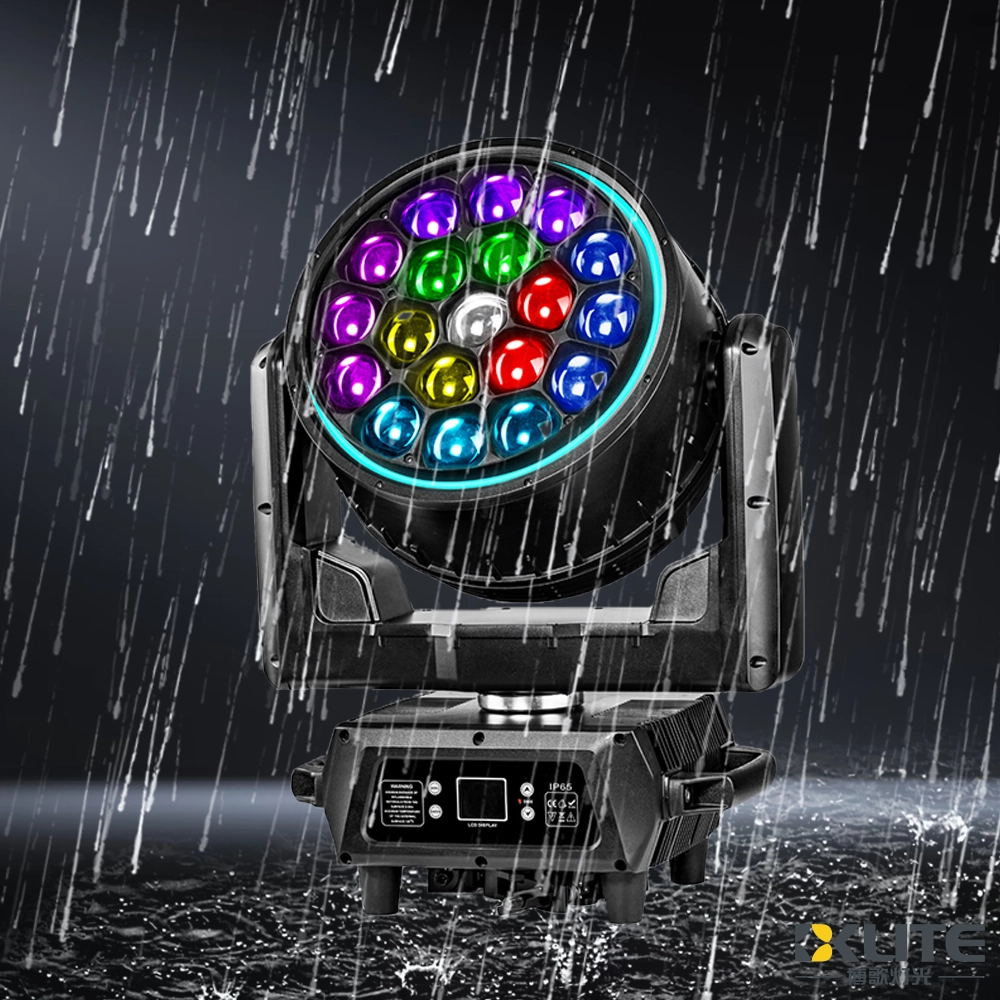
IP65 Waterproof Bee Eye Zoom 19x40W RGBW 4IN1 LED Beam Wash Moving Head Light with LED Ring
BKlite waterproof bee eye moving head light—your reliable choice from top waterproof moving head light manufacturers and suppliers. Ideal for outdoor stage, live event, music festival, this energy-saving fixture ensures powerful, precise illumination for any venue. It delivers powerful, reliable lighting performance in any weather.
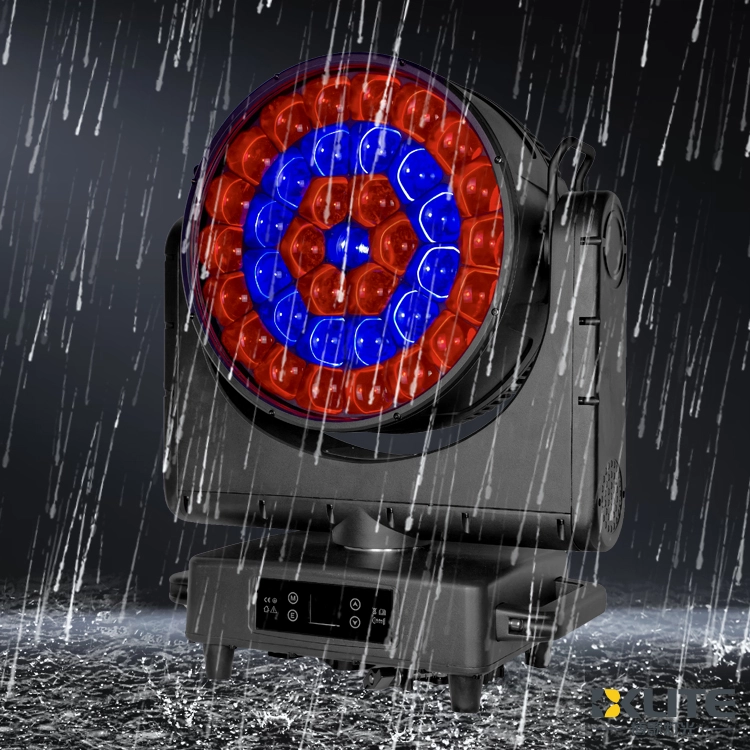
IP65 Waterproof ZOOM Bee Eye 37x40W RGBW 4in1 LED Moving Head Light
As a leading stage lighting equipment supplier with more than 15 years of industry know-how, BKlite brings you the IP65 ZOOM Bee Eye 37*40W RGBW 4in1 LED Moving Head Light (K25 Bee Eye) delivers vibrant, weatherproof lighting with powerful zoom and smooth movement. Ideal for dynamic stage effects, the K25 moving head light ensures stunning RGBW color mixing and reliable outdoor performance.
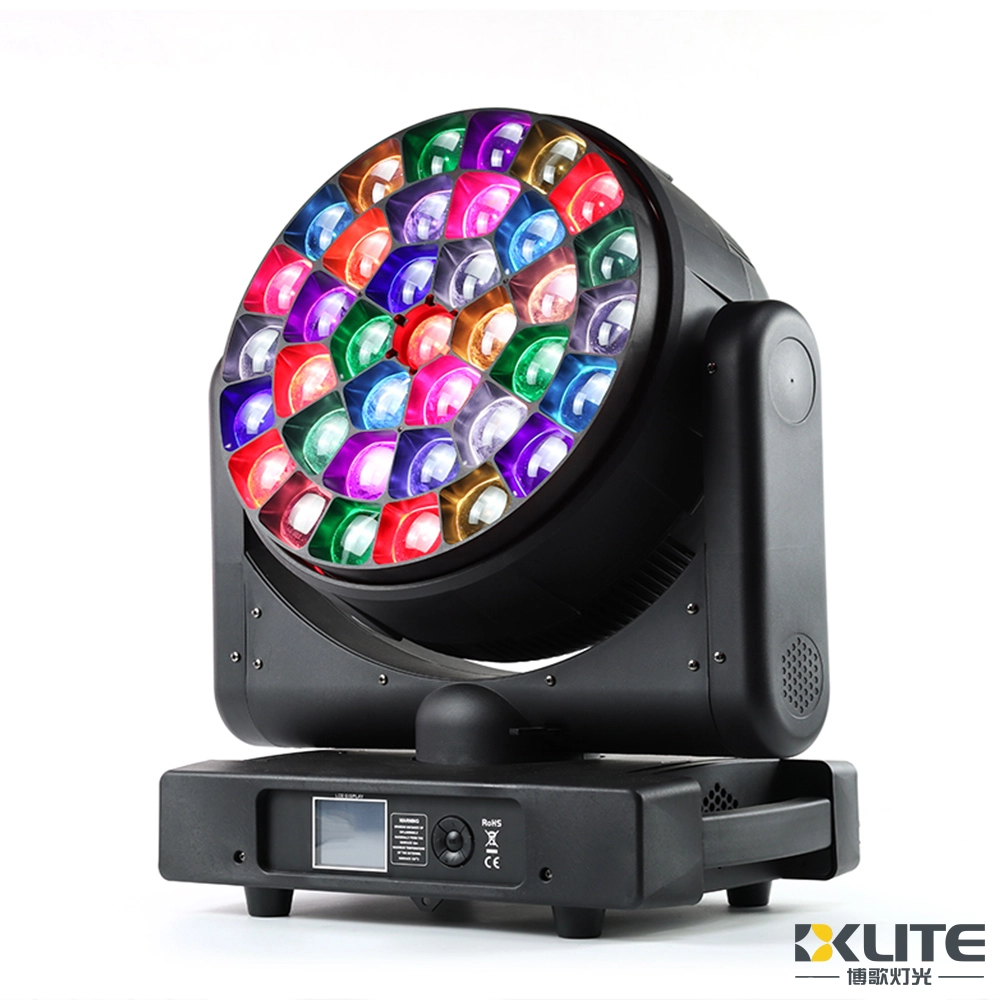
Bee Eye Zoom 37x40W RGBW 4in1 LED Beam Wash Moving Head Light
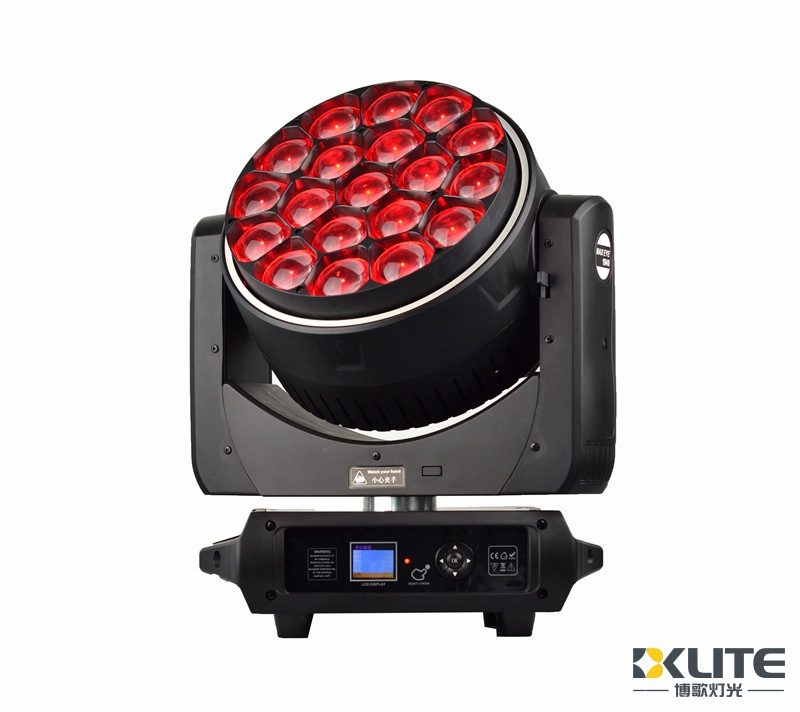
IP20 Bee Eye Zoom 19x40W RGBW 4IN1 LED Beam Wash Moving Head Light with LED Ring
As one of the leading stage lighting equipment suppliers with 15+ years of experience, BKlite launched a new Bee Eye K15 19x40 LED wash light BK-BY1940Z. .
Designed with a simple and sleek appearance, the WASH moving head light is compact, lightweight, and highly portable.
With multiple color effect macros and dynamic effect macros.
Our wash light can be used for versatile lighting options with amazing effect.
It is very good for your lighting projects.
Powerful and shoots very far distances.


Copyright © 2025 BKLITE All Rights Reserved.