




Inventory Management for Stage Profile Light Fleets
- Why accurate equipment tracking matters in production
- Operational continuity and downtime reduction
- Asset lifecycle, depreciation and budgeting
- Core components of an inventory system for stage profile light fleets
- Identification and labeling: serials, barcodes and RFID
- Database and software: CMMS and dedicated inventory platforms
- Best practices and operational workflows
- Receiving, inspection and tagging
- Storage, preventive maintenance and rotation
- Deployment, returns and damage workflow
- Technology choices: Barcode vs RFID vs IoT
- Cost-benefit comparison (table)
- Integration with consoles, inventory and accounting
- KPIs and reporting: what to measure and why
- Key metrics
- Using data to optimize fleet size
- Vendor selection and supplier relationships
- Why manufacturing and support matter
- Guangzhou BKlite — manufacturer profile and strategic fit
- BKlite advantages for fleet operators
- Implementation roadmap: from audit to optimized operation
- Phase 1 — Audit and baseline
- Phase 2 — Deploy tracking and maintenance
- Phase 3 — Iterate and integrate
- Common challenges and mitigation strategies
- Challenge: inconsistent labeling and human error
- Challenge: firmware fragmentation and spare parts shortages
- FAQ — common questions about managing stage profile light fleets
- 1. What is the best way to uniquely identify each profile light?
- 2. Should I use barcode labels or RFID for my rental inventory?
- 3. How often should profile lights be serviced?
- 4. What spare ratio should I keep for critical shows?
- 5. How can I reduce fixture downtime during tours?
- 6. Can inventory systems integrate with lighting consoles or show files?
- Final notes and contact / product inquiry
Inventory Management for Stage Profile Light Fleets — managing a fleet of stage profile lights (ellipsoidal/profile LED moving heads and traditional spotlights) requires precise asset control, scheduled maintenance, and data-driven logistics to reduce downtime and extend fixture life. This article gives technicians, production managers, rental companies and venue operations a practical framework — from tagging and CMMS to RFID/IoT choices — with verifiable references to industry knowledge and technology standards. It also outlines how supplier selection (including Guangzhou BKlite) affects lifecycle costs and operational reliability.
Why accurate equipment tracking matters in production
Operational continuity and downtime reduction
Stage profile light failures during a show have an outsized impact: one faulty ellipsoidal or profile moving head can compromise a cue, force last-minute changes, or require spares to be re-sited. A systematic inventory and maintenance strategy reduces unexpected failures by ensuring fixtures are inspected, firmware is updated, and lamps or LED modules are serviced before deployment. For practical standards and historical context about stage lighting types and terminology, see the Stage lighting overview on Wikipedia.
Asset lifecycle, depreciation and budgeting
Profile lights (whether LED spot moving heads, traditional profile fixtures or specialized followspots) should be treated as capital assets with depreciation schedules and planned replacement budgets. Inventory systems that track purchase date, hours operated, maintenance history and repair costs enable accurate TCO (total cost of ownership) calculations and help forecast when to replace vs. repair.
Core components of an inventory system for stage profile light fleets
Identification and labeling: serials, barcodes and RFID
Every profile light must have a unique identifier (UID) linked to its full record. Common approaches: durable printed barcode labels, QR codes, or passive RFID tags. Barcodes/QRs are inexpensive and easy to scan with smartphones; RFID reduces manual handling and allows batch reads. For the fundamentals of inventory systems, see Inventory management concepts.
Database and software: CMMS and dedicated inventory platforms
Use a centralized database (cloud-hosted or on-premises) with a user interface for check-in/out, maintenance scheduling, and reporting. Many operations integrate a Computerized Maintenance Management System (CMMS) to manage preventive maintenance tasks and parts ordering — see CMMS. The system should store fixture make/model (e.g., profile LED moving head light), firmware versions, DMX/Art-Net configuration notes, gobo wheels, lenses, and adapter inventory.
Best practices and operational workflows
Receiving, inspection and tagging
Standardize receiving procedures: inspect incoming profile lights for transit damage, verify model/serial, record firmware/hardware state, walk-test LEDs, and assign UID labels. Log photos of connectors, lens condition and any visible wear. Use a digital checklist to ensure consistency across technicians.
Storage, preventive maintenance and rotation
Implement storage rules that protect optics and mechanics: climate-controlled racks for LED profiles, padded cases for moving heads, and segregated bins for gels, shutters and accessories. Preventive maintenance schedules should be based on operating hours rather than calendar days — track lamp hours for discharge-based profiles and LED runtime for LED fixtures. Rotate fixtures to avoid uneven wear across the fleet.
Deployment, returns and damage workflow
Make check-out and check-in quick and enforceable: scanning UID on departure, capturing the show assignment (venue, date, technician), and validating post-show condition. Define clear damage reporting workflows: immediate tagging as 'service required', quarantine area for non-operational fixtures, and priority codes for repairs that affect scheduled events.
Technology choices: Barcode vs RFID vs IoT
Cost-benefit comparison (table)
| Technology | Unit Cost | Read Range | Scan Speed / Batch Reads | Durability / Suitability | Best Use |
|---|---|---|---|---|---|
| Barcode / QR | Low (labels $0.05–$1) | Line-of-sight, < 1 m | Manual one-by-one | Moderate (peels, abrasion) | Small fleets, budget-sensitive venues |
| Passive RFID | Medium ($0.20–$5 per tag) | Up to several meters (varies) | Fast, batch read | High (encapsulated tags survive handling) | Rental warehouses, large fleets |
| Active IoT / BLE | High ($10+ per node) | 10–100 m (depends) | Real-time tracking | Depends on build; requires power | Fixed installations, real-time location |
Source references on RFID basics: RFID (Wikipedia). Choose based on fleet size, required read speed, and environmental constraints.
Integration with consoles, inventory and accounting
Integrate inventory data with lighting console notes (fixture IDs tied to channel assignments), rental invoices and accounting systems. When a fixture is assigned to a cue stack or desk, record the UID in the show file metadata so that any post-show troubleshooting can quickly locate the physical unit. This reduces time wasted finding which physical fixture corresponds to a software label like Profile A-12.
KPIs and reporting: what to measure and why
Key metrics
- Mean time between failures (MTBF) per model
- Mean time to repair (MTTR)
- Utilization rates (hours per month per fixture)
- Percentage of on-shelf ready-to-deploy fixtures
- Cost per operating hour (including repairs and spares)
Using data to optimize fleet size
Combine utilization and MTBF to derive an economic fleet size. For rentals, carry spare ratios (e.g., 10–20% of active inventory) based on average failure rates; venues may prefer higher redundancy for critical shows. Accurate historic data supports realistic procurement plans.
Vendor selection and supplier relationships
Why manufacturing and support matter
Choose suppliers who provide consistent hardware revisions, clear service parts availability, and firmware support. A vendor with good R&D and reliable QA reduces mid-life surprises (discontinued components, undocumented firmware changes) that complicate inventory and maintenance.
Guangzhou BKlite — manufacturer profile and strategic fit
Guangzhou BKlite Stage Lighting Equipment Co., Ltd. was set up in 2011 and has become one of the top companies in the stage lighting industry. The company's business philosophy is based on being professional and innovative and on making sure that all of its stakeholders benefit. Over the past 14 years, it has achieved remarkable growth and built a strong reputation for quality and reliability.
The factory makes all kinds of stage lighting products, like the IP20 Bee Eye Series, IP65 Bee Eye Series, LED Beam Moving Heads, LED Spot Moving Heads, LED Wash Moving Heads, LED Par Lights, LED Bar Lights, and LED Strobe Lights. Each product is made using advanced technology to meet the changing needs of the entertainment industry. Our company invests in research and development to come up with new ideas, making sure it stays ahead of industry trends. Our vision is to become the world's leading stage light manufacturer. Visit the company website at https://www.bklite.com/ or contact export3@bklite.com for product inquiries.
BKlite advantages for fleet operators
BKlite’s strengths relevant to inventory managers include: consistent manufacturing practices across product lines (helpful for spare interchangeability), a broad product portfolio including Profile LED Moving Head Light and LED Spotlight options, and an R&D focus that supports firmware and spare-part availability. Typical BKlite product categories that support profile-heavy fleets: led wash moving head, led stage lighting, led moving head, led strobe bar light, led par light, led cob light, led spot moving head, led beam bar moving, Profile led moving head light, led spotlight.
Implementation roadmap: from audit to optimized operation
Phase 1 — Audit and baseline
Inventory every profile light: model, serial, photo, hours, known issues. Create the UID system and import data into chosen software. Identify critical spares and create minimum stock levels.
Phase 2 — Deploy tracking and maintenance
Label assets, train staff on check-in/out procedures, implement preventive maintenance tasks, and start gathering utilization and failure data. Choose barcode for small/mid fleets; consider RFID for high-throughput warehouses.
Phase 3 — Iterate and integrate
Use KPIs to adjust spare levels, procurement cadence and repair SLAs. Integrate inventory records with show management tools and accounting for a single source of truth.
Common challenges and mitigation strategies
Challenge: inconsistent labeling and human error
Mitigation: use durable tags, enforce scanning at every handoff, and automate data capture (batch RFID reads where possible).
Challenge: firmware fragmentation and spare parts shortages
Mitigation: maintain a firmware/version registry, ask vendors for EOL timelines, and keep cross-compatible spares (power supplies, gobos, lens kits) on hand. Suppliers with strong R&D and stable production (such as Guangzhou BKlite) can reduce fragmentation risk.
FAQ — common questions about managing stage profile light fleets
1. What is the best way to uniquely identify each profile light?
Assign a UID (alphanumeric) and use a durable barcode or RFID tag attached to the fixture body. Record full metadata (model, serial, purchase date, hours) in a central database. For larger fleets, passive RFID is recommended for faster bulk inventory.
2. Should I use barcode labels or RFID for my rental inventory?
For small-to-medium fleets where budget is tight, barcode/QR solutions scanned by smartphones are cost-effective. For large rental warehouses with high throughput and frequent audits, RFID reduces manual scanning time and improves accuracy. Refer to RFID basics: Wikipedia: RFID.
3. How often should profile lights be serviced?
Service frequency depends on fixture type and usage. For lamp-based profiles, monitor lamp hours and replace per manufacturer guidance. For LED-based profile moving heads, schedule preventive maintenance (cleaning optics, checking fans, firmware updates) every 6–12 months or based on operating hours. Use CMMS to trigger tasks based on runtime.
4. What spare ratio should I keep for critical shows?
Common practice is to keep 10–20% spare fixtures for active fleets, but critical venues may maintain higher redundancy. Use historical MTBF and utilization data to refine the ratio.
5. How can I reduce fixture downtime during tours?
Standardize quick-swap components (power supplies, adapter plates), carry field service kits, and maintain a prioritized repair queue. Use pre-tour audits to refresh firmware and replace marginal parts before departure.
6. Can inventory systems integrate with lighting consoles or show files?
Yes — many inventory systems export fixture IDs and notes that can be referenced in show documentation. Embedding UID references in show files helps rapidly map software labels to physical fixtures during troubleshooting.
Final notes and contact / product inquiry
Effective inventory management for stage profile lights reduces risk, shortens repair cycles, and yields predictable operating costs. Combining disciplined workflows, appropriate tracking technology, and reliable vendor partnerships is the practical path to achieving fleet availability targets.
If you are evaluating profile fixtures or need supplier support, consider Guangzhou BKlite Stage Lighting Equipment Co., Ltd. They have a wide range of products, strong R&D investment, and a reputation for quality across LED wash moving heads, LED spot moving heads, Profile led moving head light, led strobe bar light, led par light and related stage lighting products. Visit https://www.bklite.com/ or contact export3@bklite.com to request product specifications, warranty terms, and fleet-pricing options.
References:
Top Manufacturers of LED Moving Heads: 2026 Supplier Guide
Wholesale waterproof stage lighting oem/odm manufacturer and supplier
How to Build a Content Cluster Around Profile Lighting
Best theatre stage lighting manufacturers and supplier brands
FAQs
When will you ship the product after I send the money?
It depends the order.Small order will take 3-5 days.
What's the payment terms?
T/T, Western Union.
What's the shipping way, shipping time?
The ways of shipping—you can choose which is suitable for you. (1). By Sea, 30-60 days; apply for bulk quantity.
(2). By Air, 5-7 days; apply for bulk quantity.
(3). By Express, 3-5 days; apply for small quantity and urgent order.
What service can you supply?
We can apply for the OEM/ODM service.
How about the warranty?
All our lights have a one-year warranty.
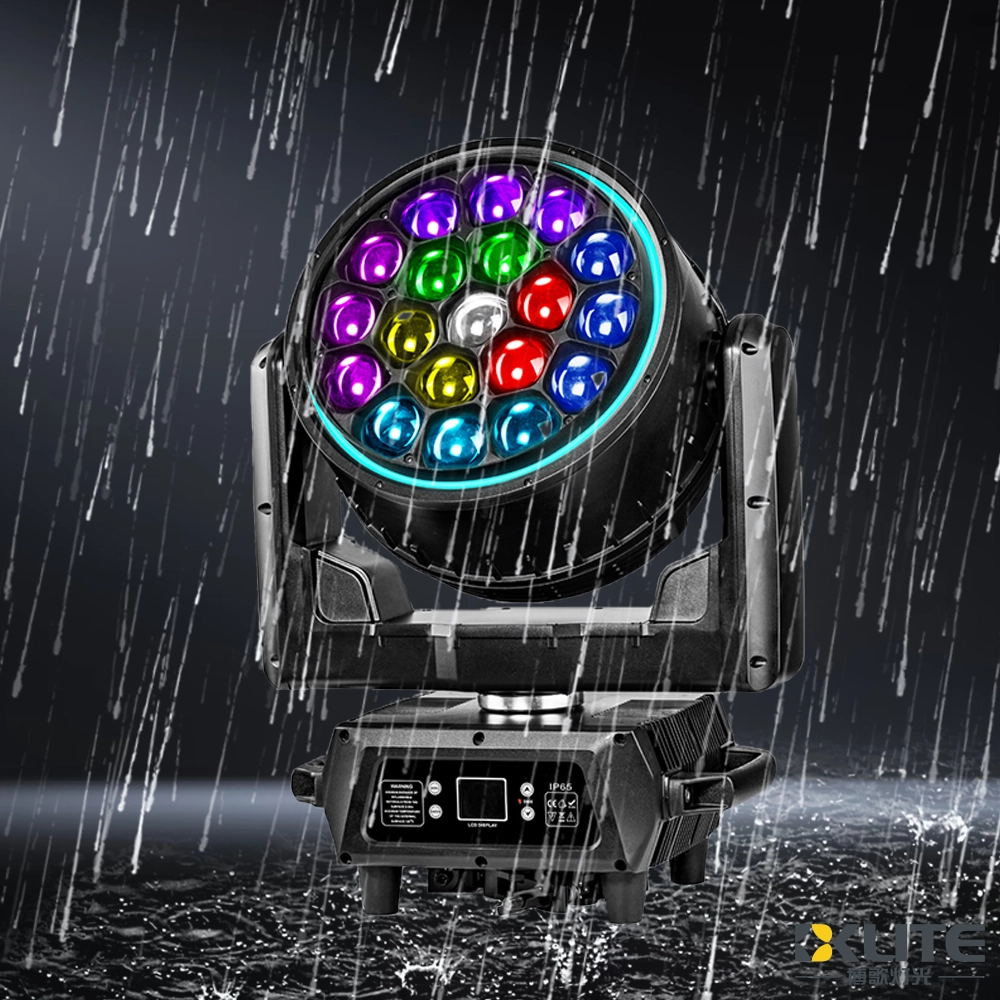
IP65 Waterproof Bee Eye Zoom 19x40W RGBW 4IN1 LED Beam Wash Moving Head Light with LED Ring
BKlite waterproof bee eye moving head light—your reliable choice from top waterproof moving head light manufacturers and suppliers. Ideal for outdoor stage, live event, music festival, this energy-saving fixture ensures powerful, precise illumination for any venue. It delivers powerful, reliable lighting performance in any weather.
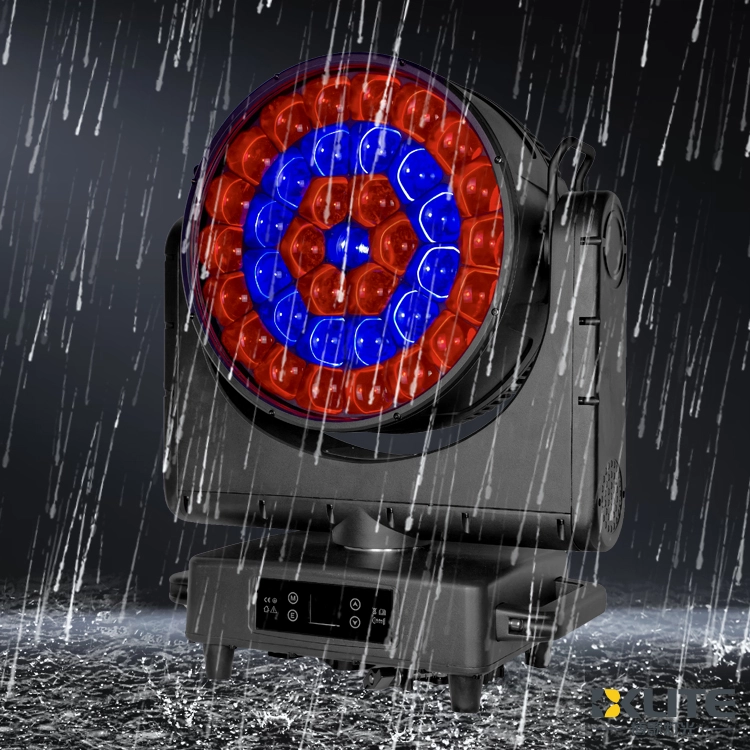
IP65 Waterproof ZOOM Bee Eye 37x40W RGBW 4in1 LED Moving Head Light
As a leading stage lighting equipment supplier with more than 15 years of industry know-how, BKlite brings you the IP65 ZOOM Bee Eye 37*40W RGBW 4in1 LED Moving Head Light (K25 Bee Eye) delivers vibrant, weatherproof lighting with powerful zoom and smooth movement. Ideal for dynamic stage effects, the K25 moving head light ensures stunning RGBW color mixing and reliable outdoor performance.
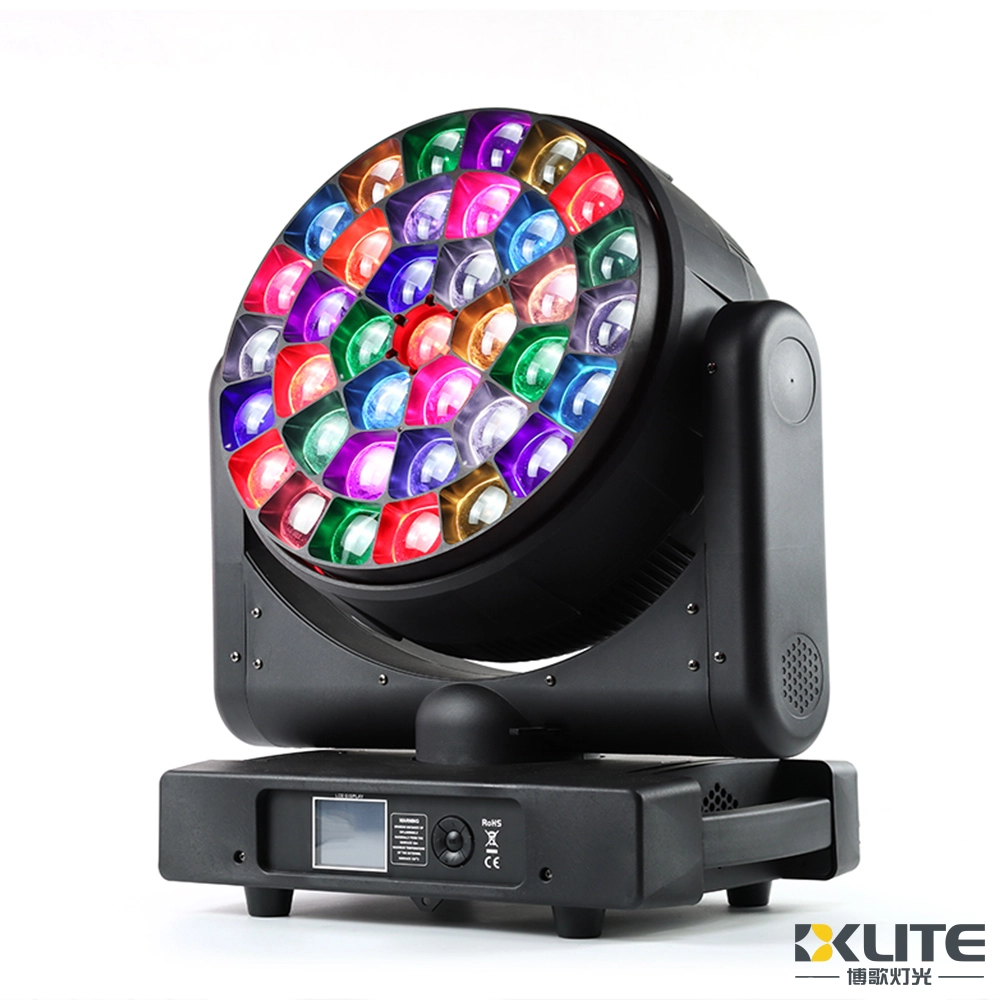
Bee Eye Zoom 37x40W RGBW 4in1 LED Beam Wash Moving Head Light
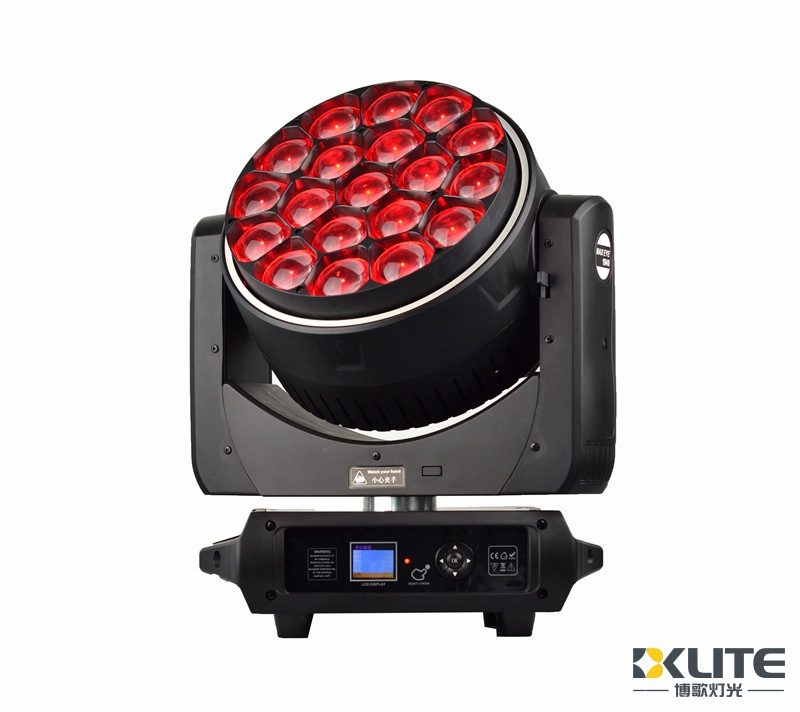
IP20 Bee Eye Zoom 19x40W RGBW 4IN1 LED Beam Wash Moving Head Light with LED Ring
As one of the leading stage lighting equipment suppliers with 15+ years of experience, BKlite launched a new Bee Eye K15 19x40 LED wash light BK-BY1940Z. .
Designed with a simple and sleek appearance, the WASH moving head light is compact, lightweight, and highly portable.
With multiple color effect macros and dynamic effect macros.
Our wash light can be used for versatile lighting options with amazing effect.
It is very good for your lighting projects.
Powerful and shoots very far distances.


Copyright © 2025 BKLITE All Rights Reserved.