



IP Rating and Durability for Touring Stage Profile Lights
- Touring Environments: Challenges for Lighting
- Common hazards on tour
- Why profile lights are vulnerable
- IP Ratings: What They Mean for Stage Profile Lights
- Decoding the IP Code
- Real-world implications for touring
- Durability Beyond IP: Mechanical and Electrical Considerations
- Materials, sealing and mechanical design
- Electrical robustness and thermal management
- Specifying and Testing Profile Lights for Tour Use
- Test standards and third-party certifications
- Maintenance, packing and on-tour practices
- Choosing a Manufacturer: Why Guangzhou BKlite
- Company profile and product range
- BKlite competitive advantages and technical strengths
- Practical Specification Checklist for Touring Stage Profile Light Purchases
- What to request in a specification sheet
- On acceptance testing
- FAQs
- 1. What IP rating do I need for a stage profile light used at outdoor festivals?
- 2. Does IP65 mean a light can be left in the rain continuously?
- 3. How does a sealed (IP65) design affect LED cooling and lifetime?
- 4. Can I convert an IP20 profile light to IP65 with field modifications?
- 5. What maintenance routine preserves touring fixtures best?
- 6. How important is IK impact rating for touring lights?
- Contact & Call to Action
- References
Touring Environments: Challenges for Lighting
Common hazards on tour
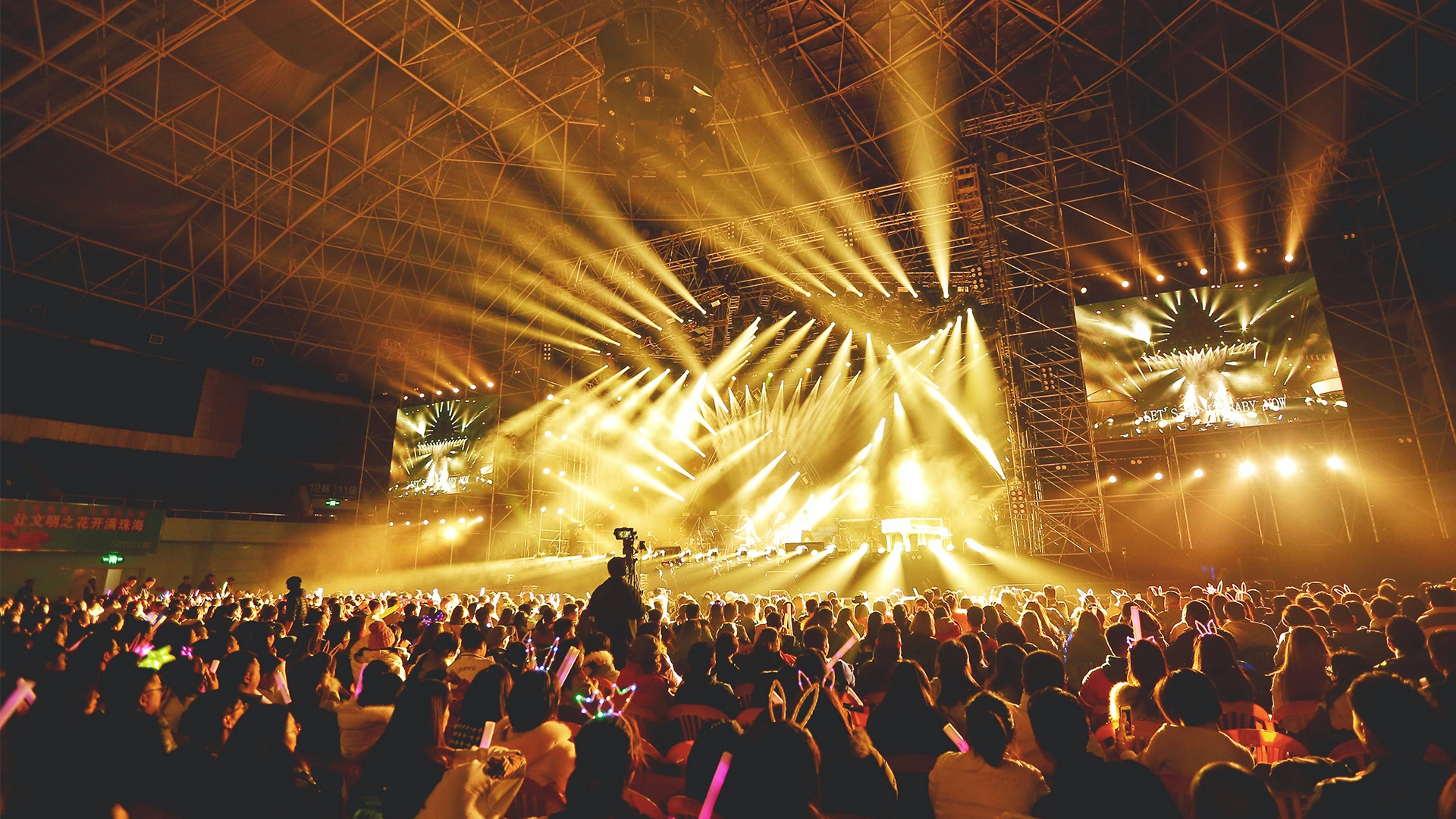
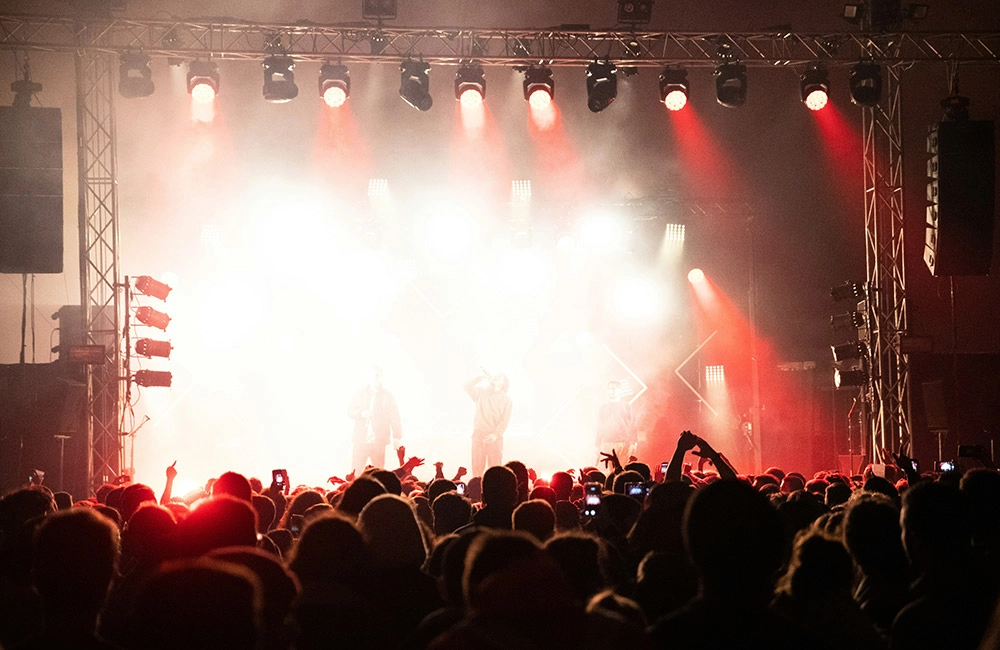
Touring environments place stage lighting under repeated stress from transportation, rapid rigging cycles, varying weather and high usage hours. A stage profile light—used for shaping beams and sharp edge projection—faces vibration during truck transit, rain or dust when outdoor, temperature swings between load-in and performance, and accidental impacts during load-in/out. These hazards directly affect optics, electronics and mechanical moving parts.
Why profile lights are vulnerable
Profile fixtures combine precise optics, moving shutters or framing systems, and sensitive electronics. Unlike generic wash lights, a stage profile light requires stable optical alignment and tight mechanical tolerances to preserve beam quality. Small ingress of dust or water can fog optics, abrade moving parts, or short internal electronics; shock and vibration can misalign lenses or damage gearbox components. For touring, these vulnerabilities require specification beyond light output alone—durability and protection ratings are equally critical.
IP Ratings: What They Mean for Stage Profile Lights
Decoding the IP Code
Ingress Protection (IP) ratings are the industry shorthand for how well an enclosure resists solids and liquids. The code consists of two digits: the first (0–6) for solids (e.g., dust) and the second (0–9K) for liquids (e.g., water jets). For touring profile fixtures the common minimums are IP20 for controlled indoor venues and IP44–IP65 for outdoor or exposed use. Understanding the exact meaning of each digit helps you translate an IP number into operational decisions.
Real-world implications for touring
Choosing the correct IP rating depends on where and how the fixture will be used. IP20 is typical for indoor, dry venues—instruments remain safe in theaters and arenas. For festival stages, touring trucks that unload in rain, or venues with dusty outdoor sites, IP65 or higher is preferable because it provides dust-tight protection and strong water jet resistance (or higher). However, a higher IP rating often involves trade-offs: sealed housings can limit serviceability and thermal dissipation unless the fixture design compensates with proper heatsinking and forced cooling.
| IP Code | Solid Particle Protection (1st digit) | Liquid Ingress Protection (2nd digit) |
|---|---|---|
| IP20 | Protection from fingers & solid objects >12 mm | Not protected against water |
| IP44 | Protected against solid objects >1 mm (wires, screws) | Protected against splashing water from any direction |
| IP65 | Dust tight | Protected against water jets |
| IP66 | Dust tight | Protected against powerful water jets |
| IP67 | Dust tight | Protected against immersion up to 1 m |
Source: IP Code definitions (see References).
Durability Beyond IP: Mechanical and Electrical Considerations
Materials, sealing and mechanical design
IP is only one dimension of durability. For touring fixtures you should evaluate mechanical design: housing materials (aluminum alloy vs plastic), finish treatments (anodizing, powder coat), reinforced mounting points, and shock-rated internal mounts for PCBs and optics. Seals and gaskets protect against ingress but must resist repeated compression cycles; choose elastomers rated for UV and temperature cycles. Hinges, latches and cobbled rigging points should be metal and replaceable, and any external glass or polycarbonate should be impact-resistant or protected by a replaceable cover.
Electrical robustness and thermal management
LEDs and drivers degrade with heat and moisture. Effective thermal paths (massive heatsinks, thermal interface materials, and airflow channels) are critical—sealed designs often require conduction cooling to avoid trapping heat. Electrical connectors should be locking, water-resistant (e.g., IP67-rated power/data connectors for outdoor runs), and use standard touring interfaces where possible (true DMX/RDM over robust cabling, Neutrik XLR or rugged RJ45 variants). Conformal coating on PCBs can mitigate condensation-corrosion risk in humid environments.
| Durability Element | Touring Best Practice | Why it matters |
|---|---|---|
| Housing material | Die-cast or extruded aluminum with powder coat/anodize | Strength, heat dissipation and corrosion resistance |
| Seals & gaskets | EPDM/silicone rated for UV and -40 to +100°C | Maintain IP rating across repeated use |
| Connectors | IP67 locking power/data connectors | Prevent accidental disconnects and moisture ingress |
| Optics | Tempered glass or coated polycarbonate with replaceable lens | Impact resistance and serviceability |
| Cooling | Conduction cooling with external fins or sealed heatpipe solutions | Maintain LED life in sealed enclosures |
Specifying and Testing Profile Lights for Tour Use
Test standards and third-party certifications
When specifying fixtures ask for independent test reports for IP/IK ratings and thermal cycling. The IEC 60529 standard defines IP testing procedures; look for test reports that show the test conditions and acceptance criteria rather than only the manufacturer-stated rating. For impact resistance, IK ratings (IEC 62262) are relevant. Third-party labs or certification marks (e.g., TÜV, Intertek/ETL, CE marking for EU) add credibility. For outdoor electrical safety, ensure compliance with local regulations—e.g., CE/LVD for Europe or UL/CSA listings for North America where applicable.
Maintenance, packing and on-tour practices
Design for serviceability: fixtures with replaceable lenses, gaskets and fans reduce long-term cost of ownership. Guidance for touring teams should include packing best practices (flight cases with foam supports, vibration-damping), routine checks (visual for seal integrity, connector testing, cleaning optics with approved agents), and a spare-parts kit (gaskets, lens covers, key bearings, DMX/power connectors). Environmental monitoring—tracking temperature and humidity inside cases and venue storage—helps preempt failures. Finally, build a contract rider specifying the minimum onsite protection (e.g., roof over front-of-house, covered load zones) to help maintain fixture longevity.
Choosing a Manufacturer: Why Guangzhou BKlite
Company profile and product range
Guangzhou BKlite Stage Lighting Equipment Co., Ltd. was set up in 2011 and has become one of the top companies in the stage lighting industry. The company's business philosophy is based on being professional and innovative and on making sure that all of its stakeholders benefit. Over the past 14 years, it has achieved remarkable growth and built a strong reputation for quality and reliability. The factory makes all kinds of stage lighting products, like the IP20 Bee Eye Series, IP65 Bee Eye Series, LED Beam Moving Heads, LED Spot Moving Heads, LED Wash Moving Heads, LED Par Lights, LED Bar Lights, and LED Strobe Lights. Each product is made using advanced technology to meet the changing needs of the entertainment industry. Our company invests in research and development to come up with new ideas, making sure it stays ahead of industry trends. Our vision is to become the world's leading stage light manufacturer. Our website is https://www.bklite.com/.
BKlite competitive advantages and technical strengths
BKlite positions itself to serve touring and rental markets by offering both IP20 and IP65 variants (important when needing weather-resistant stage profile light solutions). Key competitive points include:
- Product breadth—range includes led wash moving head, led stage lighting, led moving head, led strobe bar light, led par light, led cob light, led spot moving head, led beam bar moving, Profile led moving head light, and led spotlight.
- R&D focus—continuous development for sealed optics and thermal designs to preserve LED life even in IP65 housings.
- Manufacturing scale—factory integration for consistent quality control and faster spare-part availability.
- Industry reputation—over a decade of deliveries to rental houses and venues builds real-world feedback loops that drive iterative product improvements.
For tour buyers, these strengths translate to practical benefits: available IP-rated options, reliable supply chains for spares, and fixtures designed with the rigors of touring in mind.
Practical Specification Checklist for Touring Stage Profile Light Purchases
What to request in a specification sheet
When procuring profile fixtures for tours or rental fleets, request the following from vendors:
- Exact IP and IK ratings and certified test reports
- Thermal performance data (Tc point temps, expected lumen maintenance at specified ambient temps)
- Serviceability details (which parts are replaceable in the field)
- Connector types and cable options for IP-rated power/Data connections
- Warranty terms including conditions for touring use
On acceptance testing
On delivery, perform acceptance tests that include: power-up cycles, optical alignment checks, ingress checks (visual gasket inspection), connector mating tests, and a short soak in expected operating ambient for thermal verification. If fixtures are IP-rated for outdoor use, check for proper sealing after initial runs and retest seals periodically.
FAQs
1. What IP rating do I need for a stage profile light used at outdoor festivals?
For outdoor festivals where rain and dust are likely, IP65 is a common minimum because it is dust-tight and resists water jets. For fixtures that may be exposed to immersion or very high-pressure washdown, consider IP67 or higher, but keep in mind sealed units require careful thermal design.
2. Does IP65 mean a light can be left in the rain continuously?
IP65 indicates protection from water jets and is robust for rain, but continuous exposure or immersion (e.g., fixtures left in puddles or submerged) requires higher IP tests like IP67. Also consider corrosion from salt air and ensure materials are corrosion-resistant for coastal venues.
3. How does a sealed (IP65) design affect LED cooling and lifetime?
Sealed housings reduce convective cooling. To maintain LED lifetime manufacturers use conduction cooling (heat pipes, massive heatsinks) or internal heat transfer to external fins. Verify manufacturer thermal data and lumen maintenance curves for the specified ambient temperature.
4. Can I convert an IP20 profile light to IP65 with field modifications?
Field conversions are risky and usually ineffective—IP sealing requires integrated design, gasketed interfaces, sealed cable glands, and thermal management engineering. It's better to purchase a factory-designed IP65 model to ensure certified protection.
5. What maintenance routine preserves touring fixtures best?
Recommended routine: visual inspection of gaskets and seals at each load-in; clean optics with approved agents weekly or as needed; check locking connectors and strain reliefs; monitor fixture internal temps after long runs; keep spare gaskets, lenses and connectors on tour.
6. How important is IK impact rating for touring lights?
Quite important—IK ratings measure resistance to mechanical impact. Touring fixtures encounter knocks and drops; a higher IK rating reduces risk of cracked housings and broken optics. Combine IK and IP considerations when specifying for venues with heavy handling or outdoor environments.
For more product details or to discuss fleet specification, contact Guangzhou BKlite’s sales team or view their product catalog at https://www.bklite.com/ — they offer IP20 and IP65 series, touring-oriented design features, and spare part support for rental and production buyers.
Contact & Call to Action
If you are specifying stage profile light fixtures for touring, rental stock or outdoor events and would like personalized guidance, contact Guangzhou BKlite Stage Lighting Equipment Co., Ltd. to request technical data sheets, IP/IK test reports, and pricing for volume orders. Visit https://www.bklite.com/ or email their sales team through the website to arrange demos and factory inspection visits.
References
- IP Code - Wikipedia. https://en.wikipedia.org/wiki/IP_Code (accessed 2026-01-05)
- IEC 60529 – Degrees of protection provided by enclosures (IP Code). https://www.iec.ch (publication page for IEC 60529) (accessed 2026-01-05)
- IK Code - Wikipedia (Impact protection rating). https://en.wikipedia.org/wiki/IK_Code (accessed 2026-01-05)
- Guangzhou BKlite Stage Lighting Equipment Co., Ltd. Official Website. https://www.bklite.com/ (accessed 2026-01-05)
Training Technicians to Operate Stage Profile Fixtures
Bulk Purchasing Strategies for LED Strobe Lights
Top 10 beam moving head light Manufacturers and Supplier Brands
How to Choose LED Lights with Strobe for Concerts
FAQs
If the products broken during the warranty, what should i do?
If there is a problem with the products, you describe it and send pictures or videos to us to analyze, and then we will guide you on how to fix it and provide spare parts for free if needed.
What is your delivery time?
For stock products, we will deliver to you within 3 days.
What service can you supply?
We can apply for the OEM/ODM service.
What's the payment terms?
T/T, Western Union.
What's your certificates?
ROHS and CE certificates passed.
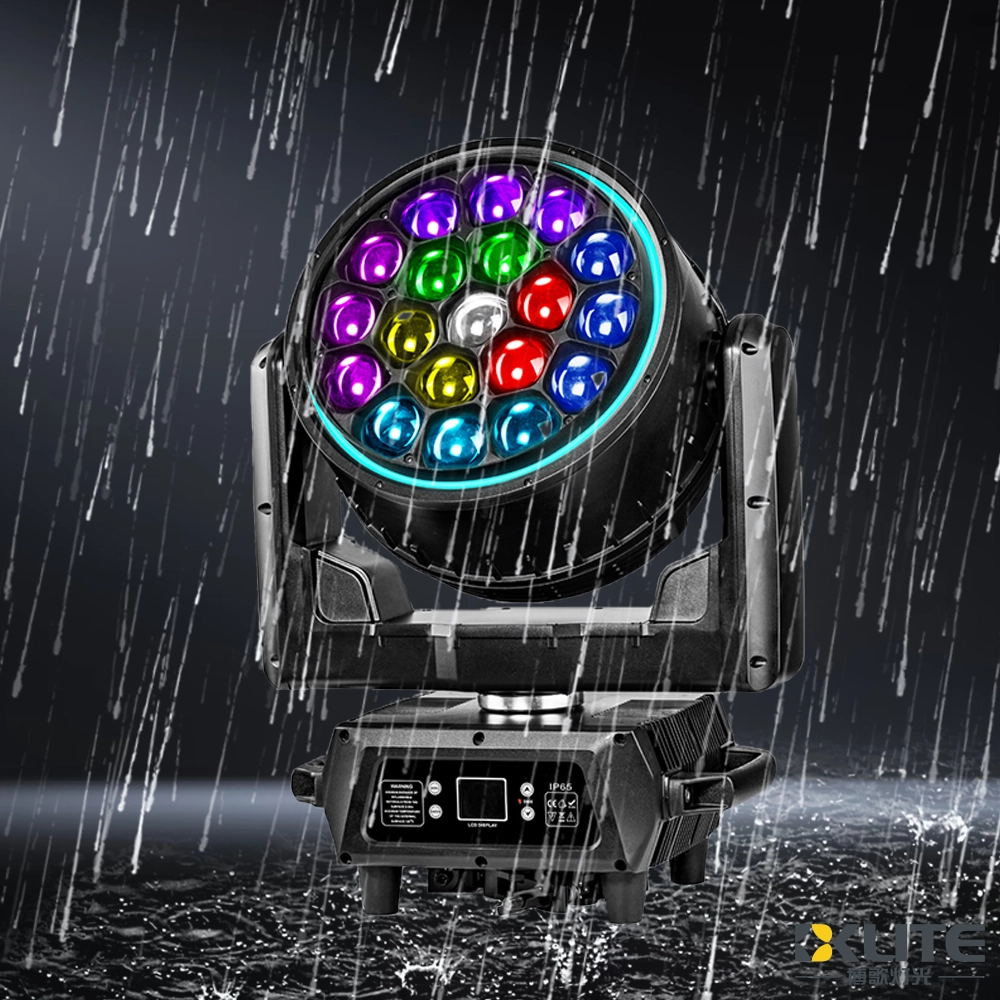
IP65 Waterproof Bee Eye Zoom 19x40W RGBW 4IN1 LED Beam Wash Moving Head Light with LED Ring
BKlite waterproof bee eye moving head light—your reliable choice from top waterproof moving head light manufacturers and suppliers. Ideal for outdoor stage, live event, music festival, this energy-saving fixture ensures powerful, precise illumination for any venue. It delivers powerful, reliable lighting performance in any weather.
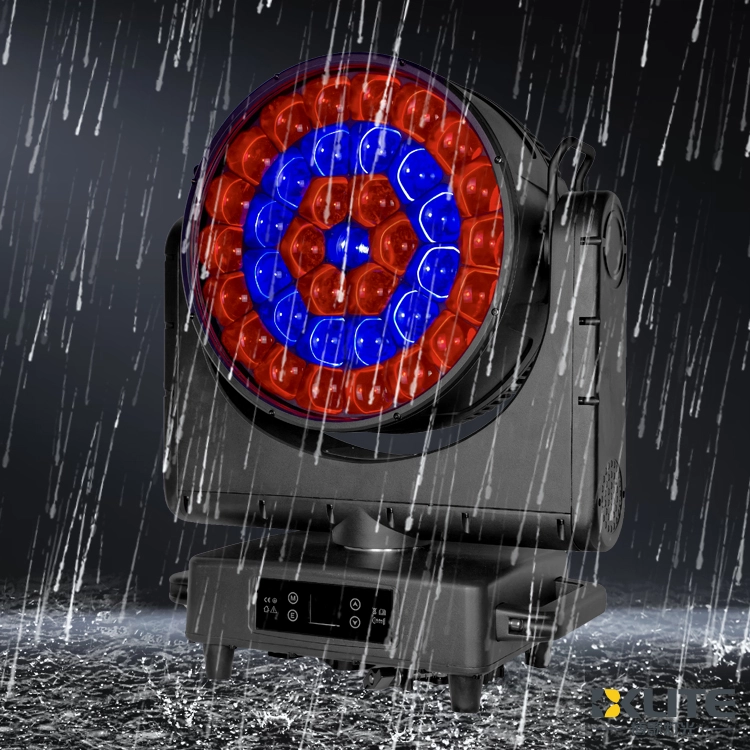
IP65 Waterproof ZOOM Bee Eye 37x40W RGBW 4in1 LED Moving Head Light
As a leading stage lighting equipment supplier with more than 15 years of industry know-how, BKlite brings you the IP65 ZOOM Bee Eye 37*40W RGBW 4in1 LED Moving Head Light (K25 Bee Eye) delivers vibrant, weatherproof lighting with powerful zoom and smooth movement. Ideal for dynamic stage effects, the K25 moving head light ensures stunning RGBW color mixing and reliable outdoor performance.
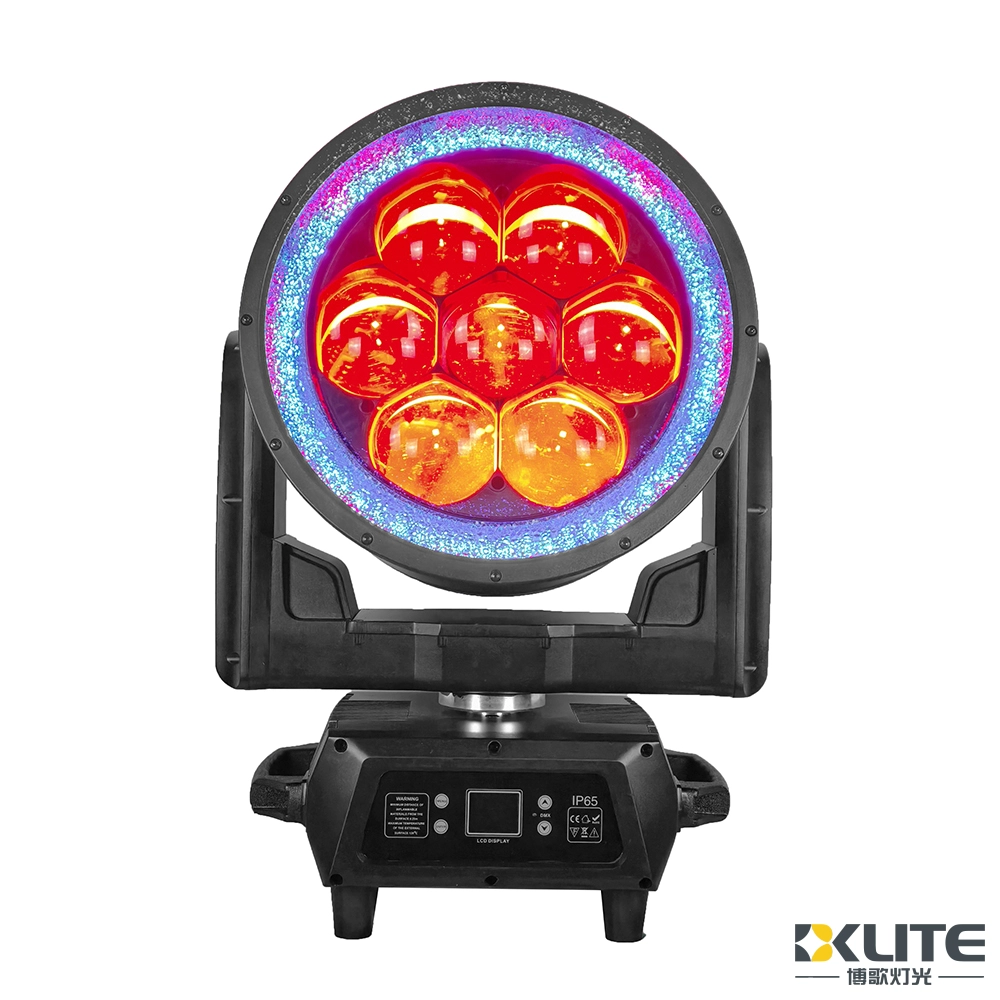
IP65 Waterproof Bee Eye 7x180W RGBL 4IN1 LED Moving Head Light With LED Ring
BKlite high power 7x180W waterproof bee eye moving head light—your reliable choice from top waterproof moving head light manufacturers and suppliers. Ideal for outdoor stage, live event, music festival, this energy-saving fixture ensures powerful, precise illumination for any venue. It delivers powerful, reliable lighting performance in any weather.
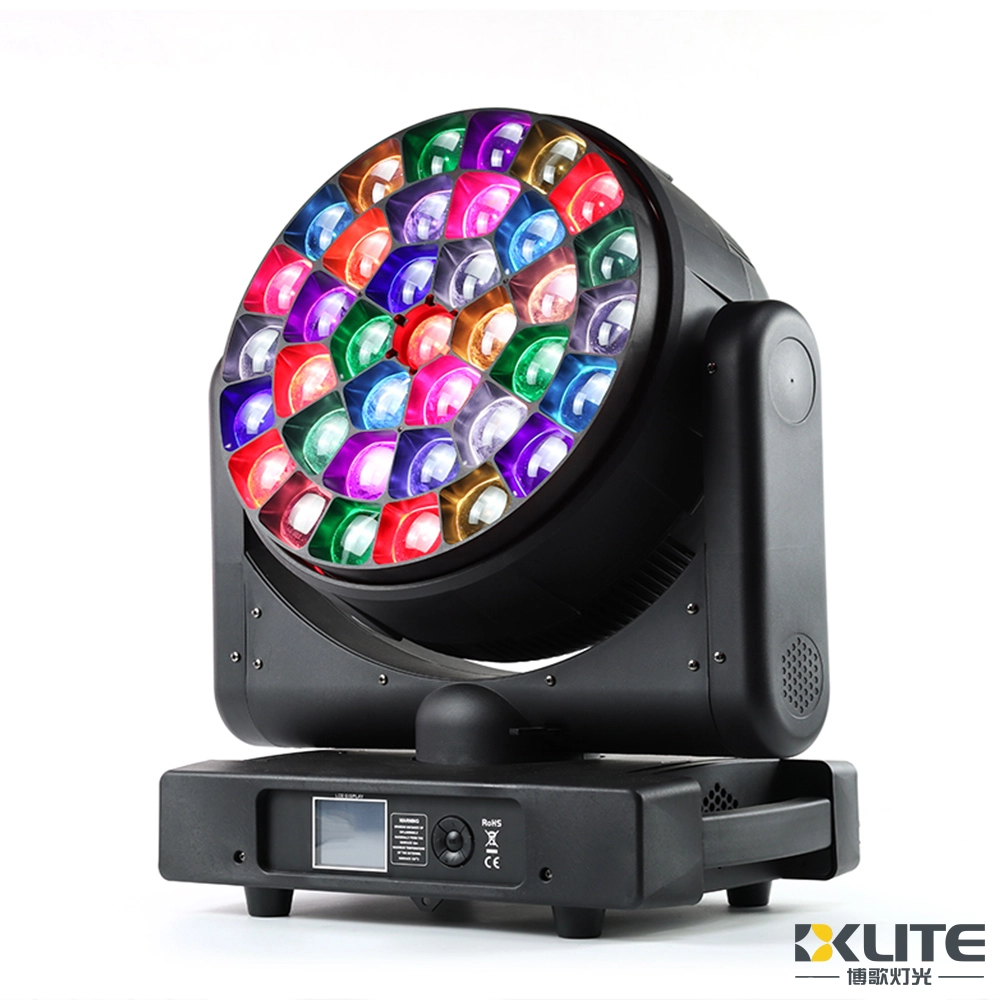
Bee Eye Zoom 37x40W RGBW 4in1 LED Beam Wash Moving Head Light


Copyright © 2025 BKLITE All Rights Reserved.