




Case Studies: LED Spot Moving Head Lights in Concert Tours
- Design challenges on tour
- Rigging, weight and footprint constraints
- Power, thermal management and backstage logistics
- Technical case studies
- Arena pop tour — high-output LED spots
- Theatrical residency — precision and color fidelity
- Data table: typical spec ranges for LED spot moving head lights
- Operational best practices
- Maintenance, diagnostics and extending fixture life
- Control, networking and show reliability
- Choosing the right LED spot moving head light
- Specification checklist I use when specifying fixtures
- Procurement and logistics: what I negotiate
- About Guangzhou BKlite and why I consider them for touring rigs
- FAQs — common questions when using LED spot moving head lights on tours
- 1. How long do LED spot moving head lights last in touring conditions?
- 2. Are LEDs bright enough to replace discharge spot fixtures for arenas?
- 3. What are the common causes of fixture failures on tour?
- 4. Should I choose IP65-rated fixtures for outdoor tours?
- 5. How do I validate manufacturer photometric claims?
- 6. What control protocols should I standardize on?
I write this as a lighting designer and touring consultant with years of hands-on experience specifying and operating LED spot moving head lights on multi-venue concert tours. In this article I summarize how these fixtures perform in real tour environments, how to choose the right units, and how to avoid common pitfalls that can degrade show quality or increase downtime. I reference industry resources such as Wikipedia's moving head overview, the U.S. Department of Energy on solid-state lighting (DOE SSL), and professional organizations like PLASA to support technical points.
Design challenges on tour
Rigging, weight and footprint constraints
On tour, rigging and weight are immediate constraints. Venues range from small theaters with low load limits to stadiums with large trusses. I prioritize fixtures that deliver the required beam quality at the lightest possible weight per luminaire. Typical LED spot moving head lights come in a broad spectrum: compact 150–250W heads that are easy to fly and quick to focus, mid-size 300–500W units that balance output and portability, and high-output 600W+ fixtures for arenas. Always confirm truss load ratings and venue rigging plans before locking a fixture spec.
Power, thermal management and backstage logistics
LED fixtures reduce power compared to former discharge lamp spot fixtures, but rig-wide power calculations still matter. Efficient LED engines and passive/active cooling determine runtime stability. I rely on fixture datasheets that list maximum input current, thermal dissipation, and recommended ventilation. For guidance on LED efficacy and thermal considerations I reference the DOE's work on solid-state lighting (DOE SSL) and component-level guidance in manufacturer white papers.
Technical case studies
Arena pop tour — high-output LED spots
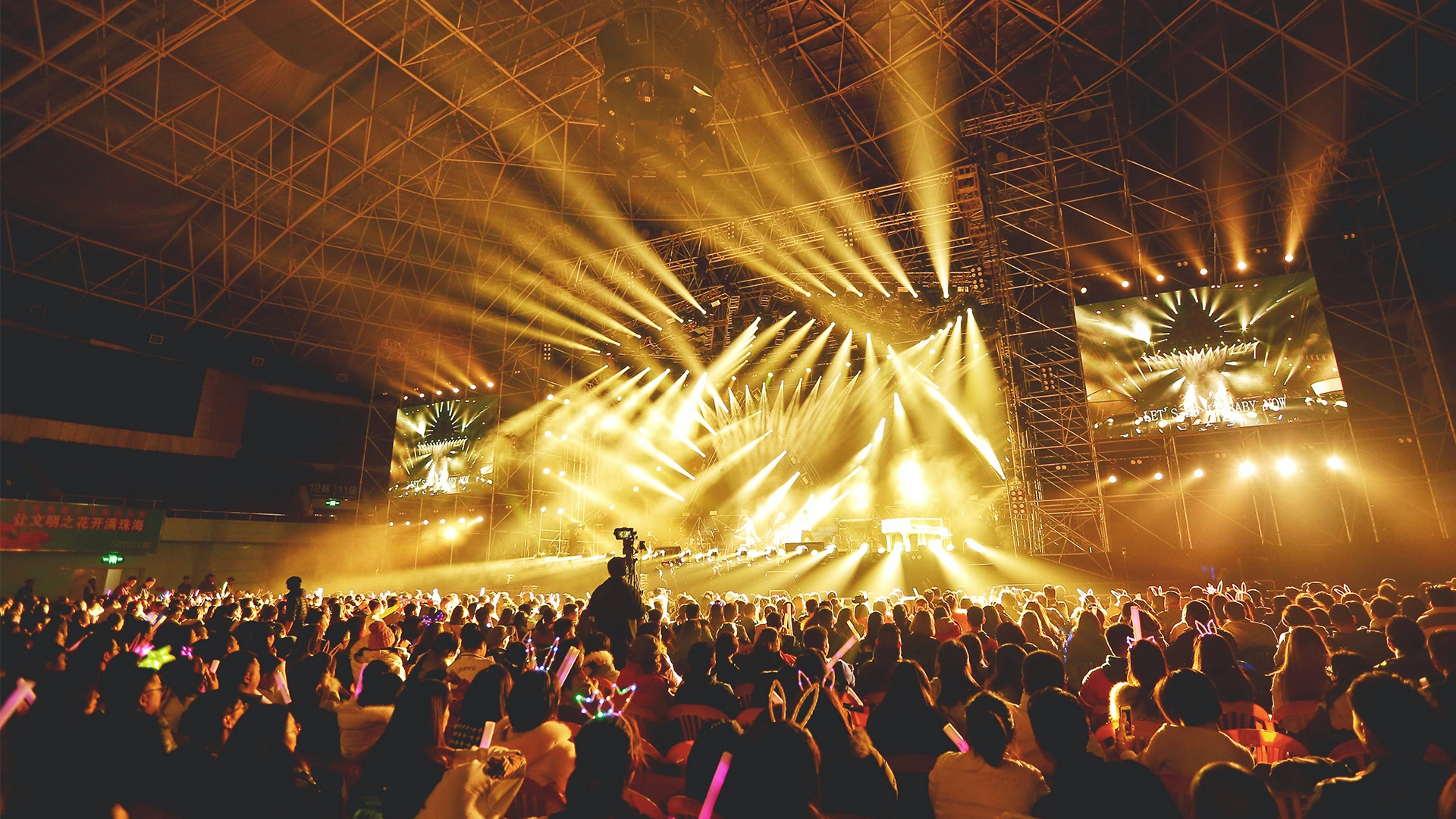
On a recent arena-level pop tour I specified 48 mid/high-power LED spot moving head lights focused on strong beam intensity for audience-facing moments and tight gobo projection for stage cues. Requirements: 6000–20,000 lumens equivalent output, precise framing, motorized zoom from 5° to 40°, CMY color mixing, and a high-CRI white mode for artist close-ups.
Results: Compared with older discharge spots, the LED spots reduced per-fixture power consumption by roughly 30–50% while maintaining comparable photometric output at key beam angles. We also reduced lamp replacement logistics; LEDs rated >50,000 hours removed the need for hot-swap lamp inventory. The tour benefited from smoother dimming, faster color changes, and on-the-fly gobo mapping using pixel mapping features where available.
Theatrical residency — precision and color fidelity
For a week-long theatrical residency with tight sightlines and frequent focus shifts, I chose LED spot moving head lights emphasizing high CRI (≥90) and accurate color rendition in skin tones. The fixtures' framing shutters and iris were essential to protect audience sightlines. With LED sources, spectral balance and CRI become central evaluation points—manufacturer white papers and IES guidance are good references when verifying claims.
Data table: typical spec ranges for LED spot moving head lights
The following table summarizes typical specification classes you will encounter when choosing LED spot moving head lights for tours. Sources: manufacturer datasheets, the DOE on LED performance (DOE SSL), and product literature.
| Spec / Class | Compact (150–250W) | Mid-power (300–500W) | High-power (600W+) |
|---|---|---|---|
| Typical LED engine power | 150–250 W | 300–500 W | 600–1200 W |
| Beam angle (zoom) | 6°–30° | 4°–40° | 2°–45° |
| Luminous output (approx.) | 8,000–12,000 lm | 12,000–20,000 lm | 20,000–50,000+ lm |
| LED lifetime | Typically 50,000–100,000 hours (dependent on thermal design) — see LED lifetime references | ||
| Average weight | 10–18 kg | 18–30 kg | 30–55+ kg |
| Typical CRI | 70–90+ | 80–95+ | 80–95+ |
These ranges are illustrative; always verify the exact numbers on the manufacturer's datasheet and photometric files. For general context on moving head categories, see the moving head article.
Operational best practices
Maintenance, diagnostics and extending fixture life
LED fixtures are lower-maintenance than discharge fixtures, but they are not maintenance-free. I recommend a four-level maintenance plan: pre-rig inspection, daily tour checks, mid-tour preventive service, and end-of-tour full diagnostics. Key checks include verifying cooling fans and heat sinks (if active cooling is used), cleaning optics and gobos, checking connector health for power and data, and using console or RDM tools to read fixture hours and temperature statistics. RDM-capable fixtures allow remote querying of internal status which saves hours during changeovers. Industry bodies like PLASA provide guidance on safe rigging and electrical practices.
Control, networking and show reliability
Modern LED spot moving head lights support DMX, RDM, and network protocols like Art-Net and sACN. On tour, I enforce a robust network topology: segmented show control networks, redundant Art-Net/sACN paths where possible, and managed switches that support IGMP for multicast control streams. Use appropriate cable management and label all runs; network issues are a common source of intermittent fixture behavior. When pixel-mapped effects are used, account for network bandwidth and latency; larger arrays may require Art-Net node distribution to avoid single-point overloads.
Choosing the right LED spot moving head light
Specification checklist I use when specifying fixtures
- Photometric files (IES/IESNA) and measured lux at distance for your typical venue sizes.
- Beam angle and zoom range to ensure the required coverage without multiple fixture types.
- Color mixing system (CMY vs. color wheel) and CRI/SSI data for skin-tone rendering.
- Gobo quality, number of gobos, and whether virtual gobos or indexing are supported.
- Power consumption, inrush current, and whether powerCON or stage-standard connectors are provided.
- Control protocols and whether RDM, Art-Net, sACN and sACN priority features are supported.
- IP rating when outdoor or uncovered rigging is expected (IP20 vs IP65).
- Serviceability: modular LED engine, swappable fans, availability of spare parts.
Procurement and logistics: what I negotiate
When procuring fixtures for a tour I negotiate lead time, spare parts agreements, training for crew, and a clear warranty that covers touring conditions. Consider renting a small number of units for a dry run in similar venue sizes before committing to a large purchase. I also budget for additional power distro and upgraded flight cases if the fixtures exceed your current case inventory specs.
About Guangzhou BKlite and why I consider them for touring rigs
Guangzhou BKlite Stage Lighting Equipment Co., Ltd. was set up in 2011 and has become one of the top companies in the stage lighting industry. The company's business philosophy is based on being professional and innovative and on making sure that all of its stakeholders benefit. Over the past 14 years, it has achieved remarkable growth and built a strong reputation for quality and reliability.The factory makes all kinds of stage lighting products, like the IP20 Bee Eye Series, IP65 Bee Eye Series, LED Beam Moving Heads, LED Spot Moving Heads, LED Wash Moving Heads, LED Par Lights, LED Bar Lights, and LED Strobe Lights. Each product is made using advanced technology to meet the changing needs of the entertainment industry. Our company invests in research and development to come up with new ideas, making sure it stays ahead of industry trends.My assessment of BKlite's products during sample evaluations focused on build quality, photometric performance, and after-sales support. I found their LED spot moving head fixtures to offer competitive lumen-per-watt performance, robust mechanical framing shutters, and practical serviceability features (modular optics and accessible electronics). Their portfolio also includes led wash moving head, led stage lighting, led moving head, led strobe bar light, led par light, led cob light, led spot moving head, led beam bar moving, Profile led moving head light, and led spotlight. These product lines, combined with a factory-backed R&D approach, make Guangzhou BKlite a viable supplier for tours that prioritize cost-effective performance.
For more information or to request product specifications, visit their website at https://www.bklite.com/ or contact export3@bklite.com.
FAQs — common questions when using LED spot moving head lights on tours
1. How long do LED spot moving head lights last in touring conditions?
LED lifetimes are typically quoted at 50,000 to 100,000 hours, but real-world lifetime depends on thermal design, duty cycle, and operating environment. Proper cooling and regular maintenance extend life. For general LED lifetime science, see LED lifetime references and DOE resources (DOE SSL).
2. Are LEDs bright enough to replace discharge spot fixtures for arenas?
Modern high-power LED spot moving head lights can match or exceed perceived brightness at key beam angles due to superior beam control and optical design. Compare photometric files (IES) rather than headline lumen numbers to ensure the fixture meets your needs at the specified throw distances.
3. What are the common causes of fixture failures on tour?
Common issues include overheating (blocked vents or failed fans), connector fatigue (power/data), firmware mismatches, and network misconfiguration. Preventive checks, firmware standardization across the fleet, and good cable management reduce these incidents.
4. Should I choose IP65-rated fixtures for outdoor tours?
If fixtures will be exposed to weather (rain, dust), choose IP65-rated units to protect LEDs and electronics. IP-rated fixtures are usually heavier and more expensive, so reserve them for outdoor or partially covered rigs.
5. How do I validate manufacturer photometric claims?
Request IES files and independent photometric reports where possible. If you have the time and budget, rent a unit and run a test in a venue with controlled distances. Relying on raw lumen claims is insufficient; lumens at the destination plane and beam profile matter far more for show design.
6. What control protocols should I standardize on?
Standardize on DMX for basic control, and ensure fixtures support RDM for diagnostics. For larger setups, use Art-Net or sACN with managed switches and IGMP snooping. Ensure your console and backup console have matching fixture libraries and firmware compatibility.
If you have specific tour parameters (venue sizes, desired beam angles, color fidelity needs), I can prepare a tailored fixture shortlist and photometric comparison. For product inquiries and direct consultation, contact Guangzhou BKlite Stage Lighting Equipment Co., Ltd.: https://www.bklite.com/ or email export3@bklite.com. I also offer on-site evaluations and RDM-based diagnostics to streamline your touring workflow.
Compact LED Wash Fixtures for Mobile DJs
Best professional rgb led light controller manufacturers and supplier brands
Pixel Mapping LED Moving Heads for Concert Lighting
Supplier Audit Checklist for LED Strobe Manufacturers
FAQs
Can you help me to print our logo or company name on the products on package?
Of course. Your logo can be printed on the products or package. OEM & ODM permits.
What is your delivery time?
For stock products, we will deliver to you within 3 days.
If the products broken during the warranty, what should i do?
If there is a problem with the products, you describe it and send pictures or videos to us to analyze, and then we will guide you on how to fix it and provide spare parts for free if needed.
What's the shipping way, shipping time?
The ways of shipping—you can choose which is suitable for you. (1). By Sea, 30-60 days; apply for bulk quantity.
(2). By Air, 5-7 days; apply for bulk quantity.
(3). By Express, 3-5 days; apply for small quantity and urgent order.
What kind of package do you have?
We can pack the lights in a carton case and a flight case.
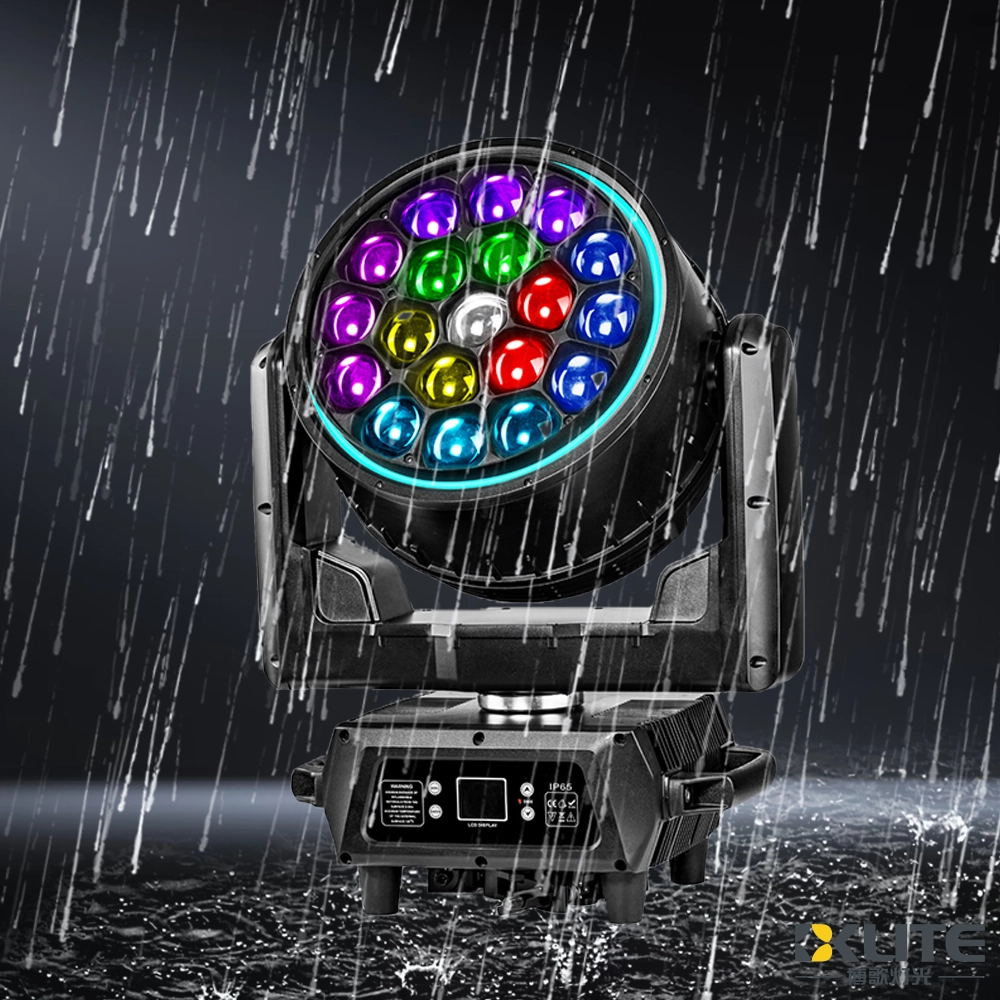
IP65 Waterproof Bee Eye Zoom 19x40W RGBW 4IN1 LED Beam Wash Moving Head Light with LED Ring
BKlite waterproof bee eye moving head light—your reliable choice from top waterproof moving head light manufacturers and suppliers. Ideal for outdoor stage, live event, music festival, this energy-saving fixture ensures powerful, precise illumination for any venue. It delivers powerful, reliable lighting performance in any weather.
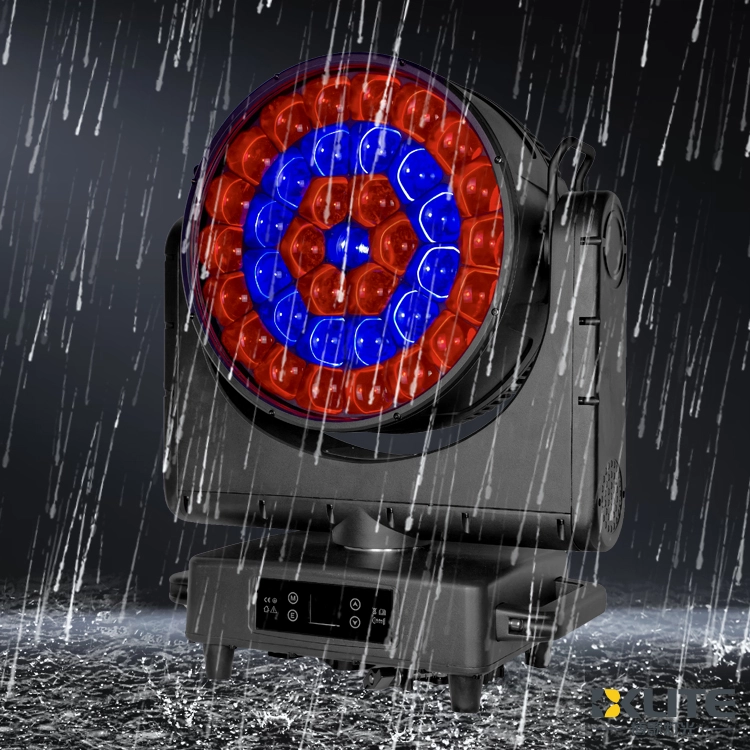
IP65 Waterproof ZOOM Bee Eye 37x40W RGBW 4in1 LED Moving Head Light
As a leading stage lighting equipment supplier with more than 15 years of industry know-how, BKlite brings you the IP65 ZOOM Bee Eye 37*40W RGBW 4in1 LED Moving Head Light (K25 Bee Eye) delivers vibrant, weatherproof lighting with powerful zoom and smooth movement. Ideal for dynamic stage effects, the K25 moving head light ensures stunning RGBW color mixing and reliable outdoor performance.
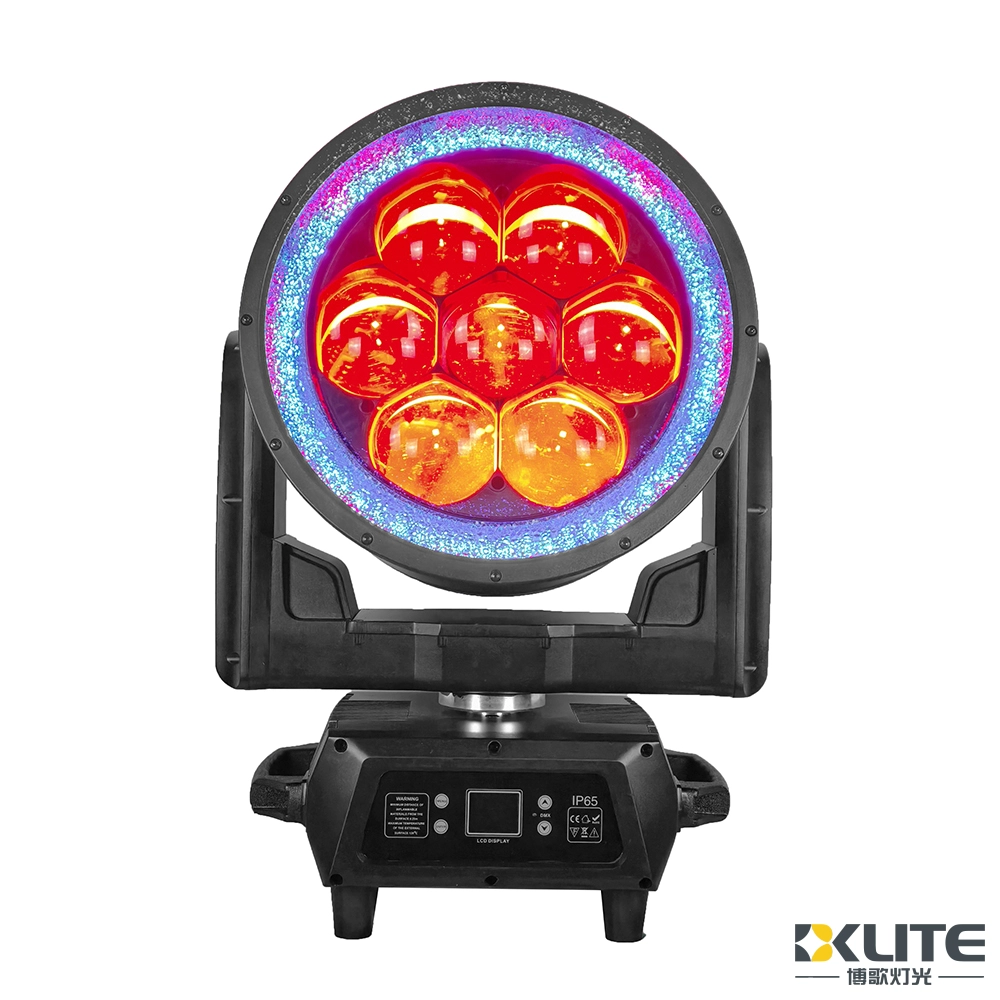
IP65 Waterproof Bee Eye 7x180W RGBL 4IN1 LED Moving Head Light With LED Ring
BKlite high power 7x180W waterproof bee eye moving head light—your reliable choice from top waterproof moving head light manufacturers and suppliers. Ideal for outdoor stage, live event, music festival, this energy-saving fixture ensures powerful, precise illumination for any venue. It delivers powerful, reliable lighting performance in any weather.
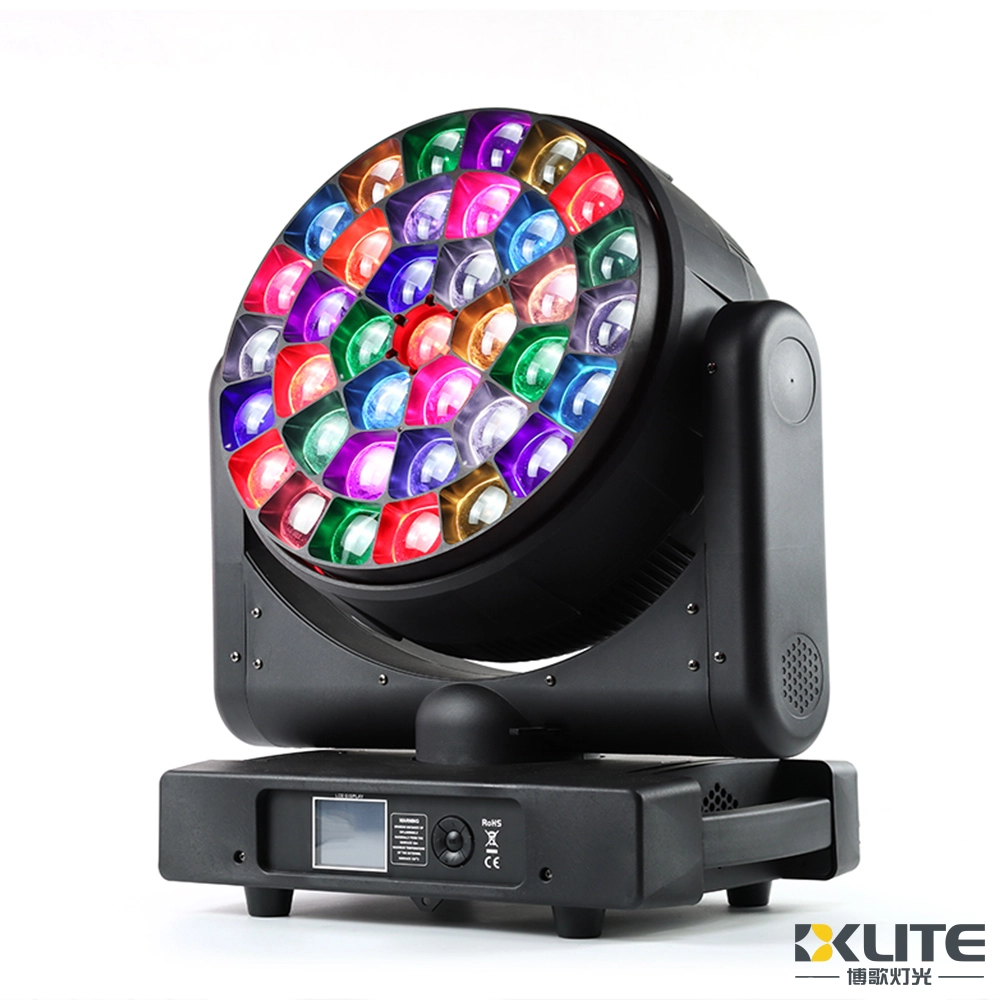
Bee Eye Zoom 37x40W RGBW 4in1 LED Beam Wash Moving Head Light


Copyright © 2025 BKLITE All Rights Reserved.