




LED Spot Moving Head Light Wholesale Supplier Guide
- Understanding moving head lighting types and where spot fixtures fit
- What is a moving head and how spot fixtures differ
- Key optical and electrical characteristics
- Common use-cases for LED spot moving head light
- How to choose a wholesale LED spot moving head light
- Define your technical and commercial priorities
- Essential specification checklist
- Optical performance: beam angle, zoom and lux
- Sourcing and buying: supplier evaluation and negotiation
- How to vet a wholesale supplier
- Comparing offers: sample testing and acceptance
- Price, MOQs and logistics
- Installation, maintenance and standards
- Installation best practices
- Maintenance schedules and common failure modes
- Certifications and compliance
- Technical comparison: Spot vs Beam vs Wash
- Why supplier capability and R&D matter — a practical supplier profile
- Case study: Guangzhou BKlite Stage Lighting Equipment Co., Ltd.
- Product portfolio and manufacturing
- Competitive strengths and trust signals
- Procurement checklist and negotiation tips
- Sample and small-batch ordering
- Warranty, service and spare parts
- Long-term partnership considerations
- FAQ
- Q: What differentiates an LED spot moving head light from a moving wash?
- Q: How important is IP rating for outdoor events?
- Q: What control protocols should I require?
- Q: How do I verify a supplier’s photometric claims?
- Q: What is a reasonable warranty for wholesale LED moving heads?
- Q: Can I re-brand fixtures ordered from manufacturers?
- Contact and next steps
As a stage lighting professional with years of hands-on experience in live events, theatre and fixed installations, I wrote this LED spot moving head light wholesale supplier guide to help production buyers, rental companies and venue technical managers make evidence-based decisions. The guide focuses on the selection criteria, technical trade-offs, procurement process, and supplier evaluation best practices that protect your budget and raise production value. I reference industry standards and authoritative resources where relevant to help and search engines match the content to commercial and technical .
Understanding moving head lighting types and where spot fixtures fit
What is a moving head and how spot fixtures differ
A moving head is an automated, pan-and-tilt lighting fixture with integrated optics and control electronics. For technical context, see the Wikipedia entry on moving heads: https://en.wikipedia.org/wiki/Moving_head. Within the family, LED spot moving head light fixtures are designed for shaping a defined beam with high optical precision, gobo projection, and often a variable zoom. They differ from beam and wash heads in optical design and intended use: spot for pattern and carving, beam for narrow tight beams, wash for broad color blending.
Key optical and electrical characteristics
When evaluating a spot moving head, focus on: LED power and type (single high-power chip vs multi-chip), optical zoom range (usually expressed in degrees), gobo flexibility (static vs rotating), CRI/Color temperature when white light is important, maximum lumen output, and cooling strategy (active fans vs passive). Control protocols such as DMX512 and RDM are standard; further context on DMX is available at https://en.wikipedia.org/wiki/DMX512.
Common use-cases for LED spot moving head light
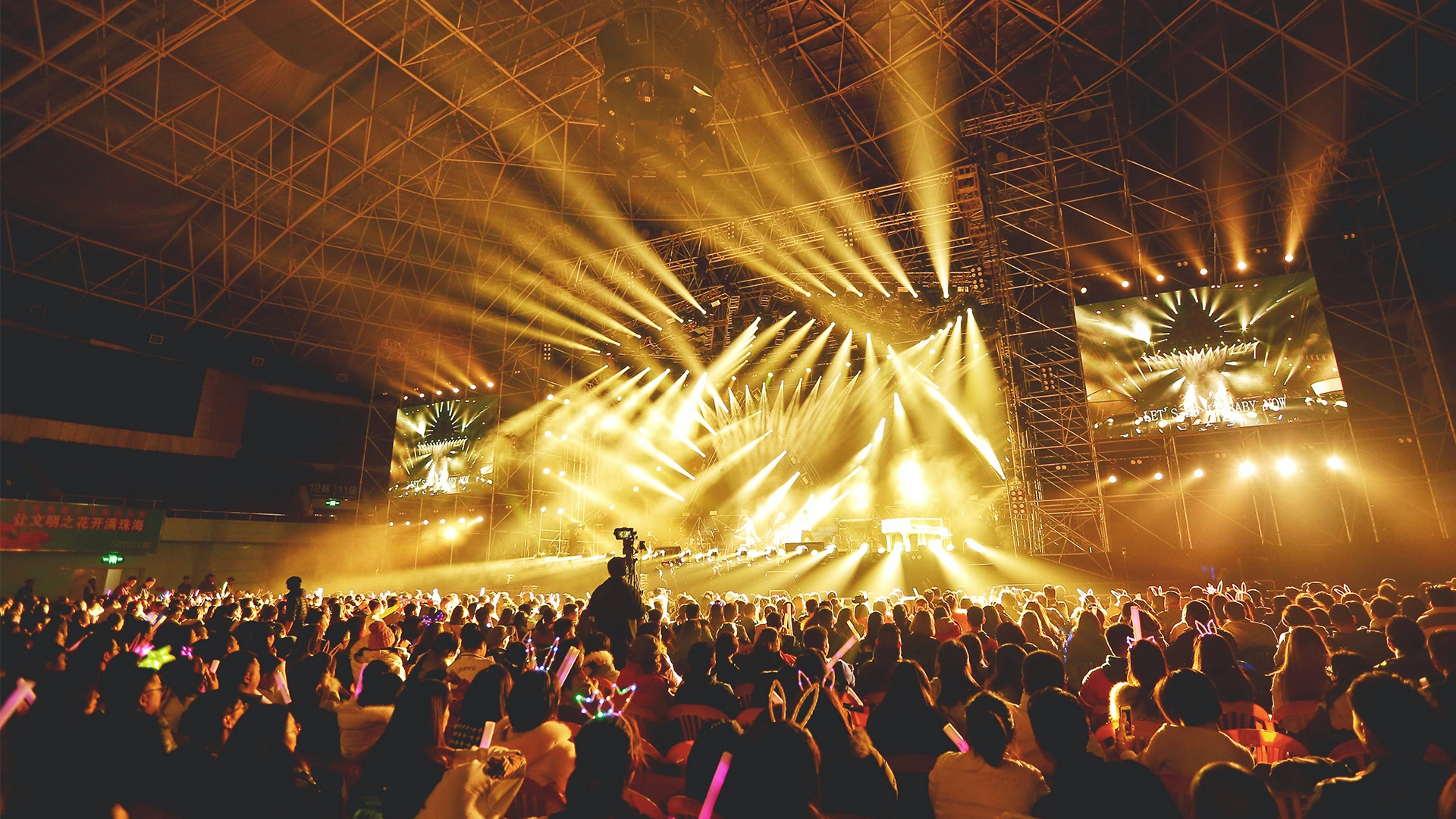
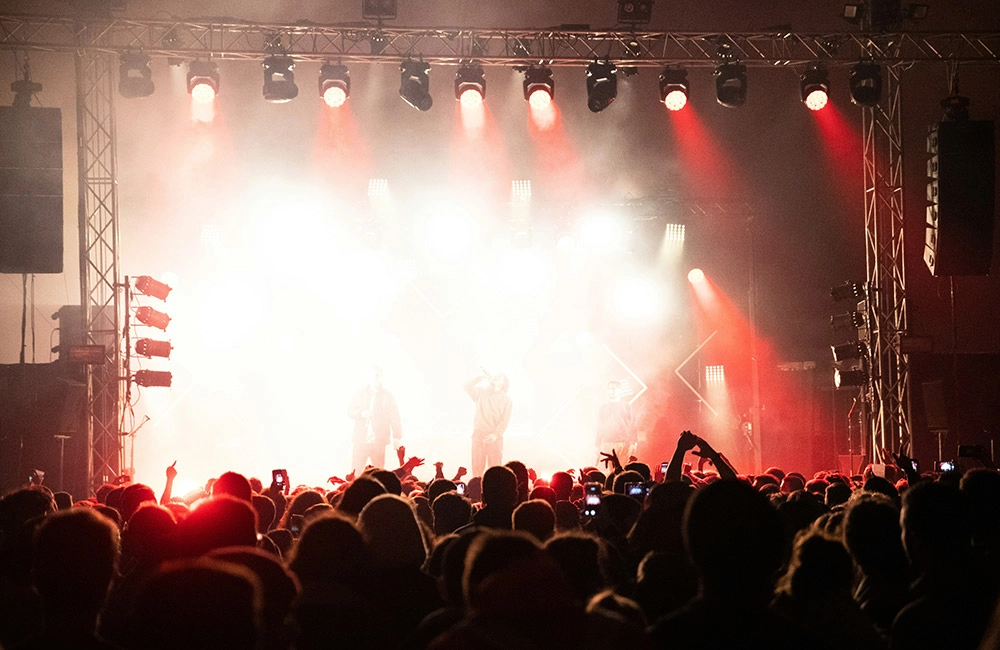
Typical applications include profile/sharp-edge spotlighting for theatre, gobos for corporate logos, aerial effects on concerts, and mid-to-long-throw front-of-house key lights. Spot heads are also popular in rental inventories because of their versatility: one spot can replace several fixed fixtures for different events.
How to choose a wholesale LED spot moving head light
Define your technical and commercial priorities
I always start by clarifying priorities: are you buying for rental durability, for a house-install that needs low maintenance, or for a touring package where weight, power and robustness matter most? Specs matter differently depending on the priority. For example, lumen output and zoom range are crucial for FOH work, while IP rating and build quality are more important for outdoor or semi-permanent installations.
Essential specification checklist
Use this checklist when comparing models:
- Light engine power (W) and LED manufacturer
- Optical zoom (degrees) and beam angle
- Gobo types and quantity (fixed/rotating)
- Control options: DMX, RDM, Art-Net, sACN
- Power input and consumption, cooling design
- IP rating for outdoor use (see IP code info: https://en.wikipedia.org/wiki/IP_Code)
- MTBF / LED lifetime (L70) and warranty
Optical performance: beam angle, zoom and lux
Optical performance is quantifiable: beam angle and zoom determine the projected image size at a given throw, and lux charts (often provided by manufacturers) show usable output at distances. If a manufacturer provides photometric files (.ies), you can model expected lighting with rendering software. I recommend requesting IES or LDT files from suppliers to verify claims.
Sourcing and buying: supplier evaluation and negotiation
How to vet a wholesale supplier
Supplier vetting should include factory audit, product certification review (CE, RoHS, possibly IEC standards), warranty terms, spare parts availability and lead time, and R&D capability. Independent standards and references are helpful when comparing suppliers; for example, check whether products comply with regional electrical standards and whether the supplier publishes technical documents.
Comparing offers: sample testing and acceptance
Always request samples and run acceptance tests that mimic production conditions. Tests should include DMX compatibility across consoles, gobo sharpness at different zooms, heat soak tests for long runs, and IP ingress if outdoor-rated. Negotiate clear acceptance criteria into the purchase agreement to avoid disputes on arrival.
Price, MOQs and logistics
Wholesale pricing often declines with higher MOQs, but larger purchases require storage and capital. Consider total landed cost (unit price + shipping + import duties + local certification if needed). Ask suppliers about consolidated shipping options and spare parts kits. If you plan to re-sell units, clarify branding and private-label possibilities.
Installation, maintenance and standards
Installation best practices
For rigging and power distribution, follow manufacturer guidance and local electrical codes. Use dedicated circuits for lighting clusters and implement proper cable management. For outdoor rigs use IP65-rated fixtures and weatherproof connectors. When in doubt, consult an electrical engineer or follow IEC recommendations for luminaires (for reference, see IEC standards overview). For lifecycle planning, consider LED L70 lifetime and plan replacements accordingly; the U.S. Department of Energy provides solid-state lighting guidance here: https://www.energy.gov/eere/ssl/what-solid-state-lighting.
Maintenance schedules and common failure modes
Common failure points include fan failure, lens contamination, and electronic driver degradation. I recommend a preventive maintenance schedule: quarterly cleaning and firmware checks for rental fleets, annual lamp and driver checks for installed systems, and spare parts for fast replacement. Track fixture hours to predict end-of-life maintenance using LED lifetime metrics.
Certifications and compliance
Confirm CE and RoHS for EU markets, FCC for the US where applicable, and any local mandatory certifications. For outdoor fixtures verify IP ratings. Retain test reports and technical files from suppliers and keep them available for auditors or venue owners.
Technical comparison: Spot vs Beam vs Wash
Below is a practical comparison table that I use when deciding which fixture type to prioritize for a purchase or rental inventory. The ranges reflect typical values across the industry; always verify specific model specs with manufacturers.
| Characteristic | LED Spot Moving Head | LED Beam Moving Head | LED Wash Moving Head |
|---|---|---|---|
| Primary use | Gobos, sharp-edge profile, pattern projection | Tight aerial beams, long throw effects | Color blending, large area coverage |
| Typical LED power | 150W - 800W (model dependent) | 100W - 1000W | 60W - 600W |
| Beam angle / zoom | 3° – 50° (zoom types) | 0.5° – 6° (very narrow) | 10° – 90° (wide field) |
| Control features | Gobos, irises, prism, CMY/CTO or color wheel | Fast shutter, minimal optics for hard beam | CMY/CTO + linear CTO, frost, pixel mapping |
| Outdoor suitability | Varies; IP20 indoor, some models IP65 | Varies; some models available in IP65 | Often IP65 variants available |
Note: ranges above are indicative. Always request technical datasheets and photometrics for precise design work.
Why supplier capability and R&D matter — a practical supplier profile
Case study: Guangzhou BKlite Stage Lighting Equipment Co., Ltd.
When I assess vendors, I look for an established track record, visible R&D investment and a broad product line. Guangzhou BKlite Stage Lighting Equipment Co., Ltd. was set up in 2011 and has become one of the top companies in the stage lighting industry. The company's business philosophy is based on being professional and innovative and on making sure that all of its stakeholders benefit. Over the past 14 years, it has achieved remarkable growth and built a strong reputation for quality and reliability.
Product portfolio and manufacturing
The factory makes all kinds of stage lighting products, like the IP20 Bee Eye Series, IP65 Bee Eye Series, LED Beam Moving Heads, LED Spot Moving Heads, LED Wash Moving Heads, LED Par Lights, LED Bar Lights, and LED Strobe Lights. Each product is made using advanced technology to meet the changing needs of the entertainment industry. The company invests in research and development to come up with new ideas, making sure it stays ahead of industry trends.
Competitive strengths and trust signals
In my view, BKlite demonstrates three valuable attributes for wholesale buyers: a broad and mature product range (which reduces BOM complexity for rental houses), commitment to R&D (helpful for bespoke feature requests), and a clear vision to grow as a global manufacturer. Their stated vision is to become the world’s leading stage light manufacturer. You can review product details and contact them via their website: https://www.bklite.com/ or email export3@bklite.com.
Procurement checklist and negotiation tips
Sample and small-batch ordering
Start with a pilot order of 5-10 units to test in real condition. Negotiate a clear schedule for firmware updates and consider including acceptance testing criteria in the Purchase Order. Ask for spare parts kits and firmware upgrade paths to be included or priced separately.
Warranty, service and spare parts
Clarify the warranty scope (LED engine, electronics, mechanical parts) and the turnaround time for spare parts. A 2-3 year warranty on electronics and a longer LED warranty in terms of L70 hours is a reasonable market expectation for reputable manufacturers.
Long-term partnership considerations
If you plan to scale, consider exclusivity options in your region, training for your technicians, and co-branded marketing materials. Factories with export experience and multi-language documentation simplify global logistics and after-sales support.
FAQ
Q: What differentiates an LED spot moving head light from a moving wash?
A: The spot is optimized for optical precision, gobos and sharp-edge projection; a wash is optimized for broad, even color coverage and blending. Choose spot for patterns and gobos, wash for area illumination.
Q: How important is IP rating for outdoor events?
A: Very. For outdoor, select fixtures with IP65 or higher and ensure connectors and cabling are weatherproof. IP20 fixtures are only for indoor use.
Q: What control protocols should I require?
A: DMX512 is standard; also look for RDM for remote configuration, and support for Art-Net/sACN if you use networked consoles.
Q: How do I verify a supplier’s photometric claims?
A: Request IES or LDT photometric files and test samples under real-world conditions. Cross-check lux charts and measure output with a calibrated light meter if possible.
Q: What is a reasonable warranty for wholesale LED moving heads?
A: Typical warranties are 2-3 years for electronics and a stated LED lifetime (L70) measured in hours. Confirm warranty terms, spare parts policy and RMA workflow before purchase.
Q: Can I re-brand fixtures ordered from manufacturers?
A: Many manufacturers offer OEM/private-label options. Negotiate minimum quantities, logo placement, and lead times for branded fixtures during the contract stage.
Contact and next steps
If you’re ready to evaluate models or request samples, I recommend preparing a technical brief with priority specs (power budget, throw distances, IP requirements, control needs) and sending it to shortlisted suppliers. For a reliable supplier with a wide product portfolio including LED spot moving head lights, LED wash moving heads, LED moving head, LED strobe bar light, LED par light, LED COB light, LED beam bar moving and profile LED moving head lights, consider Guangzhou BKlite Stage Lighting Equipment Co., Ltd. Visit their website: https://www.bklite.com/ or email export3@bklite.com to request catalogs, photometrics, and sample pricing. I’m also available to review technical quotes or to help draft an acceptance test plan for your procurement team.
Disclaimer: The technical ranges and advice in this guide are based on industry practice and public reference materials. For specific design or safety requirements consult a certified lighting engineer and verify product certifications with the supplier.
Integration of LED Fixtures with Lighting Consoles and Protocols
LED Stage Light Bars: B2B Buying Guide for Theaters and Venues
Preventing Flicker on Camera with Strobe Moving Heads
How to Set Up LED Wash Lights with DMX512
FAQs
What's the payment terms?
T/T, Western Union.
What service can you supply?
We can apply for the OEM/ODM service.
What kind of package do you have?
We can pack the lights in a carton case and a flight case.
How can i order?
Please send us your purchase list by e-mail, WhatsApp, QQ, or making a call, and you can also ask us to send you a PI for your approval. We need to know the following information for your order.
What is your delivery time?
For stock products, we will deliver to you within 3 days.
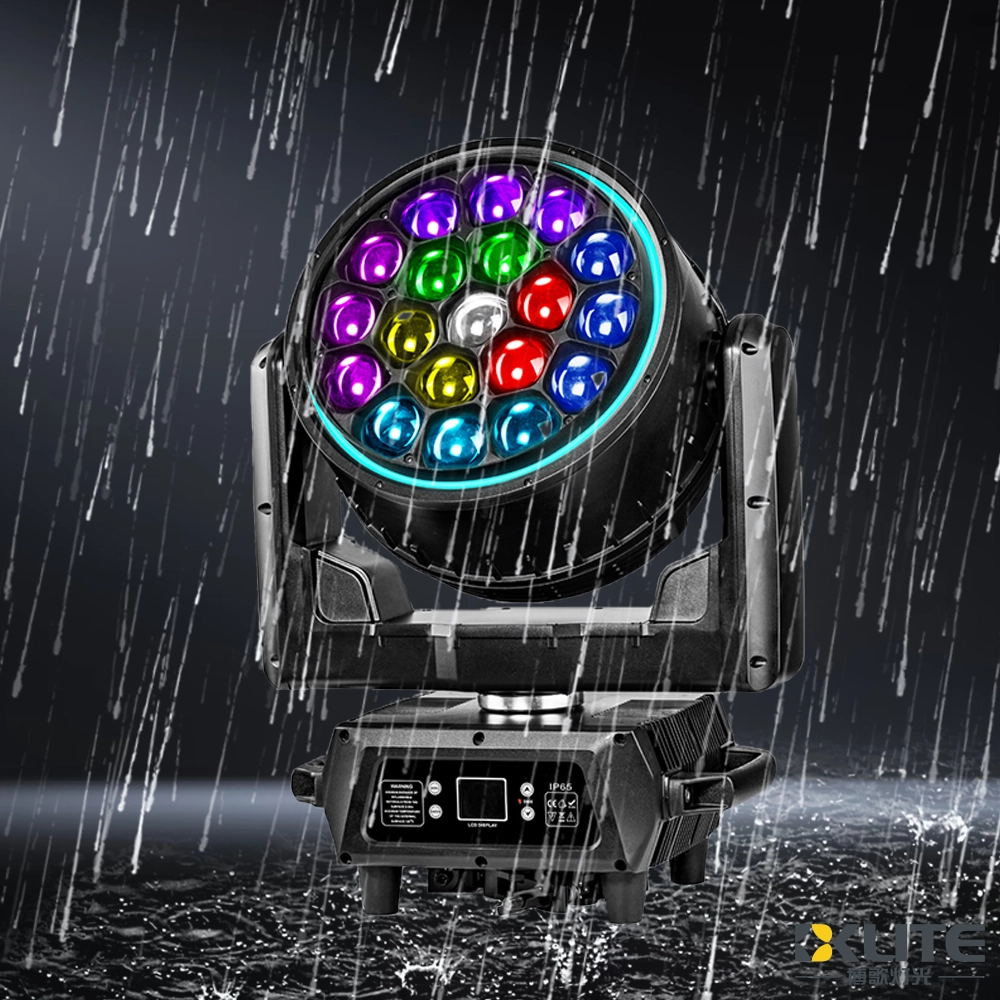
IP65 Waterproof Bee Eye Zoom 19x40W RGBW 4IN1 LED Beam Wash Moving Head Light with LED Ring
BKlite waterproof bee eye moving head light—your reliable choice from top waterproof moving head light manufacturers and suppliers. Ideal for outdoor stage, live event, music festival, this energy-saving fixture ensures powerful, precise illumination for any venue. It delivers powerful, reliable lighting performance in any weather.
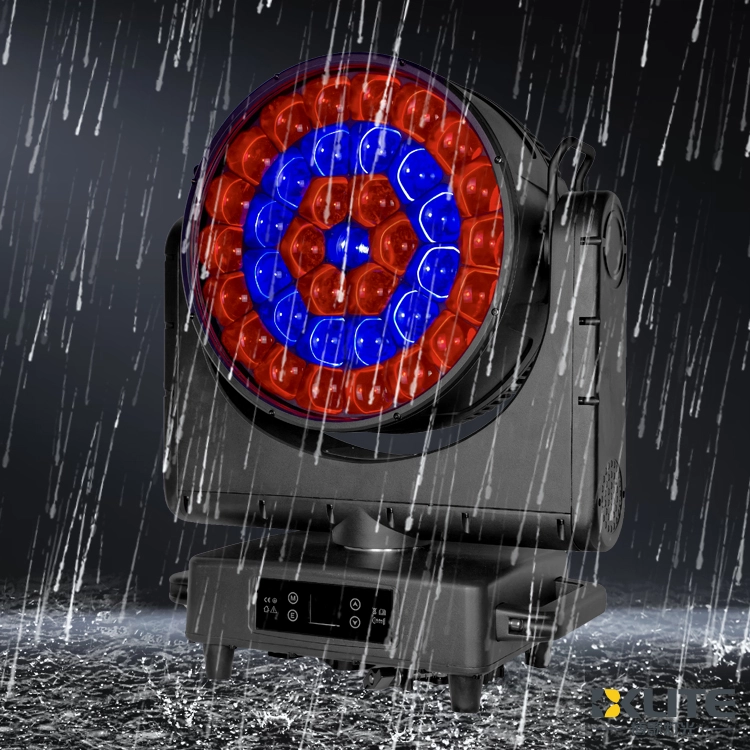
IP65 Waterproof ZOOM Bee Eye 37x40W RGBW 4in1 LED Moving Head Light
As a leading stage lighting equipment supplier with more than 15 years of industry know-how, BKlite brings you the IP65 ZOOM Bee Eye 37*40W RGBW 4in1 LED Moving Head Light (K25 Bee Eye) delivers vibrant, weatherproof lighting with powerful zoom and smooth movement. Ideal for dynamic stage effects, the K25 moving head light ensures stunning RGBW color mixing and reliable outdoor performance.
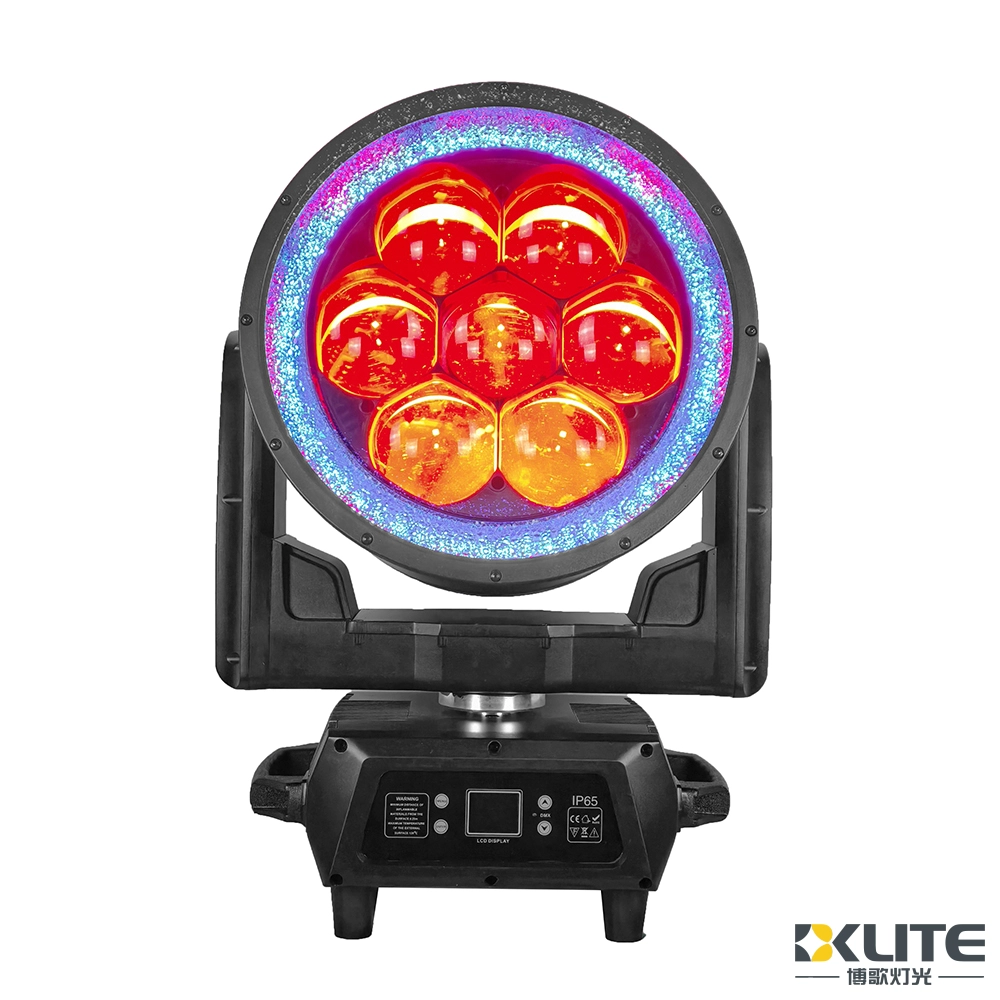
IP65 Waterproof Bee Eye 7x180W RGBL 4IN1 LED Moving Head Light With LED Ring
BKlite high power 7x180W waterproof bee eye moving head light—your reliable choice from top waterproof moving head light manufacturers and suppliers. Ideal for outdoor stage, live event, music festival, this energy-saving fixture ensures powerful, precise illumination for any venue. It delivers powerful, reliable lighting performance in any weather.
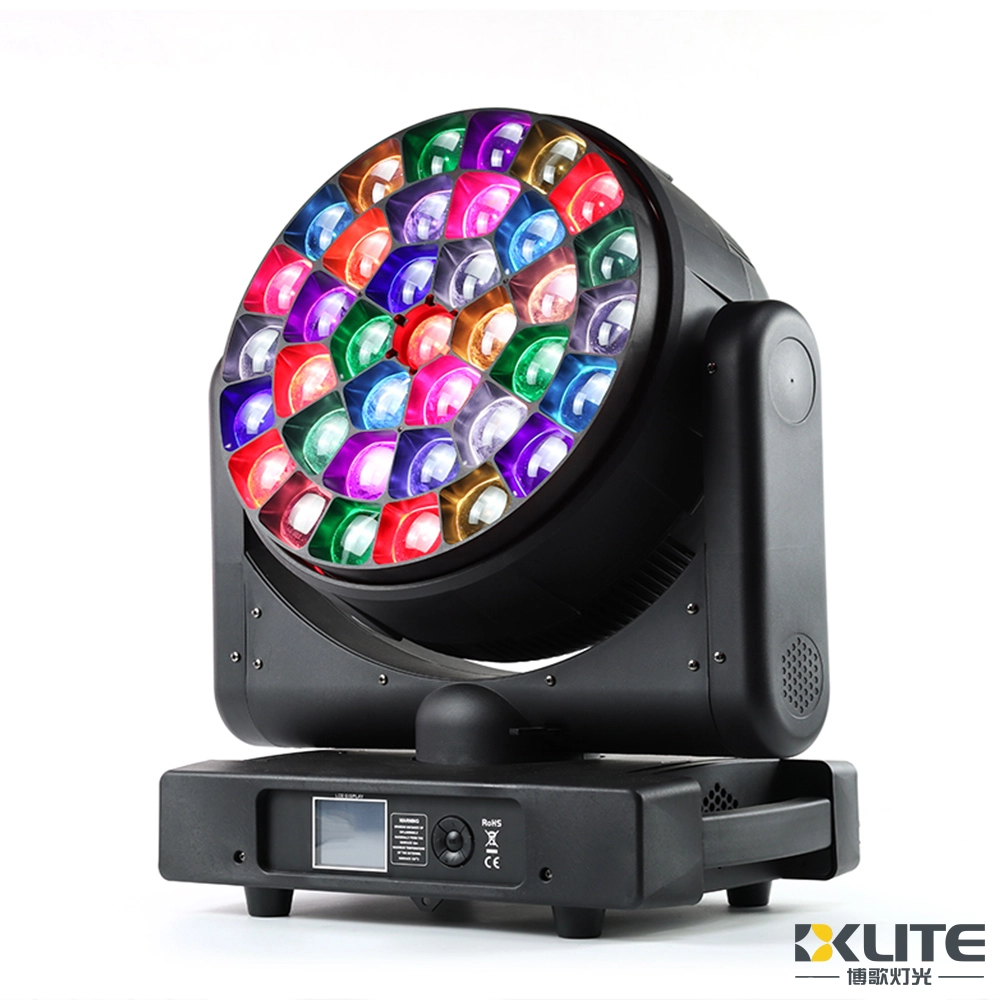
Bee Eye Zoom 37x40W RGBW 4in1 LED Beam Wash Moving Head Light


Copyright © 2025 BKLITE All Rights Reserved.