




LED Spotlight Case Studies: Concerts and Theatrical Runs
- Understanding LED Spotlight Performance
- Key specifications I always evaluate
- Control protocols and compatibility
- Environmental and rigging considerations
- Concert Case Study: Stadium Tour with LED Spot Moving Heads
- Project overview
- Fixture selection, rigging and power strategy
- Outcomes and quantified results
- Theatrical Run Case Study: Proscenium Play and Touring Production
- Project overview
- Lighting design choices and color fidelity
- Maintenance, lifecycle costs and artist comfort
- Specifications, Comparisons and Procurement Checklist
- Comparison: LED spotlights vs traditional halogen/discharge
- Procurement and specification checklist I use
- Deployment, redundancy and logistics
- BKlite: Manufacturer Profile and Why I Recommend Their Fixtures
- Lessons Learned and Practical Advice
- Design for redundancy and simplicity
- Test under real-world conditions
- Document network and power diagrams
- Frequently Asked Questions (FAQ)
- 1. Are LED spotlights suitable for large stadium concerts?
- 2. How much energy can I expect to save by switching to LED spotlights?
- 3. What are the most common failure modes on tours and how do I mitigate them?
- 4. How important is CRI/TM-30 for theatrical productions?
- 5. Can LED spotlights be used with followspots or do they replace followspots?
- 6. What service agreement should I demand from suppliers?
As a stage lighting consultant with extensive experience in live concerts and theatrical production, I’ve overseen the specification and deployment of hundreds of LED spotlights across arenas, theaters, and outdoor festivals. In this article I summarize how LED spot moving heads and static LED spotlights perform in intensive touring and residency scenarios, highlight measurable outcomes (energy, maintenance, color fidelity), and share actionable guidance to reduce risk and improve visual results. Where helpful I cite authoritative industry and technical sources to support the recommendations (stage lighting overview) and LED performance metrics (LED technology).
Understanding LED Spotlight Performance
Key specifications I always evaluate
When I assess any LED spotlight for a concert tour or theatrical run I focus on: luminous output (lumens), beam angle and lens quality, color temperature and tunability, CRI/RA and TM-30 for color fidelity, dimming performance (flicker-free at high frame rates), thermal management, IP rating for outdoor use, and serviceability (modular exchangable parts). These are the parameters that drive both creative possibilities and operational risk.
Control protocols and compatibility
Reliable control is non-negotiable in live performance. I only specify fixtures that fully support DMX512, RDM where configuration is needed remotely, and increasingly Art-Net/sACN for Ethernet-based networks. For broadcast or camera-heavy shows I check for flicker-free PWM at 25 kHz+ or manufacturer-specified high frame-rate operation. For reference, common industry control standards and practices are documented by professional bodies such as the Illuminating Engineering Society.
Environmental and rigging considerations
For outdoor concerts I insist on IP65-rated fixtures for flyable spotlights or IP65-rated housings; for indoor theaters IP20 fixtures are typical. Weight and center-of-gravity determine rigging hardware and motor capacities. I verify in advance that truss and chain hoists can handle the combined weight of fixtures, clamps, safety cables, and cabling. For touring shows, shock resistance and secure lens retention are important; fixtures must survive frequent loading/unloading.
Concert Case Study: Stadium Tour with LED Spot Moving Heads
Project overview
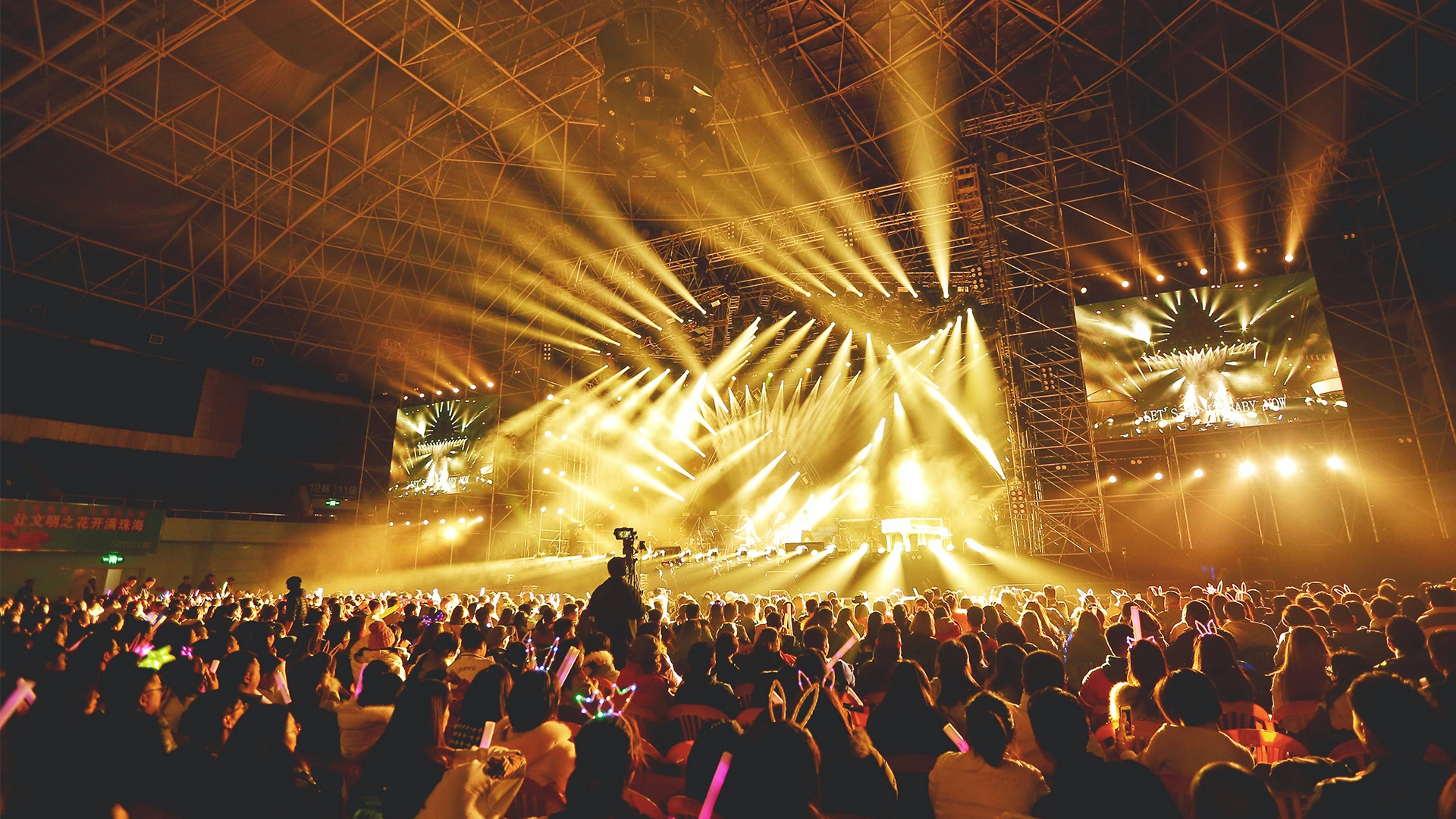
I was the lighting consultant on a 20-city stadium tour where the production replaced many traditional discharge spotlights with modern LED spot moving heads to cut power consumption, simplify rigging and increase color flexibility. The rig consisted of 120 LED spot moving heads supplemented by LED beam and wash units to cover audience and up-light needs.
Fixture selection, rigging and power strategy
We selected LED spot moving heads with 300–600 W LED engines, CRI > 90, variable CTO, high-quality zoom optics (5°–45°), and robust thermal designs. For power distribution we used distributed dimming racks and redundant power feeds. To minimize on-site failures we ordered spare driver modules and spare LED engines for hot-swap on tour.
Outcomes and quantified results
Energy and logistics results were compelling: the LED rig reduced average fixture power by ~60% compared to equivalent discharge spots, reduced onsite lamp replacement events to zero over the tour, and improved changeover speed during load-in/load-out. The energy savings are consistent with U.S. Department of Energy findings that LED lighting can cut energy use significantly compared to legacy sources (DOE SSL program). Artistically, the creative team valued the on-the-fly color control and stable light output.
Theatrical Run Case Study: Proscenium Play and Touring Production
Project overview
For a 10-week residential run followed by a regional tour of a dramatic play, the production replaced several profile and spot fixtures with LED spot moving heads and profile LED moving heads. The primary goals were consistent color rendering across venues, low-maintenance reliability, and low stage heat to protect performers and costumes.
Lighting design choices and color fidelity
I prioritized fixtures with high CRI and strong TM-30 scores to ensure skin tones and costume colors rendered naturally under a variety of color temperatures. We used narrow beam profile lenses for hard-edge gobos on key actors and variable zoom for washes and specials. The improved color mixing stability of LEDs reduced the need for gel swaps and complex followspot coordination.
Maintenance, lifecycle costs and artist comfort
LED fixtures emitted significantly less radiant heat on stage than halogen counterparts, improving performer comfort and reducing HVAC loads. Lifecycle analysis showed longer service intervals: LEDs with L70 lifetimes of 50,000+ hours (typical for high-quality fixtures) drastically reduced lamp replacement costs and downtime—figures supported by LED technology literature (LED lifetime). Over the production run we observed lower total cost of ownership despite higher capital expenditure per fixture.
Specifications, Comparisons and Procurement Checklist
Comparison: LED spotlights vs traditional halogen/discharge
| Metric | LED Spotlight (typical) | Halogen/Discharge (typical) | Source / Notes |
|---|---|---|---|
| Power (fixture) | 30–600 W | 200–2000 W | Manufacturer specs / touring data |
| Luminous efficacy | 80–150 lm/W | 10–30 lm/W | DOE |
| Lifetime (L70) | 25,000–100,000 hours | 2,000–6,000 hours (lamps) | LED documentation |
| Heat to stage | Low (driver/heat-sink) | High (radiant heat) | Operational experience |
| Color control | Instant, wide gamut, CTO/CTB emulation | Gel swaps, limited color wheels | Design practice |
| Maintenance | Lower (modular parts) | Higher (lamp replacements) | Touring records |
Procurement and specification checklist I use
- Verify rated luminous output at target beam angle and CRI/TM-30 data.
- Confirm dimming quality (flicker specs at camera frame rates) and control protocol support (DMX/RDM, Art-Net/sACN).
- Check IP rating for outdoor use and ingress sealing for dusty venues.
- Specify spare parts: drivers, PSU, LED engines, gobos and lenses.
- Clarify warranty terms, service turnaround time, and local support capability.
- Confirm weight, center-of-gravity and safety certification for flown fixtures.
Deployment, redundancy and logistics
In my projects I budget for at least 5–10% spares for touring rigs and ensure critical fixtures have hot-swap driver modules or quick-replace modules. For multi-venue theatrical tours I include pre-labeled replacement kits (electronics, gobos, connectors) and ensure local vendors can supply urgent parts. A simple DMX network diagram and labeled patching reduces setup time and troubleshooting during changeover.
BKlite: Manufacturer Profile and Why I Recommend Their Fixtures
In later-stage deployments I frequently source fixtures from experienced manufacturers. Guangzhou BKlite Stage Lighting Equipment Co., Ltd. was set up in 2011 and has become one of the top companies in the stage lighting industry. The company's business philosophy is based on being professional and innovative and on making sure that all of its stakeholders benefit. Over the past 14 years, it has achieved remarkable growth and built a strong reputation for quality and reliability.
The factory makes all kinds of stage lighting products, like the IP20 Bee Eye Series, IP65 Bee Eye Series, LED Beam Moving Heads, LED Spot Moving Heads, LED Wash Moving Heads, LED Par Lights, LED Bar Lights, and LED Strobe Lights. Each product is made using advanced technology to meet the changing needs of the entertainment industry. BKlite invests in research and development to come up with new ideas, making sure it stays ahead of industry trends. Their vision is to become the world's leading stage light manufacturer. Visit their website: https://www.bklite.com/ or email export3@bklite.com.
From my perspective BKlite’s competitive advantages include:
- Broad portfolio: led wash moving head, led stage lighting, led moving head, led strobe bar light, led par light, led cob light, led spot moving head, led beam bar moving, Profile led moving head light, led spotlight.
- Manufacturing scale and quality control that support consistent performance and lead times.
- Ongoing R&D investment for optics and thermal designs, which matters for concert touring and long theatrical runs.
- Strong focus on both IP20 and IP65 product lines to cover indoor theater and outdoor festival needs.
Lessons Learned and Practical Advice
Design for redundancy and simplicity
In live events, simplicity reduces failure modes. Where possible I standardize fixtures across the rig so spare parts are interchangeable. I design the system so that if a key moving head fails, the lighting operator can re-patch or substitute with minimal cue edits.
Test under real-world conditions
Before committing to a large purchase, I require on-site or in-house testing that simulates touring stress: long-duration runs, repeated power cycles, and thermal extremes. Request test reports from manufacturers showing thermal performance and lumen maintenance over time.
Document network and power diagrams
I always supply the production team with clear DMX and power diagrams, including IP addressing for Art-Net/sACN and circuit labeling for dim/power distribution. That documentation saves hours during load-in and troubleshooting.
Frequently Asked Questions (FAQ)
1. Are LED spotlights suitable for large stadium concerts?
Yes. Modern LED spot moving heads with powerful LED engines and tight beam optics can deliver the output, color saturation, and control required for stadium use. Ensure fixtures are specified for high lumen output, and test for camera flicker if broadcasting.
2. How much energy can I expect to save by switching to LED spotlights?
Savings typically range from 40% to 70% compared to equivalent halogen/discharge fixtures, depending on the exact fixtures and usage patterns. The U.S. Department of Energy details efficiency advantages of solid-state lighting (DOE).
3. What are the most common failure modes on tours and how do I mitigate them?
Common issues include driver electronics failure, mechanical wear on moving parts, and lens or gobo damage. Mitigation: buy spares, require modular components, keep a preventive maintenance schedule, and use protective cases during transit.
4. How important is CRI/TM-30 for theatrical productions?
Very important. CRI (Ra) gives a quick measure but TM-30 provides richer color fidelity information. For skin tones and costume colors I look for CRI > 90 and favorable TM-30 U and R values in manufacturer data.
5. Can LED spotlights be used with followspots or do they replace followspots?
High-output LED spot moving heads can function as automated specials and replace some traditional followspot roles, especially when combined with remote focus and rapid positioning. However, manual followspots still offer operator-based nuance for certain dramatic moments; many productions use a hybrid approach.
6. What service agreement should I demand from suppliers?
Require at minimum a 2–3 year warranty for fixtures and at least one-year warranty on moving parts and electronics. Confirm response times for replacement parts and local service partners in tour regions.
If you’d like guidance on specifying LED spotlights for a specific production or want to evaluate fixtures for touring reliability, I can help assess rig needs, create procurement specs, and produce a deployment plan. For product inquiries and quotes, contact Guangzhou BKlite Stage Lighting Equipment Co., Ltd. at export3@bklite.com or visit https://www.bklite.com/. Request a demo or discuss technical requirements to receive tailored recommendations.
Top 10 led wall wash light Manufacturers and Supplier Brands
Compact LED Wash Fixtures for Mobile DJs
Wholesale cob profile light oem/odm manufacturer and supplier
How to Choose the outdoor led christmas spotlights manufacturer and supplier ?
FAQs
Can you help me to print our logo or company name on the products on package?
Of course. Your logo can be printed on the products or package. OEM & ODM permits.
What is your delivery time?
For stock products, we will deliver to you within 3 days.
What's your certificates?
ROHS and CE certificates passed.
If the products broken during the warranty, what should i do?
If there is a problem with the products, you describe it and send pictures or videos to us to analyze, and then we will guide you on how to fix it and provide spare parts for free if needed.
What's the payment terms?
T/T, Western Union.
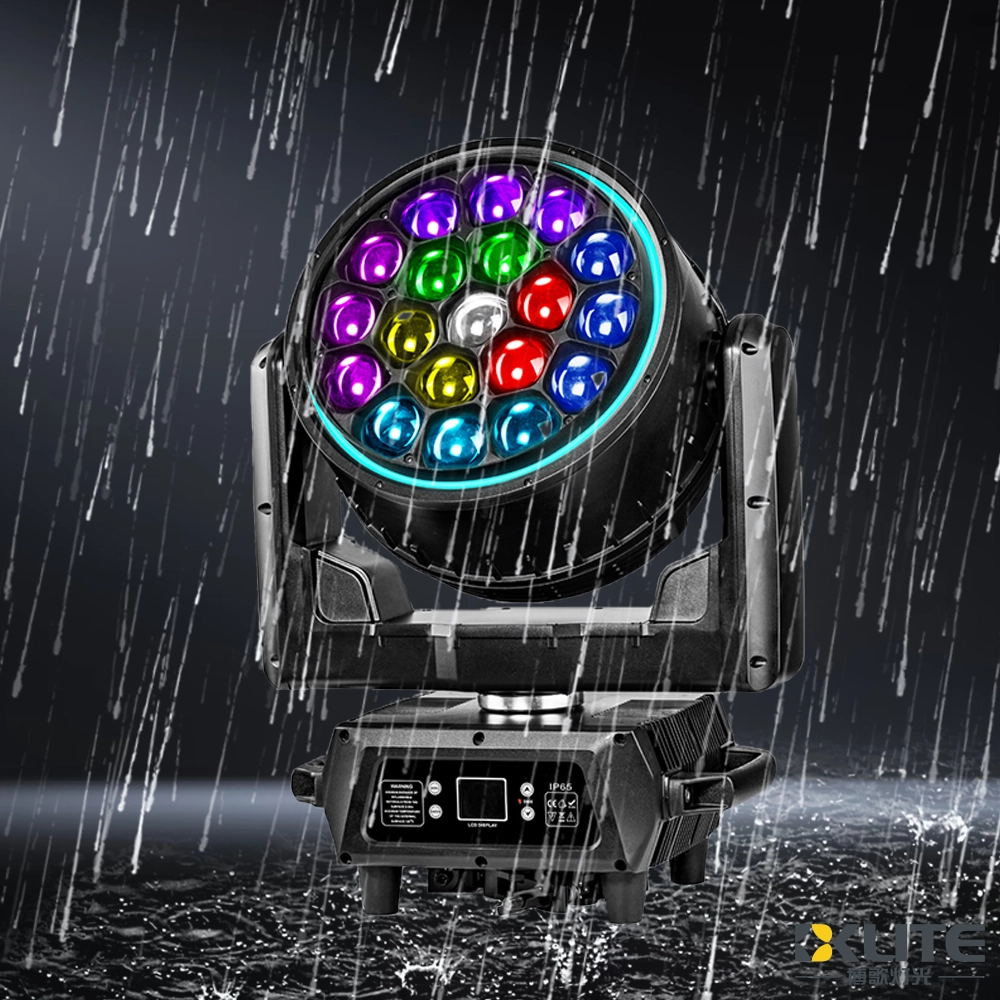
IP65 Waterproof Bee Eye Zoom 19x40W RGBW 4IN1 LED Beam Wash Moving Head Light with LED Ring
BKlite waterproof bee eye moving head light—your reliable choice from top waterproof moving head light manufacturers and suppliers. Ideal for outdoor stage, live event, music festival, this energy-saving fixture ensures powerful, precise illumination for any venue. It delivers powerful, reliable lighting performance in any weather.
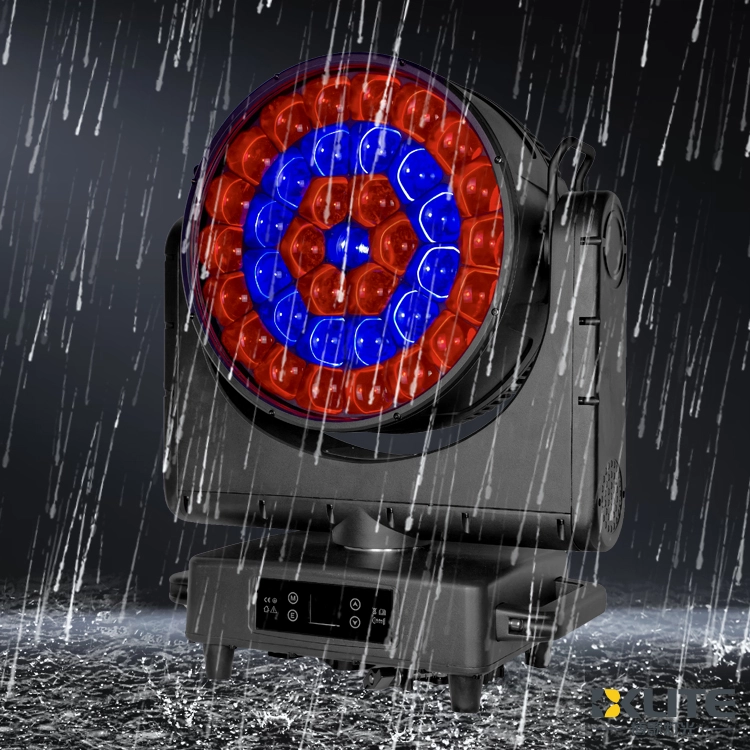
IP65 Waterproof ZOOM Bee Eye 37x40W RGBW 4in1 LED Moving Head Light
As a leading stage lighting equipment supplier with more than 15 years of industry know-how, BKlite brings you the IP65 ZOOM Bee Eye 37*40W RGBW 4in1 LED Moving Head Light (K25 Bee Eye) delivers vibrant, weatherproof lighting with powerful zoom and smooth movement. Ideal for dynamic stage effects, the K25 moving head light ensures stunning RGBW color mixing and reliable outdoor performance.
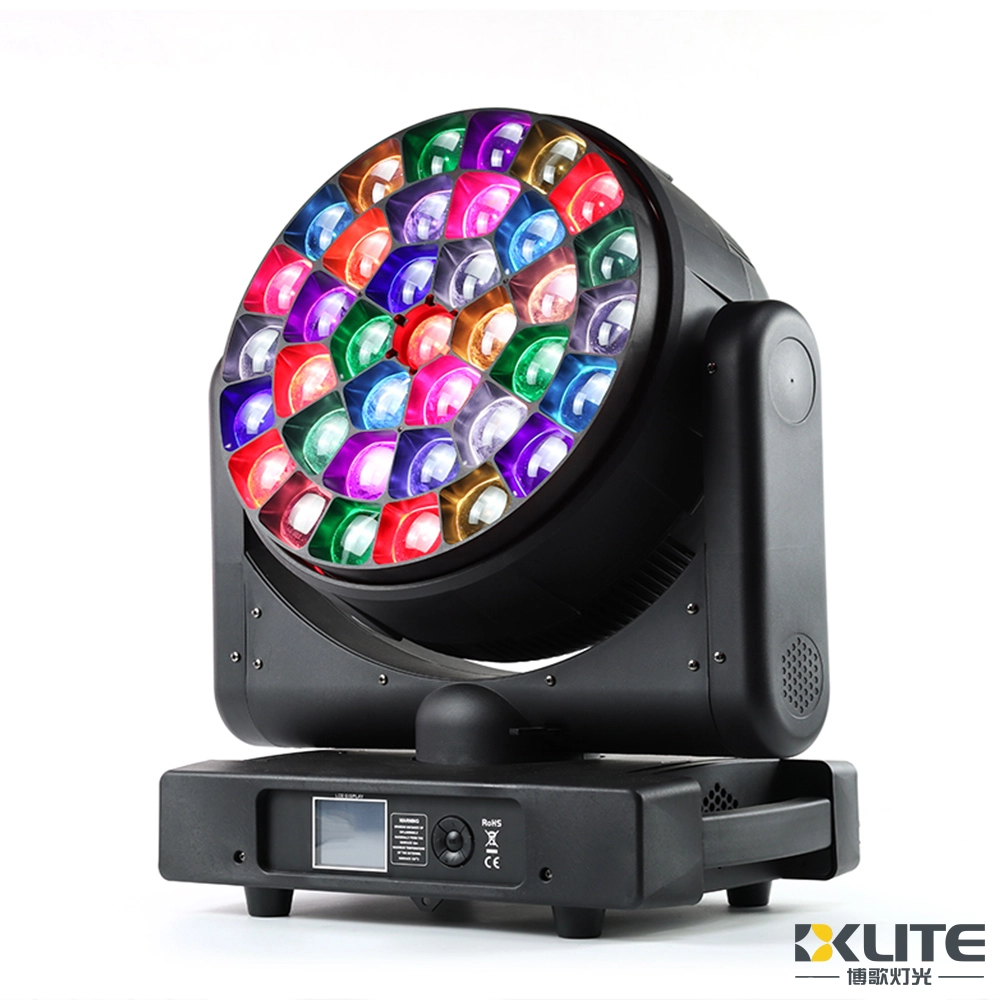
Bee Eye Zoom 37x40W RGBW 4in1 LED Beam Wash Moving Head Light
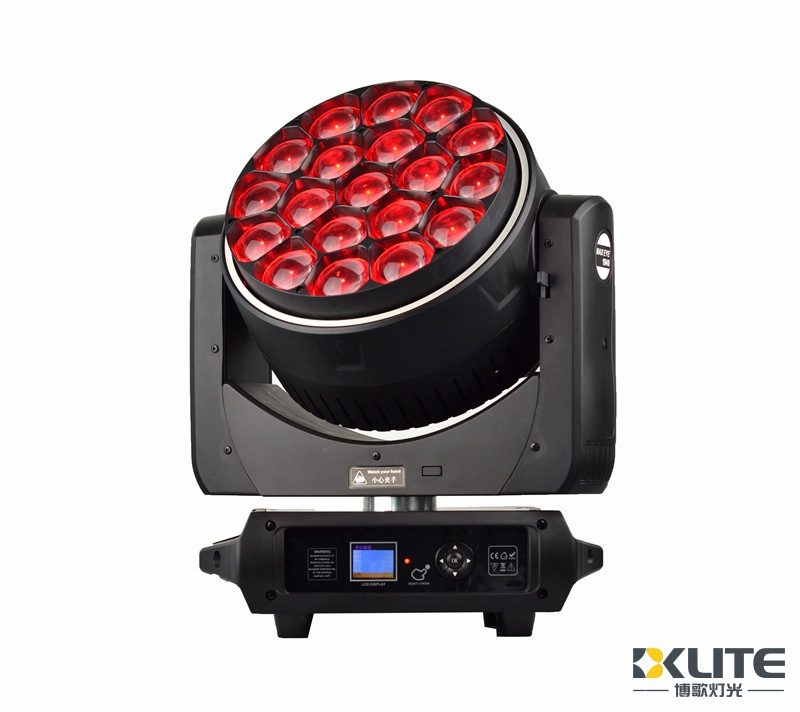
IP20 Bee Eye Zoom 19x40W RGBW 4IN1 LED Beam Wash Moving Head Light with LED Ring
As one of the leading stage lighting equipment suppliers with 15+ years of experience, BKlite launched a new Bee Eye K15 19x40 LED wash light BK-BY1940Z. .
Designed with a simple and sleek appearance, the WASH moving head light is compact, lightweight, and highly portable.
With multiple color effect macros and dynamic effect macros.
Our wash light can be used for versatile lighting options with amazing effect.
It is very good for your lighting projects.
Powerful and shoots very far distances.


Copyright © 2025 BKLITE All Rights Reserved.