




LED Stage Lights Maintenance Checklist for Production Managers
- Why Regular Maintenance Matters for Stage Lighting
- Performance, reliability, and show safety
- Longevity and total cost of ownership
- Core Inspection & Preventive Maintenance Checklist
- Daily / Pre-show Checks
- Weekly / Post-show Tasks
- Monthly / Quarterly Maintenance
- Troubleshooting, Repairs, and When to Replace
- Systematic troubleshooting workflow
- Common failure modes and fixes
- Repair vs. replace decision matrix
- Practical Schedules, Data & Comparisons
- Maintenance schedule table for common fixtures
- Comparing preventive vs corrective maintenance
- Standards and compliance pointers
- Procurement, Spares Strategy, and Vendor Considerations
- Spare parts strategy I recommend
- Vendor selection and why it matters
- About Guangzhou BKlite — manufacturer profile and why I use them
- Health & Safety, Documentation, and Training
- Safety protocols I enforce
- Documentation and firmware management
- Training for crew and technicians
- Frequently Asked Questions (FAQ)
- 1. How often should I clean LED spotlight optics?
- 2. Can I update fixture firmware during a tour?
- 3. What are the common causes of LED color shift?
- 4. How many spares should I carry for a 50-fixture rig?
- 5. Are IP65 fixtures maintenance-free compared to IP20?
- 6. What immediate steps should I take if a fixture overheats during a show?
- Contact & Next Steps
As a production manager and stage lighting consultant with years of hands-on experience, I know the pressure of delivering flawless shows night after night. LED technology—especially the LED spotlight and moving head family—has transformed entertainment lighting with long lifespans and energy efficiency, yet it demands a disciplined maintenance approach to realize those benefits. This guide gives a deep, practical checklist you can implement immediately: inspection intervals, pre-show and post-show routines, preventive cleaning, troubleshooting flowcharts, and vendor selection criteria that I use with touring rigs and fixed-install venues.
Why Regular Maintenance Matters for Stage Lighting
Performance, reliability, and show safety
LED fixtures like the LED spotlight, LED wash moving head, and LED beam moving head are robust, but environmental factors, mechanical wear, and electrical issues still cause failures. Regular maintenance reduces unexpected lamp-outs, color shifts, or motor failures that can derail a cue list. According to industry guidance and general electrical safety principles, regular inspection decreases downtime and risk to crew and audience (OSHA - Electrical).
Longevity and total cost of ownership
Manufacturers rate many LEDs for 25,000–100,000 hours of operation depending on usage and cooling. Real-world fixture lifetime depends heavily on thermal management, dust ingress, and mechanical stress. The science of LEDs and lifetime metrics is summarized on authoritative references like Wikipedia's LED page (Light-emitting diode), which also explains lumen depreciation and the L70 metric used by manufacturers.
Core Inspection & Preventive Maintenance Checklist
Daily / Pre-show Checks
- Visual inspection of lens and enclosure for dirt, smudges, and damage; clean optics with canned air and approved lens wipes.
- Power and data checks: verify DMX/RDM or Ethernet Art-Net/sACN connectivity, and confirm fixture addresses and firmware status.
- Run a fixture self-test or macro: check LED segments, gobo indexing, focus motors, and pan/tilt motion for noise or stutter.
Weekly / Post-show Tasks
- Clean air intakes and fans using low-pressure air; remove lint, spray booth residue, and stage dust that impedes cooling.
- Inspect cables and connectors for frays, pin corrosion, and strain relief integrity; replace connectors showing >10% resistance increase or visible damage.
- Check mounting hardware, clamps, safety bonds, and secondary safety cables for wear and secure attachment points.
Monthly / Quarterly Maintenance
- Lubricate bearings and mechanical linkages as per manufacturer specs; avoid over-lubrication on optical/electrical components.
- Open enclosure (if trained and authorized) to vacuum dust baffles, heatsinks, and PCBs; inspect for electrolytic capacitor bulging or solder joint cracks.
- Thermal imaging spot-checks during operation to identify hotspots on drivers, LEDs, and power components.
Troubleshooting, Repairs, and When to Replace
Systematic troubleshooting workflow
I recommend a stepwise approach: isolate the problem at the network/power/fixture level.
- Power: measure mains at the fixture power input; check for voltage drop under load and verify protective earth continuity.
- Control: confirm DMX/Art-Net signals with a tester; swap cables and test with a known-good console or controller.
- Fixture: run built-in tests; update firmware if manufacturers release fixes addressing stability or motor behavior.
Common failure modes and fixes
- Flicker or color shift: often driver temperature issues—clean fans, check driver heatsinking, or replace failing driver modules.
- Pan/tilt jitter: inspect encoders and belts; recalibrate with manufacturer tools and replace worn gears.
- LED segment dropout: may be solder joint fatigue on the PCB or failing LED array; consult the vendor for module replacement.
Repair vs. replace decision matrix
Use lifecycle, repair cost, and downtime impact data to decide. I use a simple matrix weighing repair cost, remaining expected life (hours), and show-criticality. If repair exceeds 40% of replacement cost and remaining life is <30% of expected, replace.
Practical Schedules, Data & Comparisons
Maintenance schedule table for common fixtures
| Fixture Type | Daily/Pre-show | Monthly | Quarterly |
|---|---|---|---|
| LED Spotlight / Profile LED Moving Head | Optics check; DMX; run tests | Clean fans; inspect lenses; firmware check | Open service; thermal scan; power module check |
| LED Wash Moving Head / LED Par Light | Color consistency check; run macros | Clean diffusers; verify LED clusters | Inspect drivers; check seals (IP rated fixtures) |
| LED Beam Moving Head / LED Strobe Bar Light | Alignment; beam quality test | Check fans and cooling paths | Test high-voltage circuits; inspect connectors |
Comparing preventive vs corrective maintenance
Preventive maintenance reduces show-impacting failures but carries labor cost. Corrective is cheaper upfront but risks cancellations. The cost trade-offs are supported by reliability engineering principles summarized in industry standards and reliability literature; for practical purposes, aim for 70% preventive and 30% corrective workload allocation for touring rigs to keep downtime low.
Standards and compliance pointers
Understand IP ratings for outdoor fixtures (see IP Code overview on Wikipedia: IP Code) and consult manufacturer specs for IP20 vs IP65 models. Follow local electrical codes and OSHA guidance for electrical safety when servicing live equipment (OSHA - Electrical).
Procurement, Spares Strategy, and Vendor Considerations
Spare parts strategy I recommend
Stock spares based on fixture criticality. For LED spotlight and moving head families I typically keep:
- 1 spare driver module per 10 fixtures
- 1 spare motor/encoder set per 5 moving heads
- extra lenses, gobos, and DMX/network cables
Vendor selection and why it matters
Choose vendors who provide clear service documentation, firmware updates, and modular replaceable parts. I evaluate suppliers on these criteria: product documentation, R&D investment, service network, and warranty terms.
About Guangzhou BKlite — manufacturer profile and why I use them
Guangzhou BKlite Stage Lighting Equipment Co., Ltd. was set up in 2011 and has become one of the top companies in the stage lighting industry. The company's business philosophy is based on being professional and innovative and on making sure that all of its stakeholders benefit. Over the past 14 years, it has achieved remarkable growth and built a strong reputation for quality and reliability. The factory makes all kinds of stage lighting products, like the IP20 Bee Eye Series, IP65 Bee Eye Series, LED Beam Moving Heads, LED Spot Moving Heads, LED Wash Moving Heads, LED Par Lights, LED Bar Lights, and LED Strobe Lights. Each product is made using advanced technology to meet the changing needs of the entertainment industry. Our company invests in research and development to come up with new ideas, making sure it stays ahead of industry trends.
My team and I value BKlite for their clear technical documentation, modular product design, and willingness to support service networks. Their vision is to become the world's leading stage light manufacturer, and their product range—led wash moving head, led stage lighting, led moving head, led strobe bar light, led par light, led cob light, led spot moving head, led beam bar moving, Profile led moving head light, led spotlight—covers the fixtures I commonly specify. For product details and enquiries, visit https://www.bklite.com/ or contact export3@bklite.com.
Health & Safety, Documentation, and Training
Safety protocols I enforce
- Lockout/tagout for electrical work and any time an enclosure is opened—follow local jurisdictional rules and OSHA guidance (OSHA).
- Use PPE (gloves, eye protection) when servicing optical components or soldered electronics.
- Record all maintenance tasks in a centralized system for traceability and warranty compliance.
Documentation and firmware management
Maintain a firmware inventory and check manufacturer release notes before shows. Firmware updates can fix bugs but may also change behavior; schedule updates during planned maintenance windows and test on non-critical fixtures first.
Training for crew and technicians
I run quarterly training covering: pre-show checks, safe powering procedures, simple on-the-fly troubleshooting, and how to swap modules. Documentation and hands-on drills reduce human error and speed repairs.
Frequently Asked Questions (FAQ)
1. How often should I clean LED spotlight optics?
For indoor venues with controlled HVAC, clean optics every 4–8 weeks. For dusty theatres or touring shows, inspect before each show and perform a thorough cleaning monthly. Use lint-free wipes and approved solvents; avoid scratching coatings.
2. Can I update fixture firmware during a tour?
Avoid updating firmware mid-tour unless a vendor-supplied patch fixes a critical show-stopping bug. Schedule updates in rehearsal or during extended layovers and always test on a non-critical unit first.
3. What are the common causes of LED color shift?
Typical causes are thermal stress on LEDs and aging of phosphor layers, driver instability, or dirty optics. Thermal management problems (blocked fans/heatsinks) are often the root cause—address cooling first.
4. How many spares should I carry for a 50-fixture rig?
A practical baseline: 5 spare fixtures (10%), 5–6 driver modules, 10% spare motors/encoders for moving heads, and essential consumables (gobos, lenses, cables). Adjust upward for high-criticality tours.
5. Are IP65 fixtures maintenance-free compared to IP20?
No. IP65 fixtures are better sealed against water and dust, but seals and gaskets degrade. Periodically inspect seals, especially after exposure to harsh environments. IP65 lessens cleaning frequency but doesn't eliminate it.
6. What immediate steps should I take if a fixture overheats during a show?
Safely remove the fixture from the lineup if it is causing a hazard. If removal isn't possible, reduce intensity and focus on ventilation. Post-show, perform a thermal inspection, clean cooling channels, and test the driver and LED modules before returning to service.
Contact & Next Steps
If you need a tailored maintenance plan for your venue or touring rig, I can help audit your current procedures and build a spares strategy. For product-specific support and to source reliable fixtures (including LED spotlight, led wash moving head, led moving head, and more), contact Guangzhou BKlite at export3@bklite.com or visit https://www.bklite.com/. Implementing a disciplined maintenance program will reduce failures, extend fixture life, and keep your shows running smoothly.
Stage Profile Light Lenses and Optics Explained for Buyers
Energy Efficiency and LED Lifespan of Bee Eye Moving Heads
Best IP68 waterproof light manufacturers and supplier brands
Installing and Maintaining Your Bee Eye Moving Head
FAQs
How can i order?
Please send us your purchase list by e-mail, WhatsApp, QQ, or making a call, and you can also ask us to send you a PI for your approval. We need to know the following information for your order.
What service can you supply?
We can apply for the OEM/ODM service.
Can you help me to print our logo or company name on the products on package?
Of course. Your logo can be printed on the products or package. OEM & ODM permits.
What's the shipping way, shipping time?
The ways of shipping—you can choose which is suitable for you. (1). By Sea, 30-60 days; apply for bulk quantity.
(2). By Air, 5-7 days; apply for bulk quantity.
(3). By Express, 3-5 days; apply for small quantity and urgent order.
How about the warranty?
All our lights have a one-year warranty.
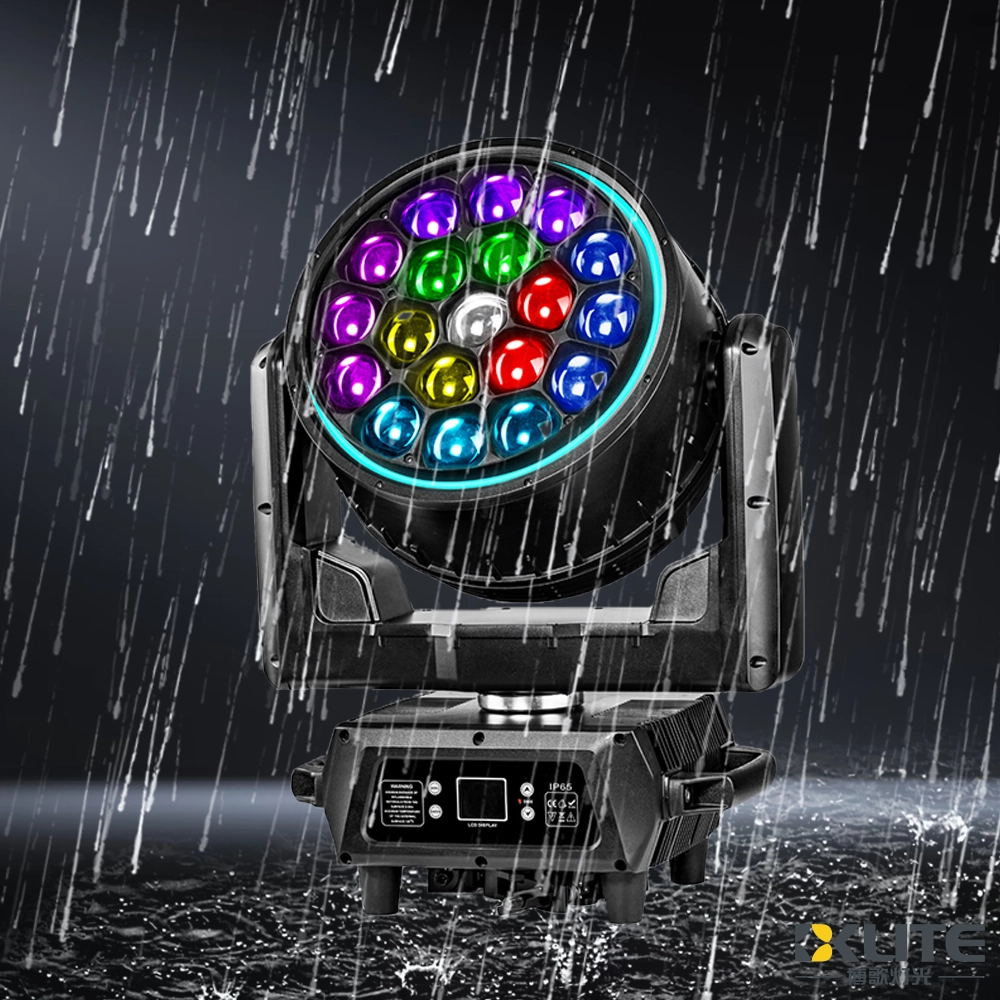
IP65 Waterproof Bee Eye Zoom 19x40W RGBW 4IN1 LED Beam Wash Moving Head Light with LED Ring
BKlite waterproof bee eye moving head light—your reliable choice from top waterproof moving head light manufacturers and suppliers. Ideal for outdoor stage, live event, music festival, this energy-saving fixture ensures powerful, precise illumination for any venue. It delivers powerful, reliable lighting performance in any weather.
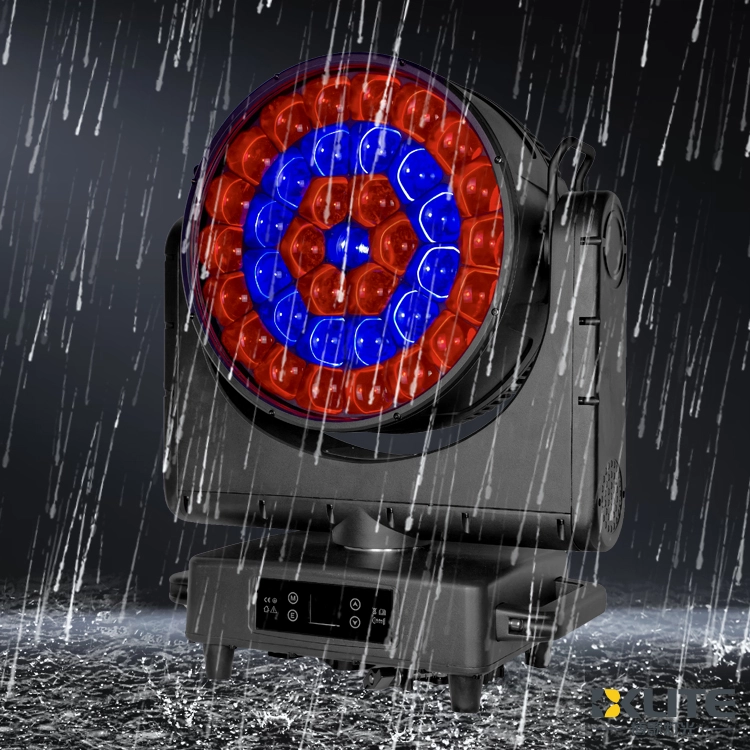
IP65 Waterproof ZOOM Bee Eye 37x40W RGBW 4in1 LED Moving Head Light
As a leading stage lighting equipment supplier with more than 15 years of industry know-how, BKlite brings you the IP65 ZOOM Bee Eye 37*40W RGBW 4in1 LED Moving Head Light (K25 Bee Eye) delivers vibrant, weatherproof lighting with powerful zoom and smooth movement. Ideal for dynamic stage effects, the K25 moving head light ensures stunning RGBW color mixing and reliable outdoor performance.
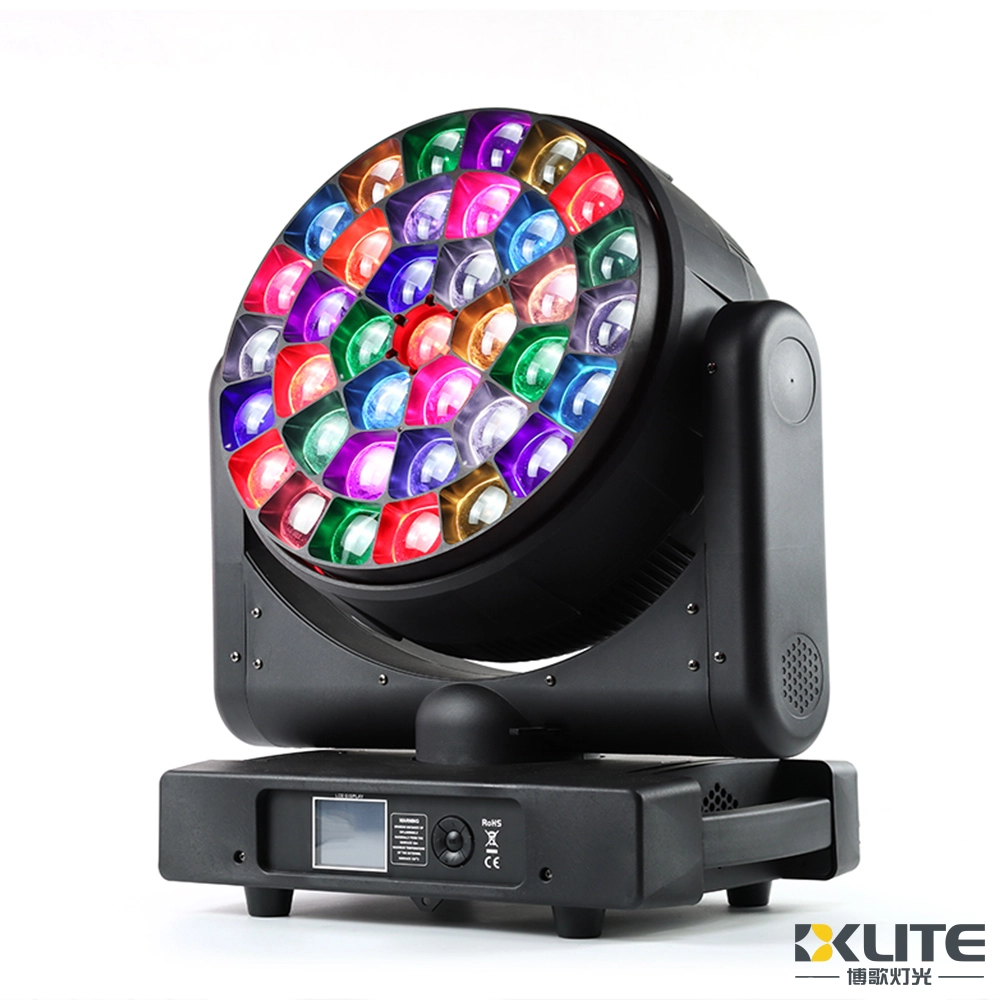
Bee Eye Zoom 37x40W RGBW 4in1 LED Beam Wash Moving Head Light
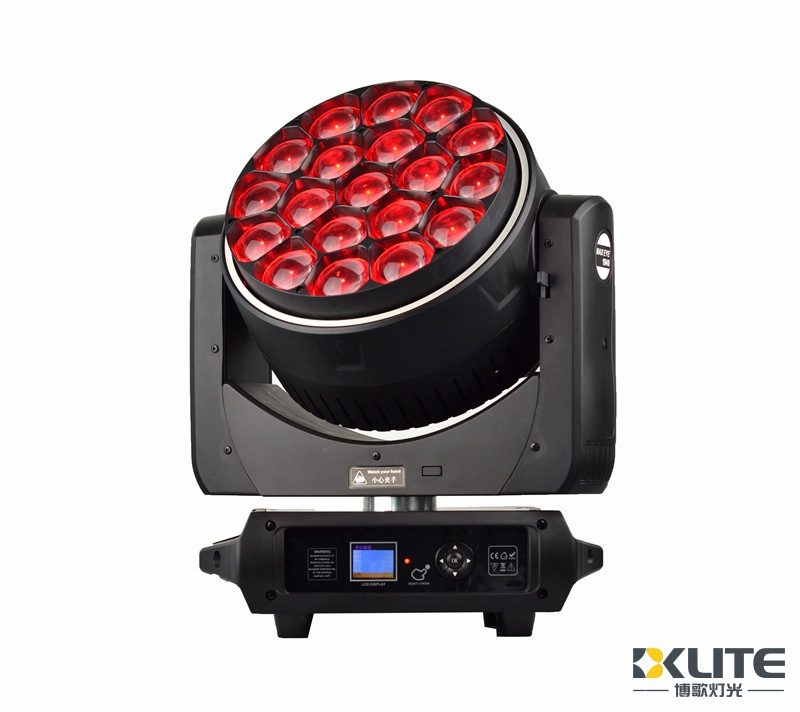
IP20 Bee Eye Zoom 19x40W RGBW 4IN1 LED Beam Wash Moving Head Light with LED Ring
As one of the leading stage lighting equipment suppliers with 15+ years of experience, BKlite launched a new Bee Eye K15 19x40 LED wash light BK-BY1940Z. .
Designed with a simple and sleek appearance, the WASH moving head light is compact, lightweight, and highly portable.
With multiple color effect macros and dynamic effect macros.
Our wash light can be used for versatile lighting options with amazing effect.
It is very good for your lighting projects.
Powerful and shoots very far distances.


Copyright © 2025 BKLITE All Rights Reserved.