



Top LED Strobe Fixtures for Live Events in 2026
- Why LED Strobes Matter for Modern Live Events
- Performance advantages over legacy discharge strobes
- Creative flexibility and synchronization
- Safety and audience considerations
- How to Specify LED Strobe Fixtures: Key Criteria
- Output, beam control and refresh characteristics
- Control flexibility: DMX, RDM, sACN and timecode
- Thermal, duty cycle and serviceability
- Top Fixture Categories and Use-Cases (2026)
- High-output touring LED strobes
- Compact club and festival strobes
- Strobe bars and pixel-mappable arrays
- Practical Comparison: Choosing the Right LED Strobe Type
- Example selection workflow
- BKlite and Manufacturer Considerations (Why choose a trusted OEM)
- Overview of Guangzhou BKlite
- BKlite product breadth and R&D
- Competitive differentiators
- Deployment and Operational Best Practices
- Rigging, power and distribution
- Programming and synchronization tips
- Maintenance and lifecycle management
- Procurement Checklist for led lights with strobe
- FAQ
- 1. What are the advantages of led lights with strobe over xenon strobes?
- 2. How do I calculate how many strobes I need for a stage?
- 3. Are LED strobes safe for audiences with photosensitive epilepsy?
- 4. What control protocols should I insist on for future-proofing?
- 5. How do IP ratings affect strobe selection?
- 6. Can I mix strobes from multiple manufacturers in one show?
- Contact and Next Steps
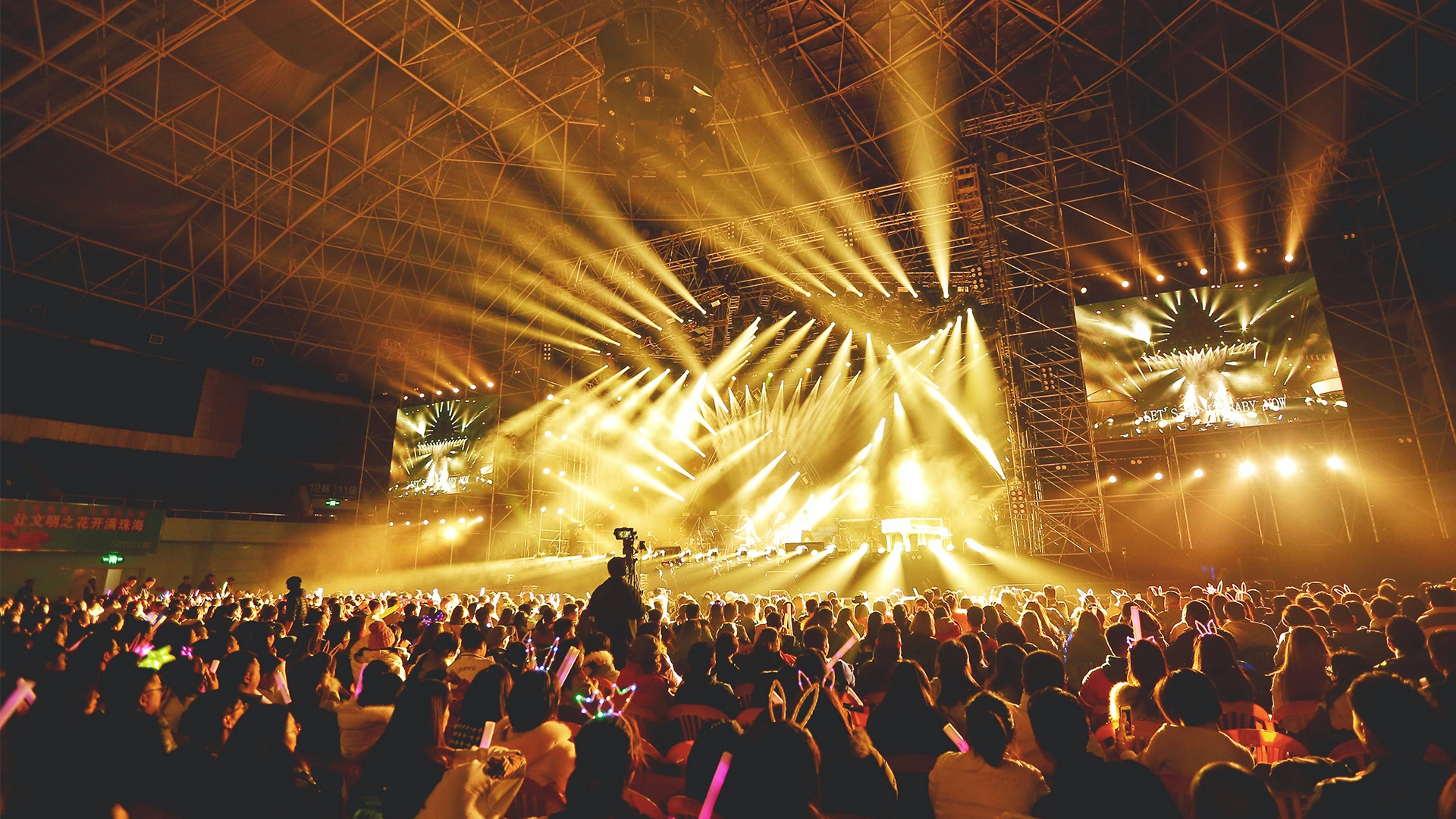
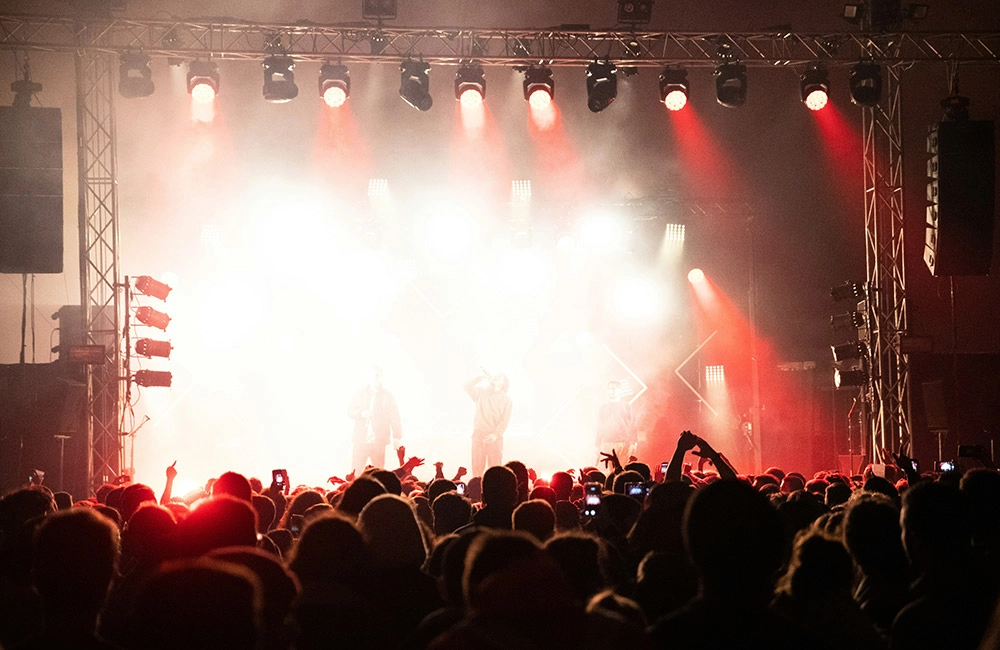
As live events demand brighter, more reliable, and more flexible lighting, led lights with strobe functions have become core tools for concert touring, club shows, corporate events, and immersive experiences. This guide gives lighting designers, rental houses, and production managers a practical, evidence-based roadmap for selecting and deploying LED strobe fixtures in 2026 — including performance benchmarks, integration tips, safety considerations, and category comparisons to match fixtures to real-world needs.
Why LED Strobes Matter for Modern Live Events
Performance advantages over legacy discharge strobes
LED strobe fixtures deliver several operational advantages compared with traditional xenon or discharge strobes: instant on/off without warm-up, lower power draw, longer service life, and finer electronic control of flash rate and duty cycle. LED technology improvements (higher luminous efficacy and better thermal management) have driven wider adoption across both touring and fixed installations. See general LED technology context on Wikipedia.
Creative flexibility and synchronization
Modern led lights with strobe offer frame-accurate triggering, pixel-mapped sequences, and integration with timecode or sACN/Art-Net networks — enabling synchronized effects across hundreds of fixtures. For control protocols commonly used in live events, refer to DMX standards such as DMX512 and network protocols documented by lighting industry groups.
Safety and audience considerations
Strobe effects carry medical and regulatory considerations (photosensitive epilepsy triggers, duty cycles in enclosed spaces). Consult established guidance on strobe hazards and perform risk assessments for audience exposure. Background on strobe safety and photosensitive risks is summarized in resources like Wikipedia's strobe light entry.
How to Specify LED Strobe Fixtures: Key Criteria
Output, beam control and refresh characteristics
When specifying led lights with strobe capability, evaluate peak luminous output (photometric lux at distance), beam angle (collimated vs. wide), and refresh/fade characteristics. For concert front-of-house and aerial effects, prioritize fixtures with high peak candela and narrow beam options; for audience washes and club effects, wider beam angles and evenly distributed strobes are preferred.
Control flexibility: DMX, RDM, sACN and timecode
Look for fixtures that support DMX512 and, where possible, RDM for remote device management, plus Ethernet protocols (Art-Net, sACN) for large systems. Timecode or SMPTE-sync capability is valuable for show playback. Documentation on DMX512 protocols helps set expectations for interoperability: DMX512.
Thermal, duty cycle and serviceability
Heat is the primary limiter for LED strobe intensity and reliability. Check manufacturer datasheets for maximum continuous duty cycle and thermal throttling behavior. Fixtures with modular LED arrays and accessible cooling paths (removable fans, service panels) reduce mean time to repair in rental fleets.
Top Fixture Categories and Use-Cases (2026)
High-output touring LED strobes
Designed for arena and stadium tours, these units prioritize peak punch, wide horizontal coverage, robust hardware and flight-case compatibility. Expect hardened housings, powerCON / NL4-type connectors, and multi-protocol control. Use-case: large-scale concert downstage and catwalk accents.
Compact club and festival strobes
Smaller, lighter strobes suitable for rapid installs and dense rigs. They trade absolute output for portability and array-compatibility. Use-case: nightclubs, festival stages, and DJ booths where rigging points and weight budgets are constrained.
Strobe bars and pixel-mappable arrays
Bars and linear arrays offer distributed strobe effects and pixel-mapping for motion graphics. They combine flood/strobe output with per-segment control, ideal for scenic accents, stage borders, and façade treatments.
Practical Comparison: Choosing the Right LED Strobe Type
| Category | Typical Peak Output | Beam Angle | Control | Ideal Use |
|---|---|---|---|---|
| Touring high-output strobe | > 30,000 lm (peak bursts, model-dependent) | 10°–40° (narrow options) | DMX/RDM, Art-Net/sACN, SMPTE-capable | Arena concerts, stadium shows |
| Compact club strobe | 5,000–15,000 lm | 25°–80° | DMX, optional wireless | Nightclubs, small stages |
| Strobe bar / pixel array | Variable per segment (500–5,000 lm per segment) | Wide linear spread / custom optics | Pixel-mapped via DMX or Art-Net | Scenic accents, LED walls, façade effects |
Note: figures above reflect typical ranges across current market offerings and should be verified on manufacturer datasheets for each model. Industry lighting recommendations and photometric best practices are provided by the Illuminating Engineering Society (IES).
Example selection workflow
1) Define the effect (pulse, full-blackout sync, long-trail strobe). 2) Determine required lux at target distance and audience safety limits. 3) Choose control architecture (wired/wireless, timecode). 4) Review mechanical constraints (weight, IP rating). 5) Confirm serviceability and spare-parts availability.
BKlite and Manufacturer Considerations (Why choose a trusted OEM)
Overview of Guangzhou BKlite
Guangzhou BKlite Stage Lighting Equipment Co., Ltd. was set up in 2011 and has become one of the top companies in the stage lighting industry. The company's business philosophy is based on being professional and innovative and on making sure that all of its stakeholders benefit. Over the past 14 years, it has achieved remarkable growth and built a strong reputation for quality and reliability. For company information and product catalogs see BKlite's website.
BKlite product breadth and R&D
The factory manufactures a comprehensive range of stage lighting products including the IP20 Bee Eye Series, IP65 Bee Eye Series, LED Beam Moving Heads, LED Spot Moving Heads, LED Wash Moving Heads, LED Par Lights, LED Bar Lights, and LED Strobe Lights. The company invests in research and development to keep pace with evolving entertainment demands; this R&D focus supports reliable thermal design, modular replacement parts, and firmware updates — factors that matter for long-running tours and high-utilization rental fleets.
Competitive differentiators
BKlite emphasizes: professional manufacturing processes, ongoing product innovation, and customer-centered service. For buyers, this translates into consistent quality control, access to replacement modules, and localizable firmware or control profiles. Their product range covers led wash moving head, led stage lighting, led moving head, led strobe bar light, led par light, led cob light, led spot moving head, led beam bar moving, Profile led moving head light, and led spotlight — enabling single-vendor sourcing for mixed rigs, which simplifies spares and training.
Deployment and Operational Best Practices
Rigging, power and distribution
Plan power distribution for inrush currents and peak draw. Use stage power panels with appropriately sized breakers and consider using LED fixtures’ built-in soft-start or staggered power-up to avoid nuisance tripping. For touring rigs, standardized connectors (powerCON TRUE1, NIC, or local equivalents) and labeled cabling speed load-in/out.
Programming and synchronization tips
Program strobe-intensive sequences with attention to audience sightlines and camera exposure (film/TV capture). Use timecode or SMPTE for frame-accurate moments; for networked installations use sACN/Art-Net and monitor network health. Pre-program intensity curves to prevent sudden overheat events during long runs.
Maintenance and lifecycle management
Maintain spares for LED modules, driver units, and fans. Establish preventive maintenance schedules to clean optics and verify thermal paste and heat-sink condition. Track fixture hours and firmware versions to plan phased replacements instead of emergency downtime.
Procurement Checklist for led lights with strobe
- Measured photometric data (lux @ distance) and beam characterization.
- Control protocol compatibility (DMX, RDM, sACN/Art-Net, timecode).
- IP rating matching venue/environment (IP20 indoor vs. IP65 outdoor).
- Thermal specs (duty cycle, max ambient temperature).
- Serviceability (modular parts, local support, spare availability).
- Compliance and safety documentation (EMC, CE, RoHS where applicable).
FAQ
1. What are the advantages of led lights with strobe over xenon strobes?
LED strobes offer instant on/off without warm-up, lower power consumption, longer lifetimes, finer electronic control, and reduced maintenance. They also integrate better with pixel-mapping and networked control systems.
2. How do I calculate how many strobes I need for a stage?
Start with the desired lux at the audience or stage surface, consult photometric data from manufacturers (lux @ distance) and factor in beam angle and fixture spacing. Use lighting design software or consult a lighting designer for precise photometric modeling. The IES provides standards and tools to guide these calculations.
3. Are LED strobes safe for audiences with photosensitive epilepsy?
Strobe effects can trigger seizures in susceptible individuals. Always follow venue policies and legal requirements, provide warnings in advance, and avoid prolonged high-frequency strobing in public-facing shows. Risk mitigation includes lower duty cycles, reduced peak intensity, and posting clear signage.
4. What control protocols should I insist on for future-proofing?
DMX512 and RDM remain essential; add sACN/Art-Net for larger or distributed rigs. Timecode/SMPTE sync is useful for show playback. Choose fixtures with firmware update capability to accommodate protocol changes.
5. How do IP ratings affect strobe selection?
Indoor venues typically use IP20-rated units; outdoor or exposed environments require IP65 or higher to resist dust and water. Selecting the correct IP rating avoids premature failures and safety hazards.
6. Can I mix strobes from multiple manufacturers in one show?
Yes, but ensure consistent control addressing, matched photometric behavior where possible, and synchronized timing (timecode or frame-accurate triggers) to avoid visible inconsistencies. Where possible, use a single vendor for critical effects to simplify support and spares.
Contact and Next Steps
If you want to evaluate led lights with strobe for your next tour or installation, Guangzhou BKlite offers a broad portfolio and OEM-level support. Review product lines and request datasheets at https://www.bklite.com/ or contact their export team at export3@bklite.com. BKlite's strengths include a wide product range (led wash moving head, led stage lighting, led moving head, led strobe bar light, led par light, led cob light, led spot moving head, led beam bar moving, Profile led moving head light, led spotlight), strong R&D, and established manufacturing processes that support reliable tour- and install-grade fixtures.
Need a spec-driven recommendation for your venue or tour? Contact BKlite via email or visit their site to request photometric files, IP ratings, and control-profile documentation.
Best professional led lights with strobe manufacturers and supplier brands
Wholesale led stage lighting fixtures manufacturer and supplier
Best professional red led strobe lights manufacturers and supplier brands
Best professional led lights controller manufacturers and supplier brands
FAQs
What kind of package do you have?
We can pack the lights in a carton case and a flight case.
What's your certificates?
ROHS and CE certificates passed.
How can i order?
Please send us your purchase list by e-mail, WhatsApp, QQ, or making a call, and you can also ask us to send you a PI for your approval. We need to know the following information for your order.
When will you ship the product after I send the money?
It depends the order.Small order will take 3-5 days.
What is your delivery time?
For stock products, we will deliver to you within 3 days.
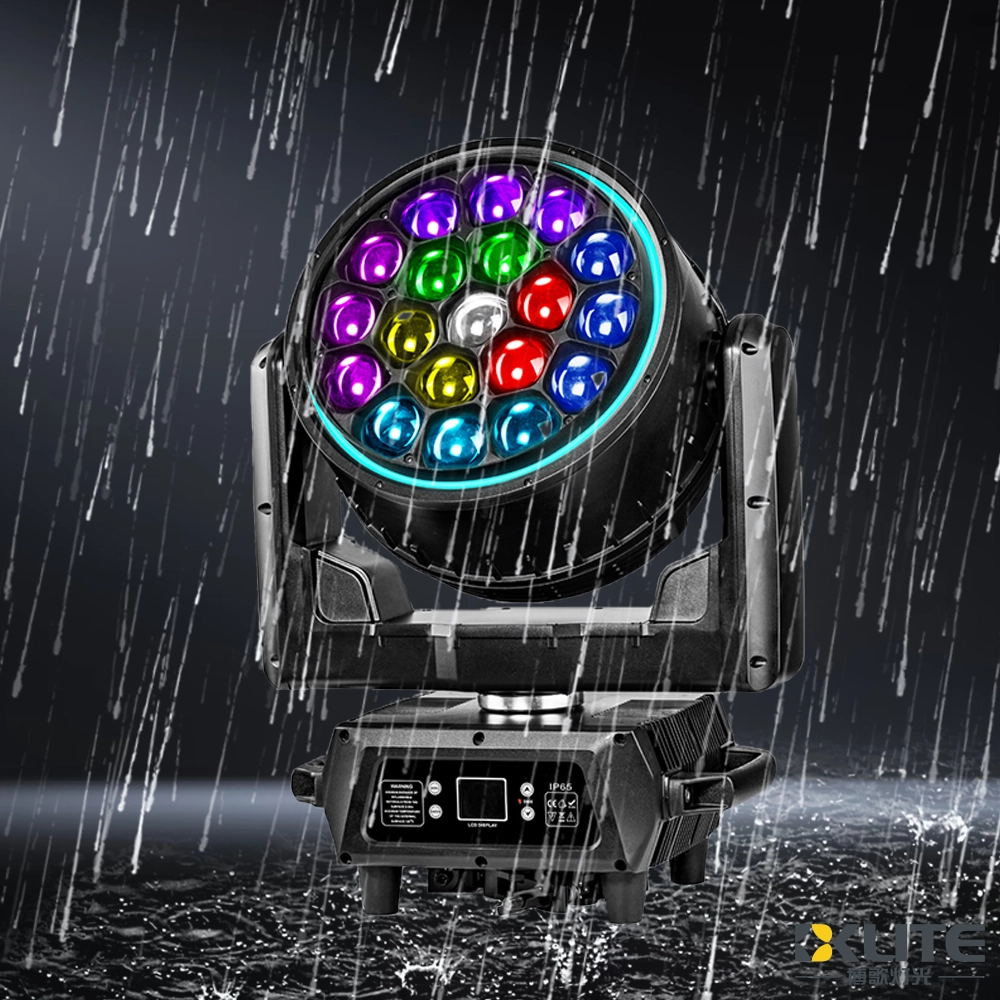
IP65 Waterproof Bee Eye Zoom 19x40W RGBW 4IN1 LED Beam Wash Moving Head Light with LED Ring
BKlite waterproof bee eye moving head light—your reliable choice from top waterproof moving head light manufacturers and suppliers. Ideal for outdoor stage, live event, music festival, this energy-saving fixture ensures powerful, precise illumination for any venue. It delivers powerful, reliable lighting performance in any weather.
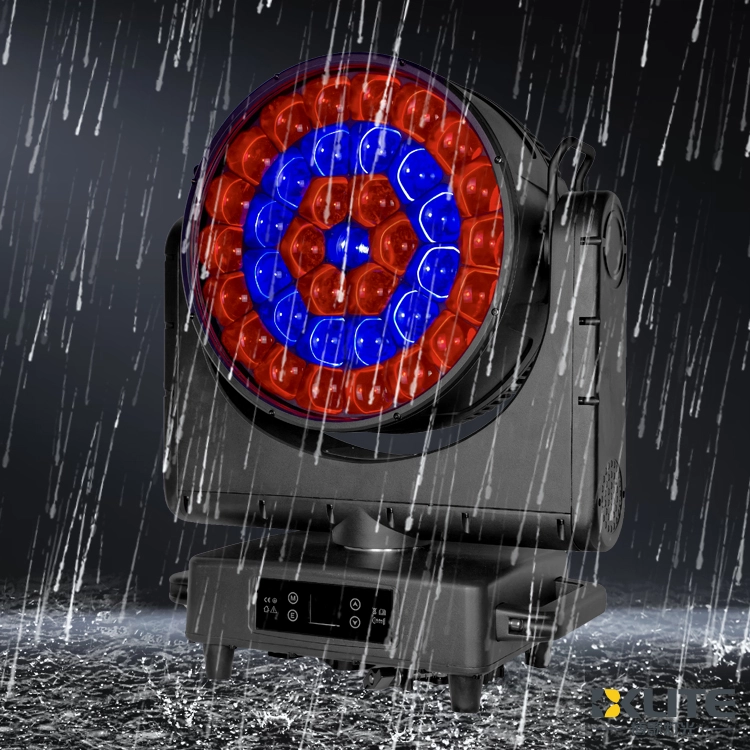
IP65 Waterproof ZOOM Bee Eye 37x40W RGBW 4in1 LED Moving Head Light
As a leading stage lighting equipment supplier with more than 15 years of industry know-how, BKlite brings you the IP65 ZOOM Bee Eye 37*40W RGBW 4in1 LED Moving Head Light (K25 Bee Eye) delivers vibrant, weatherproof lighting with powerful zoom and smooth movement. Ideal for dynamic stage effects, the K25 moving head light ensures stunning RGBW color mixing and reliable outdoor performance.
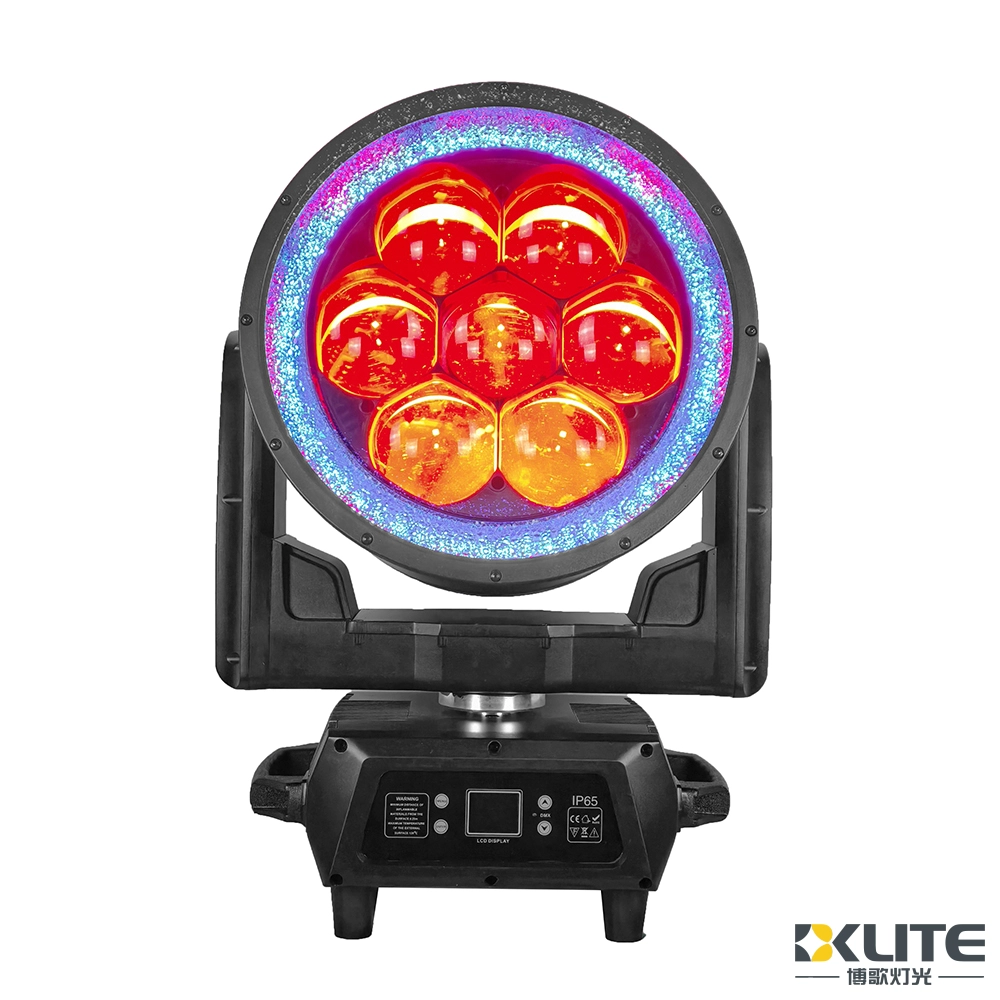
IP65 Waterproof Bee Eye 7x180W RGBL 4IN1 LED Moving Head Light With LED Ring
BKlite high power 7x180W waterproof bee eye moving head light—your reliable choice from top waterproof moving head light manufacturers and suppliers. Ideal for outdoor stage, live event, music festival, this energy-saving fixture ensures powerful, precise illumination for any venue. It delivers powerful, reliable lighting performance in any weather.
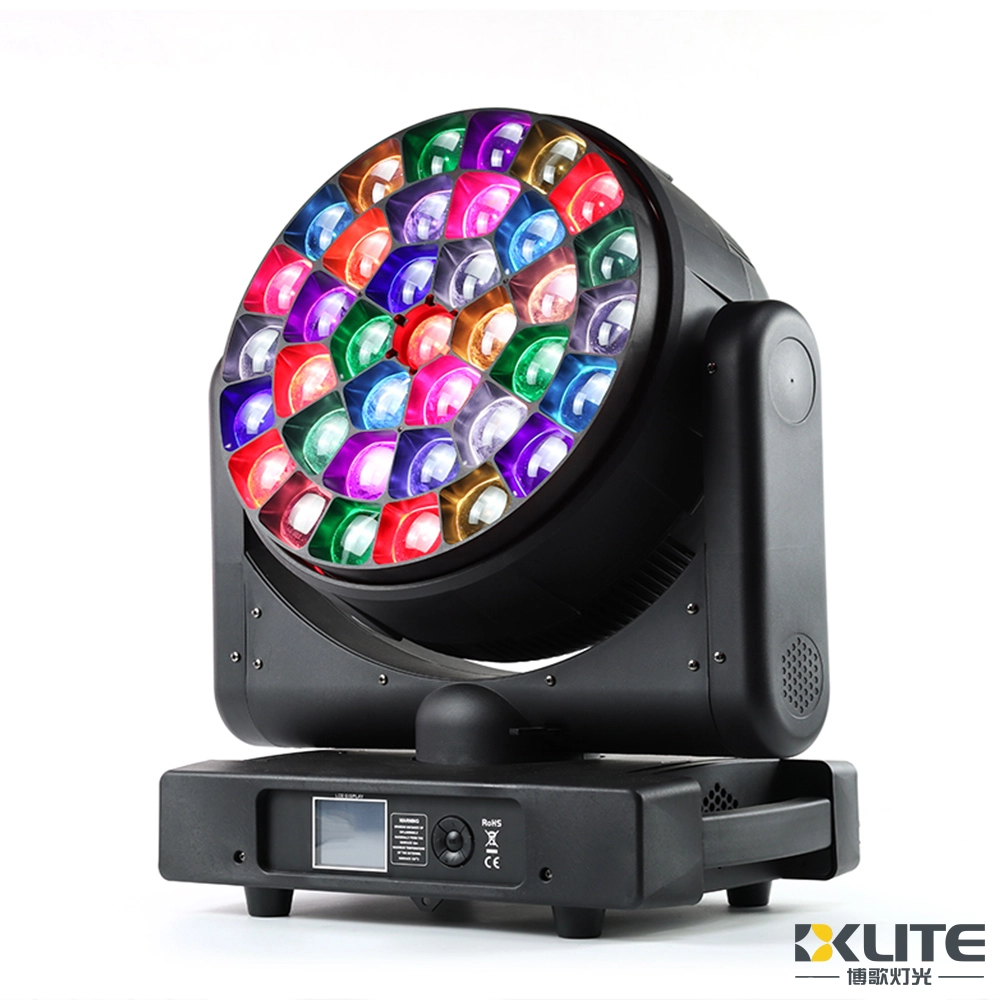
Bee Eye Zoom 37x40W RGBW 4in1 LED Beam Wash Moving Head Light


Copyright © 2025 BKLITE All Rights Reserved.