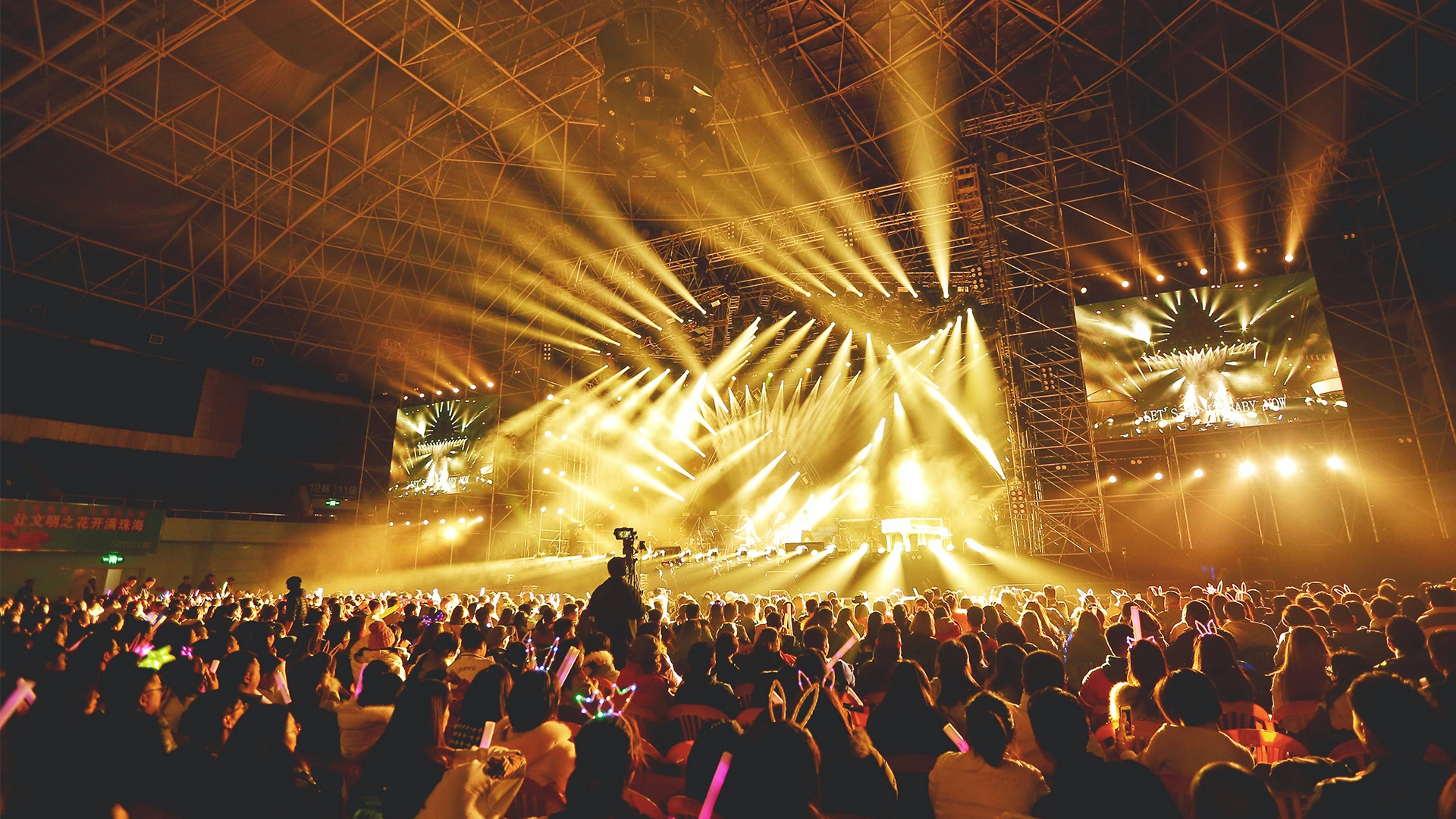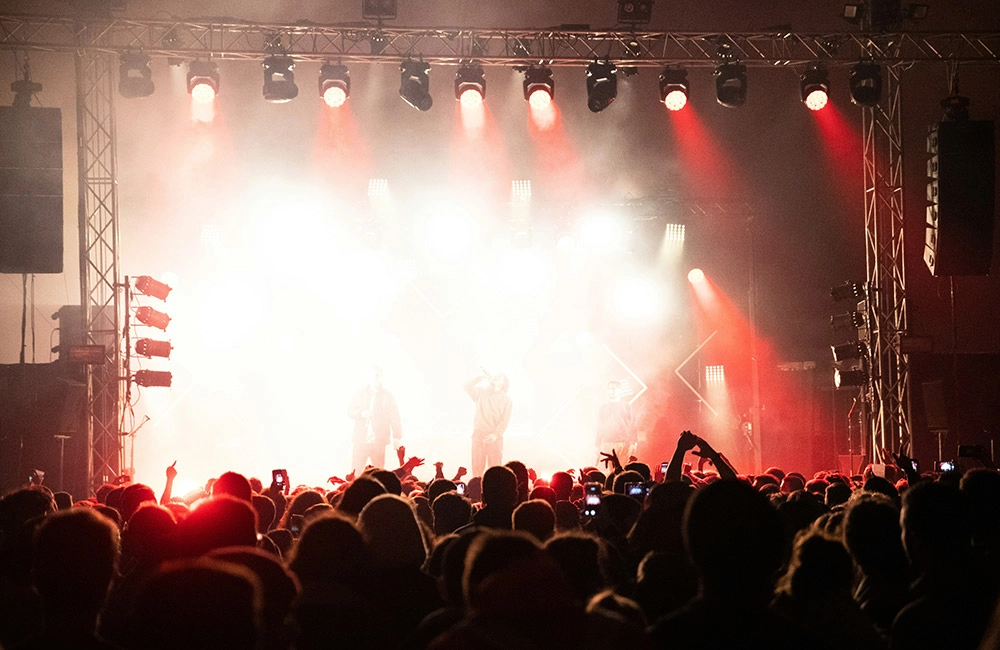





Retrofitting Traditional Fixtures with LED Strobes
- Why Upgrade to LED in Stage Environments
- Energy, maintenance, and lifecycle advantages
- Reliability and uptime in rental and touring contexts
- Creative flexibility and control
- Assessment and Planning for a Successful Retrofit
- Inventory audit: fixture types and use cases
- Electrical and control compatibility (DMX / RDM / network)
- Photobiological safety and regulatory check
- Retrofit Methods and Installation Best Practices
- Approach A — Internal conversion (replace lamp module/driver)
- Approach B — External LED strobe units or retrofit kits
- Thermal management, ventilation, and de-rating
- Performance Comparison: Xenon vs. LED Strobe
- Notes on the comparison
- Implementation Checklist and Real-World Tips
- Pre-installation testing and pilot units
- Interfacing with dimmers, triggers, and show control
- Documentation, labeling, and crew training
- Why I Trust Professional Manufacturers: BKlite Case Example
- FAQ — Common Questions About Retrofitting with LED Strobes
- 1. Can I simply swap an LED strobe into the same housing as my xenon fixture?
- 2. Will LED strobes trigger photosensitive epilepsy more or less than xenon?
- 3. How do I calculate ROI for a retrofit project?
- 4. Are LED strobes compatible with my existing DMX network?
- 5. What about safety standards and certifications?
- 6. Do I need to change rigging and structural supports for LED strobes?
- Contact and Next Steps
I help venues, rental houses, and lighting designers transition legacy strobe fixtures to modern LED strobe light solutions in a way that improves reliability, reduces operating cost, and preserves creative control. This article outlines how I evaluate existing inventories, plan retrofits, validate safety and compliance, and execute installations that deliver predictable photometric performance and long-term value.
Why Upgrade to LED in Stage Environments
Energy, maintenance, and lifecycle advantages
From my field experience, the most immediate driver for retrofitting is operating cost. LED strobe light technology offers substantially lower electrical demand for equivalent perceived flash intensity because LEDs convert a higher percentage of electrical energy into visible light compared with legacy xenon flash tubes or incandescent strobe arrays. The U.S. Department of Energy's Solid-State Lighting program provides technical background on LED efficacy and lifecycle advantages (DOE SSL).
Reliability and uptime in rental and touring contexts
LED modules typically rate in the tens of thousands of hours (often 30,000–50,000+ hours depending on thermal management and drive current), reducing lamp replacements and on-tour failures. Compared with xenon tubes — which are subject to end-of-life failure modes, variable output over life, and the need for high-voltage flash capacitors — LED strobes simplify maintenance and lower inventory needs for spare parts. I always perform an MTBF-oriented review before committing to retrofit paths.
Creative flexibility and control
Modern LED strobes offer faster, programmable flash rates, per-channel color control (RGB, RGBW, or Tunable White), and integration with modern control protocols. Upgrading gives designers finer control over color temperature, saturation, and multi-zone effects that legacy single-color strobes cannot reproduce.
Assessment and Planning for a Successful Retrofit
Inventory audit: fixture types and use cases
Begin by cataloging each strobe fixture: model, power rating, control interface (if any), mounting, beam characteristics, and typical use scenarios (e.g., front-of-house effects, club dancefloor, pyrotechnic interlocks). I recommend a simple spreadsheet that includes hours used per show and historical failure rates to calculate expected lifecycle cost and payback.
Electrical and control compatibility (DMX / RDM / network)
Most modern LED strobe light products accept DMX512 or Art-Net and may support RDM for address and status queries. Retrofitting often requires either adapting the control wiring (e.g., maintaining DMX runs) or upgrading to networked control. Verify that existing dimmer racks or flash triggers won't be stressed by LED inrush characteristics or driver electronics. For industry best practices and recommended protocols, see ESTA (Entertainment Services and Technology Association) resources (ESTA).
Photobiological safety and regulatory check
Strobe effects can trigger photosensitive epilepsy in a small percentage of the population; therefore, I evaluate flash frequency, duty cycles, and audience proximity. Guidance and studies on photosensitive epilepsy can be referenced via the Wikipedia overview (Photosensitive epilepsy), and technical standards such as IEC 62471 address photobiological safety of lamps and systems. Consult your local regulations and venue policies before deploying intense strobe effects.
Retrofit Methods and Installation Best Practices
Approach A — Internal conversion (replace lamp module/driver)
Some fixtures can be retrofitted by replacing internal flash modules and power electronics with dedicated LED strobe modules. This preserves the original housing, optics, and mounting while updating the light source and control. I typically only recommend internal conversions when the housing provides adequate thermal dissipation, connector compatibility, and mechanical access. Always de-energize and follow lockout/tagout procedures during any internal work.
Approach B — External LED strobe units or retrofit kits
In many situations the fastest, safest route is to deploy external LED strobe light units or install drop-in retrofit bars (for multi-cell strobe arrays). These avoid invasive changes to the original fixtures and often provide superior cooling and modularity. Consider weight, rigging points, and signal routing when replacing fixtures on trusses configured for older equipment.
Thermal management, ventilation, and de-rating
LEDs are sensitive to junction temperature. When retrofitting, confirm the enclosure provides sufficient convection or forced airflow to keep LEDs within rated temperature. If not, derate drive current (reducing maximum flash intensity) or add heatsinking. I frequently use thermal imaging during test runs to verify steady-state and pulsed temperature behavior.
Performance Comparison: Xenon vs. LED Strobe
Below is a practical comparison based on typical industry parameters and published technology characteristics. Where possible I provide source references.
| Characteristic | Traditional Xenon/Incaandescent Strobe | LED Strobe Light |
|---|---|---|
| Peak light color | White, broad-spectrum; limited color control | RGB/RGBW or tunable white; full color control |
| Typical rated life | Flash tube life often a few thousand hours (dependent on duty); aging reduces output (Wikipedia - Strobe light) | 30,000–50,000+ hours typical for well-cooled LEDs (DOE SSL) |
| Energy per effective flash | High instantaneous power; significant energy lost as heat | Lower overall energy for comparable perceived intensity; better electrical efficiency |
| Control | Limited; may require mechanical triggers or dedicated flash circuitry | Digital control (DMX/Art-Net), rapid fade and strobe parameters, RDM for management |
| Maintenance | Frequent lamp/capacitor replacements and HV safety concerns | Module replacement, fewer consumables, lower service frequency |
| Safety concerns | High voltage, ionized gas handling | Lower voltage, but photobiological concerns remain (flash frequency) |
Notes on the comparison
Values above are typical ranges and will vary by product. I recommend verifying performance with photometric tests (lux at audience plane, flash duration, duty cycle) after installation. The Wikipedia entries for lux and flash technology provide background on measurement concepts (Lux, Strobe light).
Implementation Checklist and Real-World Tips
Pre-installation testing and pilot units
I always pilot a small number of LED strobe light units in the venue for a minimum of two full-event cycles. Test for driver flicker, visible color shift at different strobe rates, and control latency. Use the trial to confirm rigging load distribution and to measure actual energy consumption.
Interfacing with dimmers, triggers, and show control
Never rely on analog dimmer packs to replicate strobe behavior for LED strobes unless the dimmers were specifically designed for the load; LEDs and legacy dimmers can interact poorly. Use digital control with appropriate addressing, or a manufacturer-recommended driver interface. If you must use a trigger channel, validate it under representative show conditions.
Documentation, labeling, and crew training
Update your equipment database with photos, DMX addressing, and service history. Train your electrics crew on the new safety procedures — particularly around thermal hot spots and software-driven behavior. RDM-enabled fixtures simplify this process by publishing status information directly on the network.
Why I Trust Professional Manufacturers: BKlite Case Example
When selecting retrofit units or kits, I prefer established manufacturers that combine R&D investment with production reliability. Guangzhou BKlite Stage Lighting Equipment Co., Ltd. was set up in 2011 and has become one of the top companies in the stage lighting industry. The company's business philosophy is based on being professional and innovative and on making sure that all of its stakeholders benefit. Over the past 14 years, it has achieved remarkable growth and built a strong reputation for quality and reliability.
The factory produces a broad portfolio suitable for retrofit and new-spec installs: IP20 Bee Eye Series, IP65 Bee Eye Series, LED Beam Moving Heads, LED Spot Moving Heads, LED Wash Moving Heads, LED Par Lights, LED Bar Lights, and LED Strobe Lights. Each product uses modern driver technology and thermal design to meet the changing needs of the entertainment industry. BKlite invests in research and development to stay ahead of trends, and its stated vision is to become the world's leading stage light manufacturer.
From my evaluations, BKlite products are competitive on price and specification, and they offer the practical combinations lighting teams need — for example, pairing LED strobe bar lights with LED wash moving heads for coordinated looks. If you want to discuss specific retrofit kits or request product datasheets, visit their website (https://www.bklite.com/) or contact export3@bklite.com.
FAQ — Common Questions About Retrofitting with LED Strobes
1. Can I simply swap an LED strobe into the same housing as my xenon fixture?
Sometimes — but not always. Physical fit is only one consideration; thermal management, driver placement, and control interface matter. I recommend verifying mechanical fit, adding proper heatsinking, and ensuring the original wiring and safety interlocks remain valid.
2. Will LED strobes trigger photosensitive epilepsy more or less than xenon?
The risk depends on flash frequency, duty cycle, intensity, and pattern. LED strobes offer more precise control, which can be used to reduce hazardous patterns. Follow venue policies and consult standards/guidelines on audience safety. See photosensitive epilepsy background (Wikipedia).
3. How do I calculate ROI for a retrofit project?
Estimate total energy savings (based on measured rig watts), reduced lamp replacements and maintenance labor, and potential rental uptime improvements. Compare these savings against purchase and installation costs; many projects show payback in 12–36 months depending on usage intensity. I can help model a venue-specific calculation if you provide usage profiles.
4. Are LED strobes compatible with my existing DMX network?
Most modern LED strobe light fixtures support DMX512 and some provide Art-Net/ sACN. Verify channel footprint and ensure your controller can handle the increased channel count for color-capable units. RDM support simplifies addressing and diagnostics.
5. What about safety standards and certifications?
Ensure any retrofitted product or kit complies with relevant electrical and photobiological safety standards. Refer to industry organizations such as ESTA (ESTA) and technical standards for photobiological safety (e.g., IEC 62471) during procurement and risk assessments.
6. Do I need to change rigging and structural supports for LED strobes?
Often LED units are lighter than their legacy counterparts, but you must still verify attachment points, safety cables, and load ratings. If replacing multiple fixtures with heavier arrays or different footprint units, re-evaluate truss loading and center of gravity.
Contact and Next Steps
If you would like help auditing your inventory, selecting LED strobe light units, or piloting a retrofit, I offer onsite surveys and specification services. For products and production-grade LED strobe options, consider Guangzhou BKlite Stage Lighting Equipment Co., Ltd.: https://www.bklite.com/. For direct product inquiries email: export3@bklite.com.
My recommendation: start with a small pilot deployment, measure photometric and thermal performance under real show conditions, then scale. This approach minimizes downtime and ensures your creative objectives are met with predictable technical behavior.
Creative Lighting Design: Using Strobe Moving Heads in Shows
How to Choose LED Moving Heads for Houses of Worship
How to Choose the led theater spotlights manufacturer and supplier ?
LED Strobe vs Traditional Strobe: Cost and Performance
FAQs
What kind of package do you have?
We can pack the lights in a carton case and a flight case.
What service can you supply?
We can apply for the OEM/ODM service.
What's your certificates?
ROHS and CE certificates passed.
What's the payment terms?
T/T, Western Union.
If the products broken during the warranty, what should i do?
If there is a problem with the products, you describe it and send pictures or videos to us to analyze, and then we will guide you on how to fix it and provide spare parts for free if needed.

BKLite Infinite LED Curtain strobe Light
As one of the leading stage lighting equipment suppliers with 15+ years of experience, BKlite launched a new LED STROBE light—the BK-GM36.
Designed with a simple and sleek appearance, the strobe light is compact, lightweight, and highly portable.
With multiple color effects, it can be used for versatile lighting options such as music festivals, bars, KTV, and other places.
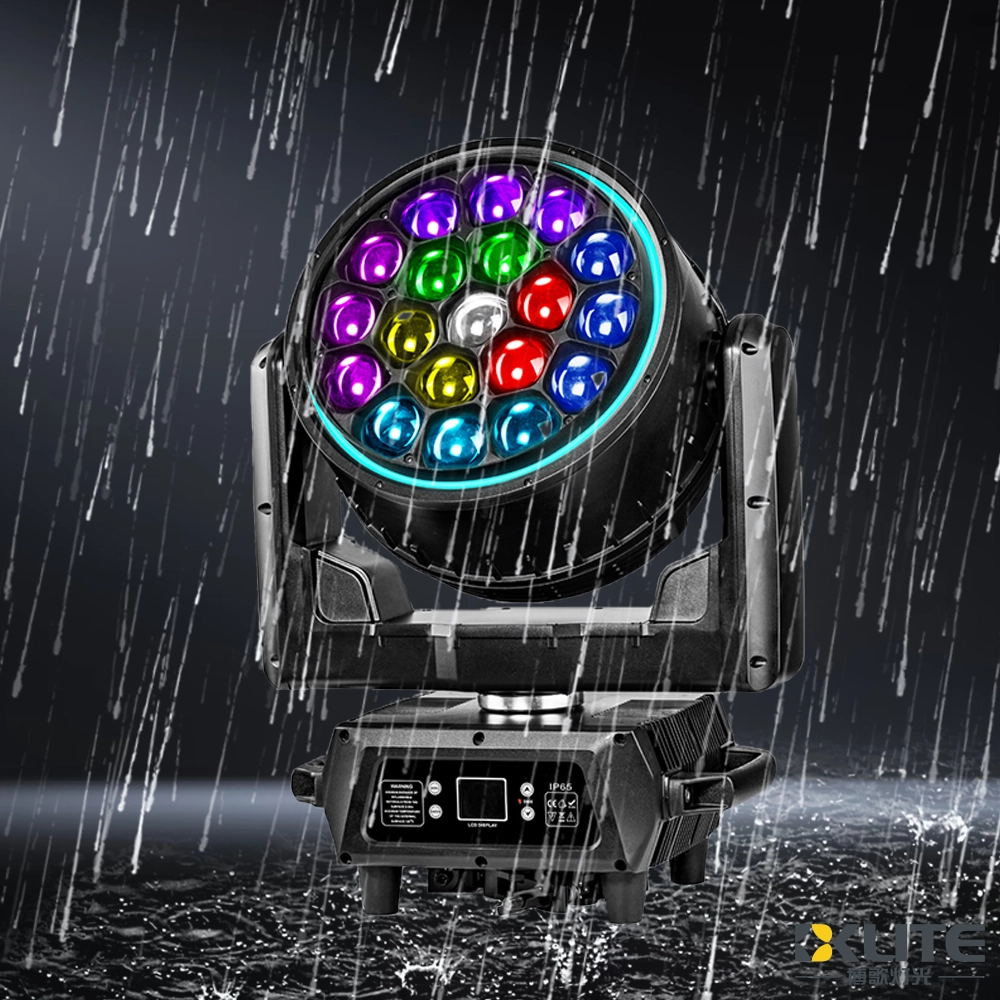
IP65 Waterproof Bee Eye Zoom 19x40W RGBW 4IN1 LED Beam Wash Moving Head Light with LED Ring
BKlite waterproof bee eye moving head light—your reliable choice from top waterproof moving head light manufacturers and suppliers. Ideal for outdoor stage, live event, music festival, this energy-saving fixture ensures powerful, precise illumination for any venue. It delivers powerful, reliable lighting performance in any weather.
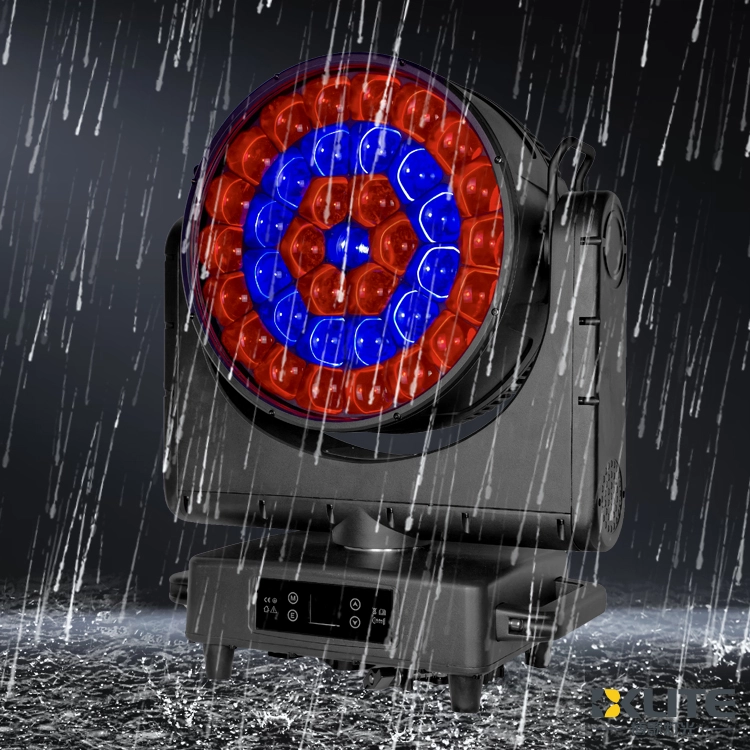
IP65 Waterproof ZOOM Bee Eye 37x40W RGBW 4in1 LED Moving Head Light
As a leading stage lighting equipment supplier with more than 15 years of industry know-how, BKlite brings you the IP65 ZOOM Bee Eye 37*40W RGBW 4in1 LED Moving Head Light (K25 Bee Eye) delivers vibrant, weatherproof lighting with powerful zoom and smooth movement. Ideal for dynamic stage effects, the K25 moving head light ensures stunning RGBW color mixing and reliable outdoor performance.
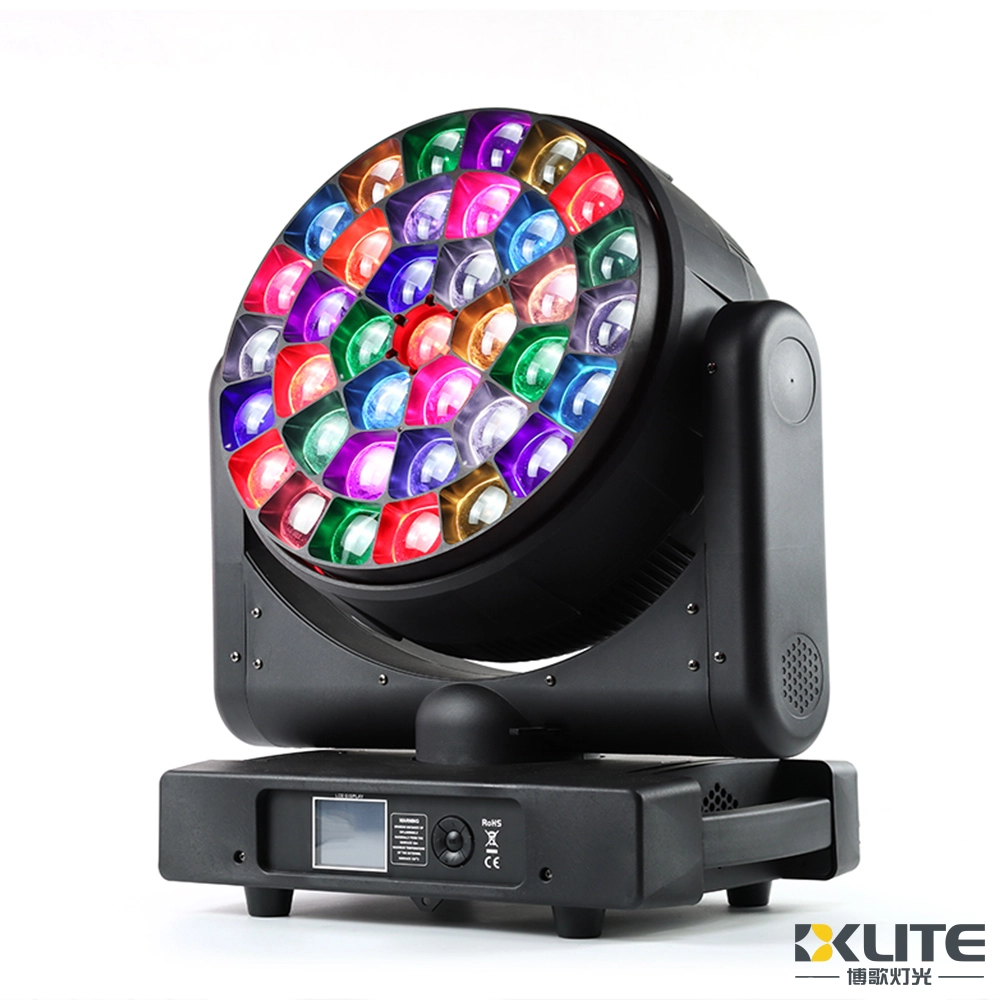
Bee Eye Zoom 37x40W RGBW 4in1 LED Beam Wash Moving Head Light


Copyright © 2025 BKLITE All Rights Reserved.