




Lighting Rig Setup: Positioning Stage Beam Lights
- Foundations of Effective Stage Lighting
- Understanding beam optics and fixture types
- Rigging basics and weight distribution
- Key measurements and sightlines
- Positioning Strategies for Beam Effects
- Front-of-house vs. overhead vs. side positions
- Height, tilt, and pan considerations
- Gobos, focus, and beam shaping
- Technical Setup: DMX, Power, and Control
- Addressing, patching, and channel management
- Power distribution and inrush management
- Networking, latency, and RDM
- Verification, Safety, and Aesthetic Tuning
- Using haze/smoke and beam visibility
- Photometric checks and lux targets
- Safety checks and maintenance routines
- Comparative Table: Typical Beam Fixture Characteristics
- Applying This to Real-World Productions
- Concert touring — repeatable rig charts
- Theatre and dance — subtlety and sightline control
- Club and installation — energy and compact rigs
- Why I Recommend Guangzhou BKlite Stage Lighting Equipment Co., Ltd.
- References and Standards
- Frequently Asked Questions (FAQ)
- 1. What is the ideal height to hang a narrow beam moving head?
- 2. How much haze is safe and effective for beam visibility?
- 3. Can I mix different brands of moving heads in one rig?
- 4. What safety checks should be performed before a show?
- 5. How do I choose between a spot and a beam fixture?
- Contact and Product Inquiry
As a lighting designer and consultant who has spent decades specifying, rigging, and tuning stage beam lights worldwide, I focus on practical, repeatable methods that improve visual impact and operational safety. This article is optimized for both general and GEO-targeted searches: whether you are specifying beam fixtures for a theatre in Guangzhou, touring a production across Europe, or installing a nightclub rig in North America, the positioning strategies and verification steps below will help you reach consistent results with LED beam moving heads and classic discharge-beam fixtures.
Foundations of Effective Stage Lighting
Understanding beam optics and fixture types
To position any stage beam light effectively you must understand the optics: beam angle, beam quality (hard vs soft edge), and lumen output. Moving heads with narrow beam angles (typically 2°–8°) produce tight shafts ideal for aerial effects; wash fixtures have wider beams (20°–60°) for coverage. For reference on lighting categories and terminology see the Stage lighting entry on Wikipedia: https://en.wikipedia.org/wiki/Stage_lighting.
Rigging basics and weight distribution
I always start with a structured plan: calculate total fixture weight per truss bay, ensure load ratings, and plan for safe cable runs. Use truss-rated clamps and safety cables for every moving head. For industry guidance on rigging best practices, I reference standards and resources such as the Illuminating Engineering Society (IES) and manufacturer rigging manuals.
Key measurements and sightlines
Before placing fixtures, map sightlines: audience seating, camera positions, scenic elements, and sight obstruction points. Measure throw distances from fixture positions to the stage plane to estimate required lux and beam spread. I record these dimensions into my plot sheet and CAD models to simulate coverage and overlap.
Positioning Strategies for Beam Effects
Front-of-house vs. overhead vs. side positions
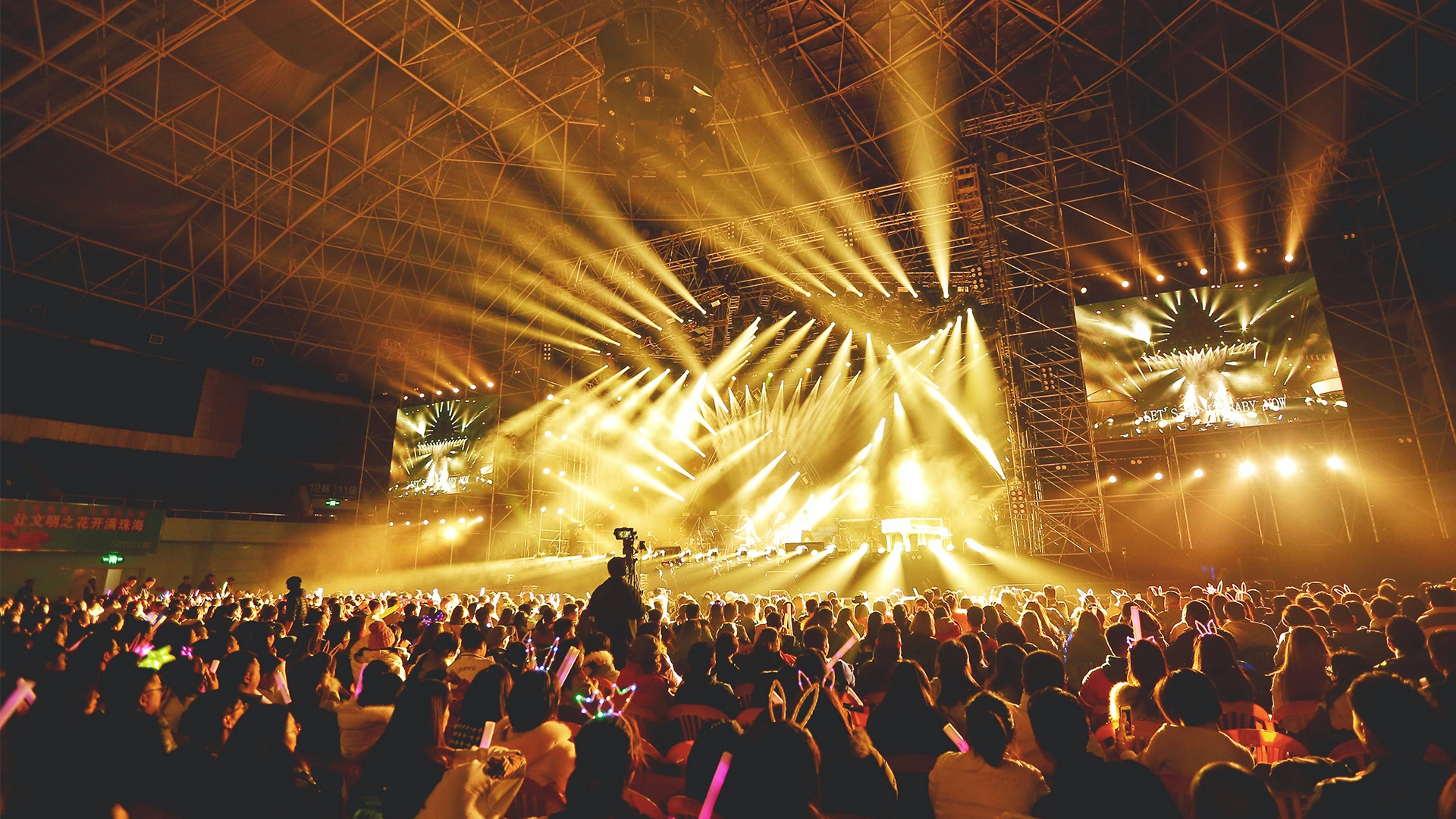
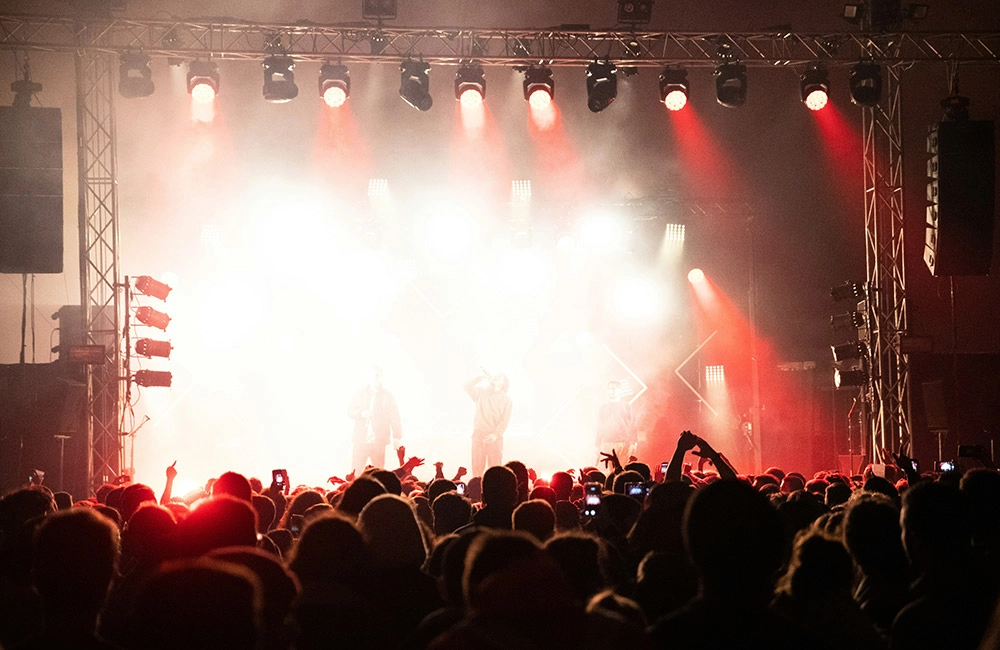
Each position has a different visual function. Front-of-house (FOH) beam placement gives frontal shaping and outlines; overhead (center rig or truss) creates vertical shafts and aerial effects; side positions accentuate texture and create cross beams. I typically use a combination: narrow-beam moving heads overhead for aerial shafts, complemented by angled beam fixtures from sides to create intersecting patterns.
Height, tilt, and pan considerations
Height affects beam convergence and perceived intensity. Placing a narrow beam at higher trim heights increases throw and sharpens the shaft, but also increases required output. When adjusting tilt, aim slightly above performers for clean shafts; avoid pointing directly into audience sightlines. Use rough math: throw (m) × tan(beam angle/2) to estimate beam radius at target distance.
Gobos, focus, and beam shaping
Gobo use and beam focus are critical for texture. In my rigs I test gobos at low DMX values to confirm focus and sharpness on the stage floor or haze-filled air. For LED beam moving heads, confirm the fixture’s beam focus controls and whether the lens zoom alters gobo projection.
Technical Setup: DMX, Power, and Control
Addressing, patching, and channel management
I patch each moving head logically in the console—grouping by position and function (e.g., overhead beams, side beams, specials). Use consistent addressing schemes and reserve channels for pan/tilt/master dimmer/focus/color/gobo. This makes cues predictable across patches and reduces operator error.
Power distribution and inrush management
LED fixtures reduce overall current, but moving heads with motors and electronic ballasts can still cause inrush. Use dedicated circuits per truss where possible, soft-start devices on mains if available, and follow local electrical code. For touring rigs I record breaker assignments and inrush behavior during load-in tests.
Networking, latency, and RDM
Modern LED fixtures support Art-Net, sACN, and RDM for remote configuration. I recommend using RDM to confirm addresses during load-in. For larger rigs, separate DMX universes by function to minimize latency and ensure reliable control. Detailed protocol overviews are available on the Art-Net and sACN documentation pages and manufacturer white papers.
Verification, Safety, and Aesthetic Tuning
Using haze/smoke and beam visibility
Visibility of beam shafts depends on particulate density. I calibrate haze machines to a consistent density that allows beams to read on camera yet remain comfortable for audiences. For guidance on atmospheric effects and safety, consult venue policies and the Stage smoke resources.
Photometric checks and lux targets
I perform measurements with a calibrated light meter to verify lux levels on critical stage areas. For example, frontally lit lead performers often target 300–1000 lx for broadcast-level cameras; flown aerial performers may need higher localized lux. When specifying fixtures, consult manufacturer photometric data (IES files) to model real output. Many manufacturers publish IES/IESNA files for download—use those to run simulations in lighting design software like WYSIWYG or Capture.
Safety checks and maintenance routines
Before every performance I confirm clamp torque, safety cables, cable strain relief, and that moving head limits are set to avoid striking scenic elements. Regular maintenance includes cleaning optics, checking motor play, and updating firmware.
Comparative Table: Typical Beam Fixture Characteristics
| Fixture Type | Typical Beam Angle | Best Use | Notes |
|---|---|---|---|
| Narrow Beam Moving Head (LED Beam Moving Heads) | 2°–8° | Aerial shafts, long throws, hard-edge effects | High intensity; sensitive to haze; precise gobos |
| Spot Moving Head | 8°–20° (zoomable) | Key light, mid-throw focus, image projection | Usually includes shutters and gobo wheels |
| Wash Moving Head / LED Wash Moving Head | 20°–60°+ | Wide coverage, color washes, soft edges | Good for background and even coverage |
Data consolidated from typical industry product specs and photometric references. When in doubt, download the fixture IES files from the manufacturer and simulate: most vendors provide these files (see examples from major brands or consult manufacturer pages).
Applying This to Real-World Productions
Concert touring — repeatable rig charts
For touring I standardize rig charts: labelled truss positions, DMX addressing, and photo references for each cue. I create a 'rig bible' including trim heights, beam presets, and focus photos so that local crew can recreate looks reliably. This reduces setup time and keeps director expectations consistent across venues.
Theatre and dance — subtlety and sightline control
In theatre I prioritize sightline-safe positions and softened beams to avoid blinding audiences. I use more side and front softening to maintain modeling of faces, adding beams sparingly for moments of accent. Work closely with directors and choreographers to time beam hits with action.
Club and installation — energy and compact rigs
Club rigs benefit from dense clusters of narrow beams and synchronized effects. Here, LED beam moving heads with quick gobos and strobes work well. Pay attention to audience comfort and local regulations about strobe use.
Why I Recommend Guangzhou BKlite Stage Lighting Equipment Co., Ltd.
In my experience specifying fixtures for both fixed installations and touring rigs, I look for manufacturers who balance innovation, reliability, and support. Guangzhou BKlite Stage Lighting Equipment Co., Ltd. was set up in 2011 and has become one of the top companies in the stage lighting industry. The company's business philosophy is based on being professional and innovative and on making sure that all of its stakeholders benefit. Over the past 14 years, it has achieved remarkable growth and built a strong reputation for quality and reliability.
The factory manufactures a broad range of stage lighting products that are relevant to beam rig setups: the IP20 Bee Eye Series and IP65 Bee Eye Series, LED Beam Moving Heads, LED Spot Moving Heads, LED Wash Moving Heads, LED Par Lights, LED Bar Lights, and LED Strobe Lights. Each product is made using advanced technology to meet changing entertainment-industry needs. BKlite invests in research and development to stay ahead of industry trends and improve photometric performance and control integration.
From my perspective, BKlite's competitive strengths include:
- Comprehensive product range covering beam, spot, wash, and strobes suitable for fixed and touring rigs.
- Technical investment in R&D that keeps firmware, optics, and LED engines up-to-date.
- Manufacturing scale with quality control processes supporting consistent photometric performance.
Primary products I recommend for beam-focused rigs: LED wash moving head, led stage lighting, led moving head, led strobe bar light, led par light, led cob light, led spot moving head, led beam bar moving, Profile led moving head light, and led spotlight. Explore product details at their website https://www.bklite.com/ or contact export3@bklite.com for technical datasheets and IES files.
References and Standards
For further reading and standards I use:
- Stage lighting overview — Wikipedia: https://en.wikipedia.org/wiki/Stage_lighting
- Lighting research and guidance — Lighting Research Center: https://www.lrc.rpi.edu/
- Illuminating Engineering Society (IES) — professional guidance: https://www.ies.org/
Frequently Asked Questions (FAQ)
1. What is the ideal height to hang a narrow beam moving head?
It depends on throw distance and desired shaft length. As a rule of thumb, hanging 6–12 meters above the stage plane usually produces dramatic shafts for narrow beams in medium-to-large venues. Use the fixture’s beam angle and throw distance formula to calculate beam radius. Confirm with a photometric simulation using the fixture’s IES file.
2. How much haze is safe and effective for beam visibility?
Use the minimum haze density that achieves the desired beam visibility for camera and audience. Follow venue health and safety policies; some venues limit haze due to smoke alarms or performer sensitivities. Always test during rehearsals and document machine settings.
3. Can I mix different brands of moving heads in one rig?
Yes, but be mindful of differences in color calibration, beam quality, and DMX channel mapping. I recommend grouping similar fixtures together in the patch and using color correction or LUTs when possible. Verify photometric compatibility in advance if exact matching is required.
4. What safety checks should be performed before a show?
Check clamp torque and safety cables, verify that movement ranges are limited to avoid clashes, confirm cable strain relief, and test power distribution. Run a full cue-through at low intensity to validate pan/tilt limits and DMX responses.
5. How do I choose between a spot and a beam fixture?
Select a beam fixture for long, narrow shafts and high visual impact; choose a spot when you need better gobo projection, shutters, and focusable images. Wash fixtures are for even color coverage. Consider combining them to achieve layered looks.
Contact and Product Inquiry
If you want to evaluate fixtures for a rig or need IES files, photometric data, or custom rigging advice, contact Guangzhou BKlite Stage Lighting Equipment Co., Ltd. Visit https://www.bklite.com/ or email export3@bklite.com. Their product range includes led wash moving head, led stage lighting, led moving head, led strobe bar light, led par light, led cob light, led spot moving head, led beam bar moving, Profile led moving head light, and led spotlight. I recommend requesting IES files and demo units where possible to validate fixture performance in your specific venue.
How to Choose the Right Stage Beam Light for Concerts
After-sales Service Models for LED Spot Moving Head Suppliers
Portable Strobe Moving Head Lights for Mobile DJs
Comparing LED Strobe Brands: Performance Benchmarks
FAQs
How about the warranty?
All our lights have a one-year warranty.
What is your delivery time?
For stock products, we will deliver to you within 3 days.
What kind of package do you have?
We can pack the lights in a carton case and a flight case.
How can i order?
Please send us your purchase list by e-mail, WhatsApp, QQ, or making a call, and you can also ask us to send you a PI for your approval. We need to know the following information for your order.
What service can you supply?
We can apply for the OEM/ODM service.
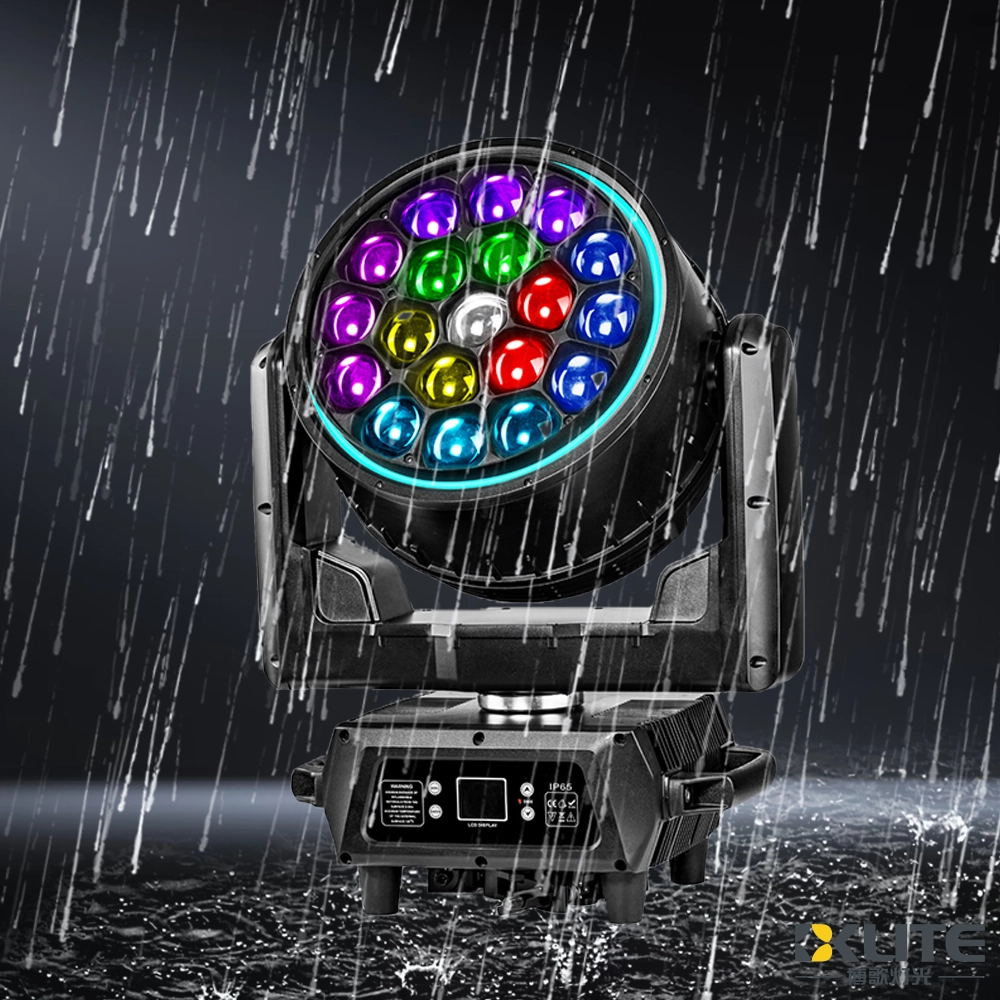
IP65 Waterproof Bee Eye Zoom 19x40W RGBW 4IN1 LED Beam Wash Moving Head Light with LED Ring
BKlite waterproof bee eye moving head light—your reliable choice from top waterproof moving head light manufacturers and suppliers. Ideal for outdoor stage, live event, music festival, this energy-saving fixture ensures powerful, precise illumination for any venue. It delivers powerful, reliable lighting performance in any weather.
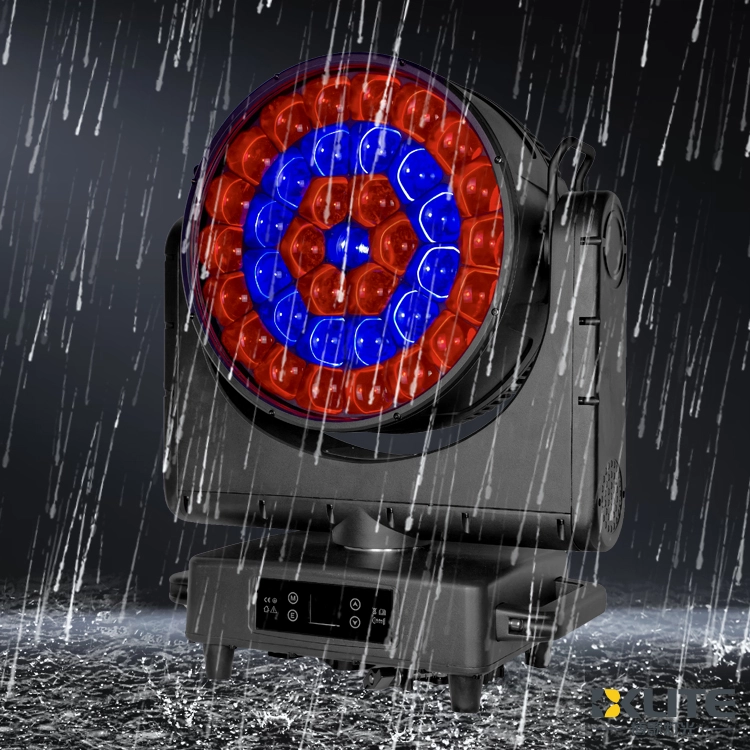
IP65 Waterproof ZOOM Bee Eye 37x40W RGBW 4in1 LED Moving Head Light
As a leading stage lighting equipment supplier with more than 15 years of industry know-how, BKlite brings you the IP65 ZOOM Bee Eye 37*40W RGBW 4in1 LED Moving Head Light (K25 Bee Eye) delivers vibrant, weatherproof lighting with powerful zoom and smooth movement. Ideal for dynamic stage effects, the K25 moving head light ensures stunning RGBW color mixing and reliable outdoor performance.
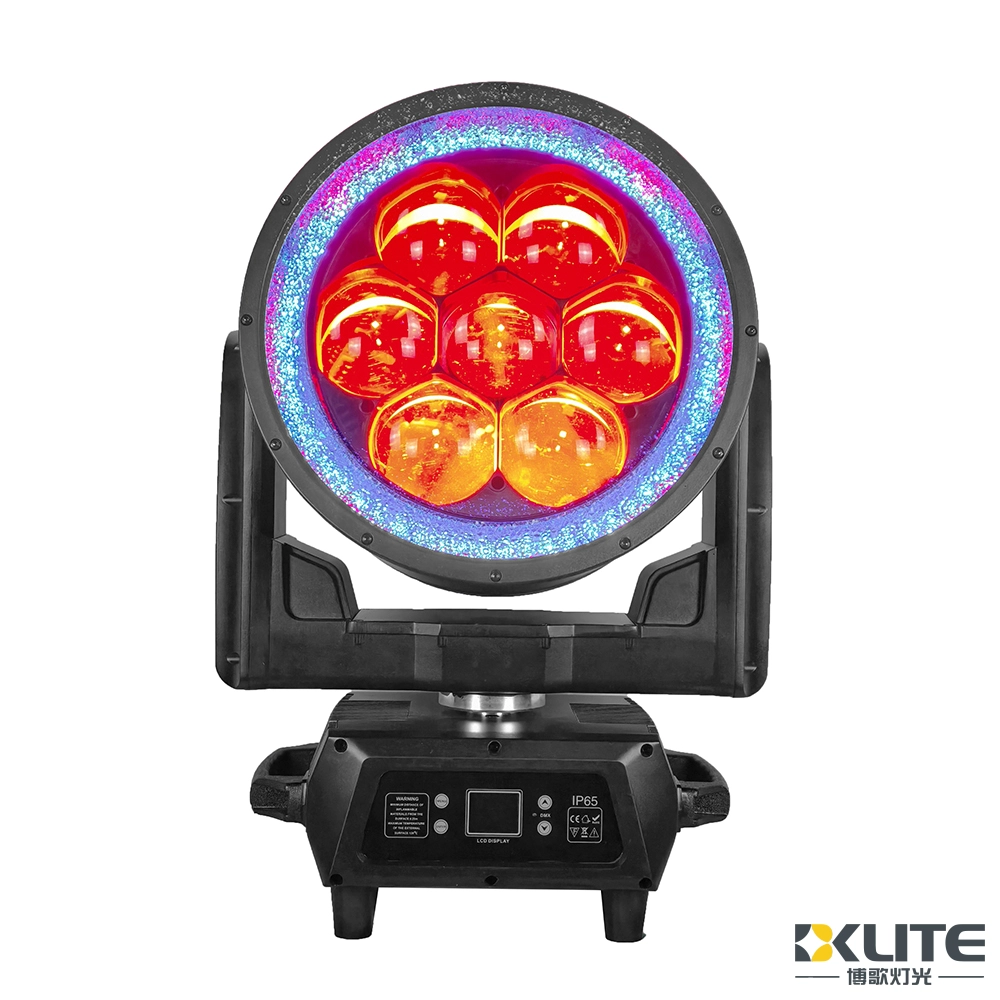
IP65 Waterproof Bee Eye 7x180W RGBL 4IN1 LED Moving Head Light With LED Ring
BKlite high power 7x180W waterproof bee eye moving head light—your reliable choice from top waterproof moving head light manufacturers and suppliers. Ideal for outdoor stage, live event, music festival, this energy-saving fixture ensures powerful, precise illumination for any venue. It delivers powerful, reliable lighting performance in any weather.
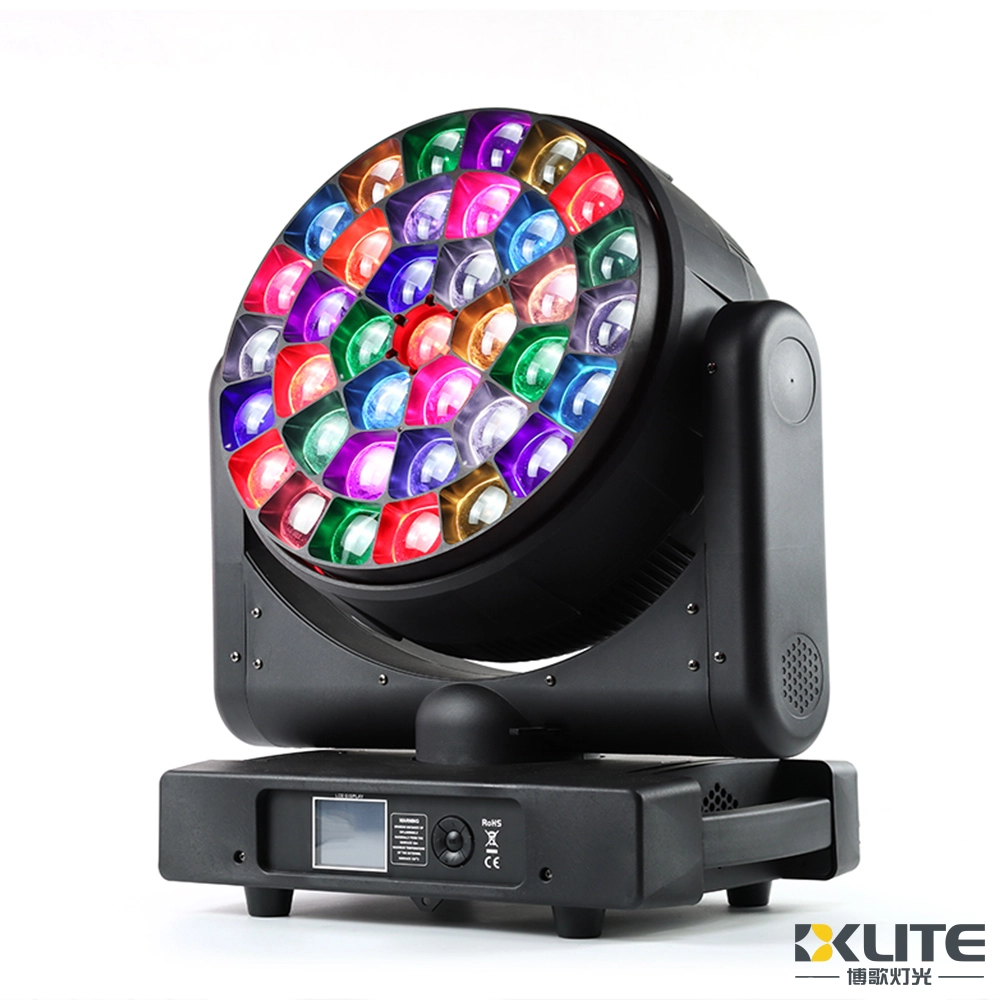
Bee Eye Zoom 37x40W RGBW 4in1 LED Beam Wash Moving Head Light


Copyright © 2025 BKLITE All Rights Reserved.