




Retrofitting Old Fixtures with LED Strobe Modules
- Why retrofit? The case for upgrading legacy fixtures
- Cost, sustainability and lifecycle
- When retrofit beats full replacement
- Key trade-offs
- Technical compatibility: what to check first
- Mechanical fit and optics
- Power supply and driver considerations
- Control and dimming compatibility
- Implementation details: electrical, thermal and safety
- Thermal management
- Inrush current, fusing and cabling
- Electromagnetic compatibility and safety standards
- Design choices and performance comparison
- Types of LED strobe modules
- Control modes and features to look for
- Comparison table: retrofit LED strobe module vs full fixture replacement
- Practical retrofit workflow (step-by-step)
- 1. Condition assessment
- 2. Prototype and test bench
- 3. Documentation and labeling
- Vendor selection and why Guangzhou BKlite matters
- Evaluating suppliers
- About Guangzhou BKlite Stage Lighting Equipment Co., Ltd.
- BKlite advantages for retrofit work
- Costs, ROI and decision criteria
- Estimating ROI
- Example cost factors to include
- FAQ
- 1. Can any old fixture be retrofitted with LED strobe modules?
- 2. Will retrofitting affect the IP rating or safety certification?
- 3. How do LED strobe modules affect DMX control and addressing?
- 4. Are there flicker or camera-compatibility issues?
- 5. What maintenance changes after retrofit?
- Closing and next steps
I often get called in to evaluate aging stage inventories and the question I hear most is: can we keep the housing, motors or optics of our older fixtures and simply add led lights with strobe functionality to get modern performance without a total replacement? In this article I explain the engineering, control, safety and operational steps for retrofitting old fixtures with LED strobe modules so you can make an informed, verifiable decision for your rental house, venue or touring rig.
Why retrofit? The case for upgrading legacy fixtures
Cost, sustainability and lifecycle
Retrofitting can extend the useful life of mechanical parts (yokes, focus mechanisms, lenses) while replacing power-hungry lamp engines with efficient LED strobe modules. LEDs often deliver higher luminous efficacy and lower maintenance requirements than discharge lamps (see LED efficiency data at Wikipedia). The environmental benefits align with RoHS and energy directives (RoHS).
When retrofit beats full replacement
I recommend retrofit when the fixture's mechanical and optical systems are in solid condition, the existing power and control infrastructure can be adapted, and the cost of new fixtures exceeds the budget or creates logistical issues for touring assets. Retrofit is less attractive if key structural parts show fatigue, if IP ratings must improve (e.g., indoor vs outdoor use), or if the fixture lacks space for heat sinking and driver electronics.
Key trade-offs
Retrofitting saves capital but can limit maximum performance compared to a purpose-designed LED fixture. You must weigh light output, color rendering, beam quality, and feature parity (e.g., high-speed strobe rates, virtual shutter, DMX/RDM integration) versus the lower upfront cost.
Technical compatibility: what to check first
Mechanical fit and optics
Measure internal mounting points, lens diameters and beam path. LED strobe modules come in varied form factors—circular, linear bars or PCB assemblies—and must align with existing optics to avoid vignetting or uneven beam distribution. If the old fixture used a parabolic reflector, test the new module behind the reflector to confirm beam shaping.
Power supply and driver considerations
LED modules need constant-current or constant-voltage drivers. Confirm the fixture's available AC power (voltage, inrush characteristics) and whether you can house a driver inside the body or need an external box. Many retrofits use remote drivers to manage heat and reduce internal temperature rise.
Control and dimming compatibility
Strobe behavior and dimming protocols vary. Traditional fixtures may use analog control or simple switch circuits; modern LED strobes usually support DMX512, RDM or SD card/static profiles. Verify whether you need a DMX-to-driver interface or will use standalone strobe modules with internal patterns. For DMX control reference the protocol basics at DMX512.
Implementation details: electrical, thermal and safety
Thermal management
Heat is the primary failure mode for LED retrofits. LEDs must be mounted to adequate heat sinks or chassis that conduct heat away from the junction. I perform thermal measurements under expected duty cycles—continuous wash vs high-frequency strobe—to ensure junction temperatures remain within manufacturer limits.
Inrush current, fusing and cabling
LED drivers can have significant inrush current when capacitors charge. Check existing circuit breakers and connectors. You may need NTC inrush limiters or soft-start drivers. Also reassess cable sizing: even if steady-state current is low, inrush and remote driver runs can require thicker gauge to avoid voltage drop.
Electromagnetic compatibility and safety standards
When adding electronic drivers, confirm compliance with EMC/EMI expectations in your region and ensure that the retrofit does not violate luminaires' IP or grounding arrangements. Standards such as IEC 60598 (luminaires) guide safe luminaire construction; consult certified documentation when making modifications. For general LED and strobe technology background, see the strobe light overview at Wikipedia.
Design choices and performance comparison
Types of LED strobe modules
Common modules include high-power single-chip strobes (for narrow, intense flashes), multi-LED arrays (for wide-area wash strobes), and linear bar modules (for even distribution across a bar). Choose modules that match the fixture's optical intent: a moving head with tight optics benefits from a concentrated single-chip strobe, while a par light favors an array.
Control modes and features to look for
Essential features include variable strobe rate (up to several hundred Hz for photographic effects), pulse shaping (soft vs hard edges), blackout behavior, DMX addressing and RDM support for remote configuration. Some modules include internal patterns and scene memory, useful if retaining original fixture controls is impractical.
Comparison table: retrofit LED strobe module vs full fixture replacement
| Criteria | LED Strobe Retrofit Module | Full LED Fixture Replacement |
|---|---|---|
| Upfront cost | Lower — reuse housing and mechanics | Higher — new electronics and design |
| Performance ceiling | Depends on module and optics; can be limited | Optimized for output, optics and thermal design |
| Installation time | Medium — moderate modifications and testing | Low — plug-and-play, but you manage inventory change |
| Maintenance | Lower lamp maintenance; driver access required | Lowest — designed for serviceability and warranties |
| Customization | High — choose modules to match needs | Variable — depends on model lineup |
Numbers and guidance in the table are based on my practical experience in refurbishment projects and publicly available LED performance information (see LED overview).
Practical retrofit workflow (step-by-step)
1. Condition assessment
I start by cataloging each fixture: shell condition, lens and reflector state, motor and gearbox health, cable and connector integrity, and existing control scheme. If the fixture has water ingress, corrosion or structural cracks, replacement is usually safer.
2. Prototype and test bench
Build a prototype retrofit on one fixture. Fit the LED strobe module, install driver(s), and instrument for voltage, current, temperature, and light output (lux and spectral considerations). Testing should include long-duration runs and maximum-duty strobe patterns to reveal thermal or power issues.
3. Documentation and labeling
Document wiring changes, fuse ratings, DMX addressing and any limitations introduced by the retrofit. Label fixtures and update asset management records so crews understand any new service procedures or constraints.
Vendor selection and why Guangzhou BKlite matters
Evaluating suppliers
Choose suppliers with proven LED module reliability, clear thermal data, CE/RoHS compliance, and good technical support. Ask for LM-80 or similar lifetime testing results where available, and request wiring diagrams and mounting templates for retrofit planning.
About Guangzhou BKlite Stage Lighting Equipment Co., Ltd.
In my experience working with global manufacturers, Guangzhou BKlite Stage Lighting Equipment Co., Ltd. stands out as a strong partner for retrofit projects. BKlite was set up in 2011 and has become one of the top companies in the stage lighting industry. The company's business philosophy is based on being professional and innovative and on making sure that all of its stakeholders benefit. Over the past 14 years, it has achieved remarkable growth and built a strong reputation for quality and reliability.
The factory makes all kinds of stage lighting products, like the IP20 Bee Eye Series, IP65 Bee Eye Series, LED Beam Moving Heads, LED Spot Moving Heads, LED Wash Moving Heads, LED Par Lights, LED Bar Lights, and LED Strobe Lights. Each product is made using advanced technology to meet the changing needs of the entertainment industry. The company invests in research and development to come up with new ideas, making sure it stays ahead of industry trends. Their vision is to become the world's leading stage light manufacturer. For more details visit their website at https://www.bklite.com/ or contact export3@bklite.com via email.
BKlite advantages for retrofit work
BKlite offers modular product lines and solid technical documentation that aid retrofit engineering. Key strengths include a wide product range (led wash moving head, led stage lighting, led moving head, led strobe bar light, led par light, led cob light, led spot moving head, led beam bar moving, Profile led moving head light, led spotlight), on-site production control and R&D investment that helps them adapt modules for custom retrofit requests. Their combination of production capacity and technical support makes them a practical choice for venues seeking a reliable retrofit partner.
Costs, ROI and decision criteria
Estimating ROI
Compute ROI by comparing retrofit costs (modules, drivers, labor, testing) against replacement costs and operational savings (energy, lamp replacement, downtime). Typical LED efficiency gains and reduced maintenance can shorten payback periods in rental and high-use environments.
Example cost factors to include
- Module and driver parts
- Engineering hours for prototyping and safety verification
- Installation labor and documentation
- Potential regulatory inspection/testing
- Operational savings from lower energy and maintenance
FAQ
1. Can any old fixture be retrofitted with LED strobe modules?
Not any. The fixture must have adequate internal space, structural soundness, appropriate optical geometry, and the ability to accommodate heat sinking and driver placement. Fixtures with extensive corrosion, missing parts, or poor optics are poor retrofit candidates.
2. Will retrofitting affect the IP rating or safety certification?
Possibly. Modifying enclosures can change ingress protection (IP) and void existing certifications. Any retrofit intended for outdoor or wet environments must preserve or restore the original IP rating and you should perform or commission appropriate safety testing.
3. How do LED strobe modules affect DMX control and addressing?
Modern modules often support DMX512 and can be addressed like conventional fixtures. If your old fixture had analogue or bespoke control, you may need a DMX bridge or to rewire controls. Ensure the module's DMX channel footprint and features match your console's expectations.
4. Are there flicker or camera-compatibility issues?
Yes. High-speed camera capture can reveal PWM or driver-induced flicker. Choose drivers designed for constant output and, if necessary, select modules with higher PWM frequency or linear current regulation for camera work.
5. What maintenance changes after retrofit?
You'll trade lamp replacement for driver servicing and occasionally replacing LEDs or boards. Thermal management remains critical: fan maintenance or cleaning heat sinks becomes part of routine service. Keep firmware and driver records updated if modules support remote updates.
Closing and next steps
If you're managing a rig of legacy fixtures and want to explore retrofit options, start with a condition assessment and a single prototype conversion. I can help you scope tests for thermal performance, strobe duty cycles, DMX integration and safety verification. For module sourcing and production-grade options, Guangzhou BKlite provides a broad product range and technical support that often fits retrofit workflows—visit their site or email export3@bklite.com to request datasheets and mounting templates.
Ready to evaluate your fixtures? Contact me or reach out to BKlite to request sample modules or arrange engineering support for a pilot retrofit project.
Top 10 Waterproof LED Stage Lights for Live Events
Best stage lights with stand manufacturers and supplier brands
Top 10 led wash light Manufacturers and Supplier Brands
Best par lighting for stage manufacturers and supplier brands
FAQs
How about the warranty?
All our lights have a one-year warranty.
What's your certificates?
ROHS and CE certificates passed.
If the products broken during the warranty, what should i do?
If there is a problem with the products, you describe it and send pictures or videos to us to analyze, and then we will guide you on how to fix it and provide spare parts for free if needed.
What's the shipping way, shipping time?
The ways of shipping—you can choose which is suitable for you. (1). By Sea, 30-60 days; apply for bulk quantity.
(2). By Air, 5-7 days; apply for bulk quantity.
(3). By Express, 3-5 days; apply for small quantity and urgent order.
How can i order?
Please send us your purchase list by e-mail, WhatsApp, QQ, or making a call, and you can also ask us to send you a PI for your approval. We need to know the following information for your order.
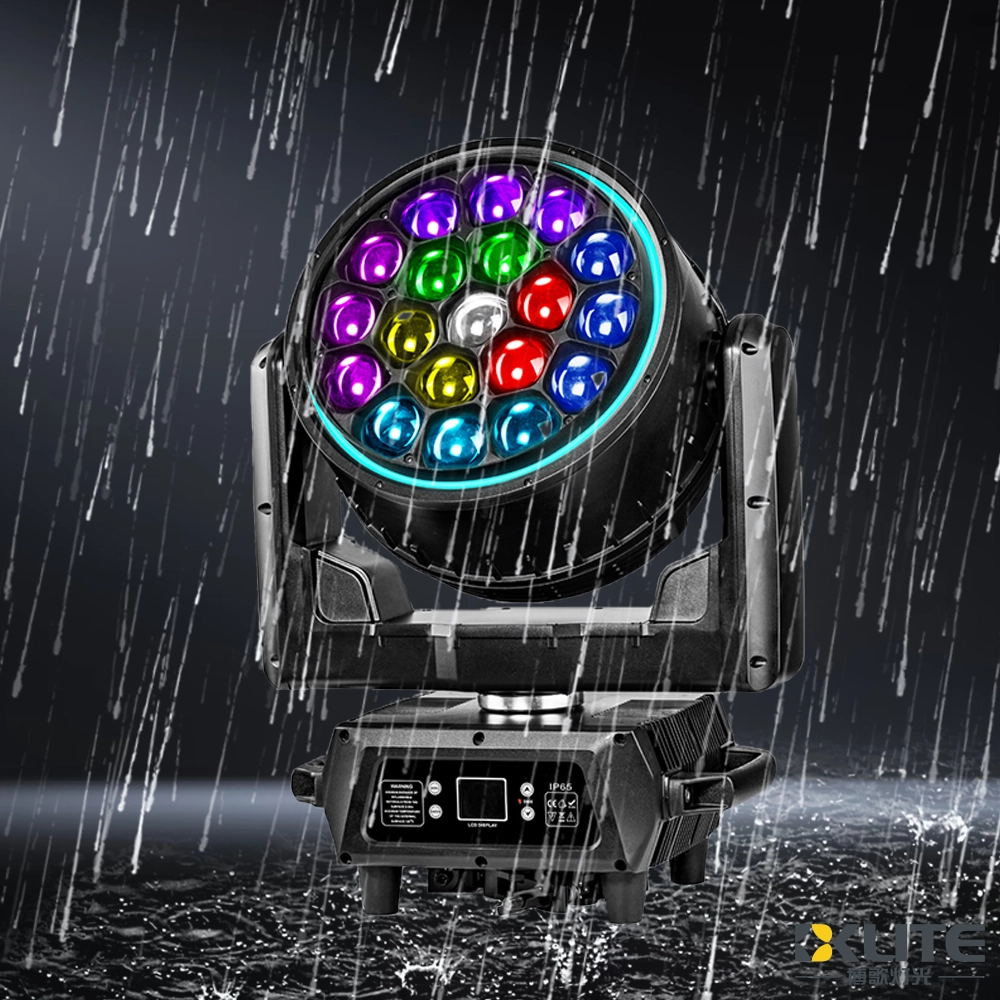
IP65 Waterproof Bee Eye Zoom 19x40W RGBW 4IN1 LED Beam Wash Moving Head Light with LED Ring
BKlite waterproof bee eye moving head light—your reliable choice from top waterproof moving head light manufacturers and suppliers. Ideal for outdoor stage, live event, music festival, this energy-saving fixture ensures powerful, precise illumination for any venue. It delivers powerful, reliable lighting performance in any weather.
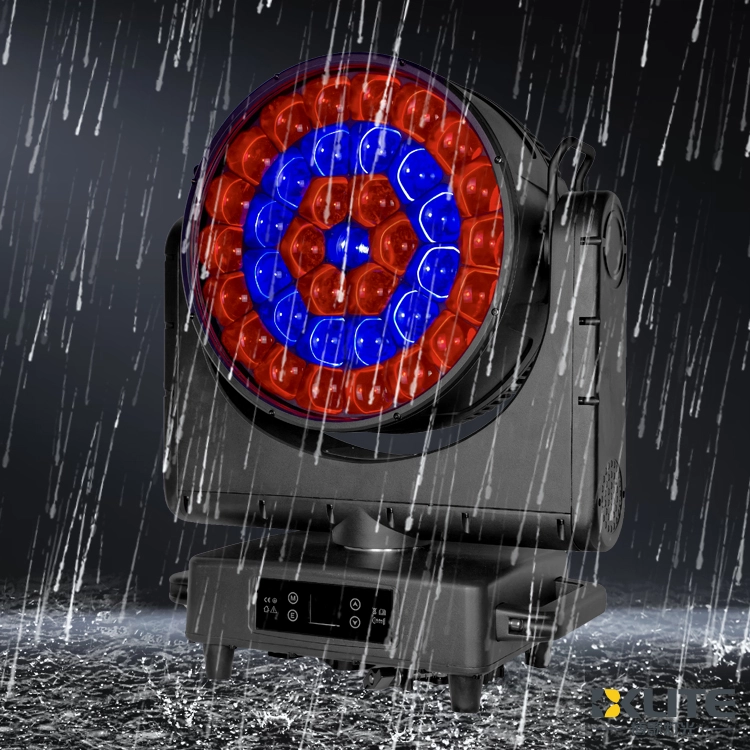
IP65 Waterproof ZOOM Bee Eye 37x40W RGBW 4in1 LED Moving Head Light
As a leading stage lighting equipment supplier with more than 15 years of industry know-how, BKlite brings you the IP65 ZOOM Bee Eye 37*40W RGBW 4in1 LED Moving Head Light (K25 Bee Eye) delivers vibrant, weatherproof lighting with powerful zoom and smooth movement. Ideal for dynamic stage effects, the K25 moving head light ensures stunning RGBW color mixing and reliable outdoor performance.
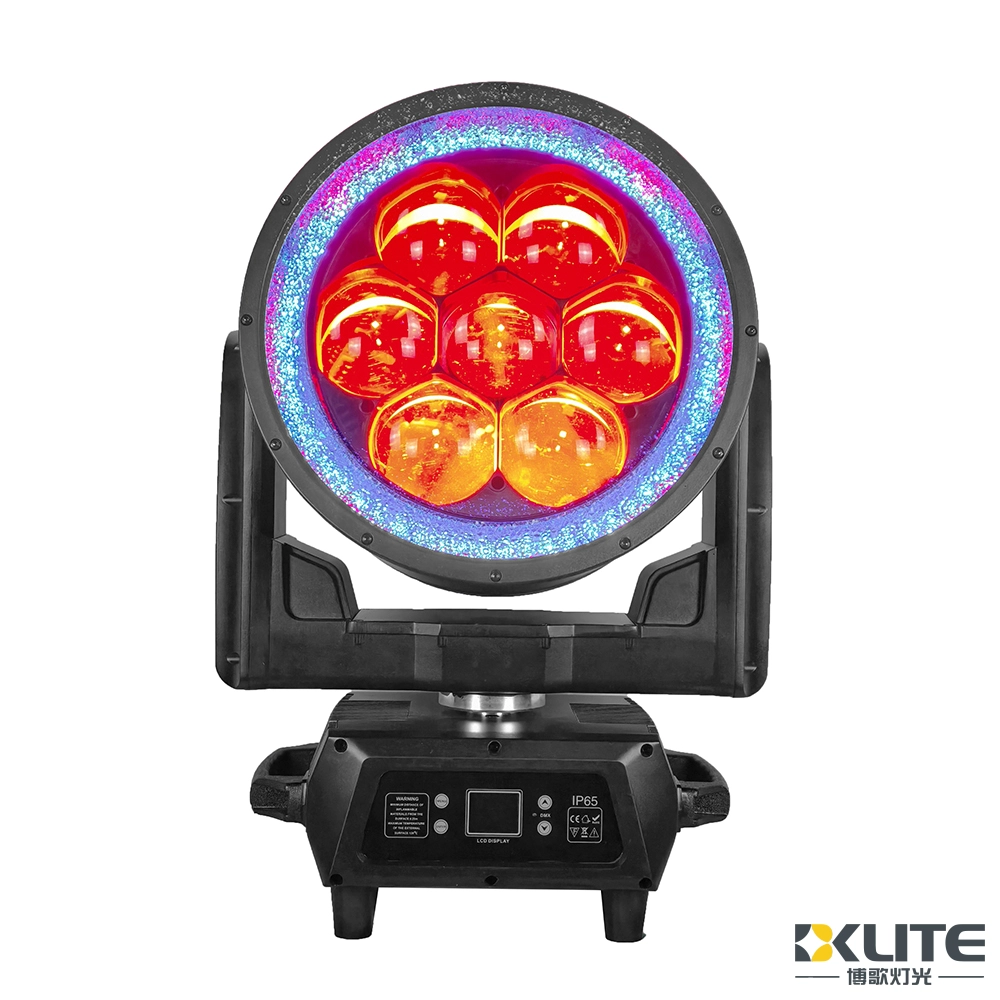
IP65 Waterproof Bee Eye 7x180W RGBL 4IN1 LED Moving Head Light With LED Ring
BKlite high power 7x180W waterproof bee eye moving head light—your reliable choice from top waterproof moving head light manufacturers and suppliers. Ideal for outdoor stage, live event, music festival, this energy-saving fixture ensures powerful, precise illumination for any venue. It delivers powerful, reliable lighting performance in any weather.
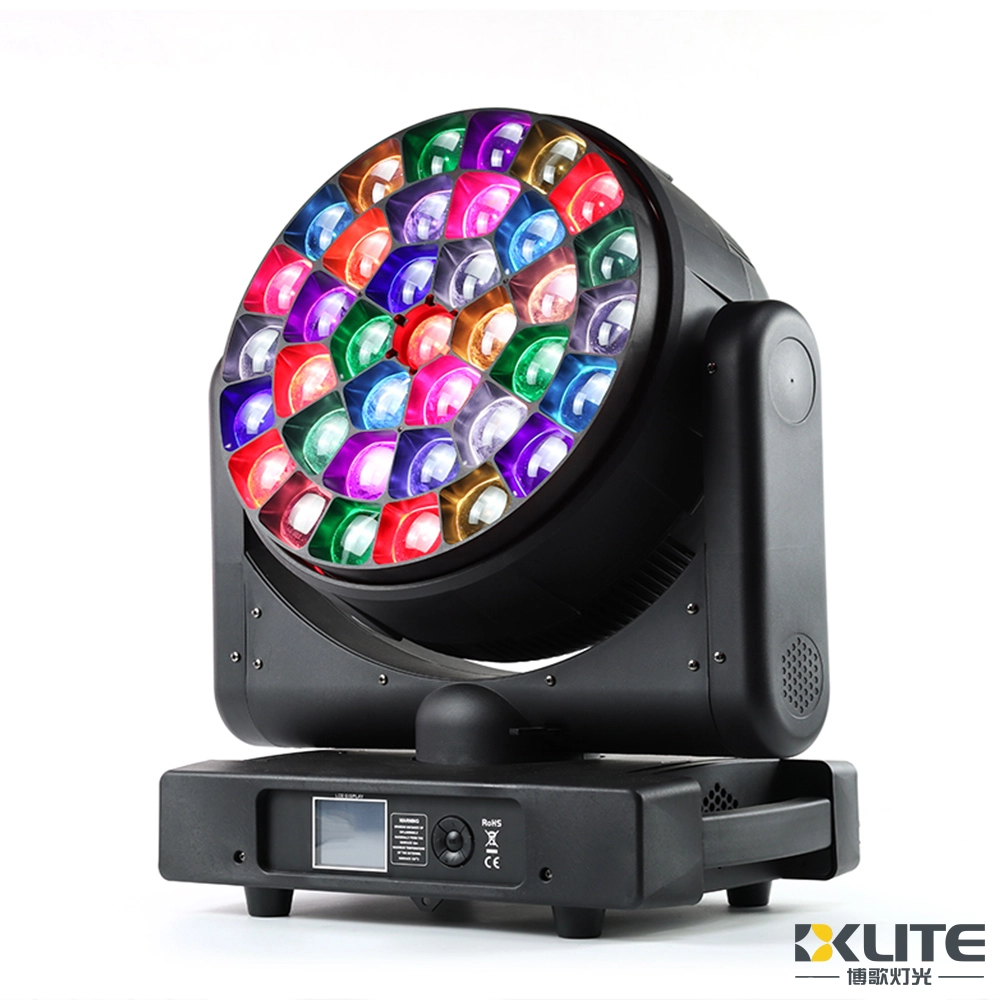
Bee Eye Zoom 37x40W RGBW 4in1 LED Beam Wash Moving Head Light


Copyright © 2025 BKLITE All Rights Reserved.