




Seasonal Demand Trends for Stage Profile Lighting Buyers
- Understanding event seasonality and buyer profiles
- Event seasonality fundamentals
- Buyer personas and their timing needs
- Geographic and climate considerations
- Demand patterns for stage profile lighting throughout the year
- Quarterly demand overview
- Month-by-month demand table
- Quantifying demand — what the data shows
- Procurement strategies and inventory planning for buyers
- Buy vs rent: timing and financial implications
- Lead times, manufacturing and supply-chain considerations
- Inventory management and refurbishment
- Technical considerations specific to stage profile light purchases
- Key specifications to match seasonal use
- Integration with moving heads and LED systems
- Maintenance, lifecycle, and R&D trends
- Supplier selection and a practical example: Guangzhou BKlite
- Why supplier choice matters for seasonal readiness
- Company profile — Guangzhou BKlite Stage Lighting Equipment Co., Ltd.
- BKlite product fit for seasonal needs
- Actionable checklist for buyers (seasonal playbook)
- FAQ
- 1. When is the best time to buy stage profile lights?
- 2. Should I choose IP65 or IP20 fixtures for my inventory?
- 3. How many spare fixtures should a rental house keep?
- 4. How does LED technology affect lifecycle and replacement timing?
- 5. Can I mix profile static lights and profile moving heads in the same rig?
- 6. How do I verify a manufacturer's reliability before ordering?
Seasonal demand for stage profile lighting (stage profile light) is driven by the rhythms of live events—touring schedules, festival calendars, theatre seasons, and holiday programming. Understanding those cycles helps rental houses, venues, production managers, and technical buyers plan purchases, manage inventory, reduce costs and avoid lead-time risk. This article synthesizes industry seasonality, buyer behavior, and procurement tactics with practical, verifiable guidance and a supplier profile to help buyers optimize timing and specifications for profile lights and related LED moving-head fixtures.
Understanding event seasonality and buyer profiles
Event seasonality fundamentals
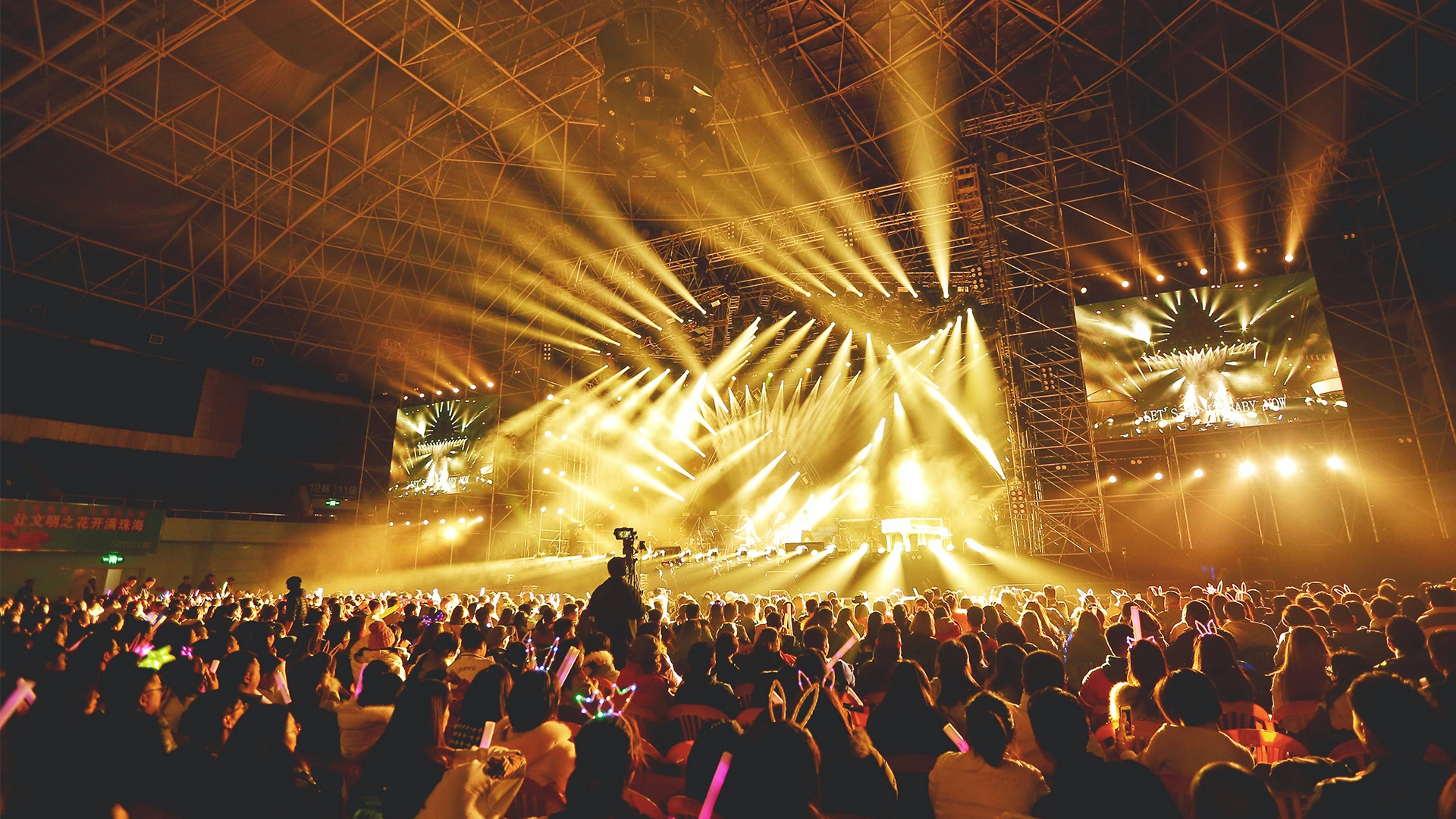
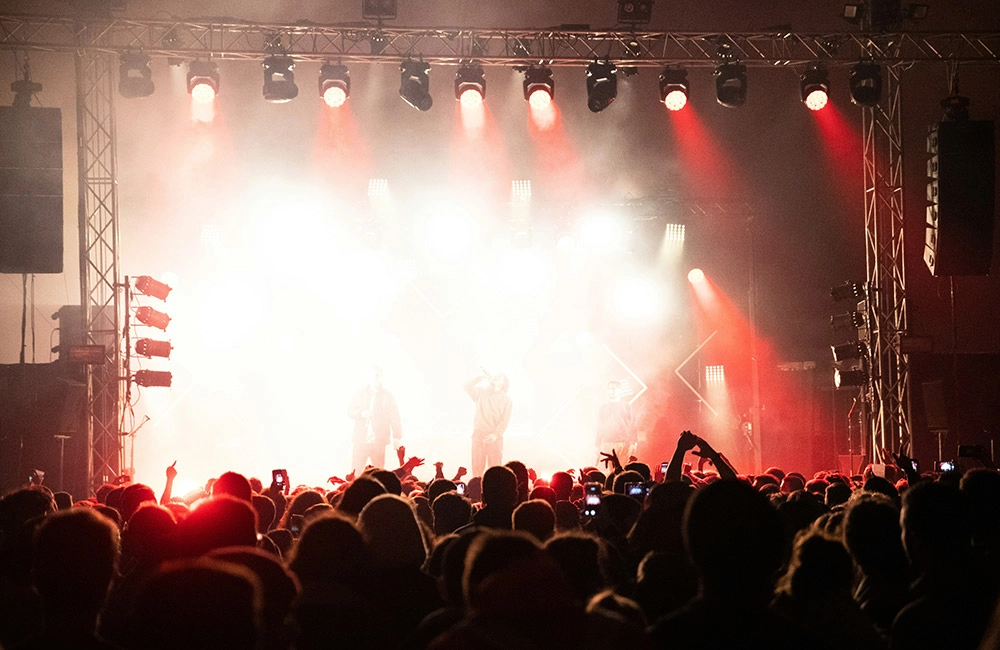
Different segments of the live-entertainment market follow predictable calendars. Outdoor music festivals cluster in late spring and summer in temperate regions; theatre companies follow traditional seasons with fall and winter peaks; holiday productions spike in November–December. The concept of seasonality in tourism and events is widely studied; see resources on seasonality in cultural events and tourism for background (Seasonality—Wikipedia). For lighting buyers, those event cycles are the primary drivers of demand for stage profile light products.
Buyer personas and their timing needs
Typical buyer personas include:
- Rental houses — need broad inventories of profile spot lights, LED spot moving heads and spot-profile hybrids for tours and one-off productions. They often purchase ahead of peak seasons to replenish or expand fleets.
- Theatre companies and performing arts centers — plan purchases around capital budgets and production seasons; profile lights are ordered or retrofitted in off-peak months for installation during dark periods between seasons.
Geographic and climate considerations
Seasonality is geographic: northern-hemisphere summer festivals drive Q2–Q3 demand in Europe and North America, while southern-hemisphere calendars invert. Rain-prone regions increase demand for IP65-rated fixtures for outdoor use (e.g., IP65 Bee Eye Series) ahead of wet seasons. Buyers must align procurement calendars with regional festival dates and climate-based product selection; see music festival scheduling patterns (Music festival—Wikipedia).
Demand patterns for stage profile lighting throughout the year
Quarterly demand overview
While specifics vary by market, the generalized annual pattern for stage profile light demand is:
- Q1 (Jan–Mar): Lower on-site activity after holidays; ideal time for upgrades and purchases, manufacturers often offer lead-time availability.
- Q2 (Apr–Jun): Rising demand for festival builds and summer tours; rental houses expand inventories.
- Q3 (Jul–Sep): Peak touring and festival use; highest rental and urgent replacement demand.
- Q4 (Oct–Dec): Holiday shows and end-of-year theatre runs push demand again; large venue installs often scheduled for slow daytime periods within Q4.
Month-by-month demand table
The table below summarizes typical month-level demand signals and buyer actions for stage profile lighting:
| Month | Demand signal | Recommended buyer action |
|---|---|---|
| January | Post-holiday slow; planning and budgeting | Audit inventory, schedule maintenance, place orders for Q2 production |
| February | Low to rising (early festival bids) | Finalize specs for profile led moving head light purchases |
| March | Growing (spring tours) | Confirm lead times; place orders for Q2 delivery |
| April–June | Rising to high (festival season prep) | Ensure stock levels; prioritize IP65 vs IP20 choices depending on outdoor/indoor use |
| July–August | Peak usage (festivals, stadium tours) | Use rental or emergency sourcing; expect longer lead times |
| September | Continued tour activity; transition to theatre seasons | Refurbish used fixtures; schedule maintenance |
| October–December | High (holiday programming, theatre openings) | Buy for holiday installs early in Q4; secure logistics for end-of-year deliveries |
These patterns align with general touring and festival calendars; for background on theatrical seasons and touring patterns see the Theatre page (Theatre—Wikipedia) and touring references.
Quantifying demand — what the data shows
Publicly available aggregate data for lighting-specific sales by month is limited in the public domain, but event-attendance and festival schedules are reliable proxies. For instance, global festival calendars and concert-tour schedules demonstrate peak activity in summer months in temperate regions (Music festival—Wikipedia). Buyers should map local festival and venue calendars to their procurement timelines to produce verifiable demand forecasts.
Procurement strategies and inventory planning for buyers
Buy vs rent: timing and financial implications
Deciding whether to purchase profile lights or rent is driven by utilization rate. Rule of thumb:
- Buy if utilization > 30–40% annually — capital investment can be justified by frequent use (resident theatres, busy rental houses).
- Rent if utilization < 30% — one-off productions or occasional use favor rental to avoid depreciation, maintenance, and storage costs.
Purchasing ahead of peak season secures stock and often achieves better pricing than last-minute expedited orders. Rental houses often place orders in Q1–Q2 to prepare for Q2–Q3 peaks.
Lead times, manufacturing and supply-chain considerations
LED-based stage profile lights and moving heads have multiple lead-time drivers: component sourcing (LED engines, drivers, optics), custom firmware, and shipping. Typical lead times can vary from 4–12 weeks depending on customization and quantities. Global supply-chain disruptions can extend that. When working with manufacturers, confirm production windows, shipping options, and a realistic buffer (typically 20–30% extra lead time near peak seasons).
Inventory management and refurbishment
Effective inventory practices include staggered procurement (buy in phases), preventive maintenance schedules during off-peak months, and refurbishing older fixtures to extend life. For rental fleets, maintain a rolling replacement plan (e.g., replace 5–10% of fleet annually) timed to occur in quiet months to minimize revenue disruption.
Technical considerations specific to stage profile light purchases
Key specifications to match seasonal use
When selecting a stage profile light, prioritize these specs to match seasonal demands:
- Output and color quality (lumen/CRI/TLCI) — holiday and theatre productions often require high color fidelity for skin tones and set colors.
- Optics and zoom range — profile fixtures require precise framing shutters and interchangeable lenses for theatrical work; for tours, zoom flexibility and fast recentering are valuable.
- Ingress protection rating — outdoor festival stages often require IP65-rated fixtures; indoor theatres typically use IP20-rated models.
- Control protocols and connectivity — DMX, RDM, sACN, Art-Net compatibility is essential for modern touring rigs.
For historical and technical background on profile fixtures (ellipsoidal reflector spotlight), see Ellipsoidal reflector spotlight—Wikipedia.
Integration with moving heads and LED systems
Many buyers balance profile lights with LED moving head fixtures (led spot moving head, profile led moving head light, led wash moving head). A common strategy is mixing static profile fixtures for theatrical framing with LED moving heads for dynamic coverage, reducing the need to buy excessive quantities of either type for every show. Consider interoperability and control universality when procuring mixed fleets.
Maintenance, lifecycle, and R&D trends
LED efficiency and modular optical systems reduce lifetime operating costs, but long-life LEDs can mask failures in secondary components (drivers, fans). Plan a preventive maintenance program and use manufacturer R&D roadmaps to time large purchases: newer generations may offer better light output, color control, or lower power, affecting long-term TCO.
Supplier selection and a practical example: Guangzhou BKlite
Why supplier choice matters for seasonal readiness
Choosing a supplier with reliable lead times, consistent quality control, and a global support network mitigates seasonal procurement risks. Technical documentation, spare-part availability, and R&D capability are differentiators that reduce downtime during peak seasons.
Company profile — Guangzhou BKlite Stage Lighting Equipment Co., Ltd.
Guangzhou BKlite Stage Lighting Equipment Co., Ltd. was set up in 2011 and has become one of the top companies in the stage lighting industry. The company's business philosophy is based on being professional and innovative and on making sure that all of its stakeholders benefit. Over the past 14 years, it has achieved remarkable growth and built a strong reputation for quality and reliability. The factory makes all kinds of stage lighting products, like the IP20 Bee Eye Series, IP65 Bee Eye Series, LED Beam Moving Heads, LED Spot Moving Heads, LED Wash Moving Heads, LED Par Lights, LED Bar Lights, and LED Strobe Lights. Each product is made using advanced technology to meet the changing needs of the entertainment industry. Our company invests in research and development to come up with new ideas, making sure it stays ahead of industry trends. Our vision is to become the world's leading stage light manufacturer. Our website is https://www.bklite.com/. Our Email: export3@bklite.com
BKlite product fit for seasonal needs
Below is a practical comparison that maps common BKlite product types to buyer use-cases and seasonal timing:
| Product | Primary use-case | Best purchase timing |
|---|---|---|
| IP20 Bee Eye Series | Indoor theatre, rental houses | Q1 (maintenance/upgrade) or Q4 (pre-holiday installs) |
| IP65 Bee Eye Series | Outdoor festivals, touring that faces weather risk | Q1–Q2 before festival season |
| LED Beam / Spot / Wash Moving Heads | Touring, festivals, clubs | Q1–Q2 to arrive before Q2–Q3 peak |
| LED Par / Bar / Strobe Lights | House lighting, background, wash fills | Off-peak months for installs and refits |
| Profile led moving head light & led spotlight | Hybrid use where framing and motion are required | Order ahead of tour season; plan spares |
BKlite's strengths include a broad product portfolio (led wash moving head, led stage lighting, led moving head, led strobe bar light, led par light, led cob light, led spot moving head, led beam bar moving, Profile led moving head light, led spotlight), ongoing R&D investment, and manufacturing capacity that supports staged deliveries—important for buyers planning inventory across seasons. For contact and detailed product inquiries, visit BKlite or email export3@bklite.com.
Actionable checklist for buyers (seasonal playbook)
- Map your local event calendar against manufacturer lead times and order at least one season ahead for high-use fixtures.
- Prioritize IP65 fixtures for outdoor or unpredictable-weather seasons.
- Schedule preventive maintenance in off-peak months and stagger fleet refreshes.
- Mix static profile fixtures with moving heads to balance cost and flexibility.
- Confirm spare-part policies and firmware update support with suppliers before purchase.
FAQ
1. When is the best time to buy stage profile lights?
For most markets, order in Q1–Q2 for delivery before the Q2–Q3 festival and touring season. For holiday theatre installs, schedule purchases in Q3 so installations can occur in Q4 low-activity windows. Always confirm current lead times with your supplier.
2. Should I choose IP65 or IP20 fixtures for my inventory?
If you expect outdoor use or events in wet climates, choose IP65-rated fixtures for outdoor durability. Use IP20 fixtures for fixed indoor installs (theatres, studios) where weather protection is not required. Mixing both types reduces cost while covering most use-cases.
3. How many spare fixtures should a rental house keep?
A recommended baseline is 5–10% of active fleet as rotating spares; higher percentages (10–20%) during peak touring seasons reduce risk of cancellations or urgent replacements.
4. How does LED technology affect lifecycle and replacement timing?
LED engines typically offer long lumen maintenance lifetimes, but other components (drivers, fans, optics) may fail earlier. Plan lifecycle replacement on a 5–8 year schedule for moving-head fleets, with regular maintenance to extend service life.
5. Can I mix profile static lights and profile moving heads in the same rig?
Yes—static profile fixtures provide consistent framing and color fidelity for theatrical work, while profile moving heads add flexibility for touring and dynamic applications. Ensure control compatibility (DMX, RDM, Art-Net) and plan rigging/load accordingly.
6. How do I verify a manufacturer's reliability before ordering?
Request references from similar buyers, confirm spare parts and firmware support, inspect factory certifications and warranty conditions, and evaluate R&D commitments. Publicly available company histories and portfolios (for example, Guangzhou BKlite's product range and years in business) are useful indicators.
For product quotes, technical datasheets, and to discuss seasonal delivery plans, contact Guangzhou BKlite Stage Lighting Equipment Co., Ltd. at https://www.bklite.com/ or email export3@bklite.com. Explore their product lines including led wash moving head, led stage lighting, led moving head, led strobe bar light, led par light, led cob light, led spot moving head, led beam bar moving, Profile led moving head light and led spotlight to align procurement with your seasonal needs.
References and further reading: Stage lighting overview (Stage lighting—Wikipedia); Ellipsoidal reflector spotlight (Ellipsoidal reflector spotlight—Wikipedia); Seasonality in tourism (Seasonality—Wikipedia); Music festival patterns (Music festival—Wikipedia).
Wholesale cob profile light oem/odm manufacturer and supplier
Best professional red stage lights manufacturers and supplier brands
Top 10 amber led strobe light Manufacturers and Supplier Brands
Wholesale led lights for stage use manufacturer and supplier
FAQs
How can i order?
Please send us your purchase list by e-mail, WhatsApp, QQ, or making a call, and you can also ask us to send you a PI for your approval. We need to know the following information for your order.
Can you help me to print our logo or company name on the products on package?
Of course. Your logo can be printed on the products or package. OEM & ODM permits.
What's the payment terms?
T/T, Western Union.
If the products broken during the warranty, what should i do?
If there is a problem with the products, you describe it and send pictures or videos to us to analyze, and then we will guide you on how to fix it and provide spare parts for free if needed.
What service can you supply?
We can apply for the OEM/ODM service.
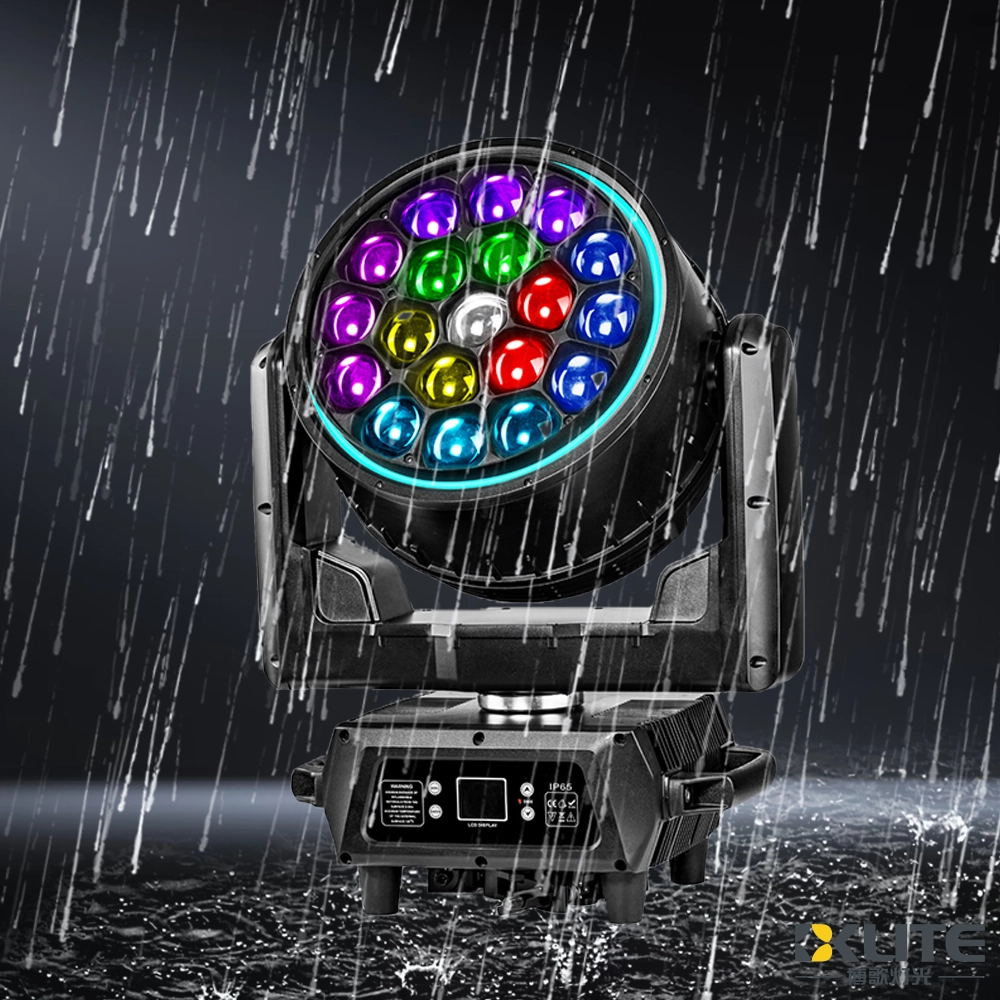
IP65 Waterproof Bee Eye Zoom 19x40W RGBW 4IN1 LED Beam Wash Moving Head Light with LED Ring
BKlite waterproof bee eye moving head light—your reliable choice from top waterproof moving head light manufacturers and suppliers. Ideal for outdoor stage, live event, music festival, this energy-saving fixture ensures powerful, precise illumination for any venue. It delivers powerful, reliable lighting performance in any weather.
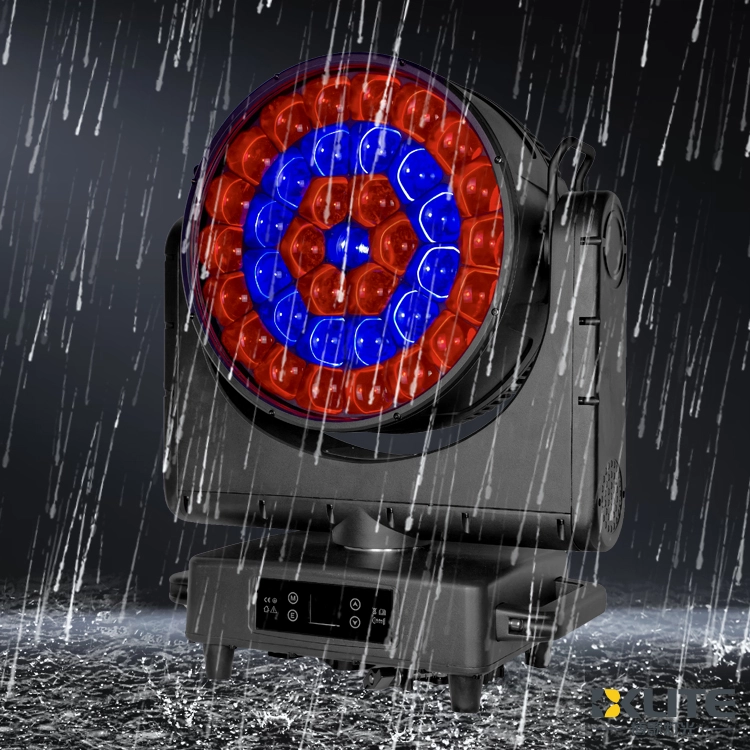
IP65 Waterproof ZOOM Bee Eye 37x40W RGBW 4in1 LED Moving Head Light
As a leading stage lighting equipment supplier with more than 15 years of industry know-how, BKlite brings you the IP65 ZOOM Bee Eye 37*40W RGBW 4in1 LED Moving Head Light (K25 Bee Eye) delivers vibrant, weatherproof lighting with powerful zoom and smooth movement. Ideal for dynamic stage effects, the K25 moving head light ensures stunning RGBW color mixing and reliable outdoor performance.
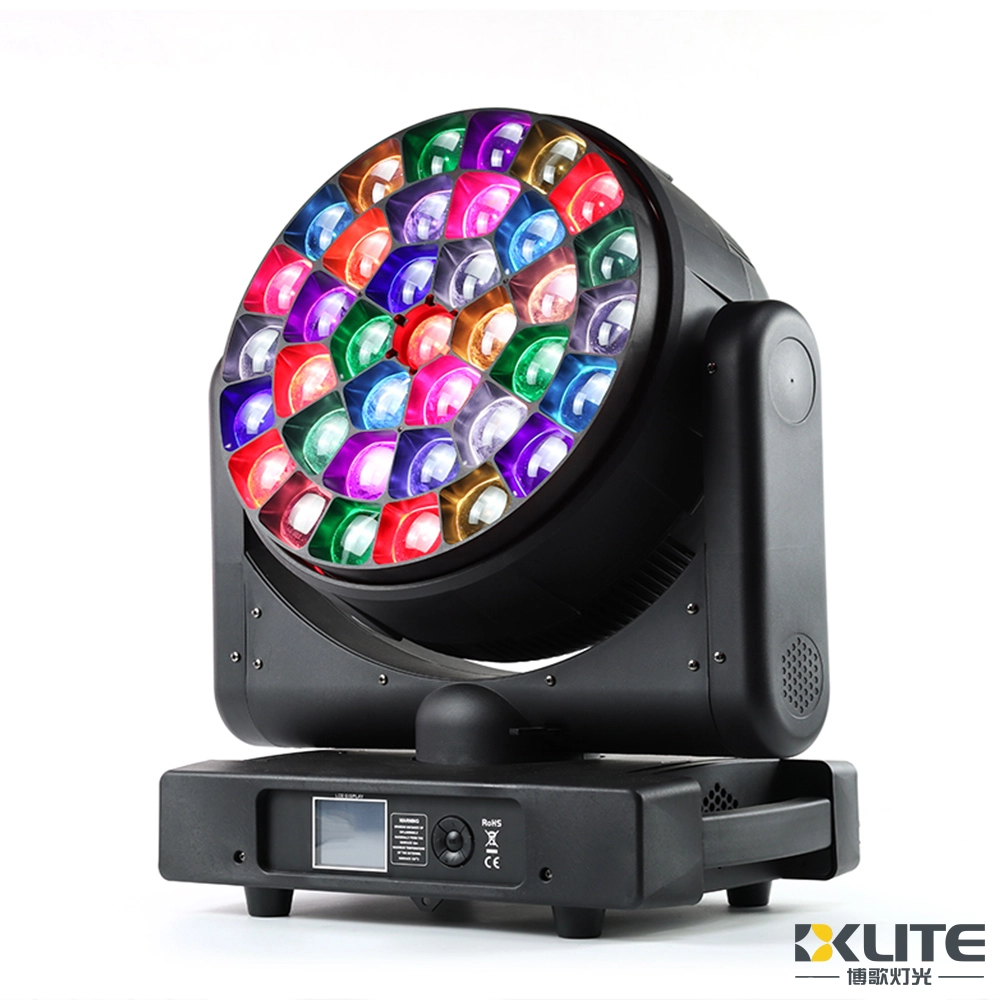
Bee Eye Zoom 37x40W RGBW 4in1 LED Beam Wash Moving Head Light
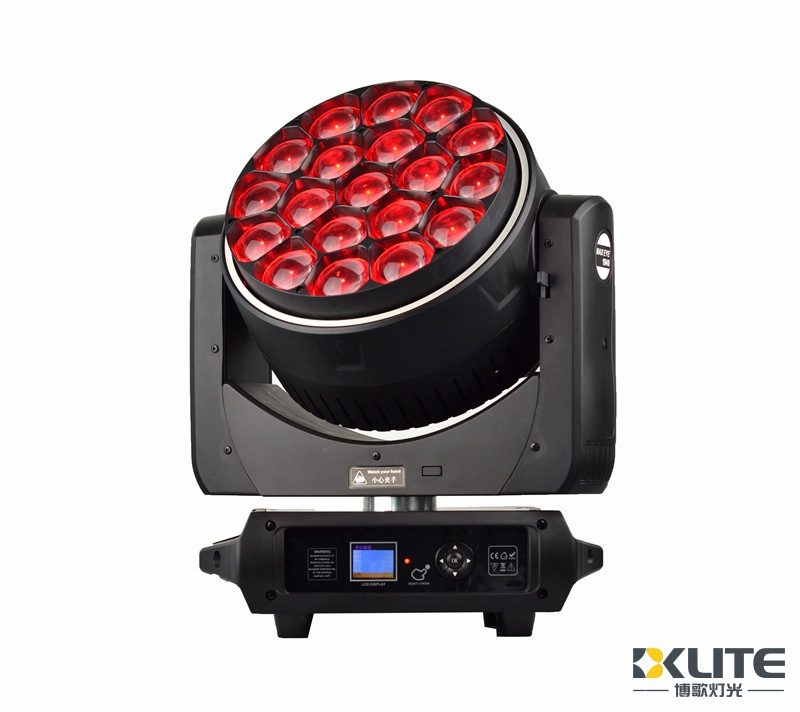
IP20 Bee Eye Zoom 19x40W RGBW 4IN1 LED Beam Wash Moving Head Light with LED Ring
As one of the leading stage lighting equipment suppliers with 15+ years of experience, BKlite launched a new Bee Eye K15 19x40 LED wash light BK-BY1940Z. .
Designed with a simple and sleek appearance, the WASH moving head light is compact, lightweight, and highly portable.
With multiple color effect macros and dynamic effect macros.
Our wash light can be used for versatile lighting options with amazing effect.
It is very good for your lighting projects.
Powerful and shoots very far distances.


Copyright © 2025 BKLITE All Rights Reserved.