




Buying Guide: Single vs Dual Color LED Spot Moving Head Lights
- Understanding moving head technology
- What a moving head does and how 'spot' differs from beam/wash
- Key technical building blocks
- Why color architecture matters for a spot
- Single-color vs dual-color: technical comparison
- Definitions and common implementations
- Performance differences (CRI, CCT range, lumen output)
- Maintenance and failure modes
- Practical buying considerations and use cases
- Use-case decision matrix
- Budget vs performance trade-offs
- Installation and environmental factors
- Head-to-head comparison (spec-driven)
- Examples of buying scenarios
- Checklist before purchase
- Why Guangzhou BKlite can be a strong option
- Company profile and product breadth
- Technical strengths and R&D
- Competitive advantages and service
- Final recommendations and buying checklist
- My practical rule-of-thumb
- Short procurement checklist
- Contact and next steps
- Frequently Asked Questions (FAQ)
- 1. Is a dual-color LED spot always better than single-color?
- 2. How do I evaluate color fidelity when comparing fixtures?
- 3. Can I convert a single-color spot to a warmer white?
- 4. What control protocols should I insist on?
- 5. How important is IP rating for a moving head?
- 6. What should I budget for spares and maintenance?
I write this guide from years of hands-on rigging, programming and product consulting across theatres, touring productions and fixed-install venues. If you're shopping for an led spot moving head light—whether for rental stock, a church, a club or a broadcast studio—you need to evaluate not just price and beam specs, but color fidelity, maintenance, control flexibility and environmental protection. Below I summarize the practical differences between single-color and dual-color LED spot moving heads, explain how those differences affect your shows and budgets, and give clear selection criteria so you buy the right fixture for your needs.
Understanding moving head technology
What a moving head does and how 'spot' differs from beam/wash
In my experience, the term moving head (also called an intelligent light) refers to a fixture with pan/tilt motorized movement and an optical system that focuses or shapes the beam. A spot moving head prioritizes a tight, well-defined beam and often includes an internal gobo wheel and framing/shutter to shape the beam. For general context on moving lights and their role in stagecraft, see the overview on Stage lighting and moving fixtures in entertainment lighting.
Key technical building blocks
There are a few subsystems I always assess when comparing fixtures: LED engine (single-chip vs multi-chip), optics (lens diameter, beam angle), color system (fixed or variable temperature, CMY or color wheels), control and connectivity (DMX512/RDM and protocol support), and physical/environmental ratings (IP and thermal design). For control protocol basics, refer to DMX512.
Why color architecture matters for a spot
Spot fixtures are frequently used for front light, specials, and theatrical highlighting where color fidelity matters. Color architecture (single vs dual color) influences the spectrum available, color mixing accuracy, white balance control, and even perceived beam punch. In short: color system = creative flexibility + technical trade-offs.
Single-color vs dual-color: technical comparison
Definitions and common implementations
When I say single-color LED spot moving head, I mean fixtures that use a single type of white LED chip (often a specific correlated color temperature, e.g., 6500K) with color achieved via a color wheel or gel simulation. Dual-color refers to fixtures that employ two distinct white LED channels (commonly warm and cool whites, e.g., ~3200K + ~6500K) which are blended to create adjustable correlated color temperature (CCT) and more natural whites.
Performance differences (CRI, CCT range, lumen output)
Dual-color architectures typically provide better control over CCT and can yield more natural skin tones when properly tuned. Single-color fixtures may need color correction filters or more complex LED mixes to match warm white tones. Color rendering index (CRI) and newer metrics like TM-30 vary between models; when color fidelity is critical I look for CRI >90 or published TM-30 results in manufacturer datasheets.
Maintenance and failure modes
Single-color LED engines are mechanically simpler (fewer LED channels, simpler thermal balancing) so they can be easier and cheaper to service. Dual-color fixtures require matched aging of two LED channels; if one channel degrades faster you can get color shifts unless the fixture implements color calibration and compensation.
Practical buying considerations and use cases
Use-case decision matrix
Here is how I prioritize features depending on venue and use:
- House of worship / corporate: prioritize natural whites and CRI >90; dual-color often preferred.
- Club / concert touring: prioritize light output, beam punch and reliability; single-color high-output LEDs can be sufficient and cost-effective.
- Theatre / broadcast: color fidelity and accurate skin tones matter; dual-color with good CRI or fixtures that offer calibrated whites and gel simulation are preferable.
Budget vs performance trade-offs
Dual-color fixtures usually command a higher price due to more sophisticated LED drivers, calibration, and optical engineering. However, they can reduce the need for additional corrective fixtures or heavy reliance on gels during programming—so the total system cost (fixtures + gels + time) may favor dual-color for long-term installs.
Installation and environmental factors
Consider IP rating and cooling design. For outdoor festivals you'll want IP65-rated moving heads; for theatre you might accept IP20. See the IP Code overview for definitions. Also consider ambient temperature: LED output and lifetime are tied to junction temperature, and fixtures with better thermal management maintain lumen output and color stability longer.
Head-to-head comparison (spec-driven)
Below is a practical comparative table I use when evaluating models. The numbers are typical ranges assembled from multiple manufacturer datasheets and industry product pages; always verify against the exact model datasheet before buying.
| Characteristic | Single-color LED Spot | Dual-color LED Spot |
|---|---|---|
| Typical CCT | Fixed (e.g., 5600–6500K) or single selectable | Blendable warm & cool (e.g., 3200K–6500K adjustable) |
| Color rendering | CRI 70–90 (depends on engine); TM-30 varies | Often CRI 80–95 possible when calibrated |
| Lumen output | High peak lumens per watt in many high-output models | Comparable overall lumens; slight reduction when blending to warm whites |
| Control complexity | Simpler color mapping (color wheel or RGB/CMY) | Requires color channel blending and calibration |
| Typical power draw | 200–800W for professional fixtures (model-dependent) | Similar range; dual-tracking drivers can increase electronics complexity |
| Serviceability | Generally simpler and lower maintenance cost | Requires LED channel matching and possible recalibration |
Data sources: consolidated manufacturer datasheets and industry literature. For control protocols see DMX512; for color metrics see Color Rendering Index (CRI).
Examples of buying scenarios
If you're equipping a rental fleet that must work in clubs, corporate events and small theatres, consider a mixed fleet: high-output single-color spots for energetic concerts and dual-color spots for theatrical or broadcast jobs where color fidelity matters. This reduces upfront cost while maximizing coverage.
Checklist before purchase
Always request and compare these from the vendor: spectral power distribution (SPD) graphs, CRI/TM-30 data, manufacturer lifetime (L70 hours), lens/beam angle specs, control channel lists (DMX personalities), and IP rating. Also test for firmware update support and availability of spare parts in your region.
Why Guangzhou BKlite can be a strong option
Company profile and product breadth
Guangzhou BKlite Stage Lighting Equipment Co., Ltd. was set up in 2011 and has become one of the top companies in the stage lighting industry. The company's business philosophy is based on being professional and innovative and on making sure that all of its stakeholders benefit. Over the past 14 years, it has achieved remarkable growth and built a strong reputation for quality and reliability. The factory produces a broad array of fixtures including the IP20 Bee Eye Series, IP65 Bee Eye Series, LED Beam Moving Heads, LED Spot Moving Heads, LED Wash Moving Heads, LED Par Lights, LED Bar Lights, and LED Strobe Lights.
Technical strengths and R&D
From my assessment of BKlite's publicly available information and product lines, they invest in R&D to adapt to market trends—offering IP-rated outdoors-ready heads, various beam/wash/spot profiles, and multiple control options. This focus on engineering ensures they can supply both single- and dual-color LED spot moving heads tailored to rental houses and fixed installs alike. Their stated vision to become the world's leading stage light manufacturer aligns with the product diversity and upgrade cadence I expect from serious OEMs.
Competitive advantages and service
BKlite's competitive position is strengthened by in-house manufacturing, which typically shortens lead times and improves quality control. Their product lineup (led wash moving head, led stage lighting, led moving head, led strobe bar light, led par light, led cob light, led spot moving head, led beam bar moving, Profile led moving head light, led spotlight) shows they can supply complementary fixtures for a full lighting rig. To request quotations or technical datasheets, visit https://www.bklite.com/ or contact export3@bklite.com.
Final recommendations and buying checklist
My practical rule-of-thumb
I typically recommend dual-color LED spot moving head lights for installations or productions where color fidelity and accurate whites are a constant priority—broadcast, theatre, high-end corporate events and long-term houses of worship. For high-output concert touring and general entertainment where robustness and lumen-per-dollar drive decisions, high-quality single-color spot moving heads often offer better value.
Short procurement checklist
- Obtain SPD, CRI/TM-30, and L70 claims from the manufacturer.
- Compare lumen output at the working distance and beam angle you require.
- Check control compatibility (DMX/RDM, Art-Net/sACN) and available DMX personalities.
- Consider IP rating and mean time between failures (MTBF) for touring fixtures.
- Request demo units or sample photometric files (IES) for lighting plots.
Contact and next steps
If you'd like a tailored recommendation for your venue or application, I recommend sharing your room dimensions, throw distances, and intended use cases with your vendor. For product-specific inquiries, Guangzhou BKlite can provide datasheets, IES files and pricing—visit https://www.bklite.com/ or email export3@bklite.com.
Frequently Asked Questions (FAQ)
1. Is a dual-color LED spot always better than single-color?
Not always. Dual-color offers better adjustable CCT and often improved skin tones, but it can come at a higher cost and slightly more complex maintenance. For high-output concert work, a single-color high-lumen fixture may be the optimal choice.
2. How do I evaluate color fidelity when comparing fixtures?
Ask for CRI and TM-30 measurements and the spectral power distribution (SPD) graph. CRI >90 and favorable TM-30 figures typically indicate better color rendering. See CRI for background.
3. Can I convert a single-color spot to a warmer white?
Technically you can use color filters or gels, but this reduces output and may affect beam quality. A dual-color fixture or one with adjustable CCT is a more efficient solution.
4. What control protocols should I insist on?
Ensure DMX512 compatibility; for networked control, Art-Net or sACN support is useful. RDM (Remote Device Management) simplifies addressing and firmware updates. See DMX512 for protocol basics.
5. How important is IP rating for a moving head?
If the fixture will be used outdoors or in dusty/wet environments, IP65-rated fixtures are strongly recommended. For indoor theatre installations, IP20 is usually acceptable. Consult the IP Code to understand protection classes.
6. What should I budget for spares and maintenance?
Plan for spare power supplies, fans, gobos, and a small stock of LED modules if available for your model. Annual servicing, firmware updates and verification of color calibration reduce unexpected downtime—budget ~5–10% of fixture purchase per year for maintenance for active rental fleets.
If you'd like personalized help choosing between single- and dual-color led spot moving head light models for your venue, or need datasheets and pricing, contact Guangzhou BKlite at https://www.bklite.com/ or email export3@bklite.com. Our team can provide photometric files (IES), CRI/TM-30 data and demo scheduling.
Best professional led strobe strip lights manufacturers and supplier brands
Best waterproof marine LED lights manufacturers and supplier brands
Best professional led mini par light manufacturers and supplier brands
Energy Efficiency: LED Strobe Moving Head Buying Guide
FAQs
Can you help me to print our logo or company name on the products on package?
Of course. Your logo can be printed on the products or package. OEM & ODM permits.
What's your certificates?
ROHS and CE certificates passed.
When will you ship the product after I send the money?
It depends the order.Small order will take 3-5 days.
What service can you supply?
We can apply for the OEM/ODM service.
How can i order?
Please send us your purchase list by e-mail, WhatsApp, QQ, or making a call, and you can also ask us to send you a PI for your approval. We need to know the following information for your order.
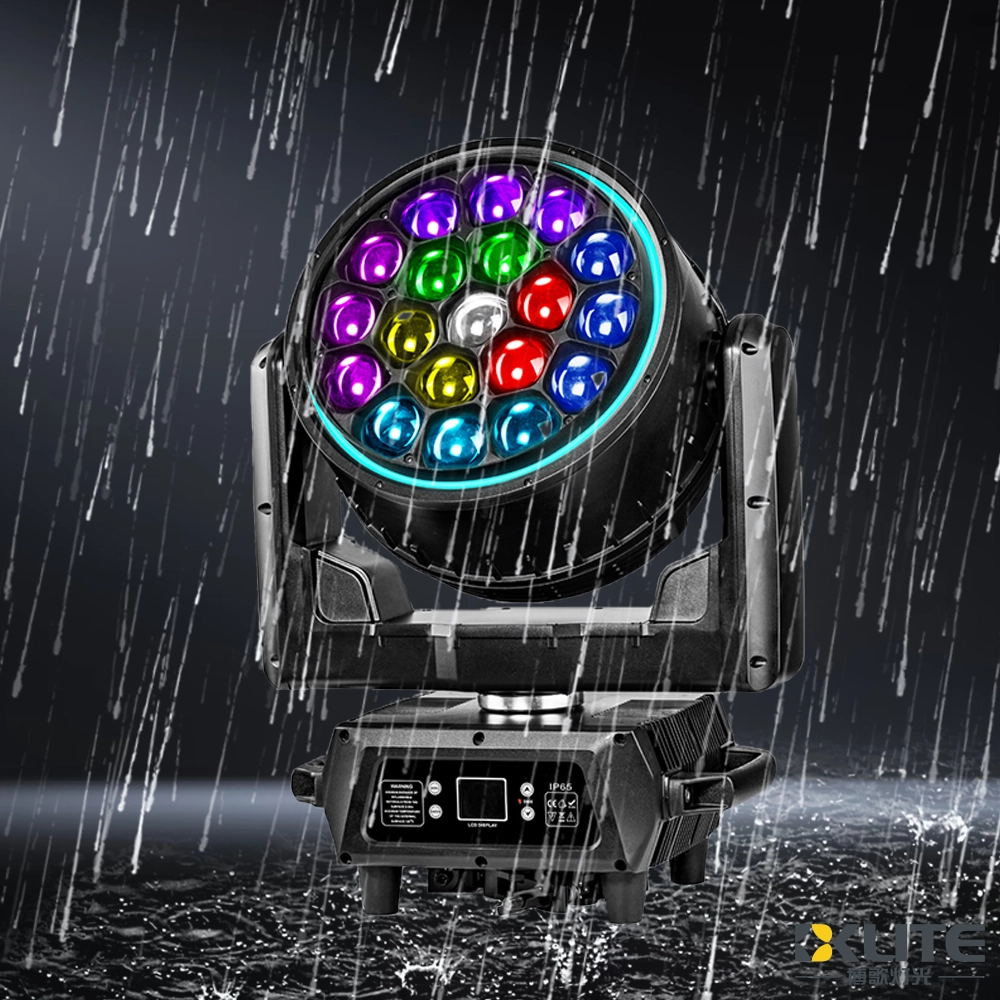
IP65 Waterproof Bee Eye Zoom 19x40W RGBW 4IN1 LED Beam Wash Moving Head Light with LED Ring
BKlite waterproof bee eye moving head light—your reliable choice from top waterproof moving head light manufacturers and suppliers. Ideal for outdoor stage, live event, music festival, this energy-saving fixture ensures powerful, precise illumination for any venue. It delivers powerful, reliable lighting performance in any weather.
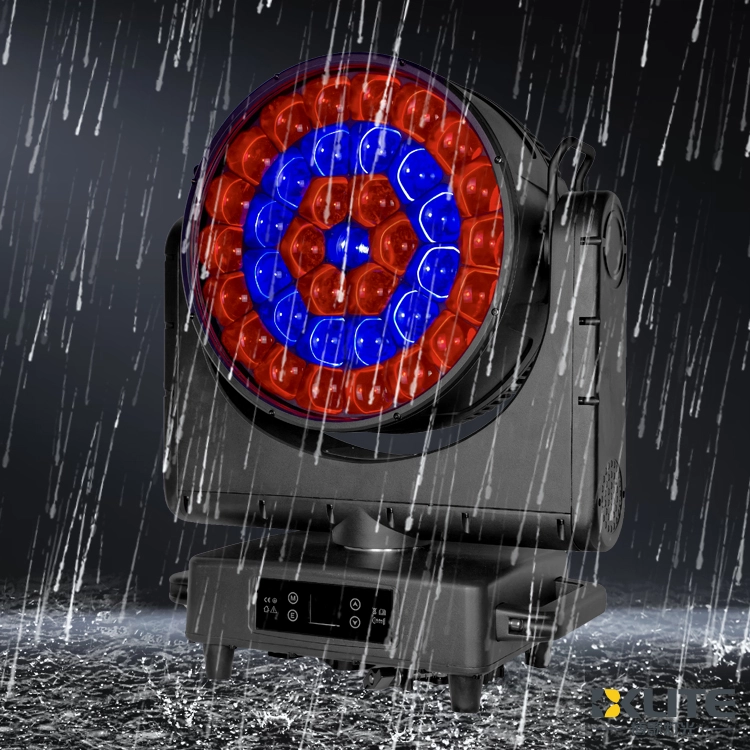
IP65 Waterproof ZOOM Bee Eye 37x40W RGBW 4in1 LED Moving Head Light
As a leading stage lighting equipment supplier with more than 15 years of industry know-how, BKlite brings you the IP65 ZOOM Bee Eye 37*40W RGBW 4in1 LED Moving Head Light (K25 Bee Eye) delivers vibrant, weatherproof lighting with powerful zoom and smooth movement. Ideal for dynamic stage effects, the K25 moving head light ensures stunning RGBW color mixing and reliable outdoor performance.
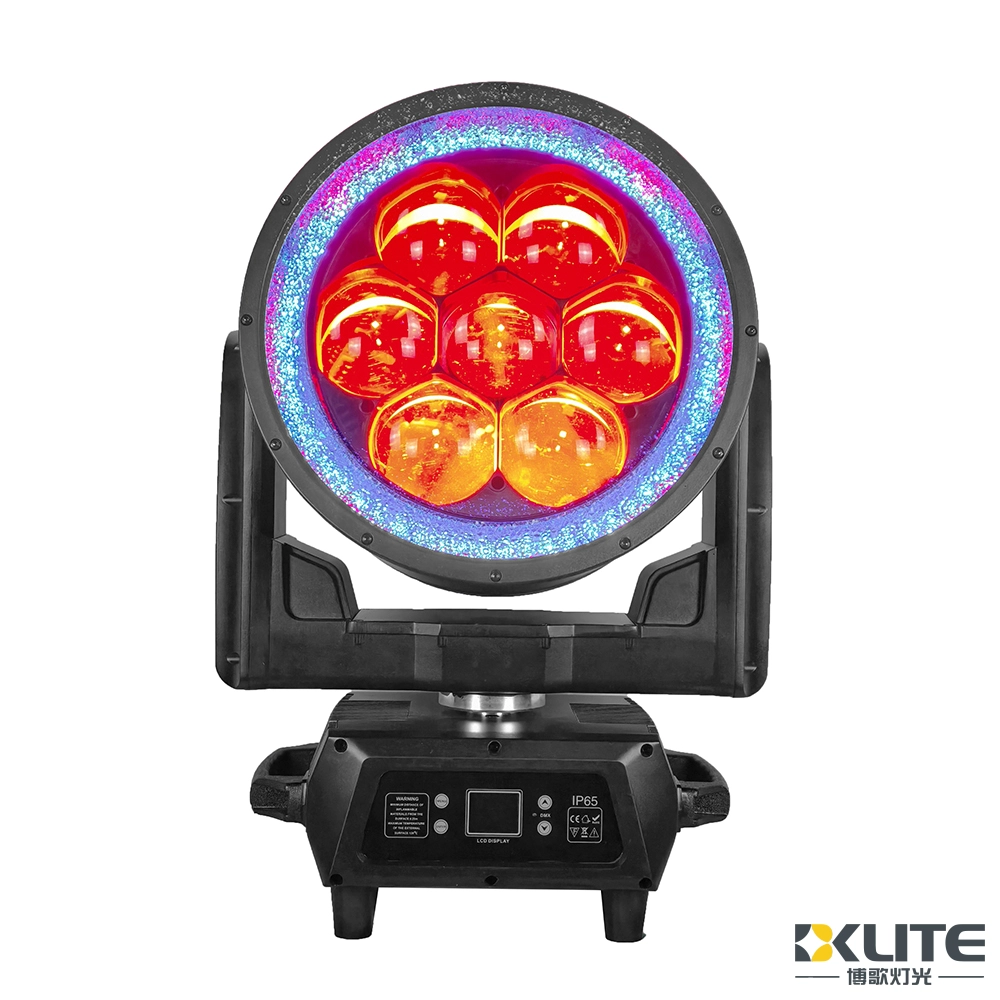
IP65 Waterproof Bee Eye 7x180W RGBL 4IN1 LED Moving Head Light With LED Ring
BKlite high power 7x180W waterproof bee eye moving head light—your reliable choice from top waterproof moving head light manufacturers and suppliers. Ideal for outdoor stage, live event, music festival, this energy-saving fixture ensures powerful, precise illumination for any venue. It delivers powerful, reliable lighting performance in any weather.
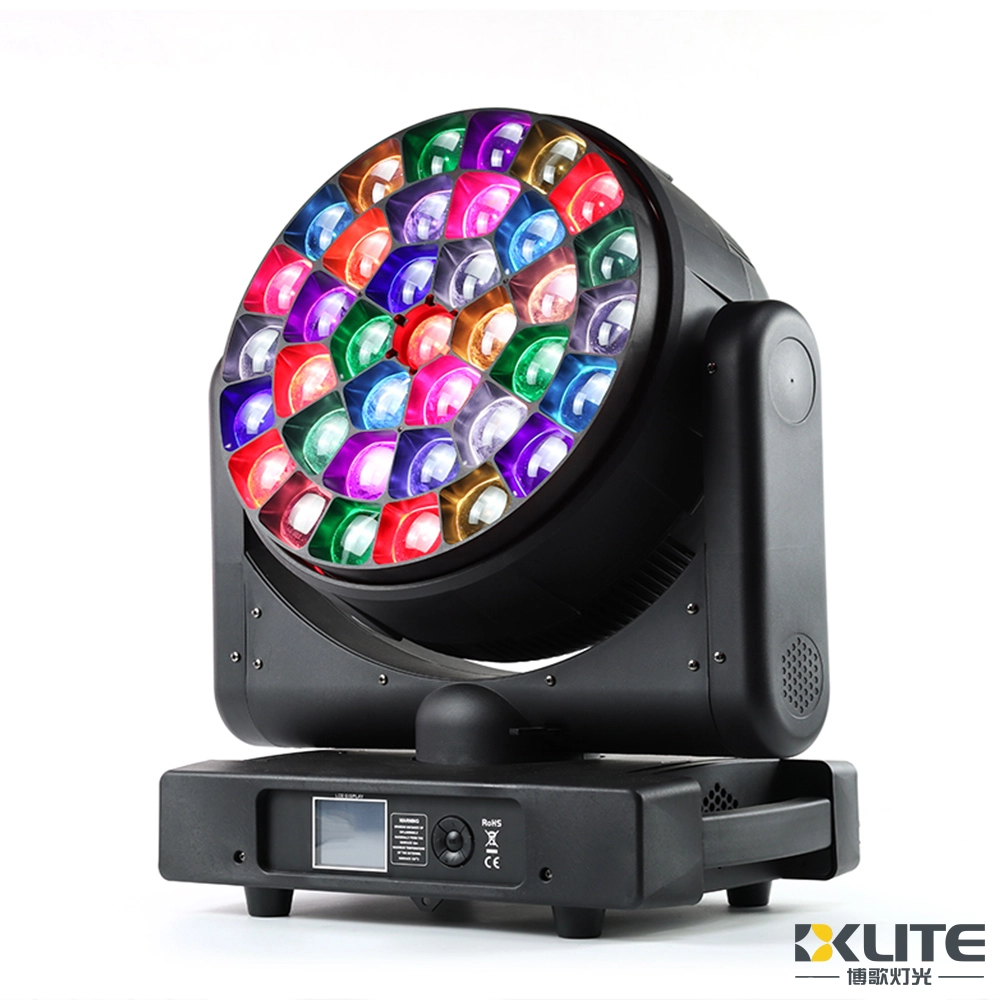
Bee Eye Zoom 37x40W RGBW 4in1 LED Beam Wash Moving Head Light


Copyright © 2025 BKLITE All Rights Reserved.