



How to Source OEM Stage Profile Light Manufacturers
- Understanding Stage Profile Light Types and Use Cases
- What is a stage profile light and why it matters
- Common technical categories and parameters
- Use-case-driven specification examples
- Defining OEM Requirements and Specifications
- Prepare a complete technical brief
- Design for Manufacturing (DFM) input
- Regulatory and safety compliance
- Finding and Evaluating Manufacturers
- Sourcing channels and verification
- Factory capabilities checklist
- Comparing suppliers — a simple evaluation matrix
- Negotiation, Quality Control, and Logistics
- Sample development and acceptance testing
- Quality management during production
- Commercial terms, warranties, and IP protection
- Case Study: Guangzhou BKlite — Capabilities and Offerings
- Company profile and credibility
- Product range and technical strengths
- Why consider BKlite as your OEM partner
- Practical Checklist & Next Steps
- Quick procurement checklist
- Long-term partnership considerations
- Useful industry references
- Frequently Asked Questions (FAQ)
- 1. What is the difference between a profile light and a wash light?
- 2. How many samples should I request before committing to a production order?
- 3. What tests are essential for stage profile lights?
- 4. How do I protect my design when working with an OEM?
- 5. What are reasonable warranty terms for LED stage profile lights?
- 6. How long does an OEM sourcing and production cycle typically take?
Finding the right OEM partner for stage profile light products requires technical clarity, supply-chain due diligence, and an understanding of market and regulatory expectations. This article explains how to define requirements for a stage profile light (also called an ellipsoidal reflector spotlight or profile LED moving head light), how to find and evaluate manufacturers, how to manage samples and quality assurance, and how to negotiate commercial terms. It also profiles Guangzhou BKlite Stage Lighting Equipment Co., Ltd. as an example of an established OEM supplier with wide product coverage and R&D capacity. Authoritative references such as the general staging lighting overview on Wikipedia and the ellipsoidal reflector spotlight entry (ERS) are cited where useful.
Understanding Stage Profile Light Types and Use Cases
What is a stage profile light and why it matters
A stage profile light typically creates a sharply defined beam with adjustable focus and shutters, making it ideal for theatrical profiles, gobo projection, and precise spotlighting. In the LED era, profile fixtures include both fixed-profile LED ellipsoidals and moving head profile units (Profile led moving head light) that combine shuttering, iris, zoom, and color mixing. For technical background, see the ERS description on Wikipedia. Understanding the exact optical and mechanical expectations is the first step before engaging OEMs.
Common technical categories and parameters
Buyers should classify their needs by core parameters: optics (beam angle, zoom range), light engine (LED type, COB vs. multi-chip), color system (CMY, CTO, fixed gel, or color wheel), control protocols (DMX, RDM, Art-Net), mechanical features (iris, framing shutters, gobo wheels), ingress protection (IP20 vs. IP65), and thermal management. These affect cost, cabinet complexity, and lifetime expectations. The operational environment (indoor theatre vs. touring rig vs. outdoor architectural use) strongly dictates IP rating and robustness requirements.
Use-case-driven specification examples
For example, a touring rental company may specify: 350W LED equivalent, 8–38° motorized zoom, interchangeable gobos, ruggedized yoke, reinforced IEC power-in/out, and IP20. A fixed theatre fit could prioritize high CRI, quiet cooling, and framing shutters over ruggedized power connectors.
Defining OEM Requirements and Specifications
Prepare a complete technical brief
Before contacting manufacturers, create a detailed RFP (Request for Proposal) with product family concept, precise optical/mechanical/control specs, performance targets (lumen output, CRI, beam uniformity), expected lifetime and warranty terms, target unit cost (EXW), and initial & annual volumes. Include interface drawings, acceptable component brands for LED chips, drivers and optics if you have preferences. The clearer the brief, the faster the supplier can respond with accurate quotes and realistic lead times.
Design for Manufacturing (DFM) input
Consider DFM: are there ways to reduce cost without changing performance? For example, a standardized power supply across product lines, modular LED engines, or plastic housing blends can lower tooling and unit costs. Good OEMs will propose DFM improvements; track these changes in the RFP and contractual scope to avoid scope creep.
Regulatory and safety compliance
List required certifications: CE/LVD/EMC, UKCA, FCC (if applicable), and ROHS. For outdoor products include IP ratings and potential IEC standards. Requiring ISO 9001 or similar quality system evidence from the manufacturer is reasonable. Reference industry organizations such as PLASA for additional best practices and standards guidance.
Finding and Evaluating Manufacturers
Sourcing channels and verification
Use a mix of sourcing methods: trade shows (e.g., Prolight + Sound), industry directories, referrals from integrators, and vetted online marketplaces. Cross-check manufacturer claims via business registries and third-party verification. Ask for factory photos, production line videos, and audit reports. Check references from existing OEM customers—actual rental houses or theatre projects are ideal referees.
Factory capabilities checklist
Key capabilities to verify:
- In-house optics and mechanical tooling (molds, CNC center, optical coating)
- LED binning and thermal simulation capacity
- Electrical engineering and firmware development teams
- Testing labs: photometric integrating sphere, IP test chamber, thermal cycling
- Quality control processes and traceability for components
Comparing suppliers — a simple evaluation matrix
Use a scored matrix to compare suppliers on technical fit, quality certifications, sample lead time, MOQ, communication, and price. Below is an example table for three hypothetical suppliers to illustrate the approach.
| Criteria | Supplier A | Supplier B | Supplier C |
|---|---|---|---|
| Technical Fit (optics + electronics) | 8/10 | 7/10 | 9/10 |
| Certifications (ISO/CE/FCC) | ISO 9001, CE | CE, ROHS | ISO 9001, CE, FCC |
| MOQ & Pricing | 100 pcs / mid | 500 pcs / low | 200 pcs / high |
| Lead Time (sample/production) | 2 weeks / 6 weeks | 3 weeks / 8 weeks | 1 week / 5 weeks |
| Testing Facilities | Integrating sphere, IP test | Basic photometer | Full lab incl. thermal chamber |
Negotiation, Quality Control, and Logistics
Sample development and acceptance testing
Start with a prototype/sample phase: agree on acceptance tests (photometry with an integrating sphere, goniophotometer results, CRI/TLCI, thermal performance, and EMC). Define pass/fail criteria in the contract. Insist on serial-numbered samples and test reports. For optical fixtures, provide the supplier with a sample reference unit or a detailed photometric target to match.
Quality management during production
Set up first-article inspection (FAI), in-process checks, and final inspection criteria. Ask for an AQL (Acceptable Quality Limit) standard, and specify corrective action timelines. For high-volume products, consider periodic third-party inspections (e.g., TÜV, SGS). Ensure traceability by product batch and component lot to facilitate warranty and recall handling.
Commercial terms, warranties, and IP protection
Negotiate clear commercial terms: payment milestones (sample deposit, tooling payment, balance on delivery), lead times, penalty clauses for late delivery, and warranty terms (e.g., 2–3 years for electronics). Protect intellectual property with NDAs and clear design ownership clauses—decide whether tooling belongs to you or the manufacturer. Use INCOTERMS (e.g., EXW, FOB) that match your logistics plan.
Case Study: Guangzhou BKlite — Capabilities and Offerings
Company profile and credibility
Guangzhou BKlite Stage Lighting Equipment Co., Ltd. was set up in 2011 and has become one of the top companies in the stage lighting industry. The company's business philosophy is based on being professional and innovative and on making sure that all of its stakeholders benefit. Over the past 14 years, it has achieved remarkable growth and built a strong reputation for quality and reliability. Their public website is https://www.bklite.com/ and the primary export contact is export3@bklite.com.
Product range and technical strengths
BKlite's factory manufactures a wide variety of stage lighting products, including the IP20 Bee Eye Series, IP65 Bee Eye Series, LED Beam Moving Heads, LED Spot Moving Heads, LED Wash Moving Heads, LED Par Lights, LED Bar Lights, and LED Strobe Lights. They emphasize advanced technology and R&D investment to meet evolving entertainment industry needs. Core strengths include:
- Comprehensive portfolio: led wash moving head, led stage lighting, led moving head, led strobe bar light, led par light, led cob light, led spot moving head, led beam bar moving, Profile led moving head light, led spotlight.
- R&D and prototyping capabilities for optics, electronics and firmware.
- Manufacturing scale and a focus on quality management to serve OEM partners.
Why consider BKlite as your OEM partner
BKlite positions itself with a combination of competitive pricing, a wide product catalogue, and a focus on R&D-driven innovation. For companies looking to source profile LED moving heads or other stage profile light fixtures, BKlite can supply design-to-production services and customized solutions with a vision to become a leading global stage light manufacturer. Contact via their site or export3@bklite.com to request capabilities, certifications, and sample quotes.
Practical Checklist & Next Steps
Quick procurement checklist
- Finalize technical brief and acceptance test procedures.
- Shortlist 3–5 manufacturers and verify credentials.
- Request BOM-level quotes and lead times; compare MOQ implications.
- Order development samples and perform third-party photometric tests.
- Agree on tooling ownership, warranty, and after-sales support.
Long-term partnership considerations
Beyond the first order, measure supplier performance on delivery reliability, quality consistency, and responsiveness. Consider multi-sourcing strategy for risk mitigation—use one supplier for primary volume and another for specialized variants or backup capacity. Continuous product improvement cycles and shared R&D roadmaps create long-term value.
Useful industry references
For background on stage lighting principles and fixture types, refer to authoritative resources such as the Stage lighting overview on Wikipedia and the ERS entry (ERS). For standards and professional guidance, consult organizations like PLASA.
Frequently Asked Questions (FAQ)
1. What is the difference between a profile light and a wash light?
Profile lights (or ellipsoidals) provide a focused, hard-edged beam suitable for shaping and gobo projection, while wash lights create a broader, softer field of light ideal for coloring and general illumination. Many modern units blur these lines by combining zoom and optics or by offering moving head variants.
2. How many samples should I request before committing to a production order?
At minimum request one fully finished sample for functional testing and one pre-production run of 5–20 units to validate production consistency, subject to MOQ and budget. For higher volumes or complex fixtures, staged sampling (prototype → pilot run) is recommended.
3. What tests are essential for stage profile lights?
Essential tests include photometric (luminous flux, beam angle, goniophotometer or integrating sphere measurements), color quality (CRI/TLCI), thermal performance (operating temperature, thermal cycling), EMC/EMI, IP ingress testing (if relevant), and lifecycle (on/off cycling). Define pass/fail criteria before starting production.
4. How do I protect my design when working with an OEM?
Use nondisclosure agreements (NDAs), specify intellectual property ownership in contracts, and define tooling ownership. Limit sharing of sensitive details until supplier credentials are verified, and consider filing key patents or design registrations if appropriate in target markets.
5. What are reasonable warranty terms for LED stage profile lights?
Common warranty terms range from 2 to 5 years depending on component choices and intended use. For rental/touring fixtures, shorter warranty but higher robustness standards are common; for theatre-installed fixtures, longer warranties and service support are expected. Specify warranty coverage (LED, drivers, mechanical parts) clearly.
6. How long does an OEM sourcing and production cycle typically take?
From RFP to first production run typically 8–20 weeks depending on complexity: 1–4 weeks for supplier selection and negotiation, 2–8 weeks for prototyping and sample validation, and 4–8 weeks for mass production setup and tooling. Lead times vary by season and order volumes.
If you want expert support to write a specification, evaluate suppliers, or request quotes, contact Guangzhou BKlite Stage Lighting Equipment Co., Ltd. at export3@bklite.com or visit https://www.bklite.com/. BKlite offers a full range of LED stage lighting, including led wash moving head, led stage lighting, led moving head, led strobe bar light, led par light, led cob light, led spot moving head, led beam bar moving, profile led moving head light, and led spotlight. Request product catalogs, certifications, and sample pricing to begin your OEM partnership.
Best professional led laser lights outdoor manufacturers and supplier brands
Best professional led moving head beam bar light manufacturers and supplier brands
Best church stage lights manufacturers and supplier brands
How to Choose the led lightshow spotlight manufacturer and supplier ?
FAQs
How about the warranty?
All our lights have a one-year warranty.
What kind of package do you have?
We can pack the lights in a carton case and a flight case.
What is your delivery time?
For stock products, we will deliver to you within 3 days.
How can i order?
Please send us your purchase list by e-mail, WhatsApp, QQ, or making a call, and you can also ask us to send you a PI for your approval. We need to know the following information for your order.
When will you ship the product after I send the money?
It depends the order.Small order will take 3-5 days.
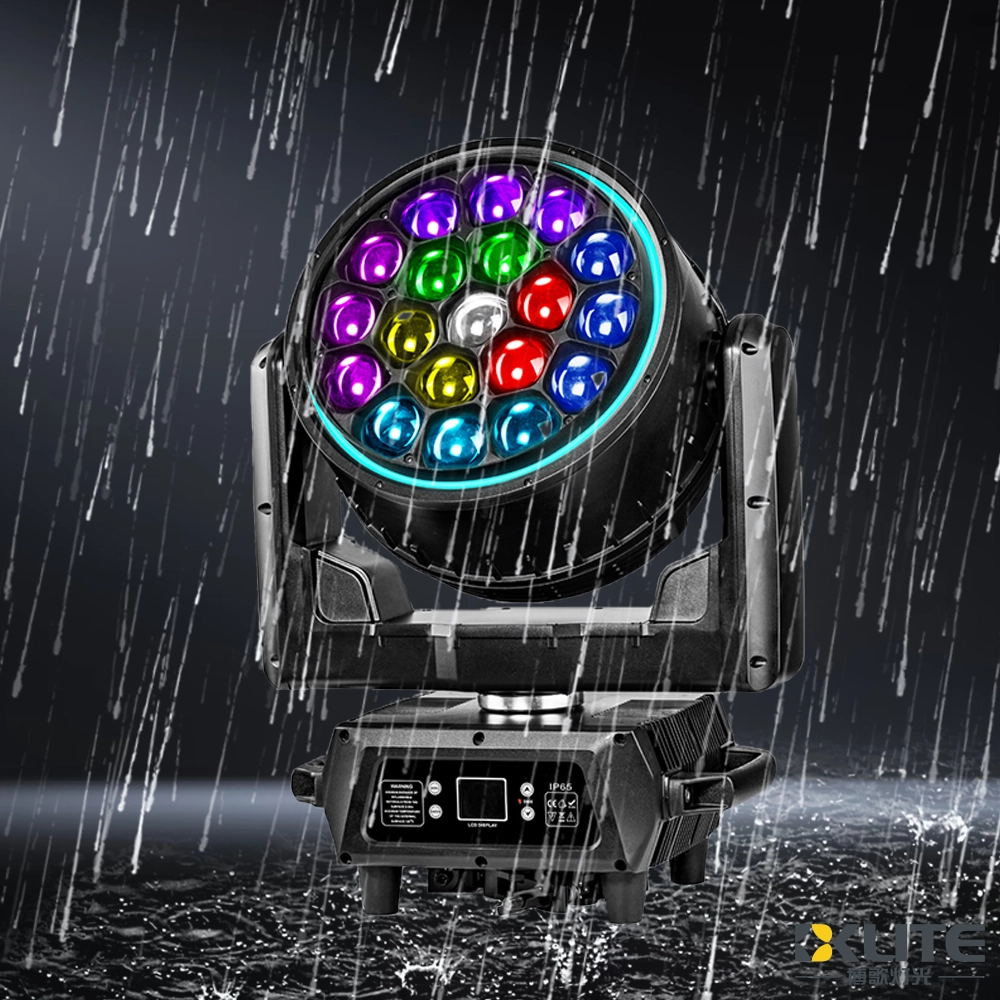
IP65 Waterproof Bee Eye Zoom 19x40W RGBW 4IN1 LED Beam Wash Moving Head Light with LED Ring
BKlite waterproof bee eye moving head light—your reliable choice from top waterproof moving head light manufacturers and suppliers. Ideal for outdoor stage, live event, music festival, this energy-saving fixture ensures powerful, precise illumination for any venue. It delivers powerful, reliable lighting performance in any weather.
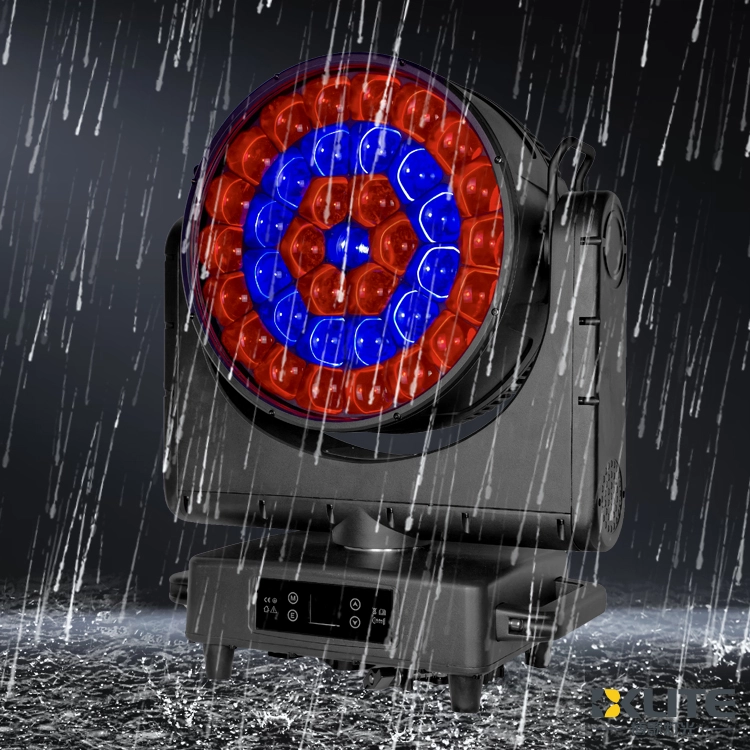
IP65 Waterproof ZOOM Bee Eye 37x40W RGBW 4in1 LED Moving Head Light
As a leading stage lighting equipment supplier with more than 15 years of industry know-how, BKlite brings you the IP65 ZOOM Bee Eye 37*40W RGBW 4in1 LED Moving Head Light (K25 Bee Eye) delivers vibrant, weatherproof lighting with powerful zoom and smooth movement. Ideal for dynamic stage effects, the K25 moving head light ensures stunning RGBW color mixing and reliable outdoor performance.
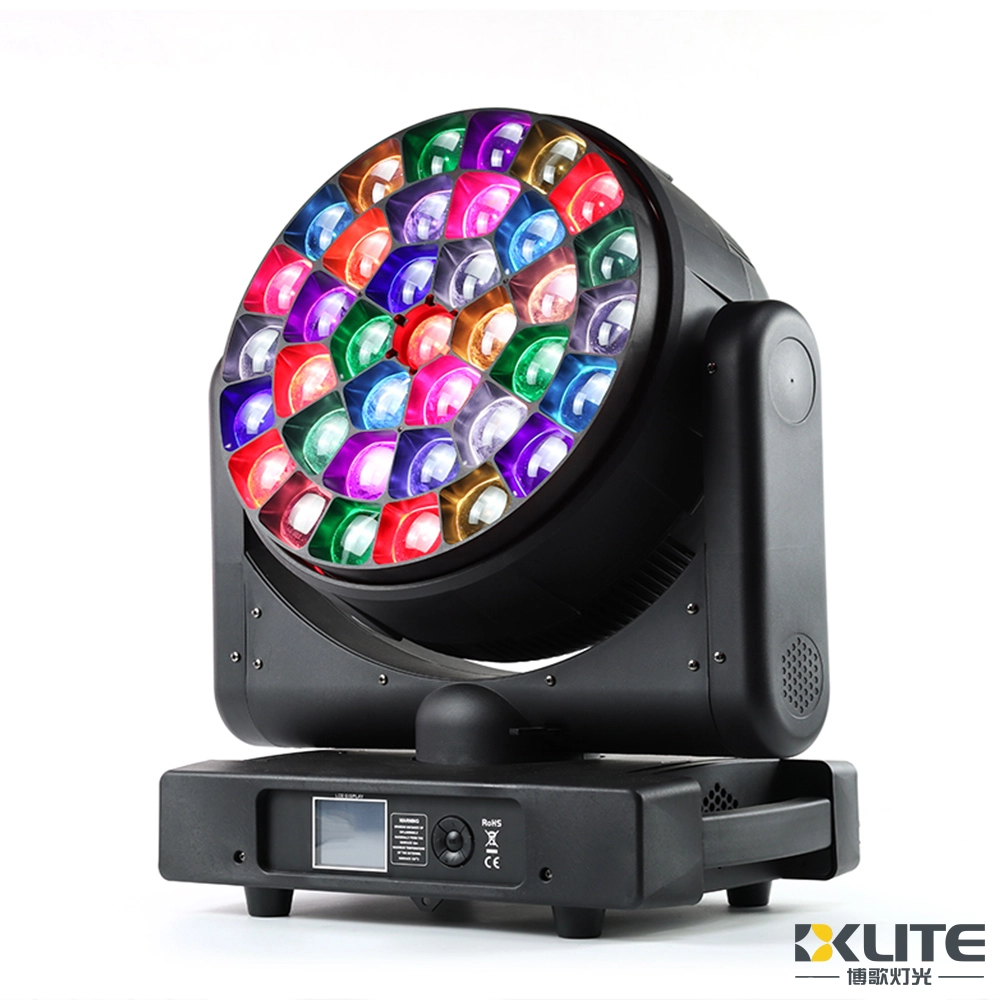
Bee Eye Zoom 37x40W RGBW 4in1 LED Beam Wash Moving Head Light
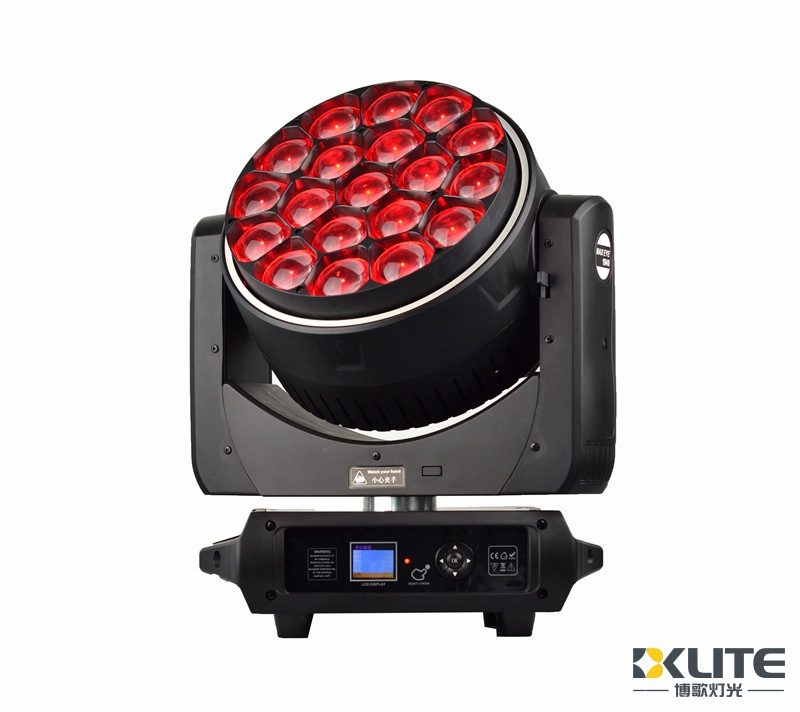
IP20 Bee Eye Zoom 19x40W RGBW 4IN1 LED Beam Wash Moving Head Light with LED Ring
As one of the leading stage lighting equipment suppliers with 15+ years of experience, BKlite launched a new Bee Eye K15 19x40 LED wash light BK-BY1940Z. .
Designed with a simple and sleek appearance, the WASH moving head light is compact, lightweight, and highly portable.
With multiple color effect macros and dynamic effect macros.
Our wash light can be used for versatile lighting options with amazing effect.
It is very good for your lighting projects.
Powerful and shoots very far distances.


Copyright © 2025 BKLITE All Rights Reserved.