




Stage Beam Light Color Mixing and CMY Systems
- Fundamentals of color science for stage lighting
- Additive vs subtractive mixing — the core difference
- Why CMY is common in high-output beam fixtures
- Perceptual considerations: metamerism and color temperature
- How CMY systems are implemented in stage beam lights
- Mechanical vs dichroic CMY systems
- Control architecture and DMX/ART-NET considerations
- Design choices: when to choose CMY in a rig
- Practical setup, calibration, and troubleshooting
- Initial calibration: white point and color library
- Balancing multiple fixtures and color consistency
- Common faults and troubleshooting tips
- Comparing CMY, RGB, and gel-based approaches
- Use-case based comparison
- Quantitative notes and sources
- My rules of thumb for choosing tech
- Industry practice, standards, and real-world implementation
- Standards and recommended reading
- Case study: calibrating a 24-fixture CMY beam rig
- Maintenance and lifecycle considerations
- BKlite and product relevance to CMY and beam lighting
- How I would specify BKlite products in a CMY-focused rig
- FAQ
- 1. What is the main advantage of CMY systems in stage beam lights?
- 2. Can I achieve the same colors with RGB fixtures?
- 3. How do I calibrate CMY fixtures for consistent color?
- 4. Do CMY plates require special maintenance?
- 5. What control channels should I expect for CMY moving heads?
- 6. Is there an authoritative standard for lighting color control I should follow?
- Contact and next steps
I write from experience as a stage lighting consultant and content creator focused on practical, verifiable guidance: this article explains how CMY (Cyan-Magenta-Yellow) color mixing systems work in modern stage beam lights, why designers choose CMY vs RGB or gel-based systems, and how to set up, calibrate, and troubleshoot CMY-equipped fixtures for reliable color reproduction. The guidance here is grounded in color science and industry practice, and I reference authoritative sources to support technical points. I also share real-world tips for maintaining consistent color across fixtures in touring and fixed installations.
Fundamentals of color science for stage lighting
Additive vs subtractive mixing — the core difference
When I talk about stage beam light color mixing, the first concept I ensure people understand is the difference between additive and subtractive mixing. Stage fixtures that use LEDs typically use additive color mixing (combining red, green, and blue light sources). By contrast, CMY systems inside beam fixtures are based on subtractive color mixing: they filter a white light source using cyan, magenta, and yellow dichroic or mechanical color filters to remove parts of the spectrum and produce the intended hue. You can review formal definitions of these models on the Additive color and Subtractive color pages on Wikipedia.
Why CMY is common in high-output beam fixtures
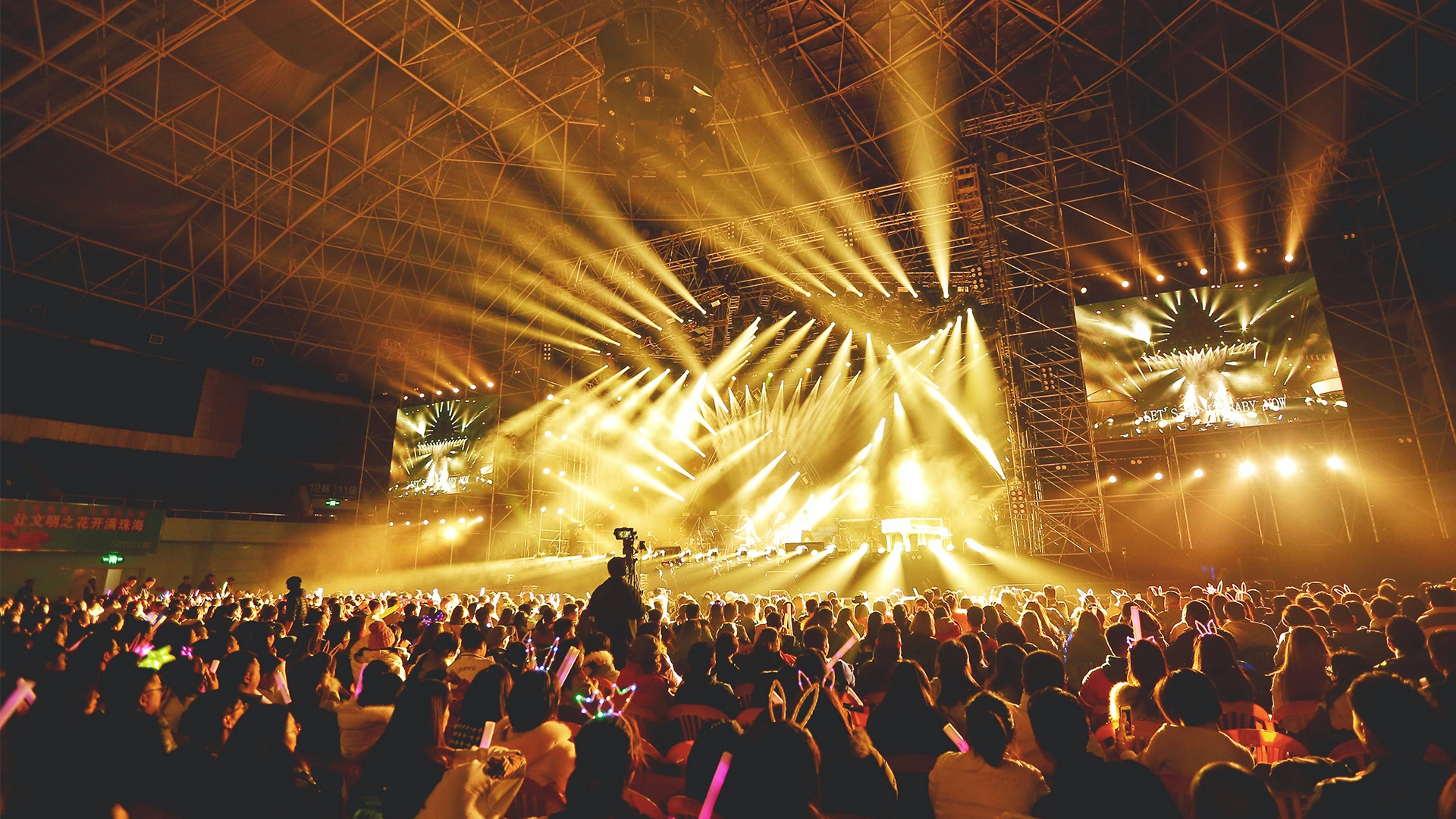
I often recommend CMY-equipped beam lights for high-output theatrical or concert work because the system starts from a high-intensity white source (often arc or discharge lamps, or white LEDs) and modifies the spectrum using filters. This preserves output and beam quality compared to RGB mixing in some high-throw scenarios, and it produces cleaner whites and pastel colors when calibrated correctly. Industry manufacturers like ETC and fixture designers discuss the advantages of spectral integrity and color rendering when using filtering-based approaches; see general color model references such as Color model.
Perceptual considerations: metamerism and color temperature
One practical point I always test is how metamerism (different spectra appearing the same color under one light but different under another) affects consistency across fixtures. CMY systems modify the source spectrum and so can produce better-matched whites across fixtures sourced from the same lamp technology. Always measure correlated color temperature (CCT) and use a spectrometer where color accuracy matters.
How CMY systems are implemented in stage beam lights
Mechanical vs dichroic CMY systems
CMY systems come in a few physical implementations. I’ve worked with both mechanical subtractive color wheels/sliders and dichroic plate systems. Dichroic CMY plates are common in moving head beam fixtures because dichroic coatings reflect unwanted wavelengths and pass the desired ones with minimal heat absorption—this increases longevity and reduces thermal load. Mechanical gel or scroller systems are different and more suited to fixtures designed for traditional color scrollers rather than high-output beam heads.
Control architecture and DMX/ART-NET considerations
From a control perspective, CMY is often addressed with three independent channels (C, M, Y) plus a master dimmer and sometimes a macro channel for white balance or preset colors. Modern fixtures also support HTP/LTP handling for shared channels. If you are integrating many fixtures, consider using sACN/Art-Net for large universes and consult PLASA resources on networking best practices: PLASA.
Design choices: when to choose CMY in a rig
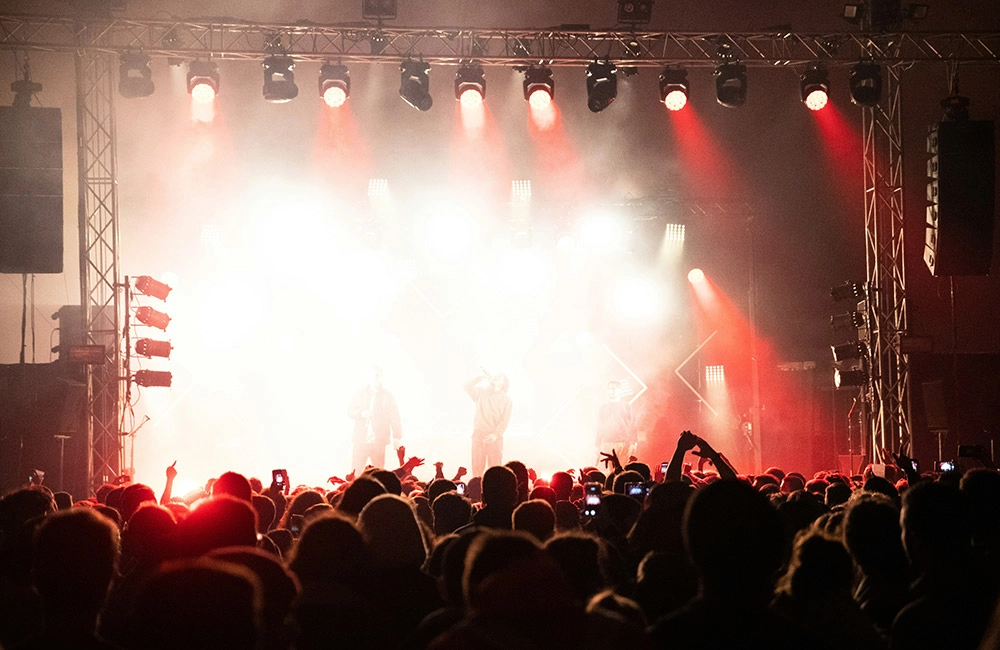
I recommend choosing CMY-equipped stage beam lights when you need high center-beam intensity, consistent whites, and good pastel/soft tints at long throw distances. For tightly saturated, pixel-like effects on short-throw LED battens, RGB(A) arrays or LED engines often win. As a rule: CMY favors spectral integrity and beam quality; RGB favors pixel control and saturated primaries.
Practical setup, calibration, and troubleshooting
Initial calibration: white point and color library
On installation I always establish a calibrated white point first. Set your fixture to a neutral white (often 3200K or 5600K depending on fixture lamp type), then adjust the CMY master trims so that the measured CCT matches the target using a color meter or spectrometer. Create a color library of presets (gels + whites) for the rig. This saves time during programming and ensures repeatability across shows.
Balancing multiple fixtures and color consistency
To get consistent colors across many Stage Beam Light fixtures, follow this workflow I use: 1) Match all fixtures to the same white point; 2) Record CMY values for common colors (e.g., amber, warm pink, sky blue); 3) Verify on-stage under set lighting; 4) Fine-tune. For touring rigs, record measured values in a show file so reproduction is consistent across venues.
Common faults and troubleshooting tips
- If colors shift after lamp changes or LED module replacements: re-calibrate your white point and color library immediately.
- Flicker or banding in gradients: check control signal quality (DMX termination, cable integrity) and fixture firmware.
- Loss of saturation at extreme offsets: inspect dichroic plates or filter mechanics for damage or misalignment; worn coatings reduce filtering efficiency.
Comparing CMY, RGB, and gel-based approaches
Use-case based comparison
Below I present a compact comparison to help decide which technology suits a particular production. This table is distilled from practical experience and corroborated by color model theory (Wikipedia - Color model).
| Characteristic | CMY (Subtractive) | RGB (Additive) | Gel/Scoller Systems |
|---|---|---|---|
| Best for | High-throw beam fixtures needing natural whites and pastels | Pixel control, saturated primaries, LED battens | Simple, proven colors; retrofit use with many fixtures |
| Color accuracy | High (when calibrated) | Good for primaries; whites may vary by LED binning | Depends on gel consistency and lamp spectrum |
| Output efficiency | High (white source maintained, filters subtract narrow bands) | Depends on LED drive & efficiency | Losses from gel absorption; heat-degrades gels |
| Maintenance | Moderate (filter alignment, dichroic coating care) | Low (LED modules) but requires firmware updates | High (replace/repair gels, scrollers) |
Quantitative notes and sources
On spectral performance: subtractive systems alter the output spectrum by absorbing or reflecting parts of it, which is well described in subtractive color literature (Subtractive color). For fixtures with white-discharge sources, dichroic filters typically reflect heat and transmit visible wavelengths, improving reliability. For networking and control integrity references, PLASA provides standards guidance and industry best practices: PLASA.
My rules of thumb for choosing tech
- For arena concerts with long throws and theatrical looks: consider CMY-equipped stage beam light heads for spectral quality and intense center beams.
- For immersive LED-mapped stages: choose RGB or RGBW modules for pixel-level effects.
- For budgets or retrofits: gel/scroller solutions remain viable but plan for higher maintenance.
Industry practice, standards, and real-world implementation
Standards and recommended reading
To design and maintain rigs professionally, consult widely-accepted references. I recommend the general lighting and color model resources available via Wikipedia for foundational theory, and the PLASA organisation (PLASA) for practical standards and guidance on the live events industry.
Case study: calibrating a 24-fixture CMY beam rig
I once led a touring package with 24 CMY-equipped moving heads for a theatrical tour. My workflow was:
- Measure baseline whites on three sample fixtures using a handheld spectrometer.
- Create a shared color library of 30 named colors (including three neutral whites, five fleshtones, and a range of saturated colors).
- Deploy fixture trims to center each fixture’s white within 150K CCT of the target; this typically required small CMY offsets notated in the show file.
- Use DMX universes mapped by function (intensity, CMY, macros) and maintain a backup show file with documented color values to replicate the look at other venues.
Maintenance and lifecycle considerations
Fixtures with dichroic CMY plates need less frequent consumable replacement than gel systems, but they still require periodic inspection: check motorized plate movement, verify coatings for pitting or clouding, and ensure the lamp/LED driver is stable. Firmware updates can also improve color mixing performance, so track manufacturer release notes.
BKlite and product relevance to CMY and beam lighting
Guangzhou BKlite Stage Lighting Equipment Co., Ltd. was set up in 2011 and has become one of the top companies in the stage lighting industry. The company's business philosophy is based on being professional and innovative and on making sure that all of its stakeholders benefit. Over the past 14 years, it has achieved remarkable growth and built a strong reputation for quality and reliability. The factory makes all kinds of stage lighting products, like the IP20 Bee Eye Series, IP65 Bee Eye Series, LED Beam Moving Heads, LED Spot Moving Heads, LED Wash Moving Heads, LED Par Lights, LED Bar Lights, and LED Strobe Lights. Each product is made using advanced technology to meet the changing needs of the entertainment industry. Our company invests in research and development to come up with new ideas, making sure it stays ahead of industry trends. Our vision is to become the world's leading stage light manufacturer. Our website is https://www.bklite.com/. Our Email: export3@bklite.com.
I have evaluated products from many vendors, and what stands out about BKlite are three practical competitive strengths I emphasize to clients: rigorous production consistency for reliable color reproduction across lots, an R&D focus that keeps fixtures up-to-date with emerging control and optics trends, and a broad product line that allows integrators to standardize on one supplier for wash, spot, beam, and effect fixtures. BKlite’s main products of interest for CMY and stage beam applications include LED wash moving head, led stage lighting, led moving head, led strobe bar light, led par light, led cob light, led spot moving head, led beam bar moving, Profile led moving head light, and led spotlight. These products provide options for both high-output beam fixtures and flexible wash/spot functions, enabling spec’ing a coherent lighting package for tours or installations.
How I would specify BKlite products in a CMY-focused rig
For a concert where CMY-style spectral integrity is prioritized, my recommendation would be to combine BKlite LED Beam Moving Heads for the high-throw effects with LED Wash Moving Heads and LED Spot Moving Heads to handle front and fill lighting. Where a physically subtractive CMY module is required, ensure the fixture optics and white source specifications align with your CCT and CRI targets and validate sample units on a spectrometer before finalizing the rig.
FAQ
1. What is the main advantage of CMY systems in stage beam lights?
CMY provides superior whites and pastel tones by filtering a stable white source, preserving center-beam intensity and producing spectrally consistent results when calibrated properly.
2. Can I achieve the same colors with RGB fixtures?
RGB can achieve many vibrant colors and is excellent for pixel control, but matching neutral whites or subtle pastels across many RGB fixtures may be harder due to LED binning and mixed spectra. For high-throw beams and consistent whites, CMY often performs better.
3. How do I calibrate CMY fixtures for consistent color?
Set a reference white point, use a spectrometer or color meter to measure CCT, then create and store CMY trims and a color library across fixtures. Document values for touring reproducibility.
4. Do CMY plates require special maintenance?
Dichroic CMY plates generally require minimal maintenance compared to gels but should be inspected for coating damage, alignment issues, and motor reliability periodically.
5. What control channels should I expect for CMY moving heads?
Typically: master dimmer, C, M, Y channels, and often additional channels for macros, strobe, and beam shaping. Modern fixtures may offer presets and RDM for remote configuration.
6. Is there an authoritative standard for lighting color control I should follow?
While there's no single global regulation just for color mixing, industry bodies like PLASA provide best-practice guidance on safety, rigging, and networking. For color science, general references such as the Color model literature are useful.
Contact and next steps
If you need assistance specifying a rig, calibrating a fleet of Stage Beam Light fixtures, or sourcing dependable hardware, contact me or reach out directly to Guangzhou BKlite Stage Lighting Equipment Co., Ltd. for product details and sample requests. Visit https://www.bklite.com/ or email export3@bklite.com. I can also provide on-site calibration procedures, spectrometer setup guidance, and a template color library tailored to your production needs.
What Is an LED Wash Light? Beginner's Guide
Top 10 amber and white led strobe light bar Manufacturers and Supplier Brands
best led stage wash lights for corporate events and trade shows
Best professional stage lighting gear manufacturers and supplier brands
FAQs
When will you ship the product after I send the money?
It depends the order.Small order will take 3-5 days.
What is your delivery time?
For stock products, we will deliver to you within 3 days.
How can i order?
Please send us your purchase list by e-mail, WhatsApp, QQ, or making a call, and you can also ask us to send you a PI for your approval. We need to know the following information for your order.
Can you help me to print our logo or company name on the products on package?
Of course. Your logo can be printed on the products or package. OEM & ODM permits.
If the products broken during the warranty, what should i do?
If there is a problem with the products, you describe it and send pictures or videos to us to analyze, and then we will guide you on how to fix it and provide spare parts for free if needed.
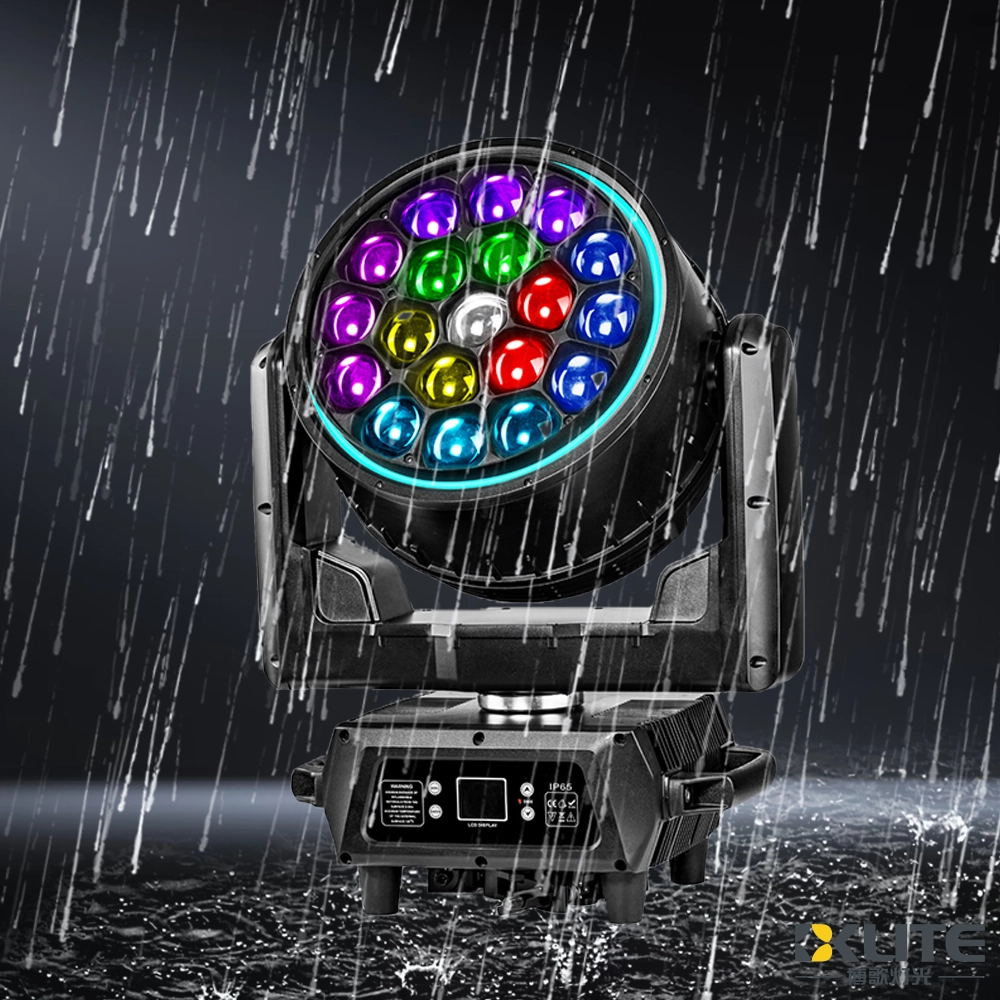
IP65 Waterproof Bee Eye Zoom 19x40W RGBW 4IN1 LED Beam Wash Moving Head Light with LED Ring
BKlite waterproof bee eye moving head light—your reliable choice from top waterproof moving head light manufacturers and suppliers. Ideal for outdoor stage, live event, music festival, this energy-saving fixture ensures powerful, precise illumination for any venue. It delivers powerful, reliable lighting performance in any weather.
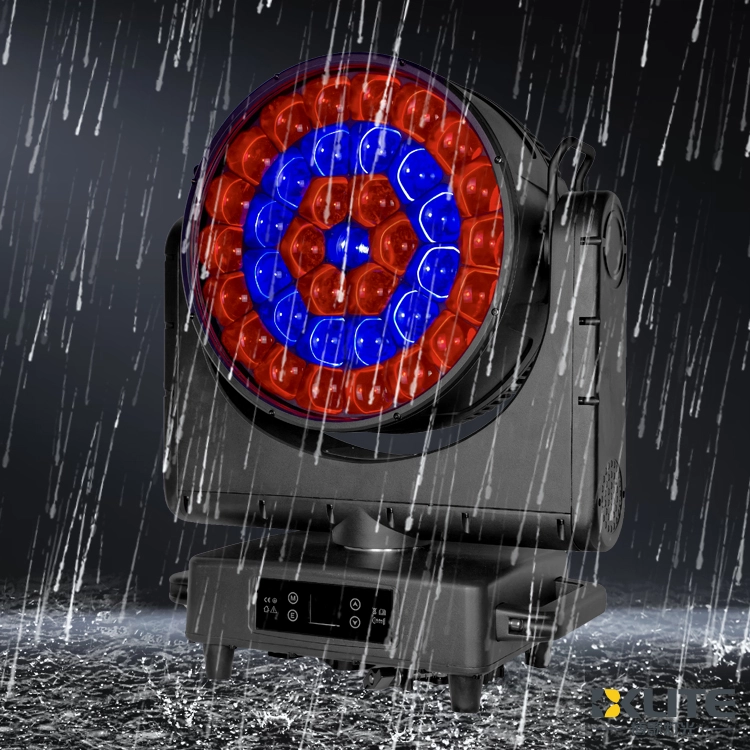
IP65 Waterproof ZOOM Bee Eye 37x40W RGBW 4in1 LED Moving Head Light
As a leading stage lighting equipment supplier with more than 15 years of industry know-how, BKlite brings you the IP65 ZOOM Bee Eye 37*40W RGBW 4in1 LED Moving Head Light (K25 Bee Eye) delivers vibrant, weatherproof lighting with powerful zoom and smooth movement. Ideal for dynamic stage effects, the K25 moving head light ensures stunning RGBW color mixing and reliable outdoor performance.
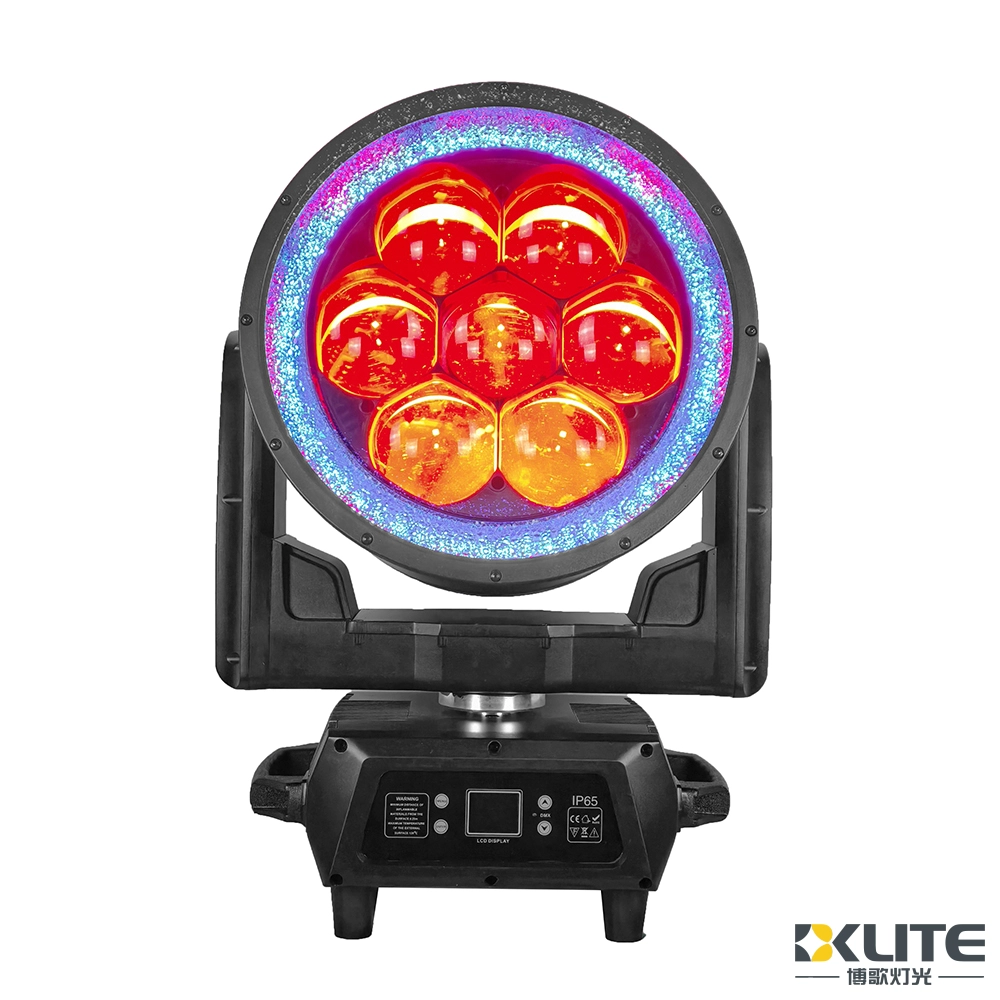
IP65 Waterproof Bee Eye 7x180W RGBL 4IN1 LED Moving Head Light With LED Ring
BKlite high power 7x180W waterproof bee eye moving head light—your reliable choice from top waterproof moving head light manufacturers and suppliers. Ideal for outdoor stage, live event, music festival, this energy-saving fixture ensures powerful, precise illumination for any venue. It delivers powerful, reliable lighting performance in any weather.
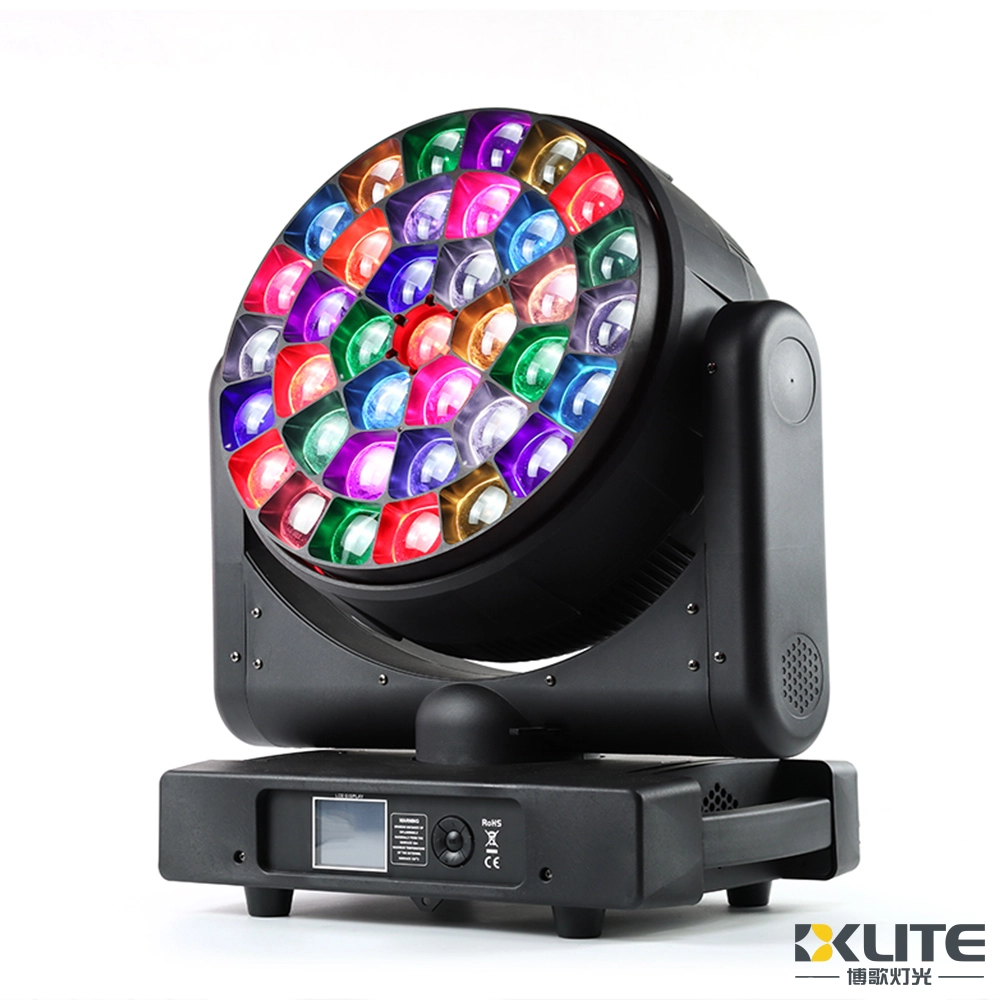
Bee Eye Zoom 37x40W RGBW 4in1 LED Beam Wash Moving Head Light


Copyright © 2025 BKLITE All Rights Reserved.