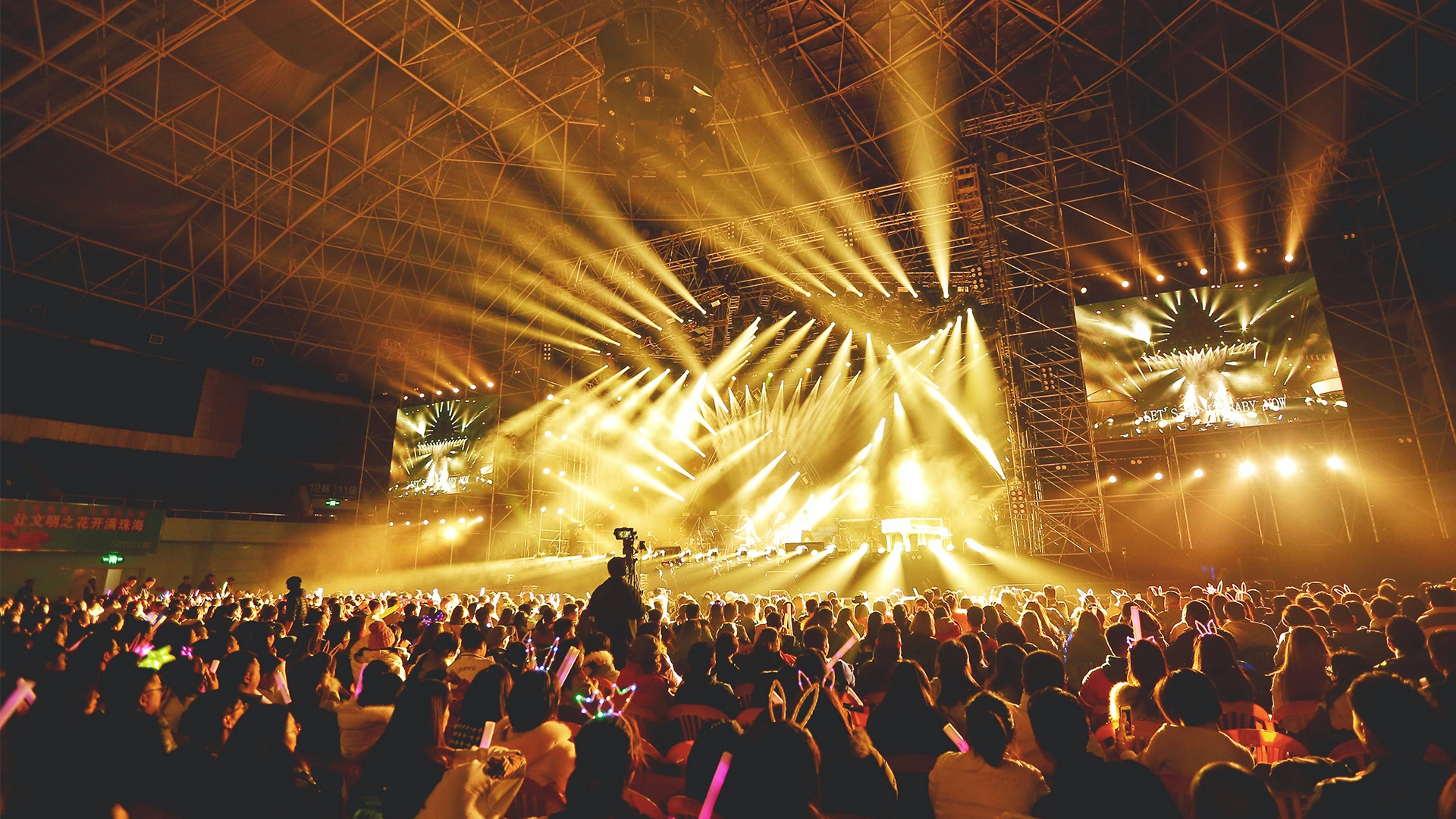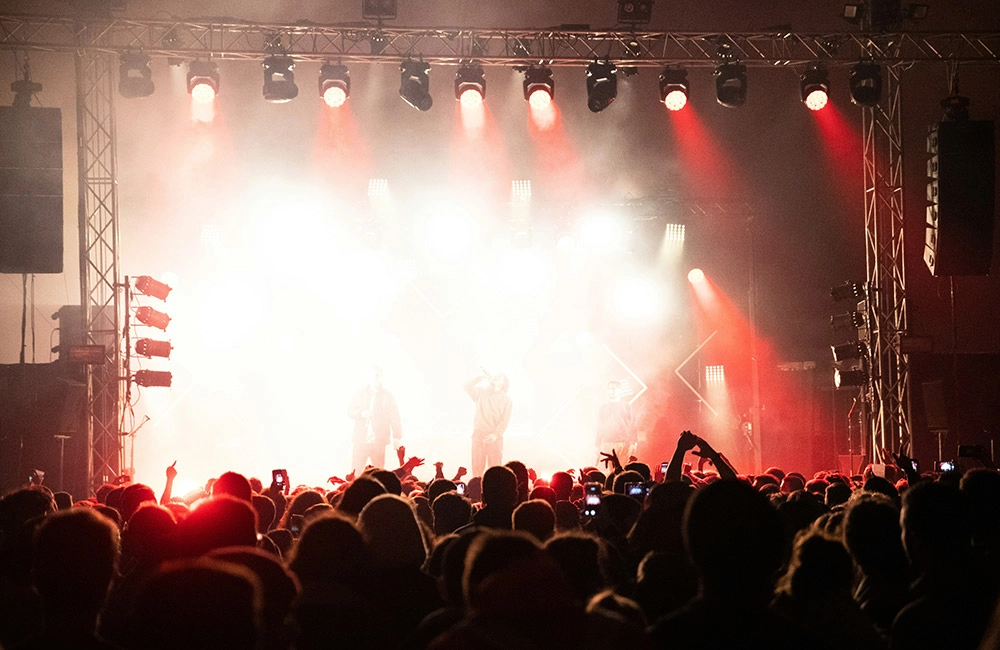





Stage Profile Light Buyers Guide for Theater and Events
- Choosing the Right Profile Lighting for Theaters and Events
- What is a stage profile light and why it matters
- User intent: who reads this guide and what they need
- How to use this guide
- Types of Stage Profile Lights: Strengths and Trade-offs
- Traditional incandescent/halogen ERS (Leko)
- Static LED profile fixtures
- Profile LED moving heads
- Key Specifications and How to Interpret Them
- Brightness and optical quality: lumens, lux, and beam angle
- Color quality: CRI, TLCI, and white point control
- Control, connectivity, and protocols
- Practical Buying Checklist and Comparison
- Buying checklist by use case
- Budgeting: initial cost vs lifetime cost
- Feature comparison table
- Procurement, Installation, and Maintenance Best Practices
- Specifying fixtures for procurement
- Installation and safety considerations
- Routine maintenance and spare parts planning
- Evaluating Suppliers and Manufacturer Profile: BKlite
- How to evaluate supplier credibility
- About Guangzhou BKlite Stage Lighting Equipment Co., Ltd.
- BKlite product range and competitive advantages
- Final Recommendations and Buying Checklist
- Quick decision flow
- Sample procurement checklist
- FAQs
- 1. What is the difference between a profile and a Fresnel or wash light?
- 2. Can LED profile lights match the color quality of incandescent ERS?
- 3. How do I choose beam angle and zoom range?
- 4. Are profile moving heads suitable for long-term theatre installs?
- 5. What should I request from a manufacturer before purchasing?
- 6. How important is IP rating for profile lights?
- Contact and Next Steps
- References
Choosing the Right Profile Lighting for Theaters and Events
What is a stage profile light and why it matters
A stage profile light, often called a profile spot or ellipsoidal reflector spotlight (ERS), shapes a hard-edged beam for sharp gobos, crisp focus, and precise edge control. In modern productions, LED profile moving heads have become common because they combine the classical qualities of a profile with the versatility of color mixing, motorized framing shutters, and DMX control. Knowing the role of a profile light is the first step to selecting the right fixture for your venue's artistic and technical needs.
User intent: who reads this guide and what they need
This guide addresses the needs of theater lighting designers, venue technical directors, event producers, rental houses, and AV buyers who search for 'stage profile light' with . You will learn how to compare incandescent ERS, static LED profile fixtures, and profile moving heads on specifications that matter: lumen output, beam angle, beam quality (CRI, CQS), framing capabilities, gobo compatibility, power draw, DMX/RDM features, maintenance cost, IP rating for outdoor use, and budget considerations.
How to use this guide
Read the sections on types, key specs, practical selection checklists, and the comparison table. The second half gives procurement guidance, installation and maintenance best practices, and vendor evaluation criteria including a supplier profile of Guangzhou BKlite Stage Lighting Equipment Co., Ltd., a major manufacturer in the stage lighting industry.
Types of Stage Profile Lights: Strengths and Trade-offs
Traditional incandescent/halogen ERS (Leko)
Classic ERS fixtures provide high-quality optical projection, exceptional edge definition, and predictable dimmer curves. They are simple to service and very reliable for certain theatrical applications. Drawbacks include high heat, lamp replacement cost, and higher power consumption compared with LEDs.
Static LED profile fixtures
Static LED profiles keep fixed position framing and optics but replace the lamp with LEDs. Advantages: lower power draw, longer life, variable color without gels, and less heat. Limitations: many static LEDs have narrower zoom ranges and fewer mechanical framing options than traditional Lekos or moving-head profiles.
Profile LED moving heads
Profile moving heads combine motorized pan/tilt, zoom, framing shutters, rotating gobo wheels, and full color mixing. They are ideal for events, touring, and multi-purpose theaters needing flexibility. Trade-offs include higher initial purchase cost, increased complexity, and potentially higher maintenance if many moving parts are used heavily.
Key Specifications and How to Interpret Them
Brightness and optical quality: lumens, lux, and beam angle
Brightness specs can be reported as LED lumens or fixture lux at distance. For practical selection, compare measured lux values at intended throw distances and choose a fixture with enough output to achieve the look without overdriving. Beam angle and zoom range determine coverage and fall-off; a flexible zoom (e.g., 6°-50°) covers most theatrical needs.
Color quality: CRI, TLCI, and white point control
Color rendering is critical for stage skin tones. CRI (Ra) and TLCI are metrics to compare. Aim for CRI >90 for demanding theatrical work. For LED fixtures, check tunable white and spectral balance — some modern profiles offer high-fidelity white modes and additional phosphor/CRI optimization.
Control, connectivity, and protocols
DMX512 is a baseline for fixture control; RDM adds remote device management. For larger installs, consider fixtures that support Art-Net, sACN, and show control integration. Verify channel modes, fixture personality, and whether custom control mappings are offered by the vendor.
Practical Buying Checklist and Comparison
Buying checklist by use case
For theaters: prioritize optical quality, framing shutters, high CRI, and serviceability. For touring/events: favor robust moving heads with motorized zoom, lightweight housings, fast pans/tilts, and secure roadworthy connectors. For outdoor events: require IP-rated fixtures (IP65 or higher) and corrosion-resistant hardware.
Budgeting: initial cost vs lifetime cost
Consider total cost of ownership: purchase price, spare parts (lamps, gobos, lenses), service intervals, energy usage, and replacement cycles. LEDs often reduce operational costs but may require more specialist electronic repair when failures occur. Factor in warranty and local service availability.
Feature comparison table
Below is a practical comparison of typical fixture categories to guide vendor selection. Values are representative ranges; verify exact specs with manufacturers for procurement decisions.
| Type | Typical Fixture | Beam/Zoom | Output | Color | Best For |
|---|---|---|---|---|---|
| Traditional ERS (Incandescent) | 250W–2kW Leko | Fixed zoom lenses, sharp edge, 10°–65° | High (warm lamp lumens) | Warm incandescent, gel-based | Theatre focus, classical productions |
| Static LED Profile | Single-source LED profile | Narrower zoom, 8°–40° | Medium–High (LED lm) | RGBW or variable white, CRI ~80–95 | Fixed venues, energy-conscious installs |
| Profile LED Moving Head | Motorized zoom, framing, gobos | 6°–60° (typical motorized zoom) | High (LED arrays, measured lux depends on distance) | Full color mixing, high-CRI modes | Tours, multi-purpose theatres, events |
Procurement, Installation, and Maintenance Best Practices
Specifying fixtures for procurement
Write specifications that list minimum required output (lux at X meters), required beam/zoom range, CRI/TLCI minimum, DMX/RDM support, IP rating, mounting options, weight, and warranty. Require published photometric files (IES) and sample data from the vendor. Include acceptance tests: color consistency check, dimming curve inspection, and mechanical endurance run-time for moving heads.
Installation and safety considerations
Securely rig fixtures with safety cables rated to local codes. Provide adequate airflow and heat management for non-LED fixtures. For outdoor installations, choose IP-rated units and consider condensation prevention. Ensure DMX runs are properly terminated and separated from power cabling to avoid interference.
Routine maintenance and spare parts planning
Create a maintenance schedule: lamp replacements and reflector cleaning for conventional fixtures; firmware checks and encoder calibrations for moving heads. Stock essential spares: fuses, gobos, lenses, clamps, and connectors. Establish a relationship with a local service center or manufacturer for warranty and repairs.
Evaluating Suppliers and Manufacturer Profile: BKlite
How to evaluate supplier credibility
When choosing a supplier, check manufacturing history, R&D investment, quality certifications, customer references, and response times for service. Request factory audits or factory acceptance tests for large orders. Compare lead times and spare-part availability.
About Guangzhou BKlite Stage Lighting Equipment Co., Ltd.
Guangzhou BKlite Stage Lighting Equipment Co., Ltd. was set up in 2011 and has become one of the top companies in the stage lighting industry. The company operates with a business philosophy centered on being professional, innovative, and ensuring stakeholders benefit. Over the past 14 years, BKlite has achieved strong growth and built a reputation for quality and reliability.
BKlite product range and competitive advantages
The BKlite factory manufactures a broad range of stage lighting products using advanced technology to meet industry needs. Key products include the IP20 Bee Eye Series, IP65 Bee Eye Series, LED Beam Moving Heads, LED Spot Moving Heads, LED Wash Moving Heads, LED Par Lights, LED Bar Lights, and LED Strobe Lights.
BKlite differentiators:- R&D investment that keeps product features aligned with market trends- Diverse IP-rated options for indoor and outdoor use- Competitive product mix including led wash moving head, led stage lighting, led moving head, led strobe bar light, led par light, led cob light, led spot moving head, led beam bar moving, Profile led moving head light, and led spotlight- Emphasis on quality control and factory testing- Clear vision to become a world-leading stage light manufacturer
For product details, specifications, and contact, visit https://www.bklite.com/ to evaluate their catalog and request technical sheets or quotations.
Final Recommendations and Buying Checklist
Quick decision flow
- If your priority is the highest optical quality for theatrical skin tones and you have a fixed stage: choose classical ERS or a high-CRI static LED profile.- If you need flexibility, touring capability, and dynamic effects: choose a profile LED moving head with framing shutters and a wide motorized zoom.- For outdoor events: insist on IP65-rated fixtures or protective housings and robust connectors.
Sample procurement checklist
- Confirm output: lux at intended throw distance
- Ensure CRI/TLCI meets theatrical requirements (>90 preferred)
- Verify beam/zoom range suits stage size
- Require DMX/RDM and network protocol support as needed
- Check IP rating for outdoor use
- Request IES files and photometric reports
- Confirm warranty terms and local service support
FAQs
1. What is the difference between a profile and a Fresnel or wash light?
Profile lights produce a hard-edged and controllable beam suitable for projecting gobos and shaping light with shutters. Fresnel and wash lights create softer, more diffused pools of light for general area coverage and color washes.
2. Can LED profile lights match the color quality of incandescent ERS?
Modern LED profile fixtures can achieve high CRI/TLCI scores and offer tunable white and color mixing, making them comparable to incandescent for many applications. For the most critical skin-tone rendering, evaluate photometric data and test samples under stage conditions.
3. How do I choose beam angle and zoom range?
Choose a zoom range that covers your narrowest and widest required coverage at planned throw distances. Theater work often needs narrow beams for spots (6°–20°) and wider zooms (30°–60°) for larger coverage. If unsure, select fixtures with broad motorized zoom ranges.
4. Are profile moving heads suitable for long-term theatre installs?
Yes, many theatres use profile moving heads for their versatility. Consider trade-offs: moving heads introduce mechanical complexity and may need more frequent maintenance than fixed fixtures. Ensure strong vendor support and maintenance plans.
5. What should I request from a manufacturer before purchasing?
Request IES/IESNA photometric files, lux charts at distances, CRI/TLCI data, detailed channel personalities, IP ratings, warranty terms, and service options. For large orders, conduct a factory acceptance test or request sample units for on-site evaluation.
6. How important is IP rating for profile lights?
Critical for outdoor events. IP20 is for indoor use only; IP65 or higher is needed for rain and dust exposure. Even indoors, consider ingress protection if the venue has environmental challenges (e.g., fog, smoke machines, dust).
Contact and Next Steps
If you need product recommendations, pilot units for testing, or a quotation, contact reputable manufacturers and suppliers. For a manufacturer with a broad portfolio that includes profile led moving head light, led wash moving head, led par light, led spot moving head and more, review Guangzhou BKlite Stage Lighting Equipment Co., Ltd. at https://www.bklite.com/ to request technical data sheets, pricing, and shipping lead times. Their product breadth and R&D focus make them a strong candidate for both venue installs and touring inventories.
References
- Ellipsoidal reflector spotlight — Wikipedia. https://en.wikipedia.org/wiki/Ellipsoidal_reflector_spotlight. Accessed 2026-01-04.
- Stage lighting — Wikipedia. https://en.wikipedia.org/wiki/Stage_lighting. Accessed 2026-01-04.
- DMX512 — Wikipedia. https://en.wikipedia.org/wiki/DMX512. Accessed 2026-01-04.
- Information on LED color rendering and CRI/TLCI — Lighting industry sources and manufacturer datasheets (example: Philips/Signify LED documentation). https://www.signify.com/. Accessed 2026-01-04.
- Guangzhou BKlite Stage Lighting Equipment Co., Ltd. official website. https://www.bklite.com/. Accessed 2026-01-04.
Best Compact LED Moving Heads for Touring Productions
Best professional led strobe light kit manufacturers and supplier brands
Best professional led moving head beam bar manufacturers and supplier brands
Best professional outdoor led laser lights manufacturers and supplier brands
FAQs
If the products broken during the warranty, what should i do?
If there is a problem with the products, you describe it and send pictures or videos to us to analyze, and then we will guide you on how to fix it and provide spare parts for free if needed.
What is your delivery time?
For stock products, we will deliver to you within 3 days.
What service can you supply?
We can apply for the OEM/ODM service.
When will you ship the product after I send the money?
It depends the order.Small order will take 3-5 days.
How can i order?
Please send us your purchase list by e-mail, WhatsApp, QQ, or making a call, and you can also ask us to send you a PI for your approval. We need to know the following information for your order.
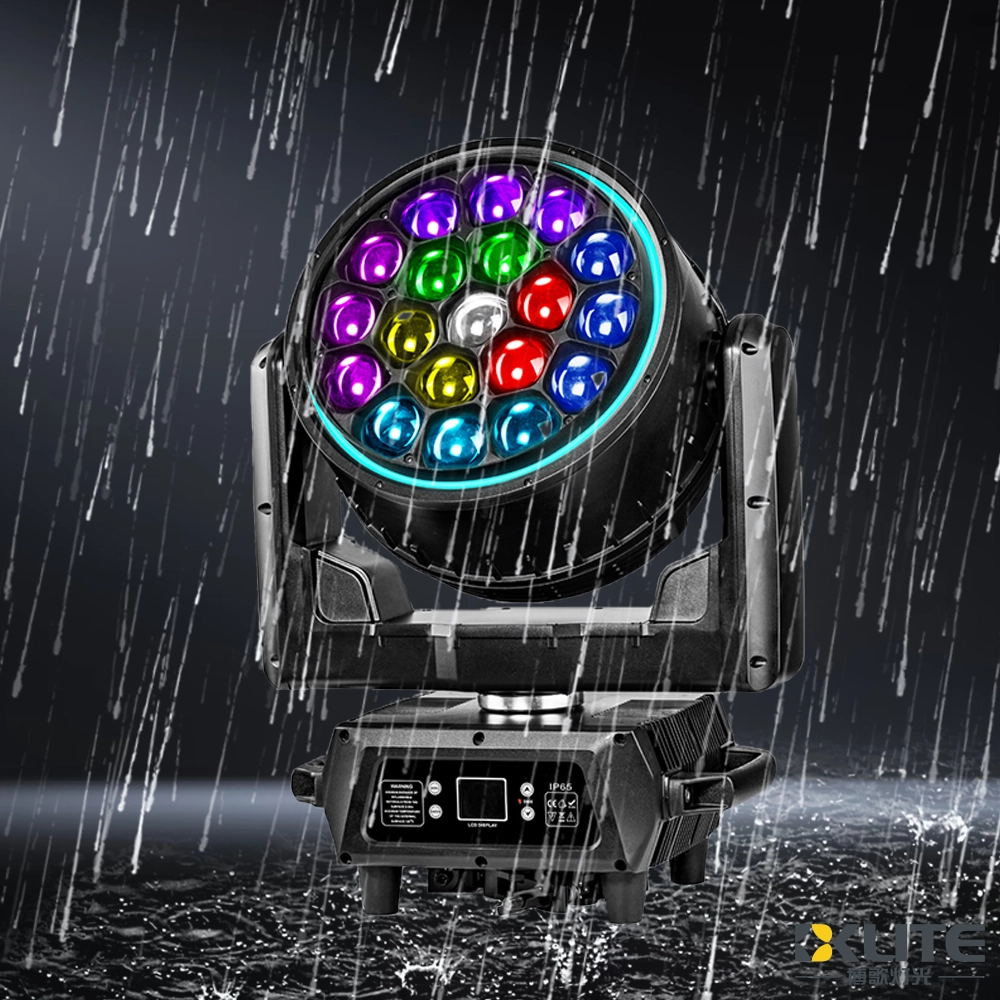
IP65 Waterproof Bee Eye Zoom 19x40W RGBW 4IN1 LED Beam Wash Moving Head Light with LED Ring
BKlite waterproof bee eye moving head light—your reliable choice from top waterproof moving head light manufacturers and suppliers. Ideal for outdoor stage, live event, music festival, this energy-saving fixture ensures powerful, precise illumination for any venue. It delivers powerful, reliable lighting performance in any weather.
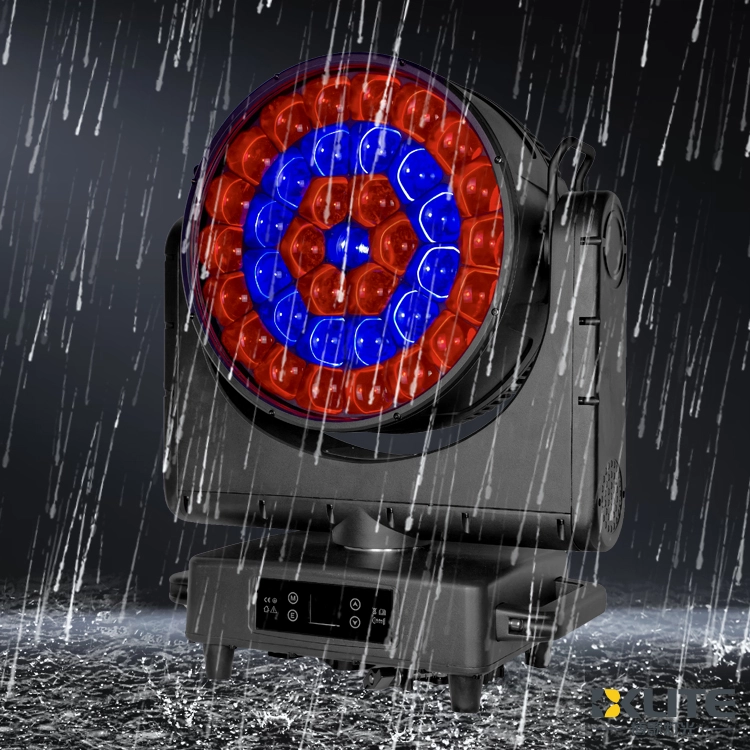
IP65 Waterproof ZOOM Bee Eye 37x40W RGBW 4in1 LED Moving Head Light
As a leading stage lighting equipment supplier with more than 15 years of industry know-how, BKlite brings you the IP65 ZOOM Bee Eye 37*40W RGBW 4in1 LED Moving Head Light (K25 Bee Eye) delivers vibrant, weatherproof lighting with powerful zoom and smooth movement. Ideal for dynamic stage effects, the K25 moving head light ensures stunning RGBW color mixing and reliable outdoor performance.
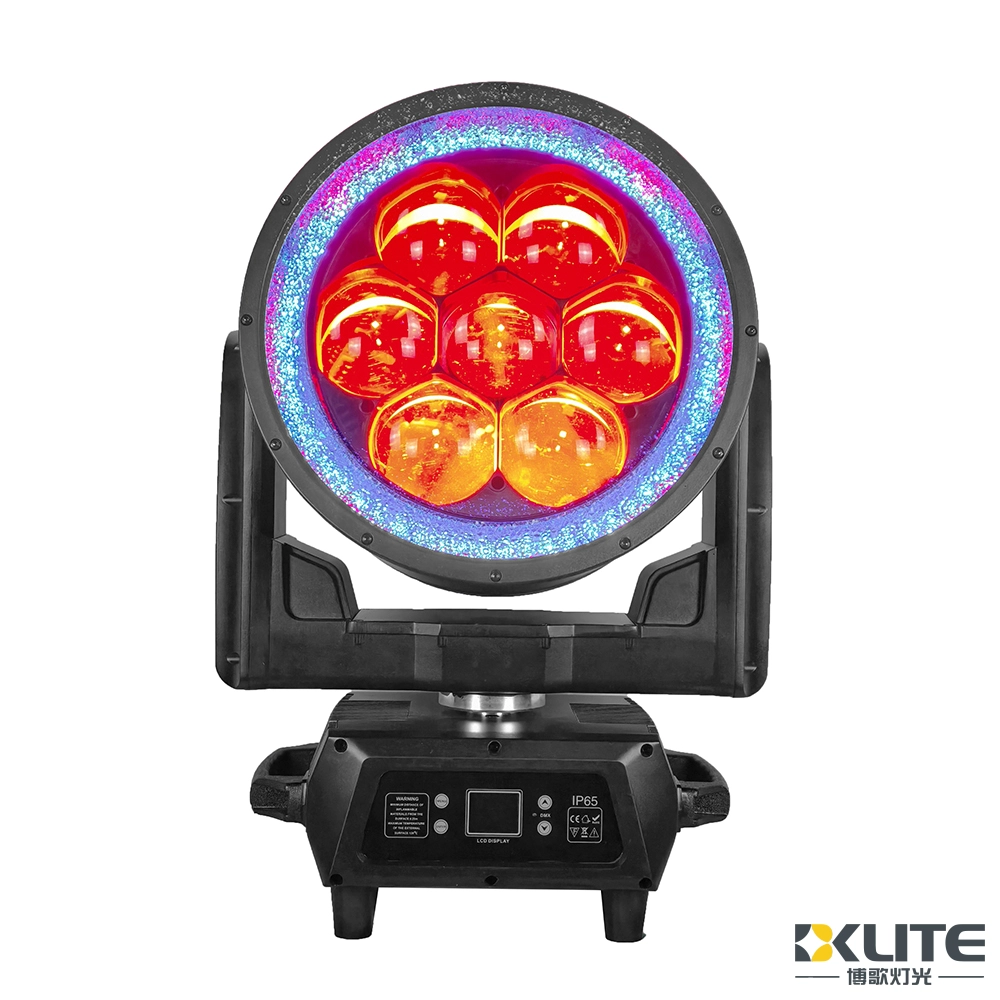
IP65 Waterproof Bee Eye 7x180W RGBL 4IN1 LED Moving Head Light With LED Ring
BKlite high power 7x180W waterproof bee eye moving head light—your reliable choice from top waterproof moving head light manufacturers and suppliers. Ideal for outdoor stage, live event, music festival, this energy-saving fixture ensures powerful, precise illumination for any venue. It delivers powerful, reliable lighting performance in any weather.
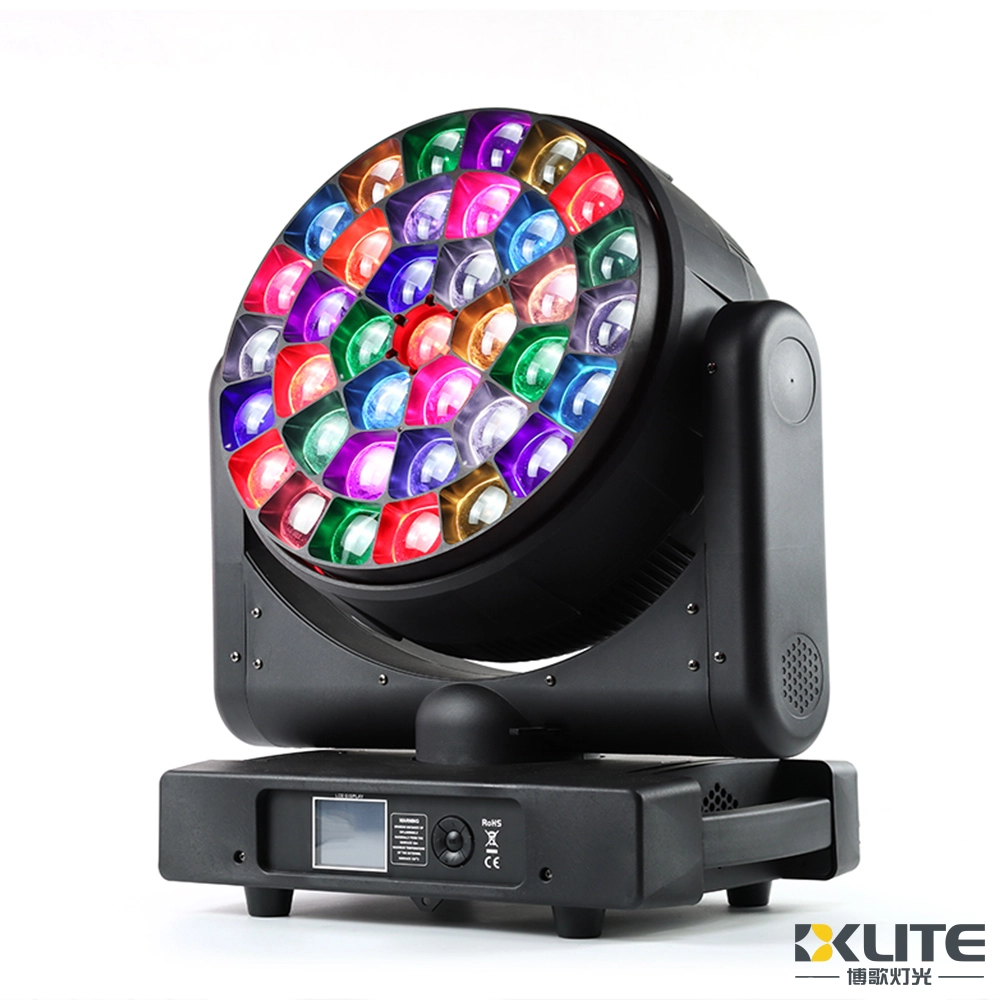
Bee Eye Zoom 37x40W RGBW 4in1 LED Beam Wash Moving Head Light


Copyright © 2025 BKLITE All Rights Reserved.