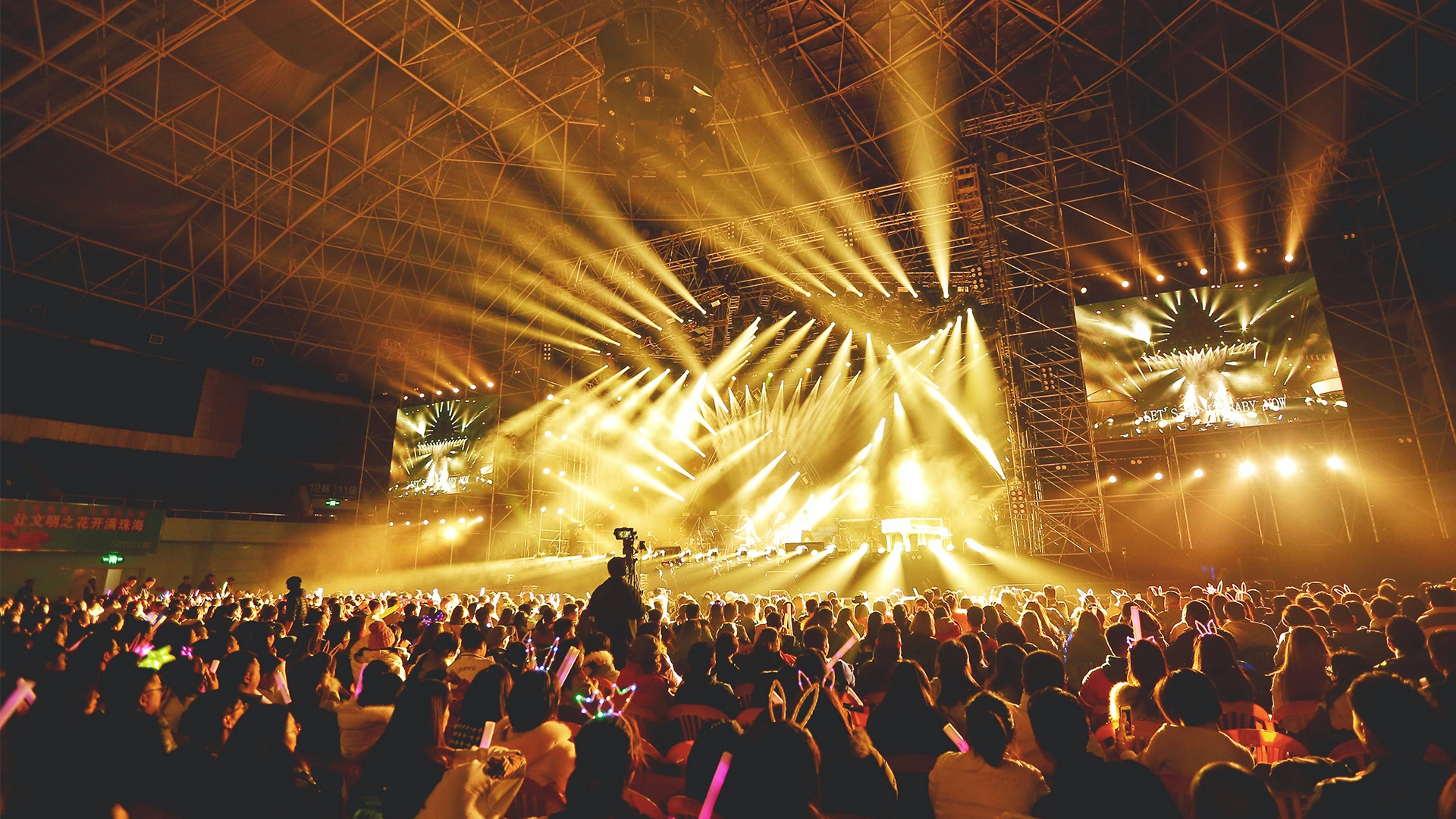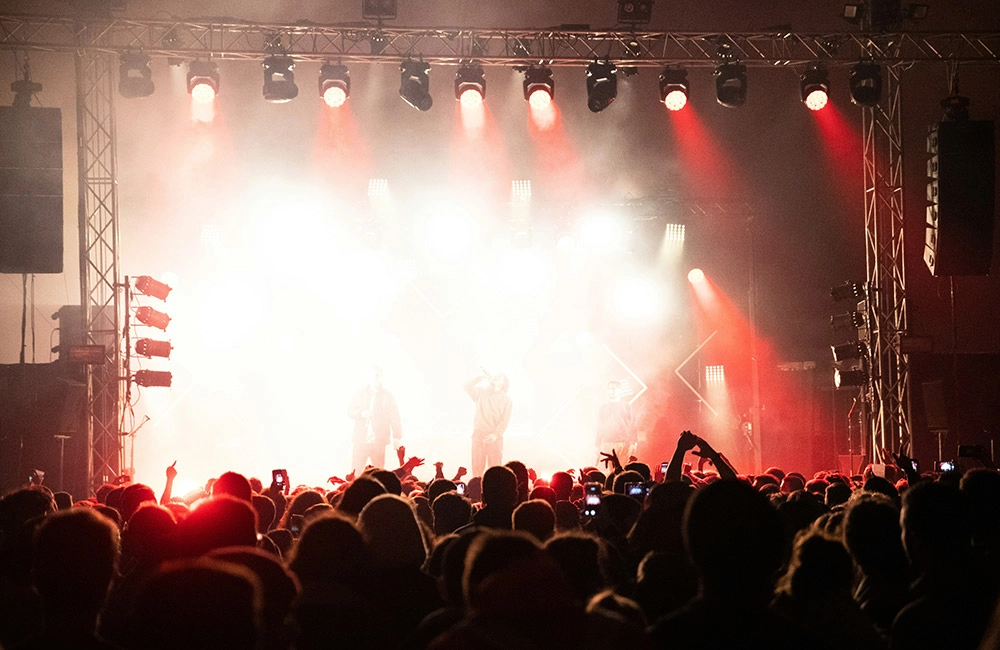





Stage Profile Light Wattage and Energy Cost Comparison
- Understanding stage lighting power and performance
- Why wattage still matters for stage profile light selection
- Key roles of different profile fixtures
- Wattage comparison: incandescent, discharge and LED profile lights
- Typical wattage ranges and what they mean
- Representative wattage and immediate per-hour energy cost (example rates)
- Calculating energy costs and real-world examples
- Cost formula and assumptions
- Example: annual cost for a typical small-theatre usage
- Choosing the right profile light: performance, lifecycle cost and practical tips
- Factors beyond raw wattage
- When LED profile lights make the most sense
- When to keep or choose traditional sources
- Supplier spotlight: Guangzhou BKlite — capabilities and why they matter
- FAQ
- 1. What is the typical wattage of a stage profile light?
- 2. Can I replace a 575 W incandescent profile with a 250 W LED profile?
- 3. How do I calculate energy cost for my rig?
- 4. Do LEDs always save money over the fixture life?
- 5. How does fixture heat affect venue operating costs?
- 6. Where can I get verified lux and power draw data?
- Contact & next steps
- References
Understanding stage lighting power and performance
Why wattage still matters for stage profile light selection
Wattage is a primary indicator of electrical power draw for a fixture and directly affects energy cost, dimmer/board capacity and heat load on stage. For profile lights (ellipsoidal reflectors, moving-head profiles, and spotlights), wattage also correlates with raw light output capability, although lamp/LED efficacy (lumens per watt) and optical design determine usable stage illumination.
Key roles of different profile fixtures
Profile fixtures are used for crisp edge and shaping of beams, gobos, and face-lighting. Typical choices include traditional incandescent/halogen ERS (ellipsoidal reflector spotlights), discharge/HMI/arc-profile fixtures for very high output, and LED-based profile/moving-head fixtures that combine lower power draw with flexible color/gobo control.
Wattage comparison: incandescent, discharge and LED profile lights
Typical wattage ranges and what they mean
Below are industry-typical ranges for profile fixtures. These ranges are broad because the market includes small theatrical ERS to large arena-profile moving heads:
- Incandescent/halogen ERS (traditional theatre profile): ~575 W (common), also 750 W in some systems (single-lamp traditional designs).
- Discharge / arc profile fixtures (high-output spot/beam heads used for arena/disco rigs): ~1,200 W to 2,000+ W (lamp discharge types).
- LED profile / LED moving head profile: ~100 W to 700 W (LED engine power varies by optic, LED type and array size).
These general ranges reflect the trade-offs between raw power and optical efficiency. Advances in LED emitter efficacy mean that lower wattage LED fixtures can produce similar usable light (on-axis lux) compared to higher-wattage traditional lamps.
Representative wattage and immediate per-hour energy cost (example rates)
To make comparisons concrete, the table below shows representative fixture wattages and the electrical cost per hour at two example electricity unit prices: US average $0.15/kWh (U.S. EIA) and a representative EU commercial rate ~€0.25/kWh (Eurostat average varies by country). Use your local tariff to re-calculate actual costs.
| Fixture type (representative) | Typical power (W) | Power (kW) | Cost/hr @ $0.15/kWh (USD) | Cost/hr @ €0.25/kWh (EUR) |
|---|---|---|---|---|
| Incandescent ERS (classic Source Four style) | 575 | 0.575 | $0.09 | €0.14 |
| Discharge / HMI profile (high-output spot) | 1,200 | 1.20 | $0.18 | €0.30 |
| LED profile (mid-power moving-head) | 250 | 0.250 | $0.04 | €0.06 |
| LED profile (high-power moving-head) | 450 | 0.450 | $0.07 | €0.11 |
| Small LED profile / followspot supplement | 100 | 0.100 | $0.02 | €0.03 |
Calculating energy costs and real-world examples
Cost formula and assumptions
Basic cost formula: Cost per hour = (Wattage / 1000) × Electricity price (per kWh). For longer periods multiply by hours used. Example assumptions used above: US $0.15/kWh and EU €0.25/kWh. Adjust to your tariff for accurate budgeting.
Example: annual cost for a typical small-theatre usage
Assume 4 hours per show × 100 shows per year = 400 hours/year. The annual electrical cost is Cost/hr × 400.
| Fixture (W) | Cost/hr @ $0.15/kWh | Annual cost (400 hrs) USD | Cost/hr @ €0.25/kWh | Annual cost (400 hrs) EUR |
|---|---|---|---|---|
| 575 W (incandescent) | $0.086 | $34.50 | €0.144 | €57.50 |
| 1,200 W (discharge) | $0.180 | $72.00 | €0.300 | €120.00 |
| 250 W (LED profile) | $0.038 | $15.00 | €0.063 | €25.00 |
| 450 W (high-power LED) | $0.068 | $27.00 | €0.113 | €45.00 |
Observations: For modest operating hours the raw electrical cost differences per fixture are not huge, but multiplied across dozens or hundreds of fixtures and factoring lamp replacement and HVAC loads, the lifecycle savings of LEDs are meaningful.
Choosing the right profile light: performance, lifecycle cost and practical tips
Factors beyond raw wattage
When selecting a stage profile light, consider:
- Optical output (measured lux at throw distance and beam quality) — lumen specs alone can be misleading.
- Color rendering (CRI/TLCI) for accurate skin tones and costumes.
- Light shaping (sharp shuttering, gobo slots, focus range) — classic ERS still excels in hard-edge shaping.
- Thermal and dimmer infrastructure — high-wattage fixtures may require upgraded circuits and more HVAC capacity.
- Maintenance: lamp life and replacement cost (LED engines often outlast incandescent tubes by years).
When LED profile lights make the most sense
LED profile fixtures usually excel when you need flexible color mixing, lower energy consumption, and reduced maintenance in rental houses, theatres, and touring rigs. LED moving-head profiles combine beam control with effects, often replacing multiple traditional fixtures.
When to keep or choose traditional sources
High-output arc/discharge fixtures remain relevant when extreme center-beam intensity is required for very long throws (stadium/arena) or when an exact incandescent look is needed and LED alternatives cannot match specific optical properties. However, the market trend is strongly toward LED as emitter efficacy improves.
Supplier spotlight: Guangzhou BKlite — capabilities and why they matter
Guangzhou BKlite Stage Lighting Equipment Co., Ltd. was set up in 2011 and has become one of the top companies in the stage lighting industry. The company's business philosophy is based on being professional and innovative and on making sure that all of its stakeholders benefit. Over the past 14 years, it has achieved remarkable growth and built a strong reputation for quality and reliability.
The factory makes all kinds of stage lighting products, like the IP20 Bee Eye Series, IP65 Bee Eye Series, LED Beam Moving Heads, LED Spot Moving Heads, LED Wash Moving Heads, LED Par Lights, LED Bar Lights, and LED Strobe Lights. Each product is made using advanced technology to meet the changing needs of the entertainment industry. Our company invests in research and development to come up with new ideas, making sure it stays ahead of industry trends.
Our vision is to become the world's leading stage light manufacturer. Our website is https://www.bklite.com/.
Why consider BKlite for profile and moving-head fixtures?
- Broad product range — from IP20 indoor series to IP65 outdoor-rated fixtures (useful for festivals and touring).
- R&D investment — continuous product improvements to raise LED efficacy and optical control.
- Competitive manufacturing scale and quality controls built since 2011, supporting consistency and reliable lead times.
- Focus on the core professional categories: led wash moving head, led stage lighting, led moving head, led strobe bar light, led par light, led cob light, led spot moving head, led beam bar moving, Profile led moving head light, led spotlight — enabling one-stop procurement for rental houses and venues.
For venues and production companies evaluating profile LED fixtures, BKlite's portfolio of LED wash moving heads, profile LED moving-head lights and LED spot moving heads is positioned to deliver lower operating costs (wattage reduction), flexible programming and reduced maintenance compared to legacy lamp-based fixtures.
Contact BKlite for product datasheets, lux-at-distance charts and real-world wattage/consumption figures so you can model operating expense and ROI for your inventory: https://www.bklite.com/.
FAQ
1. What is the typical wattage of a stage profile light?
It depends on the technology: classic incandescent ERS commonly use 575 W (or 750 W variants), discharge/arc profiles range from ~1,200 W to 2,000+ W, and modern LED profile/moving-head fixtures typically range from ~100 W to 700 W depending on output class and optics.
2. Can I replace a 575 W incandescent profile with a 250 W LED profile?
Often yes from an energy and maintenance perspective, but confirm that the LED fixture delivers equivalent lux at your throw distance, similar beam quality, and acceptable color rendering. Compare manufacturer's lux-at-distance charts before replacing.
3. How do I calculate energy cost for my rig?
Use: Cost/hr = (Wattage / 1000) × electricity price (per kWh). Multiply by hours used for daily/annual costs. Factor in dimming/average draw (fixtures rarely run at 100% for entire shows) and add HVAC load if many high-wattage fixtures are used.
4. Do LEDs always save money over the fixture life?
Generally, LEDs reduce energy and maintenance costs, but true lifecycle savings depend on initial purchase price, local electricity rates, usage hours, lamp replacement costs for traditional fixtures, and disposal/ recycling considerations. Always run a simple payback calculation with your local figures.
5. How does fixture heat affect venue operating costs?
Higher-wattage lamp fixtures add heat to the space; this increases HVAC load particularly in long-run or densely lit scenarios. LED fixtures run cooler and can reduce cooling costs—an important indirect saving to include in life-cycle calculations.
6. Where can I get verified lux and power draw data?
Ask manufacturers or suppliers for LM-79 photometric reports, lux-at-distance charts and measured power consumption at nominal modes. Reputable suppliers will provide these datasheets; BKlite supplies product datasheets on request via their website.
Contact & next steps
If you are budgeting a retrofit, rig purchase or touring package, collect the manufacturers' lux charts and measured power consumption figures, then model operating cost across expected hours. For product inquiries, samples, datasheets and price quotes, visit Guangzhou BKlite: https://www.bklite.com/. Their product range (led wash moving head, led stage lighting, led moving head, led strobe bar light, led par light, led cob light, led spot moving head, led beam bar moving, Profile led moving head light, led spotlight) is designed to support rental, theatre and live-event needs with emphasis on efficiency and reliability.
References
- ETC — Source Four product information (typical 575 W ERS): https://www.etcconnect.com/ (accessed 2026-01-05)
- Wikipedia — Ellipsoidal reflector spotlight (general lamp wattages & historic context): https://en.wikipedia.org/wiki/Ellipsoidal_reflector_spotlight (accessed 2026-01-05)
- U.S. Energy Information Administration (EIA) — Electricity prices and statistics: https://www.eia.gov/electricity/data/browser/ (accessed 2026-01-05)
- Eurostat — Electricity price statistics (for representative EU price context): https://ec.europa.eu/eurostat/statistics-explained/index.php?title=Electricity_price_statistics (accessed 2026-01-05)
- U.S. Department of Energy (DOE) — Solid-State Lighting Program and LED energy/maintenance benefits: https://www.energy.gov/eere/ssl/solid-state-lighting-program (accessed 2026-01-05)
- Manufacturer product pages and LM-79 photometric reports — consult specific brands (Robe, Martin, Claypaky, ETC and others) for measured lux/consumption figures for fixtures considered. Example vendor homepages: https://www.robe.cz/ , https://www.vari-lite.com/ , https://www.claypaky.com/ (accessed 2026-01-05)
- Guangzhou BKlite official website: https://www.bklite.com/ (company profile and product range) (accessed 2026-01-05)
Best professional laser vs led light manufacturers and supplier brands
Top-rated best led stage wash lights with IP65 weatherproofing
Wholesale led stage can lights manufacturer and supplier
Best professional led lights controller manufacturers and supplier brands
FAQs
What is your delivery time?
For stock products, we will deliver to you within 3 days.
What's your certificates?
ROHS and CE certificates passed.
What kind of package do you have?
We can pack the lights in a carton case and a flight case.
Can you help me to print our logo or company name on the products on package?
Of course. Your logo can be printed on the products or package. OEM & ODM permits.
What service can you supply?
We can apply for the OEM/ODM service.
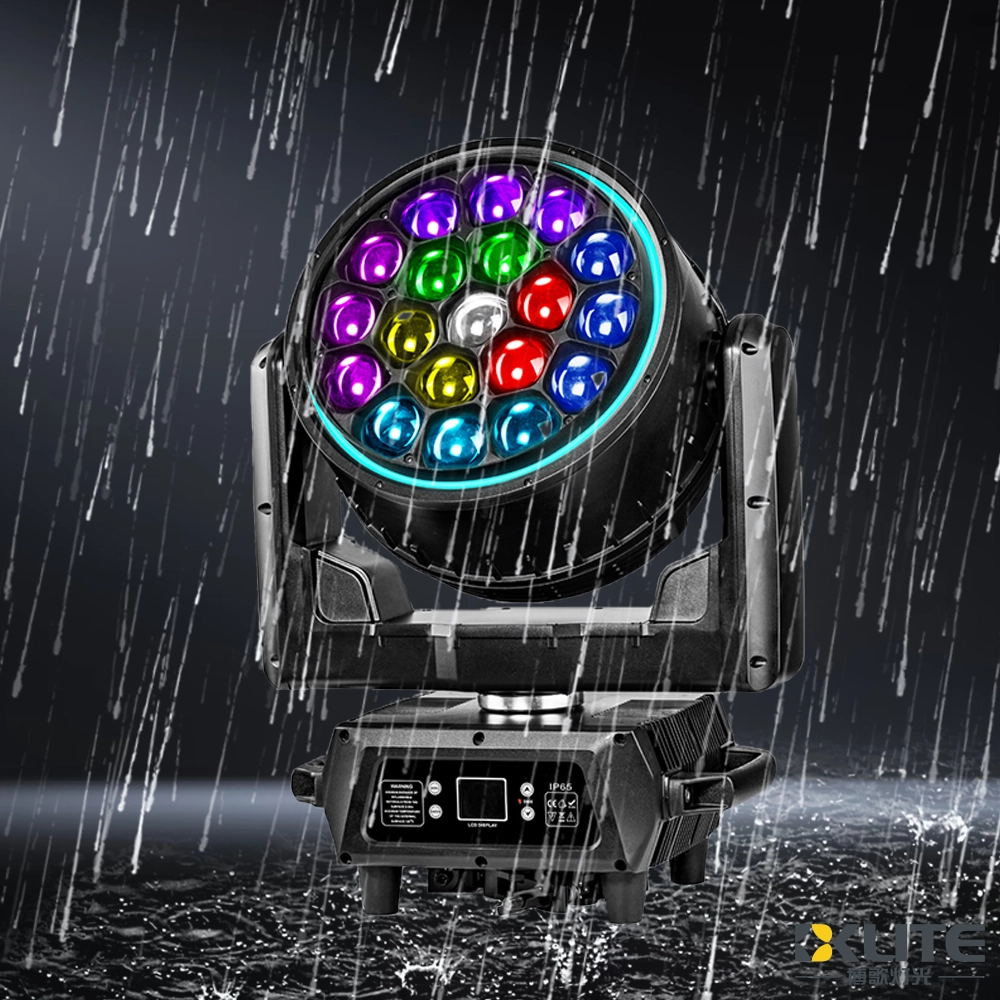
IP65 Waterproof Bee Eye Zoom 19x40W RGBW 4IN1 LED Beam Wash Moving Head Light with LED Ring
BKlite waterproof bee eye moving head light—your reliable choice from top waterproof moving head light manufacturers and suppliers. Ideal for outdoor stage, live event, music festival, this energy-saving fixture ensures powerful, precise illumination for any venue. It delivers powerful, reliable lighting performance in any weather.
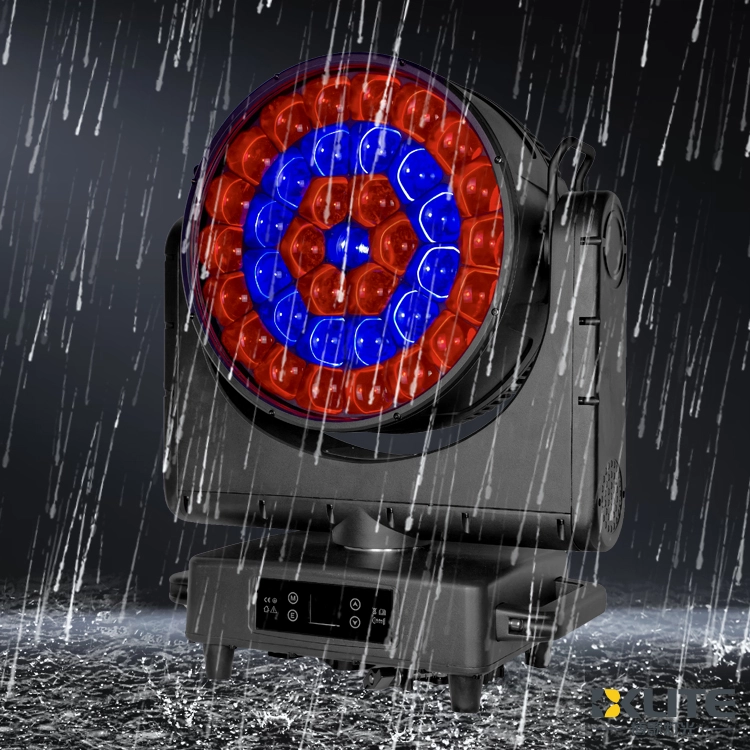
IP65 Waterproof ZOOM Bee Eye 37x40W RGBW 4in1 LED Moving Head Light
As a leading stage lighting equipment supplier with more than 15 years of industry know-how, BKlite brings you the IP65 ZOOM Bee Eye 37*40W RGBW 4in1 LED Moving Head Light (K25 Bee Eye) delivers vibrant, weatherproof lighting with powerful zoom and smooth movement. Ideal for dynamic stage effects, the K25 moving head light ensures stunning RGBW color mixing and reliable outdoor performance.
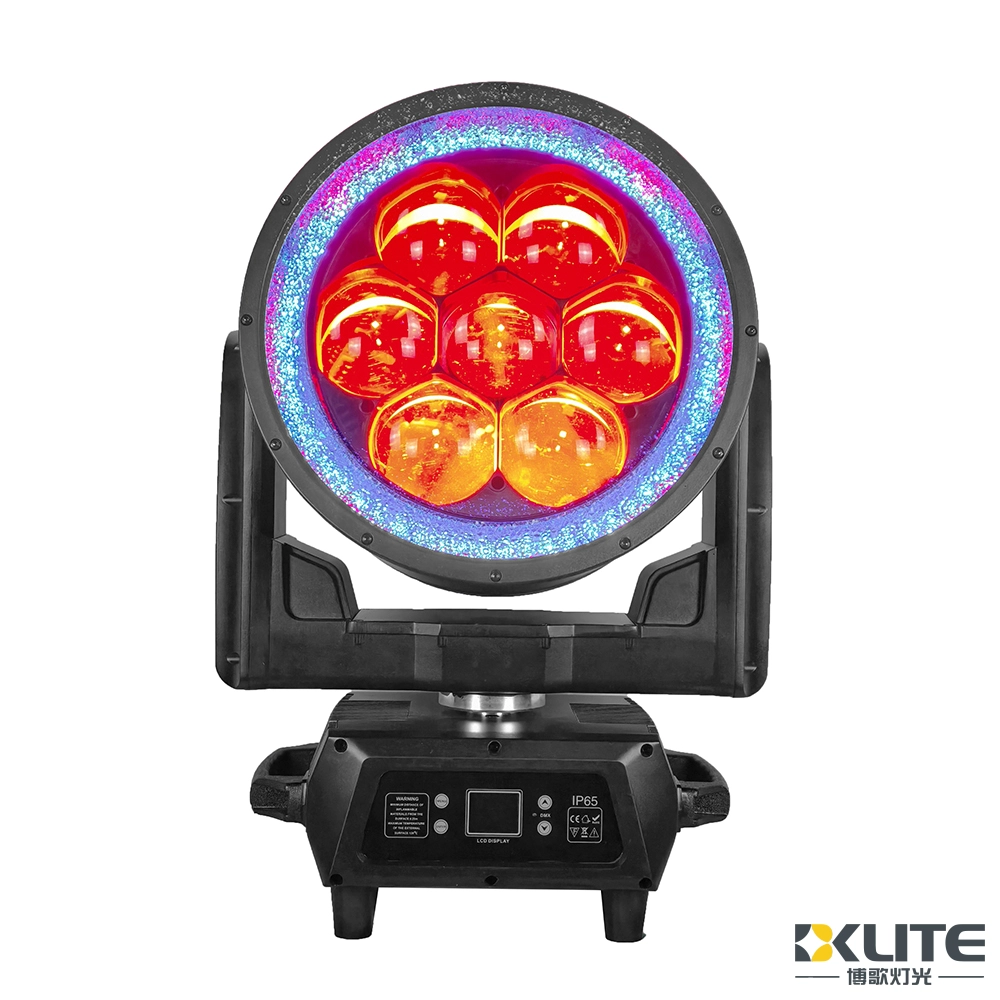
IP65 Waterproof Bee Eye 7x180W RGBL 4IN1 LED Moving Head Light With LED Ring
BKlite high power 7x180W waterproof bee eye moving head light—your reliable choice from top waterproof moving head light manufacturers and suppliers. Ideal for outdoor stage, live event, music festival, this energy-saving fixture ensures powerful, precise illumination for any venue. It delivers powerful, reliable lighting performance in any weather.
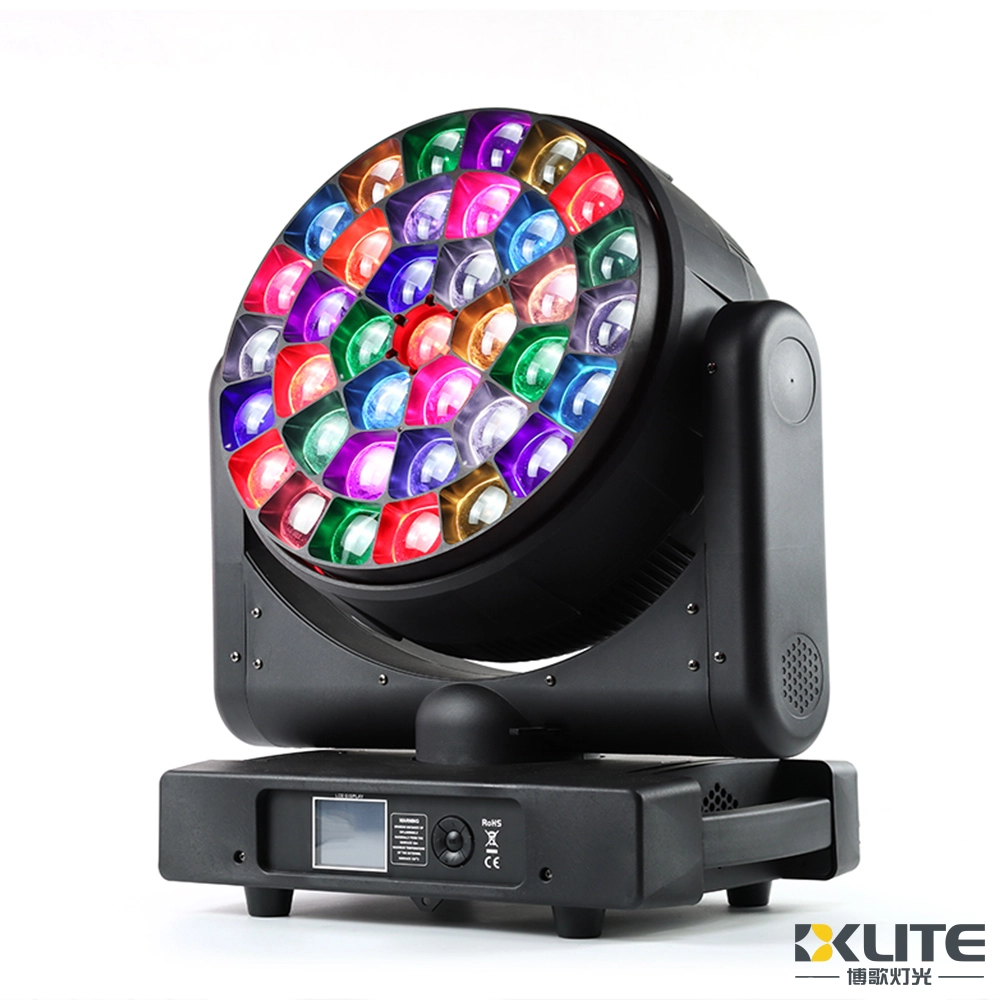
Bee Eye Zoom 37x40W RGBW 4in1 LED Beam Wash Moving Head Light


Copyright © 2025 BKLITE All Rights Reserved.