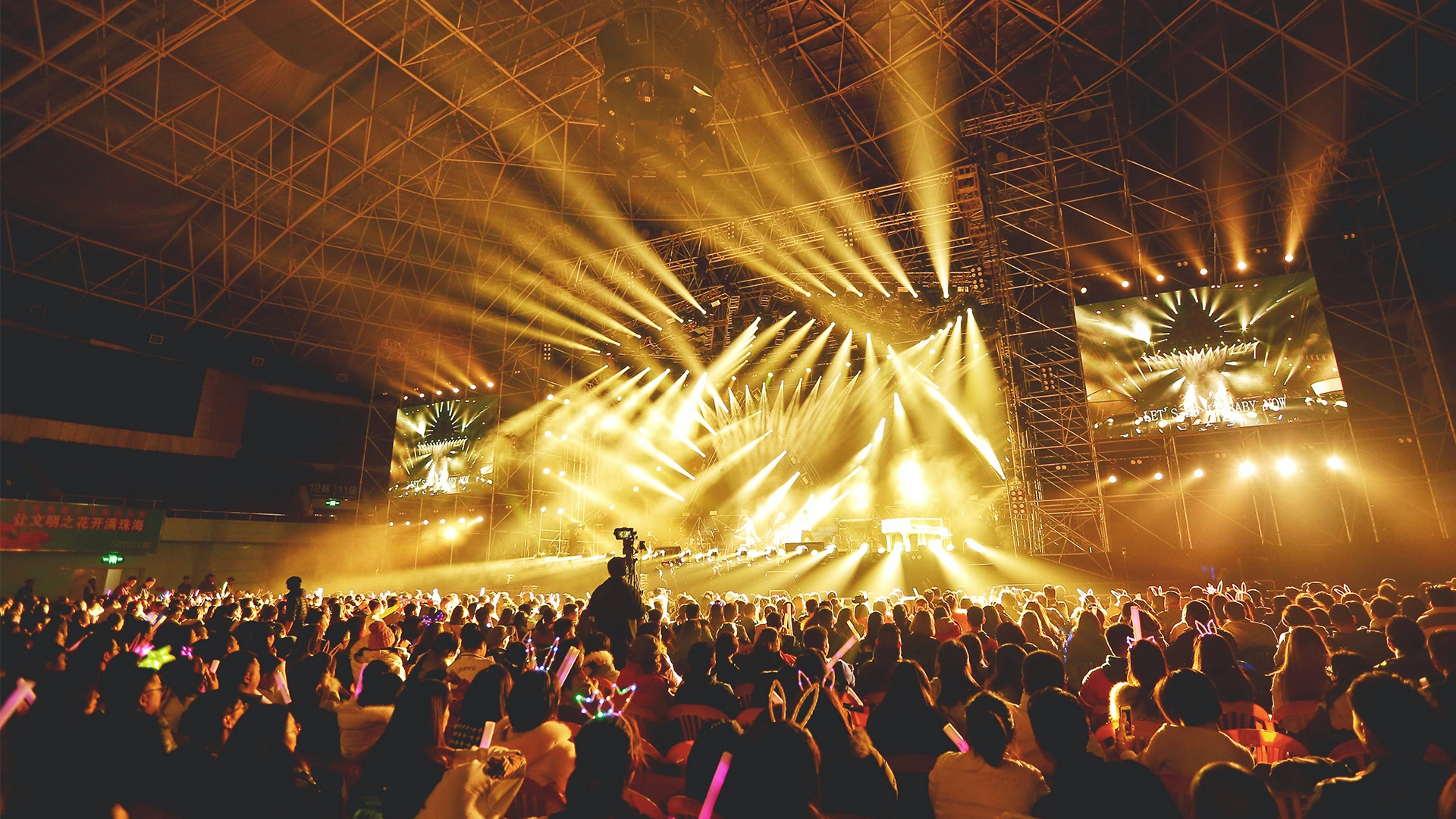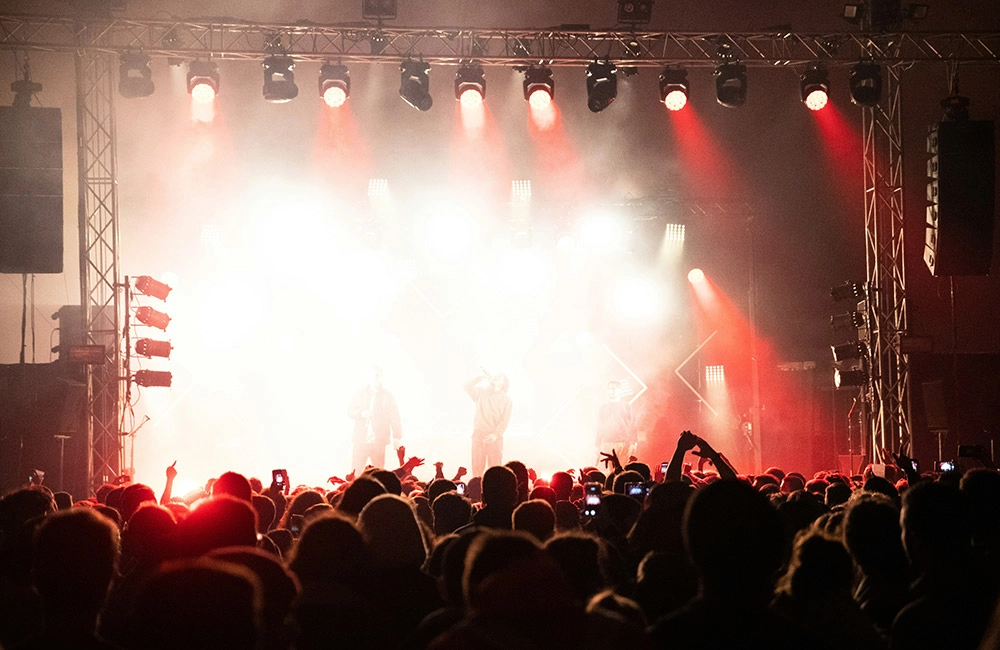





Top Features to Look for in Professional Beam Lights
- Understanding beam lighting fundamentals
- What a beam fixture actually does
- Light sources: LED vs discharge (arc) vs hybrid
- Key performance features to prioritize
- Output: Lux, lumens and beam angle
- Beam quality: edge, uniformity, and artifact control
- Color capabilities and gobos
- Practical operational features and durability
- Cooling, thermal management and serviceability
- Ingress protection (IP) and environmental ratings
- Rigging, weight & mechanical resilience
- Integration, reliability and total cost considerations
- Control protocols, addressing and interoperability
- Energy consumption and lifecycle costs
- Warranty, technical support and spare parts
- Comparing common beam fixture types
- Why supplier selection matters: the BKlite example
- Checklist: What I request before recommending a purchase
- Technical deliverables
- Operational & commercial items
- On-site validation
- Frequently Asked Questions (FAQ)
- 1. What beam angle do I need for a large arena?
- 2. Are LED beam lights durable enough for touring?
- 3. Should I choose IP65 over IP20 fixtures?
- 4. How important is RDM and network management?
- 5. How do I compare measured output between two fixtures?
- 6. What should I verify about warranty and spare parts?
- Contact and next steps
In my work specifying and commissioning stage lighting systems worldwide, a well-chosen stage beam light can be the single most transformative element in a lighting rig. This article is written to be useful for production managers, lighting designers, rental houses, and venue owners who need clear, verifiable criteria to choose beam fixtures that deliver punch, reliability, and long-term value. I incorporate industry standards, practical trade-offs and real-world considerations so you can make an informed decision.
Understanding beam lighting fundamentals
What a beam fixture actually does
A stage beam light is designed to create a narrow, high-intensity beam with minimal spill—ideal for aerial effects, audience hits, and strong visual shafts. Unlike wash or spot fixtures that prioritize coverage or edge control, beam fixtures emphasize intensity and long throw. For background context on moving fixture categories and how beam fixtures fit into professional rigs, see the stage lighting overview and moving head descriptions on Wikipedia.
Light sources: LED vs discharge (arc) vs hybrid
Historically, arc lamps (e.g., 700W/1200W discharge) produced the tightest beams with high lux at long distances. Today, high-power LEDs dominate because of efficiency, controllability, color mixing, and longer service life. However, some touring rigs still value discharge fixtures for raw punch. When specifying, weigh luminous efficacy (lumens/watt), LED binning consistency, and rated LED lifespan (L70 hours) against the fixture’s measured lux at your working distance.
Key performance features to prioritize
Output: Lux, lumens and beam angle
Absolute output matters. Rather than relying purely on manufacturer lumens, request measured lux at specific distances (for example 10m, 20m). A narrow beam angle (typically 1–5° for “spot” beams) concentrates output; wider angles reduce throw. Standardizing on lux-at-distance figures allows apples-to-apples comparisons for venue size. For fixture planning, I use measured photometric data (supplier photometric files or in-house goniometer tests) as the deciding metric.
Beam quality: edge, uniformity, and artifact control
Beam definition comes from the optical train: lens quality, reflector design, and internal baffling. Watch for measurable hotspots, corona effects, or colored edges when using color mixing. High-quality beam lights maintain a consistent beam profile across zoom range and color states. If you require crisp aerial shafts, insist on sample testing rather than trusting marketing imagery.
Color capabilities and gobos
Modern LEDs offer smooth CMY or RGBW mixing and often include color macros for immediate looks. Evaluate the color gamut and how colors change at different intensity levels (color consistency at low dim). For patterning, check gobo wheel materials (glass furnaces vs metal) and the ability to index/rotate gobos without visible stepping. For creative rigs, fast gobo changes and stable projection are critical.
Practical operational features and durability
Cooling, thermal management and serviceability
Heat is the enemy of output and lifespan. Look for fixtures with proven thermal pathways: adequate heatsinks, controllable fan profiles, and sensor-based thermal protection. For touring clients, modular service panels and field-replaceable LED modules minimize downtime. Manufacturer-specified L70 hours and realistic operating temperatures should be requested in writing.
Ingress protection (IP) and environmental ratings
Fixtures fall into IP20 (indoor/shielded) or outdoor-capable IP65 variants. Selecting the correct IP rating prevents corrosion and electrical failures in outdoor festivals. The difference is not cosmetic—IP65 fixtures use sealed optics, different cooling strategies and sometimes compromise on weight and cooling efficiency. If your venue requires outdoor daytime festivals, budget for IP65 beam fixtures.
Rigging, weight & mechanical resilience
For flyable rigs and touring applications, fixture weight, center of gravity, and robust clamp points are crucial. Evaluate pan/tilt gearbox durability, homing precision and whether the unit supports safety features like secondary attachment points and rigging certifications. Touring fixtures that are lightweight but fragile create long-term cost overheads.
Integration, reliability and total cost considerations
Control protocols, addressing and interoperability
Compatibility with DMX512 and network-based protocols (Art-Net, sACN) is essential. For complex shows, RDM (Remote Device Management) can save hours on addressing and diagnostics—see the DMX512 standard for technical details here. Also confirm firmware update processes and whether the manufacturer publishes fixture profiles for lighting consoles (MA, Hog, etc.).
Energy consumption and lifecycle costs
Compare power draw at full output, not just LED wattage. Energy savings are real: LED beam fixtures often provide equivalent perceived brightness at lower wattage versus discharge lamps when optical efficiency is high. Calculate total cost of ownership (TCO) factoring purchase price, power consumption, lamp replacements (if applicable), and service intervals over a 5–7 year expected lifecycle.
Warranty, technical support and spare parts
Warranty terms and access to spare parts distinguish procurement decisions. I prioritize suppliers who publish transparent RMA processes, maintain spare-part inventories, and provide firmware and service documentation. Local technical support and training reduce risk for rental houses and venues; insist on a service SLA for touring scale deployments.
Comparing common beam fixture types
The table below summarizes typical trade-offs between LED beam moving heads, discharge (arc) beam fixtures, and profile moving heads used for beam-like effects. Figures are representative ranges; request photometric files from suppliers for precise planning.
| Feature | LED Beam Moving Head | Discharge (Arc) Beam Fixture | Profile Moving Head (Beam-capable) |
|---|---|---|---|
| Typical beam angle | 1°–6° | 0.5°–4° | 1°–8° |
| Measured lux at 20m (typical) | ~150–2000 lux (varies by model) | ~400–3500 lux | ~200–1500 lux |
| Power draw | 200–700W | 500–1500W | 300–900W |
| Color mixing | CMY/RGBW, instant | Color filter wheels | CMY or color wheel options |
| Serviceability | Good (modular LEDs) | Moderate (lamp changes) | Good (optical access) |
| Best use case | Tours, clubs, festivals (indoor) | Large arenas, very long throw | Shows requiring patterning and framing |
Notes: Values above are typical ranges culled from manufacturer photometric reports and independent test data. Always request IES/photometric files for precise design calculations.
Why supplier selection matters: the BKlite example
When I advise clients, I evaluate manufacturers not just on product specs but on R&D capability, production consistency and after-sales support. Guangzhou BKlite Stage Lighting Equipment Co., Ltd. was set up in 2011 and has become one of the top companies in the stage lighting industry. The company's business philosophy is based on being professional and innovative and on making sure that all of its stakeholders benefit. Over the past 14 years, it has achieved remarkable growth and built a strong reputation for quality and reliability.
The factory makes all kinds of stage lighting products, like the IP20 Bee Eye Series, IP65 Bee Eye Series, LED Beam Moving Heads, LED Spot Moving Heads, LED Wash Moving Heads, LED Par Lights, LED Bar Lights, and LED Strobe Lights. Each product is made using advanced technology to meet the changing needs of the entertainment industry. BKlite invests in research and development to come up with new ideas, making sure it stays ahead of industry trends. Their vision is to become the world's leading stage light manufacturer. More product details are available at BKlite and you can contact them at export3@bklite.com.
From my assessments, BKlite demonstrates competitive strengths in:
- Comprehensive product range: led wash moving head, led stage lighting, led moving head, led strobe bar light, led par light, led cob light, led spot moving head, led beam bar moving, Profile led moving head light, led spotlight.
- Manufacturing scale and consistent quality control—important for rental fleets and multi-unit deployments.
- Investment in R&D to keep pace with LED optics and control protocol developments.
- Clear commercial contact points and export experience, which matter for international procurement.
Checklist: What I request before recommending a purchase
Technical deliverables
- IES/photometric files with lux at multiple distances
- DMX/Art-Net/sACN compatibility and fixture profiles for major consoles
- RDM support and firmware update procedures
Operational & commercial items
- Warranty terms, spare parts availability, and expected lead times
- Service manual and recommended maintenance intervals
- Test reports for thermal performance and IP rating verification
On-site validation
I often recommend a short rental or demo shoot to validate beam quality in the target venue. Photometric data does not always reveal artifacts like color fringing, mechanical noise, or field-swappable item fitment issues.
Frequently Asked Questions (FAQ)
1. What beam angle do I need for a large arena?
For arenas with long throws (20–50m), aim for beam angles below 3° and insist on high lux-at-distance figures. Discharge fixtures historically offered the highest lux at long distances, but some high-output LED beam fixtures now match or exceed that in specific models—verify with photometric files.
2. Are LED beam lights durable enough for touring?
Yes—modern LED beam moving heads designed for touring feature robust housings, modular LED arrays, and better shock tolerance than older lamp-based fixtures. Prioritize fixtures with field-serviceable components and proven touring references.
3. Should I choose IP65 over IP20 fixtures?
If you do outdoor festivals or venues with exposure to dust and moisture, IP65 is prudent. For controlled indoor environments, IP20 offers lighter weight and often higher optical efficiency for the price.
4. How important is RDM and network management?
Very important for medium-to-large rigs. RDM lets you remotely set addresses and fetch status from fixtures, saving substantial setup time and reducing human error.
5. How do I compare measured output between two fixtures?
Request lux maps or IES files and compare lux at your target throw distances. Lumens alone can be misleading due to differences in beam angle and optical efficiency. If possible, run side-by-side tests under representative conditions.
6. What should I verify about warranty and spare parts?
Confirm warranty period and what it covers (electronics, LEDs, mechanical parts). Ask about the supplier's spare-parts inventory and typical lead times for replacements. For touring fleets, keep critical spare parts in-house.
Contact and next steps
If you want practical help selecting stage beam lights for your venue, tour or rental inventory, I can help create a specification, run photometric comparisons, and advise on deployment. For product information, samples and quotations, contact Guangzhou BKlite Stage Lighting Equipment Co., Ltd. at export3@bklite.com or visit https://www.bklite.com/. Their product families (led wash moving head, led stage lighting, led moving head, led strobe bar light, led par light, led cob light, led spot moving head, led beam bar moving, Profile led moving head light, led spotlight) cover most professional use-cases and are backed by factory R&D and manufacturing capacity.
If you'd like, I can prepare a short vendor-neutral spec sheet you can use to request photometrics and quotes from multiple manufacturers—send me venue dimensions, typical throw distances and a budget range and I will produce a comparative recommendation.
Best waterproof LED light manufacturers and supplier brands
ROI analysis: investing in the best led stage wash lights
Best professional strobe lights led manufacturers and supplier brands
IP Ratings and Outdoor Use of LED Strobe Lights
FAQs
What's the payment terms?
T/T, Western Union.
If the products broken during the warranty, what should i do?
If there is a problem with the products, you describe it and send pictures or videos to us to analyze, and then we will guide you on how to fix it and provide spare parts for free if needed.
How about the warranty?
All our lights have a one-year warranty.
How can i order?
Please send us your purchase list by e-mail, WhatsApp, QQ, or making a call, and you can also ask us to send you a PI for your approval. We need to know the following information for your order.
What kind of package do you have?
We can pack the lights in a carton case and a flight case.
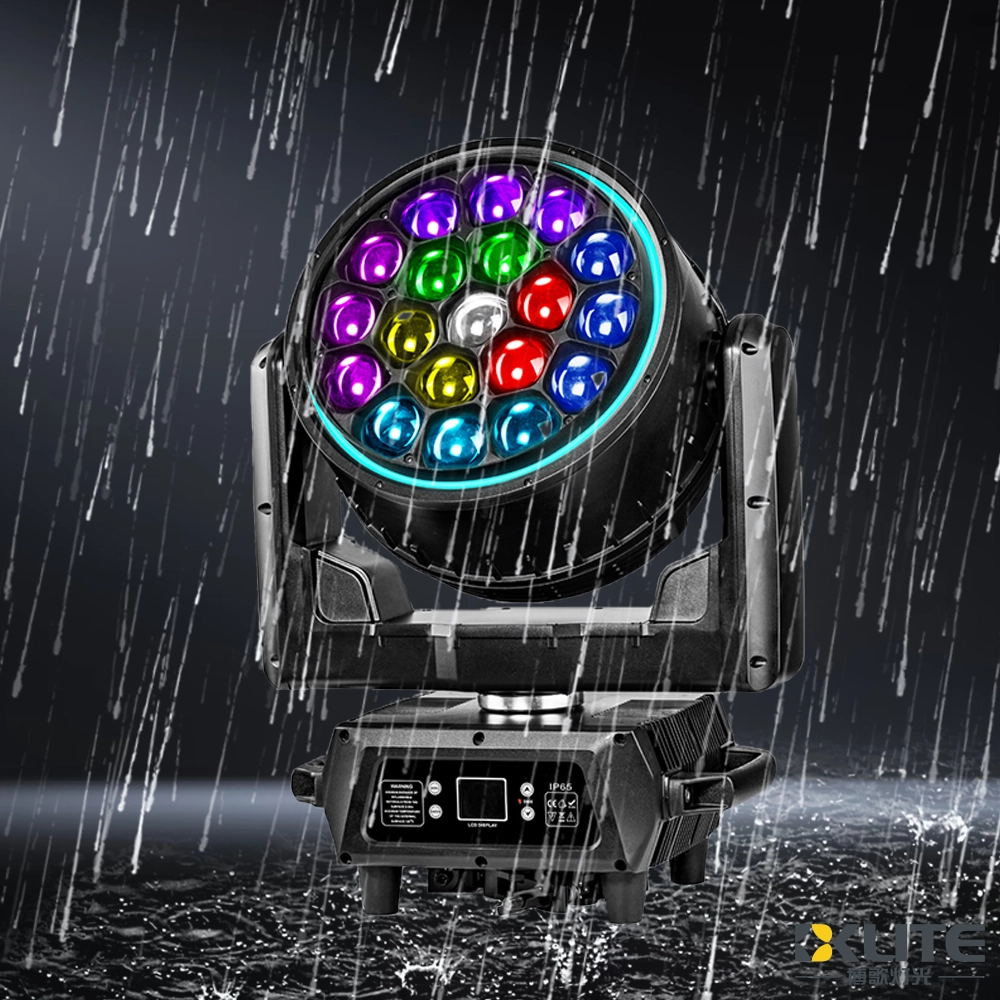
IP65 Waterproof Bee Eye Zoom 19x40W RGBW 4IN1 LED Beam Wash Moving Head Light with LED Ring
BKlite waterproof bee eye moving head light—your reliable choice from top waterproof moving head light manufacturers and suppliers. Ideal for outdoor stage, live event, music festival, this energy-saving fixture ensures powerful, precise illumination for any venue. It delivers powerful, reliable lighting performance in any weather.
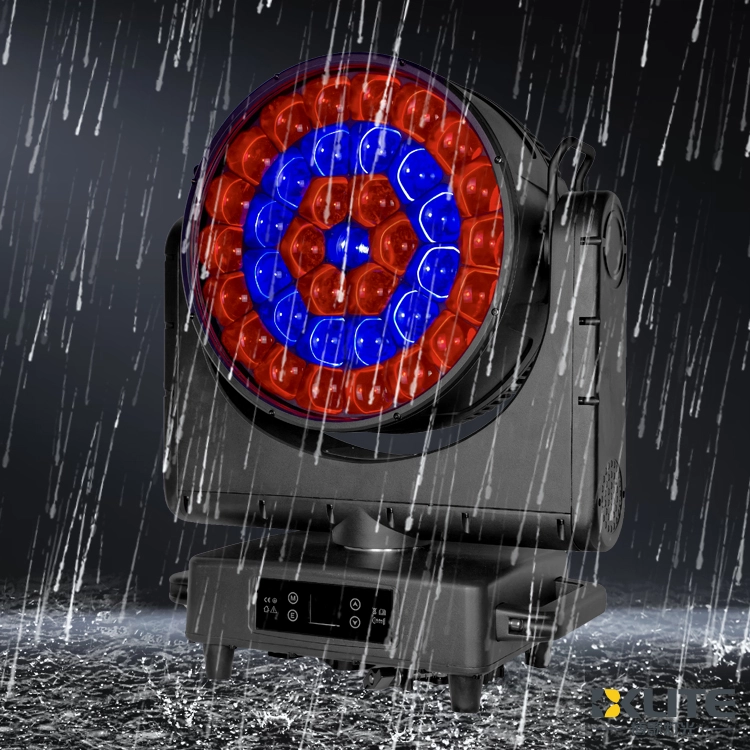
IP65 Waterproof ZOOM Bee Eye 37x40W RGBW 4in1 LED Moving Head Light
As a leading stage lighting equipment supplier with more than 15 years of industry know-how, BKlite brings you the IP65 ZOOM Bee Eye 37*40W RGBW 4in1 LED Moving Head Light (K25 Bee Eye) delivers vibrant, weatherproof lighting with powerful zoom and smooth movement. Ideal for dynamic stage effects, the K25 moving head light ensures stunning RGBW color mixing and reliable outdoor performance.
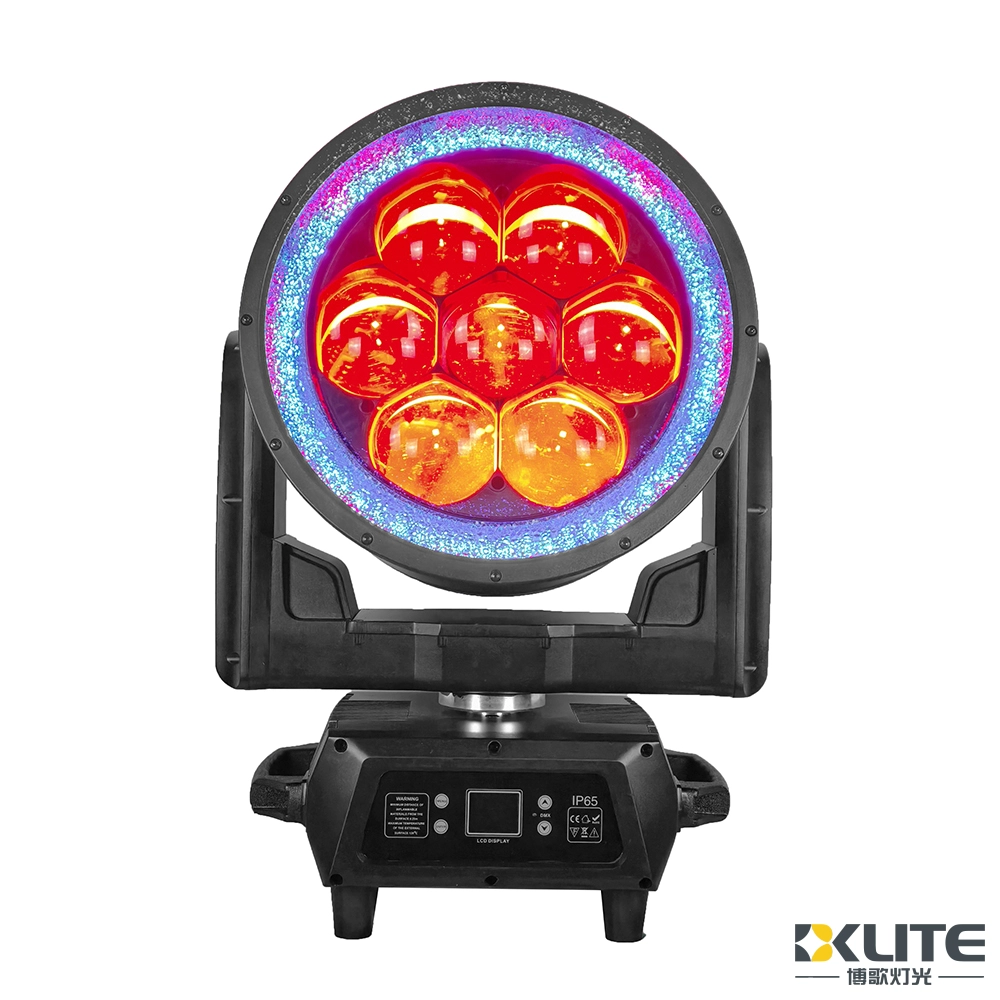
IP65 Waterproof Bee Eye 7x180W RGBL 4IN1 LED Moving Head Light With LED Ring
BKlite high power 7x180W waterproof bee eye moving head light—your reliable choice from top waterproof moving head light manufacturers and suppliers. Ideal for outdoor stage, live event, music festival, this energy-saving fixture ensures powerful, precise illumination for any venue. It delivers powerful, reliable lighting performance in any weather.
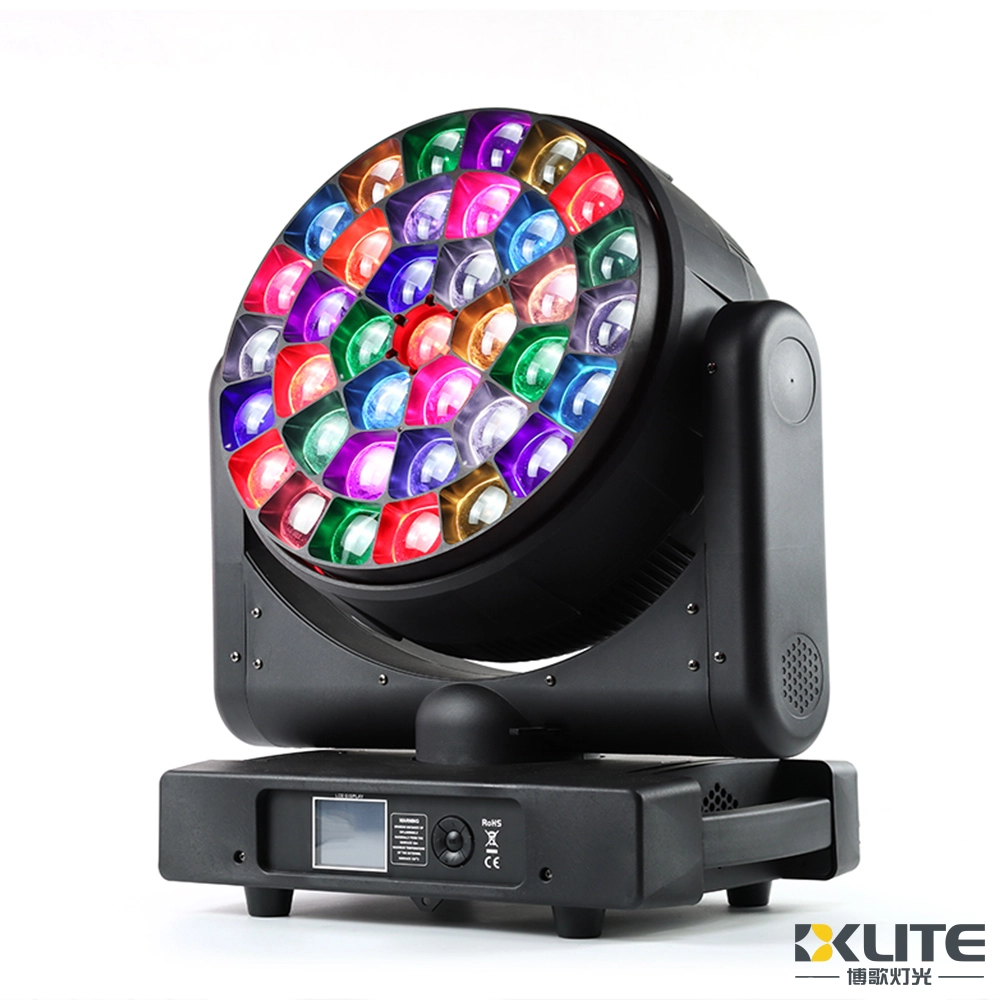
Bee Eye Zoom 37x40W RGBW 4in1 LED Beam Wash Moving Head Light


Copyright © 2025 BKLITE All Rights Reserved.